By Vivian La, Grist

This coverage is made possible through a partnership between Grist and Interlochen Public Radio in northern Michigan. ​​​


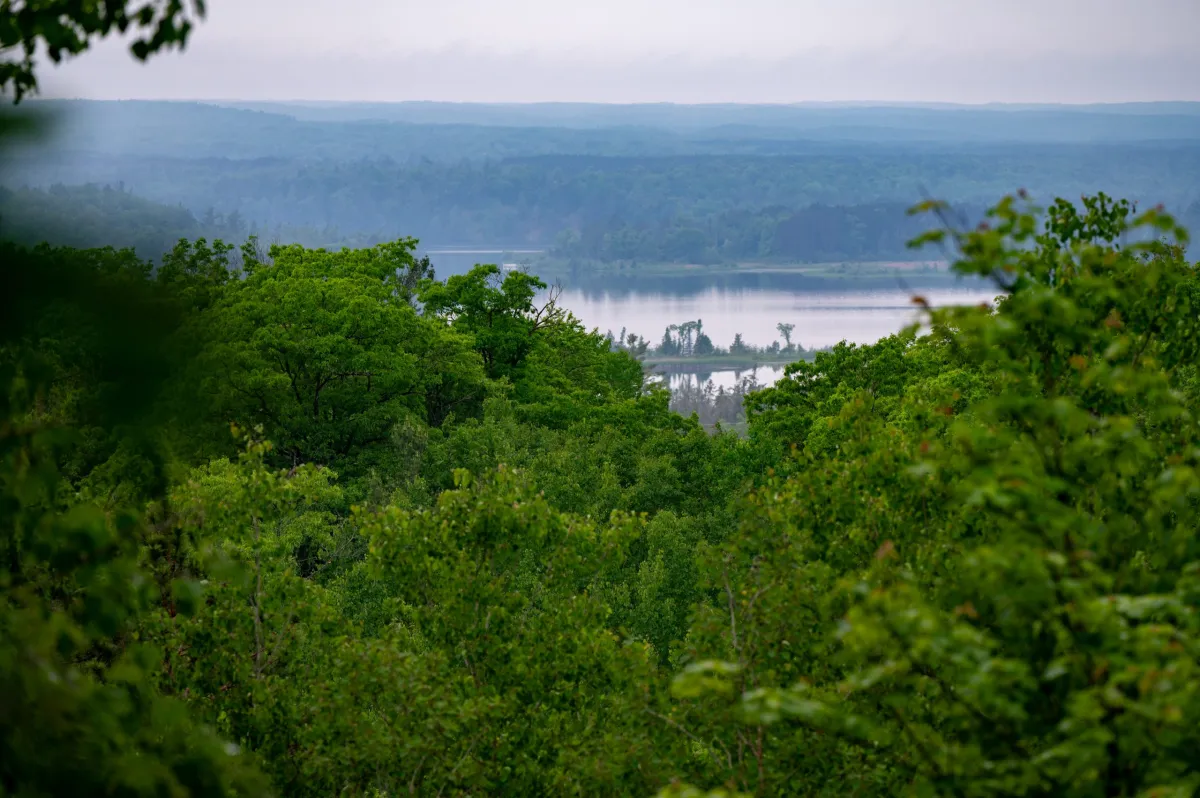
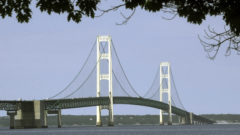
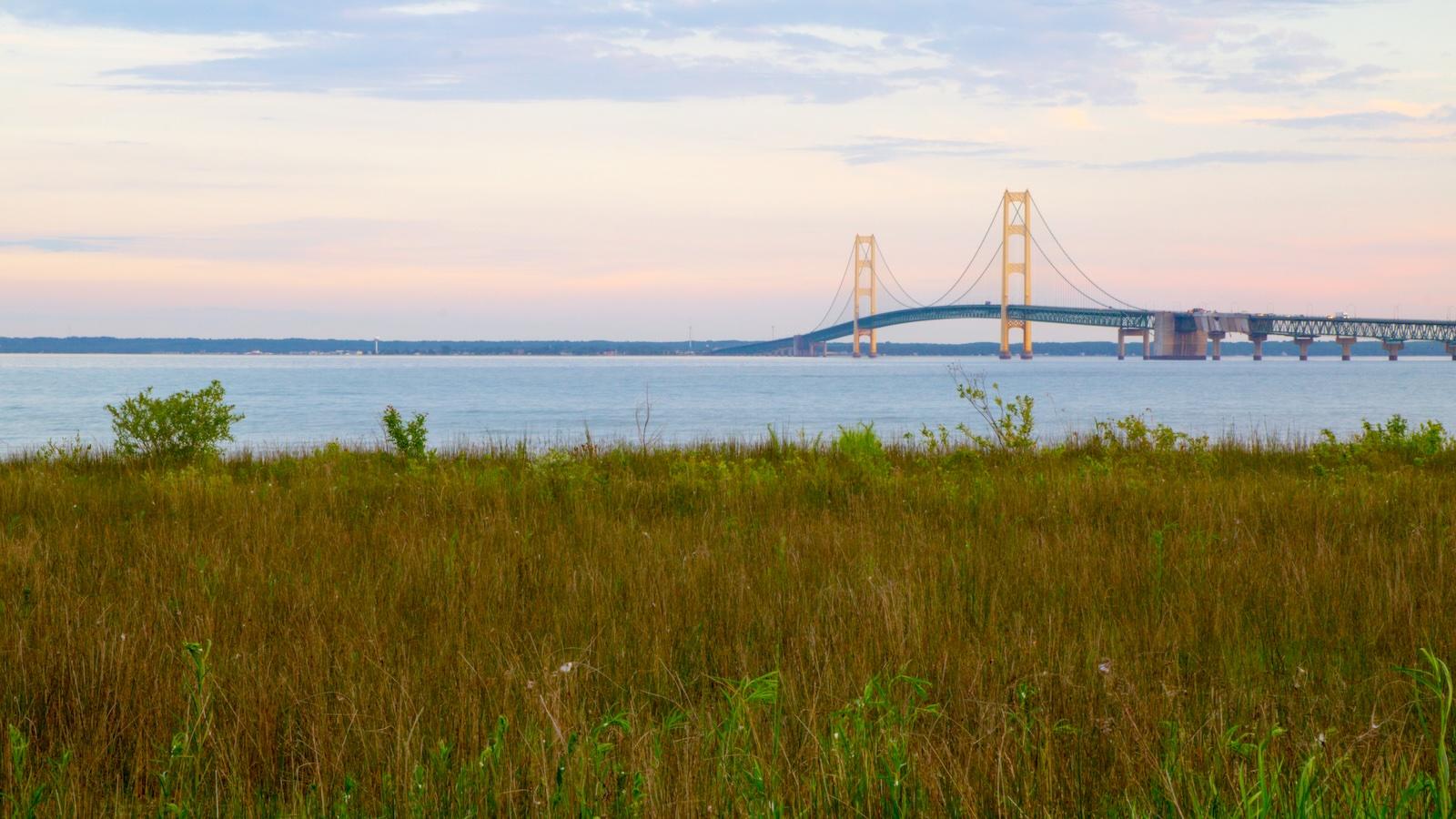
Michigan regulatory officials on Wednesday issued several key permits for the construction of a tunnel to replace an aging section of the Line 5 pipeline in the Straits of Mackinac, the waterways that straddle the state’s Upper and Lower peninsulas. Officials said that the necessity of the project in preventing an oil spill in the Great Lakes outweighed other public interests.

The controversial plan by Enbridge Energy would replace a dual segment of the crude oil and natural gas liquids pipeline that runs through the environmentally sensitive straits, with one buried beneath the lakebed between lakes Michigan and Huron. For more than 73 years, Line 5 has transported oil and natural gas liquids 645 miles from Superior, Wisconsin, to Sarnia, Ontario. 

The Department of Environment, Great Lakes, and Energy, or EGLE, approved a construction permit on lake bottomlands “following comprehensive review.” The agency said in a news release that the permit requires Enbridge to minimize damage to surrounding wetlands.

Despite acknowledging that construction would “adversely impact” rare plants and animals in the area, the state Department of Natural Resources still issued a permit to Enbridge. By state law, the permit also requires the company to “lessen impacts” with measures such as collecting seeds for later restoration or only clearing trees in the winter to protect bats.

Enbridge spokesperson Ryan Duffy said the permits are “an important step forward” for the project that will “ensure the uninterrupted flow of energy that supports Michigan and the region.” Products from Line 5 are used in Canada and Michigan for propane or at oil refineries. Enbridge is currently reviewing the permits “to assess any impacts to tunnel construction,” Duffy said.

Line 5 opponents slammed the decisions by state regulators. “The bigger picture is that there should be no destruction, no wetlands destruction, there should be no forest destruction for a project that is not needed,” said David Holtz, coalition coordinator for anti-Line 5 group Oil & Water Don’t Mix.

Enbridge maintains that the tunnel project will protect the Great Lakes, and that Line 5 continues to operate “safely and reliably” under federal standards. 

Holtz said the news is especially ironic given the thick smoke currently blanketing the Great Lakes region from wildfires burning in Canada. He called out Michigan Governor Gretchen Whitmer’s administration for approving a project that would lock in fossil fuel use for decades, worsening climate change. Hotter average temperatures around the U.S. and Canada are making the conditions that can cause fires to ignite and burn more common.

Tribal nations across the state also denounced the permit approvals. EGLE’s permitacknowledged that destruction or removal of historic and cultural resources is likely — including the remains of tribal ancestors — and requires Enbridge to submit a plan that would mitigate impacts.

But Whitney Gravelle, president of the Bay Mills Indian Community, said any such plan is a “false penitence.”

“Tribes have had so much taken away from them. We have had our land taken, we have had our rights taken, we have had our language taken, we have had our children taken,” Gravelle said. “To now have our ancestors taken and dug up, and moved, and not respected when doing all of that is disgusting.” 

The Bay Mills Indian Community, whose treaty lands the tunnel project would cross, is exploring its legal options for challenging the permits issued this week, such as initiating  a contested case hearing for the EGLE permit.

Enbridge is still waiting for additional permits from state and federal regulators, plus a court decision over a previously issued state permit, before it can begin construction. Wednesday’s decisions signal a favorable path ahead for the tunnel project, according to opposition groups.

A pending state permit would allow Enbridge to discharge about 5 million gallons of treated wastewater a day during construction. Enbridge received this permit in 2021, but it has since expired. 

Environmental groups and tribal nations brought their challenge of a permit issued by the Public Service Commission in 2023 to the Michigan Supreme Court. Oral arguments were in March and a decision from the court is expected before the end of summer.

Wednesday’s decision from EGLE also includes a certification under the Clean Water Act that allows the U.S. Army Corps of Engineers to move forward with issuing its own permit. The Trump administration declared a national energy emergency last year, fast-tracking review processes for energy projects including Line 5. Holtz, with the Oil & Water Don’t Mix Coalition, said it’s highly likely the federal agency will issue its permit to Enbridge.

Separate from the tunnel project, Line 5 faces legal challenges from groups that have fought to shut down the pipeline for years, including the Whitmer administration’s own litigation against Enbridge. This spring, a unanimous ruling from the U.S. Supreme Court paved the way for state court proceedings on whether the aging pipeline can continue operating in the Straits of Mackinac.

And in northern Wisconsin, the Bad River Band of Lake Superior Chippewa and environmental groups are challenging the ongoing construction of a new Line 5 segment that crosses the tribe’s watershed. Last month, crews spilled about 1,900 gallons of drilling fluid into surrounding wetlands.

Gravelle said the permit decisions are a setback. “But we have been trying to protect these things since time immemorial,” she said, “and we cannot abandon that sacred duty to do so because our children and future generations depend on that.”


The post Line 5 tunnel in Michigan clears major permitting hurdle, in blow to opposition appeared first on Great Lakes Now.
Original Article

Great Lakes Now

Great Lakes Now

https://www.greatlakesnow.org/2026/07/17/line-5-tunnel-in-michigan-clears-major-permitting-hurdle-in-blow-to-opposition/

Interlochen Public Radio and Grist

By Christian Thorsberg, Circle of Blue

The Great Lakes News Collaborative includes Bridge Michigan, Circle of Blue, Great Lakes Now at Detroit PBS, Michigan Public and The Narwhal who work together to bring audiences news and information about the impact of climate change, pollution, and aging infrastructure on the Great Lakes and drinking water. This independent journalism is supported by the Charles Stewart Mott Foundation. Find all the work HERE.


Growing up in the shadow of a coal plant in rural Indiana gives a child a unique relationship with the passage of time. 

As a little girl in the small town of Wheatfield, population 900, Barb Deardorff recognized the months by the height of the cornstalks and beansprouts which grew on her family’s farmland. The years were marked by what loomed beyond these fields — the R.M. Schahfer Generating Station and its ever-rising piles of toxic coal ash, their ascending silhouettes a scourge framed for years by her school bus window. 

“My whole childhood, thirteen years, twice a day to and from school, I was watching the coal ash landfill build up layer by layer,” says Deardorff, now 50 years-old, in her Wheatfield home in June. 

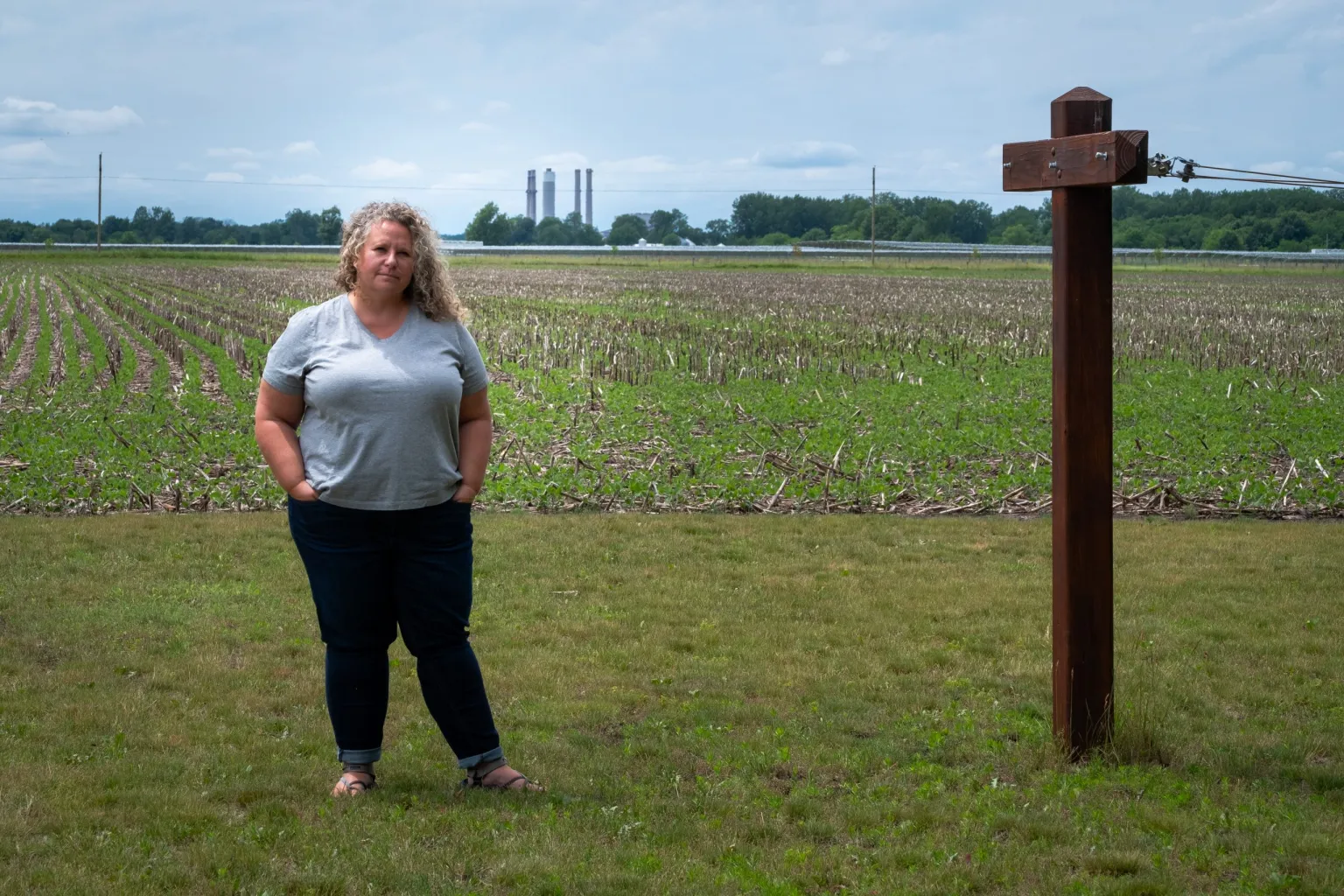
Deardorff’s kitchen today looks out onto a long, flat treeline, above which, just a couple miles away, the flues of that same half-century-old coal plant continue to billow smoke. They stand as readily visible emblems of an old energy era giving way to a new energy revolution that is putting fresh water, clean air, and human health at risk in small Great Lakes communities.

Wheatfield is a microcosm of industrial eras old and new. Having endured for decades the transformational effects of living in the midst of America’s 20th-century coal boom, residents are now left to wonder and worry how the age of artificial intelligence — bolstered by hyperscale data centers and the power plants they depend on — will affect their community.

These concerns are justified. In the past two years, aided by state and federal policy, the tech giant Amazon has invested roughly $29 billion to turn Northwest Indiana into what it calls a new “Silicon heartland,” flush with three energy-intensive data center campuses, one already completed, spanning 2,200 acres. Next door to the Schahfer generating station, Indiana approved two natural gas-fired turbines for construction. Those plants are poised to power the newest Amazon installation — a $7 billion data center — and are estimated to consume roughly 6 billion gallons of water annually from the nearby Kankakee River.

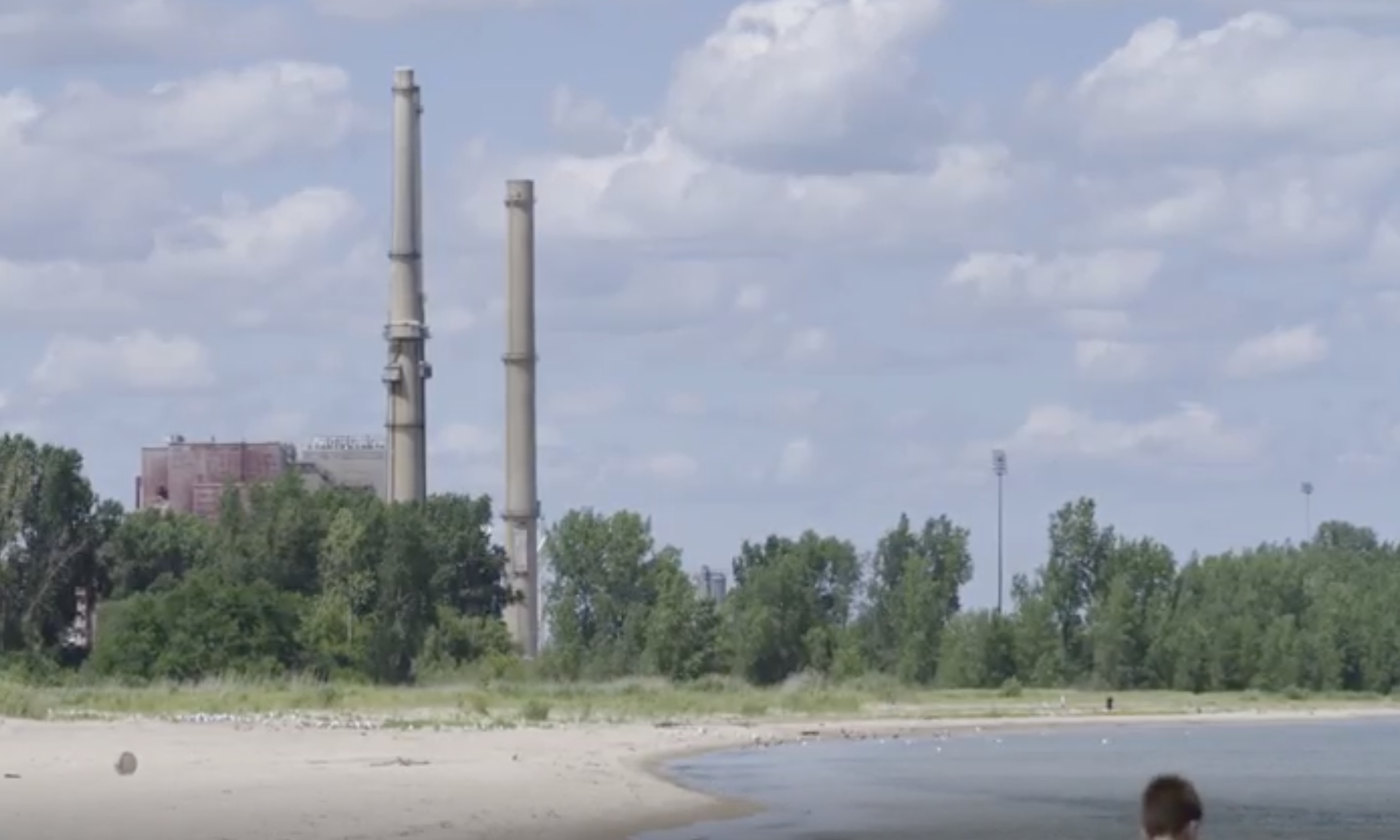
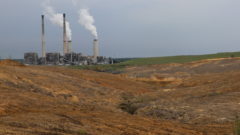
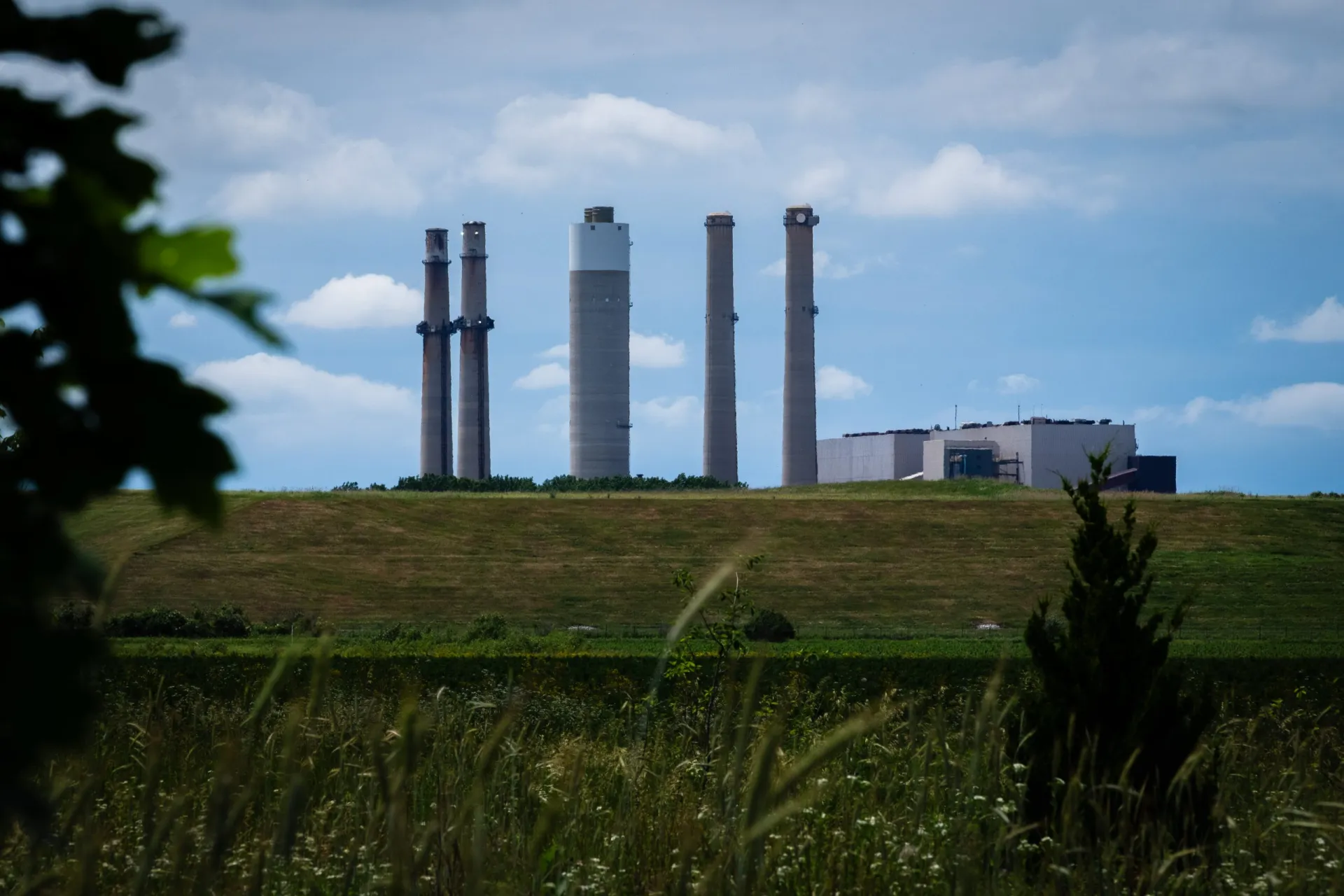
The R.M. Schahfer Generating Station in Wheatfield, Indiana. (Photo credit: Christian Thorsberg / Circle of Blue)

Amazon found a ready ally in the Hoosier state, which has embraced data centers and their thirst for power. Last year, state regulators granted the region’s primary utility first-of-its-kind authority to generate energy just for data centers. And in response to Trump administration directives, officials have re-written state energy policies to keep old coal plants — including Schahfer — operating to supply data centers indefinitely. 

Experts anticipate that by 2040, more than one-fifth of Indiana’s energy needs will come from data centers alone. 

The surge in construction investment and new power supply coincides with a comprehensive weakening of environmental protections on both the local and federal level — a risky proposition in a state that already is home to some of the most polluted waters, largest losses of wetlands, and worst air quality in the country. 

Deardorff has a front row seat to a show of power and technology unlike anything seen before in this region, or across the country. Like other residents of rural communities bullied by data center construction, she says she feels almost helpless. As someone whose conception of time is inseparable from Schahfer, she says she feels suddenly entangled in multiple discouraging realities.

“Everything, everywhere,” she says, “is happening all at once.”

Barb Deardorff, pictured outside her home, with the Schahfer plant behind her in the distance. (Photo credit: Christian Thorsberg / Circle of Blue)

What Was and Is No More

Deardorff has reason to be suspicious of the mammoth display of technology and energy generation under construction around her home. 

She has not known life without the R.M. Schahfer Generating Station as a neighbor. She was an infant when the coal-fired power plant opened its doors in 1976, and has lived next to its operations ever since, watching it become one of the country’s largest single emitters of greenhouse gasses. By one estimate, the plant causes 20 premature deaths each year from drifting soot and smog. And its groundwater, recent testing has shown, is contaminated with carcinogenic heavy metals — an existential threat for the dozens of residents who live within several miles of the facility and rely on shallow private wells as their sole source of drinking water. 

So when Schahfer announced in 2018 that it would close its doors at the end of 2025, celebrations rang out for many. The prospect of life without the plant represented, literally, a brand-new horizon.

“I got emotional, because I thought we outlasted them,” says Deardorff, whose family has lived in Wheatfield for six generations and previously farmed the land where the coal plant sits. “We were here before them, we dealt with them, and I thought we were going to be here after them.”

Residuals of Ash

This dream was short-lived. Not only has a series of 90-day extension orders from the federal government kept Schahfer operational as usual into the present, but the plant’s legacy of waste and health concerns are crescendoing. Deardorff and others worry that the new landscape of data center and natural gas construction and operation could eventually produce more degradation. 

At the Wheatfield home of Chris Hunter, a retired local farmer, coal ash’s stubborn tendency to permeate water and air lays bare. Just hours after severe thunderstorms and tornadoes tore through the town, Hunter’s wife, Cindy, ran a paper towel along the white exterior window sills of their home, located roughly two miles downwind from Schahfer.

Immediately, a dark, sooty film appeared on the pristine white background, the now-darkened paper towel a canvas that distills Wheatfield’s modern story.

“You just get it jammed down your throat,” Hunter says, looking out at the coal plant from his front lawn and thumbing through the wipe. “And we watch it all through our windows.”

In a state known for its high cancer rates — Hoosiers are nearly 12 percent more likely to die from the disease than the average American — Northwest Indiana where Hunter and Deardorff live stands out as a statewide hotspot for incidences of lung, colon, and breast cancers. 

The statistics are made material in Wheatfield, where many residents living in the vicinity of Schahfer share stories of family members and friends who have suffered from poor health. 

Deardorff recalls several neighbors and friends who have been diagnosed with cancer in recent years. Matt Mish, 35, who lives within a half-mile from the coal plant on his grandparents’ old farm, says that his grandmother died of cancer in 2015. 

Hunter says he lost his younger brother at 52 years-old to a rare type of cancer, and his father to liver cancer at 62 years-old. His mother, 90, has lived with Parkinson’s disease for more than two decades. 

“But how are you gonna really prove it,” Hunter asks, “and say it was [the coal plant]?”

All of these residents breathe Wheatfield air, and are among the dozens of people who rely on private wells to draw groundwater from the shallow local water table. Existential concerns for the quality of this supply were raised in 2018, when testing showed that Schahfer’s coal ash landfill had contaminated the plant’s own groundwater with cobalt, arsenic, lithium, radium, boron, and molybdenum in levels above federal thresholds. 

Meanwhile, water samples collected at 107 wells in and around the plant between 2010 and 2019 found that 86 percent had at least one pollutant in excess of federal advisory levels, according to Earth Justice’s Ash Tracker dashboard

“And we only found out about that because a law passed requiring [the plant] to publicly make that data available,” Deardorff says. “Who knows how long they had contaminated the groundwater before then?”

Indra Frank, a doctor and coal ash advisor with the Hoosier Environmental Council, says there is significant concern that the plant’s polluted groundwater will spread through the area’s shallow, flood-prone topography and contaminate wells and ditches that supply water used for drinking, recreation, and irrigation, especially as construction on the natural gas plant and data center begins.

The plant’s own ash-contaminated groundwater, held largely in unlined ponds spanning more than 80 acres, sits at least 15 feet higher than the groundwater that area residents depend on. 

A one-foot-thick wall of slurry, which extends underground to a layer of shale bedrock, is all that separates the plant’s active waste disposal area (WDA) from the rest of the region’s aquifer. This setup, Frank warns, is precarious. Currently, the WDA receives an average of 2.88 million gallons of “bottom ash sluice water, boiler room sump discharge, and stormwater” per day, according to documents published in 2020.

“You’ve got 15 feet of water pressure trying to push that water out from under the slurry wall,” Frank says. 

For a brief period, it was believed that federal intervention would spur remediation at the site. The EPA in 2015 announced a mandate requiring utilities to clean unlined coal ash ponds that were found to be leaking. But the requirement had several loopholes, Frank says, that the coal plant’s owner, energy utility NIPSCO, has exposed to delay any cleanup.  

“They’re claiming that the ash pond is not subject to the rule, because water isn’t visible at the surface of the ponds,” she says. “Some of these ponds, which are 20 feet deep, hold 19 feet of sitting water beneath their solid top layer.”

The slow-walk to addressing its coal ash storage may have paid off for the utility, which last year produced 200,000 tons of ash. In April, the EPA proposed aggressive rollbacks to the 2015 rule, putting Wheatfield’s coal ash piles in a doubly prolonged state of limbo. 

“It would wipe out requirements for half the coal ash in the country, and that includes some of the coal ash at Schahfer,” Frank says. “It can continue to sit there and contaminate groundwater. They could stop monitoring the groundwater for certain sites. It’s pretty, pretty devastating.”

That the Kankakee River runs directly adjacent to the Schahfer plant is another point of vulnerability. No systematic testing of soils or farmland in the area has ever been done, despite Jasper County being home to some 600 farms. Many of these crop fields rely on the Kankakee River for water, and are connected to both each other and the watershed through a series of drainage ditches. This network was created in the 20th century through the mass-draining of a massive wetland ecosystem once known as “the Everglades of the North.” 

As a result of this degradation, most of the area, including some of the coal ash ponds, sit today within 100-year flood zones. Heavy, erratic precipitation made more likely by climate change could exacerbate the movement of contaminated groundwater through farmers’ ditches and crops. 

According to a February report from the Hoosier Environmental Council, based on state data, 270 miles of rivers and streams in Jasper County are impaired. A one-off sample at a local irrigation ditch that runs adjacent to Schahfer, the Stalbaum ditch, was found to contain elevated levels of molybdenum. “That’s consistent with contamination from coal ash getting into that ditch, which runs into the Kankakee River,” Frank says. 

Deardorff grew up swimming in the river, but those days are long over. “I’m concerned about the effluent they emit into it,” she says. “I can see the pipe, I know where it comes out, and I’m never in the water downstream of it.”

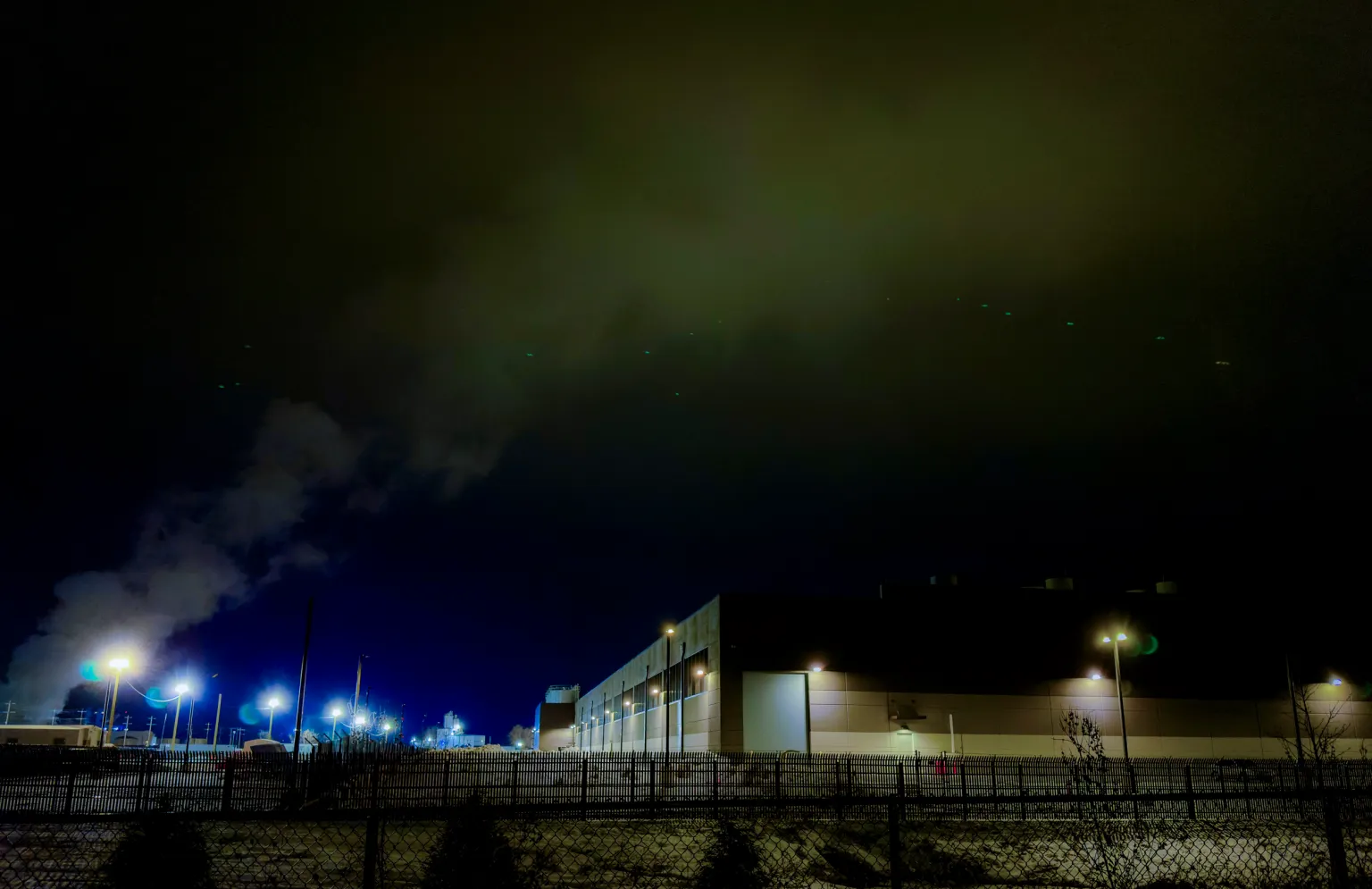
An $11 billion, 1,200-acre Amazon Web Service data center in New Carlisle, Indiana. (Photo credit: J. Carl Ganter / Circle of Blue)

Data Centers’ Indirect Water Use

Concerns about the environmental risks of data centers in Wheatfield center for the time being on water availability. 

On the surface, the new Amazon data center’s estimated yearly water use — between 8 million and 10 million gallons, according to Jasper County Plan Commission documents — is hardly eye-opening, especially for a facility of its size. 

But the much-greater water needs of the two fossil fuel-fired plants operating in its service expose the resource stress the industry indirectly creates. 

In Wheatfield, the Kankakee River is poised to feel the consequences the most.

According to Indiana Department of Environmental Management data, the Schahfer coal plant’s intake well — located in an area of medium-high water stress, according to the World Resources Institute — has the capacity to draw 131 million gallons of water per day from the river. Actual withdrawals from 2022 through 2024 were much less, though not insignificant, according to self-reported data collected by the state: an average of roughly 11.5 million gallons of river water per day, with peak days reaching 25 million gallons of water. 

Much, but not all, of this water is returned to the Kankakee at a higher temperature after being treated on site. And this treatment is crucial and subject to scrutiny: in 2024, which is the most recent data available from the EPA, wastewater stored on-site included 567,763 pounds of chemicals including arsenic, barium, lead, and mercury.

That same year, the coal plant consumed roughly 940 million gallons of river water, according to data collected by the U.S. Energy Information Administration and analyzed by Circle of Blue.

The natural gas turbines are expected to have an even bigger footprint. According to GenCo testimony from this April, the facility plans to draw up to 23 million gallons of water per day from the Kankakee, consuming roughly 16 million gallons of this — amounting to an estimated 5.8 billion gallons of water consumed annually.

The total indirect cost of water, then, sums to nearly 7 billion gallons of water per year — enough water to supply approximately 64,000 American homes for a year — consumed from the Kankakee River in service of electricity production for Indiana’s ‘Silicon Heartland.’


The post The AI Boom Is Prolonging Indiana’s Fossil Fuel Era, With Hidden Costs for Water appeared first on Great Lakes Now.

Original Article

Great Lakes Now

Great Lakes Now

https://www.greatlakesnow.org/2026/07/15/the-ai-boom-is-prolonging-indianas-fossil-fuel-era-with-hidden-costs-for-water/

Circle of Blue

Catch the latest energy news from around the region. Check back for these monthly Energy News Roundups.


Catch the latest energy news from around the region. Check back for these monthly Energy News Roundups.

Indiana has the most coal ash sites in the country. Now it wants to be the first state in the Great Lakes region to oversee how the toxic waste from coal-burning power plants is disposed of and managed. The state’s recent application to the U.S. Environmental Protection Agency for its own coal ash permitting program, which would be the largest in the country due to the high number of coal ash disposal sites in Indiana, comes as the Trump administration loosens regulations on these sites nationally.

Ohio is making bank on its public lands. Since early 2024, the state has leased more than 20,000 acres of its parks and wildlife areas to oil and gas companies — and has made $314 million, Signal Ohio reported. Most of the money came from one-time signing bonuses for mineral rights in Harrison County, according to a Signal analysis. The practice has faced opposition from environmentalists who say the revenue from fracking under public lands isn’t worth the risk.

In Michigan, the first nuclear reactor to come back from retirement may be just a few months from its highly anticipated restart. Holtec International recently announced it had “reached a watershed moment” by completing all major restoration projects at the Palisades nuclear plant on the shore of Lake Michigan and transitioned to routine work in preparation for startup. The company said “work is being managed around the clock” on the more than 5,000 tasks left to complete.

Wisconsin is poised to say goodbye at last to downtown Green Bay’s century-old coal piles. County officials reached a deal with the coal piles’ owner last year to slowly move these remnants of the city’s industrial past from their prominent site along the Fox River. Now the county has signed a 60-year lease agreement, though it could still take years for the coal piles to be depleted. Local leaders said removal of the coal piles would open up the riverfront site for redevelopment.

And farther north, Ontario is setting its sights on oil. Ontario Premier Doug Ford and Alberta Premier Danielle Smith recently announced plans for a roughly 2,000-mile oil pipeline that would be able to transport at least 500,000 barrels of oil a day from western Canada to refineries in southern Ontario. The announcement comes after the provinces launched a feasibility study last fall and announced an agreement to develop the Northern Shield Energy Corridor.

More energy news, in case you missed it:

  • Michigan’s Consumers Energy is offering to put $270 million from the sale of 13 aging dams into a fund that would cover future maintenance needs if the new owners can’t pay.
  • The Ohio Supreme Court upheld state regulators’ decision to allow a fee on Ohioans’ utility bills that bailed out two unprofitable coal plants.
  • Tech giant Oracle is challenging the credit rating rules Wisconsin regulators set for data center developers as part of a new “very large customer” rate structure.
  • National energy developer Invenergy will redirect money refunded from four canceled offshore wind projects to gas plants in states including Wisconsin and Indiana.
  • Electricity prices are surging for Rust Belt factories amid rising power demand from data centers in the region.

The post Indiana wants to be in charge of its own coal ash dumps appeared first on Great Lakes Now.

Original Article

Great Lakes Now

Great Lakes Now

https://www.greatlakesnow.org/2026/07/14/indiana-wants-to-be-in-charge-of-its-own-coal-ash-dumps/

Nicole Pollack, Great Lakes Now

By Vivian La, IPR

This story is made possible through a partnership between Interlochen Public Radio and Grist, a nonprofit environmental media organization.


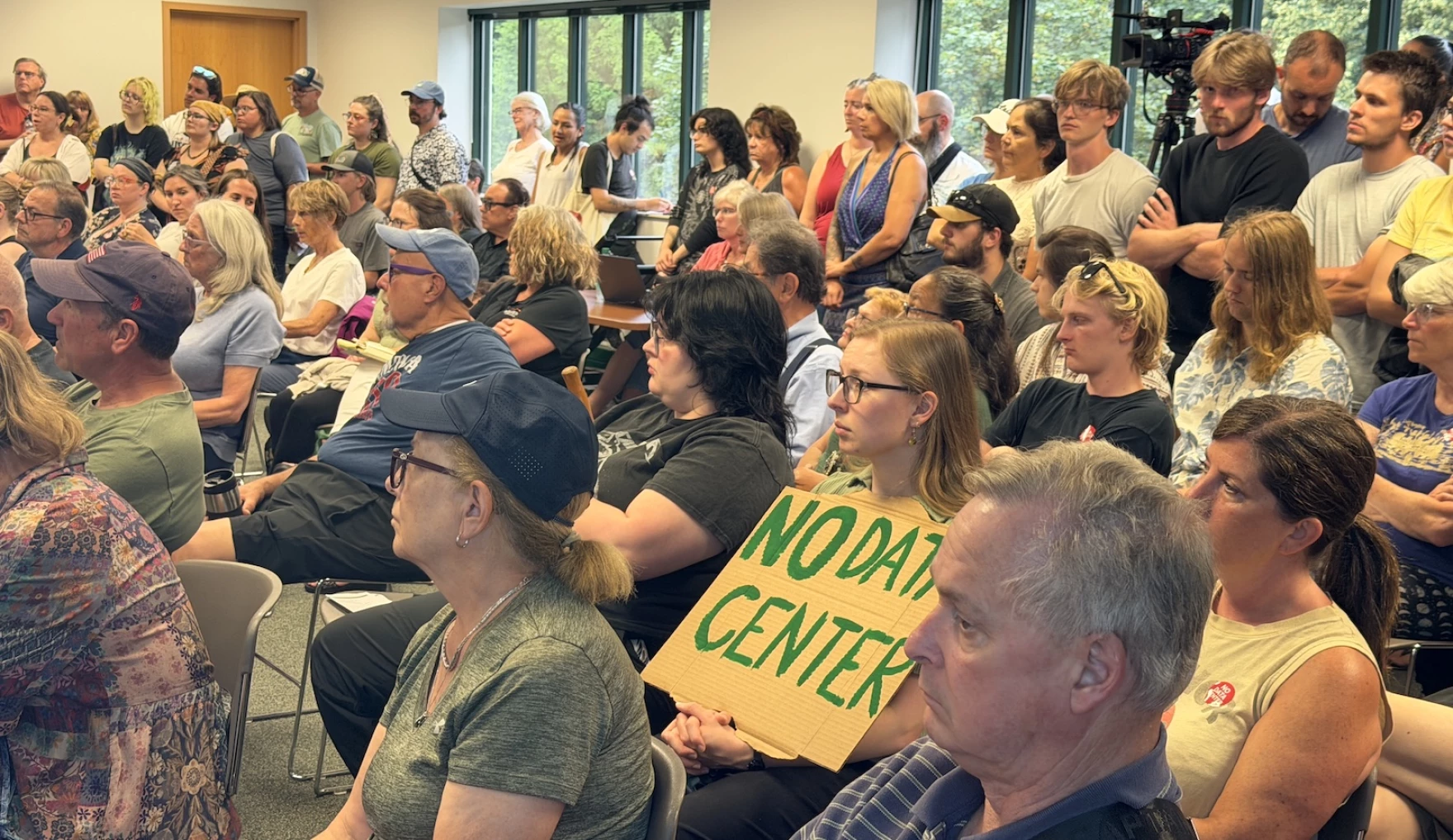
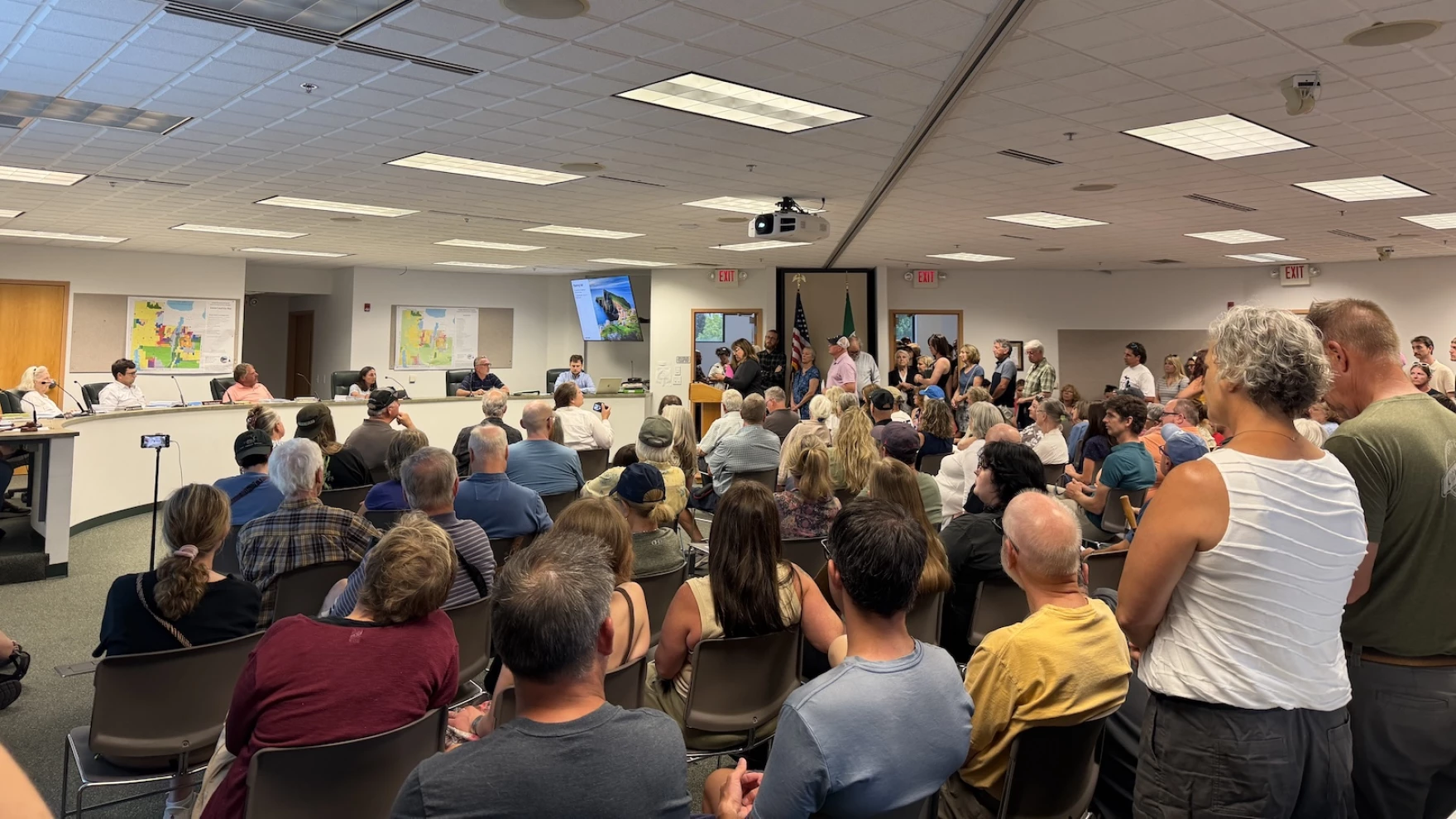
More than 100 people packed Wednesday’s meeting of the Garfield Township Planning Commission to show support for a possible data center moratorium.

The commission made an official recommendation to the township board to amend the zoning ordinance to allow moratoriums broadly — and it isn’t specific to data centers.

Under the township’s current zoning ordinance, data centers are considered “permitted by right” and only require administrative approval.

There are no proposals for data centers in the township, according to commission chair Chris DeGood who made the clarification at the beginning of the meeting. An Illinois-based developer brought up a possible plan for one at a previous township board meeting and sparked social media attention ahead of Wednesday’s commission meeting.

Public comment lasted nearly two hours. All comments related to the moratorium were in opposition to data centers, including concerns about their environmental impact, economic value and energy use.

Water was a concern for many residents, as data centers can use large amounts to cool down servers.

“When you grow up close to freshwater, you don’t take it for granted. You understand in your bones that what we have here is rare, and that it requires protection,” said Nancy Smith from Traverse City.

Some said a temporary moratorium isn’t enough, and called for an outright ban.

“Limiting the data center in our township isn’t going to cause world collapse, and AI goes away, but it’s one voice that we can have,” said Shannon DeBruyn from Peninsula Township. “We have an opportunity to raise our hand to say no by enacting the moratorium and by seeking ways to ban it entirely.”

Garfield Township is the latest community in northern Michigan to wade into growing conversations around temporary bans on data centers.

The state is already home to about 75 of such centers, which house computer servers underpinning the internet.

None of those are large “hyperscale” data centers which power artificial intelligence models. But such a center is under development in southeast Michigan, and the specter of more has prompted local officials across the state to issue temporary bans on any development.

Moratoriums aren’t included in the state law that regulates local zoning, said John Sych, township planning director. That’s why making moratoriums part of the zoning ordinance is stronger than enacting them through a standalone ordinance or resolution, as other townships have done.

“We want to ensure that we have not just a quick reaction to put something on the books, but we want to make sure that it is enforceable going forward,” Sych said.

The crowd at Wednesday’s Garfield Township Planning Commission meeting. At least 100 people were in attendance, mostly to support a possible moratorium on data centers. (Photo: Vivian La/IPR News)

This amendment isn’t just about data centers, and requires imagining “the things we don’t know in the future,” Commissioner Cara Eule said after public comment.

And she was pleased to see the community turn out for the meeting.

“Somebody mentioned this is not a partisan issue, everyone is kind of on the same page. That’s rare in this day and age,” she said. “So thank you for validating the work we’re doing and we’re gonna stick with this.”

Traverse City resident Asa Woodruff agreed.

“Issues like this can unify people who are on different ends of the spectrum,” Woodruff told IPR. “And something like this is core to humanity, we can put these things aside and say ‘This is an issue.’”

The amendment now goes to the Garfield Township Board for vote, which is likely at the end of August, Sych said.

A specific moratorium on data centers could be introduced at a later planning commission meeting.

The post Garfield Township inches closer to a possible data center moratorium appeared first on Great Lakes Now.

Original Article

Great Lakes Now

Great Lakes Now

https://www.greatlakesnow.org/2026/07/09/garfield-township-inches-closer-to-a-possible-data-center-moratorium/

Interlochen Public Radio and Grist

By Theodore J. Kury, University of Florida

The Conversation is an independent and nonprofit source of news, analysis and commentary from academic experts.


Many major tech companies have pledged to pay their fair share of the costs associated with generating and transmitting more electricity to serve large data centers. But ratepayers across the United States are worried about the potential costs they might have to bear. That’s because it’s not immediately clear how the cost of data centers’ energy will be calculated. The effects of price increases are likely just beginning, and their full effects may not be felt for years.

For example, a recent report by the organization that monitors the PJM market, an area that encompasses all or part of 14 mid-Atlantic and Midwest states, concluded that expected power demand from data centers was a primary reason for US$23 billion in customer price increases that will last until at least the end of 2028.

I have studied the programs states have launched to address the needs of these large electricity customers. Prices are set by state utility commissions, who determine which customers’ rates will increase by how much to pay for new investments in electricity infrastructure. It’s not simple.

The complexity of setting prices

Setting a price for electricity is straightforward in principle but complicated in execution. Regulators identify the costs to provide service, allocate the costs to customers and design prices to recover those costs.

First, regulators identify the costs that a utility company incurs to provide service. Regulators look at the value of the assets the utility company invests in, such as power plants, transmission lines and substations, as well as its day-to-day operating expenses, such as salaries, fuel, replacement parts and electricity it purchases from other sources. Then these costs are allocated to categories of customers, such as residential, commercial and industrial.

Ideally, costs are allocated to the customers who cause them, but that can be complicated to determine. For example, imagine a data center is built in an area that lacks existing power lines and is located 50 yards from a nearby electric substation. It’s clear that the data center should pay to run a 50-yard power line from the substation to the data center.

But what if the power company needs to upgrade the substation to handle the increased needs of the data center? Or secure additional sources of electricity? In these cases, the investments are part of the electricity grid that everyone uses. These costs will likely be shared among all customers.

Cost analysts review each line of a utility company’s costs, often thousands of items, and determine how each cost will be allocated. Each decision incorporates one basic idea: What’s your share?

For instance, if a group of customers uses 20% of the electricity delivered by the utility, they would be allocated 20% of the costs associated with energy delivery. Other cost items may be allocated based on the number of customers or how much electricity customers use at particular points in time, but the idea is the same.

Finally, the analysts set prices that are designed to recover the costs allocated to each customer group. So, the costs that are allocated to you are directly reflected in the electricity prices that you pay.

Flexibility and a potential loophole

One common criterion for figuring out how much a customer should pay is based on what is called “coincident peak demand” – the amount a customer group uses at the moment when all customers are collectively using the largest amount of electricity. Costs associated with overall peak usage are typically split proportionally – but this opens an opportunity for data centers to exploit the system.

Data centers often are able to fine-tune their electricity consumption, using more one minute and less another, in ways that residential users can’t easily replicate. Computerized systems can automatically adjust the amount of work a data center is doing, while a homeowner would either have to race around shutting off appliances to meaningfully reduce the amount of power their home was using or invest in a device that does.

Their flexibility means data centers may be able to learn to predict when system loads will peak and consume little to no power in just the right period to avoid contributing to peak loads, as has happened with cryptocurrency-mining operations in Texas. So when regulators look at their usage to determine prices, data centers may be able to avoid paying any costs allocated through coincident peak demand, even if they use large amounts of electricity at other times.

Who speaks for you?

When utility regulators decide how costs should be allocated to each customer group, they solicit input from different groups. The utility company initially submits its own proposal for how it thinks costs should be allocated across its system.

Large industrial customer groups representing customers such as factories will also submit their own proposals for how to allocate costs and set rates. Retail customer groups representing large and small stores will submit theirs. And large data centers, with the resources to hire experts in cost allocation, will submit theirs as well. Some states have specific state-government agencies to do some of this work on behalf of particular commercial groups, such as Pennsylvania’s Office of Small Business Advocate.

Regulators don’t always get a good sense of residential customers’ voices, though. Every state except Georgia, Idaho and Louisiana has an office of the consumer advocate that represents customer interests in proceedings before the state utility regulator. But they are often charged with representing all customers in the state without bias, meaning they cannot advocate for outcomes that would impose costs on one group of customers in favor of another.

So while every state’s consumer advocate is concerned with keeping the utility’s costs as low as possible, they may be barred by law from adopting a position on how those costs should be allocated. This lack of representation in this aspect of rate-setting for average households may lead to situations where the data centers’ advocates argue for minimal costs to be allocated to them – but nobody advocates on behalf of residents to examine or refute that argument.

Citizens left holding the bag

There are other risks for residential customers, too. Utilities’ investments in electricity infrastructure last for many years. But not every proposed data center will get built, and some may use less energy than originally projected. Technology may even change, making some data centers obsolete after a year or two of operations.

If those events happen, then any costs the utility company incurred to provide enough electricity will be spread among all the other customers.

The allocation process may be even more complicated for municipal utilities regulated by city councils or independent boards, or cooperative utilities regulated by elected boards in rural communities. These groups may not have full-time staff who are utility or regulatory experts, yet they face the same decision-making challenges as trained professionals and might have to retain outside experts to aid in the process.

Consumers need to be aware of the importance of cost allocation and how it affects their electricity rates. I believe they should provide public comments to the regulators and speak during open hearings, as there may not be anyone else effectively advocating for their interests.

The post It may be almost impossible to make data centers pay their ‘fair share’ of electricity costs appeared first on Great Lakes Now.

Original Article

Great Lakes Now

Great Lakes Now

https://www.greatlakesnow.org/2026/07/08/it-may-be-almost-impossible-to-make-data-centers-pay-their-fair-share-of-electricity-costs/

The Conversation

By Kelly House, Bridge Michigan

The Great Lakes News Collaborative includes Bridge Michigan; Circle of Blue; Great Lakes Now at Detroit PBS; Michigan Public, Michigan’s NPR News Leader; and The Narwhal who work together to bring audiences news and information about the impact of climate change, pollution, and aging infrastructure on the Great Lakes and drinking water. This independent journalism is supported by the Charles Stewart Mott Foundation. Find all the work HERE.


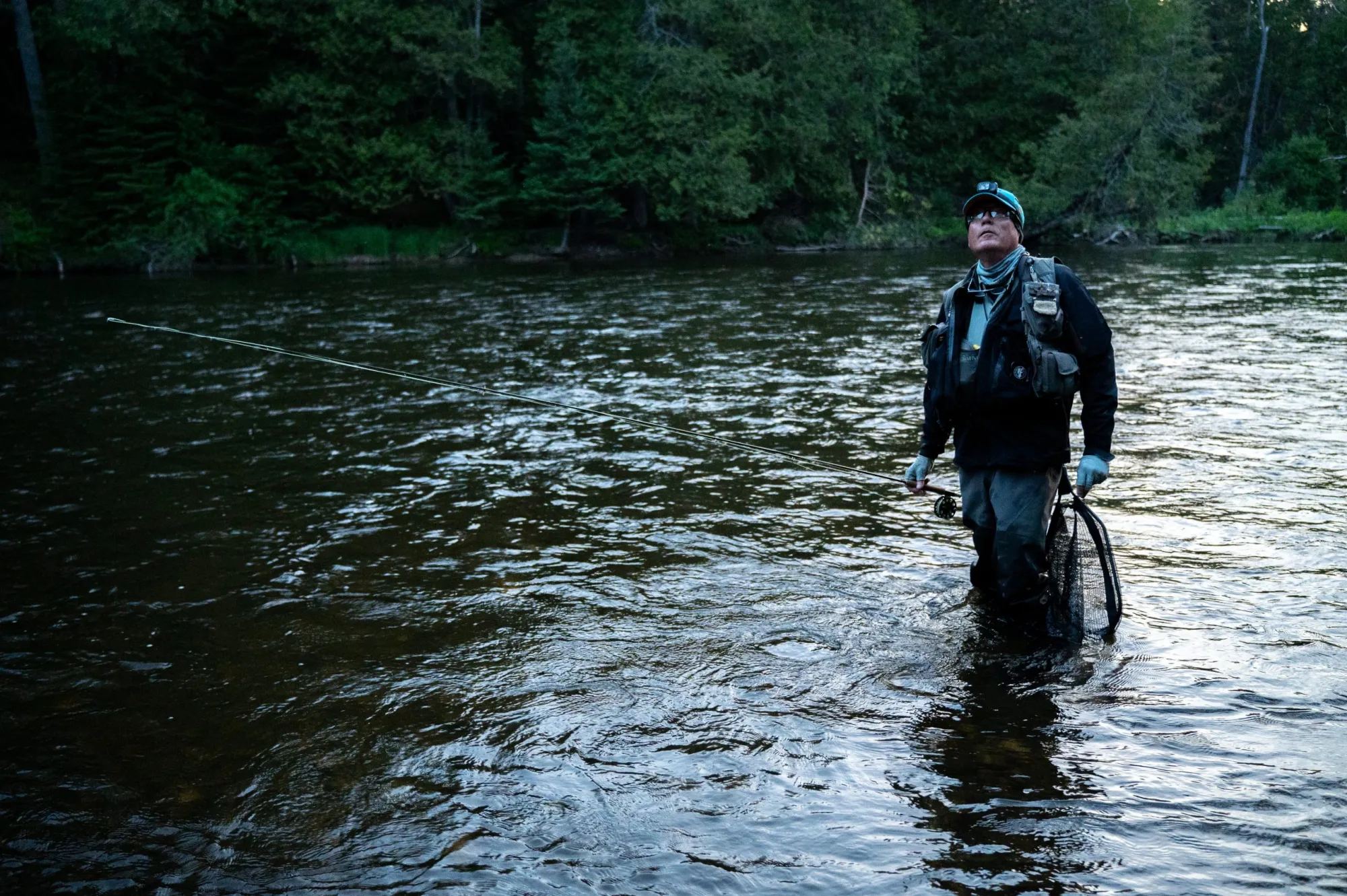
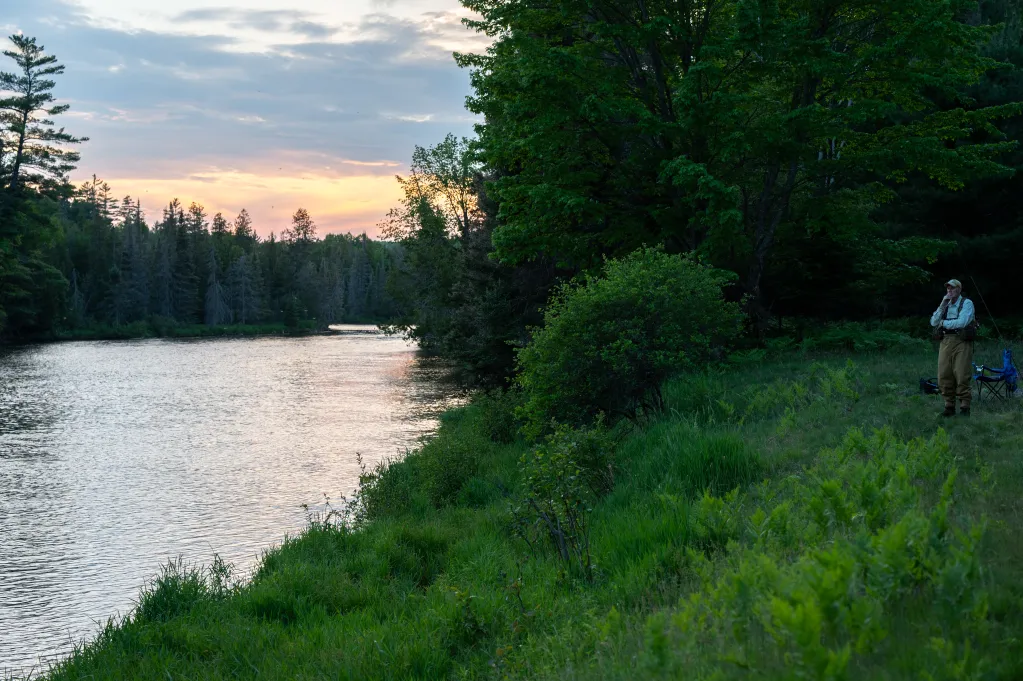
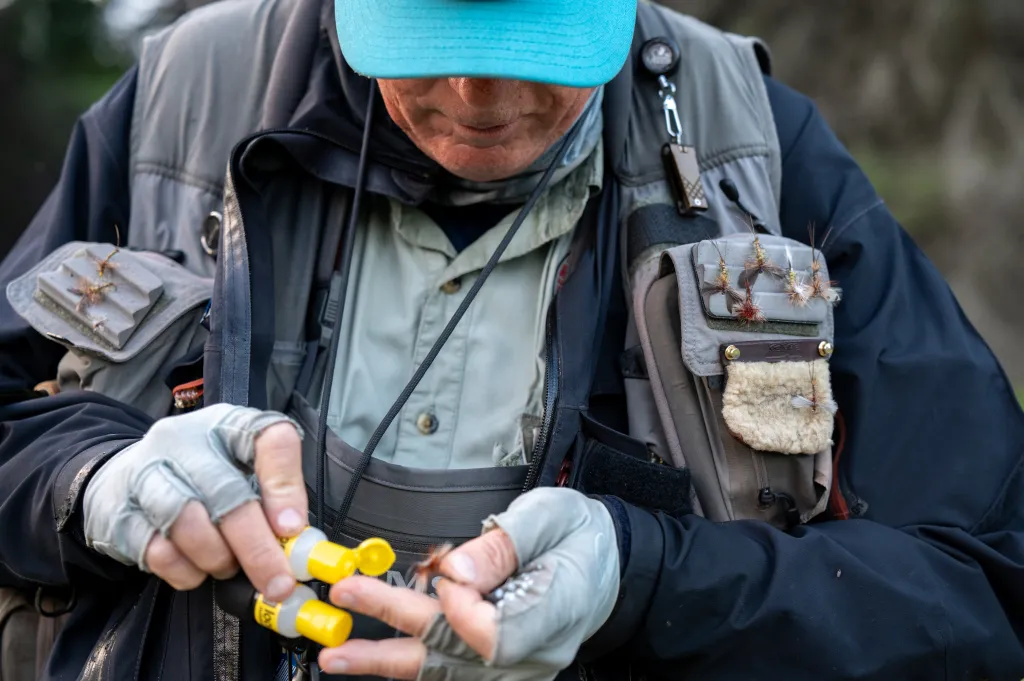
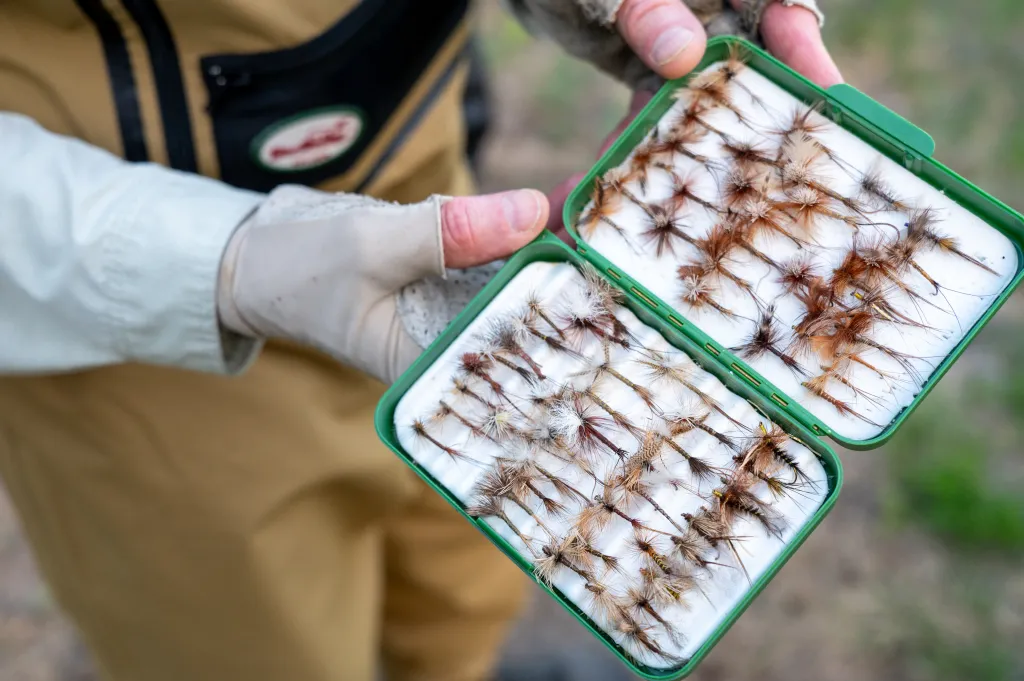
On any given summer evening along this storied Michigan river, Tom Buhr can be found fly fishing in cold, rushing water that makes him feel “more complete and better” than anywhere on Earth.

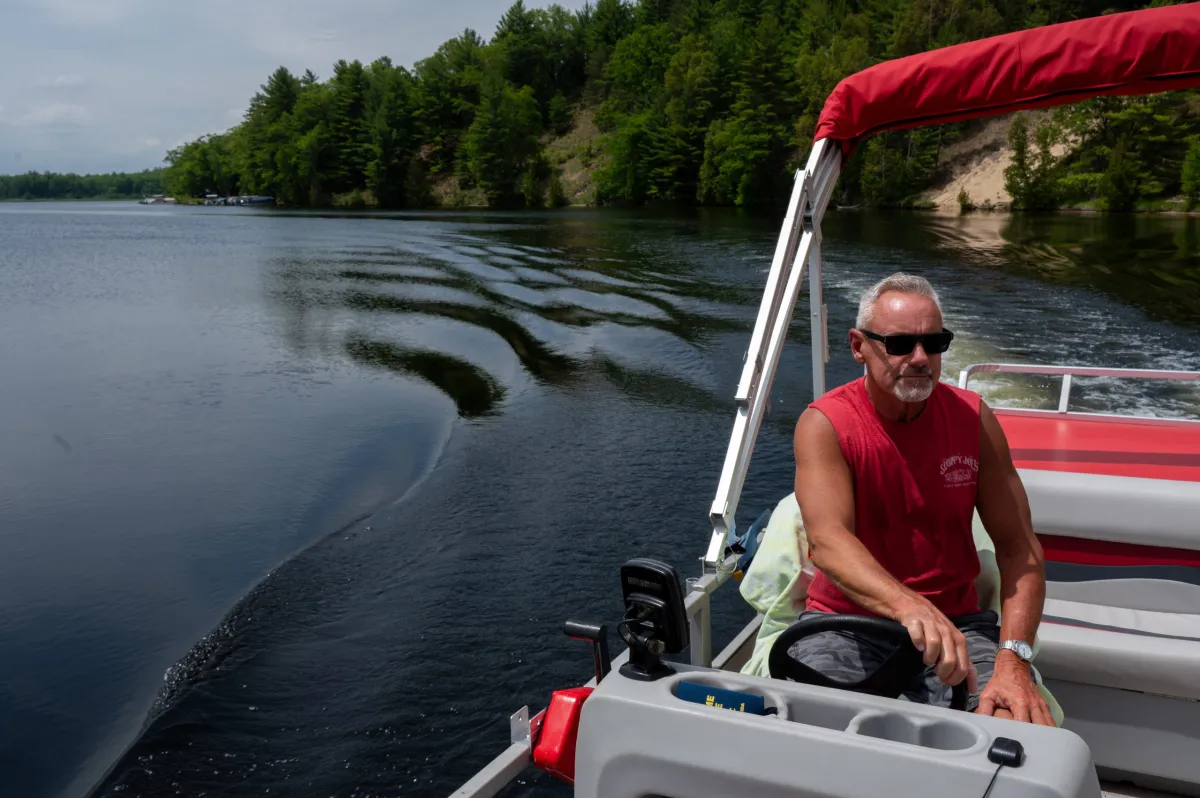
Fifty miles downstream on a pontoon in one of the Au Sable’s lake-like reservoirs, Douglas Ridenour can relate to the feeling. 

The agreement ends there.

Despite a shared love for the river, the men stand on opposite sides of a struggle for its future, prompted by Consumers Energy’s proposal to sell 13 century-old Michigan dams — including six on the Au Sable — to a private equity firm.

For the company, it’s a financial decision designed to avoid hundreds of millions in maintenance costs and liability for high-hazard structures that don’t generate enough electricity to pay their way.

For many residents along the nationally-renowned 138-mile waterway that originates north of Grayling and empties into Lake Huron at Oscoda, a regulatory review of the deal has become a proxy for a deeper battle over whether the dams should exist at all.

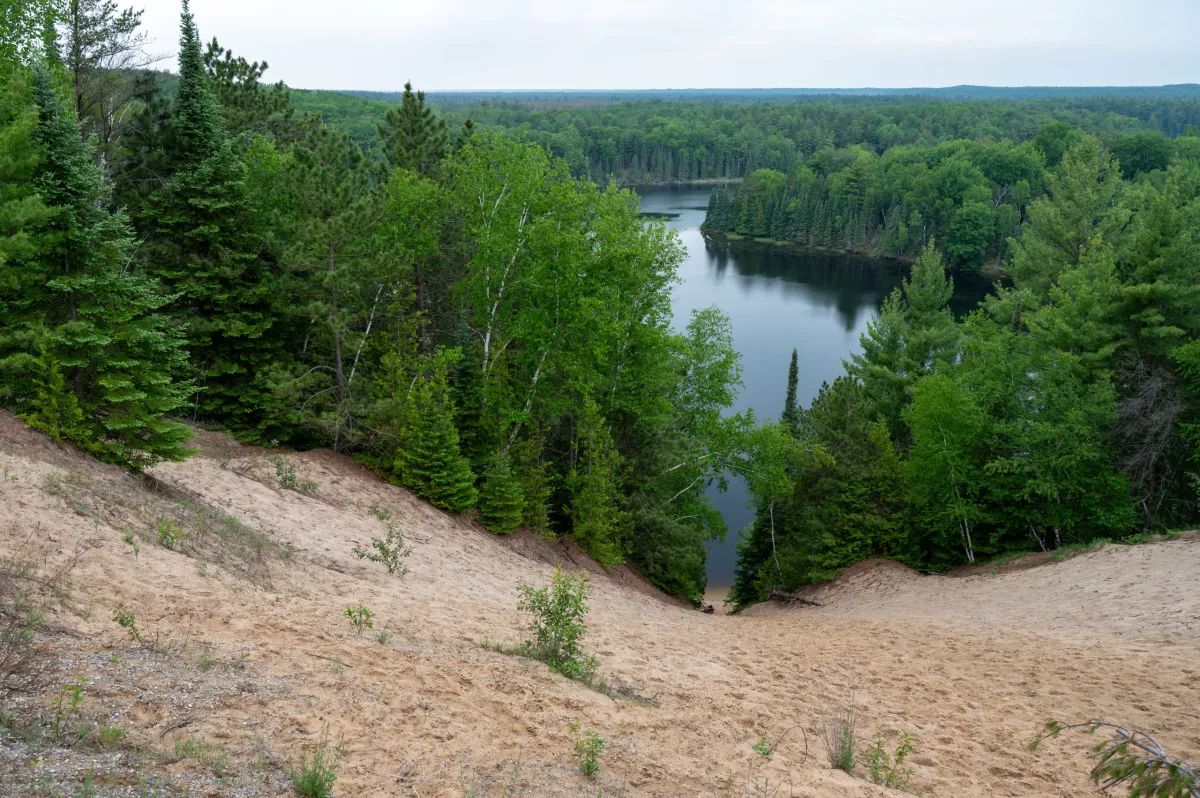
Foote Pond Overlook is located at the top of a steep sand bluff known as Champagne Hill, offering visitors panoramic views in Oscoda Township. On a warm summer weekend, the Au Sable River below is often packed with boaters and swimmers. (Ella Miller/Bridge Michigan)

The struggle for the future of the Au Sable mirrors a national debate. It pits environmentalists and fly fishers like Buhr, who favor free-flowing rivers with colder water and more fish, against flatwater enthusiasts like Ridenour who value the lakefront living created by reservoirs.

Across the country, “you’ve got old mill dams and old power dams that were important things at the time, but now maybe aren’t,” said Bob Dalton, a national dam safety expert based in Illinois. The question then becomes “what are we going to do now, and what’s it going to look like 100 years from now?”

At stake are not just the environment and ways of life for water users, but public safety, taxpayer dollars and the future of scores of businesses and communities that have popped up along the artificial lakes.

A nationwide issue

Across the nation, thousands of dams have exceeded the standard 50-year lifespan and face mounting maintenance costs.

https://infogram.com/1p0l5rdkgwkqeduem6jqddgdjqcnpkyg301

The average US dam is 65 years old, while Michigan’s average is 80.

Consumers Energy’s 13 dams on the Au Sable, Grand, Kalamazoo, Manistee and Muskegon rivers average 106 and generate only 1% of the utility’s annual power output, while the cost to maintain them keeps growing.

In view of that math, Consumers wants to sell them for $1 apiece before their federal operating licenses expire in the coming years. The proposition has drawn rebuke from critics, who fear new owners won’t pay to keep the structures safe.

A state judge has advised utility regulators to reject the sale in a final decision expected this September. 

Consumers officials say such an outcome would lead them to seek removal of all 13 dams — an effort sure to trigger yet more regulatory review and intense public debate.

Federal records show licenses for another 15 Michigan hydropower dams will expire in the coming decade, likely prompting similar debates about whether to keep, sell or remove them.

Nationwide, some 100 dams were dismantled last year, including six in Michigan. Experts expect the number to keep climbing as owners look to avoid costly repairs. 

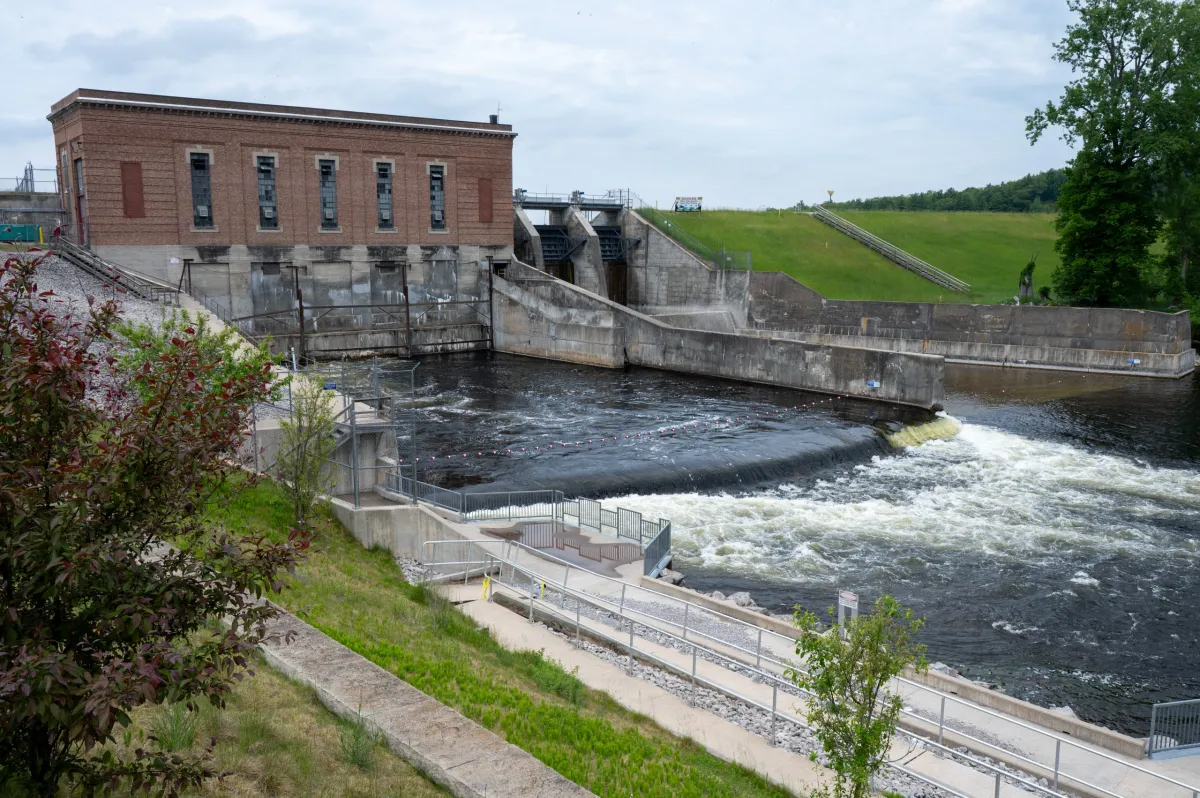
Foote Dam is one of six hydroelectric dams on the Au Sable River, located in Oscoda Township. Completed in 1918, the dam is the farthest downstream of the six and is nine miles away from the Au Sable’s mouth at Lake Huron. (Ella Miller/Bridge Michigan)

Here on the Au Sable, uncertainty about the fate of its six dams has reignited an age-old debate about what a river should be, and who gets to decide.

“Rivers are defined as flowing water,” said Bryan Burroughs, executive director of the river advocacy group Michigan Trout Unlimited. “You shut that off, and it’s going to cause a lot of problems.”

But to folks like Ridenour, who lives near the lowest Au Sable dam and has been recreating in its reservoir for more than 50 years, the impoundments enhance the river’s variety in ways too important to lose.

The Au Sable in its current configuration is “100% nature,” Ridenour said, but “I have no interest in being here if the river is only 20 feet wide.”

The river of dreams

Unlike other regions, where coldwater rivers are disappearing due to climate change, Ice Age glaciers blessed Michigan with a sandy landscape rich in frigid springs that produce blue-ribbon trout rivers.

The Au Sable stands out among them, a mystique owing to good publicity and relative proximity to Michigan’s population hubs.

The river’s easy accessibility from Detroit, Flint or Saginaw has won it some influential boosters, from early 1900s lumber baron William Mershon to the founders of Trout Unlimited, a national river advocacy group that was born on its banks

Au Sable disciples often describe it in near-spiritual terms: An 8-mile stretch near Grayling is known as “the holy waters.” A sign downtown glorifies it as “the best of all rivers.” People interviewed for this story called it “my cathedral,” “my happy place,” and “the place where I’m most at peace.”

On a late spring evening, it’s easy to understand the hype. 

Bullfrogs bellow in the cedar swamps, trout leap from the water to feed on mating mayflies, loons glide between cattails and wild rice beds in stillwater reservoirs surrounded by towering dunes.

But pristine as the Au Sable may seem, it has been dramatically altered by humans — a period Buhr, the fisherman who has written two books about the river, laments as its “225-year monetization.”

Ezra Ferrier, 8, Gabriella Ferrier, 4, Clement Ferrier, 2, and Cece Ferrier, 10, of Monroe, scale a log jam with help from their grandma during a visit to Lumberman’s Monument Visitor Center in Oscoda Township. The site teaches visitors about the history of the area’s lumber industry through interpretive signs, exhibits, demonstrations and programming. (Ella Miller/Bridge Michigan)

The fur trade virtually emptied the watershed of its beavers. Unregulated commercial and sport fishing drove Arctic grayling to local extinction and dramatically reduced sturgeon, walleye, whitefish and sucker populations. Timber companies razed the pine forests, leaving the Au Sable sunbaked and sand-choked.

The subsequent building of hydroelectric dams fragmented the river into seven sections, submerging 59 miles between Mio and Oscoda under vast artificial lakes and prompting generations of debate about whether it was a good idea.

Should they stay or should they go?

Few along this river seem to be comfortable with Consumers’ plan to essentially give the dams away to a Maryland-based private equity firm in a deal that would cost ratepayers $3.4 billion and leave few guarantees about the structures’ future.

Prospective owner Confluence Hydro has vowed to shore up the dams to keep them operating for decades to come, but the deal doesn’t hold the company to those vows. 

Many, including the judge who recommended denying the sale, wonder how Confluence intends to turn a profit on such costly assets. They fear the answer lies in skipping maintenance required for safety, or selling off thousands of acres of landholdings that surround the dams.

But given Consumers’ vow to dismantle the dams if the sale doesn’t proceed, some fans of the impoundments are willing to take the gamble.

Douglas Ridenour, 68, takes his 50-year-old pontoon boat for a ride around Foote Dam Pond in Oscoda Township. Ridenour has been visiting Foote Dam Pond for decades, but moved there six years ago in his retirement to take advantage of the recreational opportunities the reservoir provides. He’s one of dozens of homeowners who have leased access to dock their boats in the reservoir. (Ella Miller/Bridge Michigan)

“They are the only horse traveling in our direction right now,” said Ridenour, the reservoir resident who co-administers a pro-dams Facebook group that has grown to 3,400 members. “So we kind of feel like the only choice we have is to hop on.”

The environmentalists and trout fishing enthusiasts who oppose dams see that as a perilous choice. In their eyes, removal is the best way to eliminate safety risks posed by the aging structures while righting a historic wrong.

Thanks to decades of tree-planting, sediment removal and other restoration work, the Au Sable has partly recovered from its industrial past, said Karen Harrison, president of the local Trout Unlimited chapter, “but it can come further.”

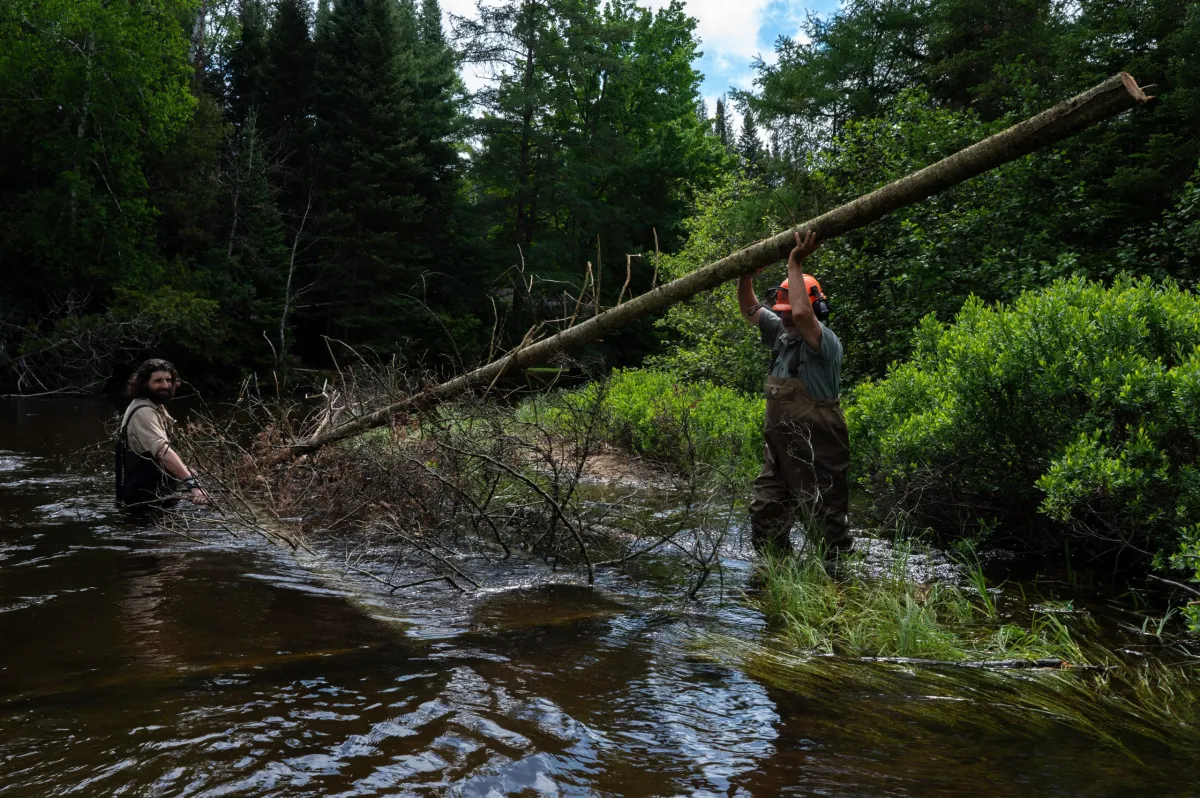
Retired Michigan Department of Natural Resources Fisheries Biologist Steve Sendek, right, and son Alex Sendek, of Grayling, push a dead pine tree they cut down into the Au Sable River, which will be used to repair a woody trout habitat first created by the DNR about 50 years ago, in Grayling Township. When the DNR stopped maintaining the habitats in the late 1990s, Sendek stepped in with the help of funding from local organizations to hire a crew to restore them each summer. The woody habitats provide trout with a place to conserve their energy and take shelter from predators. “We’re taking care of that original investment the DNR put into the fish habitats and making sure it stays functional for a long time,” Sendek said. (Ella Miller/Bridge Michigan)

The dams block migratory fish from their habitat, contributing to sharp declines for a host of species. They trap sediment, starving the river of nutrients while muck piles up in the reservoirs. Fish die in the spinning hydroelectric turbines and the sun beats down on the pooled water, warming it to unsafe temperatures for coldwater fish.

Three of the Au Sable dams warm the river so badly they violate state standards, complicating their path to relicensing. 

Were it not for the dams, officials with the Michigan Department of Natural Resources have estimated, the lower Au Sable river could support millions of salmon and steelhead, tens of thousands of lake sturgeon and abundant trout, walleye, whitefish and other species.

Experience with other dam removals has shown changes can happen quickly. 

Burroughs of Trout Unlimited recalls a dam removal on another Michigan river, in which “before we even finished with the excavator, we saw trout moving upstream.”

Old dams are also prone to failure without constant maintenance — which Buhr called his primary reason for supporting removal. 

“They aren’t getting any younger,” he said. “I think getting the dams out — or at least most of them — has to be done from a safety standpoint.” 

And then there’s the question of cost: By Consumers’ estimate, removing all 13 dams would be tens of millions of dollars cheaper for its ratepayers than keeping them in place and relicensing them, although critics on both sides have disputed that math.

“We have a responsibility to prioritize customer affordability in decisions about the future of the dams,” company spokesperson Katie Carey said.

But in the communities surrounding the dams, removal is seen as a threat to local economies and a way of life. 

In their century of existence, the dams have helped cultivate a multi-million-dollar tourism economy in a region with few other economic opportunities.

Public boat ramps and campgrounds have cropped up along their collective 10 square miles of reservoirs, attracting swimmers and water skiers, pontoon cruisers and RVers who supply welcome business to area restaurants, bait shops and grocery stores. 

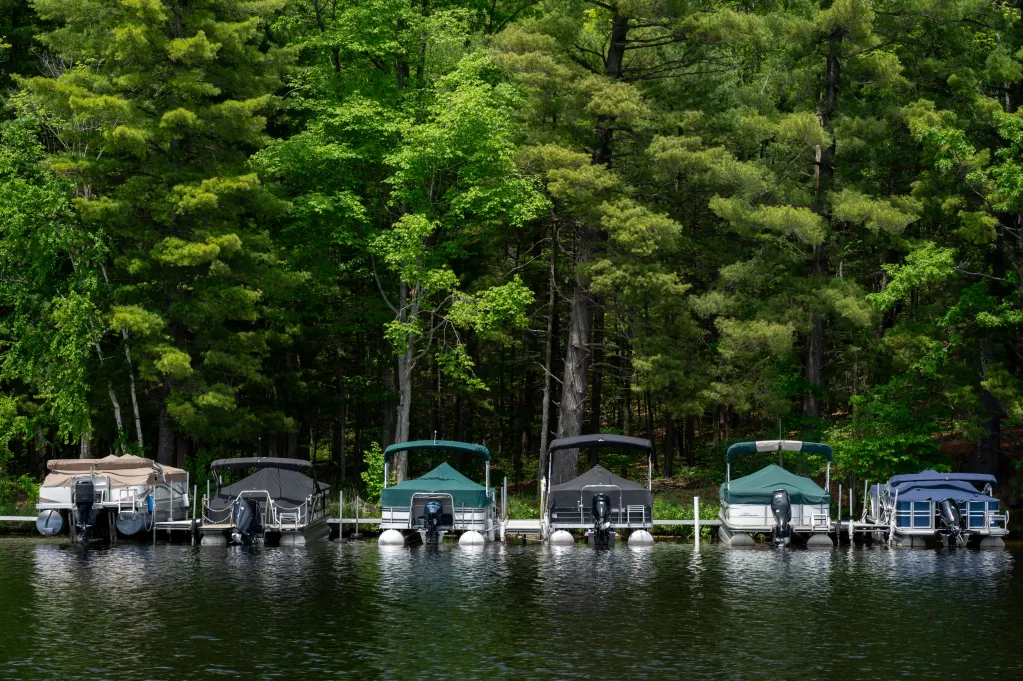
While Consumers owns much of the shoreline and bottomlands, it has leased dock access to hundreds of private residents, making them de-facto lakefront homeowners. It’s not clear what would happen to that land if the reservoirs were drained.

Portaging over the dams has become a rite of passage for participants in the river’s annual canoe marathon, which boasts Consumers Energy as its chief sponsor. 

And while the dams have displaced coldwater and migratory fish, they’ve created habitat for lake species like bass, perch and bluegill. The lowermost barrier — Foote — blocks invasive sea lamprey that might otherwise travel upstream to spawn by the millions.

If all that went away, “there goes the summer revenue,” said Debbie Sytek, who manages the office at Alcona Park, a 440-site campground on the reservoir created by the thirdmost-downstream dam.

With a summer staff of 23 people, Alcona Park qualifies as a major employer in an area this remote.

“What draws people here is the pond,” Sytek said. “The beauty, the slowness … What does this park look like if the water’s not there?”

Economic studies commissioned by Consumers found that removing the Au Sable dams would reduce gross regional product by $8.7 million while costing 278 jobs. 

“It’ll be another Air Force leaving the area,” predicted 68-year-old Ray Rolwing, who owns a home near Cooke Pond and remembers the boarded up shops and population exodus that followed the military’s 1993 closure of its Oscoda base.

Fans of flowing rivers have criticized the analyses by Public Sector Consultants, arguing a free-flowing river has greater economic potential than researchers acknowledged.

A group of kayakers take off on a trip down the Au Sable River from Carlisle Canoe Livery in Grayling. Known for its clear waters, steady currents and scenic views, the Au Sable River is one of the most popular spots in Michigan for paddlers. (Ella Miller/Bridge Michigan)

Upstream of the dams, in the reaches famous for their stable currents and abundant trout, canoe liveries, fly shops, motels and restaurants bustle with visitors all summer. As diminishing snowpack imperils coldwater rivers from Montana to Minnesota, some predict Michigan’s reliable springfed flows will become an even bigger draw.

“People will travel from all over the world to fish a run of Atlantic salmon up the world-famous Au Sable, or to fish for trout in sections of river that haven’t been fished for a hundred years,” predicted Josh Greenberg, a fishing lodge owner who leads the conservation group Anglers of the Au Sable.

Room for compromise?

In view of the tradeoffs, some on the Au Sable see room for a compromise in which some dams stay and others go.

Many see Foote Dam — where Ridenour lives — as a strong candidate to stay in place. Beyond its utility as a lamprey barrier, it impounds the river’s largest and most popular reservoir, generates more electricity than any of the other five dams, and needs the least near-term investment, according to 2022 estimates Consumers shared with area residents.

Many dam opponents see the upper impoundments — Mio, Alcona and Loud — as prime targets for removal. Taking them out would mitigate the river’s temperature problems while extending its free-flowing section by dozens of miles.

Savings from decommissioning rather than repairing the dams, Buhr suggested, could compensate residents who’ll lose lakefront property while helping affected communities transition to a river-based economy.

“I won’t be satisfied unless the local economy and property owners are satisfied,” he said.

It’s a reasonable prospect to Curtis Township Supervisor Kevin Perry, whose community surrounds the Alcona Dam.

“I would rather not lose the dam, because let’s face it, change always hurts,” Perry said. But “if you market it correctly,” an undammed river could become an asset, just as the reservoirs are today.

Back at Alcona Park, campers Marjon and Michael Jones spent a recent breakfast pondering what such an arrangement would mean for them. 

Every summer for the past 16 years, the Detroiters have parked their RV along the shoreline and spent the season fishing, boating and watching sunsets over the Alcona Dam Pond. 

Were it to be replaced with a narrow river, Michael said, “we would have to go somewhere else.”

Marjon agreed. But noting Michigan has thousands of other lakes to explore, she said she would still support dam removal.

“In spite of how much we love this place,” she said, “if you really want things natural, then dams are an unnatural thing.”

An overlook gives visitors a view of the Au Sable River from the AuSable Valley Scenic Vista in Glennie. Designated a “blue ribbon trout stream” by the Michigan Department of Natural Resources, the 138-mile river is known for its clear waters and abundant recreational opportunities. (Ella Miller/Bridge Michigan)

The post On fabled Au Sable River, a fight for soul of Michigan’s holy waters appeared first on Great Lakes Now.

Original Article

Great Lakes Now

Great Lakes Now

https://www.greatlakesnow.org/2026/07/07/on-fabled-au-sable-river-a-fight-for-soul-of-michigans-holy-waters/

Bridge Michigan

By Hope Kirwan, Wisconsin Public Radio

This article was republished here with permission from Wisconsin Public Radio.


Egg production in Wisconsin is less than half of what it was a year ago, reflecting a major decline in the number of laying hens in the state.

That’s according to the latest data collected by the U.S. Department of Agriculture.

Wisconsin produced 91.7 million eggs in April, the latest month available. That’s down 57 percent from the same month in 2025.

The data shows there were 3.69 million laying hens in the state. It’s 56 percent lower than the previous April, when Wisconsin had 8.3 million birds.

The state’s total laying hens fell dramatically last September, after Daybreak Foods’ farm in Jefferson County was hit by avian influenza and culled more than 3 million birds. 

Laying hen numbers started to rally in December into February. But numbers fell sharply again in March after three different locations — each with more than 1 million birds — were forced to cull their flocks due to avian flu, including the same farm in Jefferson County.

Ron Kean, poultry specialist for the University of Wisconsin-Madison’s Division of Extension, said it takes time for a farm to recover from an infection. Producers have to cull their flocks and compost the dead birds, before sanitizing their facilities. 

Replacing the lost birds can take close to two years, according to Kean. He said there are a limited number of new laying hens, referred to as pullets, ready to go each year.  

 “It’s like if you lost all of your cows in a herd, there aren’t just more cows out there that you can go get right away,” he said.

Kean said the data from USDA primarily captures the largest egg producers in the state. So each time a farm is culled due to avian flu, it can cause a big swing on the monthly report.

But he said Wisconsin has a growing industry of small to medium-sized farms, many that are raising hens on pasture to sell their eggs at a premium.

“By number of birds, it’s still definitely the large facilities that have the most,” he said. “But I’m going to say there might be… half a million to a million, I think it’s safe to say, that may not be getting counted.”

National egg production in April was up 5 percent from a year ago. The supply of eggs has started to recover from avian flu outbreaks across the country, and egg prices have come down from record highs in 2025.

The adjustment may be good for consumers’ wallets, but it has left some farmers feeling squeezed as they continue to face a higher cost of doing business.

Maro Ibarburu, Business Analyst for the Egg Industry Center at Iowa State University, said egg farmers across the country are facing rising feed prices and fuel surcharges from their processors.

He told WPR in an email that shell egg prices from March to May were “the 4th lowest compared with the same period in the last 20 years, and are the lowest when they are adjusted by inflation.”

“These 20-year lows, when combined with the (March to May) cost of production increase, which is 5 percent higher than the same period last year, have made this time very challenging for egg farmers,” Ibarburu wrote in an email.

But Kean said the egg industry does have one reason to look on the sunny side: Americans’ obsession with protein could help drive new consumer demand.

“In general, everybody seems to be gung ho on protein right now,” he said. “I think the high price of other proteins, those have also helped.”


The post Wisconsin egg production cut in half as farms struggle with avian flu, higher expenses appeared first on Great Lakes Now.

Original Article

Great Lakes Now

Great Lakes Now

https://www.greatlakesnow.org/2026/06/23/wisconsin-egg-production-cut-in-half-as-farms-struggle-with-avian-flu-higher-expenses/

Wisconsin Public Radio

Powerful Industry’s Torrent of Manure Overwhelms State Regulators

By Keith Schneider, Circle of Blue

The Great Lakes News Collaborative includes Bridge Michigan; Circle of Blue; Great Lakes Now at Detroit Public Television; and Michigan Radio, Michigan’s NPR News Leader; who work together to bring audiences news and information about the impact of climate change, pollution, and aging infrastructure on the Great Lakes and drinking water.

Read Now at Great Lakes Now.

Original Article

Great Lakes Now

Great Lakes Now

https://www.greatlakesnow.org/2022/09/powerful-industry-torrent-manure-overwhelms-state-regulators/

Circle of Blue

Reuse can divert coal ash from landfills, but challenges remain

The amount of coal ash in the United States is hard to fathom. There are over 700 impoundments holding more than 2 billion cubic yards of ash — enough to cover the entire state of Pennsylvania one-half inch deep. 

Coal ash includes heavy metals like chromium, arsenic and selenium — linked to higher rates of cancer and other diseases — that can leach into groundwater. 

Read Now at Great Lakes Now.

Original Article

Great Lakes Now

Great Lakes Now

https://www.greatlakesnow.org/2022/08/reuse-divert-coal-ash-from-landfills-challenges-remain/

Tom Quinn

To excavate or not to excavate: With toxic coal ash, that is the question

Eighty-eight-year-old Hilda Barg hunched her shoulders and rested her forearms on her hardwood dining table, talking fiercely about coal ash contamination in her neighborhood. Barg, a lifelong resident and former supervisor of Prince William County, Virginia, is leading a local fight against how Dominion Energy — the state’s largest electric utility — is dealing with toxic coal ash at its Possum Point plant 3 miles from Barg’s home. 

Read Now at Great Lakes Now.

Original Article

Great Lakes Now

Great Lakes Now

https://www.greatlakesnow.org/2022/08/excavate-toxic-coal-ash-question/
Hayley Starshak and Mrinali Dhembla

In the Finger Lakes, a bitcoin mining plant billed as ‘green’ has a dirty coal ash problem

The village of Dresden is nestled amid charming vineyards and the placid blue waters of Seneca Lake, the largest of Upstate New York’s Finger Lakes. 

Wineries, breweries, dairy farms, and state parks dot the lake’s shoreline, making it a picture-perfect vacation destination.

But for local residents, the three auburn-colored smokestacks of Greenidge Generation’s plant towering above the trees are an unnerving reminder that their natural resources are at risk.

Read Now at Great Lakes Now.

Original Article

Great Lakes Now

Great Lakes Now

https://www.greatlakesnow.org/2022/08/bitcoin-mining-plant-dirty-coal-ash-problem/

Sruthi Gopalakrishnan

Leaking landfills: Unregulated coal ash poses a buried, brewing threat to Lake Michigan and beyond, new lawsuit says

At almost 300 sites on the Great Lakes and coast to coast, unregulated buried and landfilled coal ash is putting water supplies at risk, alleges a federal lawsuit filed August 25. 

This threat is in addition to contamination from up to 700 coal ash repositories that are covered by 2015 federal coal ash rules.

Read Now at Great Lakes Now.

Original Article

Great Lakes Now

Great Lakes Now

https://www.greatlakesnow.org/2022/08/unregulated-coal-ash-poses-brewing-threat-to-lake-michigan/

Diana Leane and Sarah Aie

Can shipping on the Great Lakes take the next step toward transporting high-value container cargo?

A common question for casual observers of Great Lakes vessels is “Where are the big container ships?” The reference is to the massive ocean-traversing ships with containers stacked stories high.

The container ships have been absent from the Great Lakes where cherished lake freighters dominate the waterways hauling bulk cargo.

Read Now at Great Lakes Now.

Original Article

Great Lakes Now

Great Lakes Now

https://www.greatlakesnow.org/2022/07/shipping-update-great-lakes-container-cargo/

Gary Wilson

Industries and public water supplies top list of main consumers of Great Lakes water

Overall water usage in the Great Lakes is dropping, largely due to water conservation and management efforts, according to the Great Lakes Commission’s most recent water use report.

The GLC compiles annual water use data, a stipulation outlined in the 2008 regional water use agreement known as the Great Lakes Compact.

Read Now at Great Lakes Now.

Original Article

Great Lakes Now

Great Lakes Now

https://www.greatlakesnow.org/2022/07/industries-public-water-consumers-great-lakes-water/

John McCracken

Hydropower eyes bigger energy role, less environmental harm

By Suman Naishadham, Associated Press

WASHINGTON (AP) — In southwestern Pennsylvania, eight locks and dams that for decades helped barges move goods along the Allegheny, Monongahela and Ohio rivers will in a few years also generate enough power for 75,000 homes.

Rye Development, a Boston-based hydropower company, is retrofitting the dams with turbines to generate electricity and says the upgraded structures will limit damage to the rivers’ water quality and fish.

Read Now at Great Lakes Now.

Original Article

Great Lakes Now

Great Lakes Now

https://www.greatlakesnow.org/2022/03/ap-hydropower-bigger-energy-role-less-environmental-harm/

The Associated Press

Illinois sues owner of plant where fire prompted evacuations

CHICAGO (AP) — Illinois prosecutors on Friday sued the owner of a chemical plant where a fire last month sent dark smoke and ash into the air for days and prompted evacuations, saying the company should be held accountable for air and water pollution and hazards that still exist.

Read Now at Great Lakes Now.

Original Article

Great Lakes Now

Great Lakes Now

https://www.greatlakesnow.org/2021/07/ap-illinois-sues-owner-plant-fire-evacuations/

The Associated Press

Investing in the Lakes: New bill could redirect tech money to neglected Great Lakes cities

As President Joe Biden tries to advance his high-profile legislative agenda in a sharply divided Congress, a low-profile bill that could help the Great Lakes region is progressing with bipartisan support.

If passed, it could finally help the region shake its Rust Belt image.

The legislation is the U.S.

Read Now at Great Lakes Now.

Original Article

Great Lakes Now

Great Lakes Now

https://www.greatlakesnow.org/2021/07/legislation-investment-tech-research-great-lakes-cities/

Gary Wilson

Great Lakes Moment: Ecosystem restoration needs more environmental justice

Great Lakes Moment is a monthly column written by Great Lakes Now Contributor John Hartig. Publishing the author’s views and assertions does not represent endorsement by Great Lakes Now or Detroit Public Television.

In southwest Detroit, evidence of environmental injustice can be found nearly everywhere, and communities of color and low wealth feel that polluting companies and government officials are not doing enough to address many long-standing environmental problems.

Read Now at Great Lakes Now.

Original Article

Great Lakes Now

Great Lakes Now

https://www.greatlakesnow.org/2021/07/ecosystem-restoration-environmental-justice-southwest-detroit/

John Hartig

Industries such as steel, cement, chemical and automotive are working to become more energy-efficient by implementing the use of renewable resources, experts say. 

The post Energy-intensive industries work toward smaller carbon footprint first appeared on Great Lakes Echo.

Original Article

Great Lakes Echo

Great Lakes Echo

http://greatlakesecho.org/2021/04/23/energy-intensive-industries-work-toward-smaller-carbon-footprint/

Guest Contributor

PFAS in the House: Are toxic “forever chemicals” a steady drip in this reporter’s home?

After spending several months reporting on the PFAS crisis, an alarming realization hit — taco night might be poisoning me.

I learned that the type of nonstick pans that I used to fry the fish usually contain the toxic chemicals, also called per- and polyfluoroalkyl substances. Research alerted me to their use in some types of parchment paper used to roll tortillas, while the aluminum foil in which I wrapped leftovers raised a red flag with its “nonstick” label.

Read Now at Great Lakes Now.

Original Article

Great Lakes Now

Great Lakes Now

https://www.greatlakesnow.org/2021/02/pfas-home-testing-pets-blood-household/

Tom Perkins

Stalled Ships: Shipping industry looks to infrastructure investments to boost demand

The Great Lakes’ iconic freighters remained common sights on the waters – that much didn’t change during pandemic. But, like many industries, shipping was hit hard by COVID-19. That feels especially salient when shipping is such an integral piece of the Great Lakes economy.

As of September 2020, iron ore cargoes were “down 27% from last year at this time,” James Weakley, president of the Lake Carriers’ Association and representative of Ohio on the Great Lakes Commission, said in an interview with Great Lakes Now.

Read Now at Great Lakes Now.

Original Article

Great Lakes Now

Great Lakes Now

https://www.greatlakesnow.org/2021/01/shipping-industry-infrastructure-investments/

Natasha Blakely

Lack of Enforcement: Less compliance with environmental laws means more pollution in the lakes

The long-term impact of the Trump administration on the Great Lakes environment remains a big question – particularly when President Donald Trump was still rolling back environmental protections in the last few months of his term.

Over the length of his term, Trump rolled back a number of rules and regulations, and enforcement of the ones that remained dropped.

Read Now at Great Lakes Now.

Original Article

Great Lakes Now

Great Lakes Now

https://www.greatlakesnow.org/2021/01/lack-enforcement-compliance-environmental-laws-more-pollution/

Natasha Blakely

Minnesota lawmakers introduce anti-copper mining legislation

MINNEAPOLIS (AP) — Minnesota lawmakers are ramping up efforts to prevent mining companies from gaining a foothold in Minnesota with legislation that aims to slow or ban copper-nickel mining on the Iron Range.

Companion bills set to be proposed by state lawmakers and U.S.

Read Now at Great Lakes Now.

Original Article

Great Lakes Now

Great Lakes Now

https://www.greatlakesnow.org/2021/01/ap-minnesota-lawmakers-anti-copper-mining-legislation/

The Associated Press

2 nuke plants, 1 bribery scandal, no answers: Towns on edge

TOLEDO, Ohio (AP) — For much of the past four years, the residents of a pair of villages along Lake Erie have been on edge over the fate of their nuclear plants, which generate enough tax money to pay for nicer schools than their neighbors.

Read Now at Great Lakes Now.

Original Article

Great Lakes Now

Great Lakes Now

https://www.greatlakesnow.org/2021/01/ap-2-nuke-plants-1-bribery-scandal-no-answers/

The Associated Press

Enbridge rejects Michigan’s demand to shut down oil pipeline

TRAVERSE CITY, Mich. (AP) — Enbridge said Tuesday it would defy Michigan’s demand to shut down an oil pipeline that runs through a channel linking two of the Great Lakes, contending that Gov. Gretchen Whitmer’s decision was based on bad information and political posturing.

Read Now at Great Lakes Now.

Original Article

Great Lakes Now

Great Lakes Now

https://www.greatlakesnow.org/2021/01/ap-enbridge-rejects-michigan-demand-to-shut-down-oil-pipeline/

The Associated Press

Family-owned fishing businesses displaced by waterfront developments on Great Lakes

By Hannah L. Harrison, University of Guelph, The Conversation

 is an independent and nonprofit source of news, analysis and commentary from academic experts.

For three generations, the Minor family — today brothers Carson and Landon and their father Paul — have been up before first light to board their fishing tug and make their way to their fishing grounds on Lake Erie.

Read Now at Great Lakes Now.

Original Article

Great Lakes Now

Great Lakes Now

https://www.greatlakesnow.org/2020/12/family-owned-fishing-businesses-displaced-waterfront-developments-great-lakes/

The Conversation

Great Lakes Moment: A new vision for the former McLouth Steel site in Trenton

Great Lakes Moment is a monthly column written by Great Lakes Now Contributor John Hartig. Publishing the author’s views and assertions does not represent endorsement by Great Lakes Now or Detroit Public Television.

For over two decades, when you drove by the former McLouth Steel Plant in Trenton, you could not help but slow down and stare.

Read Now at Great Lakes Now.

Original Article

Great Lakes Now

Great Lakes Now

https://www.greatlakesnow.org/2020/12/new-vision-waterfront-former-mclouth-steel-site-trenton/

John Hartig

Dismissed: Michigan advocates outraged by state’s bottled water decision

Water conservation advocacy groups in Michigan expressed outrage over the state’s recent dismissal of their appeal of the decision allowing Nestle Waters North America to increase the amount of groundwater it was withdrawing for bottled water.

Nestle received the greenlight for additional withdrawals in 2018 under the administration of former Gov.

Read Now at Great Lakes Now.

Original Article

Great Lakes Now

Great Lakes Now

https://www.greatlakesnow.org/2020/12/dismissed-michigan-advocates-outraged-by-bottled-water-decision/

Gary Wilson

COVID-19 Compliance: Agencies grapple with environmental protection in the COVID-19 era

How do you protect water quality, public health and the environment when much of society comes to a near full stop with no notice?

That was the dilemma for regulatory agencies in March when the realities of the COVID-19 virus caused businesses and schools to close, factories to cease or drastically modify operations, travel to be restricted and office workers to scramble to set up makeshift workspaces in their homes.

Read Now at Great Lakes Now.

Original Article

Great Lakes Now

Great Lakes Now

https://www.greatlakesnow.org/2020/11/covid-19-compliance-agencies-environmental-protection/

Gary Wilson

Great Lakes Freighters: The latest on navigation, locks and icebreakers

It’s been 140 years since a group of U.S. steamship companies formed an alliance called the Cleveland Vessel Owners Association, whose primary purpose was to promote safe navigation by the ships that plied the Great Lakes.

That original alliance has since become the Lake Carriers’ Association, which is still based in Cleveland and represents the interests of companies that have a combined 46 vessels on the lakes and move 90 million tons of cargo annually.

Read Now at Great Lakes Now.

Original Article

Great Lakes Now

Great Lakes Now

https://www.greatlakesnow.org/2020/10/great-lakes-freighters-lake-carriers-association/

Gary Wilson

Banned: Canada takes next step toward zero plastic waste by 2030

Canada took the next step in its effort to achieve zero plastic waste by 2030 last week when it announced a ban on certain single-use plastic items that its environmental protection and policy agency says are not often recycled.

The ban includes check-out bags, straws, stir sticks, six-pack rings, cutlery and foodware items, according to a press release from Environment and Climate Change Canada.

Read Now at Great Lakes Now.

Original Article

Great Lakes Now

Great Lakes Now

https://www.greatlakesnow.org/2020/10/canada-zero-plastic-waste-toxic-ban/

Gary Wilson

Minnesota Supreme Court weighs fate of PolyMet mine permits

MINNEAPOLIS (AP) — Lawyers for the proposed PolyMet copper-nickel mine and state regulators urged the Minnesota Supreme Court on Tuesday to defer to the judgment of the state Department of Natural Resources and reinstate three critical permits for the project.

Attorneys for the DNR and PolyMet argued that the agency acted within its authority when it decided, after years of public environmental review and permitting proceedings, that there was no need to hold an additional trial-like proceeding known as a contested case hearing.

Read Now at Great Lakes Now.

Original Article

Great Lakes Now

Great Lakes Now

https://www.greatlakesnow.org/2020/10/ap-minnesota-supreme-court-polymet-mine-permits/

The Associated Press

Trump pushes mining with order, but effects are uncertain

BILLINGS, Mont. (AP) — The Trump administration is seeking to fast-track mining projects and could offer grants and loans to help companies pay for equipment, administration officials said Thursday, as they offered details on a plan that critics said could spoil rivers and lakes in Minnesota, Idaho and elsewhere with mining pollution.

Read Now at Great Lakes Now.

Original Article

Great Lakes Now

Great Lakes Now

https://www.greatlakesnow.org/2020/10/ap-trump-mining-minnesota/

The Associated Press

Across the U.S., millions of people are drinking unsafe water. How can we fix that?

By Lynne Peeples, Ensia, through the Institute for Nonprofit News network

This story is the first in a nine-month investigation of drinking water contamination across the U.S. The series is supported by funding from the Park Foundation and Water Foundation.

Once a week, Florencia Ramos makes a special trip to the R–N Market in Lindsay, California.

Read Now at Great Lakes Now.

Original Article

Great Lakes Now

Great Lakes Now

https://www.greatlakesnow.org/2020/09/drinking-unsafe-water-contaminants-solutions/

Ensia

Blue Jeans Blues: Researchers find denim microfibers in Great Lakes

At any given moment about half the world’s population is wearing blue jeans or other denim clothing. And every time we launder our jeans, tiny string-like particles called microfibers come loose, flow out of our washing machines, down sewers and into lakes and oceans.

Now researchers at the University of Toronto say they have found denim microfibers in sediment taken from the Great Lakes.

Read Now at Great Lakes Now.

Original Article

Great Lakes Now

Great Lakes Now

https://www.greatlakesnow.org/2020/09/researchers-denim-microfibers-great-lakes/

Sharon Oosthoek

Total Maximum Daily Load: Court case looks to push for Ohio EPA nutrients limit for Lake Erie

For the second time in two years Chicago-based Environmental Law & Policy Center appears to have forced the Ohio Environmental Protection Agency’s hand in seeking solutions to Lake Erie’s ongoing nutrients pollution problem.

In U.S Northern District of Ohio Court hearings on July 17 and July 30, ELPC attorneys sought a summary judgement requiring the U.S.

Read Now at Great Lakes Now.

Original Article

Great Lakes Now

Great Lakes Now

https://www.greatlakesnow.org/2020/09/total-maximum-daily-load-court-case-ohio-epa-nutrients-lake-erie/

James Proffitt

Great Lakes Moment: Cleanup of contaminated river sediment begins at old Uniroyal site

Great Lakes Moment is a monthly column written by Great Lakes Now Contributor John Hartig. Publishing the author’s views and assertions does not represent endorsement by Great Lakes Now or Detroit Public Television.

Forty years after Uniroyal shut down in Detroit, contaminated sediment cleanup is starting in the Detroit River off this former industrial site.

Read Now at Great Lakes Now.

Original Article

Great Lakes Now

Great Lakes Now

https://www.greatlakesnow.org/2020/09/great-lakes-moment-uniroyal-contaminated-sediment-cleanup/

John Hartig

Trump administration finalizes coal plant pollution rollback

BILLINGS, Mont. (AP) — The Trump administration on Monday finalized its weakening of an Obama-era rule aimed at reducing polluted wastewater from coal-burning power plants that has contaminated streams, lakes and underground aquifers

The change will allow utilities to use cheaper technologies and take longer to comply with pollution reduction guidelines that are less stringent than what the agency originally adopted in 2015.

Read Now at Great Lakes Now.

Original Article

Great Lakes Now

Great Lakes Now

https://www.greatlakesnow.org/2020/09/ap-trump-administration-coal-plant-pollution-rollback/

The Associated Press

New global standards for mine waste won’t prevent dam failures, critics say

By Judith Lavoie, The Narwhal

This story originally appeared in The Narwhal and is republished here as part of Covering Climate Now, a global journalism collaboration strengthening coverage of the climate story.

New global industry standards for dealing with mine waste are not enforceable, fail to set measurable standards and will not protect communities, workers or the environment from disasters such as the 2014 Mount Polley spill or the deadly 2019 Brumadinho dam failure in Brazil, says an international group of scientists, community organizations and non-profits.

Read Now at Great Lakes Now.

Original Article

Great Lakes Now

Great Lakes Now

https://www.greatlakesnow.org/2020/09/new-global-standards-mine-waste-dam-failures-critics/

The Narwhal

Thousands allowed to bypass environmental rules in pandemic

Thousands of oil and gas operations, government facilities and other sites won permission to stop monitoring for hazardous emissions or otherwise bypass rules intended to protect health and the environment because of the coronavirus outbreak, The Associated Press has found.

Read Now at Great Lakes Now.

Original Article

Great Lakes Now

Great Lakes Now

https://www.greatlakesnow.org/2020/08/ap-thousands-allowed-bypass-environmental-rules-pandemic/

The Associated Press

Illinoisans demand stricter coal ash rules, denounce state proposal

By Kari Lydersen, Energy News Network, through the Institute for Nonprofit News network

Illinoisans voiced their fears about coal ash silently contaminating their drinking water, or coal ash impoundments failing and deluging rivers with toxic sludge, during public hearings this week.

It was the latest step in a years-long debate in Illinois, which has the nation’s second-highest number of contaminated coal ash sites, according to a 2011 study.

Read Now at Great Lakes Now.

Original Article

Great Lakes Now

Great Lakes Now

https://www.greatlakesnow.org/2020/08/illinois-coal-ash-rules-state-proposal/

Energy News Network

Demanding Justice: Detroit activists make formal complaint over hazardous waste sites

Calling their communities sacrifice zones for being home to hazardous waste storage sites, residents in a Detroit neighborhood are taking a stand.

Last week, residents with support from the Great Lakes Environmental Law Center filed a formal complaint with Michigan’s Department of Environment, Great Lakes, and Energy over the agency’s January decision to allow a storage site to increase capacity by nine fold.

Read Now at Great Lakes Now.

Original Article

Great Lakes Now

Great Lakes Now

https://www.greatlakesnow.org/2020/08/detroit-activists-environmental-justice-hazardous-waste-sites/

Gary Wilson

PFAS Progress: Michigan continues legislative push for more action against PFAS

Michigan is at the forefront of states in the U.S. when it comes to taking action against per- and polyfluoroalkyl substances, or PFAS, a group of manmade chemicals found in a wide range of consumer products as well as firefighting foam.

On Monday, Michigan’s new statewide PFAS maximum contaminant levels took effect, and they are currently among the most comprehensive and strict standards in the country in limiting the amount of PFAS in drinking water.

Read Now at Great Lakes Now.

Original Article

Great Lakes Now

Great Lakes Now

https://www.greatlakesnow.org/2020/08/pfas-michigan-legislative-push-action/

Natasha Blakely

Great Lakes Moment: A tribute to Guy O. Williams, environmental justice champion

Great Lakes Moment is a monthly column written by Great Lakes Now Contributor John Hartig. Publishing the author’s views and assertions does not represent endorsement by Great Lakes Now or Detroit Public Television.

Guy O. Williams knew very little about the Great Lakes growing up in Lanham, Maryland, about 10 miles northeast of Washington, D.C.

Read Now at Great Lakes Now.

Original Article

Great Lakes Now

Great Lakes Now

https://www.greatlakesnow.org/2020/08/great-lakes-moment-guy-williams-environmental-justice/

John Hartig

Ohio lawmakers want ‘puzzling’ offshore wind ruling revisited

By John Funk, Energy News Network, through the Institute for Nonprofit News network

A bipartisan coalition of 32 state lawmakers from Northeast Ohio has interceded on behalf of the Lake Erie Energy Development Company’s 20.7-megawatt demonstration offshore wind project, now before state regulators.

In a strongly worded letter to Sam Randazzo, chair of the Ohio Power Siting Board, the lawmakers objected to the board’s ruling in May granting a permit —  if LEEDCo agreed to shut down the wind farm’s six turbines from dusk to dawn eight months out of the year, Mar.

Read Now at Great Lakes Now.

Original Article

Great Lakes Now

Great Lakes Now

https://www.greatlakesnow.org/2020/07/ohio-lawmakers-offshore-wind-ruling-revisited/

Energy News Network

Great Lakes Energy News Roundup: Ohio nuclear bailout repeal, Minnesota coal plants, Georgian Bay hydroelectric plant

Keep up with energy-related developments in the Great Lakes area with Great Lakes Now’s biweekly headline roundup.

In this edition: Great Lakes states join others to sue EPA over new reading of Clean Water Act rule limiting their oversight capacities, Minnesota regulators allow utility company to let coal plants sit idle for half the year, Ontario residents of Georgian Bay lobby against proposed hydroelectric plant, and Ohio’s governor seeks to repeal nuclear bailout.

Read Now at Great Lakes Now.

Original Article

Great Lakes Now

Great Lakes Now

https://www.greatlakesnow.org/2020/07/ohio-nuclear-bailout-minnesota-coal-georgian-bay-hydroelectric-epa/

Ian Wendrow

Enbridge contractor vessels may have bumped pipeline support

TRAVERSE CITY, Mich. (AP) — Recent damage that prompted the temporary shutdown of an Enbridge oil pipeline in a channel linking two of the Great Lakes may have been done by vessels working for the company, according to an in-house report provided Thursday to The Associated Press.

Read Now at Great Lakes Now.

Original Article

Great Lakes Now

Great Lakes Now

https://www.greatlakesnow.org/2020/07/ap-enbridge-contractor-vessels-line-5-pipeline-support/

The Associated Press

Whitmer: Enbridge dodging responsibility for potential Line 5 spill

TRAVERSE CITY, Mich. (AP) — Michigan Gov. Gretchen Whitmer criticized Enbridge Inc. on Wednesday for what she described as the company’s refusal to make an airtight pledge to pay for damages caused by a potential oil spill from its pipeline beneath a Great Lakes channel.

Read Now at Great Lakes Now.

Original Article

Great Lakes Now

Great Lakes Now

https://www.greatlakesnow.org/2020/07/ap-whitmer-enbridge-dodging-responsibility-line-5-oil-spill/

The Associated Press

Water and Wonder: Great Lakes Now producer talks the lakes and his work covering them

With two segments in the latest episode of the Great Lakes Now monthly program, producer David Ruck is bringing audiences insight about two major issues in the Great Lakes region: how pollution from farmland impacts water quality and what financial cost current high water levels are having for communities around the region.

Read Now at Great Lakes Now.

Original Article

Great Lakes Now

Great Lakes Now

https://www.greatlakesnow.org/2020/07/water-great-lakes-now-producer/

GLN Editor

COVID-19 has resurrected single-use plastics – are they back to stay?

By Jessica Heiges, University of California, Berkeley and Kate O’Neill, University of California, Berkeley, The Conversation

 is an independent and nonprofit source of news, analysis and commentary from academic experts.

COVID-19 is changing how the U.S. disposes of waste. It is also threatening hard-fought victories that restricted or eliminated single-use disposable items, especially plastic, in cities and towns across the nation.

Read Now at Great Lakes Now.

Original Article

Great Lakes Now

Great Lakes Now

https://www.greatlakesnow.org/2020/07/covid-19-single-use-plastics/

The Conversation