This Earth Day, Detroit PBS programming is focusing on turning land back into something wild. Better known as “rewilding,” a large-scale conservation effort that usually involves reintroducing keystone plant or animal species to reestablish the health of a local ecosystem. 

In the Great Lakes region, Illinois recently made history by being the first state in the nation to make rewilding part of its official strategy. As of January 1, 2026, the “Illinois Rewilding Law” is now in effect. According to the Chicago Tribune, the law empowers the Illinois Department of Natural Resources to go after projects that restore land to its natural state.

“The law could encompass the reintroduction of keystone species that improve ecosystems, like beavers and bison. But officials and environmentalists say closing the federal gaps in wetland protection is their focus right now,” wrote Christiana Freitag at the Chicago Tribune

After the Supreme Court case Sackett v. EPA rolled back federal wetland protections, Illinois became especially vulnerable considering it already lost 90% of its swamps. Chicago was built on wetlands, which are important when considering water quality and flood prevention — this is especially significant, as Chicago has dealt with severe flooding

An international effort

British author and conservationist Isabella Tree joins our Detroit PBS colleagues to discuss her non-fiction book “Wilding: Returning Nature to Our Farm.” On April 29, be sure to check out their live event with PBS Books Readers Club, from 8 to 9 p.m. ET. 

Tree’s book details her process of rewilding her 3,500 acre estate in Sussex, England. After visiting an arborculturist to save their oak trees, Tree and her husband were inspired to change everything they were doing with their land. After it was depleted by centuries of farming, they transformed it into a healthy haven for the littlest bugs and grazing animals, all by planting native flora and fauna. 

“I think the only answer to eco anxiety is to get your hands dirty and do something,” said Tree. “And the joy that can come from even transforming a window box… so that you’re now attracting night flying moths and hoverflies and all the forgotten pollinators, you’re making a difference. And that feels just so fantastic.”

Be sure to also check out the upcoming documentary, Wilding (inspired by the book) that premieres on PBS, on April 22. 

What you can do

For those who would like to feel more involved in helping our ecosystem, Doug Tallamy wants private property owners to know they have a role in the conservation movement. Tallamy calls this the Homegrown National Park movement. 

“Most people have too much lawn,” said Tallamy. 

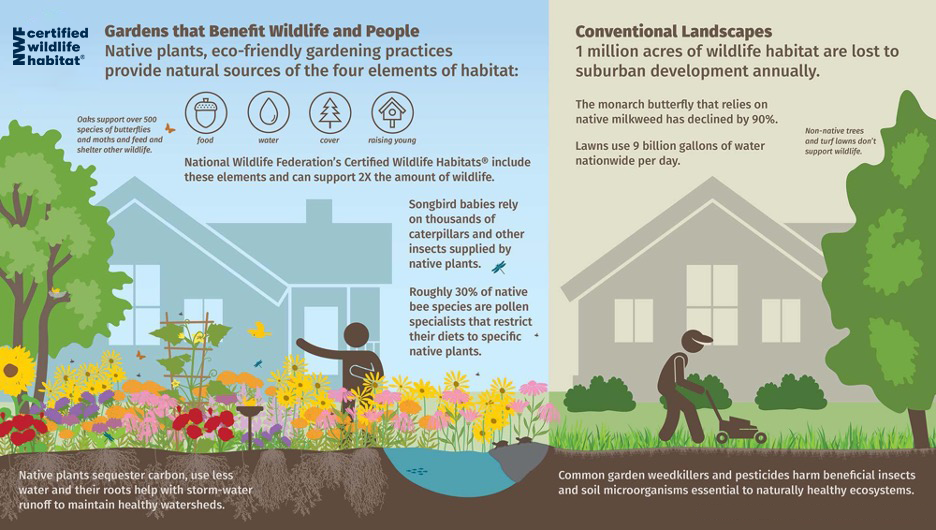
According to the author, entomologist, biologist and conservationist we have 44 million acres of lawn in this country. When there’s a storm event, most of those pesticides, fertilizers and herbicides run off into the watershed. He said, if we’re going to put plants in our yards, why not use ones that do everything we need to conserve and protect our environment? Native plant alternatives to grass help guard our watershed, help the food web, support pollinators and are often better at sequestering carbon.

(Credit: National Wildlife Federation)

 “The point is, what you’re doing is creating connectivity,” said Tallamy. “If you and a bunch of other people do it, then outside of the parks and preserves it’s not no man’s land, there is some habitat.”

For more information, watch Great Lakes Now’s latest interview: 

The post Rewilding, a new way to heal the land this Earth Day appeared first on Great Lakes Now.

Original Article

Great Lakes Now

Great Lakes Now

https://www.greatlakesnow.org/2026/04/22/rewilding-a-new-way-to-heal-the-land-this-earth-day/

Lisa John Rogers, Great Lakes Now

By Héctor Alejandro Arzate

This story was originally published by Grist. Sign up for Grist’s weekly newsletter here.


As a row crop farmer in St. Joseph, Missouri, Joe Lau said he’s noticing more extreme weather these days. 

Warmer seasons throughout the year. Quarter-inch predictions of rain stamped out by storms that bring 3 inches. Increased pressure from pests on his corn. He’s also noticed that spring is coming earlier. 

The USA National Phenology Network shows that this year spring arrived three to five weeks earlier than the average between 1991 to 2020 in much of the central U.S. and two to three weeks earlier in southern Midwest states. 

“I have allergies bad,” said Lau, who also grows soybeans. “And this year in particular, it’s hit me hard. It’s wild that we are talking about allergy issues in winter, but that’s technically the reality of it.”

Last month, Climate Central, a nonprofit specializing in communicating climate science, published an analysis that found that spring is trending to an earlier arrival from 1981 to 2025 in most of the United States.

On average, leaves now emerge six days earlier than they did in 1981 in 88 percent, or 212 out of 242, of major U.S. cities. For example, in Lau’s city of St. Joseph, Missouri, the spring leaves tend to arrive two days earlier. 

An earlier spring could have consequences for the agriculture industry, ecology, and more.

Where are spring leaves arriving earlier?

Climate Central used open-access data that was collected by the USA National Phenology Network, a group of volunteers and researchers who study seasonal events — like when migratory birds arrive, leaves emerge, and fruit ripens —  among plants and animals to determine ecosystem health. 

The analysis is based on the NPN’s first leaf index maps, which use models to predict the start of spring. To work, the models are fed data like temperature and the start date of the annual “leaf-out” — when leaves first emerge —  for the early spring plants of lilacs and honeysuckle, which are found throughout the U.S.

“That very leading edge of spring is drifting earlier and has drifted, in some cases, a whole lot earlier in just that last few decades,” said Theresa Crimmins, the NPN’s director, in a briefing last month.

Climate Central’s analysis found that many Mississippi River basin cities are seeing earlier spring, including Hazard, Kentucky, which is seeing leaves arrive 11 days earlier. Both Memphis, Tennessee, and St. Louis, Missouri, are leafing out seven days earlier. New Orleans, Louisiana, is two days earlier.

While most of the lower 48 states are experiencing an earlier spring, the report did find an exception in the Northern Rockies and Plains region. There, spring temperatures have either cooled or warmed “relatively slowly” since 1970, according to the report.

Kaitlyn Trudeau, a climatologist with Climate Central, said the differences in how much earlier spring is coming from place to place are likely due to what she calls “climate controls” — such as latitude, elevation, wind patterns, proximity to bodies of water, ocean currents, and topography. 

“All of those different factors really dictate what your local climate is like generally,” Trudeau said.

What does early spring mean for agriculture and more?

The early arrival of spring can have widespread impacts, said Trudeau. People with seasonal allergies, like Lau, will be exposed to more pollen because plants get more time to produce and release it.

Warmer temperatures can also cause birds to migrate too soon. One of the busiest migratory routes, or flyways, in North America moves along the Mississippi River. Each year, about half of all migratory bird species on the continent follow it to get from as far north as Canada to Central and South America, and then back.

When birds migrate too soon, said Trudeau, they miss out on the peak abundance of food. They can fall out of sync with insects or the flowers they pollinate, which can affect other species, too.

“That can cause this ecological mismatch,” Trudeau said.

Earlier springs can also put the agriculture industry at financial risk, she said. Whether it’s corn, soybeans, or specialty fruits, these crops can get hit with a hard freeze following an early leaf-out — also known as a false spring. It could lead to major economic damage in the agriculture industry, said Trudeau.

In 2017, a hard freeze in the southeastern U.S. destroyed fruit crops like peaches, pears, blueberries, strawberries, and even grass for livestock. It led to more than $1 billion dollars in losses for the agriculture industry, according to a report from NOAA.

“We are so dependent upon what happens in the natural environment,” Trudeau said. “And so when things start to shift and change, it’s also going to cause pretty widespread impacts for our lives.”

Growers of specialty crops — such as apricot trees or iris flowers — will be particularly vulnerable. Row crop farmers, like Lau, have more technology to aid them. He said seed treatments have allowed soybean farmers to plant earlier and grow longer, increasing their production. 

So the effects of an earlier spring have been “minimal” for him.

“From purely a row-crop production standpoint, the springs have been very favorable for us,” said Lau.

One thing that does have him worried is the bug activity out in his fields — they’ve been plentiful with the warmer weather. 

“I raise all non-GMO corn and so I don’t have the insect traits bred into the corn genetically modified, and so that does concern me that we’re kind of relying on what nature hands us,” Lau said. 

While farmers and communities are doing their part to innovate and adapt to continue producing, Trudeau said addressing the root of climate change is the most urgent need.

“There is no substitute for dramatically reducing our carbon pollution,” she said.

This story is a product of the Mississippi River Basin Ag & Water Desk, an independent reporting network based at the University of Missouri in partnership with Report for America, with major funding from the Walton Family Foundation.

The post Climate experts say spring is coming earlier. How will that affect agriculture and ecosystems? appeared first on Great Lakes Now.

Original Article

Great Lakes Now

Great Lakes Now

https://www.greatlakesnow.org/2026/04/16/climate-experts-say-spring-is-coming-earlier-how-will-that-affect-agriculture-ecosystems/

Grist

Once a week, first and second graders at Tower Rock Elementary School in Sauk County step into a classroom without walls. 

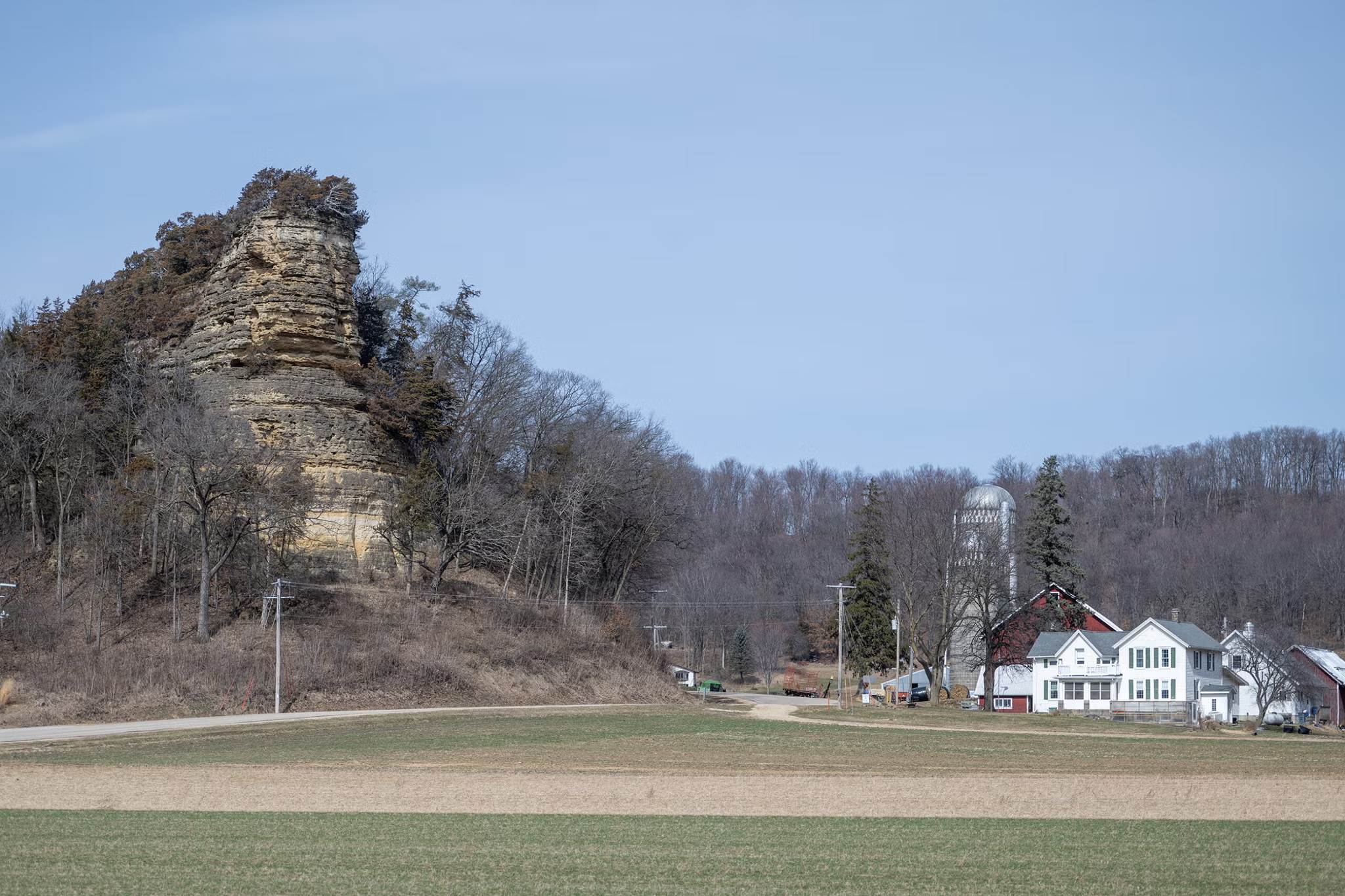
About 25 students, accompanied by three teachers, spend the day in their outdoor classroom tucked into nearby woods with a soaring sculpted bluff — called Tower Rock — in the school’s shadow.

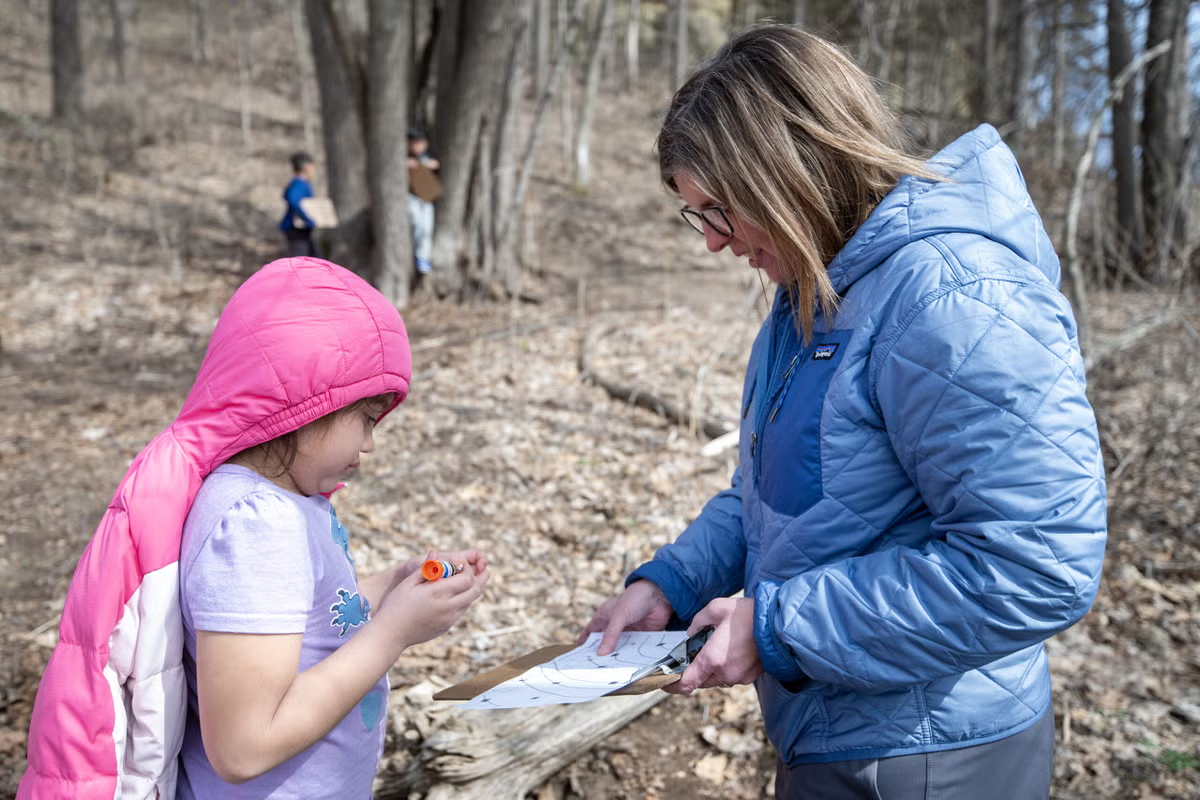
Students follow a science and social studies-based curriculum on topics like insects and space, along with practical lessons like how to dress for the cold. 

In March, days before Blizzard Elsa blanketed the state with snow, first graders in the outdoor learning program prepared to blast off to Saturn. In small groups, students rode an imaginary rocket ship, learning about the planets while in their outdoor environment. 

Angus Mossman, left, leads an outdoor lesson on planets Thursday, March 12, 2026, at Tower Rock Elementary School in Prairie du Sac, Wis. Angela Major/WPR

Nature-based education and outdoor classrooms are expanding in Wisconsin and across the country. The concept of teaching outdoors got a boost during the pandemic. But now, according to Natural Start Alliance, there are more than 1,000 nature classroom programs in pre-schools nationwide. That’s up from a few dozen a decade ago. 

Teachers at Tower Rock want students to learn about the environment under their feet.

“It’s more than sitting in a classroom and saying, ‘We live in a beautiful area, you should protect it.’” JoAnnah Sorg, a teacher at Tower Rock, told WPR’s “Wisconsin Today.” “We go out there and we’re like, ‘Look at all of this. You want this to be here for your family someday. You want to continue to enjoy this, so we need to work to take care of it.’”

The landscape near Tower Rock Elementary School on Thursday, March 12, 2026, in Prairie du Sac, Wis. Angela Major/WPR

Keeping special places special

According to the state Department of Public Instruction, there are at least 17 schools that have a dedicated outdoor learning day in Wisconsin. Tower Rock, which launched its program in 2021, is one of a handful of public, non-charter schools in Wisconsin with this learning model. 

That means all first and second graders who attend Tower Rock participate. There is no waiting list, application or fees. Neurodivergent students and students with disabilities receive accommodations to participate. 

Principal Kelly Petrowski, right, helps a student with a science lesson Thursday, March 12, 2026, at Tower Rock Elementary School in Prairie du Sac, Wis. Angela Major/WPR

The school only cancels the outdoor program when the windchill factor plummets below zero. But this isn’t recess or free play. Every outdoor learning day is guided by a curriculum with a “place-based learning” model in mind, where educators use the local community and environment as a foundation for study. 

Sorg has been at Tower Rock for 15 years. She and two other educators, Dylan Edwards and Angus Mossman, run the program. Together, they build lessons and plan field trips to state parks and protected areas in Sauk County, an agricultural community on the banks of the Wisconsin River. 

Mossman went to Tower Rock and his mother still teaches there. He said many people leave Sauk County not realizing the beauty of it. The majority of the rural community is dedicated to farmland, but there are more than 22,000 acres of dedicated natural parks and open spaces, 63 lakes and nearly 160 miles of rivers and creeks, according to Explore Sauk County, the county’s tourism website.  

“There’s a lot of focus on getting urban students exposed to nature and I think there’s not a lot of focus on exposing kids in rural areas to nature,” Mossman said. 

“I want kids to realize that this is a special place and if people care about it, it will stay a special place. And if people don’t care about it, it might not stay a special place,” Mossman added. “I think (children) have it in their hearts to learn that.”

Students operate an imaginary spaceship with teacher JoAnnah Sorg as they learn about science outdoors Thursday, March 12, 2026, at Tower Rock Elementary School in Prairie du Sac, Wis. Angela Major/WPR
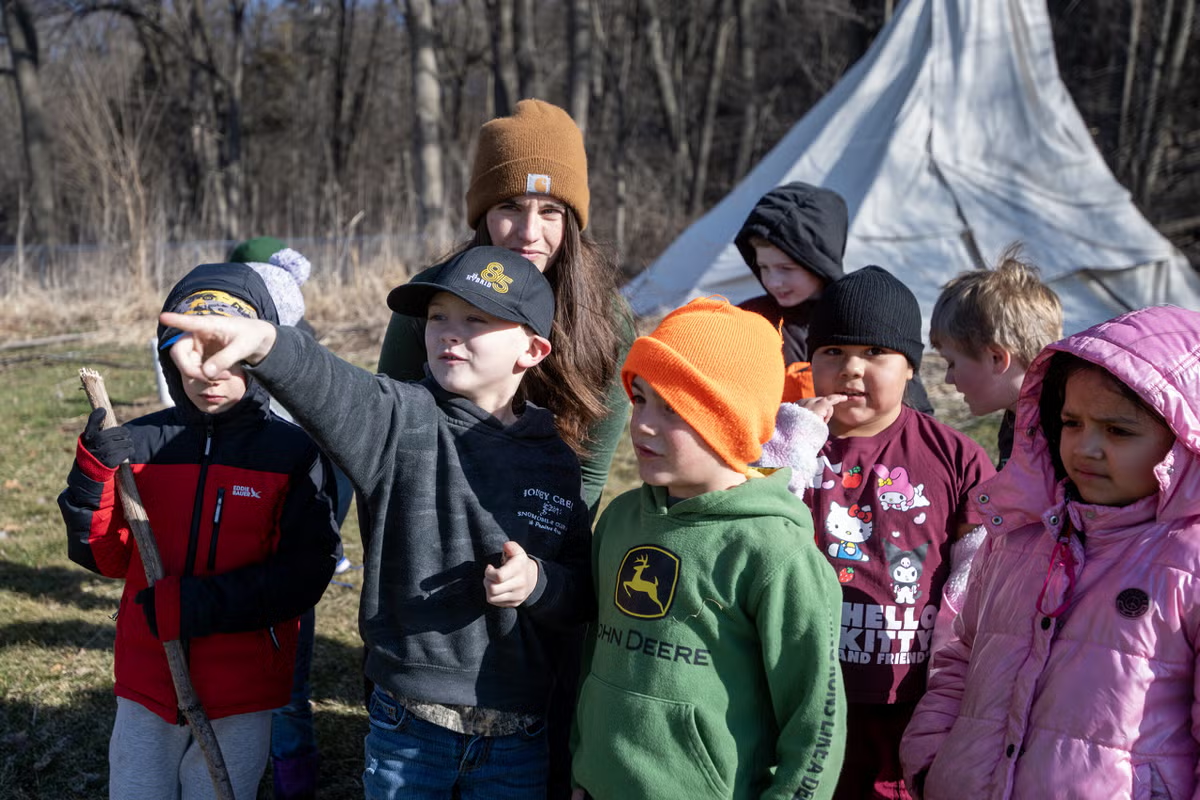
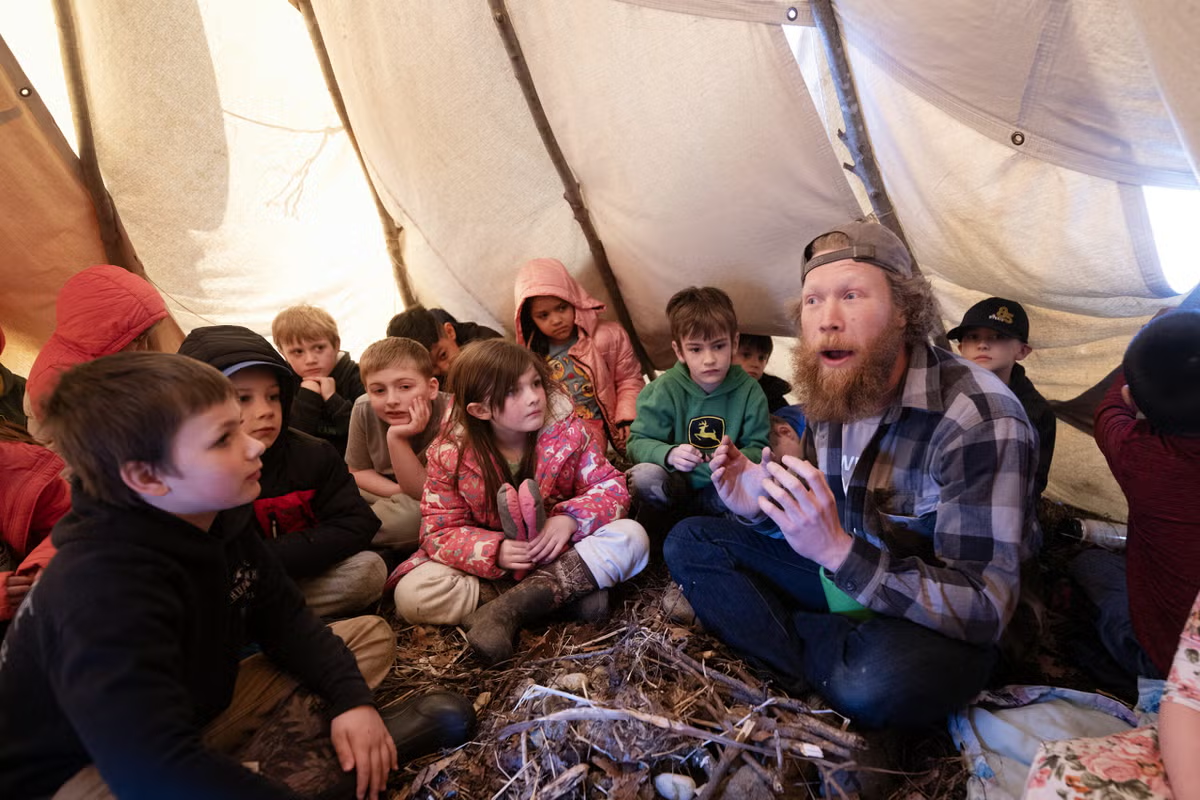
Angus Mossman tells a story as students gather to listen Thursday, March 12, 2026, at Tower Rock Elementary School in Prairie du Sac, Wis. Angela Major/WPR
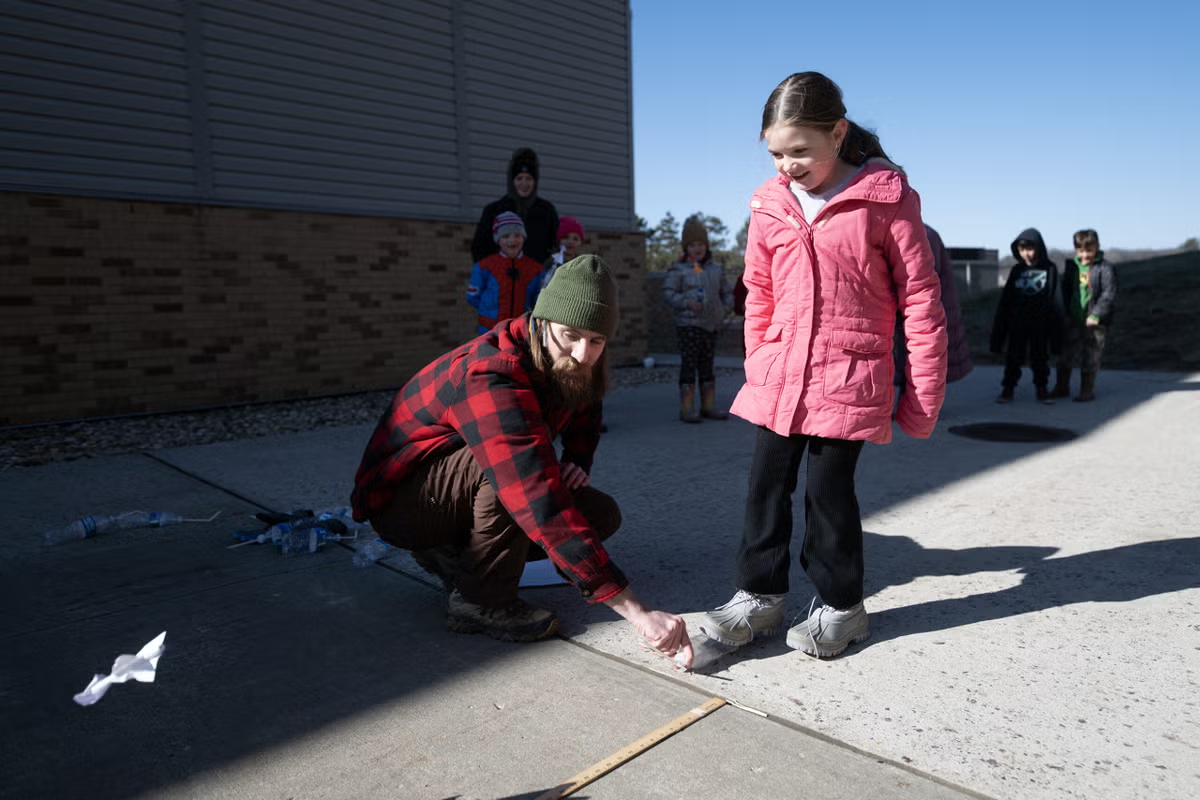
Teacher Dylan Edwards, left, helps students launch rockets using a water bottle Thursday, March 12, 2026, at Tower Rock Elementary School in Prairie du Sac, Wis. Angela Major/WPR

The wonder of bees and spiders

Since the program started, students have helped to restore a native prairie and learned about the federally endangered rusty patch bumble bee, which is rare, but can be found in Wisconsin. 

“In first and second grade, I was really, really scared of bees,” said Bentley Hughbanks, a fifth grader who went through the outdoor learning program. “I was insanely scared to the point where on a field trip, I didn’t want to go because of the bees. But now I’ve overgrown my fear of bees.”

“I realized that they don’t mess with you unless you mess around with them,” Bentley said. 

There are countless stories from students overcoming fears, educators said. Students who didn’t like spiders now prevent others from squishing them. One student asked his parents to stop using ant poison in the garage. And another wants to be an ornithologist.  

First-grade students participate in a lesson on space Thursday, March 12, 2026, at Tower Rock Elementary School in Prairie du Sac, Wis. Angela Major/WPR

“A powerful thing about outdoor learning and the experience we can give the kids here is that we’re teaching their hearts and not just teaching their minds,” Mossman said. 

Sorg recalled one student who struggled academically in the classroom but on an outdoor learning day found the perfect way to pack snow into a bucket for building a structure, and the other students followed his lead.

“The power that it gave him among his peers to be able to have that opportunity to shine and have that moment — he didn’t get a lot of those moments in the classroom during the day,” she said. 

Finding those moments is one benefit of outdoor learning. Research shows it can also promote concentration, perseverance and creativity, said Christy Merrick, director of the Natural Start Alliance

“(Nature) is a space that is always changing. Nature is not static,” Merrick said. “It’s keeping things interesting for students. It tends to promote very active, hands-on learning, which we know is a very effective way for children to learn when they’re young.”

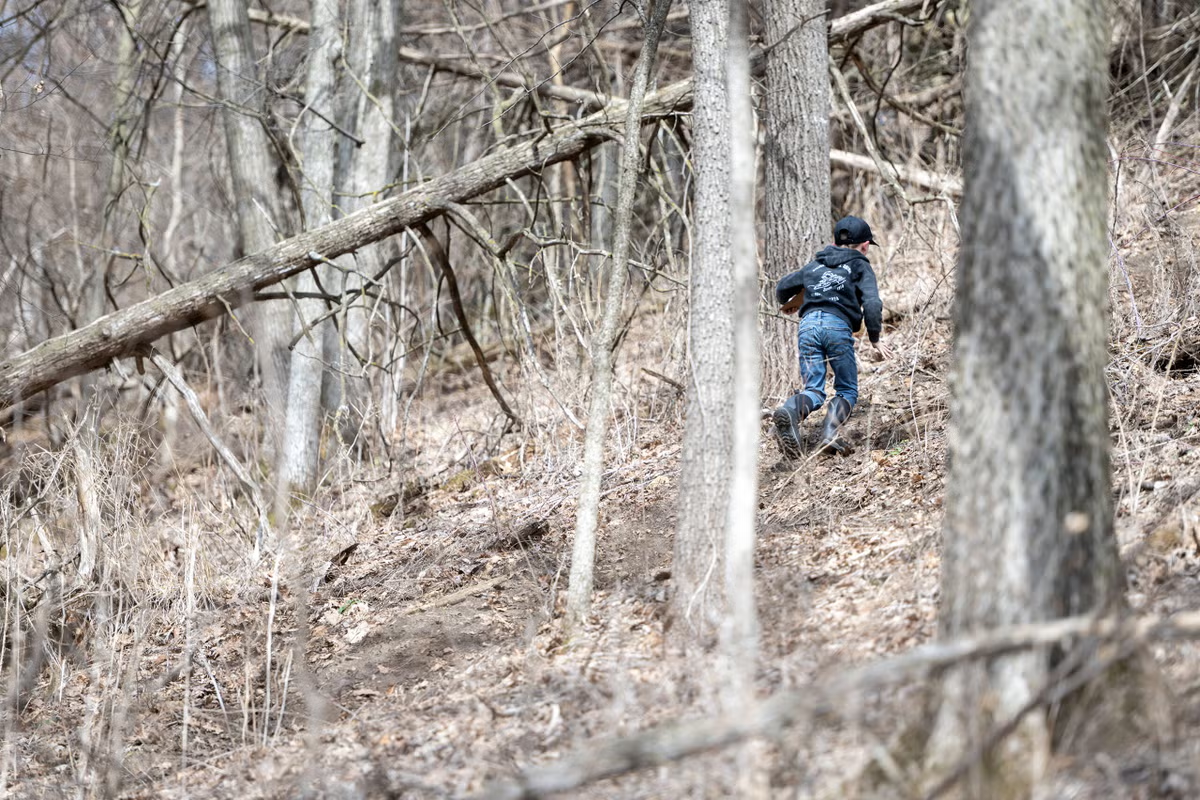
Students explore the woods during a lesson Thursday, March 12, 2026, at Tower Rock Elementary School in Prairie du Sac, Wis. Angela Major/WPR

An outdoor program like this is unique and requires a reliable funding stream. The teachers say it takes additional work to keep the program going. Each year, they apply for about $5,000 of local and state grants, Mossman said. The Community Foundation of South Central Wisconsin accepts donations on behalf of the school and other programs like it. The school also hopes to create an endowment. 

Outdoor learning is starting to become part of the fabric of attending Tower Rock. Now some fifth graders, like Brooks Mack, have younger siblings there, too.

“I can help (my brother) out. He asks me questions when he gets home, like, ‘We did this today but I didn’t quite understand it.’ So I get to answer those questions and other kids ask me questions, too,” Brooks said. “Sometimes I get to answer, which feels good.”

The post Nature is the classroom at this central Wisconsin elementary school appeared first on Great Lakes Now.

Original Article

Great Lakes Now

Great Lakes Now

https://www.greatlakesnow.org/2026/04/16/nature-is-the-classroom-at-this-central-wisconsin-elementary-school/

Wisconsin Public Radio

This article was republished here with permission from Great Lakes Echo.

By Addie Tussing, Great Lakes Echo


Every year, thousands of hopeful hunters apply for one of only 260 licenses to hunt elk in Michigan. 

The state Department of Natural Resources (DNR) received a record-breaking 47,493 applicants in 2025. 

“It’s a chance for folks in Michigan who are used to some similar hunting experiences, but with the added uniqueness and challenges of pursuing a different animal,” said Brent Rudolph, the deer, moose and elk specialist with the DNR. 

Michigan’s original native elk disappeared in 1875 due to overhunting and habitat loss. They were reintroduced in 1918, and populations have since stabilized, according to Rudolph. 

“We are working on viewing the uniqueness that they bring to the communities where they’re around, and then balance the efforts to manage their population to minimize potential conflicts,” he said.

In 2025, Michigan hunters shot 153 elk. The DNR estimates Michigan’s elk population to be around 1,100 animals.

Every year, the National Resources Commission works alongside the DNR to create quotas to control the number of elk that can be taken. 

“Our five-year average has been around a 72% success rate in fulfilling those quotas,” said Rudolph, while “the 2025 success rate was 64%.”

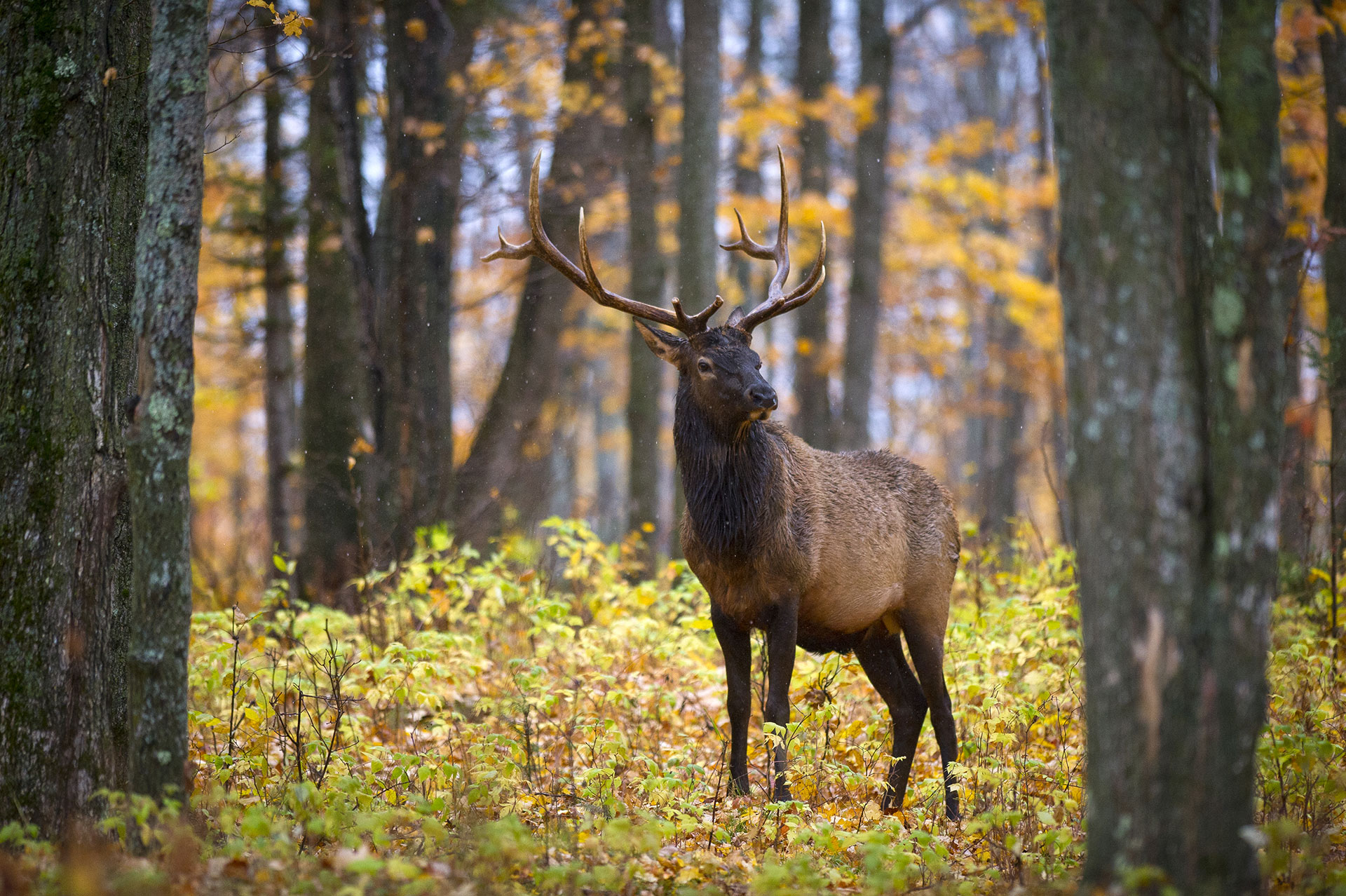
Brent Henige of New Lothrop shot this-559 pound bull on Dec.13, 2025.

Licenses are awarded to applicants through a random drawing. Once selected, they receive specific information on the hunting period and type of license they have received. 

“Some receive licenses that are ‘any elk,’ which mean they can pursue bulls, which is often the preferred target because they are antlered animals,” said Rudolph. 

Some, however, receive licenses for antlerless-only elk to control the number of females in the population.

There are two hunting periods: The first consists of three independent sessions throughout August and September, and the second from Dec. 13-21. The second period poses challenges to some hunters because of unpredictable weather conditions and proximity to the holiday season. 

When selected, “you will have an opportunity to hunt in one of two core elk range units” said Rudolph. 

Hunters are restricted to the land of the Pigeon River Country State Forest and what is referred to as the “Elk management Unit X” land, both in the Northern Lower Peninsula near Gaylord. 

As the 2025 hunt came to a close, the DNR drafted an alternative to its current Elk Conservation and Management Plan

The proposal aims to lengthen both the first and second hunt periods, and most notably, consolidate the first hunt into one continuous period. 

“We are aiming to make it more convenient for hunters having a more contiguous period so they could choose when they’re able to participate,” says Rudolph, who said that the change will give hunters who aren’t local more leeway, increasing the success rate of the first hunt. 

According to the DNR, the proposed first period would be 30 days from September to the beginning of October, and the second period would run from Dec. 1st to the 15th. 

They intend to shift the first hunt to begin at later dates to avoid hot weather which is both uncomfortable to hunt in and leads to more elk meat spoiling. 

The new dates for the second hunt would be more accessible to hunters who celebrate holidays towards the end of December. 

Michigan residents were given the opportunity for public comment on the proposed regulations. 

Seventy-three residents emailed their thoughts to the DNR before the Jan. 23 cutoff. Rudolph said 63% supported the change and about 27, or 37%, were opposed to some aspect.

While a majority supported the proposed regulations, many were concerned that the new timeline would overlap with the days to hunt bears. 

“Some hunters can pursue bear[s] with dogs, and hounds moving through could make hunters anxious or could just lead to some conflicts,” said Rudolph. 

Chad Sides, who chairs the Michigan Elk Country Association, a conservation organization based in Gaylord, is weighing the benefits of the proposition. 

“It could be beneficial if implemented properly,” Sides said. “It may provide a better experience for the hunters and have a better hunt.” 

On the other hand, Sides said he is apprehensive about the elk population going forward. “I hope that the state realizes that our herd is significantly down from years past.”

A more successful hunt could decrease the population at a more rapid rate, Sides said. 

The regulations will be finalized during the Natural Resources Commission’s April meeting. 

Before then, Rudolph and the DNR will try to reduce conflict with the bear hunting season. “We will be making some adjustments to the proposed dates and lengths to still reach the original objectives.”

Rudolph said the elk hunt is a vital and unique resource in Michigan.

“We’re happy to be able to take input on how we can try and best accommodate some of the diverse opinions people have,” he said.

The post Michigan mulls changes in elk hunt regulations appeared first on Great Lakes Now.

Original Article

Great Lakes Now

Great Lakes Now

https://www.greatlakesnow.org/2026/04/10/michigan-mulls-changes-in-elk-hunt-regulations/

Great Lakes Echo

By Danielle Kaeding, Wisconsin Public Radio

This article was republished here with permission from Wisconsin Public Radio.


A union leader representing federal Forest Service employees in Wisconsin says workers may have to move as part of the Trump administration’s plan to shutter regional offices.

The Forest Service announced Tuesday that the agency is moving its headquarters to Salt Lake City and closing nine regional offices, including in Milwaukee. Administrative and technical support in those offices will shift to six operational service centers, one of which will be located in Madison. The overhaul will also include 15 state directors to oversee operations in one or more states.

Brian Haas is president of the National Federation of Federal Employees Local 2165. The union represents employees in the Milwaukee regional office and the Chequamegon-Nicolet National Forest. He said the restructuring mostly affects Milwaukee-area employees. Union officials estimate around 50 employees may be affected.

“The regional office actually already was hit a lot harder by people leaving, retiring, taking the different buyouts,” Haas said. “They’re already really down in their numbers.”

Haas said workers have been told they can continue working for the service as long as they’re willing to relocate or change job descriptions. When the reorganization was first announced last year, he said many employees transferred or relocated amid Trump’s return-to-office order.

The number of Forest Service employees in Wisconsin dropped from 645 to 539 between federal fiscal year 2025 and 2026, according to federal workforce data.

The U.S. Department of Agriculture, which houses the Forest Service, has been shifting thousands of employees out of Washington. Around 260 employees in the nation’s capital will be expected to relocate to Salt Lake City, according to the Associated Press.

“This is about building a Forest Service that is nimble, efficient, effective and closer to the forests and communities it serves,” Forest Service Chief Tom Schultz said in a statement.

Trump administration officials said the move will improve forest management, save taxpayer money and boost employee recruitment.

“The official stance from the administration is that it is not a reduction in force, but the reality on the ground is that it is going to continue to drive people to leave the agency,” Haas said.

A USDA spokesperson said employees will receive information about relocation timelines, options and resources to support their decisions. The agency said the number of staff that will be moved beyond the nation’s capital is unknown at this time.

Current and former Forest Service employees say the Trump administration’s actions over the past year have created chaos and uncertainty with few answers. The elimination of regional offices and shift to state-based hubs will take place over the coming year.

No changes for national forest in Wisconsin, research facilities close

The Chequamegon-Nicolet National Forest, or CNNF, has 235 employees who would be unaffected, according to Kaleigh Maze, a forest spokesperson. Maze said the forest and its district offices would see no changes to staffing.

“The Chequamegon-Nicolet National Forest is committed to ensuring that all operations — including wildfire readiness and response — continue without interruption,” Maze said.

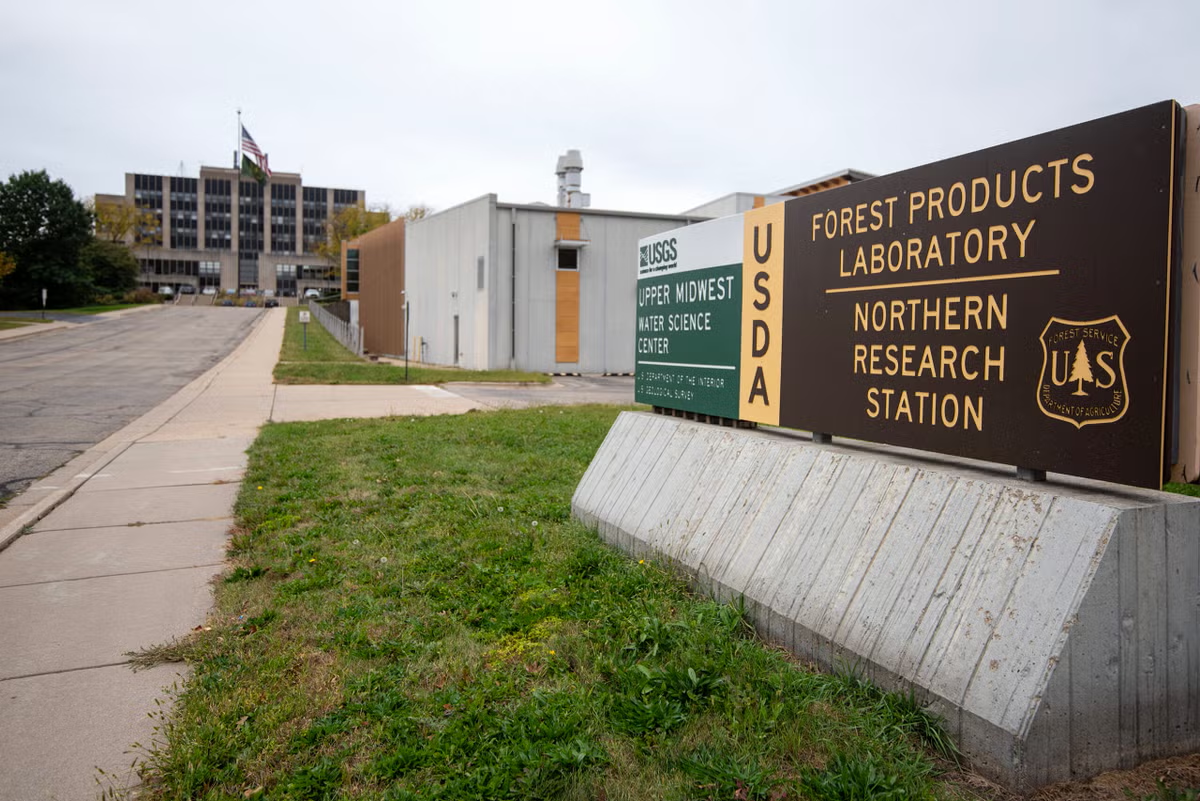
Forest Service research facilities in 31 states will also close and be combined under a single research organization in Colorado. The agency’s website shows Rhinelander and Madison research sites would not be affected, but Haas said Rhinelander employees may also be required to move. As of 2023, the agency’s Forest Products Lab in Madison had 80 research scientists and 168 support staff.

Two other facilities are slated for closure in Wisconsin Rapids and Prairie du Chien. Paul Strong, former forest supervisor of the CNNF, said he’s unfamiliar with those sites and questioned whether USDA facilities may have been mistakenly included.

The USDA Forest Products Laboratory on Thursday, Oct. 16, 2025, in Madison, Wis. Angela Major/WPR

The Forest Service said a single research organization would speed up the use of science in forest management and reduce duplication. Strong told WPR’s “Wisconsin Today” it’s unclear what the move will mean for existing and long-term research projects.

“What I think we should be concerned about is what kind of pressure and stress this puts on employees and how they’re being treated as public servants,” Strong said.

Under the reorganization, the Forest Service said there will be no changes to firefighters or their positions. But the Trump administration is seeking to bring firefighting efforts under a single agency, which would affect thousands of employees if implemented.

Former U.S. Forest Service Chief Mike Dombeck served during the Clinton administration and lives in Wisconsin. He said he supports efforts to streamline the agency, noting past proposals to reorganize offices failed due to lacking support from congressional lawmakers.

Even so, he noted a similar attempt to move the Bureau of Land Management during Trump’s first term was later reversed. Dombeck said restructuring will likely cause the agency to lose more staff who choose not to uproot their families. He also fears the agency will lose ground on managing 193 million acres of national forests, climate change and wildland firefighting issues.

“I think this will be a real wake-up call to what the real values of national forests are,” Dombeck said. “We need to really ask this administration: what is the end game when we take a look at this level of chaos?”

Editor’s note: This story was updated with staffing figures on the Chequamegon-Nicolet National Forest from the U.S. Forest Service.

Wisconsin Public Radio, © Copyright 2026, Board of Regents of the University of Wisconsin System and Wisconsin Educational Communications Board.

The post Forest Service workers in Wisconsin may have to move after reorganization, union leader says appeared first on Great Lakes Now.

Original Article

Great Lakes Now

Great Lakes Now

https://www.greatlakesnow.org/2026/04/08/forest-service-workers-in-wisconsin-may-have-to-move-after-reorganization-union-leader-says/

Wisconsin Public Radio

The Trump administration plans to close four US Forest Service research facilities in Michigan, shifting scientists out of the state as it reorganizes and consolidates the agency.

Officials have not announced a closure date for the facilities, located in the Lower Peninsula communities of East Lansing and Wellston, between Manistee and Cadillac, and the Upper Peninsula communities of Houghton and L’Anse, saying changes will be implemented over the next year.

The Forest Service headquarters will also move from Washington, DC, to Salt Lake City in what Agriculture Secretary Brooke Rollins described as a measure to save money, boost logging and put workers “closer to the landscapes we manage.”

“Establishing a western headquarters in Salt Lake City and streamlining how the Forest Service is organized will position the Chief and operation leaders closer to the landscapes we manage and the people who depend on them,” Rollins said in a news release.

The announcement prompted dismay in Houghton, where workers with the US Forest Service Northern Research Station collaborate closely with researchers at Michigan Technological University and the Michigan Department of Natural Resources. A smaller group in L’Anse conducts forest inventories and analysis.

“It’s very disappointing,” said David Flaspohler, dean of the university’s College of Forest Resources and Environmental Science. “I understand priorities change from one administration to the next, and this administration is interested in increasing the volume of timber that is coming off of the national forests. To do that in a sustainable, safe way, you have to have people that are trained in the latest science and silviculture.”

Flaspohler estimated between 20 and 25 people work at the Houghton station, including scientists and other staff. The station has a “multidecadal history of partnerships” with researchers and foresters in the UP, he said. 

The heavily forested Upper Peninsula contains more than 8 million acres of forestland, split roughly evenly between private or locally owned timberland and state and federal forests.

Beyond conducting research that aims to keep northern forests healthy and productive, Flaspohler said, the lab is an important economic contributor to a region with scarce jobs.

“This lab with its many employees — who all had salaries and invested in the region just like any employed person does — that’s going to be lost.”

Two-thirds of facilities cut 

The Michigan facilities are part of a network of 57 nationwide. Nineteen will remain following the closures, with the Forest Service instead establishing regional hubs that serve multiple states. 

A Madison, Wisconsin, hub will serve Michigan, Illinois, Indiana, Iowa, Wisconsin, Minnesota and Missouri.

Michigan DNR spokesperson John Pepin said leaders in the state Forestry Resources Division are not yet sure how the changes will affect the state agency, which works closely with federal partners. 

“It’s pretty apparent that the details and individual impacts to a lot of programs are not worked out yet,” Pepin said. 

The biggest change appeared to be in Houghton, Pepin said. The facility houses the Northern Institute for Applied Climate Science, which Pepin said is relocating to Fort Collins, Colorado.

He said DNR and university officials in Michigan and other Great Lakes states “have worked closely” with the institute for many years assessing the climate vulnerability of forests, developing adaptation strategies and applying it to forest management.

It wasn’t clear whether layoffs would occur as part of the reorganization, but the administration’s announcement emphasized the reduction of “administrative duplication.”

“The Forest Service will provide employees and partners with detailed transition guidance as different milestones approach,” stated an agency release.

Agency spokespeople did not immediately respond to emailed questions from Bridge Michigan. 

Phone calls to Forest Service facilities in Houghton and Lansing were not answered. A person who picked up the phone in the Huron-Manistee National Forest, which includes the Wellston office, declined to comment. Bridge Michigan was unable to locate a phone number for the L’Anse facility.

While an agency press release described the move as a “structural reset and a common-sense approach to improve mission delivery,” some critics have described it as an effort to shrink the Forest Service and shift its mission away from protecting forests and toward logging and privatization.

Utah has been a frequent battleground for debates about public lands, from the fight over Bears Ears National Monument to a lawsuit by the state of Utah that aimed to take control of millions of acres of federal land and Utah Senator Mike Lee’s repeated efforts to sell off public land

“This reorganization will wreak havoc on the Forest Service management and organization, adding fuel to the unpopular narrative by officials like Senator Mike Lee that public lands should be sold off to private industry” said Josh Hicks, Conservation Campaigns Director at The Wilderness Society. “At a time when wildfires are getting worse, and access to public lands is already under strain, the last thing we need is an unnecessary reorganization.”

The post Trump administration plans closure of 4 Michigan forestry research centers appeared first on Great Lakes Now.

Original Article

Great Lakes Now

Great Lakes Now

https://www.greatlakesnow.org/2026/04/06/trump-administration-plans-closure-of-4-michigan-forestry-research-centers/

Bridge Michigan

By Jennifer Wybieracki, Inside Climate News

This article originally appeared on Inside Climate News, a nonprofit, non-partisan news organization that covers climate, energy and the environment. Sign up for their newsletter here.


Julissa Hernandez was at work when she saw the news, in 2024, that a young mother, Chianti Means, had jumped to her death at Niagara Falls State Park, taking her two young children, a 9-year-old and 5-month old baby, with her. When Hernandez called her dad later that day, she realized that Means was a second cousin who used to babysit her.

Hernandez feels like she often hears stories from her friends and people in the community about another person trying to commit suicide or another person dying. Hernandez and Donte West, a high school classmate, recall at least five students who died by suicide during their time at Niagara Falls High School. 

“Even if the signs are there, people just excuse it, because that’s just how the people in the Falls are,” Hernandez said.

Once celebrated as the honeymoon capital of the world, Niagara Falls is now better known for its environmental and mental health challenges, with data showing higher suicide rates a growing body of research suggesting a link between these issues and local conditions.

Niagara County Health Assessment data indicate that the area has elevated air pollution levels and suicide rates higher than the state average, at 14.2 per 100,000 individuals. ZIP codes in Niagara Falls report the highest rates of youth asthma-related emergency room visits. New research correlates air pollution with mental health disorders, such as depression

Environmental and genetic factors influence the developing brain. Researchers are still exploring exactly how air pollution impacts young minds, but several studies have found that high levels of particulate matter 2.5 microns, or PM2.5, in the air can affect brain chemistry, leading to increased aggression and a loss of emotional control. Other forms of air pollution have been linked to the development of mental health disorders such as anxiety, psychosis and neurocognitive disorders such as dementia. 

Niagara County no longer has active Environmental Protection Agency Air Quality monitors for PM2.5 or NO2 and the New York Department of Environmental Conservation’s monitor list shows many Niagara sites closed before 2012. Factories such as Covanta and Goodyear still report emissions to the state and the EPA under their Title V permits, however, the reports do not reflect the air quality experienced by residents in surrounding neighborhoods. The area’s air quality is now estimated using regional models and data from neighboring counties, leaving uncertainty about what residents in Niagara Falls are actually breathing.

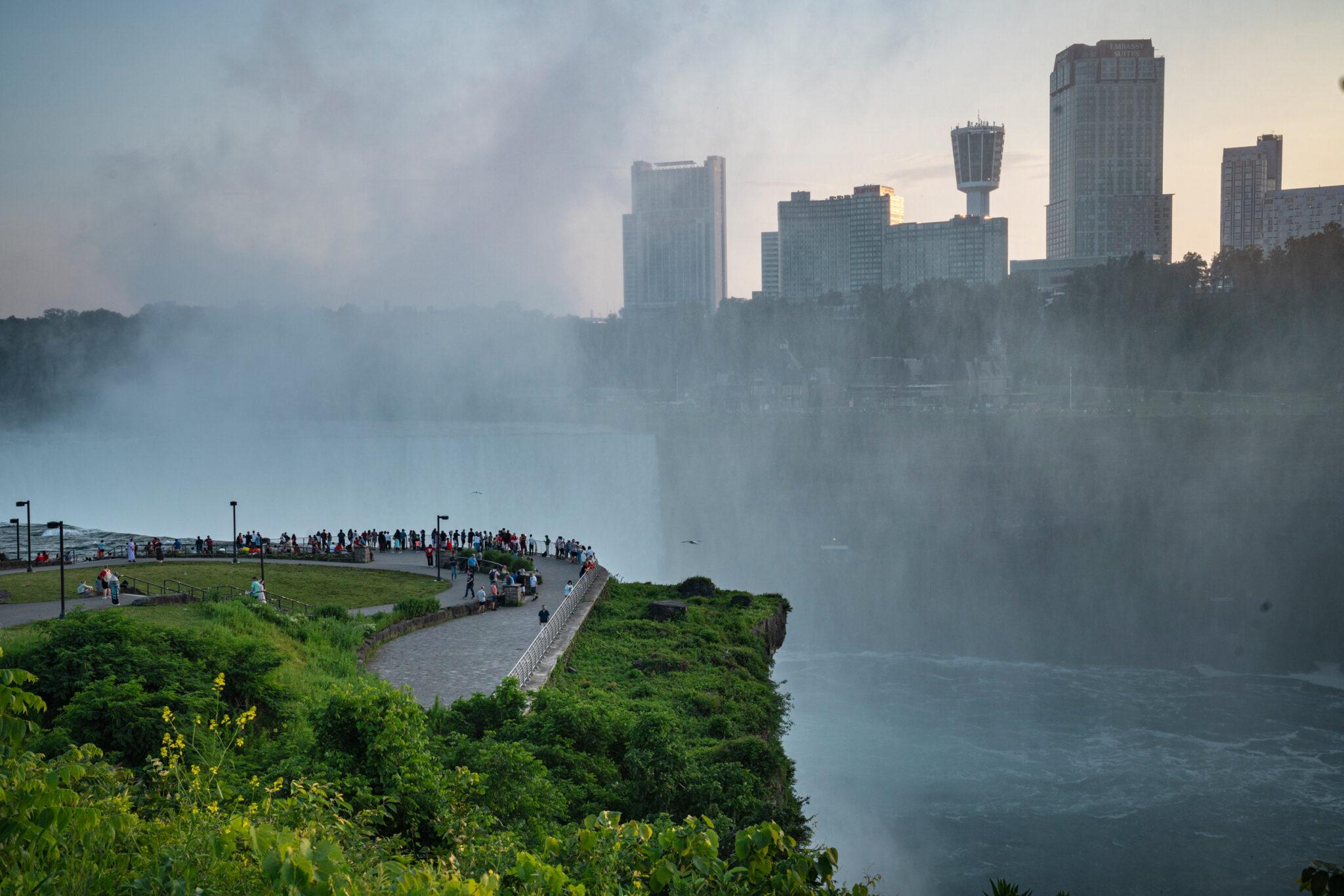
A view of Niagara Falls State Park. Credit: Matt Hofmann

study published in 2025 found 36 links between ambient air pollutants and adverse mental health disorders such as autism spectrum disorder and attention deficit hyperactivity disorder (ADHD).

Psychologist John Roberts and a team from the University at Buffalo took this research one step further and examined how air pollution exposure affecting mental health might be correlated with historical redlining in several cities in New York state, including Niagara Falls. 

Redlining was a structural racism practice conducted across the United States beginning in the 1930s that involved denying mortgages to residents of racial or ethnic minorities. Roberts’ study looked at the impact of ambient air pollutant levels on emergency room visits for mental disorders and how those visits varied across neighborhoods affected by redlining. Overall, they found that both PM2.5 and NO2 were elevated and significantly associated with mental health disorder-related emergency room visits in historically segregated New York state neighborhoods. 

“We looked at the overall concentration levels of air pollutants across regions [in the city] and found that there were elevated levels in the redlined neighborhoods,” Roberts said. “So the discriminated neighborhoods had greater pollutants, because there’s more industry or disposal wastes there.”

That means young adults in Niagara Falls are at risk, facing the adverse health effects of intensive, concentrated industry pollution. [StoryGISMap

In the early 1900s, engineers were drawn to the region’s potential for harnessing hydropower. This hydroelectricity enabled electrochemical processes that use electric currents to trigger chemical reactions to produce compounds such as chlorine and caustic soda, or to extract aluminum from aluminum oxide. This process made Niagara Falls home to factories that produced defensive chemicals and materials used for building atomic bombs during World War II. Radioactive slag still plagues the city years later. [Source]

It also brought companies such as Hooker Chemical, which became notorious for the Love Canal catastrophe, where leaking industrial waste from a toxic chemical dump, on which a Niagara Falls neighborhood was built, led to a landmark environmental disaster that helped spark the modern environmental movement and prompted the establishment of the Comprehensive Environmental Response, Compensation and Liability Act (CERCLA) in 1980. Today, it appears history is repeating itself, only now, the federal government is removing limits and regulations on toxic emissions. 

Since President Donald Trump’s second term began, his administration has moved quickly to slash EPA funding and weaken emissions standards for major industries. Congress overturned Biden administration rules regulating seven toxic air pollutants, marking the first efforts to curb the Clean Air Act since its inception.

The rollbacks threaten cities like Niagara Falls, where factories still operate near residential neighborhoods.

In 2025, the Niagara Falls City School District lost nearly $734,000 in funding to provide support services for students and families after the Trump administration cut funding for two school-based mental health grants.

That funding cut impacted the Niagara Falls Student Champion Team, a student group Hernandez and West were both a part of before they graduated. Members focus on mental health awareness and trauma-informed learning. The students meet with the office manager from the University at Buffalo’s Institute on Trauma and Trauma-Informed Care School of Social Work twice a month to learn about trauma, its causes and how to be sensitive when discussing traumatic experiences. Students also share ideas and develop strategies to support their school’s and community’s mental health efforts. 

The team is still active this school year, but has scaled back its activities due to budget cuts.

With the death of another student at the beginning of the last school year, the district administration arranged for the team to present what they’ve learned to Niagara Falls’ mayor and city council in early 2025. In May, during Mental Health Awareness Month, the team also presented before the Buffalo Bills Foundation, a philanthropic arm of the NFL team that supports organizations that are committed to improving the quality of life in the Western New York region, which donated $10,000 to support trauma-informed care training. 

The school district used to conduct Youth Risk Behavior Surveys, but hasn’t since 2019. The surveys found that high school students in the city of Niagara Falls reported feeling more sad or hopeless in the past year than students statewide. More than 43 percent of students reported serious difficulty concentrating, remembering or making decisions due to physical, mental or emotional problems. 

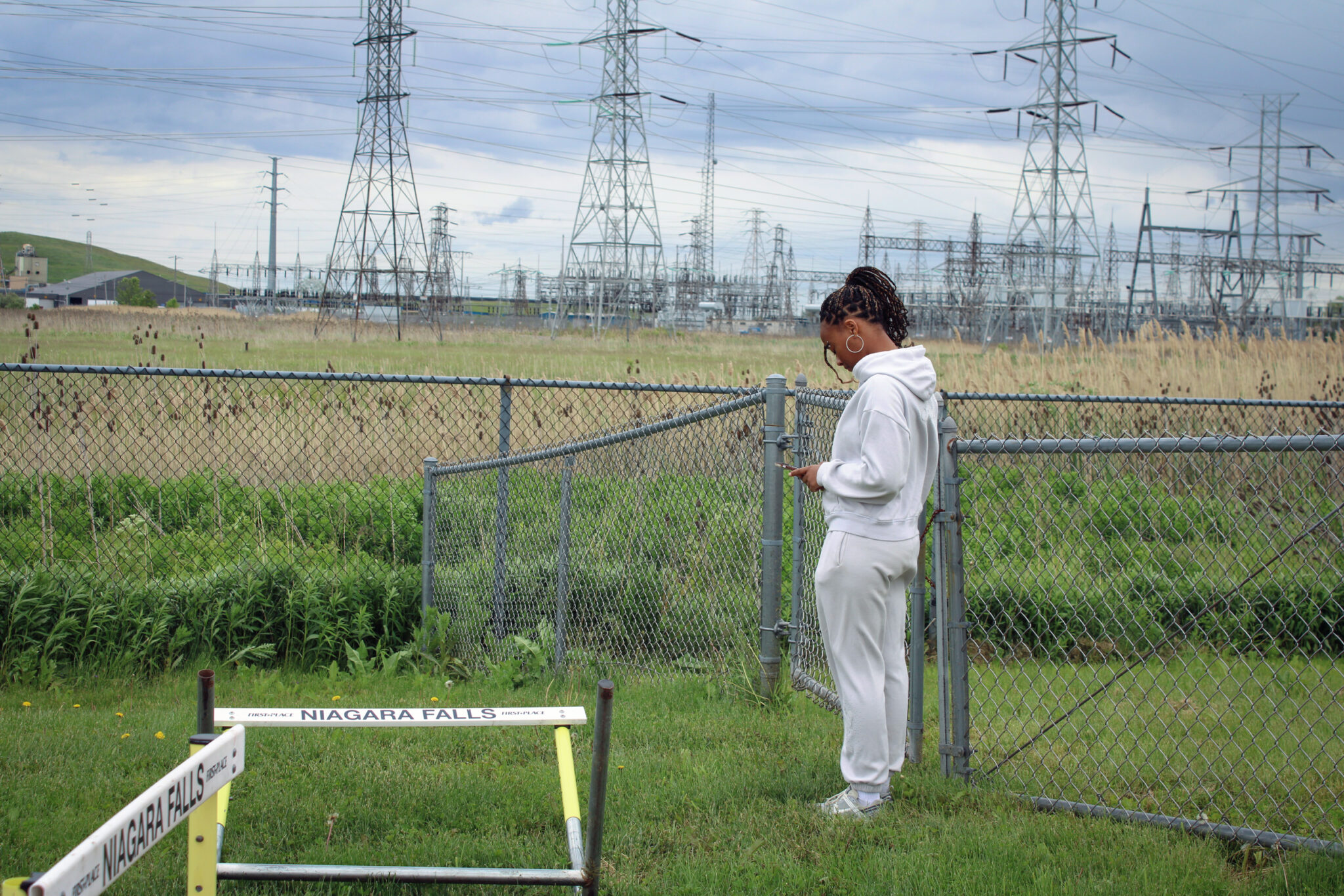
Niagara Falls High School is surrounded by powerplant and factories. Niagara resident Amanda West says she can feel the exhaust chemicals on her skin when she goes outside sometimes. Photo by Matt Hofmann.

In response, the Niagara Falls school district has hired 18 social workers for the district over the last seven years. Before that, there were zero. Each district school also has a family support center which offers students and their families food, clothing and services they need to set students up for success. The district also offers Say Yes Buffalo opportunities which provides students tuition and support to increase the rates of high school and post-secondary completion.

“[The surveys] showed that suicide and suicide ideation is high,” district Superintendent Mark Laurrie said. “I think that comes from a lot of people feeling hopeless. I think that poverty causes a lack of schema, and people can’t see what they can become, or what they can do, because we’re surrounded by poverty.”

Roberts added that aside from poverty, family conflict, abuse, discrimination and other social trauma as a child can create a negative cognitive schema, which changes one’s basic beliefs and values about themself and changes their capacity for feeling in control. He said environmental stressors, such as pollution and violence that are elevated in sacrifice zones, make matters more difficult. 

While the district is developing more resources for students, the high school still sits across the street from some of the city’s largest polluters.

Hernandez and West describe the school as run-down and likened it to a prison. They said they felt stressed at school because when they looked out their classroom windows, all they saw were factories.

“We don’t got much going for us in terms of positivity,” Hernandez said. 

Hernandez was born and raised in Niagara Falls, but she lived with family in North Carolina for eighth and ninth grade, during the COVID-19 pandemic. She noticed her skin cleared up and her asthma symptoms disappeared after she left Niagara Falls. She was able to start running again, which is something she had to give up years ago because she could never catch her breath.

Julissa Hernandez played several sports throughout childhood, her favorite being softball. Credit: Matt Hofmann

Hernandez grew up participating in a wide range of sports, including softball, soccer, lacrosse, track, dance, cheerleading and gymnastics. As she got older, her asthma got worse, forcing her to gradually drop every sport. She believes the poor air quality in Niagara Falls contributed to her asthma complications.

Hernandez is now an early childhood education major at Niagara University. After graduation, she hopes to become a teacher with newly acquired trauma-informed tools to help students and educate parents and guardians. West joined the team after seeing their presentation to the Niagara Falls City Council and was interested in learning and advocating for students who don’t have safe living environments. He had an aunt and a cousin who died by suicide.

“If you’re around nothing but drama and chaos, you’re not gonna be able to focus or feel right,” West said “There is no room for somebody to get their mental state right if they don’t even know how to do it.”

Christen E. Civiletto, born and raised in the city, is now a lawyer, an environmental law adjunct professor at The University at Buffalo and author of the forthcoming book “Thundering Waters: The Toxic Legacy of Niagara Falls,” set for release in June. She has spent more than 20 years researching contamination in Niagara Falls. 

“People are sick in numbers too high to ignore. Niagara Falls’ children are bearing the brunt of harm from past and ongoing pollutionthese are generational harms that must be addressed before any hope of restoration in the Falls is possible,” she said.

“If you’re around nothing but drama and chaos, you’re not gonna be able to focus or feel right,” West said “There is no room for somebody to get their mental state right if they don’t even know how to do it.”

Christen E. Civiletto, born and raised in the city, is now a lawyer, an environmental law adjunct professor at The University at Buffalo and author of the forthcoming book “Thundering Waters: The Toxic Legacy of Niagara Falls,” set for release in June. She has spent more than 20 years researching contamination in Niagara Falls. 

“People are sick in numbers too high to ignore. Niagara Falls’ children are bearing the brunt of harm from past and ongoing pollutionthese are generational harms that must be addressed before any hope of restoration in the Falls is possible,” she said.

Brian Archie, a lifelong Niagara Falls resident, is tackling the city’s health epidemic from two angles. He is a current member of the Niagara Falls City Council and also serves as the executive director of the Creating a Healthier Niagara Falls Collaborative (CAHNF), which focuses on building community by improving the social determinants of health. The collaborative also educates residents about topics  such as air quality and mental health.

The Community Foundation of Greater Buffalo recently awarded the collaborative $10,000 to host a youth workshop on organizing and environmental justice.

The collaborative also partners with the Buffalo Clean Air Coalition, a nonprofit that develops grassroots leaders who organize their communities to lead environmental justice and public health campaigns in western New York.

The coalition hosted three environmental justice meetings in Niagara Falls in between June and October.

Brian Archie speaks at an event in the spring of 2025. Credit: Jennifer Wybieracki

Archie and the Niagara Falls City Council are teaming up with residents to develop programs and policies that aim to improve mental well-being and physical health. Last fall, Niagara Falls became a New York state Climate Smart Community, a state program that provides climate assistance to local governments. 

“If I’m not working to change our city, then I’m complacent,” said Archie.

Despite the legacy of pollution and intergenerational trauma there are still these places where hope is alive and community persists. Just like the Love Canal Homeowners Association back in the 1970s, the community is fighting back. 

“There’s this rule in organizing that if we can get just 3.5 percent of a population united behind a shared goal, we can make societal changes,” said Bridge Rauch, Clean Air Coalition environmental justice coordinator. “Three or four people out of 100 and you can make a lot of things happen.”

With citywide groups such as CAHNF and student-led groups such as the National Champion Team, Rauch feels like the sky’s the limit.

“Ultimately, I believe basic organizing is what will restore deep democracy and build community across movements and demographics, and allow us to tackle the issues of the 21st century,” said Rauch. 

Donte West at his graduation in June 2025. Credit: Matt Hofmann

In June 2025, West sat in a half-filled auditorium for the Coalition’s first ever environmental justice meeting for Niagara Falls residents. He listened to Rauch speak about his city’s history, including the Love Canal catastrophe and asked questions, including why he wasn’t taught about the environmental threats in school. 

“I don’t know why it isn’t brought up, it could literally happen again,” West said. “Trauma is passed down generation after generation, and people don’t know how to stop it.”

Reporting for this project was supported by the Pulitzer Center

The post How Two Teens in Niagara Falls Are Confronting Pollution and a Mental Health Crisis appeared first on Great Lakes Now.

Original Article

Great Lakes Now

Great Lakes Now

https://www.greatlakesnow.org/2026/04/01/how-two-teens-in-niagara-falls-are-confronting-pollution-and-a-mental-health-crisis/

Inside Climate News

By Leah Borts-Kuperman, The Narwhal

The Great Lakes News Collaborative includes Bridge MichiganCircle of BlueGreat Lakes NowMichigan Public and The Narwhal who work together to bring audiences news and information about the impact of climate change, pollution, and aging infrastructure on the Great Lakes and drinking water. This independent journalism is supported by the Charles Stewart Mott Foundation.


Mycologist Aishwarya Veerabahu regularly walks the forests near her home in Wisconsin, marvelling at the myriad shapes and colours of mushrooms, sometimes foraging for something to bring home and sauté in garlic and butter. It’s a landscape she knows well, but in the last few years, she’s been noticing a worrying and unfamiliar presence: vibrant yellow, tightly clustered invasive making itself at home. 

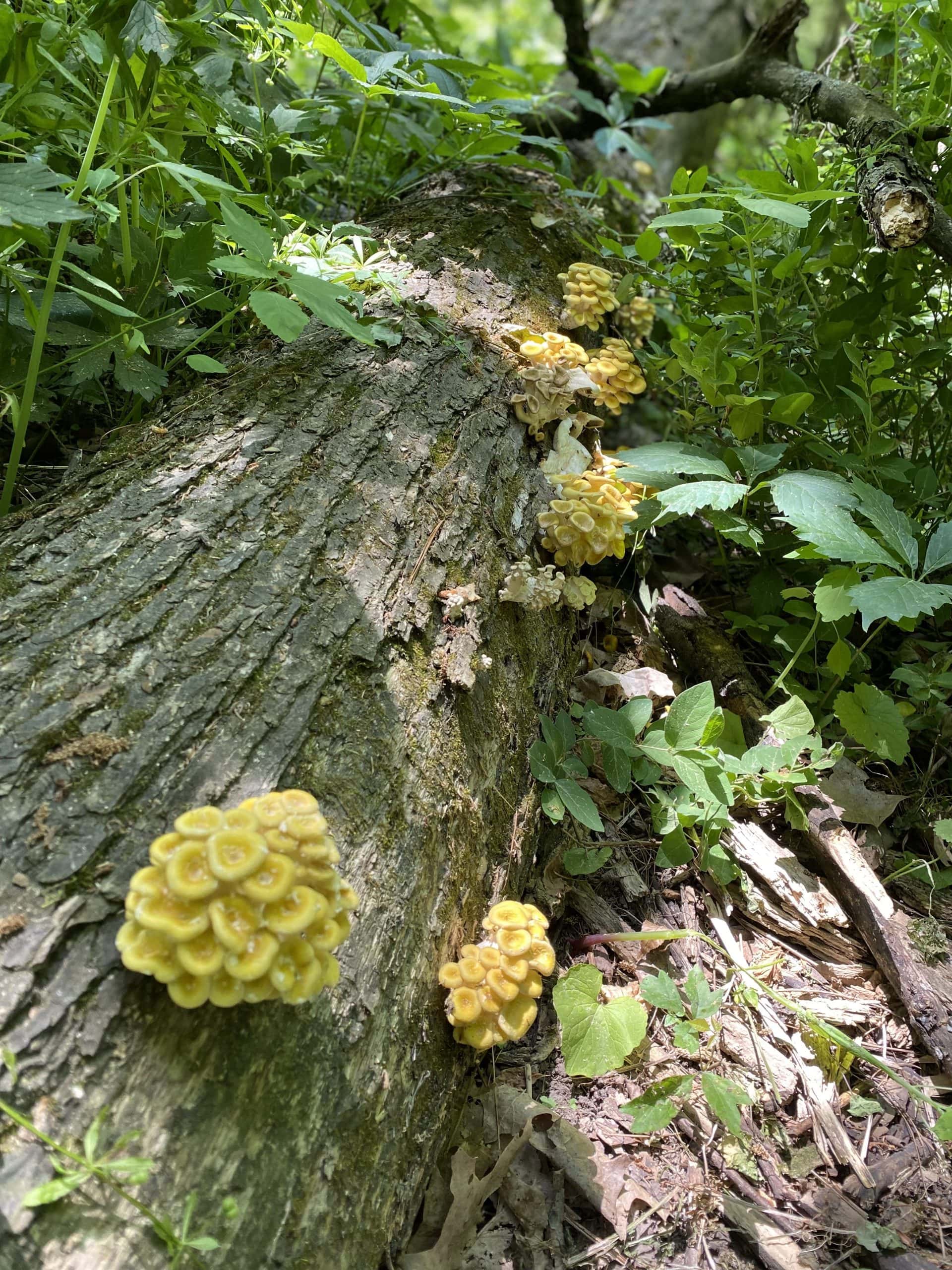
Known as golden oyster, it’s a ’shroom completely altering native fungi communities in North America.

“Golden oysters will grow in an order of magnitude more than any other mushroom that you’d see. If you come up on a log with golden oysters on it, there’s always a ton of them, multiple clusters,” Veerabahu said.

The popular mushrooms, often found on menus and supermarket shelves, are native to forests in Russia and Asia. They were first brought to North America in the early 2000s for cultivation, and took to the forests by 2010, expanding their numbers and range rapidly.

“There are some times where I’ve gone through a forest and teared up because I know that there are other mushrooms that were in that wood that aren’t there anymore,” Veerabahu said. “It can be a very sad thing when now it’s just dominated by this one species.”

A researcher at the University of Madison-Wisconsin, Veerabahu published a study last August that used data from citizen scientists to confirm the trend she’s been seeing locally. Golden oyster mushrooms — scientific name Pleurotus citrinopileatus— are quickly invading North America, including Ontario. 

And, scientists say, a booming home-growing trend may be accelerating their spread into forests and impacting biodiversity.

Golden oysters have been found in 25 states, “after escaping cultivation” of commercial growers and hobbyists. They’ve made their way to Ontario, where there have been more than 80 sightings logged on the iNaturalist app of the clusters growing out of dead hardwood in forests, provincial parks and even residential neighbourhoods. 

While most golden oysters in Canada are still concentrated closer to the border with the United States, the species has already travelled as far north as Magnetawan, Ont., near Parry Sound, and is increasingly established around Georgian Bay, on Lake Huron. The speed and distance of its spread has been surprising, Veerabahu said.

“It has thoroughly been unleashed and rapidly spread over the course of a short decade,” she said, adding that the mushrooms have more recently appeared in Quebec. “The best thing that we can do now is to try and prevent it from getting to new regions.” 

Provincial invasive species regulations don’t capture golden oyster mushrooms

Cassidy Mailloux is a guide at the Ojibway Prairie Complex in Windsor, Ont., who takes guests through the nature reserves year-round. She’s also working on a biodiversity study of the region’s native mushrooms as part of her master’s degree at the University of Windsor and has posted golden oyster sightings on iNaturalist, observations that helped inform Veerabahu’s study.

“We’ve only seen it in one of our parks out of the entire complex … and that’s one of our heavily foot-trafficked and most travelled parks,” she said, adding that this is a good sign that the invasion “hasn’t fully taken off yet.”

Still, she worries about the effect of invasive golden oysters on rarer species of fungi, such as the coral pink marulius, which is uncommonly reported but in large abundance in the Ojibway Prairie Complex. 

“I’m worried the golden oyster mushroom might take precedence,” Mailloux said, given golden oysters are an aggressive species that can grow quickly and prolifically in many kinds of wood and even sawdust — unlike some native species that require specific conditions to thrive. Both the city and her organization are still trying to figure out the best way to manage the invasive — and say visitors documenting sightings can inform this work. 

“Encouraging citizens to upload these observations can really help management and our ecosystem,” Mailloux said, “and just keeping a track on how bad it might be getting in the area.”

Despite the threat, the Government of Ontario has not added live oyster mushrooms to its prohibited or restricted invasive species lists, which would make it illegal to import, buy, sell — or sometimes even possess — an ecologically harmful strain.

Without this regulation, Veerabahu said, live cultures continue to be transported across borders. And, she said once golden oysters colonize an area, fewer other unique fungal species will be found there. The communities that do exist are also entirely changed. 

“Let’s say in an uncolonized dead tree, you had a nice, rich community of fungi A, B, C, D, E. Once golden oyster colonizes, now it’s golden oyster and fungi X, Y, Z,” Veerabahu said. 

This makes her concerned about a domino effect because fungal communities are primary wood decomposers of forests, playing an important role in cycling nutrients and storing carbon. “The identity of which species are able to coexist in that space is changing.” 

Monica Liedtke, terrestrial invasive plant coordinator for the Invasive Species Centre, in Sault St. Marie, Ont., agreed. She told The Narwhal via email that non-native invasive fungi can significantly disrupt Ontario’s ecosystems and environmental processes that have developed over thousands of years.

“When non-native invasive fungi establish, they can interfere with important symbiotic relationships between native fungi, trees and plants,” Liedtke told The Narwhal. Golden oysters can quicken the rate of wood decay, which then impacts the birds and bugs that use dead and dying trees for homes and food. “Over time, these disruptions can affect biodiversity across the entire ecosystem.”

Meanwhile, climate change is creating warmer conditions that will make Ontario even more hospitable to these mushrooms, allowing them to expand their range. Veerabahu and her team used a climate prediction model developed by NASA to predict what might happen in the next 15 years. The model predicted that the North American region climatically suitable for golden oyster mushrooms to grow would almost double. 

Grow-your-own mushroom kits threaten Ontario forests

Kyle McLoughlin, an arborist and supervisor of forest planning and health for the City of Burlington, said the reason he fears golden mushrooms is exactly why they’re popular among amateur growers.

“From an ecological perspective, they don’t have a niche. They can go anywhere. They’re very wide-ranging. They’re very comfortable in a lot of different types of wood and a lot of different environments,” McLoughlin said of golden oysters. “This is also why you can grow them so well.”

Kits with detailed growing instructions are readily available on the internet, with prices between $20 and $40. These are a “major source of their invasion,” McLoughlin said. 

“It’s literally being introduced into people’s homes and their properties through grow kits,” McLoughlin said. “We shouldn’t be selling people potential invasive species to bring into their homes.”

Still, grow kits remain widely sold with little public awareness of the risks. Consumers are often not warned when they buy a grow kit that tossing spent soil onto the compost pile, or leaving a kit outdoors, could unintentionally help an invasive spread.

There are some ways people can help slow the spread if they spot oyster mushrooms. If someone sees a log on their own property pop with golden oysters for the first time, it could be helpful to burn it, Veerabahu explained. People can also forage the mushrooms from forested areas, collecting them in closed containers to prevent spores from spreading.

The challenge is to muster enough public awareness and political will before things get out of control.

“It’s kind of like cockroaches. Once you start to see them, you know there’s a heck of a lot more in your walls,” McLoughlin said. “They are putting billions of spores into the air when they’re fruiting. And this is happening constantly.”

Some companies that have sold these kits around the world, like Far West Fungi, North Spore and MycoPunks have since discontinued some products due to concern. In a blog post titled “Yellow Oyster Disaster Zone,” MycoPunks wrote: “No shade intended on any other vendors who choose to keep selling golden oyster kits … we’ve all got our own different moral codes, but it’s not something we feel able to do in good conscience any more.”

But, given a lack of regulation in the province, it’s still easy to import kits from within Canada or around the world to grow in Ontario.

“Gardeners [and] hobby farmers should carefully consider the species they are cultivating. Choosing native species helps to reduce ecological risk,” Liedtke, from the Invasive Species Centre, said. Some kits sell species such as lion’s mane or chestnut mushrooms, which are both edible and native to Ontario. 

For those who are growing golden oysters, the Invasive Species Centre advises that used grow kits should be sealed in a garbage bag and left in the sun for several days to a week; this process, called solarization, helps kill remaining spores and fungal material. Then, the bag should be disposed of in municipal waste — not compost. 

“Neither the producer nor the consumer wants to be part of that spread,” Veerabahu said. “The mushroom grow kits are a huge point of concern. They’re essentially a live culture that can be transported anywhere, but they’re not being regulated and I’ll never blame hobby mushroom growers for that.”

The post Spore loser: the DIY mushroom-growing trend invading Ontario forests appeared first on Great Lakes Now.

Original Article

Great Lakes Now

Great Lakes Now

https://www.greatlakesnow.org/2026/03/31/the-diy-mushroom-growing-trend-invading-ontario-forests/

The Narwhal

By Brian Allnutt, Planet Detroit

This article was republished with permission from Planet Detroit. Sign up for Planet Detroit’s weekly newsletter here.


Water levels on the Great Lakes and Lake St. Clair continued to decline below long-term averages over the winter, just a few years after lakes hit record highs in 2019 and 2020.

Lake levels are expected to begin their seasonal rise and stay close to long-term averages, according to the U.S. Army Corps of Engineers’ six-month forecast issued March 4.  

The recent decline in Great Lakes water levels hasn’t been especially steep, but the overall trajectory of lake levels is one of increasing variability, according to Yi Hong, a research scientist at the Cooperative Institute for Great Lakes Research.

Lake Michigan and Lake Huron, which are technically two lobes of a single lake, saw record highs in 2020 less than a decade after being hit by record lows in 2012 and 2013, Corps records show.

Climate change-driven extreme storms and heatwaves are influencing lake level variability, but there isn’t enough data to show if levels will trend lower or higher over the long-term, Hong said.

Over the next six months, the Corps predicts water levels will stay below long-term averages on all the lakes, except possibly Lake Ontario.

Lake Michigan and Lake Huron will be the farthest below average. From March to August, levels will be 4 to 7 inches below last year’s levels and 11 to 12 inches below the long-term average. Closer to Detroit, Lake St. Clair will see water levels 6 to 10 inches below last year and 5 to 7 inches below the long-term average.

Megan Royal, a Corps hydraulic engineer, said the agency doesn’t anticipate any water level issues in the shipping channels and harbors used by Great Lakes freighters. Sediment can occasionally move into navigation channels and harbors, requiring emergency dredging, she said.

In an interview with Maritime Reporter TV, Eric Peace, vice president of the Lake Carriers Association, said Great Lakes shipping is negatively impacted by several factors, including severe weather over the fall and early ice cover. Dredging will continue to be a challenge for the industry, he said. 

Dry falls, hot summers contribute to lake level declines

A pattern of dry fall seasons from 2023-2025 contributed to the Great Lakes’ falling water levels, Royal told Planet Detroit.

Last summer’s heat also led to near record-high lake temperatures, producing significant evaporation when the winter’s extremely cold air passed over relatively warm water, she said.

“Evaporation is very difficult to measure because of just how large the lakes are,” Royal said, adding that modeling showed evaporation from all the lakes except Lake Erie was above average from October to January.

The rate of decline in lake levels is beginning to stabilize as a drought eases in parts of the Great Lakes Basin and snowmelt drives runoff into the lakes, she said.  

The National Weather Service’s Climate Prediction Center forecasts above normal precipitation across nearly all the U.S. portion of the Great Lakes Basin over the next three months. Temperatures in these areas mostly have equal chances of being above or below normal over the same time period.

The post Great Lakes water levels decline from record highs: What the forecast says appeared first on Great Lakes Now.

Original Article

Great Lakes Now

Great Lakes Now

https://www.greatlakesnow.org/2026/03/10/great-lakes-water-levels-decline-from-record-highs-what-the-forecast-says/

Planet Detroit

By Juanpablo Ramirez-Franco, WBEZ

This coverage is made possible through a partnership between WBEZ and Grist, a nonprofit environmental media organization.

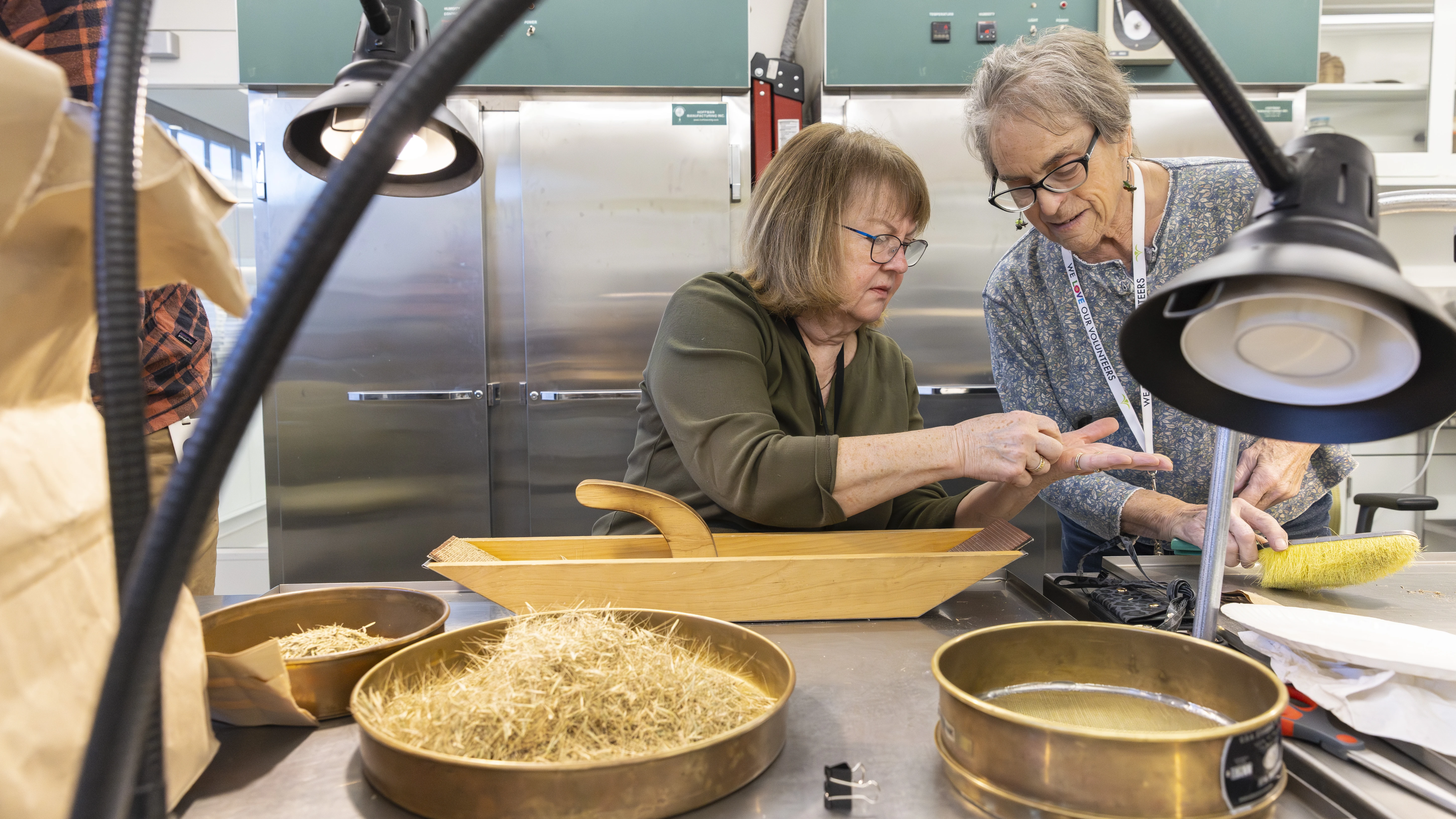
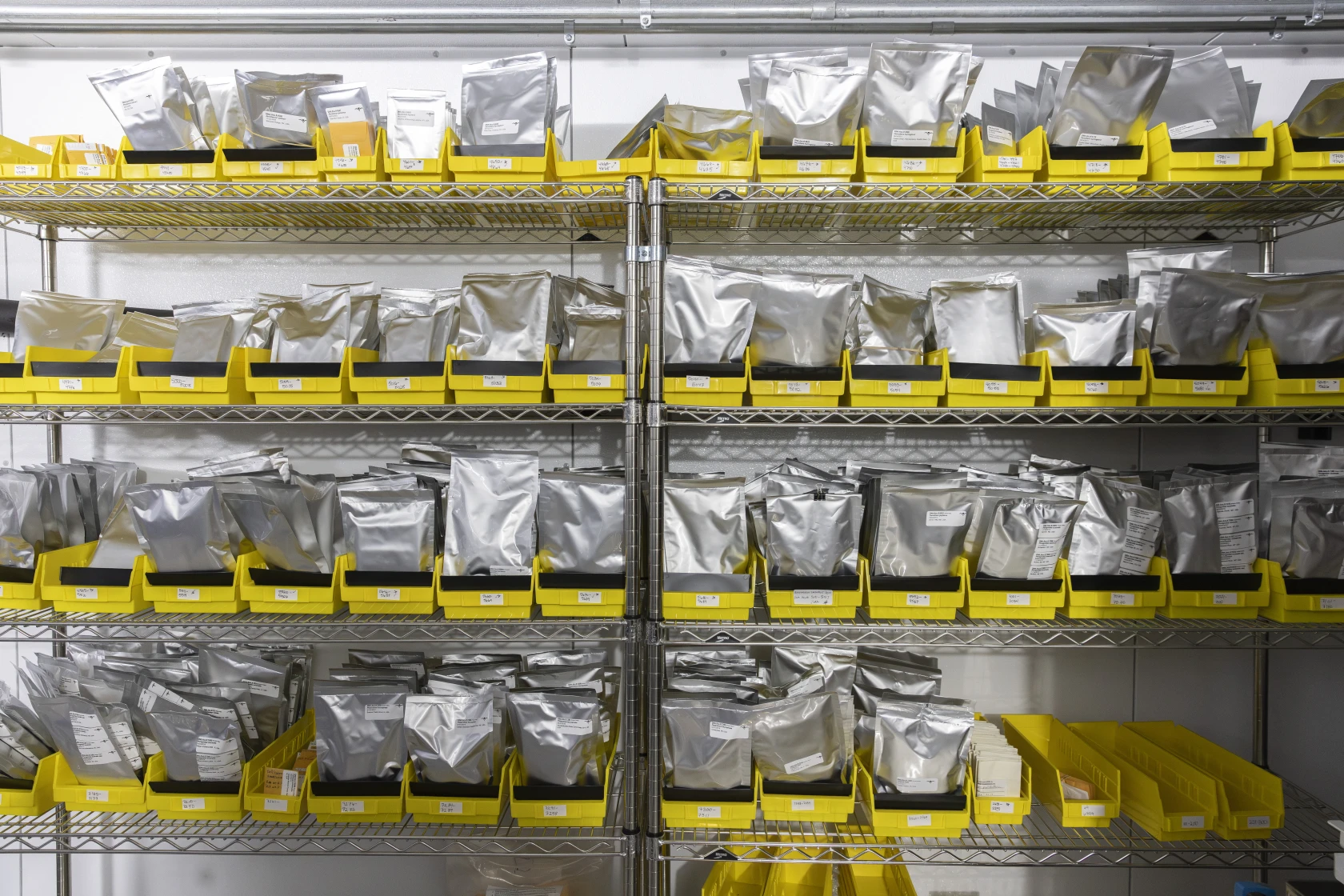
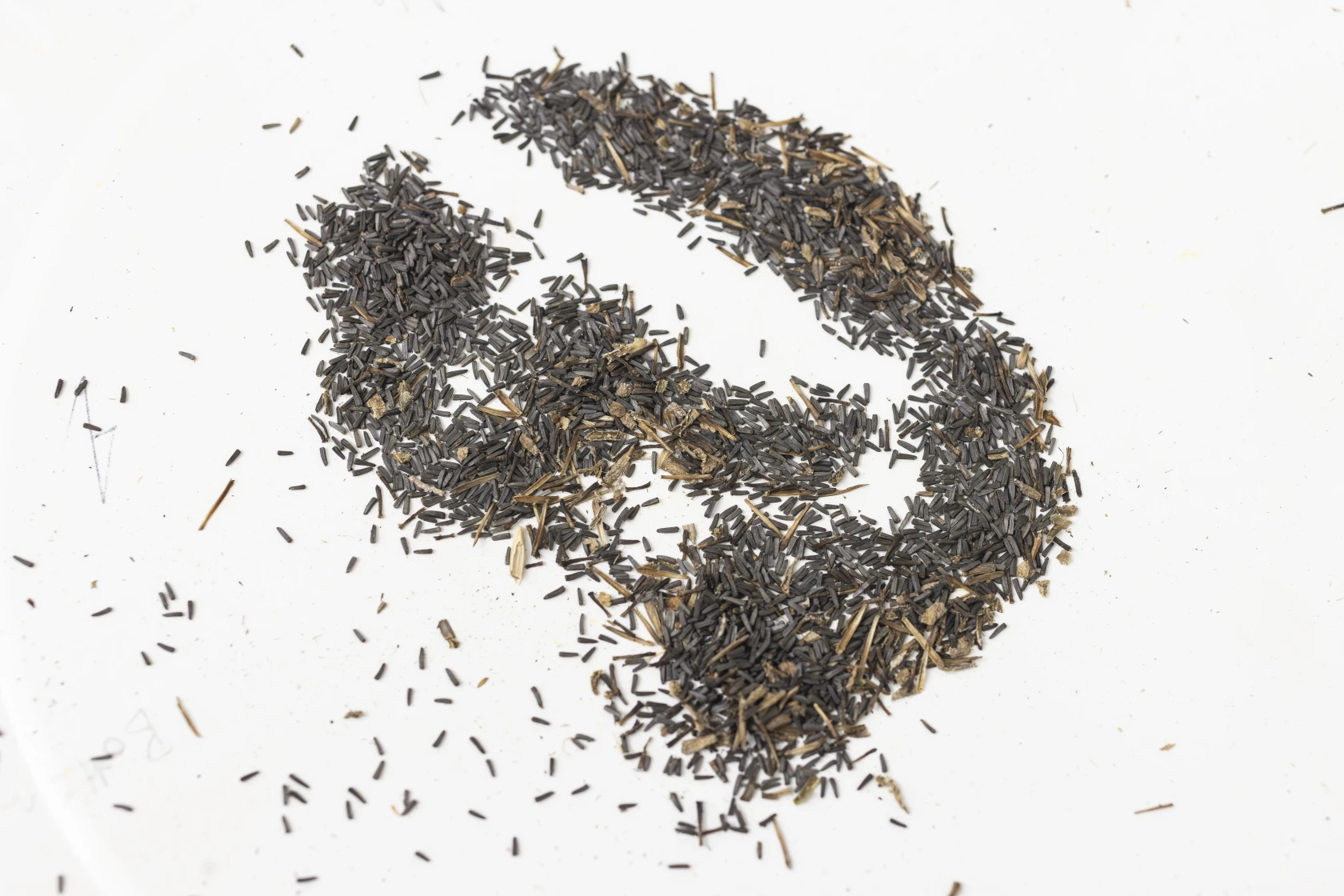
Under the warm light of a hanging lamp, Marty Landorf carefully crumbled the dried flower head of a black-eyed Susan between her fingers, teasing apart the chaff to uncover its puny black seeds. Each one was destined for long-term cold storage alongside roughly 46 million other seeds at the Chicago Botanic Garden.

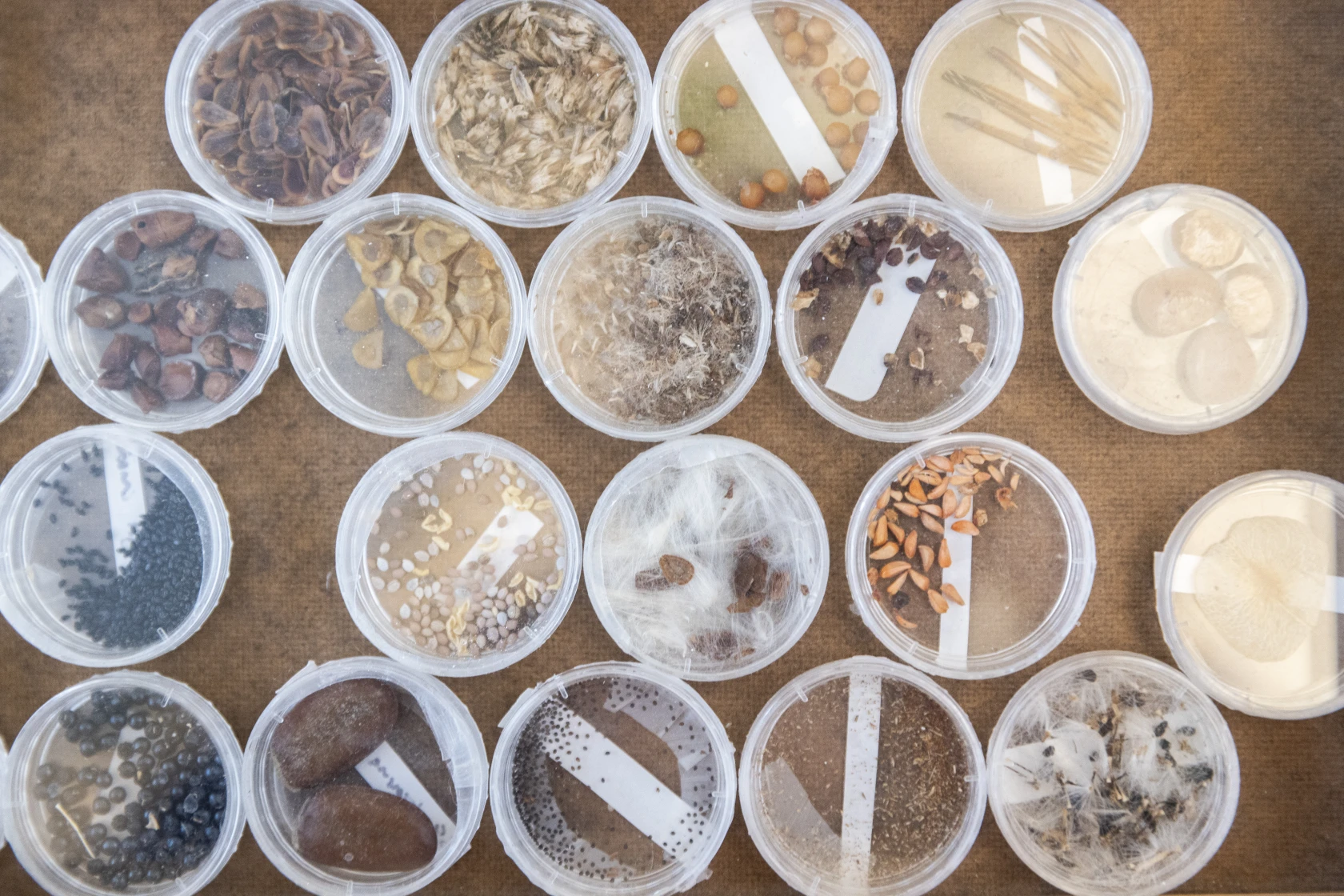
Every seed in the garden’s vault is different. Some seeds have hooks. Others verge on microscopic. A few carry a sharp, deterring scent. And some, like the airborne seeds of the milkweed, the host plant for monarch caterpillars, are fastened to silky fluff that drifts everywhere, hitching rides on volunteers’ clothes and following them home.

“Fluff is fun,” Landorf said laughing, seated alongside five other volunteers cleaning, counting, and sorting seeds at a long metallic table in the garden’s seed bank preparation lab.

For all their variation, these seeds share a common trait: They’re native to the Midwest. These species genetically adapted over thousands of years and sustain the region’s ecosystems. That evolutionary inheritance makes them indispensable for restoring the nation’s remaining prairies, wetlands, and woodlands.

Seeds displayed at the seed bank in the Carr Administrative Center of the Chicago Botanic Gardens on February 10, 2026. | Manuel Martinez/WBEZ

The problem: Native seeds are in short supply. And climate change is intensifying demand.

“Climate change is affecting our weather and the frequency of natural disasters,” said Kayri Havens, chief scientist at the Chicago Botanic Garden. “Wildfires becoming more common, hurricanes becoming more common — that increases the need for seed.”

In 2024, the Chicago Botanic Garden, a 385-acre public garden and home to one of the nation’s leading plant conservation programs, helped launch the Midwest Native Seed Network, a first step in improving the region’s fragile seed supply. The coalition now includes roughly 300 restoration ecologists, land managers, and seed growers across 150 institutions in 11 states. Together, they are researching which species are most in demand, where they are likely to thrive, and what it will take to produce them at scale and get them in the ground.

The collaborative is compiling information on seed collection, processing, germination, and propagation while identifying regional research gaps and planning collaborative projects to close them. For example, the network is currently collecting research on submerged aquatic plants such as pondweeds, and other species that are challenging to germinate, like the bastard toadflax, a partially parasitic perennial herb.

“We’re addressing these local, regional, and national shortages of native seed that are really just hindering our ability to restore really diverse habitats, build green infrastructure, and support urban gardens,” said Andrea Kramer, director of restoration at the Chicago Botanic Garden.

Sarah Hollis-research assistant at the Chicago Botanic Gardens in Highland Park Illinois tours the seed bank in the Carr Administrative Center on February 10, 2026. | Manuel Martinez/WBEZ

Last year, the network undertook its first major project: a large-scale survey of more than 50 partners across the region. The results were stark. More than 500 are effectively unavailable for restoration. In some cases, it’s because no one grows them. In others, the seeds are available, but the cost — even at a couple of dollars per packet — becomes prohibitive when restoration projects require thousands of pounds. And for certain finicky species, the bottleneck is technical: Researchers and growers still don’t fully understand how to germinate them reliably or help them thrive in restoration settings.

Kramer said that ultimately the goal is to connect the people who need seeds with those who know how to grow them. While the network does not sell seeds, it works with organizations and partners that do. “We are using the network to help elevate what we all know and share what we know to make it easier,” she said.

The shortage itself is not new. In 2001, following sweeping wildfires in the West, Congress tasked federal agencies, including the Bureau of Land Management and the U.S. Forest Service — which combined manage approximately one-fifth of the nation’s public lands — to craft an inter-agency, public-private partnership to increase the availability of native seeds. But according to a 2023 report, which identified the lack of native seeds as a major obstacle for ecological restoration projects across the United States, those efforts remain unfinished.

Wildfires have scorched more than 170 million acres in the U.S. between 2000 and 2025, according to the National Interagency Fire Center. In 2020 alone, the Bureau of Land Management purchased roughly 1.5 million pounds of seed to rehabilitate burned landscapes. In a bad fire year, the agency can buy as much as 10 million pounds.

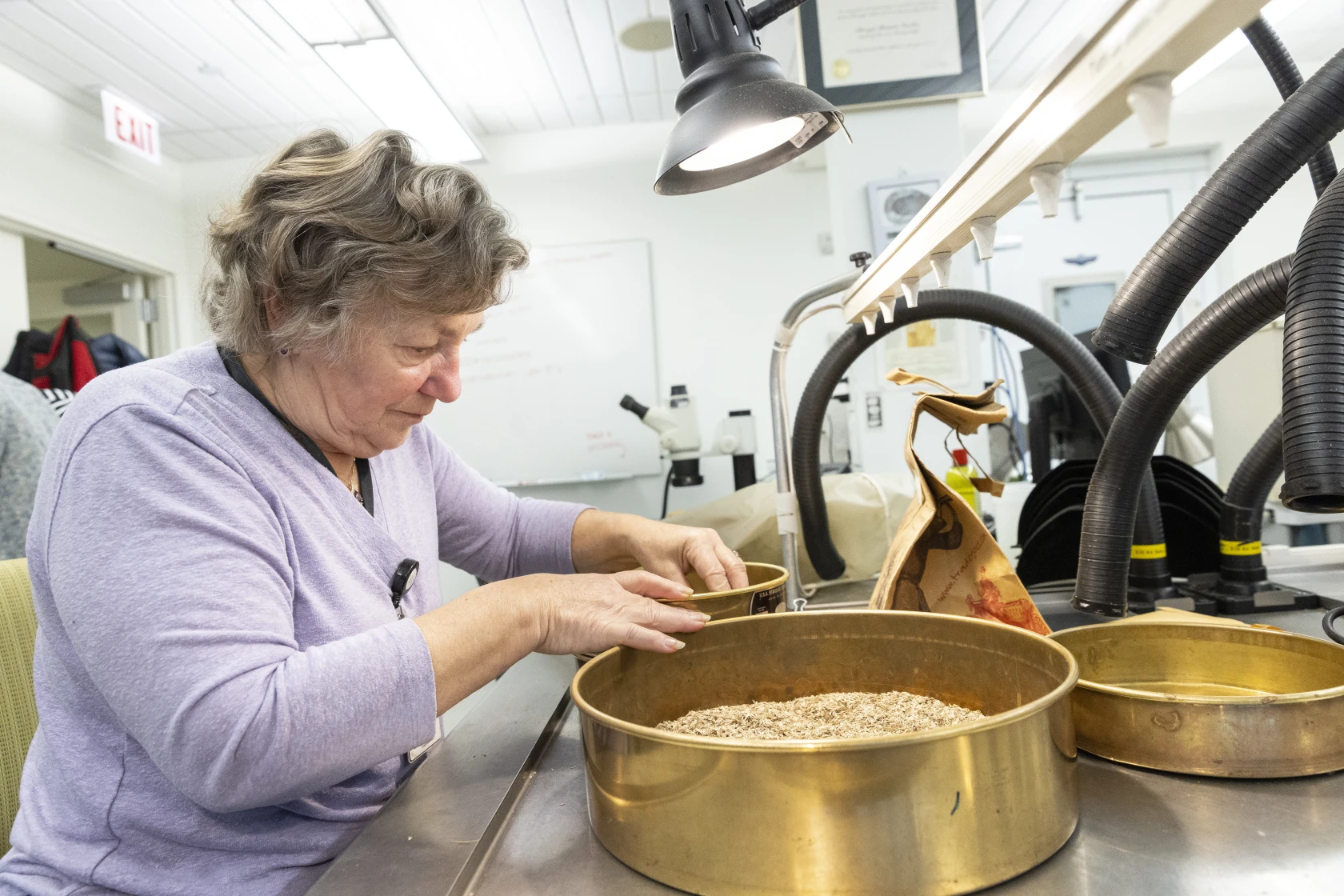
Marta Raiff, a volunteer, at the Chicago Botanic Gardens in Highland Park Illinois works on separating the seeds from the chaff at the seed bank in the Carr Administrative Center on February 10, 2026. | Manuel Martinez/WBEZ

The 2021 Bipartisan Infrastructure Law dedicated $1.4 billion for ecosystem restoration over five years, including $200 million for the National Seed Strategy, a coalition of 12 federal agencies and various private partners established in 2015 to provide genetically diverse native seeds for restoration. The following year, the Inflation Reduction Act invested nearly $18 million to develop an interagency seed bank for native seeds. And in 2024, the Interior Department announced an initial round of $1 million for a national seed bank for native plants.

“The U.S. does have a major seed bank run by the [Department of Agriculture], and it mostly banks crops,” said Havens, the scientist at the Chicago Botanic Garden.“But we don’t have that kind of infrastructure in place for native seed.”

Momentum for establishing a native seed bank stalled following funding cuts by the Trump administration. In early 2025, the Department of Government Efficiency cut 10 percent of the staff at the National Plant Germplasm System, which is home to one of the largest and most diverse plant collections in the world.

Marty Landorf, a volunteer, at the Chicago Botanic Gardens in Highland Park Illinois works on separating the seeds from the chaff at the seed bank in the Carr Administrative Center on February 10, 2026. | Manuel Martinez/WBEZ

“If something isn’t supported on a national level, then it becomes incumbent on states and regions to do that kind of work,” Havens said. “So that’s why we’re focusing right now in the Midwest.”

The network is the first of its kind in the Midwest, though similar initiatives have been active elsewhere in the country for years. Today, there are more than 25 similar networks operating across the U.S. In the western United States, these coalitions have come together in response to post-wildfire restoration projects.

“One of the reasons why we were among the first is because of this federal land ownership that we have in the West, whereas in the Midwest, it’s more private land,” said Elizabeth Leger, a professor at the University of Nevada in Reno and co-founder of the Nevada Native Seed Partnership. More than 90% of all federal land is located in 11 western states.

Kramer said she hopes to run the seed availability survey again in 20 years and get a different response.

“I want them to say, ‘We have access to all the seed we need,’” said Kramer. “And we can move on to the next challenging question, like, ‘Why isn’t the seed establishing in my restoration? Or, how do we manage the next challenge coming with climate change?’”

This story has been updated with the correct spelling of Elizabeth Leger’s name.

The post A network is racing to save the Midwest’s native seeds appeared first on Great Lakes Now.

Original Article

Great Lakes Now

Great Lakes Now

https://www.greatlakesnow.org/2026/03/03/a-network-is-racing-to-save-the-midwests-native-seeds/

WBEZ

By Vivian La, Interlochen Public Radio

This coverage is made possible through a partnership between IPR and Grist, a nonprofit environmental media organization.

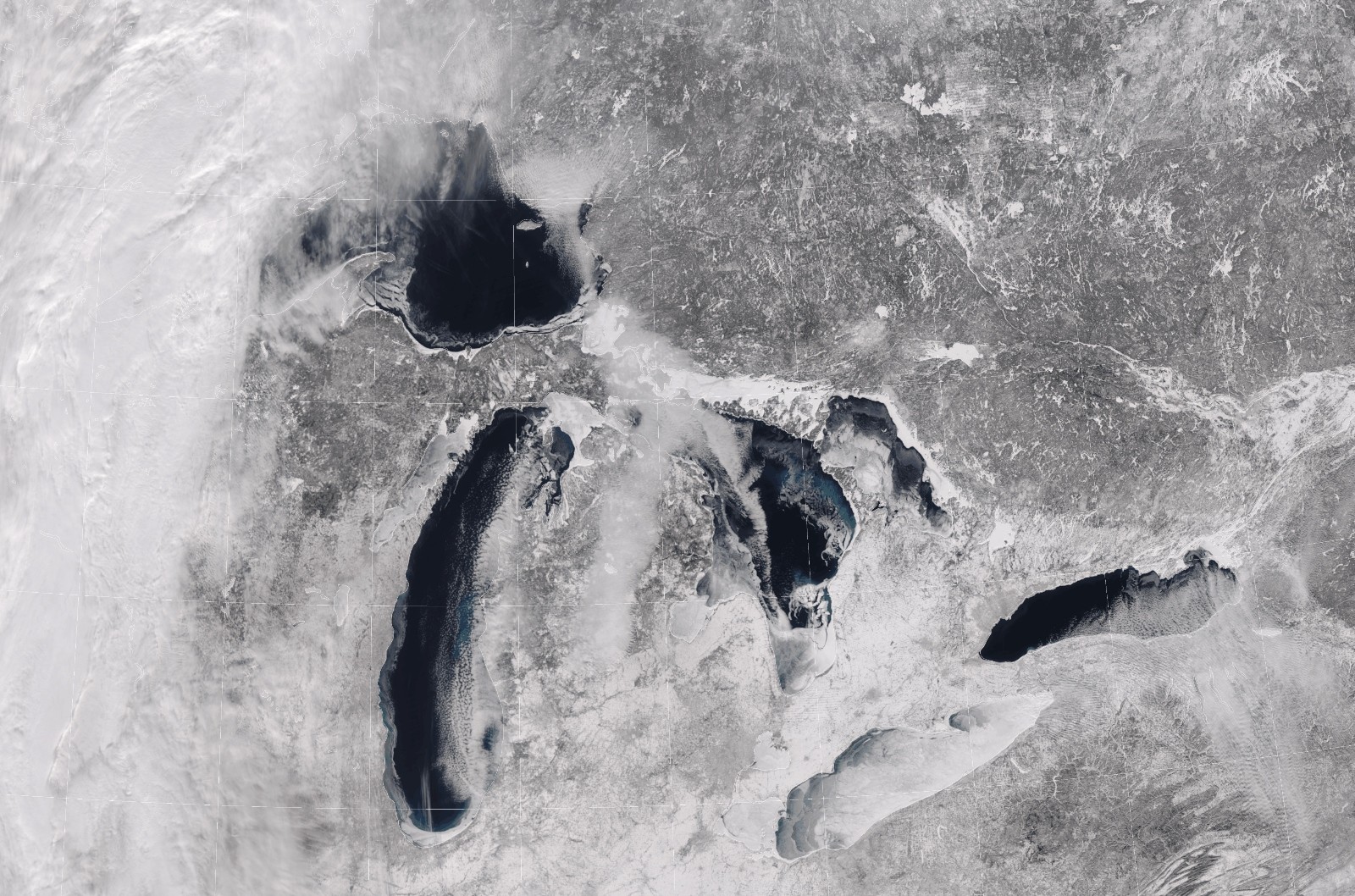
Michigan researchers have gone back in time to get a picture of ice cover on the Great Lakes since the late 19th century.

Using historical temperature records from weather stations around the region, researchers improved their understanding of where ice might have formed and for how long it lasted — spanning the last 120 years.

Their findings were published in the journal Scientific Data last month. Researchers said this new data record could help with efforts like research on fish in the winter, regional climate and improving safety on the ice.

“Lake ice is really part of the system, part of our life. It matters [for] our culture, regional weather, safety, everything,” said Ayumi Fujisaki-Manome, study co-author and associate director for the Cooperative Institute for Great Lakes Research at the University of Michigan.

There’s a “pretty good satellite record” of Great Lakes ice cover from the last 45 years, she said. But research into the region’s historical climate requires a longer timescale and there isn’t good data specific to ice.

According to researchers, there’s a general gap in scientific knowledge about winter on the Great Lakes — buoys get pulled out because of harsh conditions.

There are good weather observations, though. And air temperature is a good proxy for ice cover on the lakes because ice typically forms when there’s several cold days in a row.

To peer into the past, researchers looked at temperature records from weather stations all around the Great Lakes, limiting their study to stations with the most consistent data since 1897.

They calculated ice cover using this information, and the end result was a dataset that can be compared to present day conditions. Researchers said it can inform future research on how animals behave during the winter, for example.

“A lot of the biological conditions under ice are really poorly understood,” said Katelyn King, fisheries research biologist for the Michigan Department of Natural Resources and the study’s lead author. King is using the data set to study the historic decline of whitefish in the Great Lakes.

King said this dataset is a helpful baseline as the region continues to shift under climate change. Research shows that average temperatures in the region have increased in the last two decades, frost seasons are shortening, and heavy snow or rainstorms are becoming more frequent.

Still, year-to-year variability is the new normal. Ice cover on the Great Lakes was relatively close to average last winter, but followed historic lows the season prior.

And so far this winter, cold temperatures in recent weeks have contributed to some of the highest ice cover on the Great Lakes in years, according to data tracked by the U.S.’s National Oceanic and Atmospheric Administration.

“These really extreme years where we have really cold weather or really warm weather is just a sign that long-term climate is changing,” King said. “It really affects all of us in our day-to-day.”

The post New ice cover data offers insight into whitefish declines, climate change appeared first on Great Lakes Now.

Original Article

Great Lakes Now

Great Lakes Now

https://www.greatlakesnow.org/2026/02/04/new-ice-cover-data-offers-insight-into-whitefish-declines-climate-change/

Interlochen Public Radio

Roads in the Great Lakes region get riskier after daylight saving ends

Drivers around the Great Lakes region beware. In the weeks following “fall back,” once daylight saving time ends, collisions between wildlife and vehicles rises by 16%. According to data from insurance company State Farm, October, November and December are the most dangerous for animal-related collisions, making up 41% of all animal collision claims.

Read Now at Great Lakes Now.

Original Article

Great Lakes Now

Great Lakes Now

https://www.greatlakesnow.org/2025/11/roads-in-the-great-lakes-region-get-riskier-after-daylight-saving-ends/

Lisa John Rogers, Great Lakes Now

Illinois one step closer to keeping invasive carp out of Great Lakes

By Juanpablo Ramirez-Franco, WBEZ

This coverage is made possible through a partnership between WBEZ and Grist, a nonprofit, independent media organization dedicated to telling stories of climate solutions and a just future. Sign up for WBEZ newsletters to get local news you can trust.

Read Now at Great Lakes Now.

Original Article

Great Lakes Now

Great Lakes Now

https://www.greatlakesnow.org/2025/10/illinois-one-step-closer-to-keeping-invasive-carp-out-of-great-lakes/

WBEZ

New study links seasonal pollen to higher suicide risk, experts warn

A new study between researchers at the University of Michigan and Wayne State University, looked at suicide rates in metropolitan areas around the United States. When looking at data from 2000 to 2018, they found a direct correlation to rises in seasonal pollen. While it is still unknown how exactly allergies work as a tipping point for some people, the research adds to a burgeoning body of work that shows this parallel exists.  

Read Now at Great Lakes Now.

Original Article

Great Lakes Now

Great Lakes Now

https://www.greatlakesnow.org/2025/10/new-study-links-seasonal-pollen-to-higher-suicide-risk-experts-warn/

Lisa John Rogers, Great Lakes Now

How Buffalo, New York has adapted to and embraced an influx of climate migrants

Buffalo is not a place that typically makes national headlines outside of football season. But in late July, the city did exactly that for one hugely significant reason: it became the last large city in the U.S. Lower 48 to have never reached 100 F.

At a time of rising temperatures and water levels, along with the threat of wildfires and smoke, many are reassessing where to live and Buffalo is embracing the “climate haven” tag.

Read Now at Great Lakes Now.

Original Article

Great Lakes Now

Great Lakes Now

https://www.greatlakesnow.org/2025/10/how-buffalo-new-york-has-adapted-to-and-embraced-an-influx-of-climate-migrants/

Stephen Starr, Great Lakes Now

How Buffalo, New York has adapted to and embraced an influx of climate migrants

Buffalo is not a place that typically makes national headlines outside of football season. But in late July, the city did exactly that for one hugely significant reason: it became the last large city in the U.S. Lower 48 to have never reached 100 F.

At a time of rising temperatures and water levels, along with the threat of wildfires and smoke, many are reassessing where to live and Buffalo is embracing the “climate haven” tag.

Read Now at Great Lakes Now.

Original Article

Great Lakes Now

Great Lakes Now

https://www.greatlakesnow.org/2025/10/how-buffalo-new-york-has-adapted-to-and-embraced-an-influx-of-climate-migrants/

Stephen Starr, Great Lakes Now

The ready access to nature and winter sports is what prompted Elizabeth Scott and her family to up sticks from Portland, Oregon, to Houghton on Michigan’s Keweenaw Peninsula in summer 2021.

With 29% of Michigan’s territory and only 3% of its population, to many, the Upper Peninsula (U.P.) might appear a dream place to start over.

Read Now at Great Lakes Now.

Original Article

Great Lakes Now

Great Lakes Now

https://www.greatlakesnow.org/2025/09/climate-migrations-impact-on-michigans-upper-peninsula/

Stephen Starr, Great Lakes Now

Stroll along Cleveland’s Edgewater Pier on a summer evening, and you’ll hear Arabic, Spanish, and other languages wafting through the lake air. For decades, international immigrants have found a home in the city of Lake Erie.

But now, there’s an increasing chance that future waves of migrants — from Florida, Arizona, California, and beyond — could move here as extreme weather events caused by climate change in those regions prompt people to rethink where they want to live.

Read Now at Great Lakes Now.

Original Article

Great Lakes Now

Great Lakes Now

https://www.greatlakesnow.org/2025/09/how-great-lakes-cities-are-preparing-for-climate-migration/
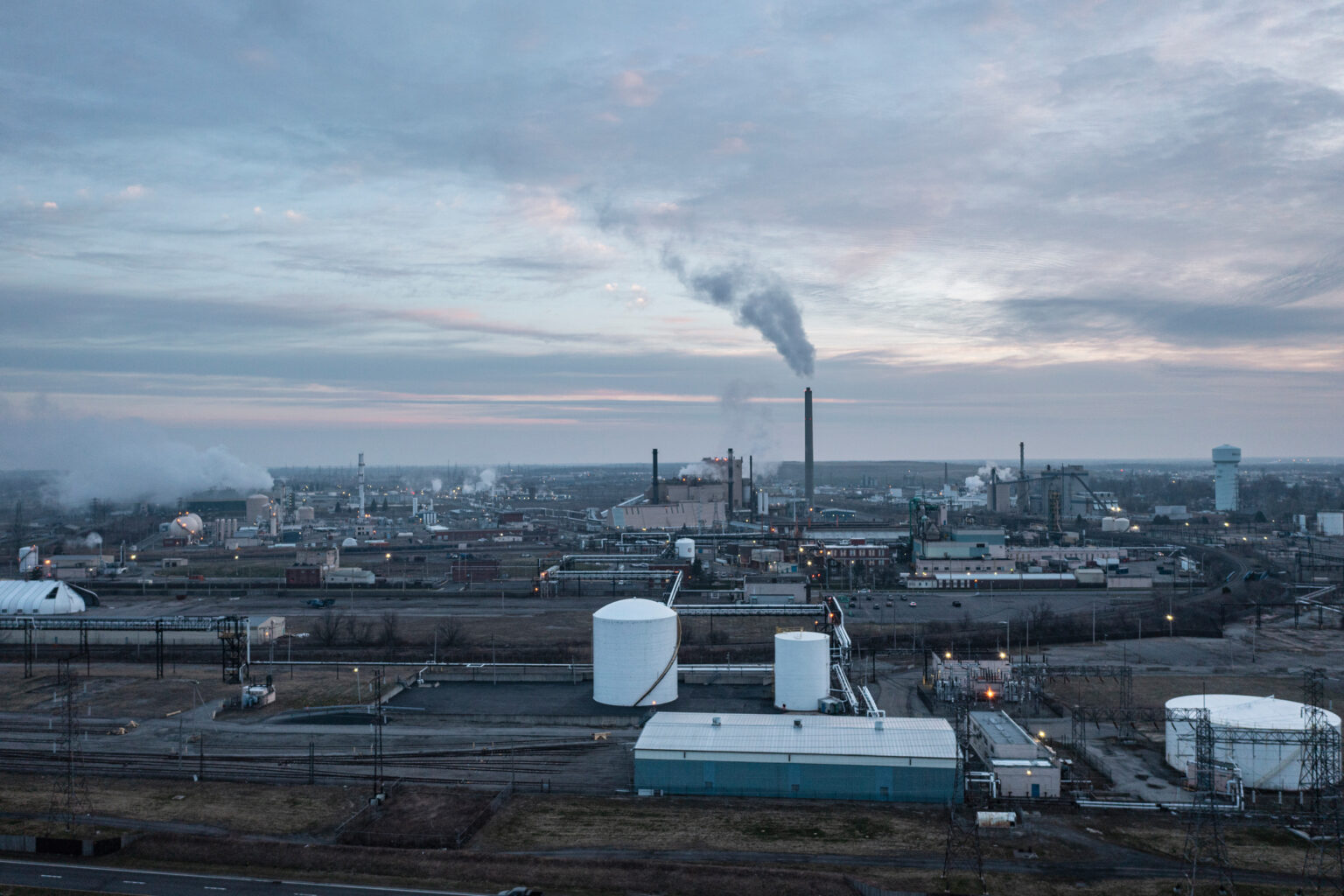
Stephen Starr, Great Lakes Now

What’s going on in Wasaga Beach? Profit, piping plovers and an Ontario town’s complicated future

By Fatima Syed, The Narwhal

The Great Lakes News Collaborative includes Bridge Michigan, Circle of Blue, Great Lakes Now at Detroit PBS, Michigan Public and The Narwhal who work together to bring audiences news and information about the impact of climate change, pollution, and aging infrastructure on the Great Lakes and drinking water.

Read Now at Great Lakes Now.

Original Article

Great Lakes Now

Great Lakes Now

https://www.greatlakesnow.org/2025/09/wasaga-beach-ontario-park-plan/

Fatima Syed, The Narwhal

I Speak for the Fish: Swiping right on native fish

I Speak for the Fish is a column written by Great Lakes Now Contributor Kathy Johnson. Publishing the author’s views and assertions does not represent endorsement by Great Lakes Now or Detroit PBS. Check out her previous columns.

There’s a fish project in Northern Michigan that is exciting researchers from around the world. 

Read Now at Great Lakes Now.

Original Article

Great Lakes Now

Great Lakes Now

https://www.greatlakesnow.org/2025/08/i-speak-for-the-fish-swiping-right-on-native-fish/

Kathy Johnson, Great Lakes Now

How Michigan’s Inland Fish Farmers Cultivate a Sustainable Future for the Great Lakes

Despite being surrounded by the largest group of freshwater lakes on Earth, Michigan imports the vast majority of its seafood, between 65% and 90%, according to Michigan Sea Grant.

As global aquaculture has grown to meet increasing demand for protein, a small but determined group of inland fish farmers in the Great Lakes region are working to build a more sustainable, local supply.

Read Now at Great Lakes Now.

Original Article

Great Lakes Now

Great Lakes Now

https://www.greatlakesnow.org/2025/08/how-michigans-inland-fish-farmers-cultivate-a-sustainable-future-for-the-great-lakes/

Donte Smith

Bassmaster Elite arrives as Lake St. Clair’s smallmouth break records

As anglers compete in the 2025 Yokohama Tire Bassmaster Elite competition on Lake St. Clair from Aug. 7-10, they’ll likely bring some pretty prize catches to weigh-ins. That’s because the catch-and-release method has allowed smallmouth bass on Lake St. Clair to grow to much greater sizes, according to new research from the Michigan Department of Natural Resources (DNR).

Read Now at Great Lakes Now.

Original Article

Great Lakes Now

Great Lakes Now

https://www.greatlakesnow.org/2025/08/bassmaster-elite-arrives-as-lake-st-clairs-smallmouth-break-records/

Jack Armstrong

Great Lakes Moment: Detroit’s waterfront porch reaps substantial benefits

Great Lakes Moment is a monthly column written by Great Lakes Now Contributor John Hartig. Publishing the author’s views and assertions does not represent endorsement by Great Lakes Now or Detroit PBS.

As the Detroit Riverfront Conservancy moves forward following an embezzlement crisis, its 2024 visitor survey found that 99.4% of respondents would visit the Detroit Riverwalk again, and 99.3% would recommend it to others.

Read Now at Great Lakes Now.

Original Article

Great Lakes Now

Great Lakes Now

https://www.greatlakesnow.org/2025/08/great-lakes-moment-detroits-waterfront-porch-reaps-substantial-benefits/

John Hartig, Great Lakes Now

I Speak for the Fish: Think you’re not to blame for overfishing? Think again.

I Speak for the Fish is a monthly column written by Great Lakes Now Contributor Kathy Johnson, coming out the third Monday of each month. Publishing the author’s views and assertions does not represent endorsement by Great Lakes Now or Detroit Public Television. 

Read Now at Great Lakes Now.

Original Article

Great Lakes Now

Great Lakes Now

https://www.greatlakesnow.org/2025/07/i-speak-for-the-fish-think-youre-not-to-blame-for-overfishing-think-again/

Kathy Johnson, Great Lakes Now

‘We can’t regulate ourselves’ out of whitefish crisis, experts say

By Emilio Perez Ibarguen, Bridge Michigan

The Great Lakes News Collaborative includes Bridge Michigan; Circle of Blue; Great Lakes Now at Detroit PBS; Michigan Public, Michigan’s NPR News Leader; and The Narwhal who work together to bring audiences news and information about the impact of climate change, pollution, and aging infrastructure on the Great Lakes and drinking water.

Read Now at Great Lakes Now.

Original Article

Great Lakes Now

Great Lakes Now

https://www.greatlakesnow.org/2025/07/we-cant-regulate-ourselves-out-of-whitefish-crisis-experts-say/

Bridge Michigan

Local health group seeks Northeast Ohio climate resilience solutions from those most at risk

By Zaria Johnson, Ideastream Public Media

This story was originally published by Ideastream.

The Northeast Ohio Black Health Coalition is exploring the climate resilience of Northeast Ohio by identifying those most at risk and provide possible solutions.

The coalition, through a partnership with the National Oceanic and Atmospheric Administration and Ohio State University’s Center for Health Outcomes and Policy Evaluation Studies, has hosted Reimagining Communities Conversations in Ashtabula, Cuyahoga, Lake and Mahoning counties so far to see how prepared residents feel in the face of severe weather made worse by climate change.

Read Now at Great Lakes Now.

Original Article

Great Lakes Now

Great Lakes Now

https://www.greatlakesnow.org/2025/07/local-health-group-seeks-northeast-ohio-climate-resilience-solutions-from-those-most-at-risk/

Ideastream Public Media

John Ball Zoo Fights for Great Lakes’ Rarest Butterflies

Butterfly populations are in decline across the continental U.S., dropping by 22% between 2000 and 2020 according to a study published in the journal Science. Almost a third of the 342 species studied have seen their numbers fall by more than half. To help combat this, the John Ball Zoo in Grand Rapids, Michigan launched its Great Lakes Rare Butterfly Program in 2021 to protect the region’s most threatened species.

Read Now at Great Lakes Now.

Original Article

Great Lakes Now

Great Lakes Now

https://www.greatlakesnow.org/2025/07/john-ball-zoo-fights-for-great-lakes-rarest-butterflies/

Donte Smith

Chicago was supposed to warn residents about toxic lead pipes last year. Most still have no idea.

By Keerti Gopal & Juanpablo Ramirez-Franco

This story is a partnership between GristInside Climate News, and WBEZ, a public radio station serving the Chicago metropolitan region. This coverage is made possible through an ongoing partnership between Grist and WBEZ.

Read Now at Great Lakes Now.

Original Article

Great Lakes Now

Great Lakes Now

https://www.greatlakesnow.org/2025/07/chicago-was-supposed-to-warn-residents-about-toxic-lead-pipes-last-year-most-still-have-no-idea/

Inside Climate News and Grist

A record year for Great Lakes piping plovers

By Lester Graham, Michigan Public

The Great Lakes News Collaborative includes Bridge Michigan; Circle of Blue; Great Lakes Now at Detroit PBS; Michigan Public, Michigan’s NPR News Leader; and The Narwhal who work together to bring audiences news and information about the impact of climate change, pollution, and aging infrastructure on the Great Lakes and drinking water.

Read Now at Great Lakes Now.

Original Article

Great Lakes Now

Great Lakes Now

https://www.greatlakesnow.org/2025/07/record-year-for-great-lakes-piping-plovers/

Michigan Public

Empowering Environmental Stewardship: How Barn Sanctuary Champions Compassion and Conservation in the Great Lakes

The Great Lakes, a vital freshwater expanse for millions, face an ongoing environmental crisis. Beneath the vast waters lies a significant threat: pollution stemming largely from agricultural runoff. This flow of excess nutrients like phosphorus and nitrogen contributes to harmful algal blooms and expanding “dead zones,” jeopardizing ecosystems, water quality and public health across the region.

Read Now at Great Lakes Now.

Original Article

Great Lakes Now

Great Lakes Now

https://www.greatlakesnow.org/2025/07/empowering-environmental-stewardship-how-barn-sanctuary-champions-compassion-and-conservation-in-the-great-lakes/

Donte Smith

Great Lakes Moment: Detroit River carrion scavenger on the increase

Great Lakes Moment is a monthly column written by Great Lakes Now Contributor John Hartig. Publishing the author’s views and assertions does not represent endorsement by Great Lakes Now or Detroit PBS.

What is one of the most frequently counted birds by citizen scientists in the annual Detroit River Hawk Watch, but is not a hawk?

Read Now at Great Lakes Now.

Original Article

Great Lakes Now

Great Lakes Now

https://www.greatlakesnow.org/2025/07/great-lakes-moment-detroit-river-carrion-scavenger-on-the-increase/

John Hartig, Great Lakes Now

Great Lakes scientists discover new lifeform microbe, name it ShipGoo1

By Emilio Perez Ibarguen, Bridge Michigan

The Great Lakes News Collaborative includes Bridge Michigan; Circle of Blue; Great Lakes Now at Detroit PBS; Michigan Public, Michigan’s NPR News Leader; and The Narwhal who work together to bring audiences news and information about the impact of climate change, pollution, and aging infrastructure on the Great Lakes and drinking water.

Read Now at Great Lakes Now.

Original Article

Great Lakes Now

Great Lakes Now

https://www.greatlakesnow.org/2025/07/great-lakes-scientists-discover-new-lifeform-microbe-name-it-shipgoo1/

Bridge Michigan

After Trump cuts, Michigan helps pay for remainder of climate work program

By Izzy Ross, Interlochen Public Radio

This coverage is made possible through a partnership between Interlochen Public Radio and Grist, a nonprofit environmental media organization.

Lucas Roff met his then-girlfriend when he was going to college at Lake Superior State University in Sault Ste.

Read Now at Great Lakes Now.

Original Article

Great Lakes Now

Great Lakes Now

https://www.greatlakesnow.org/2025/06/after-trump-cuts-michigan-helps-pay-for-remainder-of-climate-work-program/

Interlochen Public Radio

Easy summer foraging adventures the whole family will remember

This is a part of “A Year in the Wild Kitchen of the Great Lakes,” a series in partnership with expert forager Lisa M. Rose, with the mission of nurturing a deeper connection with the natural world through foraging. To get started with your foraging journey, begin here with our “Framework to Sustainable and Safe Practices.” 

As Michigan’s fields burst into berry-laden glory, summer invites us to celebrate nature’s sweet, sun-ripened gifts.

Read Now at Great Lakes Now.

Original Article

Great Lakes Now

Great Lakes Now

https://www.greatlakesnow.org/2025/06/easy-summer-foraging-adventures-the-whole-family-will-remember/

Lisa M. Rose

Toxic algae blooms are lasting longer in Lake Erie − why that’s a worry for people and pets

By Gregory J. Dick, University of Michigan

 is an independent and nonprofit source of news, analysis and commentary from academic experts.

Federal scientists released their annual forecast for Lake Erie’s harmful algal blooms on June 26, 2025, and they expect a mild to moderate season.

Read Now at Great Lakes Now.

Original Article

Great Lakes Now

Great Lakes Now

https://www.greatlakesnow.org/2025/06/toxic-algae-blooms-are-lasting-longer-in-lake-erie-why-thats-a-worry-for-people-and-pets/

The Conversation

New state program encourages Michigan residents to report bat roosts

This article was republished here with permission from Great Lakes Echo.

By Clara Lincolnhol, Great Lakes Echo

The Department of Natural Resources is encouraging residents to report bat roosts. These are the places where bats sleep and raise their babies like chimneys, trees and bridges.

Read Now at Great Lakes Now.

Original Article

Great Lakes Now

Great Lakes Now

https://www.greatlakesnow.org/2025/06/new-state-program-encourages-michigan-residents-to-report-bat-roosts/

Great Lakes Echo

What will the rise of floating solar panels mean for wildlife?

By Matt Simon, Grist

This story was originally published by Grist. Sign up for Grist’s weekly newsletter here.

The newest, hottest power couple doesn’t live in Hollywood. It’s actually the marriage of solar panels and water reservoirs: Known as floating photovoltaics, or floatovoltaics, the devices bob on simple floats, generating power while providing shade that reduces evaporation.

Read Now at Great Lakes Now.

Original Article

Great Lakes Now

Great Lakes Now

https://www.greatlakesnow.org/2025/06/what-will-the-rise-of-floating-solar-panels-mean-for-wildlife/

Grist

I Speak for the Fish: The hardest lake sturgeon dive in the Great Lakes

For two weeks each year, the St. Clair River hosts thousands of spawning lake sturgeon.

Hundreds of six-foot females plump with eggs and thousands of 4 to 5-foot-long males gather at the base of Lake Huron. In the span of a few weeks, they will arrive, group up, deposit millions of fertilized eggs on the river bottom and depart.  

Read Now at Great Lakes Now.

Original Article

Great Lakes Now

Great Lakes Now

https://www.greatlakesnow.org/2025/06/i-speak-for-the-fish-the-hardest-lake-sturgeon-dive-in-the-great-lakes/

Kathy Johnson, Great Lakes Now

White throated sparrow takes first place in fattest bird competition

This article was republished here with permission from Great Lakes Echo.

By Clara Lincolnhol, Great Lakes Echo

A very round white throated sparrow is the heavyweight champion of the 2025 Wisconsin Fat Bird Week contest.

The bird, coined the “spherical white-throated sparrow,” won by a landslide, receiving 72% of the vote in the final round against its nearest competitor, a “rotund ruby-throated hummingbird.”

The winner made it through eight rounds in the single-elimination, March Madness-style bracket competition against seven other birds.

Read Now at Great Lakes Now.

Original Article

Great Lakes Now

Great Lakes Now

https://www.greatlakesnow.org/2025/06/white-throated-sparrow-takes-first-place-in-fattest-bird-competition/
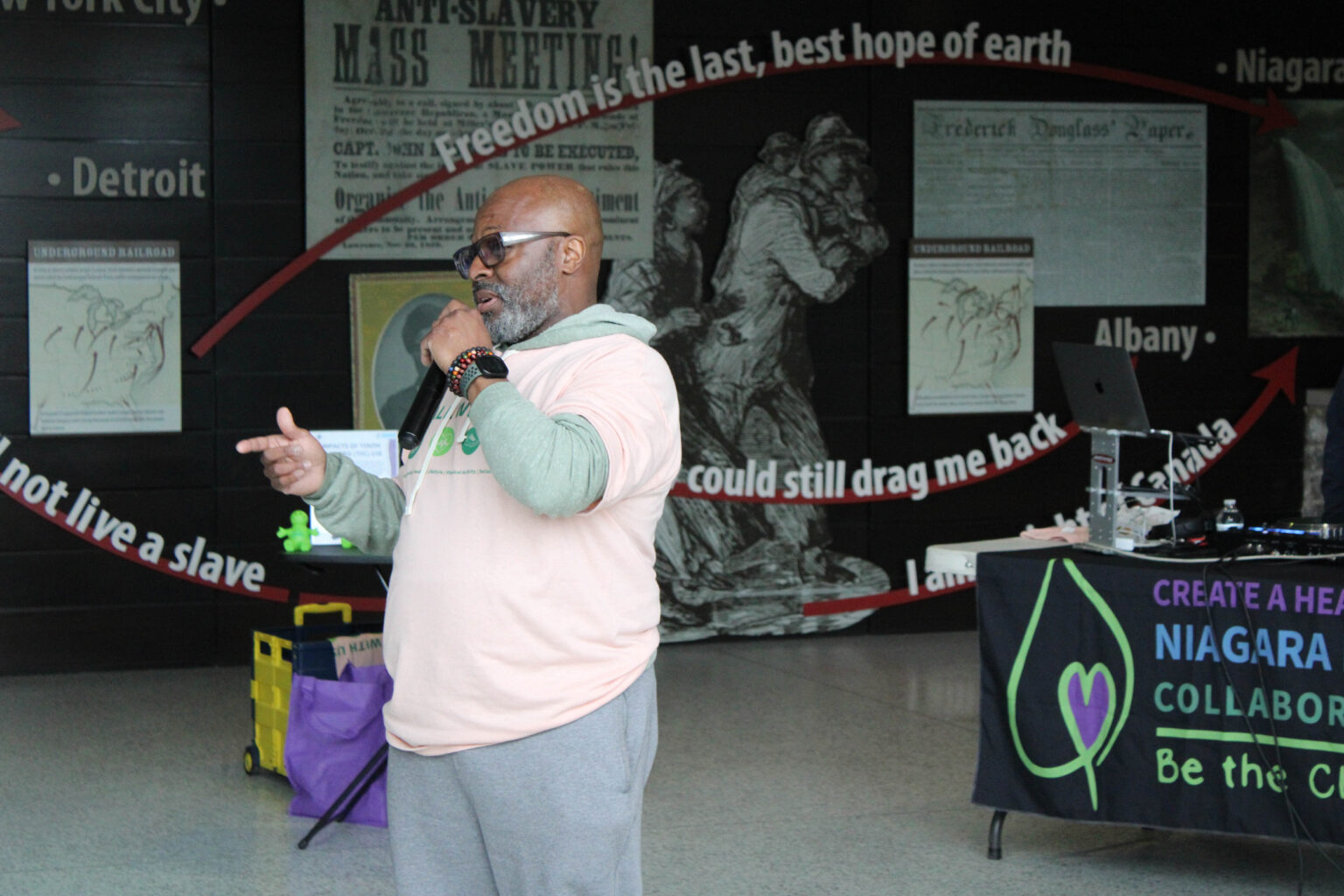
Great Lakes Echo

How much plastic is in the Great Lakes?

Microplastics are turning up everywhere, including our water, our food, and even our bodies. And the Great Lakes are no exception.

Ripples of Plastic is a documentary from Ohio filmmakers Chris Langer and Josh Heese that investigates how plastic pollution is making its way into the largest freshwater system in the world.

Read Now at Great Lakes Now.

Original Article

Great Lakes Now

Great Lakes Now

https://www.greatlakesnow.org/2025/06/how-much-plastic-is-in-the-great-lakes/

Great Lakes Now

How are science and tradition saving sturgeon?

When the Little River Band of Ottawa Indians in Manistee, MI, decided to start a lake sturgeon restoration program, they started by hiring two recently graduated fisheries research biologists to help them set it up.

“I remember getting there and realizing that the scientific knowledge that I had was only a piece,” fisheries biologist Marty Holtgren said.

Read Now at Great Lakes Now.

Original Article

Great Lakes Now

Great Lakes Now

https://www.greatlakesnow.org/2025/06/how-are-science-and-tradition-saving-sturgeon/
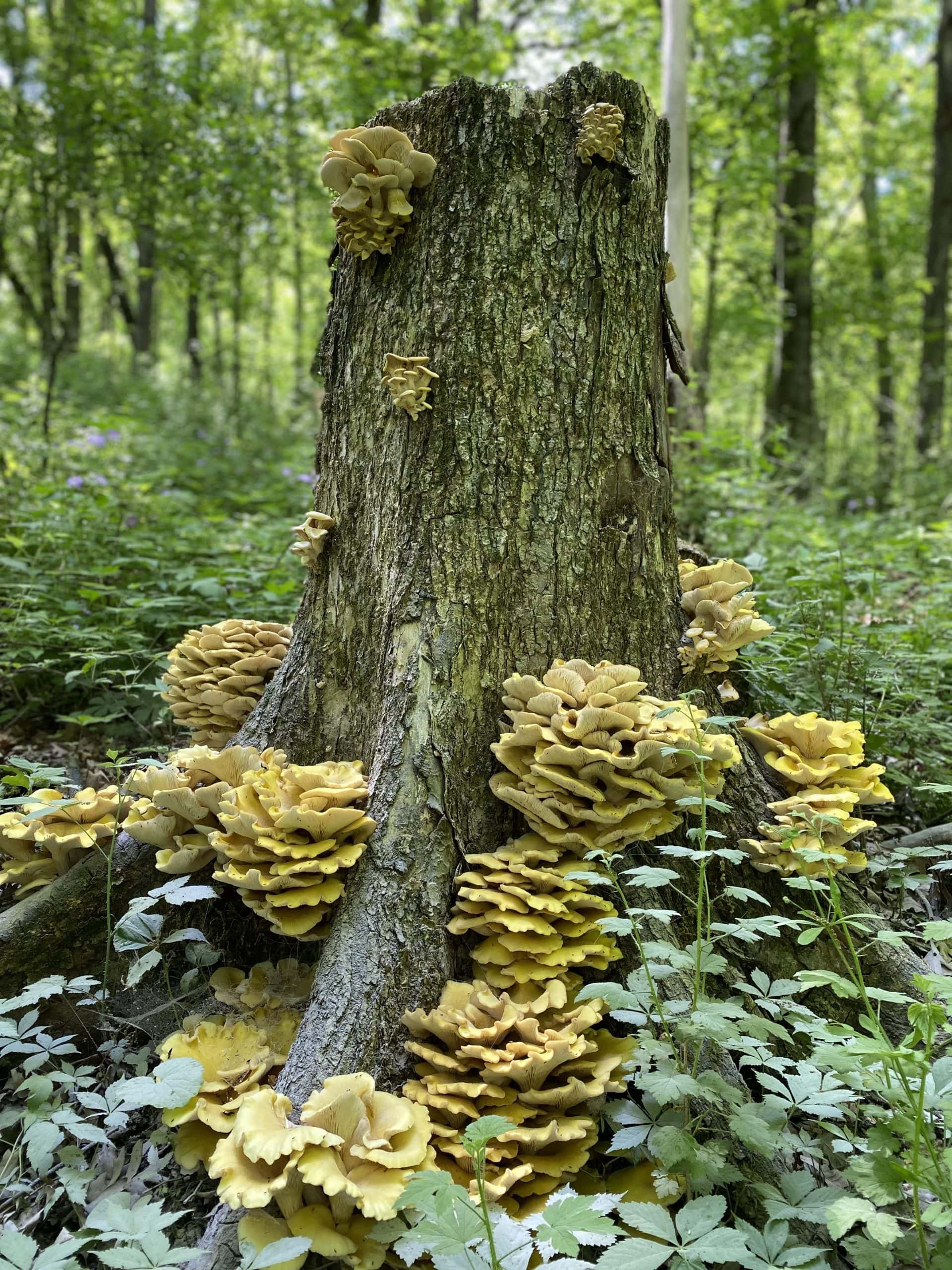
Great Lakes Now

Sinking cities: Great Lakes cities not immune from under-recognized threat

Significant areas of the Earth’s surface across continents are gradually sinking and that process brings environmental, social and economic consequences to urban centers in the United States. Great Lakes cities Detroit and Chicago are among those at risk.

That’s the conclusion of a recent study conducted by Columbia University researchers, published by the science journal Nature Cities.

Read Now at Great Lakes Now.

Original Article

Great Lakes Now

Great Lakes Now

https://www.greatlakesnow.org/2025/05/sinking-cities-great-lakes-cities-not-immune-from-under-recognized-threat/
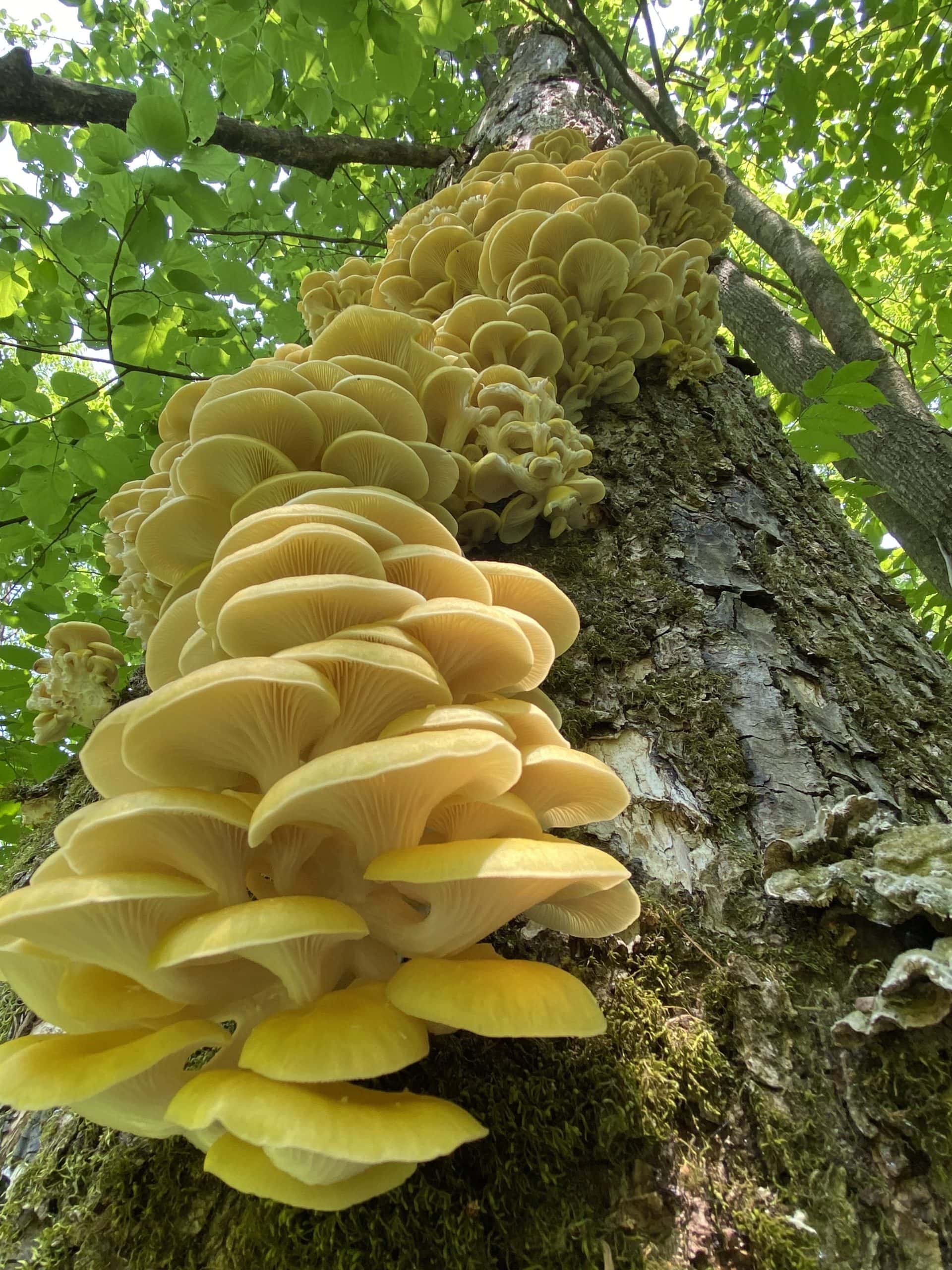
Gary Wilson, Great Lakes Now

I Speak for the Fish: Sturgeon vs salmon prioritizing native Great Lakes species

I Speak for the Fish is a monthly column written by Great Lakes Now Contributor Kathy Johnson, coming out the third Monday of each month. Publishing the author’s views and assertions does not represent endorsement by Great Lakes Now or Detroit Public Television. 

Read Now at Great Lakes Now.

Original Article

Great Lakes Now

Great Lakes Now

https://www.greatlakesnow.org/2025/05/i-speak-for-the-fish-sturgeon-vs-salmon-prioritizing-native-great-lakes-species/

Kathy Johnson, Great Lakes Now

Why smallmouth bass are getting bigger in Michigan waterways

This article was republished here with permission from Great Lakes Echo.

By Victoria Witke, Great Lakes Echo

Every spring for the last 15 years, Gene Gilliland and some friends have gone smallmouth bass fishing in Lake St. Clair in Southeast Michigan for a week.

Read Now at Great Lakes Now.

Original Article

Great Lakes Now

Great Lakes Now

https://www.greatlakesnow.org/2025/05/why-smallmouth-bass-are-getting-bigger-in-michigan-waterways/

Great Lakes Echo

Millions of People Depend on the Great Lakes’ Water Supply. Trump Decimated the Lab Protecting It.

By Anna Clark, ProPublica

This story was originally published by ProPublica.

Just one year ago, JD Vance was a leading advocate of the Great Lakes and the efforts to restore the largest system of freshwater on the face of the planet.

As a U.S.

Read Now at Great Lakes Now.

Original Article

Great Lakes Now

Great Lakes Now

https://www.greatlakesnow.org/2025/05/millions-of-people-depend-on-the-great-lakes-water-supply-trump-decimated-the-lab-protecting-it/

ProPublica

Everything you need to know about the Biggest Week in American Birding

A fledgling birding festival that hatched 15 years ago has become an international event drawing visitors from around the world to northwest Ohio. While the stars of the show at the Biggest Week in American Birding (BWIAB) are migrating warblers, there are dozens of other species which draw crowds from every state and continent including wading and shore birds, tanagers, songbirds, waterfowl and raptors.

Read Now at Great Lakes Now.

Original Article

Great Lakes Now

Great Lakes Now

https://www.greatlakesnow.org/2025/05/everything-you-need-to-know-about-biggest-week-in-american-birding/

James Proffitt, Great Lakes Now

Meet the people trying to keep a prehistoric fish alive

By Leah Borts-Kuperman, The Narwhal

The Great Lakes News Collaborative includes Bridge Michigan, Circle of Blue, Great Lakes Now at Detroit PBS, Michigan Public and The Narwhal who work together to bring audiences news and information about the impact of climate change, pollution, and aging infrastructure on the Great Lakes and drinking water.

Read Now at Great Lakes Now.

Original Article

Great Lakes Now

Great Lakes Now

https://www.greatlakesnow.org/2025/04/meet-the-people-trying-to-keep-a-prehistoric-fish-alive/

The Narwhal

Can these invasive reeds be stopped?

Invasive phragmites are overwhelming Ontario’s wetlands, choking out native plants and wildlife. Towering up to 15 feet (5 meters) tall and spreading in dense clusters, this plant outcompetes native species, disrupts ecosystems, and threatens wildlife. But a team of dedicated experts and community members are fighting back.

Wetland ecologist Janice Gilbert is leading efforts at Kettle and Stony Point First Nation to combat phragmites.

Read Now at Great Lakes Now.

Original Article

Great Lakes Now

Great Lakes Now

https://www.greatlakesnow.org/2025/04/can-these-invasive-reeds-be-stopped/

Great Lakes Now

Wisconsin sees record start to the fire season as climate change drives more blazes

By Danielle Kaeding, Wisconsin Public Radio

This article was republished here with permission from Wisconsin Public Radio.

Wisconsin saw a record number of fires in January and February this year due to a lack of snow as climate change has set the stage for more wildfires.

Read Now at Great Lakes Now.

Original Article

Great Lakes Now

Great Lakes Now

https://www.greatlakesnow.org/2025/04/wisconsin-wildfires-record-climate-change-drought/

Wisconsin Public Radio

How community gardens serve as ‘third places’ for Detroiters

Toward the end of 2023, I was newly unemployed and living by myself for the first time. 

In between jobs, searching for employment and a means of fulfillment and community, I began to reflect on how my mom got into gardening. In the dead of winter, memories of childhood summers spent pulling weeds, tilling soil and fleeing the occasional garter snake alongside her began to color my mind. 

Read Now at Great Lakes Now.

Original Article

Great Lakes Now

Great Lakes Now

https://www.greatlakesnow.org/2025/04/community-gardens-third-places-for-detroiters/

Ethan Bakuli