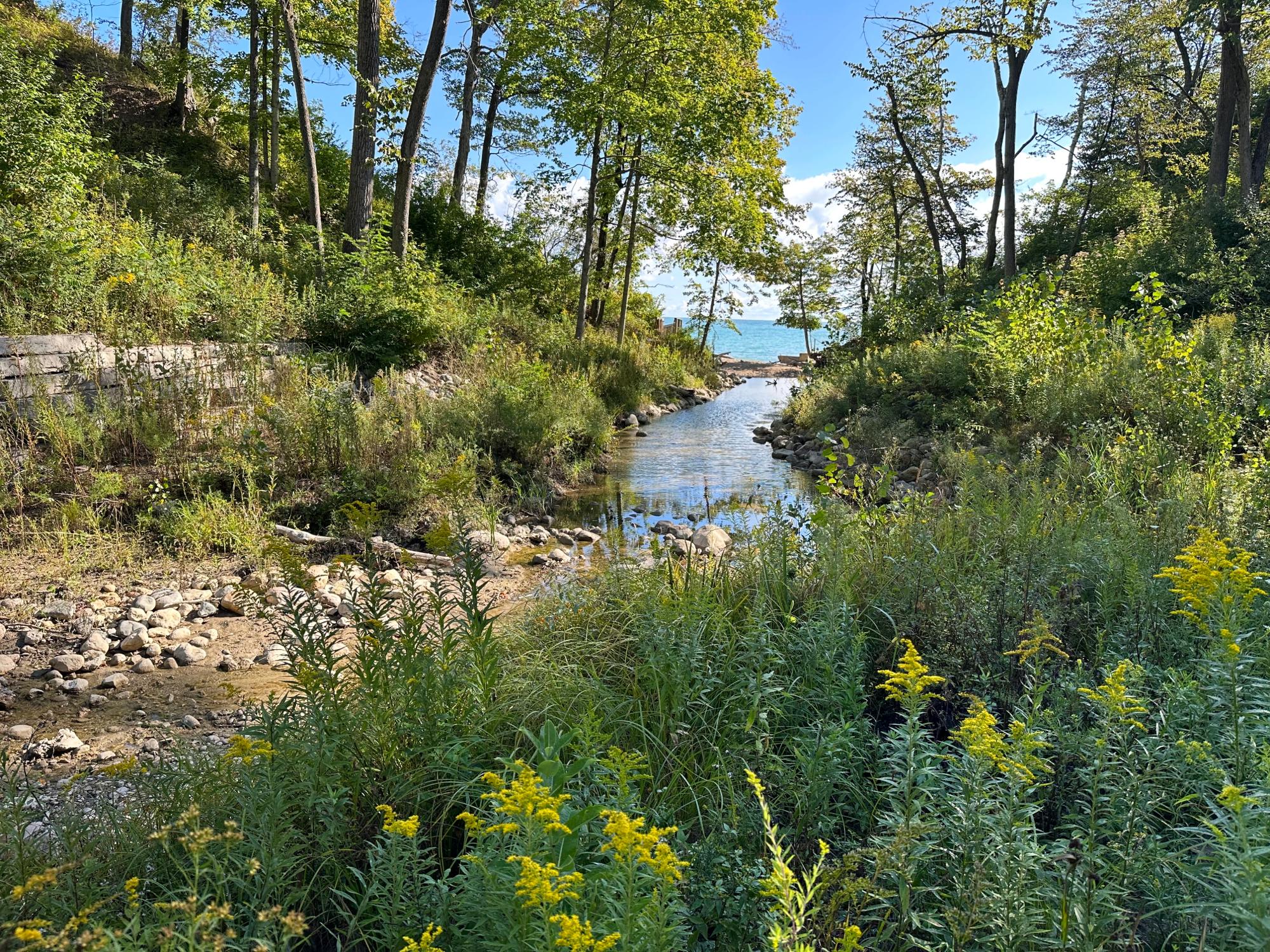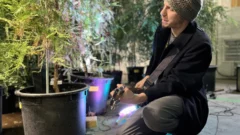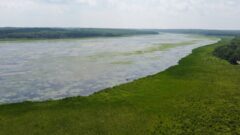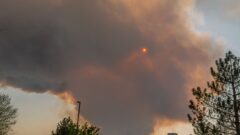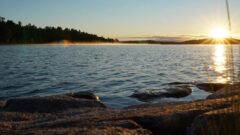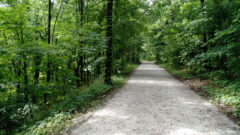
This Earth Day, Detroit PBS programming is focusing on turning land back into something wild. Better known as “rewilding,” a large-scale conservation effort that usually involves reintroducing keystone plant or animal species to reestablish the health of a local ecosystem. 

In the Great Lakes region, Illinois recently made history by being the first state in the nation to make rewilding part of its official strategy. As of January 1, 2026, the “Illinois Rewilding Law” is now in effect. According to the Chicago Tribune, the law empowers the Illinois Department of Natural Resources to go after projects that restore land to its natural state.

“The law could encompass the reintroduction of keystone species that improve ecosystems, like beavers and bison. But officials and environmentalists say closing the federal gaps in wetland protection is their focus right now,” wrote Christiana Freitag at the Chicago Tribune

After the Supreme Court case Sackett v. EPA rolled back federal wetland protections, Illinois became especially vulnerable considering it already lost 90% of its swamps. Chicago was built on wetlands, which are important when considering water quality and flood prevention — this is especially significant, as Chicago has dealt with severe flooding

An international effort

British author and conservationist Isabella Tree joins our Detroit PBS colleagues to discuss her non-fiction book “Wilding: Returning Nature to Our Farm.” On April 29, be sure to check out their live event with PBS Books Readers Club, from 8 to 9 p.m. ET. 

Tree’s book details her process of rewilding her 3,500 acre estate in Sussex, England. After visiting an arborculturist to save their oak trees, Tree and her husband were inspired to change everything they were doing with their land. After it was depleted by centuries of farming, they transformed it into a healthy haven for the littlest bugs and grazing animals, all by planting native flora and fauna. 

“I think the only answer to eco anxiety is to get your hands dirty and do something,” said Tree. “And the joy that can come from even transforming a window box… so that you’re now attracting night flying moths and hoverflies and all the forgotten pollinators, you’re making a difference. And that feels just so fantastic.”

Be sure to also check out the upcoming documentary, Wilding (inspired by the book) that premieres on PBS, on April 22. 

What you can do

For those who would like to feel more involved in helping our ecosystem, Doug Tallamy wants private property owners to know they have a role in the conservation movement. Tallamy calls this the Homegrown National Park movement. 

“Most people have too much lawn,” said Tallamy. 

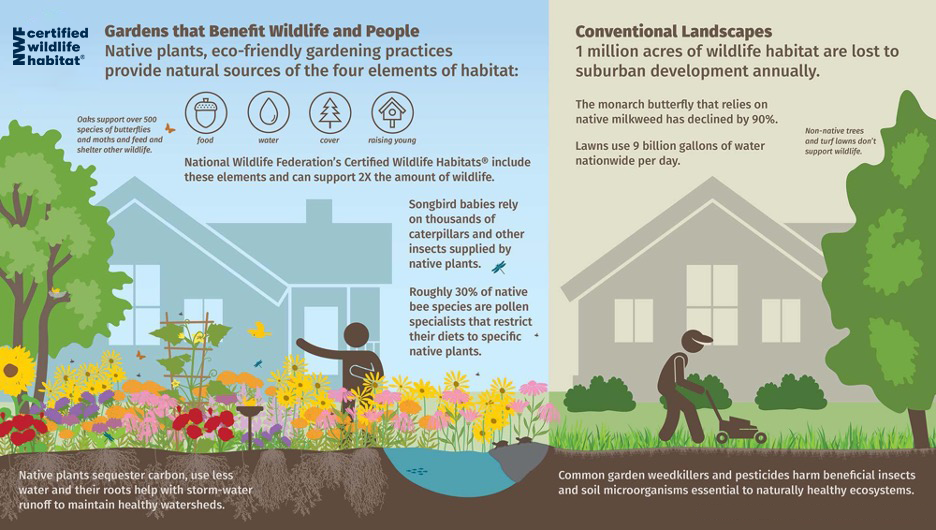
According to the author, entomologist, biologist and conservationist we have 44 million acres of lawn in this country. When there’s a storm event, most of those pesticides, fertilizers and herbicides run off into the watershed. He said, if we’re going to put plants in our yards, why not use ones that do everything we need to conserve and protect our environment? Native plant alternatives to grass help guard our watershed, help the food web, support pollinators and are often better at sequestering carbon.

(Credit: National Wildlife Federation)

 “The point is, what you’re doing is creating connectivity,” said Tallamy. “If you and a bunch of other people do it, then outside of the parks and preserves it’s not no man’s land, there is some habitat.”

For more information, watch Great Lakes Now’s latest interview: 

The post Rewilding, a new way to heal the land this Earth Day appeared first on Great Lakes Now.

Original Article

Great Lakes Now

Great Lakes Now

https://www.greatlakesnow.org/2026/04/22/rewilding-a-new-way-to-heal-the-land-this-earth-day/
Lisa John Rogers, Great Lakes Now

By Héctor Alejandro Arzate

This story was originally published by Grist. Sign up for Grist’s weekly newsletter here.


As a row crop farmer in St. Joseph, Missouri, Joe Lau said he’s noticing more extreme weather these days. 

Warmer seasons throughout the year. Quarter-inch predictions of rain stamped out by storms that bring 3 inches. Increased pressure from pests on his corn. He’s also noticed that spring is coming earlier. 

The USA National Phenology Network shows that this year spring arrived three to five weeks earlier than the average between 1991 to 2020 in much of the central U.S. and two to three weeks earlier in southern Midwest states. 

“I have allergies bad,” said Lau, who also grows soybeans. “And this year in particular, it’s hit me hard. It’s wild that we are talking about allergy issues in winter, but that’s technically the reality of it.”

Last month, Climate Central, a nonprofit specializing in communicating climate science, published an analysis that found that spring is trending to an earlier arrival from 1981 to 2025 in most of the United States.

On average, leaves now emerge six days earlier than they did in 1981 in 88 percent, or 212 out of 242, of major U.S. cities. For example, in Lau’s city of St. Joseph, Missouri, the spring leaves tend to arrive two days earlier. 

An earlier spring could have consequences for the agriculture industry, ecology, and more.

Where are spring leaves arriving earlier?

Climate Central used open-access data that was collected by the USA National Phenology Network, a group of volunteers and researchers who study seasonal events — like when migratory birds arrive, leaves emerge, and fruit ripens —  among plants and animals to determine ecosystem health. 

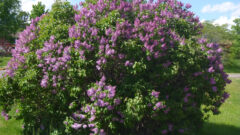
The analysis is based on the NPN’s first leaf index maps, which use models to predict the start of spring. To work, the models are fed data like temperature and the start date of the annual “leaf-out” — when leaves first emerge —  for the early spring plants of lilacs and honeysuckle, which are found throughout the U.S.

“That very leading edge of spring is drifting earlier and has drifted, in some cases, a whole lot earlier in just that last few decades,” said Theresa Crimmins, the NPN’s director, in a briefing last month.

Climate Central’s analysis found that many Mississippi River basin cities are seeing earlier spring, including Hazard, Kentucky, which is seeing leaves arrive 11 days earlier. Both Memphis, Tennessee, and St. Louis, Missouri, are leafing out seven days earlier. New Orleans, Louisiana, is two days earlier.

While most of the lower 48 states are experiencing an earlier spring, the report did find an exception in the Northern Rockies and Plains region. There, spring temperatures have either cooled or warmed “relatively slowly” since 1970, according to the report.

Kaitlyn Trudeau, a climatologist with Climate Central, said the differences in how much earlier spring is coming from place to place are likely due to what she calls “climate controls” — such as latitude, elevation, wind patterns, proximity to bodies of water, ocean currents, and topography. 

“All of those different factors really dictate what your local climate is like generally,” Trudeau said.

What does early spring mean for agriculture and more?

The early arrival of spring can have widespread impacts, said Trudeau. People with seasonal allergies, like Lau, will be exposed to more pollen because plants get more time to produce and release it.

Warmer temperatures can also cause birds to migrate too soon. One of the busiest migratory routes, or flyways, in North America moves along the Mississippi River. Each year, about half of all migratory bird species on the continent follow it to get from as far north as Canada to Central and South America, and then back.

When birds migrate too soon, said Trudeau, they miss out on the peak abundance of food. They can fall out of sync with insects or the flowers they pollinate, which can affect other species, too.

“That can cause this ecological mismatch,” Trudeau said.

Earlier springs can also put the agriculture industry at financial risk, she said. Whether it’s corn, soybeans, or specialty fruits, these crops can get hit with a hard freeze following an early leaf-out — also known as a false spring. It could lead to major economic damage in the agriculture industry, said Trudeau.

In 2017, a hard freeze in the southeastern U.S. destroyed fruit crops like peaches, pears, blueberries, strawberries, and even grass for livestock. It led to more than $1 billion dollars in losses for the agriculture industry, according to a report from NOAA.

“We are so dependent upon what happens in the natural environment,” Trudeau said. “And so when things start to shift and change, it’s also going to cause pretty widespread impacts for our lives.”

Growers of specialty crops — such as apricot trees or iris flowers — will be particularly vulnerable. Row crop farmers, like Lau, have more technology to aid them. He said seed treatments have allowed soybean farmers to plant earlier and grow longer, increasing their production. 

So the effects of an earlier spring have been “minimal” for him.

“From purely a row-crop production standpoint, the springs have been very favorable for us,” said Lau.

One thing that does have him worried is the bug activity out in his fields — they’ve been plentiful with the warmer weather. 

“I raise all non-GMO corn and so I don’t have the insect traits bred into the corn genetically modified, and so that does concern me that we’re kind of relying on what nature hands us,” Lau said. 

While farmers and communities are doing their part to innovate and adapt to continue producing, Trudeau said addressing the root of climate change is the most urgent need.

“There is no substitute for dramatically reducing our carbon pollution,” she said.

This story is a product of the Mississippi River Basin Ag & Water Desk, an independent reporting network based at the University of Missouri in partnership with Report for America, with major funding from the Walton Family Foundation.

The post Climate experts say spring is coming earlier. How will that affect agriculture and ecosystems? appeared first on Great Lakes Now.

Original Article

Great Lakes Now

Great Lakes Now

https://www.greatlakesnow.org/2026/04/16/climate-experts-say-spring-is-coming-earlier-how-will-that-affect-agriculture-ecosystems/

Grist

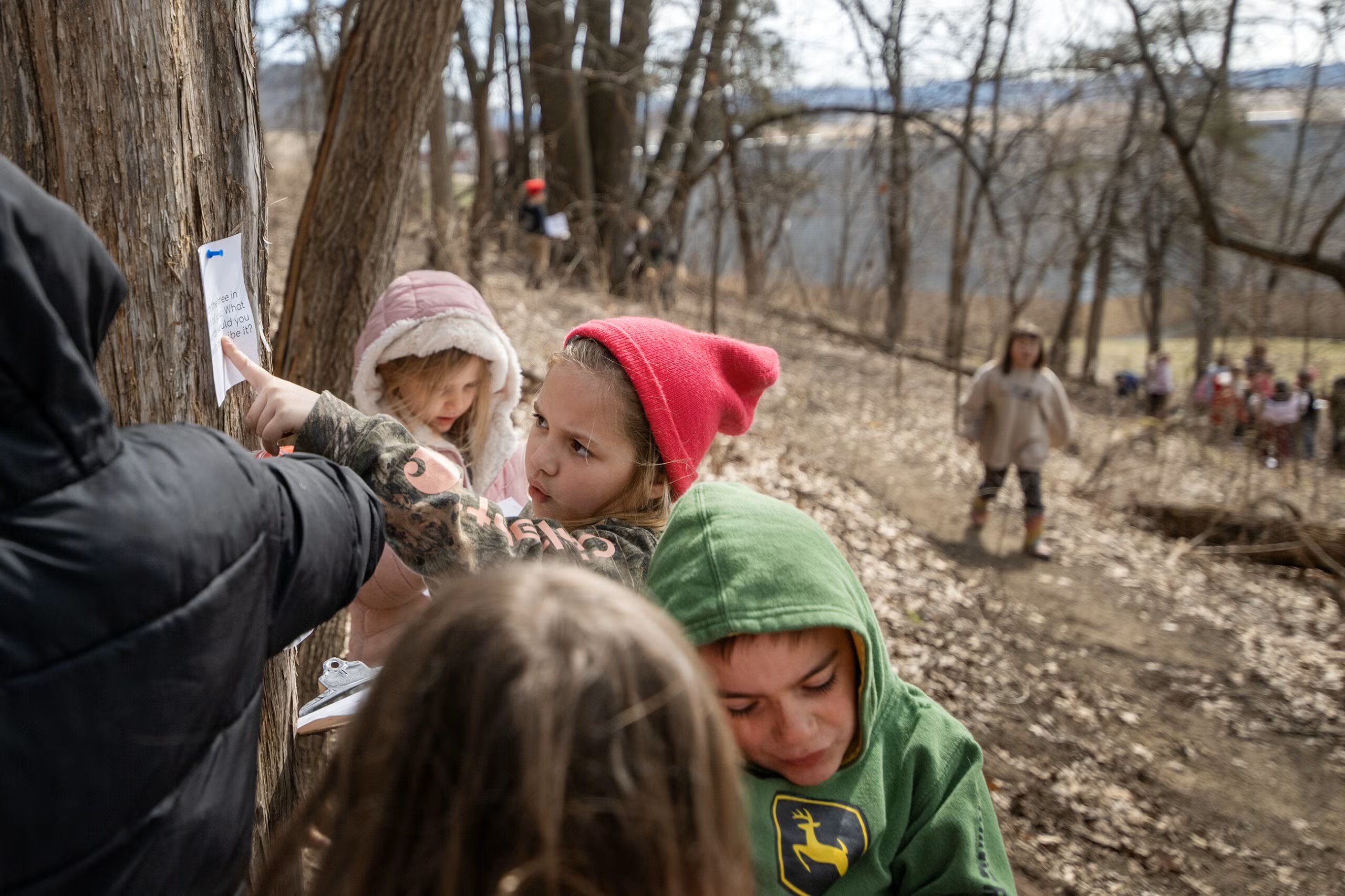
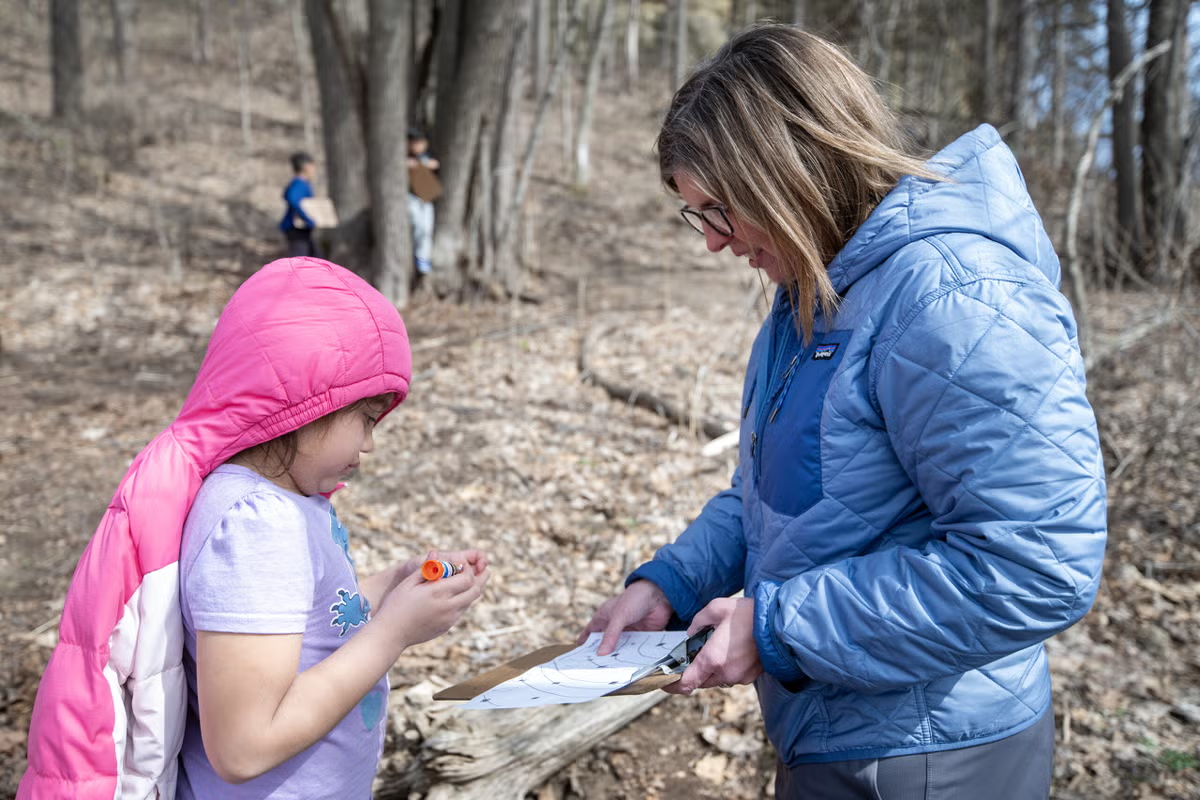
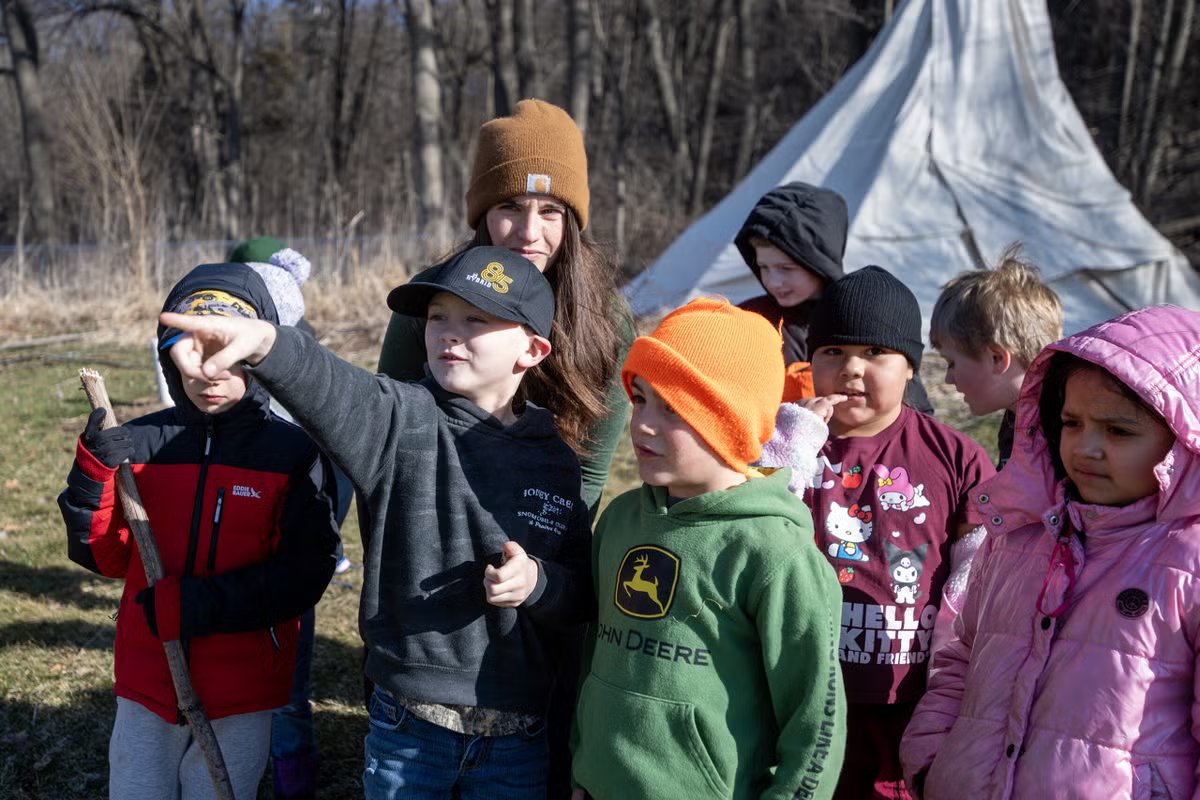
Once a week, first and second graders at Tower Rock Elementary School in Sauk County step into a classroom without walls. 

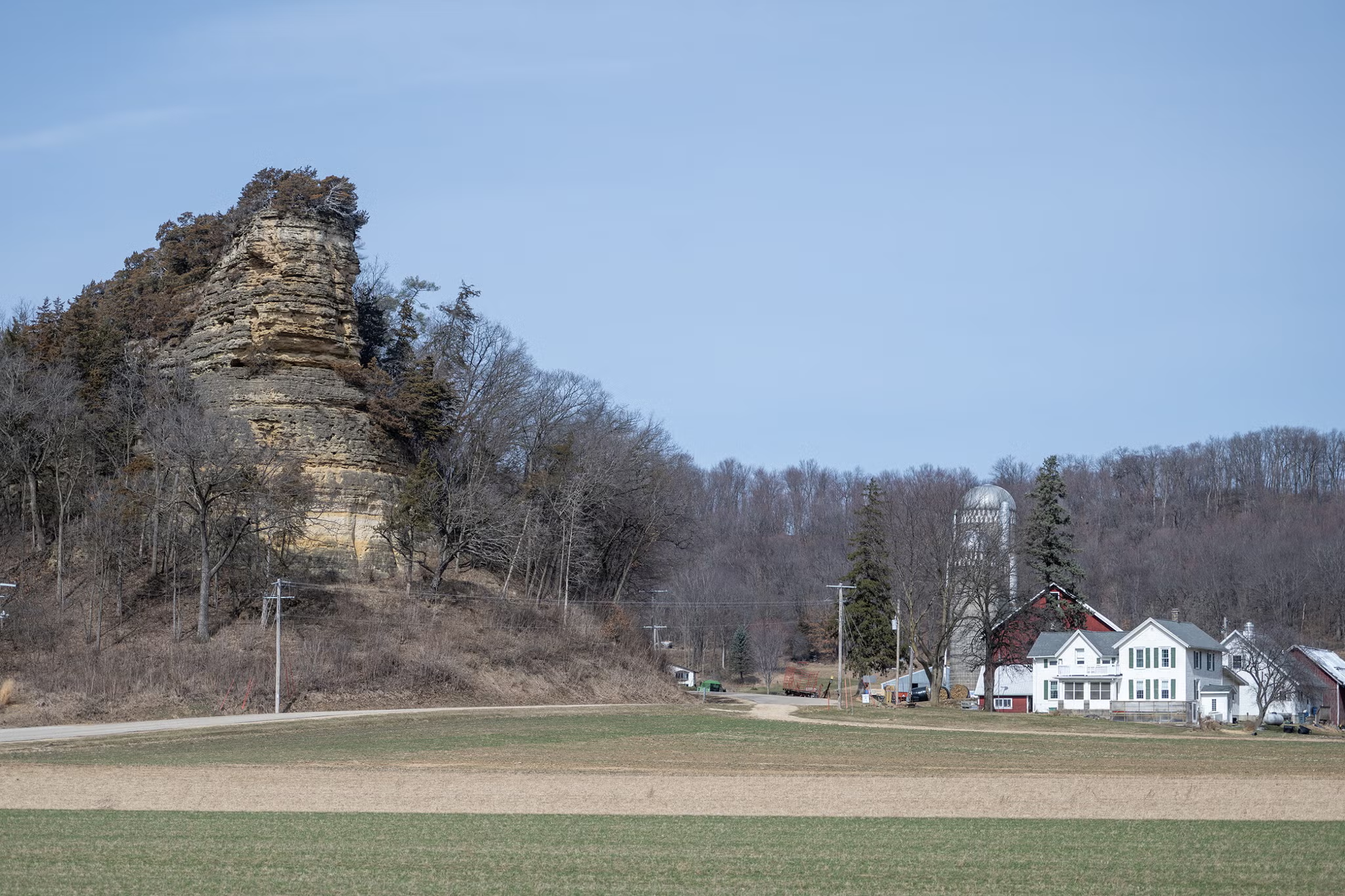
About 25 students, accompanied by three teachers, spend the day in their outdoor classroom tucked into nearby woods with a soaring sculpted bluff — called Tower Rock — in the school’s shadow.

Students follow a science and social studies-based curriculum on topics like insects and space, along with practical lessons like how to dress for the cold. 

In March, days before Blizzard Elsa blanketed the state with snow, first graders in the outdoor learning program prepared to blast off to Saturn. In small groups, students rode an imaginary rocket ship, learning about the planets while in their outdoor environment. 

Angus Mossman, left, leads an outdoor lesson on planets Thursday, March 12, 2026, at Tower Rock Elementary School in Prairie du Sac, Wis. Angela Major/WPR

Nature-based education and outdoor classrooms are expanding in Wisconsin and across the country. The concept of teaching outdoors got a boost during the pandemic. But now, according to Natural Start Alliance, there are more than 1,000 nature classroom programs in pre-schools nationwide. That’s up from a few dozen a decade ago. 

Teachers at Tower Rock want students to learn about the environment under their feet.

“It’s more than sitting in a classroom and saying, ‘We live in a beautiful area, you should protect it.’” JoAnnah Sorg, a teacher at Tower Rock, told WPR’s “Wisconsin Today.” “We go out there and we’re like, ‘Look at all of this. You want this to be here for your family someday. You want to continue to enjoy this, so we need to work to take care of it.’”

The landscape near Tower Rock Elementary School on Thursday, March 12, 2026, in Prairie du Sac, Wis. Angela Major/WPR

Keeping special places special

According to the state Department of Public Instruction, there are at least 17 schools that have a dedicated outdoor learning day in Wisconsin. Tower Rock, which launched its program in 2021, is one of a handful of public, non-charter schools in Wisconsin with this learning model. 

That means all first and second graders who attend Tower Rock participate. There is no waiting list, application or fees. Neurodivergent students and students with disabilities receive accommodations to participate. 

Principal Kelly Petrowski, right, helps a student with a science lesson Thursday, March 12, 2026, at Tower Rock Elementary School in Prairie du Sac, Wis. Angela Major/WPR

The school only cancels the outdoor program when the windchill factor plummets below zero. But this isn’t recess or free play. Every outdoor learning day is guided by a curriculum with a “place-based learning” model in mind, where educators use the local community and environment as a foundation for study. 

Sorg has been at Tower Rock for 15 years. She and two other educators, Dylan Edwards and Angus Mossman, run the program. Together, they build lessons and plan field trips to state parks and protected areas in Sauk County, an agricultural community on the banks of the Wisconsin River. 

Mossman went to Tower Rock and his mother still teaches there. He said many people leave Sauk County not realizing the beauty of it. The majority of the rural community is dedicated to farmland, but there are more than 22,000 acres of dedicated natural parks and open spaces, 63 lakes and nearly 160 miles of rivers and creeks, according to Explore Sauk County, the county’s tourism website.  

“There’s a lot of focus on getting urban students exposed to nature and I think there’s not a lot of focus on exposing kids in rural areas to nature,” Mossman said. 

“I want kids to realize that this is a special place and if people care about it, it will stay a special place. And if people don’t care about it, it might not stay a special place,” Mossman added. “I think (children) have it in their hearts to learn that.”

Students operate an imaginary spaceship with teacher JoAnnah Sorg as they learn about science outdoors Thursday, March 12, 2026, at Tower Rock Elementary School in Prairie du Sac, Wis. Angela Major/WPR
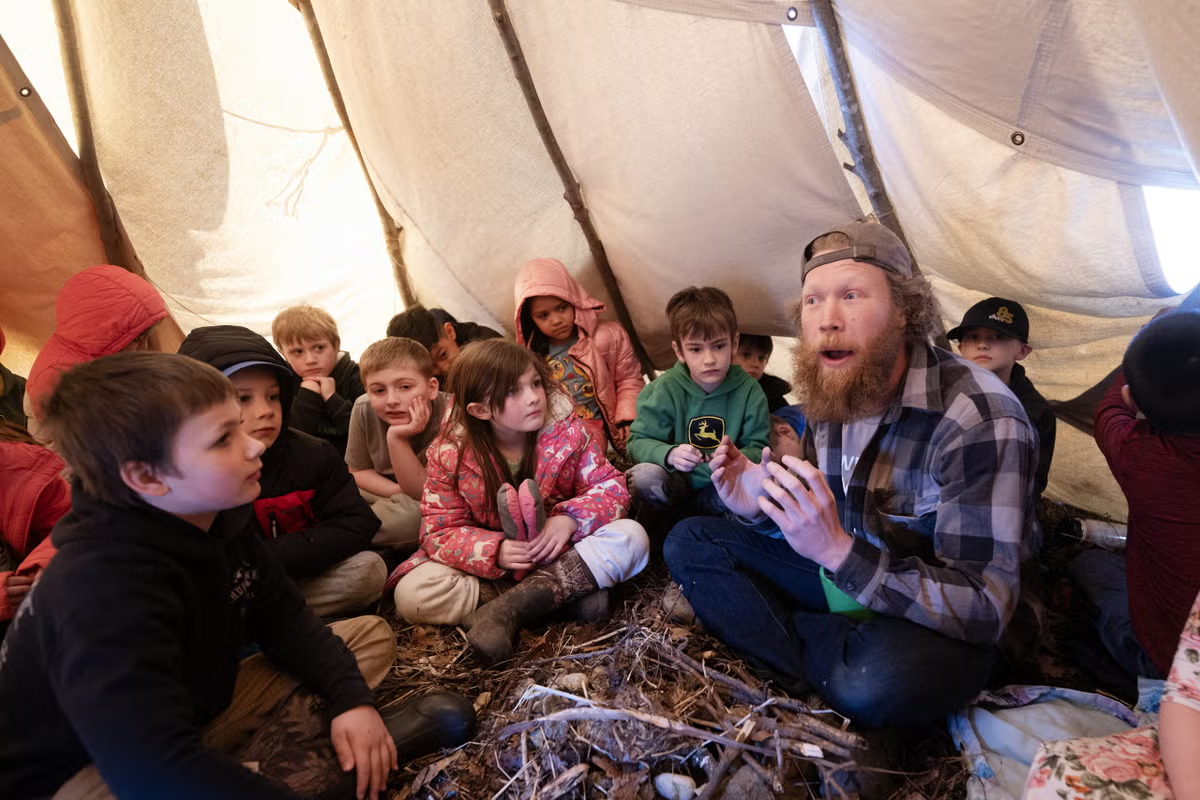
Angus Mossman tells a story as students gather to listen Thursday, March 12, 2026, at Tower Rock Elementary School in Prairie du Sac, Wis. Angela Major/WPR
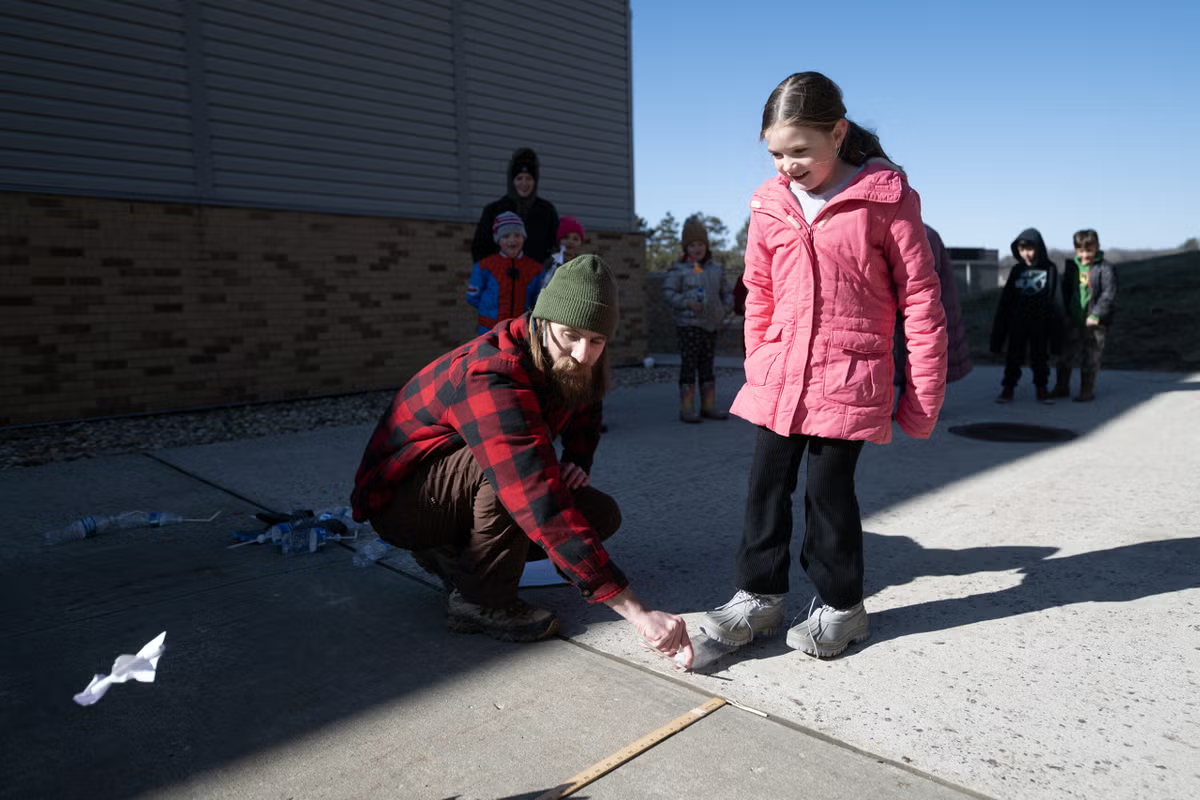
Teacher Dylan Edwards, left, helps students launch rockets using a water bottle Thursday, March 12, 2026, at Tower Rock Elementary School in Prairie du Sac, Wis. Angela Major/WPR

The wonder of bees and spiders

Since the program started, students have helped to restore a native prairie and learned about the federally endangered rusty patch bumble bee, which is rare, but can be found in Wisconsin. 

“In first and second grade, I was really, really scared of bees,” said Bentley Hughbanks, a fifth grader who went through the outdoor learning program. “I was insanely scared to the point where on a field trip, I didn’t want to go because of the bees. But now I’ve overgrown my fear of bees.”

“I realized that they don’t mess with you unless you mess around with them,” Bentley said. 

There are countless stories from students overcoming fears, educators said. Students who didn’t like spiders now prevent others from squishing them. One student asked his parents to stop using ant poison in the garage. And another wants to be an ornithologist.  

First-grade students participate in a lesson on space Thursday, March 12, 2026, at Tower Rock Elementary School in Prairie du Sac, Wis. Angela Major/WPR

“A powerful thing about outdoor learning and the experience we can give the kids here is that we’re teaching their hearts and not just teaching their minds,” Mossman said. 

Sorg recalled one student who struggled academically in the classroom but on an outdoor learning day found the perfect way to pack snow into a bucket for building a structure, and the other students followed his lead.

“The power that it gave him among his peers to be able to have that opportunity to shine and have that moment — he didn’t get a lot of those moments in the classroom during the day,” she said. 

Finding those moments is one benefit of outdoor learning. Research shows it can also promote concentration, perseverance and creativity, said Christy Merrick, director of the Natural Start Alliance

“(Nature) is a space that is always changing. Nature is not static,” Merrick said. “It’s keeping things interesting for students. It tends to promote very active, hands-on learning, which we know is a very effective way for children to learn when they’re young.”

Students explore the woods during a lesson Thursday, March 12, 2026, at Tower Rock Elementary School in Prairie du Sac, Wis. Angela Major/WPR

An outdoor program like this is unique and requires a reliable funding stream. The teachers say it takes additional work to keep the program going. Each year, they apply for about $5,000 of local and state grants, Mossman said. The Community Foundation of South Central Wisconsin accepts donations on behalf of the school and other programs like it. The school also hopes to create an endowment. 

Outdoor learning is starting to become part of the fabric of attending Tower Rock. Now some fifth graders, like Brooks Mack, have younger siblings there, too.

“I can help (my brother) out. He asks me questions when he gets home, like, ‘We did this today but I didn’t quite understand it.’ So I get to answer those questions and other kids ask me questions, too,” Brooks said. “Sometimes I get to answer, which feels good.”

The post Nature is the classroom at this central Wisconsin elementary school appeared first on Great Lakes Now.

Original Article

Great Lakes Now

Great Lakes Now

https://www.greatlakesnow.org/2026/04/16/nature-is-the-classroom-at-this-central-wisconsin-elementary-school/

Wisconsin Public Radio

By Danielle Kaeding, Wisconsin Public Radio

This article was republished here with permission from Wisconsin Public Radio.


A union leader representing federal Forest Service employees in Wisconsin says workers may have to move as part of the Trump administration’s plan to shutter regional offices.

The Forest Service announced Tuesday that the agency is moving its headquarters to Salt Lake City and closing nine regional offices, including in Milwaukee. Administrative and technical support in those offices will shift to six operational service centers, one of which will be located in Madison. The overhaul will also include 15 state directors to oversee operations in one or more states.

Brian Haas is president of the National Federation of Federal Employees Local 2165. The union represents employees in the Milwaukee regional office and the Chequamegon-Nicolet National Forest. He said the restructuring mostly affects Milwaukee-area employees. Union officials estimate around 50 employees may be affected.

“The regional office actually already was hit a lot harder by people leaving, retiring, taking the different buyouts,” Haas said. “They’re already really down in their numbers.”

Haas said workers have been told they can continue working for the service as long as they’re willing to relocate or change job descriptions. When the reorganization was first announced last year, he said many employees transferred or relocated amid Trump’s return-to-office order.

The number of Forest Service employees in Wisconsin dropped from 645 to 539 between federal fiscal year 2025 and 2026, according to federal workforce data.

The U.S. Department of Agriculture, which houses the Forest Service, has been shifting thousands of employees out of Washington. Around 260 employees in the nation’s capital will be expected to relocate to Salt Lake City, according to the Associated Press.

“This is about building a Forest Service that is nimble, efficient, effective and closer to the forests and communities it serves,” Forest Service Chief Tom Schultz said in a statement.

Trump administration officials said the move will improve forest management, save taxpayer money and boost employee recruitment.

“The official stance from the administration is that it is not a reduction in force, but the reality on the ground is that it is going to continue to drive people to leave the agency,” Haas said.

A USDA spokesperson said employees will receive information about relocation timelines, options and resources to support their decisions. The agency said the number of staff that will be moved beyond the nation’s capital is unknown at this time.

Current and former Forest Service employees say the Trump administration’s actions over the past year have created chaos and uncertainty with few answers. The elimination of regional offices and shift to state-based hubs will take place over the coming year.

No changes for national forest in Wisconsin, research facilities close

The Chequamegon-Nicolet National Forest, or CNNF, has 235 employees who would be unaffected, according to Kaleigh Maze, a forest spokesperson. Maze said the forest and its district offices would see no changes to staffing.

“The Chequamegon-Nicolet National Forest is committed to ensuring that all operations — including wildfire readiness and response — continue without interruption,” Maze said.

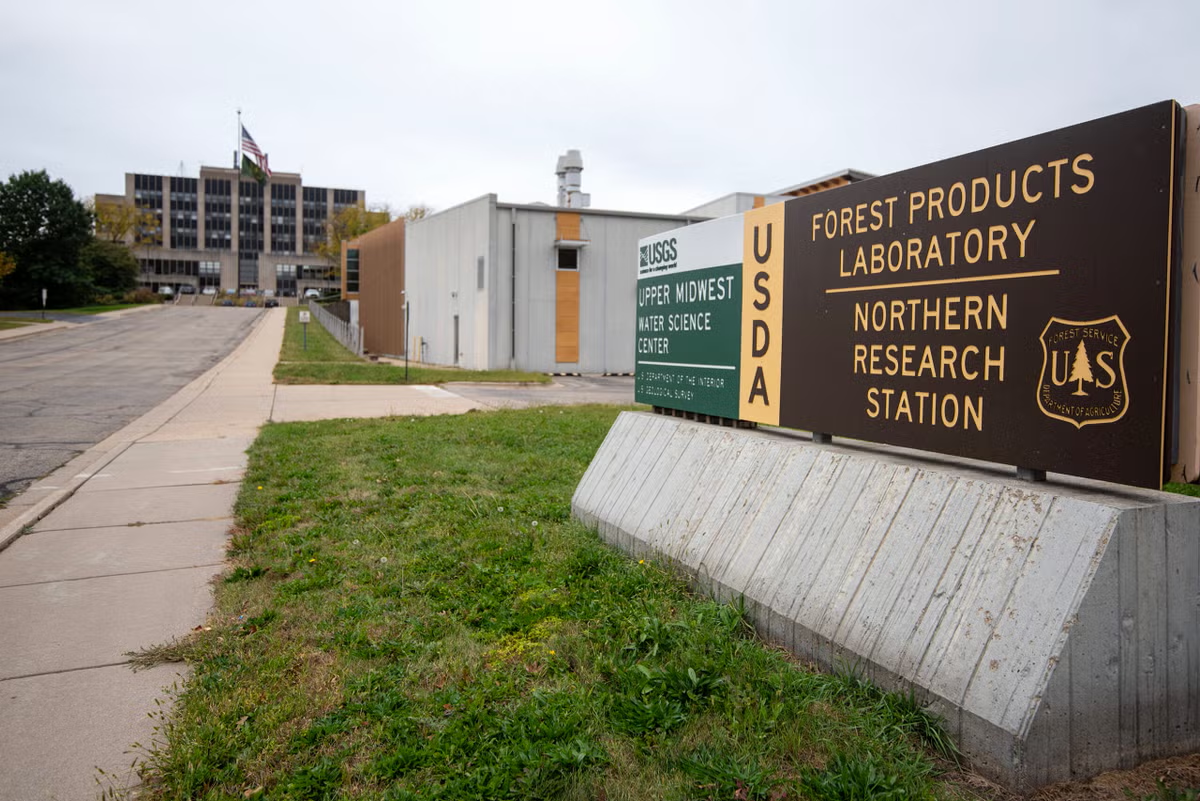
Forest Service research facilities in 31 states will also close and be combined under a single research organization in Colorado. The agency’s website shows Rhinelander and Madison research sites would not be affected, but Haas said Rhinelander employees may also be required to move. As of 2023, the agency’s Forest Products Lab in Madison had 80 research scientists and 168 support staff.

Two other facilities are slated for closure in Wisconsin Rapids and Prairie du Chien. Paul Strong, former forest supervisor of the CNNF, said he’s unfamiliar with those sites and questioned whether USDA facilities may have been mistakenly included.

The USDA Forest Products Laboratory on Thursday, Oct. 16, 2025, in Madison, Wis. Angela Major/WPR

The Forest Service said a single research organization would speed up the use of science in forest management and reduce duplication. Strong told WPR’s “Wisconsin Today” it’s unclear what the move will mean for existing and long-term research projects.

“What I think we should be concerned about is what kind of pressure and stress this puts on employees and how they’re being treated as public servants,” Strong said.

Under the reorganization, the Forest Service said there will be no changes to firefighters or their positions. But the Trump administration is seeking to bring firefighting efforts under a single agency, which would affect thousands of employees if implemented.

Former U.S. Forest Service Chief Mike Dombeck served during the Clinton administration and lives in Wisconsin. He said he supports efforts to streamline the agency, noting past proposals to reorganize offices failed due to lacking support from congressional lawmakers.

Even so, he noted a similar attempt to move the Bureau of Land Management during Trump’s first term was later reversed. Dombeck said restructuring will likely cause the agency to lose more staff who choose not to uproot their families. He also fears the agency will lose ground on managing 193 million acres of national forests, climate change and wildland firefighting issues.

“I think this will be a real wake-up call to what the real values of national forests are,” Dombeck said. “We need to really ask this administration: what is the end game when we take a look at this level of chaos?”

Editor’s note: This story was updated with staffing figures on the Chequamegon-Nicolet National Forest from the U.S. Forest Service.

Wisconsin Public Radio, © Copyright 2026, Board of Regents of the University of Wisconsin System and Wisconsin Educational Communications Board.

The post Forest Service workers in Wisconsin may have to move after reorganization, union leader says appeared first on Great Lakes Now.

Original Article

Great Lakes Now

Great Lakes Now

https://www.greatlakesnow.org/2026/04/08/forest-service-workers-in-wisconsin-may-have-to-move-after-reorganization-union-leader-says/

Wisconsin Public Radio

By Leah Borts-Kuperman, The Narwhal

The Great Lakes News Collaborative includes Bridge MichiganCircle of BlueGreat Lakes NowMichigan Public and The Narwhal who work together to bring audiences news and information about the impact of climate change, pollution, and aging infrastructure on the Great Lakes and drinking water. This independent journalism is supported by the Charles Stewart Mott Foundation.


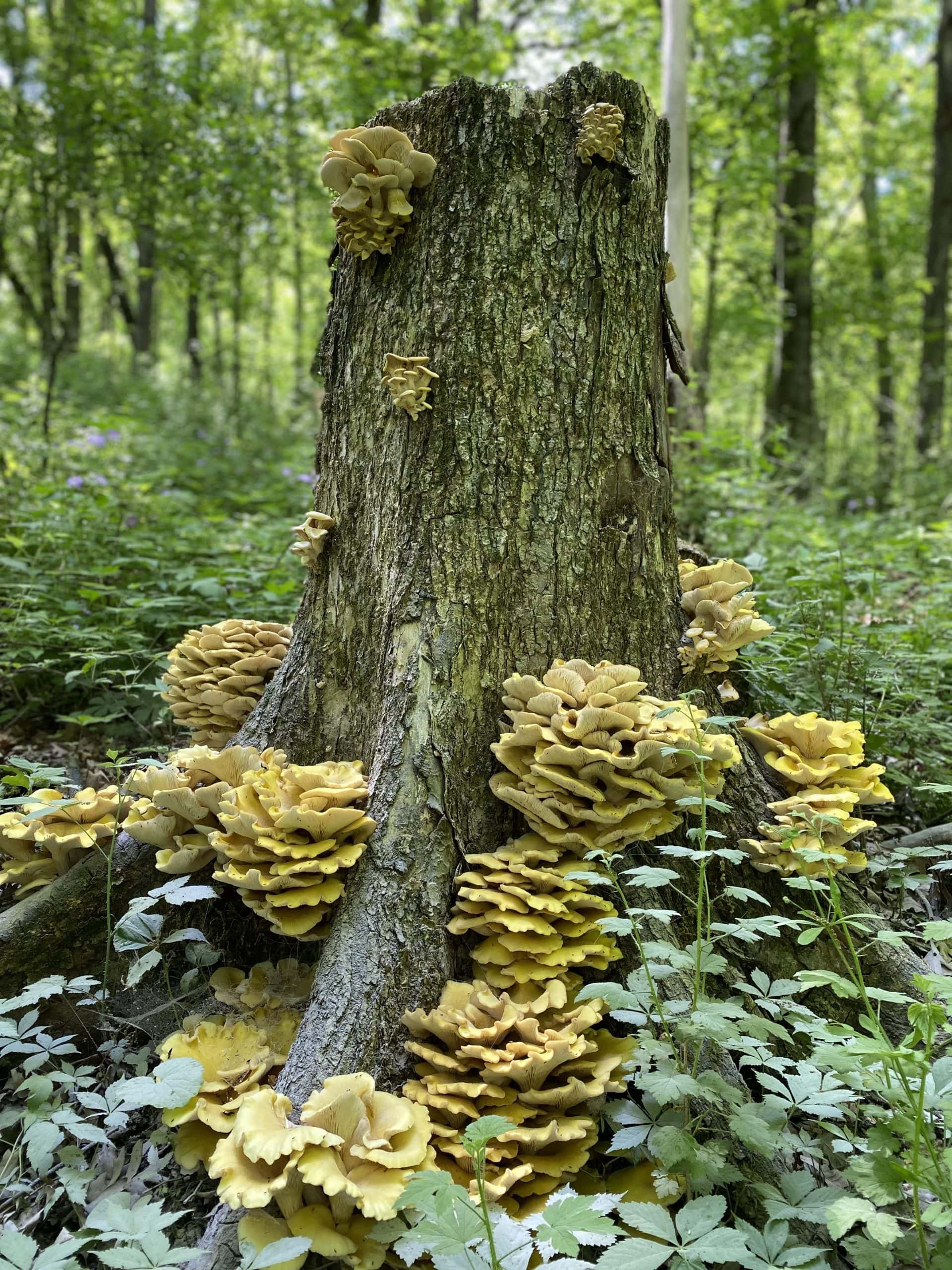
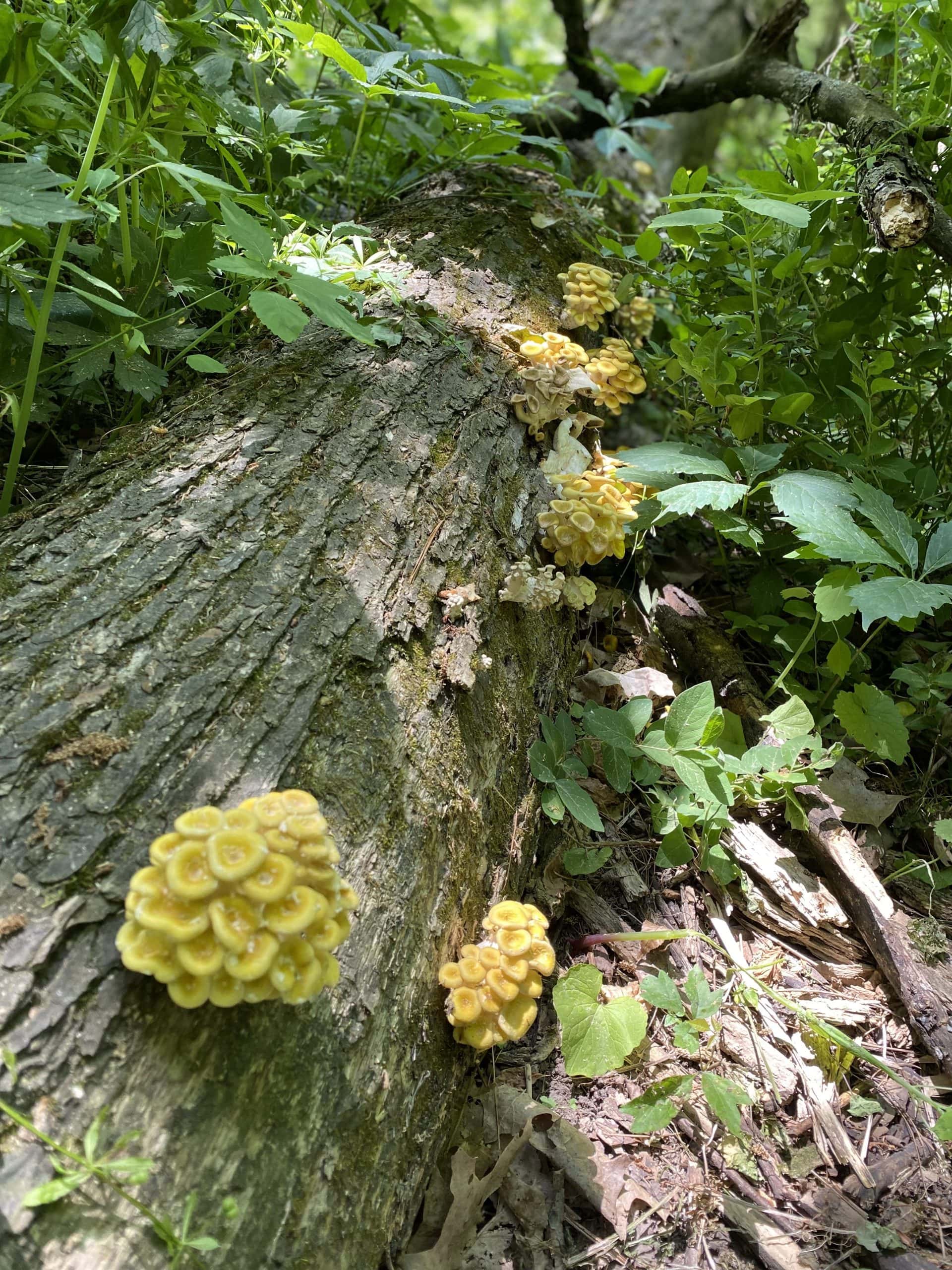
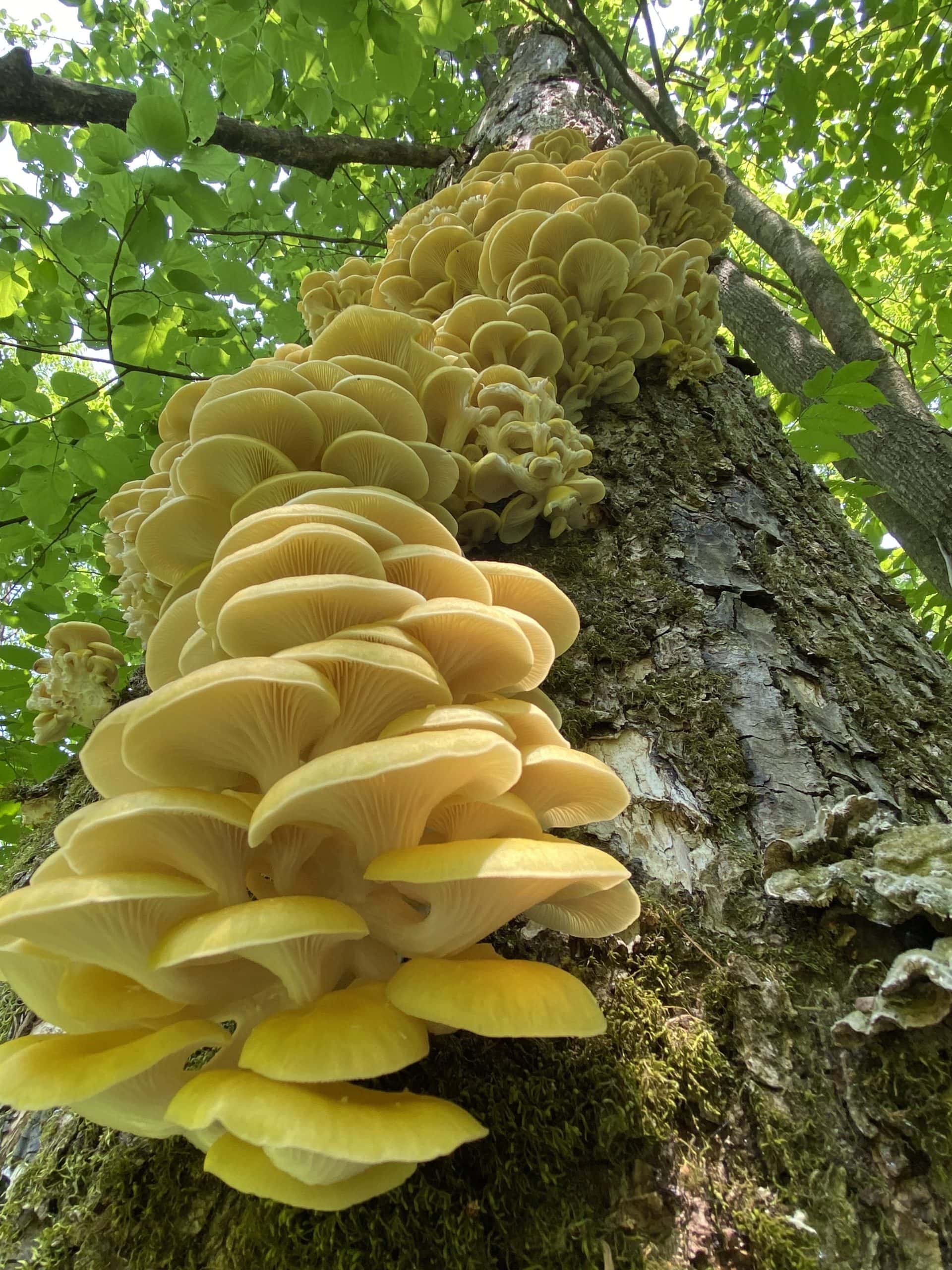
Mycologist Aishwarya Veerabahu regularly walks the forests near her home in Wisconsin, marvelling at the myriad shapes and colours of mushrooms, sometimes foraging for something to bring home and sauté in garlic and butter. It’s a landscape she knows well, but in the last few years, she’s been noticing a worrying and unfamiliar presence: vibrant yellow, tightly clustered invasive making itself at home. 

Known as golden oyster, it’s a ’shroom completely altering native fungi communities in North America.

“Golden oysters will grow in an order of magnitude more than any other mushroom that you’d see. If you come up on a log with golden oysters on it, there’s always a ton of them, multiple clusters,” Veerabahu said.

The popular mushrooms, often found on menus and supermarket shelves, are native to forests in Russia and Asia. They were first brought to North America in the early 2000s for cultivation, and took to the forests by 2010, expanding their numbers and range rapidly.

“There are some times where I’ve gone through a forest and teared up because I know that there are other mushrooms that were in that wood that aren’t there anymore,” Veerabahu said. “It can be a very sad thing when now it’s just dominated by this one species.”

A researcher at the University of Madison-Wisconsin, Veerabahu published a study last August that used data from citizen scientists to confirm the trend she’s been seeing locally. Golden oyster mushrooms — scientific name Pleurotus citrinopileatus— are quickly invading North America, including Ontario. 

And, scientists say, a booming home-growing trend may be accelerating their spread into forests and impacting biodiversity.

Golden oysters have been found in 25 states, “after escaping cultivation” of commercial growers and hobbyists. They’ve made their way to Ontario, where there have been more than 80 sightings logged on the iNaturalist app of the clusters growing out of dead hardwood in forests, provincial parks and even residential neighbourhoods. 

While most golden oysters in Canada are still concentrated closer to the border with the United States, the species has already travelled as far north as Magnetawan, Ont., near Parry Sound, and is increasingly established around Georgian Bay, on Lake Huron. The speed and distance of its spread has been surprising, Veerabahu said.

“It has thoroughly been unleashed and rapidly spread over the course of a short decade,” she said, adding that the mushrooms have more recently appeared in Quebec. “The best thing that we can do now is to try and prevent it from getting to new regions.” 

Provincial invasive species regulations don’t capture golden oyster mushrooms

Cassidy Mailloux is a guide at the Ojibway Prairie Complex in Windsor, Ont., who takes guests through the nature reserves year-round. She’s also working on a biodiversity study of the region’s native mushrooms as part of her master’s degree at the University of Windsor and has posted golden oyster sightings on iNaturalist, observations that helped inform Veerabahu’s study.

“We’ve only seen it in one of our parks out of the entire complex … and that’s one of our heavily foot-trafficked and most travelled parks,” she said, adding that this is a good sign that the invasion “hasn’t fully taken off yet.”

Still, she worries about the effect of invasive golden oysters on rarer species of fungi, such as the coral pink marulius, which is uncommonly reported but in large abundance in the Ojibway Prairie Complex. 

“I’m worried the golden oyster mushroom might take precedence,” Mailloux said, given golden oysters are an aggressive species that can grow quickly and prolifically in many kinds of wood and even sawdust — unlike some native species that require specific conditions to thrive. Both the city and her organization are still trying to figure out the best way to manage the invasive — and say visitors documenting sightings can inform this work. 

“Encouraging citizens to upload these observations can really help management and our ecosystem,” Mailloux said, “and just keeping a track on how bad it might be getting in the area.”

Despite the threat, the Government of Ontario has not added live oyster mushrooms to its prohibited or restricted invasive species lists, which would make it illegal to import, buy, sell — or sometimes even possess — an ecologically harmful strain.

Without this regulation, Veerabahu said, live cultures continue to be transported across borders. And, she said once golden oysters colonize an area, fewer other unique fungal species will be found there. The communities that do exist are also entirely changed. 

“Let’s say in an uncolonized dead tree, you had a nice, rich community of fungi A, B, C, D, E. Once golden oyster colonizes, now it’s golden oyster and fungi X, Y, Z,” Veerabahu said. 

This makes her concerned about a domino effect because fungal communities are primary wood decomposers of forests, playing an important role in cycling nutrients and storing carbon. “The identity of which species are able to coexist in that space is changing.” 

Monica Liedtke, terrestrial invasive plant coordinator for the Invasive Species Centre, in Sault St. Marie, Ont., agreed. She told The Narwhal via email that non-native invasive fungi can significantly disrupt Ontario’s ecosystems and environmental processes that have developed over thousands of years.

“When non-native invasive fungi establish, they can interfere with important symbiotic relationships between native fungi, trees and plants,” Liedtke told The Narwhal. Golden oysters can quicken the rate of wood decay, which then impacts the birds and bugs that use dead and dying trees for homes and food. “Over time, these disruptions can affect biodiversity across the entire ecosystem.”

Meanwhile, climate change is creating warmer conditions that will make Ontario even more hospitable to these mushrooms, allowing them to expand their range. Veerabahu and her team used a climate prediction model developed by NASA to predict what might happen in the next 15 years. The model predicted that the North American region climatically suitable for golden oyster mushrooms to grow would almost double. 

Grow-your-own mushroom kits threaten Ontario forests

Kyle McLoughlin, an arborist and supervisor of forest planning and health for the City of Burlington, said the reason he fears golden mushrooms is exactly why they’re popular among amateur growers.

“From an ecological perspective, they don’t have a niche. They can go anywhere. They’re very wide-ranging. They’re very comfortable in a lot of different types of wood and a lot of different environments,” McLoughlin said of golden oysters. “This is also why you can grow them so well.”

Kits with detailed growing instructions are readily available on the internet, with prices between $20 and $40. These are a “major source of their invasion,” McLoughlin said. 

“It’s literally being introduced into people’s homes and their properties through grow kits,” McLoughlin said. “We shouldn’t be selling people potential invasive species to bring into their homes.”

Still, grow kits remain widely sold with little public awareness of the risks. Consumers are often not warned when they buy a grow kit that tossing spent soil onto the compost pile, or leaving a kit outdoors, could unintentionally help an invasive spread.

There are some ways people can help slow the spread if they spot oyster mushrooms. If someone sees a log on their own property pop with golden oysters for the first time, it could be helpful to burn it, Veerabahu explained. People can also forage the mushrooms from forested areas, collecting them in closed containers to prevent spores from spreading.

The challenge is to muster enough public awareness and political will before things get out of control.

“It’s kind of like cockroaches. Once you start to see them, you know there’s a heck of a lot more in your walls,” McLoughlin said. “They are putting billions of spores into the air when they’re fruiting. And this is happening constantly.”

Some companies that have sold these kits around the world, like Far West Fungi, North Spore and MycoPunks have since discontinued some products due to concern. In a blog post titled “Yellow Oyster Disaster Zone,” MycoPunks wrote: “No shade intended on any other vendors who choose to keep selling golden oyster kits … we’ve all got our own different moral codes, but it’s not something we feel able to do in good conscience any more.”

But, given a lack of regulation in the province, it’s still easy to import kits from within Canada or around the world to grow in Ontario.

“Gardeners [and] hobby farmers should carefully consider the species they are cultivating. Choosing native species helps to reduce ecological risk,” Liedtke, from the Invasive Species Centre, said. Some kits sell species such as lion’s mane or chestnut mushrooms, which are both edible and native to Ontario. 

For those who are growing golden oysters, the Invasive Species Centre advises that used grow kits should be sealed in a garbage bag and left in the sun for several days to a week; this process, called solarization, helps kill remaining spores and fungal material. Then, the bag should be disposed of in municipal waste — not compost. 

“Neither the producer nor the consumer wants to be part of that spread,” Veerabahu said. “The mushroom grow kits are a huge point of concern. They’re essentially a live culture that can be transported anywhere, but they’re not being regulated and I’ll never blame hobby mushroom growers for that.”

The post Spore loser: the DIY mushroom-growing trend invading Ontario forests appeared first on Great Lakes Now.

Original Article

Great Lakes Now

Great Lakes Now

https://www.greatlakesnow.org/2026/03/31/the-diy-mushroom-growing-trend-invading-ontario-forests/

The Narwhal

Easy summer foraging adventures the whole family will remember

This is a part of “A Year in the Wild Kitchen of the Great Lakes,” a series in partnership with expert forager Lisa M. Rose, with the mission of nurturing a deeper connection with the natural world through foraging. To get started with your foraging journey, begin here with our “Framework to Sustainable and Safe Practices.” 

As Michigan’s fields burst into berry-laden glory, summer invites us to celebrate nature’s sweet, sun-ripened gifts.

Read Now at Great Lakes Now.

Original Article

Great Lakes Now

Great Lakes Now

https://www.greatlakesnow.org/2025/06/easy-summer-foraging-adventures-the-whole-family-will-remember/

Lisa M. Rose

How community gardens serve as ‘third places’ for Detroiters

Toward the end of 2023, I was newly unemployed and living by myself for the first time. 

In between jobs, searching for employment and a means of fulfillment and community, I began to reflect on how my mom got into gardening. In the dead of winter, memories of childhood summers spent pulling weeds, tilling soil and fleeing the occasional garter snake alongside her began to color my mind. 

Read Now at Great Lakes Now.

Original Article

Great Lakes Now

Great Lakes Now

https://www.greatlakesnow.org/2025/04/community-gardens-third-places-for-detroiters/

Ethan Bakuli

Groups fight to preserve future of Michigan’s indigenous wild rice

By Jena Brooker, BridgeDetroit

This article was republished here with permission from BridgeDetroit.

An origin story, a teacher of life, a relative, and a source of crucial nutrition, manoomin now has a new protector.

Once covering much of Michigan’s inland lakes and streams, the wild rice (also known as mnoomin or mnomen) is indigenous to the Great Lakes region but has largely disappeared due to colonization, environmental degradation, and climate change.

Read Now at Great Lakes Now.

Original Article

Great Lakes Now

Great Lakes Now

https://www.greatlakesnow.org/2025/04/groups-fight-to-preserve-future-of-michigans-indigenous-wild-rice/

BridgeDetroit

Putting passion to pages: Minnesota authors release second guide to state wildflowers

This article was republished here with permission from Great Lakes Echo.

By Shealyn Paulis, Great Lakes Echo

Within Minnesota’s wetlands, forests and prairies, thousands of different species of wildflowers bloom annually – some only once and in the evening. In their second book, two Minnesotan women put their passions to paper and set out to uncover all the state flora has to offer.

Read Now at Great Lakes Now.

Original Article

Great Lakes Now

Great Lakes Now

https://www.greatlakesnow.org/2025/03/putting-passion-to-pages-minnesota-authors-release-second-guide-to-state-wildflowers/

Great Lakes Echo

Tapping Into Tradition: It’s Maple Syrup Season

This is a part of “A Year in the Wild Kitchen of the Great Lakes,” a series in partnership with expert forager Lisa M. Rose, with the mission of nurturing a deeper connection with the natural world through foraging. To get started with your foraging journey, begin here with our “Framework to Sustainable and Safe Practices.”

In the Great Lakes, the maple syrup harvest season begins when daytime temperatures rise above freezing while nights remain cold — typically from mid to late February for much of the region, and a bit later further north.

Read Now at Great Lakes Now.

Original Article

Great Lakes Now

Great Lakes Now

https://www.greatlakesnow.org/2025/03/tapping-into-tradition-its-maple-syrup-season/

Lisa M. Rose

US Forest Service firings decimate already understaffed agency: ‘It’s catastrophic’

By Katie Myers, Juanpablo Ramirez-Franco, & Izzy Ross

This coverage is made possible through a partnership between GristBPR, a public radio station serving western North Carolina, WBEZ, a public radio station serving the Chicago metropolitan region, and Interlochen Public Radio in Northern Michigan.

Read Now at Great Lakes Now.

Original Article

Great Lakes Now

Great Lakes Now

https://www.greatlakesnow.org/2025/02/us-forest-service-firings-decimate-already-understaffed-agency-its-catastrophic/

Grist

Are the ash trees doomed?

The emerald ash borer (EAB) has devastated ash trees across North America. But researchers in Ohio discovered something unexpected — some ash trees are surviving. These ‘lingering ash’ not only resist EAB but can even kill its larvae.

Scientists suspected genetic resistance and tested their theory by cloning and crossbreeding surviving trees.

Read Now at Great Lakes Now.

Original Article

Great Lakes Now

Great Lakes Now

https://www.greatlakesnow.org/2025/02/are-the-ash-trees-doomed/

Great Lakes Now

Trump firings hit Great Lakes sea lamprey program, Michigan forestry workers

By Kelly House, Bridge Michigan

The Great Lakes News Collaborative includes Bridge Michigan; Circle of Blue; Great Lakes Now at Detroit PBS; Michigan Public, Michigan’s NPR News Leader; and The Narwhal who work together to bring audiences news and information about the impact of climate change, pollution, and aging infrastructure on the Great Lakes and drinking water.

Read Now at Great Lakes Now.

Original Article

Great Lakes Now

Great Lakes Now

https://www.greatlakesnow.org/2025/02/trump-firings-hit-great-lakes-sea-lamprey-program-michigan-forestry/

Bridge Michigan

Trump firings hit Great Lakes sea lamprey program, Michigan forestry workers

By Kelly House, Bridge Michigan

The Great Lakes News Collaborative includes Bridge Michigan; Circle of Blue; Great Lakes Now at Detroit PBS; Michigan Public, Michigan’s NPR News Leader; and The Narwhal who work together to bring audiences news and information about the impact of climate change, pollution, and aging infrastructure on the Great Lakes and drinking water.

Read Now at Great Lakes Now.

Original Article

Great Lakes Now

Great Lakes Now

https://www.greatlakesnow.org/2025/02/trump-firings-hit-great-lakes-sea-lamprey-program-michigan-forestry/

Bridge Michigan

Toledo’s community art highlights importance of native plants for safe drinking water

This article was republished here with permission from Great Lakes Echo.

By Clara Lincolnhol, Great Lakes Echo

Toledo, Ohio, has a rich Rust Belt history that influences its present-day culture. Local environmental groups and agencies are turning to public art to teach residents that the area’s natural history is just as important.

Read Now at Great Lakes Now.

Original Article

Great Lakes Now

Great Lakes Now

https://www.greatlakesnow.org/2025/02/toledos-community-art-highlights-importance-of-native-plants-for-safe-drinking-water/

Great Lakes Echo

Neighbors worry development would raze urban forest

By Enrique Saenz, Mirror Indy

Mirror Indy is a part of Free Press Indiana, a nonprofit news organization dedicated to ensuring all Hoosiers have access to the news and information they need.

When Ellen Morley Matthews bought her home on Knollton Road about 40 years ago, she was struck by the beauty of its surroundings.

Read Now at Great Lakes Now.

Original Article

Great Lakes Now

Great Lakes Now

https://www.greatlakesnow.org/2025/02/neighbors-worry-development-would-raze-urban-forest/

Mirror Indy

Great Lakes Moment: Connecting people to nature through The Great Lakes Way

A recent Community Foundation for Southeast Michigan report documents substantial progress in creating The Great Lakes Way — an interconnected set of greenways and water trails stretching from Port Huron, Michigan on southern Lake Huron to Toledo, Ohio on western Lake Erie.

In 2000, the Community Foundation polled metropolitan Detroit communities about obstacles to building greenways.

Read Now at Great Lakes Now.

Original Article

Great Lakes Now

Great Lakes Now

https://www.greatlakesnow.org/2025/01/great-lakes-moment-connecting-people-to-nature-through-the-great-lakes-way/

John Hartig

Winter Wellness Pantry: Elderberry Elixir

Part of “A Year in the Wild Kitchen of the Great Lakes,” a series in partnership with expert forager Lisa M. Rose, with the mission of nurturing a deeper connection with the natural world through foraging. To get started with your foraging journey, begin here with our “Framework to Sustainable and Safe Practices” and check out Part 1 of “Winter Wellness Pantry” for tips and tricks to stay healthy this winter with wild herbs of the Great Lakes. 

Read Now at Great Lakes Now.

Original Article

Great Lakes Now

Great Lakes Now

https://www.greatlakesnow.org/2025/01/winter-wellness-pantry-elderberry-elixir/

Lisa M. Rose

5 Reasons to Build a Backyard Frog Pond

Great Lakes Now recently sat down with Margot Fass of the non-profit group, A Frog House. Located in Pittsfield, New York on the banks of the Erie Canal and on the edge of the Lake Ontario sub-basin. A Frog House helps to encourage ecological education, local advocacy and collaboration around clean water and thriving wetlands.

Read Now at Great Lakes Now.

Original Article

Great Lakes Now

Great Lakes Now

https://www.greatlakesnow.org/2024/11/5-reasons-to-build-a-backyard-frog-pond/

Lisa John Rogers, Great Lakes Now

Winter Wellness Pantry

This story is a part of “A Year in the Wild Kitchen of the Great Lakes,” a series in partnership with expert forager Lisa M. Rose, with the mission of nurturing a deeper connection with the natural world through foraging. To get started with your foraging journey, begin here with our “Framework to Sustainable and Safe Practices.”

As winter sets in, it’s the perfect time to reflect on your year of foraging, plan for the coming seasons, and ensure your pantry is stocked and your health fortified.

Read Now at Great Lakes Now.

Original Article

Great Lakes Now

Great Lakes Now

https://www.greatlakesnow.org/2024/11/winter-wellness-pantry/

Lisa M. Rose

Smashing pumpkins in Traverse City to reduce trash

By Izzy Ross, Interlochen Public Radio

This coverage is made possible through a partnership with IPR and Grist, a nonprofit independent media organization dedicated to telling stories of climate solutions and a just future.

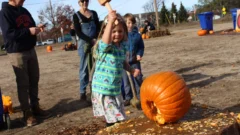
Nine-year-old Gunner Vistisen was wearing goggles, a wooden mallet in hand, standing near a blue tarp lined with pumpkins on a lot in Traverse City.

Read Now at Great Lakes Now.

Original Article

Great Lakes Now

Great Lakes Now

https://www.greatlakesnow.org/2024/11/smashing-pumpkins-in-traverse-city-to-reduce-trash/

Interlochen Public Radio

A Foraged Great Lakes Woodland Chai Tea

This story is a part of “A Year in the Wild Kitchen of the Great Lakes,” a series in partnership with expert forager Lisa M. Rose, with the mission of nurturing a deeper connection with the natural world through foraging. To get started with your foraging journey, begin here with our “Framework to Sustainable and Safe Practices.”

As the season shifts and the air chills, I find myself drawn to the warmth and sustenance that the wild foods of fall offer — from roots to mushrooms to nuts to herbs — and take great satisfaction in concocting nourishing recipes for my family and friends.

Read Now at Great Lakes Now.

Original Article

Great Lakes Now

Great Lakes Now

https://www.greatlakesnow.org/2024/10/a-foraged-great-lakes-woodland-chai-tea/

Lisa M. Rose

Environmental groups and industry at odds over plan to conserve old-growth forests

By Danielle Kaeding, Wisconsin Public Radio

This article was republished here with permission from Wisconsin Public Radio.

Some Wisconsin groups are urging the Biden administration to do more to protect mature and old-growth forests under its proposal to conserve those trees as logging interests are pushing back against changes.

Read Now at Great Lakes Now.

Original Article

Great Lakes Now

Great Lakes Now

https://www.greatlakesnow.org/2024/10/environmental-groups-and-industry-at-odds-over-plan-to-conserve-old-growth-forests/

Wisconsin Public Radio

Nibi Chronicles: The Gift of Manoomin

“Nibi Chronicles,” a monthly Great Lakes Now feature, is written by Staci Lola Drouillard. A Grand Portage Ojibwe direct descendant, she lives in Grand Marais on Minnesota’s North Shore of Lake Superior. Her nonfiction books “Walking the Old Road: A People’s History of Chippewa City and the Grand Marais Anishinaabe” and “Seven Aunts” were published 2019 and 2022, and the children’s story “A Family Tree” in 2024.

Read Now at Great Lakes Now.

Original Article

Great Lakes Now

Great Lakes Now

https://www.greatlakesnow.org/2024/09/nibi-chronicles-the-gift-of-manoomin/

Staci Lola Drouillard

Points North: The Last to Leave

By Daniel Wanschura

Points North is a biweekly podcast about the land, water and inhabitants of the Great Lakes.

This episode was shared here with permission from Interlochen Public Radio.

Kathleen Knight was doing some research in a forest in Ohio.

Read Now at Great Lakes Now.

Original Article

Great Lakes Now

Great Lakes Now

https://www.greatlakesnow.org/2024/09/points-north-the-last-to-leave/

Interlochen Public Radio

Points North: A Natural Ending

By Ellie Katz, Interlochen Public Radio

Points North is a biweekly podcast about the land, water and inhabitants of the Great Lakes.

This episode was shared here with permission from Interlochen Public Radio. 

Peter Quakenbush’s big dream in life is a little different.

Read Now at Great Lakes Now.

Original Article

Great Lakes Now

Great Lakes Now

https://www.greatlakesnow.org/2024/09/points-north-a-natural-ending/

Interlochen Public Radio

Advocates urge Hogsett to save Indy’s at-risk urban forests

By Peter Blanchard, Mirror Indy

Mirror Indy is a part of Free Press Indiana, a nonprofit news organization dedicated to ensuring all Hoosiers have access to the news and information they need.

Despite concerns from environmentalists — and support from 23 city-county councilors — Mayor Joe Hogsett is so far declining to allocate funds in the 2025 city budget to acquire urban forests for conservation.

Read Now at Great Lakes Now.

Original Article

Great Lakes Now

Great Lakes Now

https://www.greatlakesnow.org/2024/08/advocates-urge-hogsett-to-save-indys-at-risk-urban-forests/

Mirror Indy

Michigan joins federal program that collects native flora and champions restoration

By Elinor Epperson, Michigan Public

The Great Lakes News Collaborative includes Bridge Michigan; Circle of Blue; Great Lakes Now at Detroit Public Television; Michigan Public, Michigan’s NPR News Leader; and The Narwhal who work together to bring audiences news and information about the impact of climate change, pollution, and aging infrastructure on the Great Lakes and drinking water.

Read Now at Great Lakes Now.

Original Article

Great Lakes Now

Great Lakes Now

https://www.greatlakesnow.org/2024/08/michigan-joins-federal-program-that-collects-native-flora-and-champions-restoration/

Michigan Public

It’s OK to mow in May − the best way to help pollinators is by adding native plants

By Christina Grozinger and Harland Patch, Penn State

 is an independent and nonprofit source of news, analysis and commentary from academic experts.

It’s a simple idea: Stop mowing your lawn in the month of May to let flowers in the lawn, such as dandelions and clover, grow and support bees and other pollinators.

Read Now at Great Lakes Now.

Original Article

Great Lakes Now

Great Lakes Now

https://www.greatlakesnow.org/2024/05/the-best-way-to-help-pollinators-is-by-adding-native-plants/

The Conversation

‘No Mow May’ grows in Traverse City

By Izzy Ross, Interlochen Public Radio

This coverage is made possible through a partnership with IPR and Grist, a nonprofit independent media organization dedicated to telling stories of climate solutions and a just future.

Walking around Traverse City, it’s hard to miss the yard signs with a smiling cartoon bee proclaiming “No Mow May.”

The signs are part of a conservation initiative aimed at raising awareness of how lawn care can impact pollinators and plant life.

Read Now at Great Lakes Now.

Original Article

Great Lakes Now

Great Lakes Now

https://www.greatlakesnow.org/2024/05/no-mow-may-grows-in-traverse-city/

Interlochen Public Radio

Foraging’s Spring Backyard Splendor: Dandelions and Violets

This story is a part of “A Year in the Wild Kitchen of the Great Lakes,” a series in partnership with expert forager Lisa M. Rose with the mission of nurturing a deeper connection with the natural world through foraging.

As spring unfolds its vibrant hues, what better way to celebrate the season than by embracing the often overlooked splendor of dandelions and violets?

Read Now at Great Lakes Now.

Original Article

Great Lakes Now

Great Lakes Now

https://www.greatlakesnow.org/2024/05/foragings-spring-backyard-splendor-dandelions-and-violets/

Lisa M. Rose

A Fleeting Wild Taste of Spring Ephemerals: Ramps and Ostrich Fern

This story is a part of “A Year in the Wild Kitchen of the Great Lakes,” a series in partnership with expert forager Lisa M. Rose with the mission of nurturing a deeper connection with the natural world through foraging. 

The Importance of Ecological Awareness in Foraging

As we delve into the world of foraging, it’s crucial to cultivate an understanding of the ecosystems we interact with, especially when harvesting wild plants like ramps (wild leeks) and ostrich ferns.

Read Now at Great Lakes Now.

Original Article

Great Lakes Now

Great Lakes Now

https://www.greatlakesnow.org/2024/04/a-fleeting-wild-taste-of-spring-ephemerals-ramps-and-ostrich-fern/

Lisa M. Rose

Finding creative new ways to manage invasive cattails

Hot dog on a stick. Water torch. Supermarket of the swamp.

Cattails go by many names, but almost everyone can recognize the pervasive wetland plant  that grows along lakes, ponds, marshes, and swamps.

Their thin green stems and leaves can reach up to nearly ten feet in height.

Read Now at Great Lakes Now.

Original Article

Great Lakes Now

Great Lakes Now

https://www.greatlakesnow.org/2024/04/finding-creative-new-ways-to-manage-invasive-cattails/

Lily Stewart, Great Lakes Now

Your Foraging Journey: A Framework to Sustainable and Safe Practices

Foraging connects us with the natural world, offering a pathway to understand the land, its cycles, and the bountiful edible plants that grow wild around us. Whether you’re a novice eager to explore the greens outside your doorstep or an experienced forager looking to deepen your practice, this guide provides essential insights into starting your foraging journey, identifying plants, harvesting sustainably, and ensuring safety.

Read Now at Great Lakes Now.

Original Article

Great Lakes Now

Great Lakes Now

https://www.greatlakesnow.org/2024/04/your-foraging-journey-a-framework-to-sustainable-and-safe-practices/

Lisa M. Rose

Ghostly Grey Specters

An eerie sight is blossoming throughout coastal wetlands in Georgian Bay: ghostly grey specters lining the shores behind otherwise healthy-looking wetlands.

“Do you see these dead trees?” asked Patricia Chow-Fraser. The McMaster University biologist was addressing attendees of a lecture at The Water Institute at the University of Waterloo in early March.

Read Now at Great Lakes Now.

Original Article

Great Lakes Now

Great Lakes Now

https://www.greatlakesnow.org/2024/04/ghostly-grey-specters/

Andrew Reeves

The Northwoods is now a month into unusually early maple tapping season

By Katie Thoresen, WXPR

This story was originally published by WXPR. WXPR is a community-licensed public radio station serving north central Wisconsin and adjacent areas of Michigan’s Upper Peninsula. Listen to their stories here.

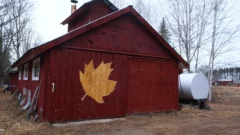
Bright blue tubes web between the trees that run to the little red pump house that sits in the woods on the edge of 10 acres full of maple trees at Whataview Farm in Phelps.

Read Now at Great Lakes Now.

Original Article

Great Lakes Now

Great Lakes Now

https://www.greatlakesnow.org/2024/03/the-northwoods-is-now-a-month-into-unusually-early-maple-tapping-season/

WXPR

Ottawa National Forest creates shaded fuel brakes to help protect communities from wildfires

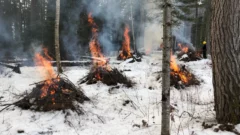
Driving through the Ottawa National Forest north of Land O’Lakes towards Dinner Lake you’ll see snow-covered piles stacked up every few feet in the woods along the road.

Many of the piles are wood debris and branches left over from logging operations on the Ottawa.

Some of the piles have been waiting there for two years as the Forest Service let them dry out.

Read Now at Great Lakes Now.

Original Article

Great Lakes Now

Great Lakes Now

https://www.greatlakesnow.org/2024/03/ottawa-national-forest-creates-shaded-fuel-brakes-to-help-protect-communities-from-wildfires/

WXPR

Restoring Ontario’s lost grasslands is as important as planting trees

By Emma McIntosh, The Narwhal

The Great Lakes News Collaborative includes Bridge Michigan; Circle of Blue; Great Lakes Now at Detroit Public Television; Michigan Public, Michigan’s NPR News Leader; and The Narwhal who work together to bring audiences news and information about the impact of climate change, pollution, and aging infrastructure on the Great Lakes and drinking water.

Read Now at Great Lakes Now.

Original Article

Great Lakes Now

Great Lakes Now

https://www.greatlakesnow.org/2024/01/restoring-ontarios-lost-grasslands-important-as-planting-trees/

The Narwhal

Biden administration moves to protect old-growth forests as climate change brings fires, pests

By Matthew Brown, Associated Press

BILLINGS, Mont. (AP) — The Biden administration moved on Tuesday to conserve groves of old-growth trees on national forests across the U.S. and limit logging as climate change amplifies the threats they face from wildfires, insects and disease.

Agriculture Secretary Tom Vilsack said the agency was adopting an “ecologically-driven” approach to older forests — an arena where timber industry interests have historically predominated.

Read Now at Great Lakes Now.

Original Article

Great Lakes Now

Great Lakes Now

https://www.greatlakesnow.org/2023/12/ap-biden-administration-moves-to-protect-old-growth-forests-as-climate-change-brings-fires-pests/

The Associated Press

Science Says What? Pitcher plants feast on salamanders, unveiling a brutal side of botanical carnivory

Science Says What? is a monthly column written by Great Lakes now contributor Sharon Oosthoek exploring what science can tell us about what’s happening beneath and above the waves of our beloved Great Lakes and their watershed.

In the summer of 2017, Teskey Baldwin, a student at Ontario’s University of Guelph, was studying whether pitcher plants near water capture more insects than those farther away.

Read Now at Great Lakes Now.

Original Article

Great Lakes Now

Great Lakes Now

https://www.greatlakesnow.org/2023/12/science-says-what-pitcher-plants-feast-on-salamanders-unveiling-a-brutal-side-of-botanical-carnivory/

Sharon Oosthoek

Points North: The plant musician

Points North is a biweekly podcast hosted by Daniel Wanschura and Morgan Springer about the land, water and inhabitants of the Upper Great Lakes.

This episode was shared here with permission from Interlochen Public Radio. 

Tom Wall is a West Michigan rock star who uses plants as bandmates.

Read Now at Great Lakes Now.

Original Article

Great Lakes Now

Great Lakes Now

https://www.greatlakesnow.org/2023/11/points-north-the-plant-musician/

Interlochen Public Radio

Survival of wild rice threatened by climate change, increased rainfall in northern Minnesota

By  Andrew Hazzard, Sahan Journal 

This piece is part of a collaboration that includes the Institute for Nonprofit News, Borderless, Ensia, Planet Detroit, Sahan Journal, and Wisconsin Watch, as well as the Guardian and Inside Climate News. The project was supported by the Joyce Foundation. 

ONAMIA, MINN.—Todd Moilanen paddles gently through wild rice beds on Ogechie Lake, trying not to disturb a loon sleeping on its back on a nest of reeds a few feet away.

Read Now at Great Lakes Now.

Original Article

Great Lakes Now

Great Lakes Now

https://www.greatlakesnow.org/2023/08/survival-wild-rice-threatened-climate-change-increased-rainfall-northern-minnesota/

Sahan Journal

Record air pollution, Canadian wildfires prompts state to change how it issues air quality alerts

This article was republished here with permission from Planet Detroit.

By Nina Ignaczak, Planet Detroit

As Michigan deals with periodic wildfire smoke drifting across its borders, the Michigan Department of Environment, Great Lakes and Energy has a new advisory protocol to inform the public about resulting poor air quality.

Read Now at Great Lakes Now.

Original Article

Great Lakes Now

Great Lakes Now

https://www.greatlakesnow.org/2023/07/record-air-pollution-canadian-wildfires-prompts-state-change-how-issues-air-quality-alerts/

Planet Detroit

Michigan air quality unhealthy again Monday because of Canadian wildfires

By Janelle D. James, Bridge Michigan

The Great Lakes News Collaborative includes Bridge Michigan; Circle of Blue; Great Lakes Now at Detroit Public Television; and Michigan Radio, Michigan’s NPR News Leader; who work together to bring audiences news and information about the impact of climate change, pollution, and aging infrastructure on the Great Lakes and drinking water.

Read Now at Great Lakes Now.

Original Article

Great Lakes Now

Great Lakes Now

https://www.greatlakesnow.org/2023/07/michigan-air-quality-unhealthy-again-monday-canadian-wildfires/

Bridge Michigan

Points North: Rekindling Wilderness

Points North is a biweekly podcast hosted by Daniel Wanschura and Morgan Springer about the land, water and inhabitants of the Upper Great Lakes.

This episode was shared here with permission from Interlochen Public Radio. 

The idea that wilderness is untouched by man is written into law, but it’s not so accurate.

Read Now at Great Lakes Now.

Original Article

Great Lakes Now

Great Lakes Now

https://www.greatlakesnow.org/2023/07/points-north-rekindling-wilderness/

Interlochen Public Radio

Watch out! Creepy kudzu coming?

This article was republished here with permission from Great Lakes Echo.

By Eric Freedman,  Great Lakes Echo

Picture decrepit plantations enveloped in aggressively spreading kudzu. Picture the remnants of abandoned outbuildings invisible under kudzu’s woody vines. Picture forests smothered and trees killed by blankets of kudzu.

Read Now at Great Lakes Now.

Original Article

Great Lakes Now

Great Lakes Now

https://www.greatlakesnow.org/2023/06/watch-out-creepy-kudzu-coming/

Great Lakes Echo

Michigan under statewide advisory as Canada wildfire smoke hits Midwest

By Irena Li, Bridge Michigan

The Great Lakes News Collaborative includes Bridge Michigan; Circle of Blue; Great Lakes Now at Detroit Public Television; and Michigan Radio, Michigan’s NPR News Leader; who work together to bring audiences news and information about the impact of climate change, pollution, and aging infrastructure on the Great Lakes and drinking water.

Read Now at Great Lakes Now.

Original Article

Great Lakes Now

Great Lakes Now

https://www.greatlakesnow.org/2023/06/michigan-under-statewide-advisory-as-canada-wildfire-smoke-hits-midwest/

Bridge Michigan

It isn’t arson: untangling climate misinformation around Canada’s raging wildfires

By Drew Anderson and Fatima Syed, The Narwhal

This story originally appeared in The Narwhal and is republished here as part of Covering Climate Now, a global journalism collaboration strengthening coverage of the climate story.

Space lasers. That’s the reason some people gave for the catastrophic burning of Lytton, B.C., in 2021 after a historic heat wave set a new temperature record in Canada, exacerbating a wildfire that essentially destroyed the town.

Read Now at Great Lakes Now.

Original Article

Great Lakes Now

Great Lakes Now

https://www.greatlakesnow.org/2023/06/it-isnt-arson-untangling-climate-misinformation-around-canadas-raging-wildfires/

The Narwhal

Nibi Chronicles: We are still here, and so is great grandma’s lilac

Editor’s Note: “Nibi Chronicles,” a monthly Great Lakes Now feature, is written by Staci Lola Drouillard. A direct descendant of the Grand Portage Band of Ojibwe, she lives and works in Grand Marais on Minnesota’s North Shore of Lake Superior. Her two books “Walking the Old Road: A People’s History of Chippewa City and the Grand Marais Anishinaabe” and “Seven Aunts” were published 2019 and 2022, and she is at work on a children’s story.

Read Now at Great Lakes Now.

Original Article

Great Lakes Now

Great Lakes Now

https://www.greatlakesnow.org/2023/06/nibi-chronicles-we-are-still-here-great-grandmas-lilac/

Staci Lola Drouillard

Landmark Great Lakes coastal wetland program continues restoration drive that began in 2010

It was 2010 when after a decade of lobbying by Great Lakes advocates, federal funding in the U.S. to restore the Great Lakes began to flow to the tune of $475 million.  

Beneath the radar in that first year, Central Michigan University received $10 million to lead a team of regional scientists who would study coastal wetlands that had been severely degraded over time.

Read Now at Great Lakes Now.

Original Article

Great Lakes Now

Great Lakes Now

https://www.greatlakesnow.org/2023/06/landmark-great-lakes-coastal-wetland-program-continues-restoration-drive-that-began-in-2010/

Gary Wilson