This article was republished here with permission from Great Lakes Echo.

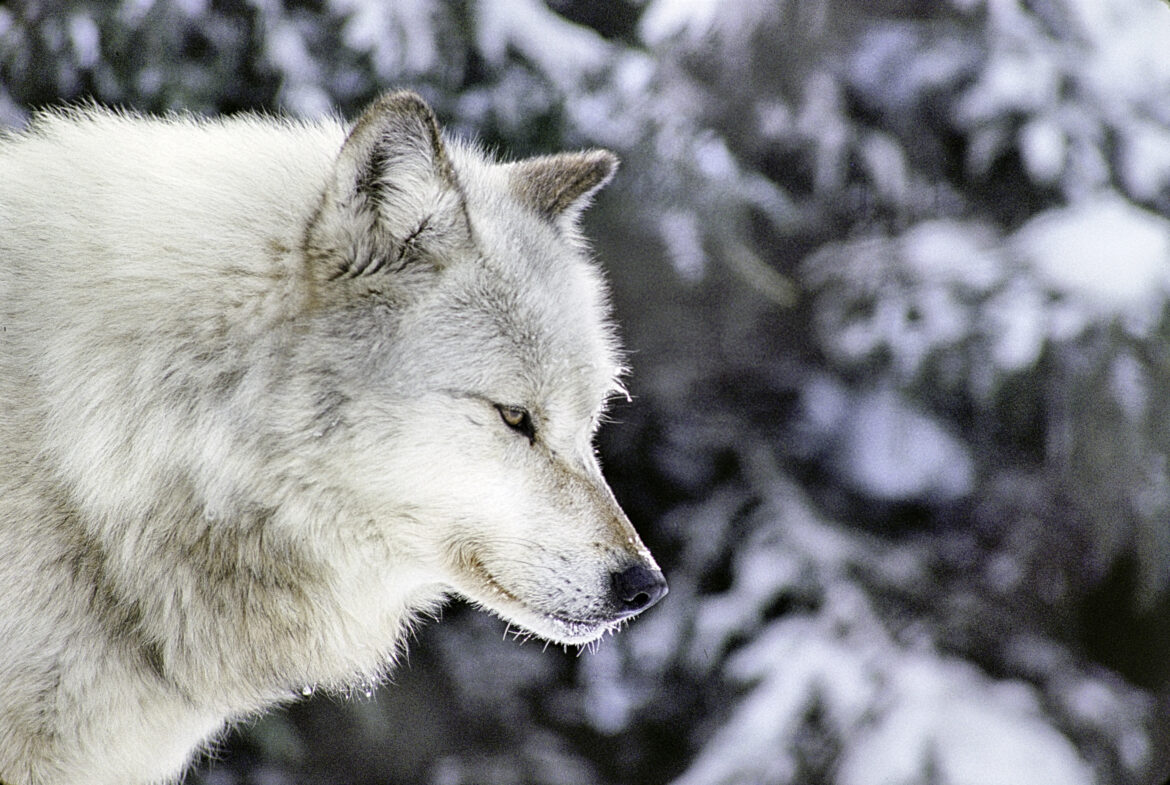
By Sonja Krohn, Great Lakes EchoGray wolf. Credit: Department of Natural Resources


Even though the grey wolf is classified as an endangered species, a new study found that the majority of Michigan’s recorded wolf deaths are caused by humans.

Researchers from Michigan State University and their collaborators used GPS collar and mortality data from 608 wolves in Minnesota, Wisconsin and Michigan between 2010 and 2023 to assess their specific cause of death.

The study found that humans caused 65% of them.

In addition to categories like vehicle collisions (10%) and legal kills (14%), illegal kills represented 38% of cases, making it the leading cause of wolf deaths.

Apart from legal kills, which included depredation control and legal hunting, illegal kills included confirmed and suspected poaching through poisoning, shootings and accidental trapping.

“Despite changes in legislation and public attitudes towards large predators, human-caused mortality continues to impact survival and conservation of carnivore species,” the study said.

According to the Michigan Department of Natural Resources, wolves are native to the state, and research suggests that they were once present in all of its counties.

“Wolves were first added to the federal endangered species list in 1974 after being [wiped out] from the Lower Peninsula by the 1930s and nearly disappearing from the Upper Peninsula by 1960,” the department says on its website.

But since then, there has been a back-and-forth approach. Federal protections for wolves were lifted and reinstated on several occasions through political action and court rulings.

Most recently, a 2022 federal court ruling reinstated gray wolves onto the federal list of threatened and endangered species in the contiguous 48 states.

Based on that classification, “they can only be killed if they are a direct and immediate threat to human life,” the department says.

According to the recent study in the journal Global Ecology and Conservation, illegal kills as a leading cause of death have “the potential to influence population dynamics, affecting population growth and recolonization potential.”

Rolf Peterson, a research professor at Michigan Technological University, said the results are consistent with smaller-scale studies. 

Deer are the primary food source of wolves, and illegal kills – especially during deer-hunting season – dominate the population dynamics of wolves in the upper Midwest, he said.

“Yet wolf populations have persisted in what I would characterize as an uneasy peace,” Peterson said, adding that the coexistence of wolves and people in the U.P. – where wolves live – has required adjustments for both species.

At this point, Brian Roell, a DNR wildlife biologist, said illegal takes don’t appear to be harming Michigan’s population, as wolves can survive fairly high death rates.

“The important thing to point back to is that our population has been stable – it’s not decreasing,” he said.

According to Roell, Michigan’s wolf population has been stable since 2011. The department’s last population estimate in 2024 counted 768 wolves. In Michigan, they “have saturated their suitable habitat,” he said.

While the DNR is currently wrapping up a 2026 population estimate, he said, “I fully expect we’re going to be statistically stable again” based on preliminary data.


The post Michigan’s main cause of wolf mortality? People appeared first on Great Lakes Now.

Original Article

Great Lakes Now

Great Lakes Now

https://www.greatlakesnow.org/2026/04/24/michigans-main-cause-of-wolf-mortality-people/

Great Lakes Echo

This Earth Day, Detroit PBS programming is focusing on turning land back into something wild. Better known as “rewilding,” a large-scale conservation effort that usually involves reintroducing keystone plant or animal species to reestablish the health of a local ecosystem. 

In the Great Lakes region, Illinois recently made history by being the first state in the nation to make rewilding part of its official strategy. As of January 1, 2026, the “Illinois Rewilding Law” is now in effect. According to the Chicago Tribune, the law empowers the Illinois Department of Natural Resources to go after projects that restore land to its natural state.

“The law could encompass the reintroduction of keystone species that improve ecosystems, like beavers and bison. But officials and environmentalists say closing the federal gaps in wetland protection is their focus right now,” wrote Christiana Freitag at the Chicago Tribune

After the Supreme Court case Sackett v. EPA rolled back federal wetland protections, Illinois became especially vulnerable considering it already lost 90% of its swamps. Chicago was built on wetlands, which are important when considering water quality and flood prevention — this is especially significant, as Chicago has dealt with severe flooding

An international effort

British author and conservationist Isabella Tree joins our Detroit PBS colleagues to discuss her non-fiction book “Wilding: Returning Nature to Our Farm.” On April 29, be sure to check out their live event with PBS Books Readers Club, from 8 to 9 p.m. ET. 

Tree’s book details her process of rewilding her 3,500 acre estate in Sussex, England. After visiting an arborculturist to save their oak trees, Tree and her husband were inspired to change everything they were doing with their land. After it was depleted by centuries of farming, they transformed it into a healthy haven for the littlest bugs and grazing animals, all by planting native flora and fauna. 

“I think the only answer to eco anxiety is to get your hands dirty and do something,” said Tree. “And the joy that can come from even transforming a window box… so that you’re now attracting night flying moths and hoverflies and all the forgotten pollinators, you’re making a difference. And that feels just so fantastic.”

Be sure to also check out the upcoming documentary, Wilding (inspired by the book) that premieres on PBS, on April 22. 

What you can do

For those who would like to feel more involved in helping our ecosystem, Doug Tallamy wants private property owners to know they have a role in the conservation movement. Tallamy calls this the Homegrown National Park movement. 

“Most people have too much lawn,” said Tallamy. 

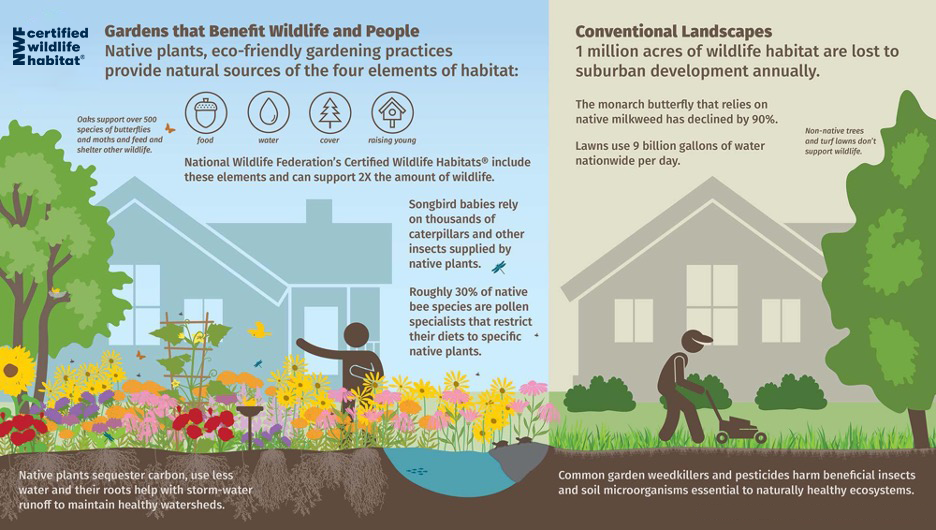
According to the author, entomologist, biologist and conservationist we have 44 million acres of lawn in this country. When there’s a storm event, most of those pesticides, fertilizers and herbicides run off into the watershed. He said, if we’re going to put plants in our yards, why not use ones that do everything we need to conserve and protect our environment? Native plant alternatives to grass help guard our watershed, help the food web, support pollinators and are often better at sequestering carbon.

(Credit: National Wildlife Federation)

 “The point is, what you’re doing is creating connectivity,” said Tallamy. “If you and a bunch of other people do it, then outside of the parks and preserves it’s not no man’s land, there is some habitat.”

For more information, watch Great Lakes Now’s latest interview: 

The post Rewilding, a new way to heal the land this Earth Day appeared first on Great Lakes Now.

Original Article

Great Lakes Now

Great Lakes Now

https://www.greatlakesnow.org/2026/04/22/rewilding-a-new-way-to-heal-the-land-this-earth-day/

Lisa John Rogers, Great Lakes Now

By Héctor Alejandro Arzate

This story was originally published by Grist. Sign up for Grist’s weekly newsletter here.


As a row crop farmer in St. Joseph, Missouri, Joe Lau said he’s noticing more extreme weather these days. 

Warmer seasons throughout the year. Quarter-inch predictions of rain stamped out by storms that bring 3 inches. Increased pressure from pests on his corn. He’s also noticed that spring is coming earlier. 

The USA National Phenology Network shows that this year spring arrived three to five weeks earlier than the average between 1991 to 2020 in much of the central U.S. and two to three weeks earlier in southern Midwest states. 

“I have allergies bad,” said Lau, who also grows soybeans. “And this year in particular, it’s hit me hard. It’s wild that we are talking about allergy issues in winter, but that’s technically the reality of it.”

Last month, Climate Central, a nonprofit specializing in communicating climate science, published an analysis that found that spring is trending to an earlier arrival from 1981 to 2025 in most of the United States.

On average, leaves now emerge six days earlier than they did in 1981 in 88 percent, or 212 out of 242, of major U.S. cities. For example, in Lau’s city of St. Joseph, Missouri, the spring leaves tend to arrive two days earlier. 

An earlier spring could have consequences for the agriculture industry, ecology, and more.

Where are spring leaves arriving earlier?

Climate Central used open-access data that was collected by the USA National Phenology Network, a group of volunteers and researchers who study seasonal events — like when migratory birds arrive, leaves emerge, and fruit ripens —  among plants and animals to determine ecosystem health. 

The analysis is based on the NPN’s first leaf index maps, which use models to predict the start of spring. To work, the models are fed data like temperature and the start date of the annual “leaf-out” — when leaves first emerge —  for the early spring plants of lilacs and honeysuckle, which are found throughout the U.S.

“That very leading edge of spring is drifting earlier and has drifted, in some cases, a whole lot earlier in just that last few decades,” said Theresa Crimmins, the NPN’s director, in a briefing last month.

Climate Central’s analysis found that many Mississippi River basin cities are seeing earlier spring, including Hazard, Kentucky, which is seeing leaves arrive 11 days earlier. Both Memphis, Tennessee, and St. Louis, Missouri, are leafing out seven days earlier. New Orleans, Louisiana, is two days earlier.

While most of the lower 48 states are experiencing an earlier spring, the report did find an exception in the Northern Rockies and Plains region. There, spring temperatures have either cooled or warmed “relatively slowly” since 1970, according to the report.

Kaitlyn Trudeau, a climatologist with Climate Central, said the differences in how much earlier spring is coming from place to place are likely due to what she calls “climate controls” — such as latitude, elevation, wind patterns, proximity to bodies of water, ocean currents, and topography. 

“All of those different factors really dictate what your local climate is like generally,” Trudeau said.

What does early spring mean for agriculture and more?

The early arrival of spring can have widespread impacts, said Trudeau. People with seasonal allergies, like Lau, will be exposed to more pollen because plants get more time to produce and release it.

Warmer temperatures can also cause birds to migrate too soon. One of the busiest migratory routes, or flyways, in North America moves along the Mississippi River. Each year, about half of all migratory bird species on the continent follow it to get from as far north as Canada to Central and South America, and then back.

When birds migrate too soon, said Trudeau, they miss out on the peak abundance of food. They can fall out of sync with insects or the flowers they pollinate, which can affect other species, too.

“That can cause this ecological mismatch,” Trudeau said.

Earlier springs can also put the agriculture industry at financial risk, she said. Whether it’s corn, soybeans, or specialty fruits, these crops can get hit with a hard freeze following an early leaf-out — also known as a false spring. It could lead to major economic damage in the agriculture industry, said Trudeau.

In 2017, a hard freeze in the southeastern U.S. destroyed fruit crops like peaches, pears, blueberries, strawberries, and even grass for livestock. It led to more than $1 billion dollars in losses for the agriculture industry, according to a report from NOAA.

“We are so dependent upon what happens in the natural environment,” Trudeau said. “And so when things start to shift and change, it’s also going to cause pretty widespread impacts for our lives.”

Growers of specialty crops — such as apricot trees or iris flowers — will be particularly vulnerable. Row crop farmers, like Lau, have more technology to aid them. He said seed treatments have allowed soybean farmers to plant earlier and grow longer, increasing their production. 

So the effects of an earlier spring have been “minimal” for him.

“From purely a row-crop production standpoint, the springs have been very favorable for us,” said Lau.

One thing that does have him worried is the bug activity out in his fields — they’ve been plentiful with the warmer weather. 

“I raise all non-GMO corn and so I don’t have the insect traits bred into the corn genetically modified, and so that does concern me that we’re kind of relying on what nature hands us,” Lau said. 

While farmers and communities are doing their part to innovate and adapt to continue producing, Trudeau said addressing the root of climate change is the most urgent need.

“There is no substitute for dramatically reducing our carbon pollution,” she said.

This story is a product of the Mississippi River Basin Ag & Water Desk, an independent reporting network based at the University of Missouri in partnership with Report for America, with major funding from the Walton Family Foundation.

The post Climate experts say spring is coming earlier. How will that affect agriculture and ecosystems? appeared first on Great Lakes Now.

Original Article

Great Lakes Now

Great Lakes Now

https://www.greatlakesnow.org/2026/04/16/climate-experts-say-spring-is-coming-earlier-how-will-that-affect-agriculture-ecosystems/

Grist

This article was republished here with permission from Great Lakes Echo.

By Addie Tussing, Great Lakes Echo


Every year, thousands of hopeful hunters apply for one of only 260 licenses to hunt elk in Michigan. 

The state Department of Natural Resources (DNR) received a record-breaking 47,493 applicants in 2025. 

“It’s a chance for folks in Michigan who are used to some similar hunting experiences, but with the added uniqueness and challenges of pursuing a different animal,” said Brent Rudolph, the deer, moose and elk specialist with the DNR. 

Michigan’s original native elk disappeared in 1875 due to overhunting and habitat loss. They were reintroduced in 1918, and populations have since stabilized, according to Rudolph. 

“We are working on viewing the uniqueness that they bring to the communities where they’re around, and then balance the efforts to manage their population to minimize potential conflicts,” he said.

In 2025, Michigan hunters shot 153 elk. The DNR estimates Michigan’s elk population to be around 1,100 animals.

Every year, the National Resources Commission works alongside the DNR to create quotas to control the number of elk that can be taken. 

“Our five-year average has been around a 72% success rate in fulfilling those quotas,” said Rudolph, while “the 2025 success rate was 64%.”

Brent Henige of New Lothrop shot this-559 pound bull on Dec.13, 2025.

Licenses are awarded to applicants through a random drawing. Once selected, they receive specific information on the hunting period and type of license they have received. 

“Some receive licenses that are ‘any elk,’ which mean they can pursue bulls, which is often the preferred target because they are antlered animals,” said Rudolph. 

Some, however, receive licenses for antlerless-only elk to control the number of females in the population.

There are two hunting periods: The first consists of three independent sessions throughout August and September, and the second from Dec. 13-21. The second period poses challenges to some hunters because of unpredictable weather conditions and proximity to the holiday season. 

When selected, “you will have an opportunity to hunt in one of two core elk range units” said Rudolph. 

Hunters are restricted to the land of the Pigeon River Country State Forest and what is referred to as the “Elk management Unit X” land, both in the Northern Lower Peninsula near Gaylord. 

As the 2025 hunt came to a close, the DNR drafted an alternative to its current Elk Conservation and Management Plan

The proposal aims to lengthen both the first and second hunt periods, and most notably, consolidate the first hunt into one continuous period. 

“We are aiming to make it more convenient for hunters having a more contiguous period so they could choose when they’re able to participate,” says Rudolph, who said that the change will give hunters who aren’t local more leeway, increasing the success rate of the first hunt. 

According to the DNR, the proposed first period would be 30 days from September to the beginning of October, and the second period would run from Dec. 1st to the 15th. 

They intend to shift the first hunt to begin at later dates to avoid hot weather which is both uncomfortable to hunt in and leads to more elk meat spoiling. 

The new dates for the second hunt would be more accessible to hunters who celebrate holidays towards the end of December. 

Michigan residents were given the opportunity for public comment on the proposed regulations. 

Seventy-three residents emailed their thoughts to the DNR before the Jan. 23 cutoff. Rudolph said 63% supported the change and about 27, or 37%, were opposed to some aspect.

While a majority supported the proposed regulations, many were concerned that the new timeline would overlap with the days to hunt bears. 

“Some hunters can pursue bear[s] with dogs, and hounds moving through could make hunters anxious or could just lead to some conflicts,” said Rudolph. 

Chad Sides, who chairs the Michigan Elk Country Association, a conservation organization based in Gaylord, is weighing the benefits of the proposition. 

“It could be beneficial if implemented properly,” Sides said. “It may provide a better experience for the hunters and have a better hunt.” 

On the other hand, Sides said he is apprehensive about the elk population going forward. “I hope that the state realizes that our herd is significantly down from years past.”

A more successful hunt could decrease the population at a more rapid rate, Sides said. 

The regulations will be finalized during the Natural Resources Commission’s April meeting. 

Before then, Rudolph and the DNR will try to reduce conflict with the bear hunting season. “We will be making some adjustments to the proposed dates and lengths to still reach the original objectives.”

Rudolph said the elk hunt is a vital and unique resource in Michigan.

“We’re happy to be able to take input on how we can try and best accommodate some of the diverse opinions people have,” he said.

The post Michigan mulls changes in elk hunt regulations appeared first on Great Lakes Now.

Original Article

Great Lakes Now

Great Lakes Now

https://www.greatlakesnow.org/2026/04/10/michigan-mulls-changes-in-elk-hunt-regulations/

Great Lakes Echo

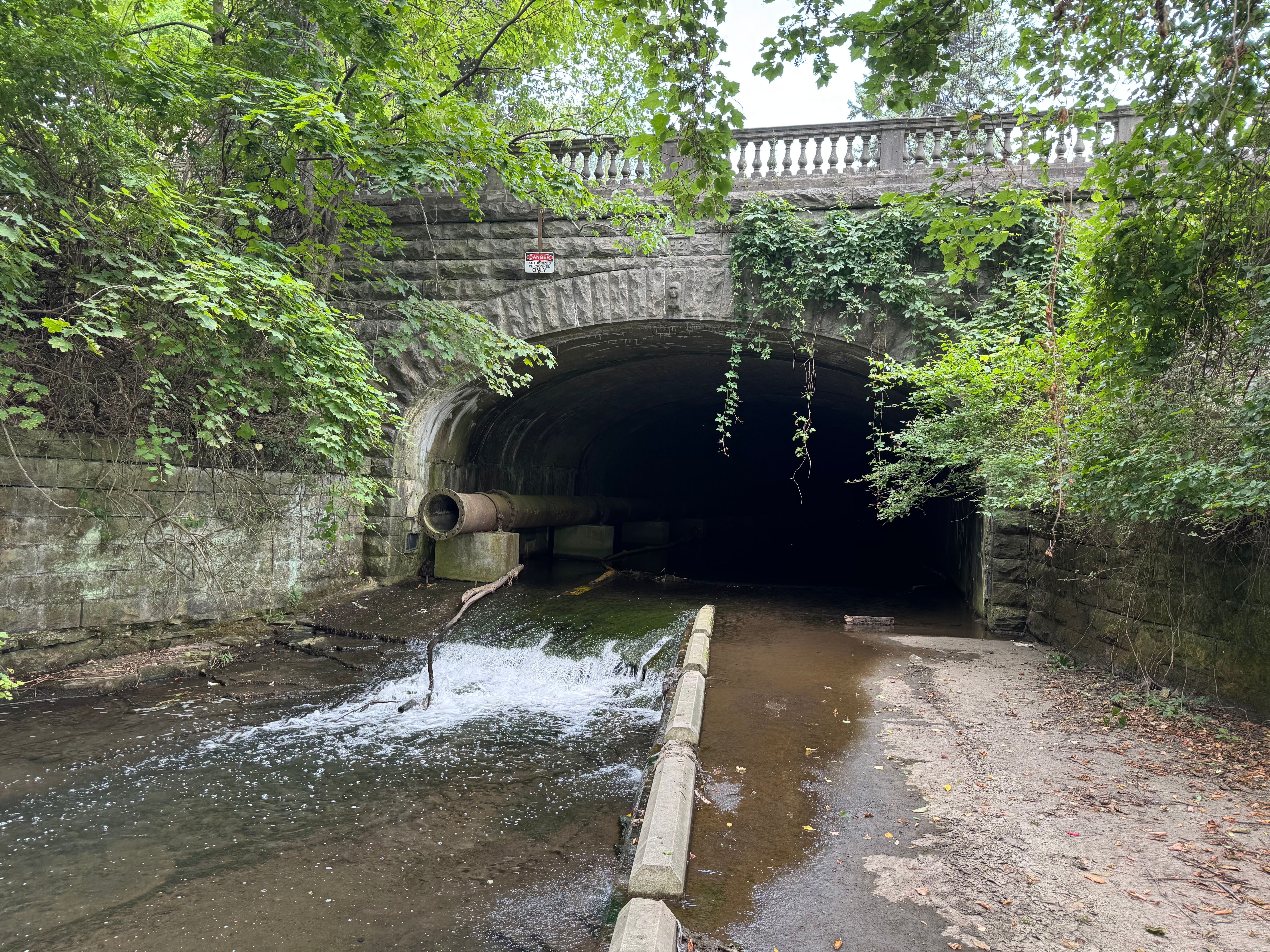
New York’s Scajaquada Creek was the site of a more subdued, long-term environmental catastrophe compared to its infamous neighbor, the Love Canal. Instead of a chemical company burying thousands of tons of toxic waste over a couple decades, the suburban Buffalo stream was the site of industrial and municipal waste disposal. This went on for nearly a century before several miles of it were literally buried in a massive public works project in the 1920s. Only in recent decades has serious attention been given to transforming Scajaquada back into some version of a healthy stream.  

“We like to say Scajaquada Creek encapsulates everything you could do wrong to a creek,” said Jill Spisiak Jedlicka, executive director at Buffalo Niagara Waterkeeper.  “It’s only 13 miles long with a small watershed. It’s really an example of what not to do to a creek.” 

Since before the turn of the century the stream, which forms in Lancaster about 14 miles east of downtown Buffalo, had been mistreated. For decades its main function was to carry away raw sewage in addition to a steady flow of waste from the region’s industries. Scajaquada Creek has remained in such bad shape that in 2014 western New York artist and conservationist Alberto Rey included it in his Biological Regionalism series which includes waters in the greatest of distress.  

“It was buried because it was actually voted on in a public referendum in the 1920s. The creek was so polluted they said ‘The creek must go,’” Spisiak Jedlicka explained. “So they buried it underground, instead of addressing the problem.”  

Subsequently, portions of the creek which were buried became new land that was later developed.  Today there  are roads and parking lots sitting directly atop the creek as it makes its way to the Niagara River near its confluence with Lake Erie, then Lake Ontario. In addition to hiding a portion of the stream a century ago, wetlands that once helped mitigate pollution have been largely eliminated in the name of development. A shopping mall was built in 1989 which destroyed 65%of the watershed’s wetlands. In addition, raw sewage dumped into the creek from municipalities meant the waterway was loaded with human waste and bacteria. According to The Investigative Post, in May 2014 raw sewage combined with stormwater overflow was dumped into Scajaquada on 283 separate discharges.  

Reports from the same year indicate that decaying fecal matter covered the creek bed, as thick as five feet in some places. In addition, polychlorinated biphenyls (PCBs) and other dangerous chemicals were found in quantities high enough for the New York Department of Health to issue advisories against consumption of any fish from the stream.     

Scajaquada sewage 

Here Scajaquada Creek emerges from several miles in one portion of the creek that was buried in the 1920s. (Photo Credit: James Proffitt)

While there have been murmurs of “daylighting” portions of the creek, the consensus is that’s not likely to happen. But in recent years, ideas and money have made their way into the hands of those working to fix the creek. While heavy industry is no longer the creek’s major polluter, the population at large is.  

During the last several days of 2025, reports estimate that at least 37 million gallons of untreated or partially treated sewage flowed into the Buffalo-area waterways during a rain and snow-melt event.  

Buffalo’s combined sewer overflow (CSO) system, where stormwater inundates city sewer systems during heavy rains, is currently the major polluter of the creek. During heavy precipitation events, stormwater flows into sewer lines beneath the city and when too much water inundates the system, the storm water combines with raw sewage and often flows into Scajaquada. 

According to Rosaleen Nogle, principal sanitary engineer for the Buffalo Sewer Authority, more than 95% of Buffalo’s infrastructure is the CSO system, and that isn’t likely to change anytime soon.  

“In an older city like Buffalo, it’s very difficult to separate because there’s so much infrastructure underground already,” she said, citing right-of-ways that include gas, electric and cable lines. “Not only is it much more difficult, it’s much more expensive.” 

Nogle said the installation of innovative systems like “Smart Sewer” stations are helping to alleviate CSO events. Those systems open and close underground gates during heavy rains channeling stormwater into available underground pipes. Utilizing some of the city’s older and larger pipes to store CSO for future treatment prevents stormwater runoff combined with sewage from entering streams and rivers.  

“Basically it’s storing in place using the excess space we have,” she said. “We have about 10 installations today and we’re continuing to advance the use of this technology to manage our system and store where we have the capacity, optimizing the amount of flow coming through our treatment plant.” 

Overflows during storm events have led to litigation. The New York Department of Environmental Conservation filed its most recent lawsuit against BSA for failing to meet terms of a prior long term control plan. That litigation, according to Jedlicka, was a formality needed to reach a new agreement between the state and the Buffalo Sewer Authority in an ongoing effort to improve Scajaquada and other streams in the region.  

Bright spots in a dark history 

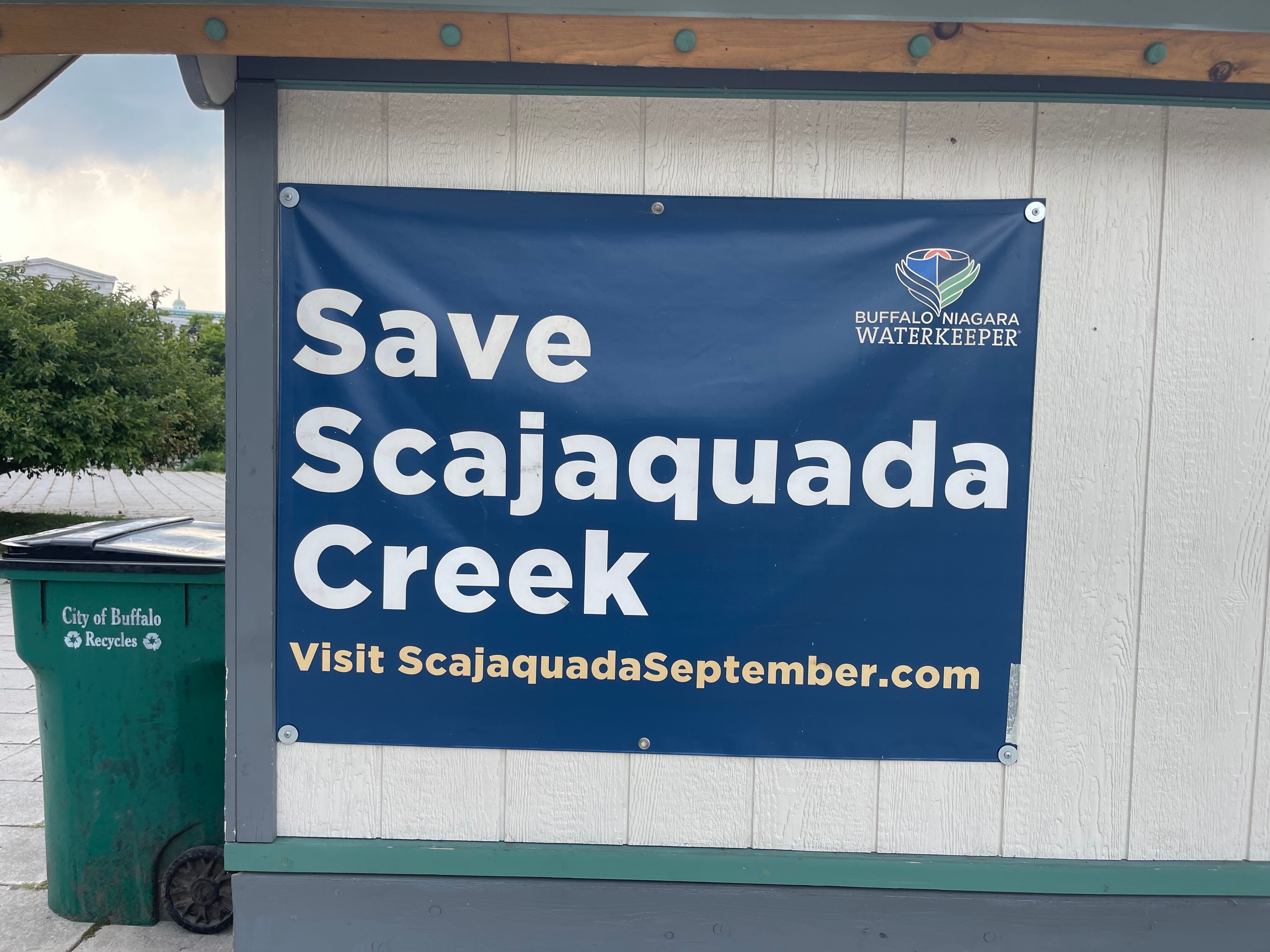
Buffalo Niagara Waterkeepers efforts to improve Scajaquada are persistent including public awareness campaigns like this banner at Hoyt Lake in Buffalo. (Photo Credit: James Proffitt)

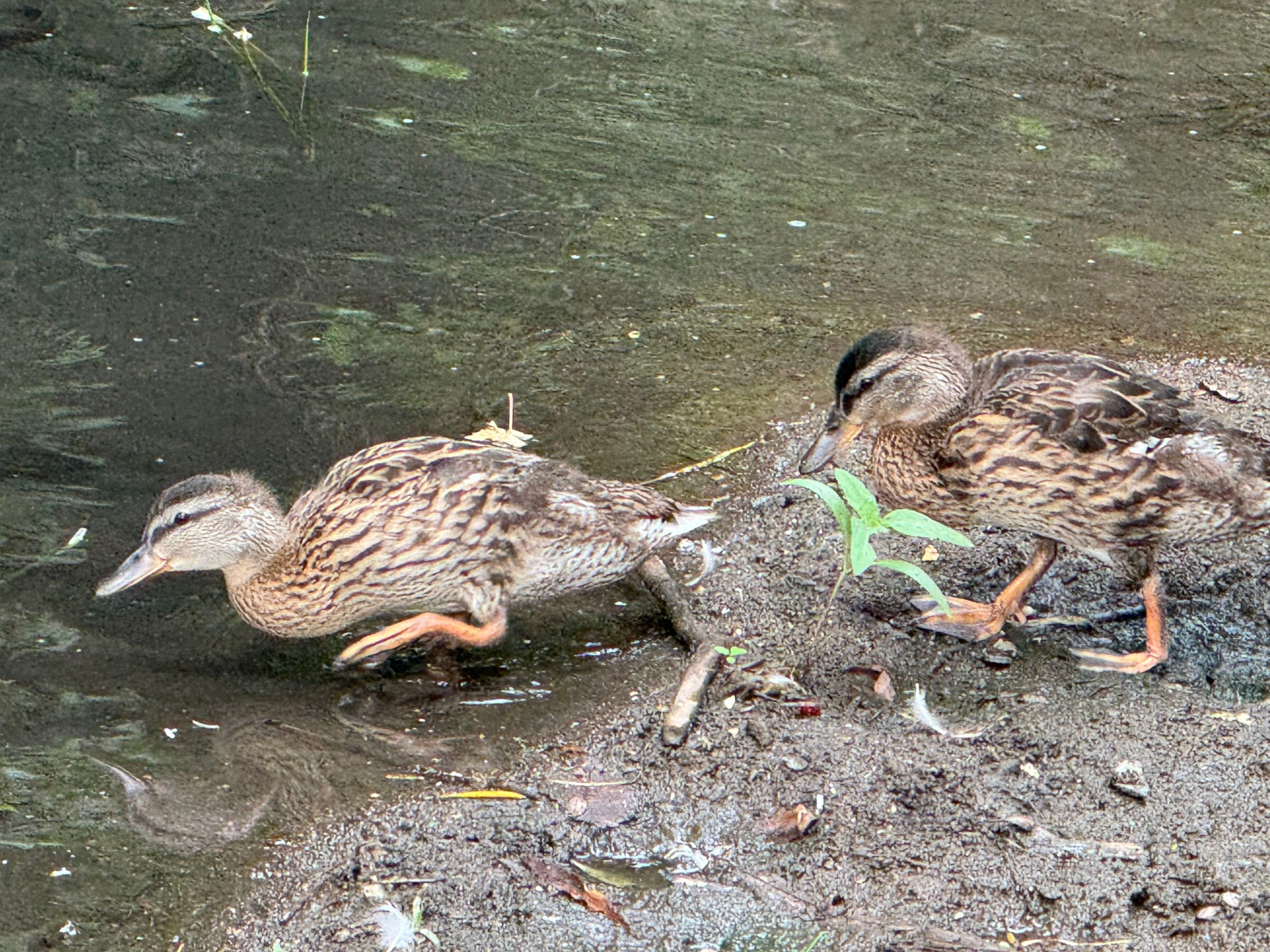
While there are plenty of downsides to Scajaquada, there are upsides, too. Like the fact that despite pollution, a wide variety of wildlife still call it home. Surveys included in a 2024 Army Corps of Engineers study indicates the presence of turtles, beaver, fox and mink in the stream and its smaller tributaries. Flying residents include songbirds, owls, hawks, ducks, herons and swans, among others. A surprising amount of fish species are also found in the stream.  

Likely the most well-known residents are found at Forest Lawn, a 269-acre cemetery in the heart of the city. It’s the site where the longest hidden portion of the creek emerges from a tunnel. 

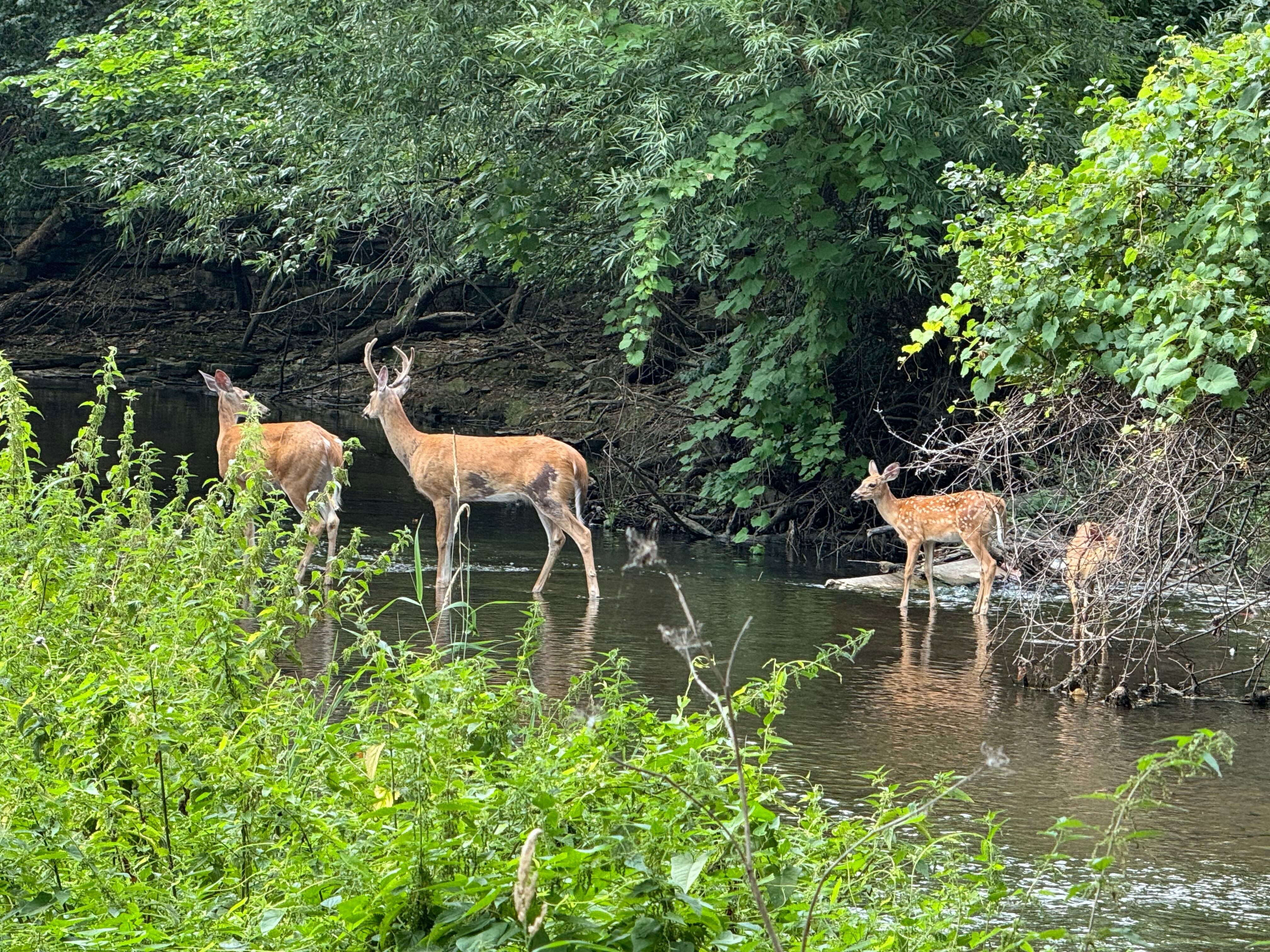
“We have a lot of Canada geese here, I’d say that’s our bread-and-butter,” explained, Jennifer Kovach, executive administrative assistant. “Sometimes people mention coyotes, I’m not sure if we have any right now, but every so often we’ll get them. And we’ve had an owl that’s been nesting here so we have baby owls every spring and little mink that run through, and wood chucks. But the best-known is the deer. We hear about them every day.” 

The deer she mentions are a small herd including several leucistic individuals (all white, yet not albino) that reside at Forest Lawn, on the banks of Scajaquada. 

“One time we had a deer out on Delaware Avenue and someone called to let us know our deer left,” she chuckled. “I told them, it’s not our deer and they have free will so they can leave and come back, whatever they want to do.” 

Kovach said because of the large number of trees at Forest Lawn, during spring the cemetery becomes a birding hotspot. 

“We’re on the flight path for migrating warblers so lots of birders will come and literally stake out all day in the spring with their long lens cameras and get some spectacular shots,” she said. 

According to Kovach, improvements to the creek are an ongoing endeavor.  

“We work with Buffalo Niagara Waterkeeper and did a really big restoration project on the creek about seven years ago,” she said. “We’re constantly doing work on the creek. Down near the S-curves we restored the wetlands where it used to be kind of a big pit. Now it’s all native grass species and native trees and it’s really a beautiful area to walk around in.” 

Waterkeeper is engaged in spring shoreline cleanups as well as smaller, focused cleanups in addition to public awareness campaigns.  

“We’ve witnessed local anglers fishing it, in particular certain immigrant communities who rely on it despite the consumption warnings,” Jedlicka said. “They actually catch fish, like bottom-feeding carp and so we try to do some outreach with that. There are some people that paddle the headwaters, but for the most part in the lower creek people don’t come into contact with the water.” 

New projects to help Scajaquada 

Despite pollution a wide variety of birds mammals and fish persist on the creek including the most-polluted stretches. (Photo Credit: James Proffitt)

Water quality improvement projects meant to help the stream were announced by the NYDEC on Jan. 17. The Buffalo Sewer Authority  will receive $10 million to install infrastructure to reduce CSO events on both Scajaquada and nearby Black Rock Canal. An additional $10 million in water quality improvements will take place in the Town of Cheektowaga to renovate a half mile of sewer infrastructure including 1,200 manhole covers to reduce CSO during storms. 

Jedlicka said ongoing partnerships have helped the efforts, including funding from the Margaret L. Wendt Foundation and the Ralph Wilson Jr. Foundation. And the continuing cleanup couldn’t be done without Mother Nature, as well.  

“You have to remember the creek water isn’t polluted 100 percent of the time,” she explained. “It’s fed by clean, cold spring water so there’s a lot of natural inputs that help keep the creek alive so that when there’s not an overflow happening, it can sustain fish and wildlife which is why we keep working at this — if we can just eliminate as much discharge as we can and mitigate it, the creek will begin to repair itself. It’s not all doom and gloom.”  

The post Scajaquada Creek, a Cautionary Tale appeared first on Great Lakes Now.

Original Article

Great Lakes Now

Great Lakes Now

https://www.greatlakesnow.org/2026/03/18/scajaquada-creek-a-cautionary-tale/

James Proffitt, Great Lakes Now

Roads in the Great Lakes region get riskier after daylight saving ends

Drivers around the Great Lakes region beware. In the weeks following “fall back,” once daylight saving time ends, collisions between wildlife and vehicles rises by 16%. According to data from insurance company State Farm, October, November and December are the most dangerous for animal-related collisions, making up 41% of all animal collision claims.

Read Now at Great Lakes Now.

Original Article

Great Lakes Now

Great Lakes Now

https://www.greatlakesnow.org/2025/11/roads-in-the-great-lakes-region-get-riskier-after-daylight-saving-ends/

Lisa John Rogers, Great Lakes Now

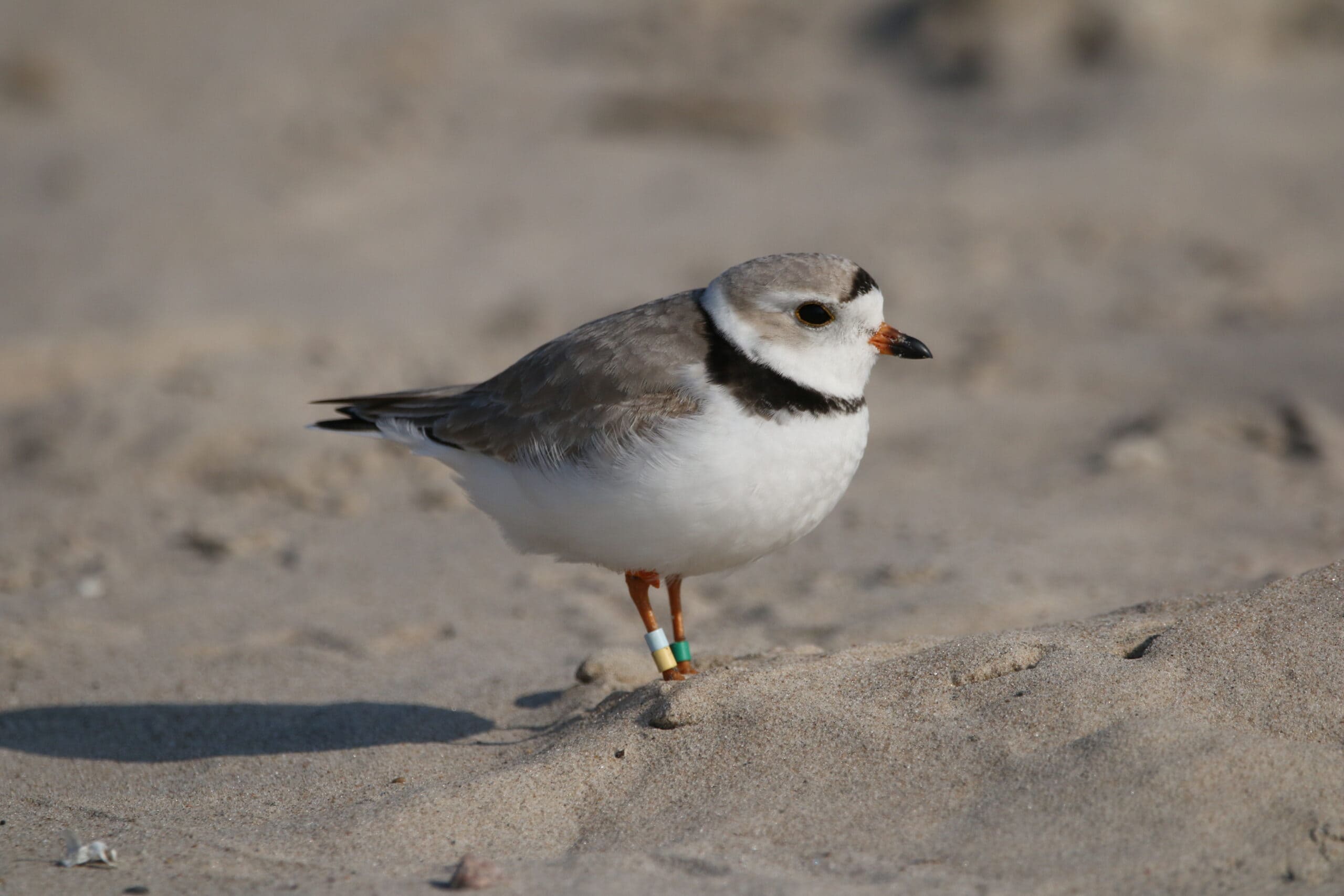
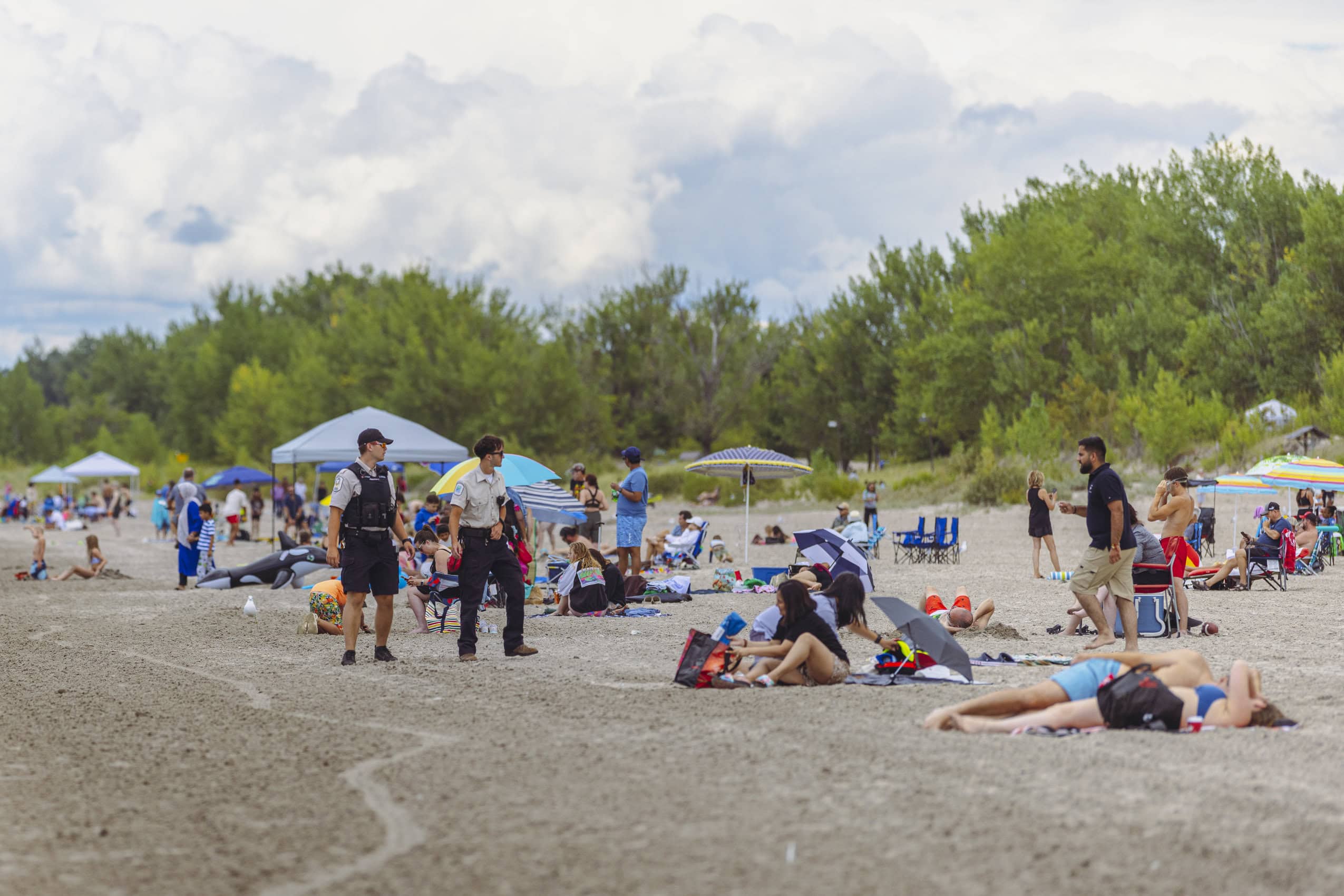
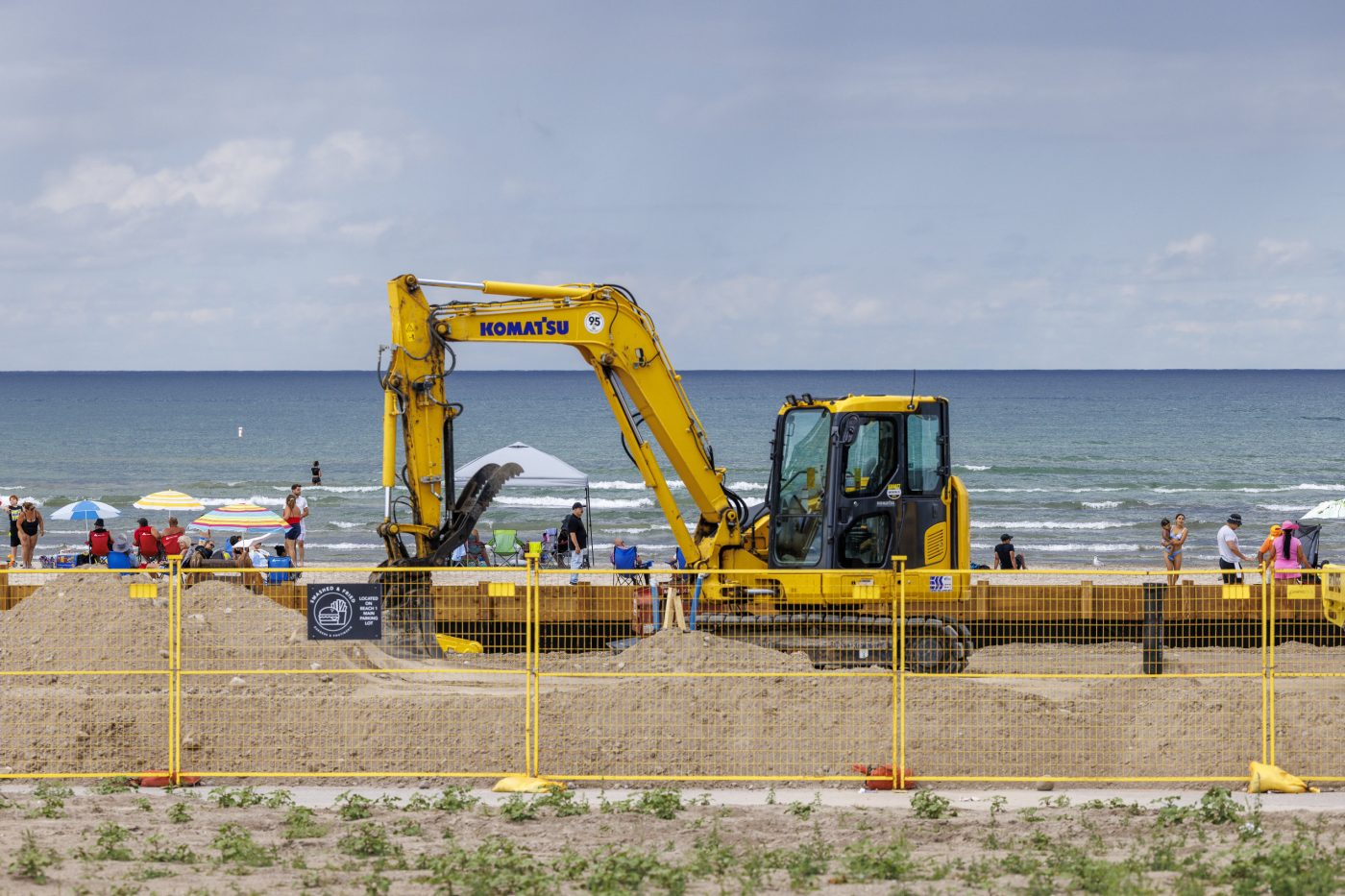
What’s going on in Wasaga Beach? Profit, piping plovers and an Ontario town’s complicated future

By Fatima Syed, The Narwhal

The Great Lakes News Collaborative includes Bridge Michigan, Circle of Blue, Great Lakes Now at Detroit PBS, Michigan Public and The Narwhal who work together to bring audiences news and information about the impact of climate change, pollution, and aging infrastructure on the Great Lakes and drinking water.

Read Now at Great Lakes Now.

Original Article

Great Lakes Now

Great Lakes Now

https://www.greatlakesnow.org/2025/09/wasaga-beach-ontario-park-plan/

Fatima Syed, The Narwhal

I Speak for the Fish: Swiping right on native fish

I Speak for the Fish is a column written by Great Lakes Now Contributor Kathy Johnson. Publishing the author’s views and assertions does not represent endorsement by Great Lakes Now or Detroit PBS. Check out her previous columns.

There’s a fish project in Northern Michigan that is exciting researchers from around the world. 

Read Now at Great Lakes Now.

Original Article

Great Lakes Now

Great Lakes Now

https://www.greatlakesnow.org/2025/08/i-speak-for-the-fish-swiping-right-on-native-fish/

Kathy Johnson, Great Lakes Now

How Michigan’s Inland Fish Farmers Cultivate a Sustainable Future for the Great Lakes

Despite being surrounded by the largest group of freshwater lakes on Earth, Michigan imports the vast majority of its seafood, between 65% and 90%, according to Michigan Sea Grant.

As global aquaculture has grown to meet increasing demand for protein, a small but determined group of inland fish farmers in the Great Lakes region are working to build a more sustainable, local supply.

Read Now at Great Lakes Now.

Original Article

Great Lakes Now

Great Lakes Now

https://www.greatlakesnow.org/2025/08/how-michigans-inland-fish-farmers-cultivate-a-sustainable-future-for-the-great-lakes/

Donte Smith

Bassmaster Elite arrives as Lake St. Clair’s smallmouth break records

As anglers compete in the 2025 Yokohama Tire Bassmaster Elite competition on Lake St. Clair from Aug. 7-10, they’ll likely bring some pretty prize catches to weigh-ins. That’s because the catch-and-release method has allowed smallmouth bass on Lake St. Clair to grow to much greater sizes, according to new research from the Michigan Department of Natural Resources (DNR).

Read Now at Great Lakes Now.

Original Article

Great Lakes Now

Great Lakes Now

https://www.greatlakesnow.org/2025/08/bassmaster-elite-arrives-as-lake-st-clairs-smallmouth-break-records/

Jack Armstrong

Great Lakes Moment: Detroit’s waterfront porch reaps substantial benefits

Great Lakes Moment is a monthly column written by Great Lakes Now Contributor John Hartig. Publishing the author’s views and assertions does not represent endorsement by Great Lakes Now or Detroit PBS.

As the Detroit Riverfront Conservancy moves forward following an embezzlement crisis, its 2024 visitor survey found that 99.4% of respondents would visit the Detroit Riverwalk again, and 99.3% would recommend it to others.

Read Now at Great Lakes Now.

Original Article

Great Lakes Now

Great Lakes Now

https://www.greatlakesnow.org/2025/08/great-lakes-moment-detroits-waterfront-porch-reaps-substantial-benefits/

John Hartig, Great Lakes Now

I Speak for the Fish: Think you’re not to blame for overfishing? Think again.

I Speak for the Fish is a monthly column written by Great Lakes Now Contributor Kathy Johnson, coming out the third Monday of each month. Publishing the author’s views and assertions does not represent endorsement by Great Lakes Now or Detroit Public Television. 

Read Now at Great Lakes Now.

Original Article

Great Lakes Now

Great Lakes Now

https://www.greatlakesnow.org/2025/07/i-speak-for-the-fish-think-youre-not-to-blame-for-overfishing-think-again/

Kathy Johnson, Great Lakes Now

‘We can’t regulate ourselves’ out of whitefish crisis, experts say

By Emilio Perez Ibarguen, Bridge Michigan

The Great Lakes News Collaborative includes Bridge Michigan; Circle of Blue; Great Lakes Now at Detroit PBS; Michigan Public, Michigan’s NPR News Leader; and The Narwhal who work together to bring audiences news and information about the impact of climate change, pollution, and aging infrastructure on the Great Lakes and drinking water.

Read Now at Great Lakes Now.

Original Article

Great Lakes Now

Great Lakes Now

https://www.greatlakesnow.org/2025/07/we-cant-regulate-ourselves-out-of-whitefish-crisis-experts-say/

Bridge Michigan

John Ball Zoo Fights for Great Lakes’ Rarest Butterflies

Butterfly populations are in decline across the continental U.S., dropping by 22% between 2000 and 2020 according to a study published in the journal Science. Almost a third of the 342 species studied have seen their numbers fall by more than half. To help combat this, the John Ball Zoo in Grand Rapids, Michigan launched its Great Lakes Rare Butterfly Program in 2021 to protect the region’s most threatened species.

Read Now at Great Lakes Now.

Original Article

Great Lakes Now

Great Lakes Now

https://www.greatlakesnow.org/2025/07/john-ball-zoo-fights-for-great-lakes-rarest-butterflies/

Donte Smith

A record year for Great Lakes piping plovers

By Lester Graham, Michigan Public

The Great Lakes News Collaborative includes Bridge Michigan; Circle of Blue; Great Lakes Now at Detroit PBS; Michigan Public, Michigan’s NPR News Leader; and The Narwhal who work together to bring audiences news and information about the impact of climate change, pollution, and aging infrastructure on the Great Lakes and drinking water.

Read Now at Great Lakes Now.

Original Article

Great Lakes Now

Great Lakes Now

https://www.greatlakesnow.org/2025/07/record-year-for-great-lakes-piping-plovers/

Michigan Public

Empowering Environmental Stewardship: How Barn Sanctuary Champions Compassion and Conservation in the Great Lakes

The Great Lakes, a vital freshwater expanse for millions, face an ongoing environmental crisis. Beneath the vast waters lies a significant threat: pollution stemming largely from agricultural runoff. This flow of excess nutrients like phosphorus and nitrogen contributes to harmful algal blooms and expanding “dead zones,” jeopardizing ecosystems, water quality and public health across the region.

Read Now at Great Lakes Now.

Original Article

Great Lakes Now

Great Lakes Now

https://www.greatlakesnow.org/2025/07/empowering-environmental-stewardship-how-barn-sanctuary-champions-compassion-and-conservation-in-the-great-lakes/

Donte Smith

Great Lakes Moment: Detroit River carrion scavenger on the increase

Great Lakes Moment is a monthly column written by Great Lakes Now Contributor John Hartig. Publishing the author’s views and assertions does not represent endorsement by Great Lakes Now or Detroit PBS.

What is one of the most frequently counted birds by citizen scientists in the annual Detroit River Hawk Watch, but is not a hawk?

Read Now at Great Lakes Now.

Original Article

Great Lakes Now

Great Lakes Now

https://www.greatlakesnow.org/2025/07/great-lakes-moment-detroit-river-carrion-scavenger-on-the-increase/

John Hartig, Great Lakes Now

New state program encourages Michigan residents to report bat roosts

This article was republished here with permission from Great Lakes Echo.

By Clara Lincolnhol, Great Lakes Echo

The Department of Natural Resources is encouraging residents to report bat roosts. These are the places where bats sleep and raise their babies like chimneys, trees and bridges.

Read Now at Great Lakes Now.

Original Article

Great Lakes Now

Great Lakes Now

https://www.greatlakesnow.org/2025/06/new-state-program-encourages-michigan-residents-to-report-bat-roosts/

Great Lakes Echo

What will the rise of floating solar panels mean for wildlife?

By Matt Simon, Grist

This story was originally published by Grist. Sign up for Grist’s weekly newsletter here.

The newest, hottest power couple doesn’t live in Hollywood. It’s actually the marriage of solar panels and water reservoirs: Known as floating photovoltaics, or floatovoltaics, the devices bob on simple floats, generating power while providing shade that reduces evaporation.

Read Now at Great Lakes Now.

Original Article

Great Lakes Now

Great Lakes Now

https://www.greatlakesnow.org/2025/06/what-will-the-rise-of-floating-solar-panels-mean-for-wildlife/

Grist

I Speak for the Fish: The hardest lake sturgeon dive in the Great Lakes

For two weeks each year, the St. Clair River hosts thousands of spawning lake sturgeon.

Hundreds of six-foot females plump with eggs and thousands of 4 to 5-foot-long males gather at the base of Lake Huron. In the span of a few weeks, they will arrive, group up, deposit millions of fertilized eggs on the river bottom and depart.  

Read Now at Great Lakes Now.

Original Article

Great Lakes Now

Great Lakes Now

https://www.greatlakesnow.org/2025/06/i-speak-for-the-fish-the-hardest-lake-sturgeon-dive-in-the-great-lakes/

Kathy Johnson, Great Lakes Now

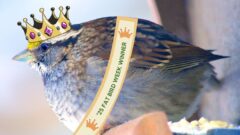
White throated sparrow takes first place in fattest bird competition

This article was republished here with permission from Great Lakes Echo.

By Clara Lincolnhol, Great Lakes Echo

A very round white throated sparrow is the heavyweight champion of the 2025 Wisconsin Fat Bird Week contest.

The bird, coined the “spherical white-throated sparrow,” won by a landslide, receiving 72% of the vote in the final round against its nearest competitor, a “rotund ruby-throated hummingbird.”

The winner made it through eight rounds in the single-elimination, March Madness-style bracket competition against seven other birds.

Read Now at Great Lakes Now.

Original Article

Great Lakes Now

Great Lakes Now

https://www.greatlakesnow.org/2025/06/white-throated-sparrow-takes-first-place-in-fattest-bird-competition/
Great Lakes Echo

How much plastic is in the Great Lakes?

Microplastics are turning up everywhere, including our water, our food, and even our bodies. And the Great Lakes are no exception.

Ripples of Plastic is a documentary from Ohio filmmakers Chris Langer and Josh Heese that investigates how plastic pollution is making its way into the largest freshwater system in the world.

Read Now at Great Lakes Now.

Original Article

Great Lakes Now

Great Lakes Now

https://www.greatlakesnow.org/2025/06/how-much-plastic-is-in-the-great-lakes/

Great Lakes Now

How are science and tradition saving sturgeon?

When the Little River Band of Ottawa Indians in Manistee, MI, decided to start a lake sturgeon restoration program, they started by hiring two recently graduated fisheries research biologists to help them set it up.

“I remember getting there and realizing that the scientific knowledge that I had was only a piece,” fisheries biologist Marty Holtgren said.

Read Now at Great Lakes Now.

Original Article

Great Lakes Now

Great Lakes Now

https://www.greatlakesnow.org/2025/06/how-are-science-and-tradition-saving-sturgeon/

Great Lakes Now

Hundreds of fish killed by manure runoff in Monroe County

By Danielle Kaeding, Wisconsin Public Radio

This article was republished here with permission from Wisconsin Public Radio.

Manure runoff from a dairy farm in Monroe County killed hundreds of fish in nearby waterways, according to the Wisconsin Department of Natural Resources.

The agency first received notice of the spill Saturday from a call to its violation hotline.

Read Now at Great Lakes Now.

Original Article

Great Lakes Now

Great Lakes Now

https://www.greatlakesnow.org/2025/05/hundreds-of-fish-killed-by-manure-runoff-in-monroe-county/

Wisconsin Public Radio

I Speak for the Fish: Sturgeon vs salmon prioritizing native Great Lakes species

I Speak for the Fish is a monthly column written by Great Lakes Now Contributor Kathy Johnson, coming out the third Monday of each month. Publishing the author’s views and assertions does not represent endorsement by Great Lakes Now or Detroit Public Television. 

Read Now at Great Lakes Now.

Original Article

Great Lakes Now

Great Lakes Now

https://www.greatlakesnow.org/2025/05/i-speak-for-the-fish-sturgeon-vs-salmon-prioritizing-native-great-lakes-species/

Kathy Johnson, Great Lakes Now

Why smallmouth bass are getting bigger in Michigan waterways

This article was republished here with permission from Great Lakes Echo.

By Victoria Witke, Great Lakes Echo

Every spring for the last 15 years, Gene Gilliland and some friends have gone smallmouth bass fishing in Lake St. Clair in Southeast Michigan for a week.

Read Now at Great Lakes Now.

Original Article

Great Lakes Now

Great Lakes Now

https://www.greatlakesnow.org/2025/05/why-smallmouth-bass-are-getting-bigger-in-michigan-waterways/

Great Lakes Echo

Everything you need to know about the Biggest Week in American Birding

A fledgling birding festival that hatched 15 years ago has become an international event drawing visitors from around the world to northwest Ohio. While the stars of the show at the Biggest Week in American Birding (BWIAB) are migrating warblers, there are dozens of other species which draw crowds from every state and continent including wading and shore birds, tanagers, songbirds, waterfowl and raptors.

Read Now at Great Lakes Now.

Original Article

Great Lakes Now

Great Lakes Now

https://www.greatlakesnow.org/2025/05/everything-you-need-to-know-about-biggest-week-in-american-birding/

James Proffitt, Great Lakes Now

Meet the people trying to keep a prehistoric fish alive

By Leah Borts-Kuperman, The Narwhal

The Great Lakes News Collaborative includes Bridge Michigan, Circle of Blue, Great Lakes Now at Detroit PBS, Michigan Public and The Narwhal who work together to bring audiences news and information about the impact of climate change, pollution, and aging infrastructure on the Great Lakes and drinking water.

Read Now at Great Lakes Now.

Original Article

Great Lakes Now

Great Lakes Now

https://www.greatlakesnow.org/2025/04/meet-the-people-trying-to-keep-a-prehistoric-fish-alive/

The Narwhal

Fish, mines and Indigenous Rights ensnared in court case in northern Ontario

By Emma McIntosh, The Narwhal

Emma and photographer Christopher Katsarov Luna spent four days in northwestern Ontario, including visits to White Lake and Netmizaaggamig Nishnaabeg.

The Great Lakes News Collaborative includes Bridge Michigan, Circle of Blue, Great Lakes Now at Detroit PBS, Michigan Public and The Narwhal who work together to bring audiences news and information about the impact of climate change, pollution, and aging infrastructure on the Great Lakes and drinking water.

Read Now at Great Lakes Now.

Original Article

Great Lakes Now

Great Lakes Now

https://www.greatlakesnow.org/2025/04/fish-mines-and-indigenous-rights-ensnared-in-court-case-in-northern-ontario/

The Narwhal

Alberto Rey: Art all about Earth

Alberto Rey’s artistic passions are wide-ranging. But water and wildlife may most succinctly describe them. The retired State University of New York — Fredonia professor of art has waded into drawing, painting, ceramics and filmmaking all while diving headfirst into the deepest affection for the natural world.  

The 64-year-old Cuban-born artist moonlights as an Orvis-endorsed fly fishing guide on Western New York’s Lake Erie tributaries.

Read Now at Great Lakes Now.

Original Article

Great Lakes Now

Great Lakes Now

https://www.greatlakesnow.org/2025/04/alberto-rey-art-all-about-earth/

James Proffitt, Great Lakes Now

As bird flu wreaks havoc in the Midwest, researchers say vaccines offer a way out

This article is the first in a series called The Great Lakes Promise: Cost, Resilience and Refuge. This series was made possible in partnership between Great Lakes Now and Planet Detroit. 

Bird flu has hit the Great Lakes region hard this winter, killing nearly 5 million birds — including laying hens, ducks and other fowl — in Ohio and Indiana in the past two months.

Read Now at Great Lakes Now.

Original Article

Great Lakes Now

Great Lakes Now

https://www.greatlakesnow.org/2025/04/as-bird-flu-wreaks-havoc-in-the-midwest-researchers-say-vaccines-offer-a-way-out/

Brian Allnutt

As bird flu wreaks havoc in the Midwest, researchers say vaccines offer a way out

This article is the first in a series called The Great Lakes Promise: Cost, Resilience and Refuge. This series was made possible in partnership between Great Lakes Now and Planet Detroit. 

Bird flu has hit the Great Lakes region hard this winter, killing nearly 5 million birds — including laying hens, ducks and other fowl — in Ohio and Indiana in the past two months.

Read Now at Great Lakes Now.

Original Article

Great Lakes Now

Great Lakes Now

https://www.greatlakesnow.org/2025/04/as-bird-flu-wreaks-havoc-in-the-midwest-researchers-say-vaccines-offer-a-way-out/

Brian Allnutt

As bird flu wreaks havoc in the Midwest, researchers say vaccines offer a way out

This article is the first in a series called The Great Lakes Promise: Cost, Resilience and Refuge. This series was made possible in partnership between Great Lakes Now and Planet Detroit. 

Bird flu has hit the Great Lakes region hard this winter, killing nearly 5 million birds — including laying hens, ducks and other fowl — in Ohio and Indiana in the past two months.

Read Now at Great Lakes Now.

Original Article

Great Lakes Now

Great Lakes Now

https://www.greatlakesnow.org/2025/04/as-bird-flu-wreaks-havoc-in-the-midwest-researchers-say-vaccines-offer-a-way-out/

Brian Allnutt

I Speak for the Fish: Is it a rainbow trout or a steelhead?

Rainbow trout and steelhead are two of the most popular sport fish in the Great Lakes. They also hold three spots on my lifetime list of all-time great dives.

An 8-inch juvenile rainbow was the first fish I ever hand-fed in the Great Lakes. My partner, Greg Lashbrook, and I had fed fish before at several different Caribbean dive resorts.

Read Now at Great Lakes Now.

Original Article

Great Lakes Now

Great Lakes Now

https://www.greatlakesnow.org/2025/03/i-speak-for-the-fish-is-it-a-rainbow-trout-or-a-steelhead/

Kathy Johnson, Great Lakes Now

Great Lakes Moment: Detroit River common terns under threat

Great Lakes Moment is a monthly column written by Great Lakes Now Contributor John Hartig. Publishing the author’s views and assertions does not represent endorsement by Great Lakes Now or Detroit PBS.

Common terns are known for their aerial acrobatics, performing rapid turns and swoops to the delight of those watching.

Read Now at Great Lakes Now.

Original Article

Great Lakes Now

Great Lakes Now

https://www.greatlakesnow.org/2025/03/great-lakes-moment-detroit-river-common-terns-under-threat/

John Hartig, Great Lakes Now

A different perspective on the fur trade

Carl Gawboy, a celebrated Minnesota artist and Ojibwe scholar of Finnish and Bois Forte Anishinaabe descent, has dedicated his life to preserving and sharing the stories of his people. In his book, Fur Trade Nation: An Ojibwe’s Graphic History, Gawboy combines his prolific artistic talent, family stories, and cultural research to shed light on a largely overlooked chapter of history.

Read Now at Great Lakes Now.

Original Article

Great Lakes Now

Great Lakes Now

https://www.greatlakesnow.org/2025/02/a-different-perspective-on-the-fur-trade/

Great Lakes Now

I Speak for the Fish: Hornyhead chubs are cooler than their name implies

I Speak for the Fish is a monthly column written by Great Lakes Now Contributor Kathy Johnson, coming out the third Monday of each month. Publishing the author’s views and assertions does not represent endorsement by Great Lakes Now or Detroit Public Television. 

Read Now at Great Lakes Now.

Original Article

Great Lakes Now

Great Lakes Now

https://www.greatlakesnow.org/2025/02/i-speak-for-the-fish-hornyhead-chubs-are-cooler-than-their-name-implies/

Kathy Johnson, Great Lakes Now

The early elk hunt was tough last year. Hot weather is likely to blame.

By Izzy Ross, Interlochen Public Radio

This coverage is made possible through a partnership between Interlochen Public Radio and Grist, a nonprofit environmental media organization.

The elk hunting season got off to a tough start last year, and state officials say heat is at least partly to blame.

Read Now at Great Lakes Now.

Original Article

Great Lakes Now

Great Lakes Now

https://www.greatlakesnow.org/2025/02/the-early-elk-hunt-was-tough-last-year-hot-weather-is-likely-to-blame/

Interlochen Public Radio

Geese are a problem. What can we do?

If you’ve been outside, you’ve probably run into branta canadesis — the Canada Goose.

From urban parks to rural fields, these birds seem to be everywhere. And their presence isn’t always welcome. Goose poop can contain e. coli bacteria, and the birds themselves can carry — and spread — avian flu.

Read Now at Great Lakes Now.

Original Article

Great Lakes Now

Great Lakes Now

https://www.greatlakesnow.org/2025/02/geese-are-a-problem-what-can-we-do/

Great Lakes Now

Nibi Chronicles: Protecting the protectors

“Nibi Chronicles,” a monthly Great Lakes Now feature, is written by Staci Lola Drouillard. A Grand Portage Ojibwe direct descendant, she lives in Grand Marais on Minnesota’s North Shore of Lake Superior. Her nonfiction books “Walking the Old Road: A People’s History of Chippewa City and the Grand Marais Anishinaabe” and “Seven Aunts” were published 2019 and 2022, and the children’s story “A Family Tree” in 2024.

Read Now at Great Lakes Now.

Original Article

Great Lakes Now

Great Lakes Now

https://www.greatlakesnow.org/2025/02/protecting-the-protectors/

Staci Lola Drouillard, Great Lakes Now

Gone a century, Arctic grayling return soon to Michigan. Can they survive?

By Kelly House, Bridge Michigan

The Great Lakes News Collaborative includes Bridge Michigan; Circle of Blue; Great Lakes Now at Detroit PBS; Michigan Public, Michigan’s NPR News Leader; and The Narwhal who work together to bring audiences news and information about the impact of climate change, pollution, and aging infrastructure on the Great Lakes and drinking water.

Read Now at Great Lakes Now.

Original Article

Great Lakes Now

Great Lakes Now

https://www.greatlakesnow.org/2025/01/gone-a-century-arctic-grayling-return-soon-to-michigan-can-they-survive/

Bridge Michigan

The History of the Button Industry’s Impact on Freshwater Mussels

Ryan Schwegman is a relocation specialist but don’t ask for his help if you’re moving, unless you are an endangered species.

Schwegman is COO of BioSurvey Group, LLC. in Oxford, Ohio. He manages a team of commercial and scientific divers who travel across the Eastern United States, relocating threatened and endangered species before river restoration projects begin.

Read Now at Great Lakes Now.

Original Article

Great Lakes Now

Great Lakes Now

https://www.greatlakesnow.org/2025/01/the-history-of-the-button-industrys-impact-on-freshwater-mussels/

Kathy Johnson, Great Lakes Now

I Speak for the Fish: Why do mudpuppies matter?

I Speak for the Fish is a monthly column written by Great Lakes Now Contributor Kathy Johnson, coming out the third Monday of each month. Publishing the author’s views and assertions does not represent endorsement by Great Lakes Now or Detroit Public Television. 

Read Now at Great Lakes Now.

Original Article

Great Lakes Now

Great Lakes Now

https://www.greatlakesnow.org/2025/01/i-speak-for-the-fish-why-do-mudpuppies-matter/

Kathy Johnson, Great Lakes Now

Walleye Numbers are Down in Lake Erie

Ohio Division of Wildlife (ODW) officials have released their 2024 trawl survey indexes for Lake Erie’s two most-sought sportfish: yellow perch and walleye. This year’s results bring an end to a streak of wildly successful hatches for walleye. For yellow perch two of Ohio’s three management zones were above average, with the third zone down by 70% over last year.  

Read Now at Great Lakes Now.

Original Article

Great Lakes Now

Great Lakes Now

https://www.greatlakesnow.org/2024/12/walleye-numbers-are-down-lake-erie/

James Proffitt, Great Lakes Now

I Speak for the fish: Sammy the red-nosed sucker

To celebrate the 60th anniversary of stop-motion animated film Rudolph the Red-Nosed Reindeer, I Speak for the Fish columnist Kathy Johnson creates a whimsical remix of the classic holiday jingle. Check out her previous columns.

You know darters and daces and pickerel and gar
Catfish and chub and cisco and char
But do you recall
The most famous fish of them all?

Read Now at Great Lakes Now.

Original Article

Great Lakes Now

Great Lakes Now

https://www.greatlakesnow.org/2024/12/i-speak-for-the-fish-sammy-the-red-nosed-sucker/

Kathy Johnson, Great Lakes Now

5 Reasons to Build a Backyard Frog Pond

Great Lakes Now recently sat down with Margot Fass of the non-profit group, A Frog House. Located in Pittsfield, New York on the banks of the Erie Canal and on the edge of the Lake Ontario sub-basin. A Frog House helps to encourage ecological education, local advocacy and collaboration around clean water and thriving wetlands.

Read Now at Great Lakes Now.

Original Article

Great Lakes Now

Great Lakes Now

https://www.greatlakesnow.org/2024/11/5-reasons-to-build-a-backyard-frog-pond/

Lisa John Rogers, Great Lakes Now

After a dramatic decline, lake trout have recovered in most of Lake Superior

By Danielle Kaeding, Wisconsin Public Radio

This article was republished here with permission from Wisconsin Public Radio.

After decades of work, fishery managers say lake trout have fully recovered in most of Lake Superior after the invasive, fish-killing sea lamprey decimated their numbers.

Read Now at Great Lakes Now.

Original Article

Great Lakes Now

Great Lakes Now

https://www.greatlakesnow.org/2024/11/after-a-dramatic-decline-lake-trout-have-recovered-in-most-of-lake-superior/

Wisconsin Public Radio

The fight to keep grass carp out of the Great Lakes

By Matt McIntosh, The Narwhal

The Great Lakes News Collaborative includes Bridge Michigan, Circle of Blue, Great Lakes Now at Detroit PBS, Michigan Public and The Narwhal who work together to bring audiences news and information about the impact of climate change, pollution, and aging infrastructure on the Great Lakes and drinking water.

Read Now at Great Lakes Now.

Original Article

Great Lakes Now

Great Lakes Now

https://www.greatlakesnow.org/2024/11/the-fight-to-keep-grass-carp-out-of-the-great-lakes/

The Narwhal

I Speak for the Fish: How Native Americans are saving lake sturgeon

I Speak for the Fish is a monthly column written by Great Lakes Now Contributor Kathy Johnson, coming out the third Monday of each month. Publishing the author’s views and assertions does not represent endorsement by Great Lakes Now or Detroit Public Television. 

Read Now at Great Lakes Now.

Original Article

Great Lakes Now

Great Lakes Now

https://www.greatlakesnow.org/2024/11/i-speak-for-the-fish-how-native-americans-are-saving-lake-sturgeon/
Kathy Johnson, Great Lakes Now