Golden Mussel: New Kid on the Block
2026-08-27
Zebra mussels, quagga mussels, and...Golden mussels? New invasive mussel seen in California You may have heard about a mussel discovered in California's Sacramento-San Joquin Delta in October 2024. The Golden Mussel (Limnoperna fortunei) is an invasive, freshwater bivalve that is similar to the Zebra mussel and Quagga mussel. Similar to these other mussels, the [...]
The post Golden Mussel: New Kid on the Block appeared first on Fox-Wolf Watershed Alliance.
Fox-Wolf Watershed Alliance
https://fwwa.org/2026/08/27/golden-mussel-new-kid-on-the-block/?utm_source=rss&utm_medium=rss&utm_campaign=golden-mussel-new-kid-on-the-block

















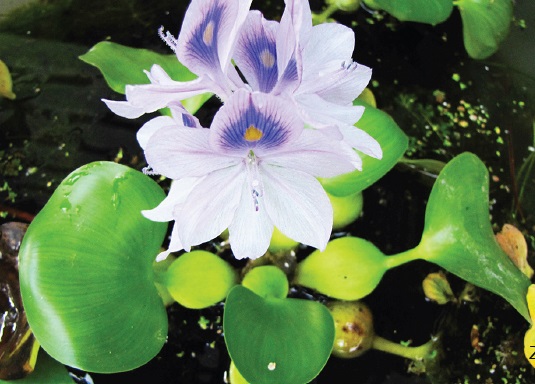
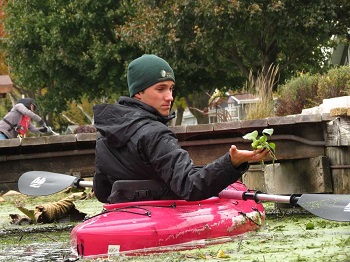 tropical plant, there was hope that the cold Wisconsin winter would eliminate any plants that were potentially missed by the removal efforts. However, in September 2016, more water hyacinth plants were located in the same area of Lake Winneconne in residential channels and the Wolf River channel.


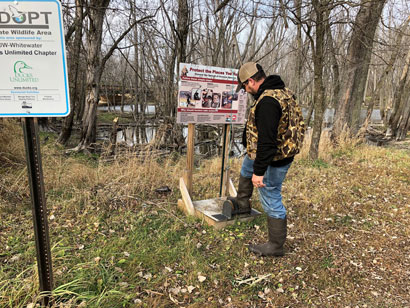
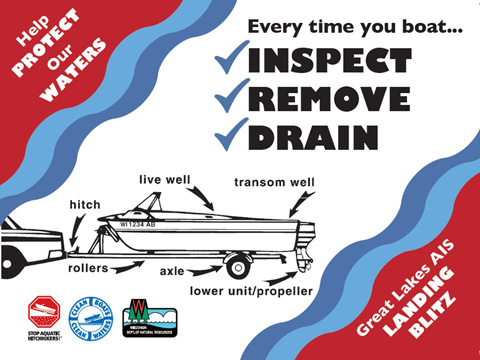 annual Landing Blitz campaign runs June 26th – July 6th, 2024. Clean Boats, Clean Waters (CBCW) boat inspectors and educators will meet boaters at lake and river launches to remind them that by taking simple prevention steps, we all play a vital role stopping the spread of aquatic invasive species (AIS) like zebra mussels.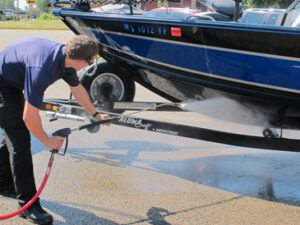
 strategy. Simply put, an ounce of prevention is worth a pound of cure. But if only it were just that simple. The variables and situations that can impact a waterbody may seem so limitless that it can be daunting to know where to start. As a lake resident, you might consider questions such as:
 transporting and spreading AIS without proper decontamination. While everyone is required to “inspect, remove, and drain” per Wisconsin State Statutes NR40, these steps might not always be 100% effective especially for high-risk users such as service providers who are often working on multiple lakes in a single day and interacting with lake water and sediment in ways that recreational users are not. These kinds of service providers need to follow the same prevention steps that we all do, but they are not required to take the extended steps, such as spraying equipment with a bleach solution, making it all the more important for consumers to advocate for their lake.