Michigan bald eagle success story faces new threats
2026-06-09
By Isabella Figueroa Nogueira, Bridge Michigan
The Great Lakes News Collaborative includes Bridge Michigan; Circle of Blue; Great Lakes Now at Detroit PBS; Michigan Public, Michigan’s NPR News Leader; and The Narwhal who work together to bring audiences news and information about the impact of climate change, pollution, and aging infrastructure on the Great Lakes and drinking water. This independent journalism is supported by the Charles Stewart Mott Foundation. Find all the work HERE.
The number of bald eagles in Michigan is declining, and funding delays aren’t helping the cause.
Researchers who have spent decades climbing trees, banding eaglets and monitoring nests across Michigan say something unusual is happening this year.
Field crews working with long-term bald eagle monitoring programs say they’ve found empty nests where aerial surveys previously documented young birds. They’ve also seen malnourished eaglets, damaged nests and signs that some adult bald eagles may be attempting to nest a second time after earlier failures.
For scientists who have tracked Michigan’s bald eagle recovery for decades, the observations are raising concern.
“Our initial impressions are that this is not a typical year,” said Bill Bowerman, a professor of wildlife ecology and environmental toxicology at the University of Maryland and deputy director and chairman of the board at the Ann Arbor-based Wings Over Water Research Institute. “We are seeing widespread reproductive difficulties that appear linked to a combination of severe weather and limited food availability.”
Michigan’s bald eagle population is considered one of the country’s major conservation success stories. After decades of decline caused by habitat loss, hunting and the pesticide DDT, federal protections and environmental regulations helped the species recover.
Annual aerial surveys by Michigan Department of Natural Resources’ Wildlife Disease Laboratory showed breeding pairs increased from about 52 pairs in 1961 to roughly 835 pairs by 2017.
But researchers and state wildlife officials said recovery does not eliminate ongoing threats.
State wildlife pathologist Julie Melotti said that, from 1987 to 2024, trauma accounted for the majority of documented eagle deaths examined by the lab, including 34% from vehicle strikes and about 26% from other trauma, while lead toxicosis accounted for nearly 13%.
Melotti said those patterns reflect long-standing risks tied to human activity and scavenging behavior, particularly when eagles feed on roadkill or remains containing lead ammunition.
Highly pathogenic avian influenza, or bird flu, also caused major disruptions beginning in 2022.
Melotti’s lab documented 64 eagle deaths during the initial bird flu outbreak from April 2022 to January 2023, with about 70% of those cases involving adult birds. Additional confirmed cases have continued into recent years, including dozens examined since late 2024, with adults again making up a substantial share of infections.
According to Bowerman and other Michigan eagle researchers affiliated with Wings Over Water, monitoring after the 2022 outbreak documented the loss of more than 400 breeding pairs, and researchers estimate roughly 2,500 individual eagles may have been lost statewide.
Unlike species that reproduce quickly, bald eagles mature slowly and typically produce only one clutch of one to three chicks per year, making population recovery more sensitive to large disruptions.
Funding delays
For decades, state-supported aerial surveys and field crews allowed researchers to monitor nests across Michigan.
This year, however, more than $700,000 in federal funding expected through the Great Lakes Restoration Initiative for bald eagle and colonial waterbird monitoring has yet to be released, said Wings Over Water officials.
“We were all under the same belief in November that this funding would be available,” Bowerman said. “And we didn’t find out until April that it wasn’t coming.”
Bowerman said the delay has changed what monitoring looks like in practice.
“In normal years, both the aerial surveys that DNR guys (do) would have been funded, and we would have up to three banding crews in the field at one time,” he said.
Instead, Wings Over Water researchers say many nests are being visited by volunteers, limiting how many sites can be visited during the short window when eaglets can safely be handled.
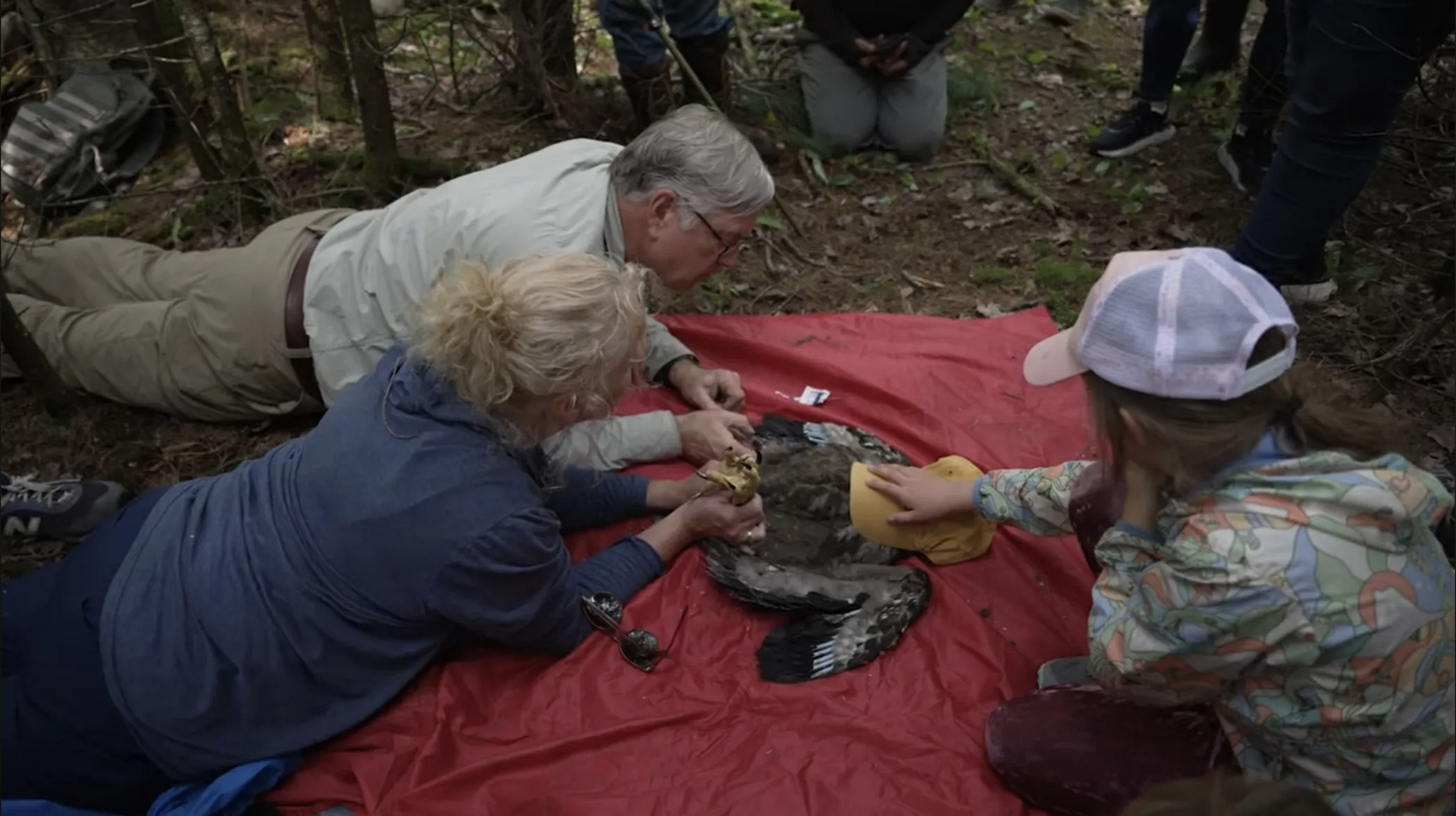
That window typically lasts only five to nine weeks, when researchers climb trees, lower eaglets from nests in specialized bags, collect blood samples, measure feathers and body size, determine sex, band birds and test for contaminants including per- and polyfluoroalkyl substances (PFAS), mercury, pesticides and polychlorinated biphenyls (PCBs).
The data help scientists understand not only eagle health but also broader ecosystem conditions, since young eagles reflect contaminants and environmental conditions present in local food systems.
“Every nest visit provides critical information about the health of Michigan’s waters and wildlife,” said Jennifer Day, executive director of Wings Over Water.
US Environmental Protection Agency officials said the agency provided about $800,000 in Great Lakes Restoration Initiative funding to the US Fish and Wildlife Service for bald eagle and colonial waterbird monitoring in Michigan during the 2026 field season. An additional $500,000 was provided for bald eagle and herring gull contaminant monitoring across Michigan and Wisconsin.
EPA directed questions about the distribution of those funds to the US Fish and Wildlife Service. Wings Over Water officials said funding expected for their monitoring work had not been released as of this spring.
US Fish and Wildlife did not respond to messages seeking comment.
Nesting under pressure
Recent flooding and high water levels may have reduced fishing opportunities for adult eagles, making it harder for parents to feed young.
“We have fewer eagles that are young,” Bowerman said. “We have some birds that are starving to death.”
Wings Over Water field crews say they have documented dead nestlings, severely malnourished chicks and nests damaged or destroyed during wind events.
The combination of field observations and long-term mortality data helps provide context for what researchers are seeing on the ground.
Melotti’s statewide records show that, even after population recovery, eagles continue to face persistent threats from trauma, poisoning and disease.
Researchers said this year’s observations suggest multiple stressors may be overlapping.
“The long winter, spring flooding, and repeated severe wind events likely created very challenging conditions for nesting eagles,” Bowerman said. “While each of these events can occur naturally, it is unusual to see them happening together and affecting nests across such a broad area.”
Exactly how widespread those conditions are remains unclear.
Bowerman said aerial surveys are still being completed in parts of the state, making it too early to fully assess overall productivity, one of the most important measures of population health.
But field observations have already surprised even longtime researchers.
Bowerman said conditions this year have looked different from anything he has seen in decades of monitoring. During one recent trip, he went three days without finding an active nest.
While researchers said they are not suggesting bald eagles are again nearing endangered status, they say continued monitoring is essential to understand how environmental stressors are affecting the population over time.
“Long-term monitoring is the only way we can understand how these major events are affecting the population over time,” Day said.
The post Michigan bald eagle success story faces new threats appeared first on Great Lakes Now.
Great Lakes Now
https://www.greatlakesnow.org/2026/06/09/michigan-bald-eagle-success-story-faces-new-threats/

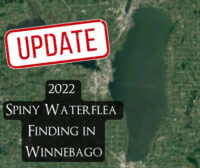 been laid in the sediment of the lake. Following analysis of the samples collected, we are please to report that no evidence of spiny waterflea were found which includes not finding any eggs!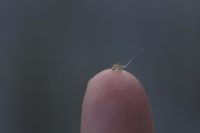
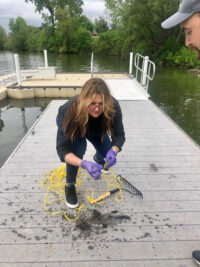 boat launches! Get involved today!
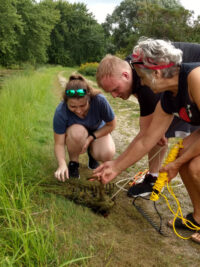 which topics they are interested in monitoring. The information gathered by volunteers is even used by Wisconsin Department of Natural Resources and university biologists and researchers, UW-Extension, and other interested individuals in projects that work to improve your lake! Help keep track of changes in your lake while being near your favorite Winnebago lake! This opportunity is easy to do from both the shoreline as well as your boat!

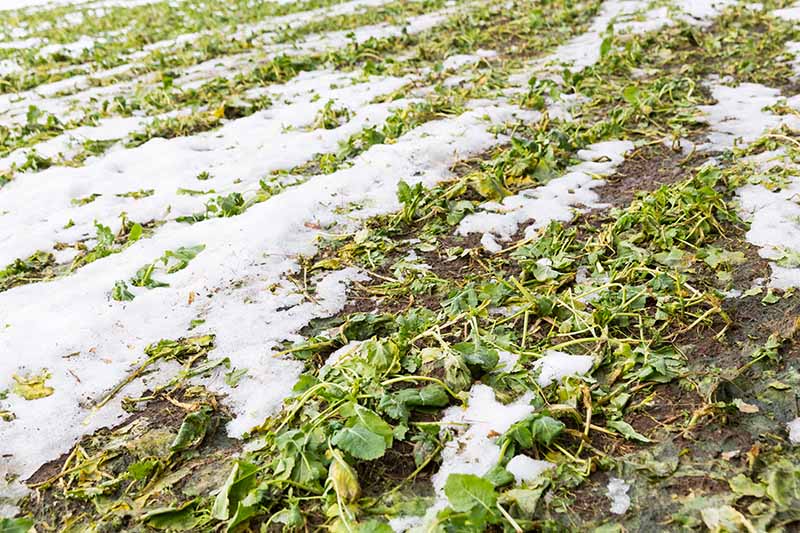





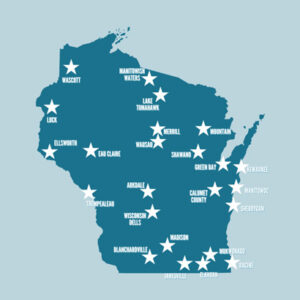 Extension Lakes. Volunteers met at different local rendezvous sites across the state to learn how to identify AIS such as Eurasian watermilfoil, purple loosestrife, and New Zealand mudsnails, and then searched for them in the field at pre-
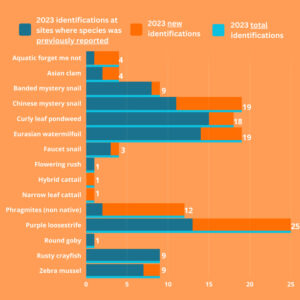 selected locations. Initially focused on rivers and streams, Snapshot Day has expanded to include lakes and wetlands. Findings from Snapshot Day are uploaded to the statewide water quality database, SWIMS, where they can be used to track the spread of invasive species and develop management plans.
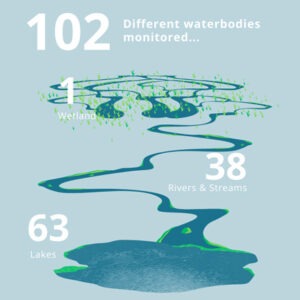 Snapshot Day’s community-based science approach maximizes the number of sites being checked across the state, and the free event allows volunteers to learn about their local waters and how to keep them healthy. As one volunteer stated, “I enjoyed the hands on learning approach. It was helpful to have well informed guides and samples of the invasive species to get a close look at. Once we had a good understanding of what to look for, it was fun to go out and collect samples of what we were finding.”