Golden Mussel: New Kid on the Block
2026-08-27
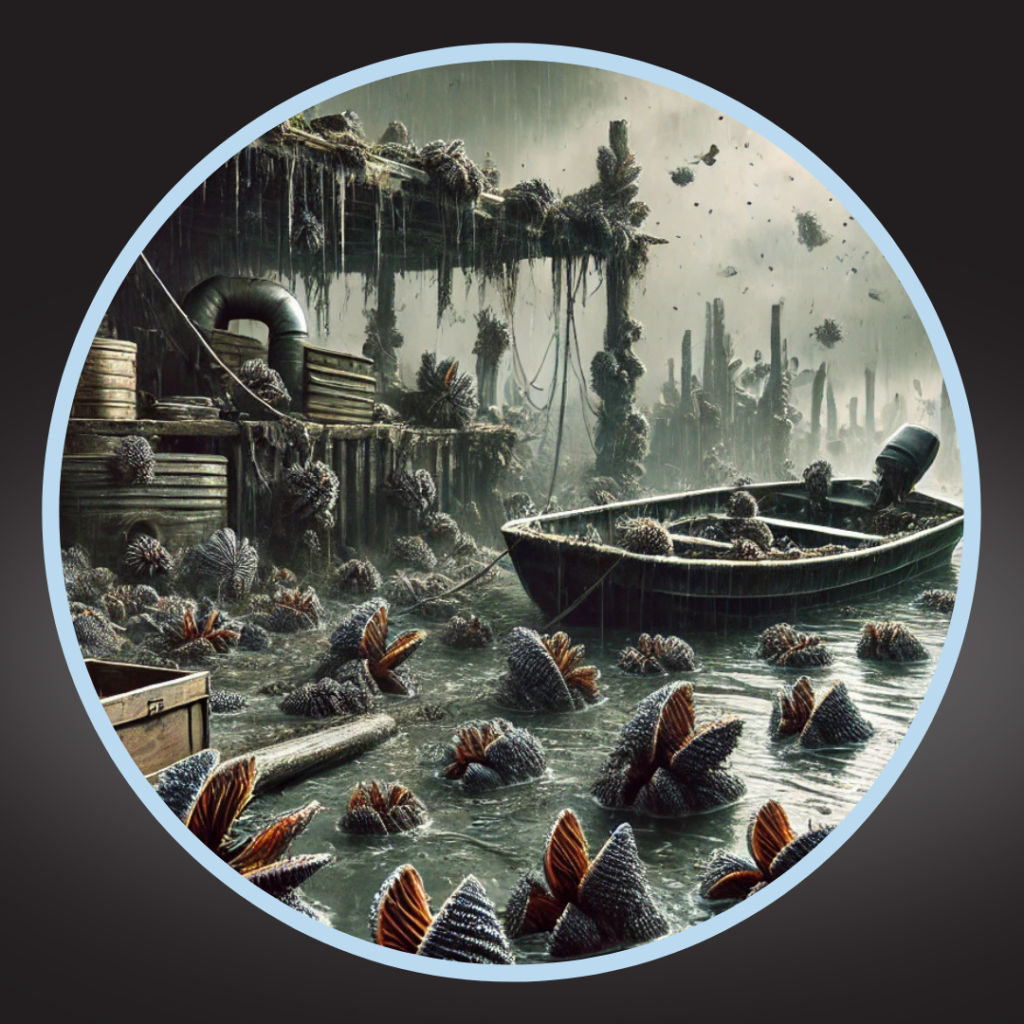
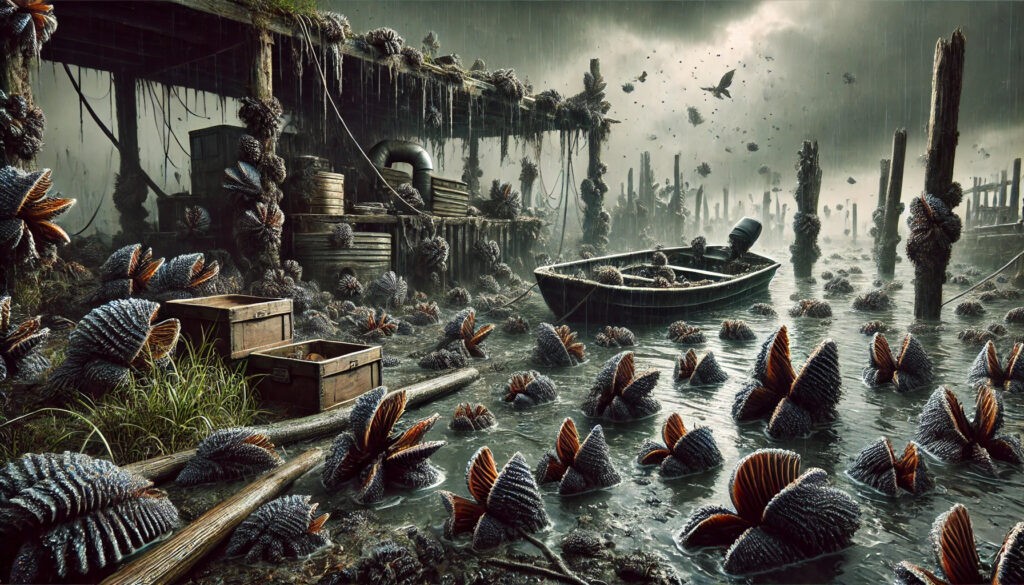
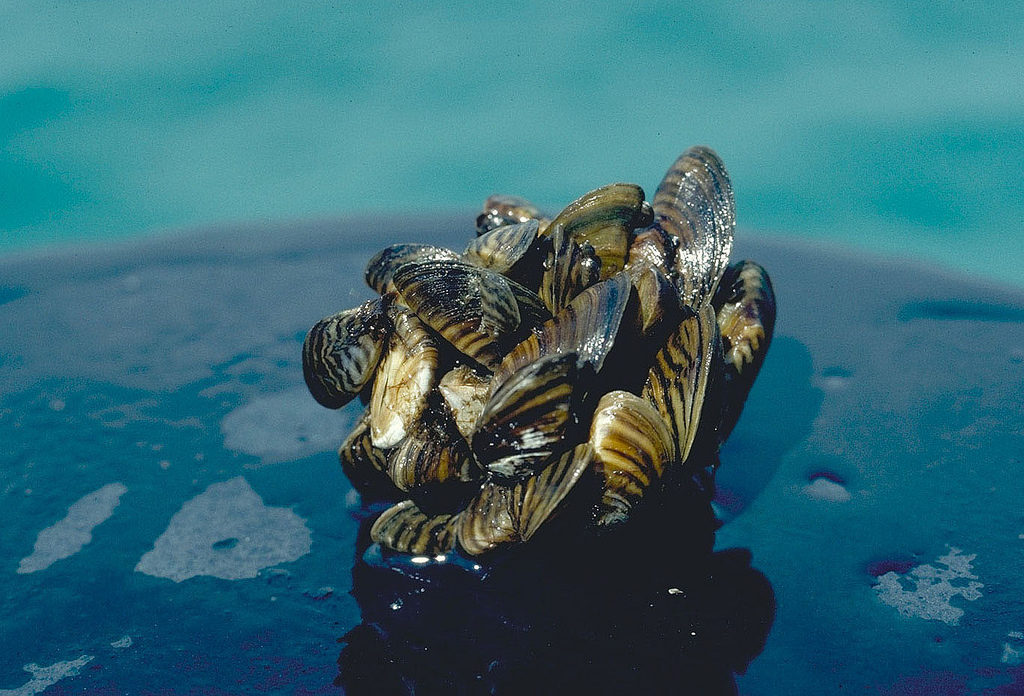
Zebra mussels, quagga mussels, and...Golden mussels? New invasive mussel seen in California You may have heard about a mussel discovered in California's Sacramento-San Joquin Delta in October 2024. The Golden Mussel (Limnoperna fortunei) is an invasive, freshwater bivalve that is similar to the Zebra mussel and Quagga mussel. Similar to these other mussels, the [...]
The post Golden Mussel: New Kid on the Block appeared first on Fox-Wolf Watershed Alliance.
Fox-Wolf Watershed Alliance
https://fwwa.org/2026/08/27/golden-mussel-new-kid-on-the-block/?utm_source=rss&utm_medium=rss&utm_campaign=golden-mussel-new-kid-on-the-block
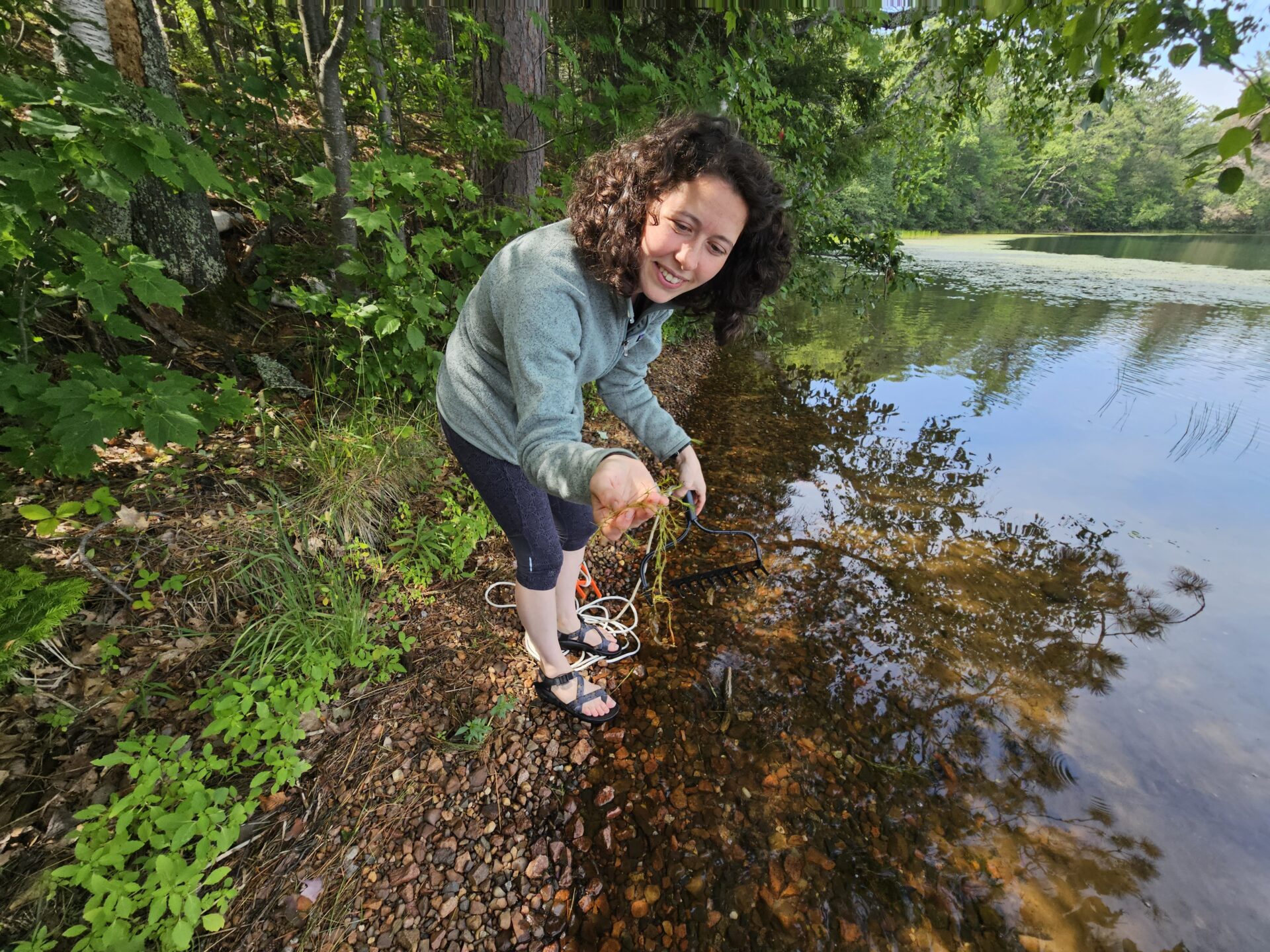







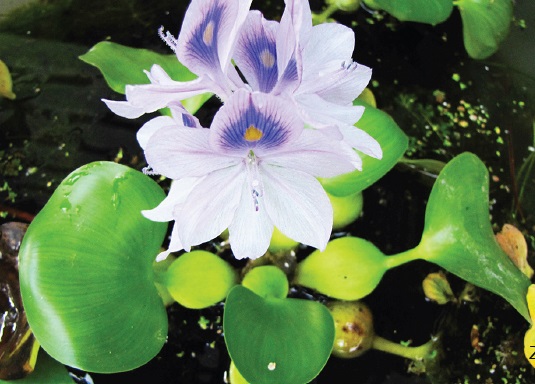
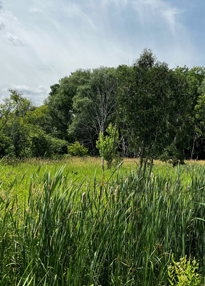
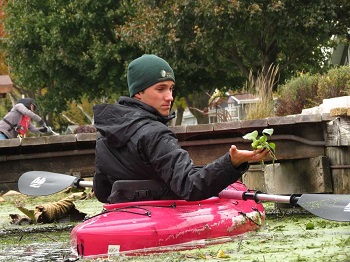 tropical plant, there was hope that the cold Wisconsin winter would eliminate any plants that were potentially missed by the removal efforts. However, in September 2016, more water hyacinth plants were located in the same area of Lake Winneconne in residential channels and the Wolf River channel.
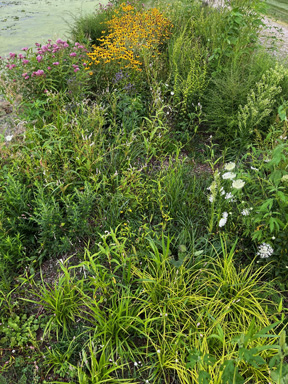 interested in learning more.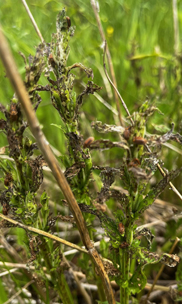
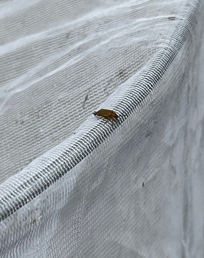
 Winnebago. Since then, the
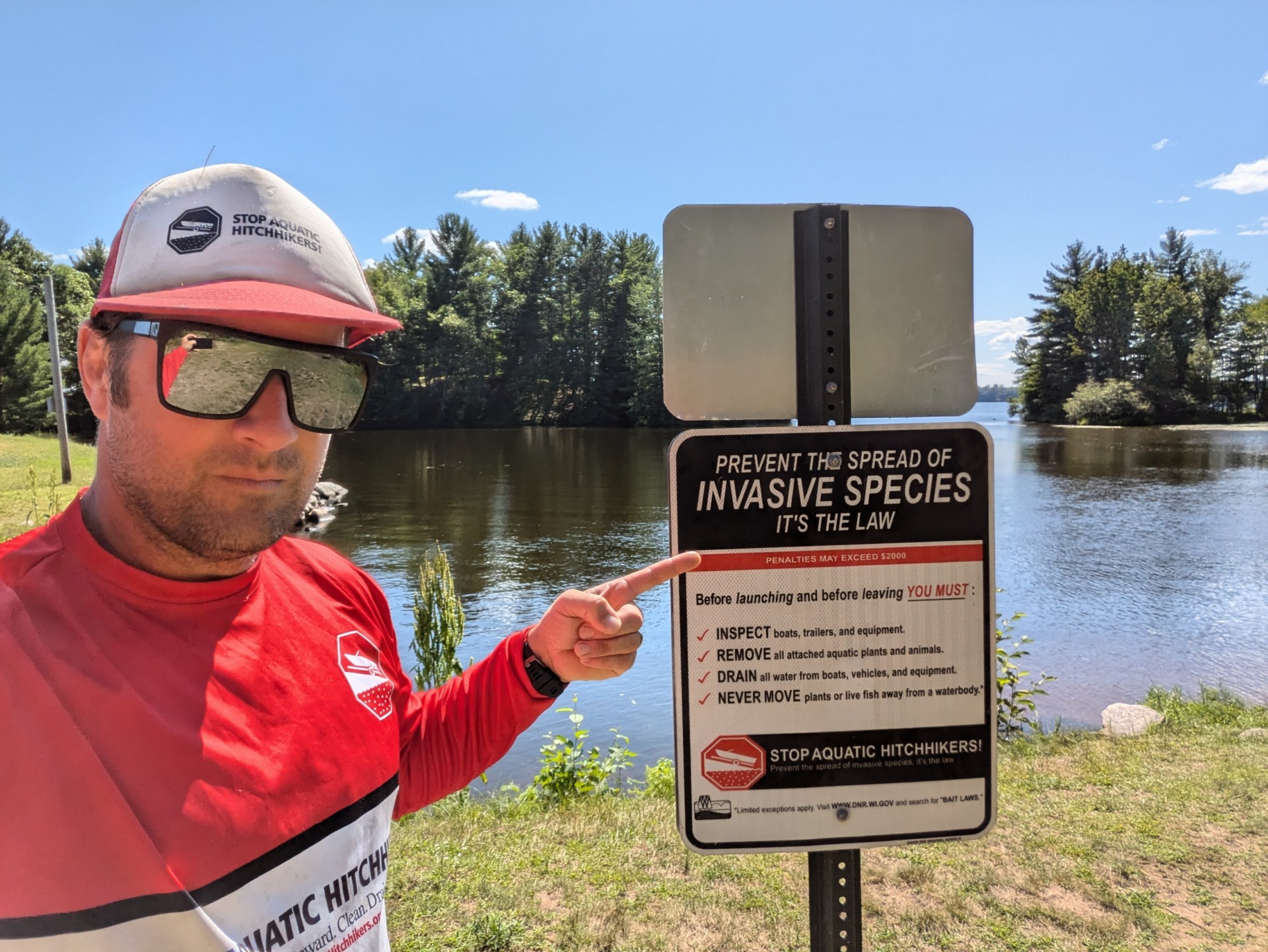
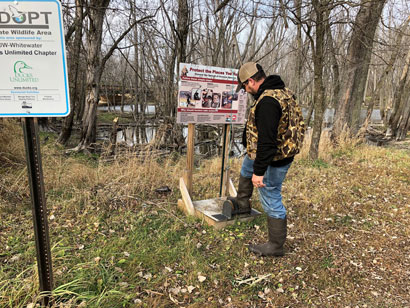
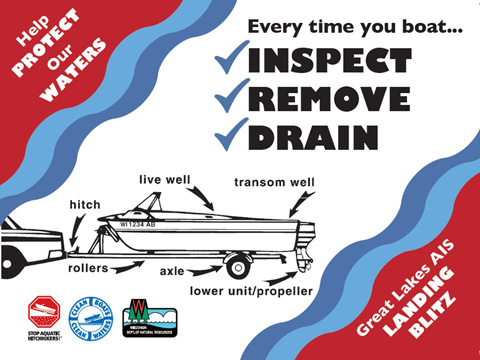 annual Landing Blitz campaign runs June 26th – July 6th, 2024. Clean Boats, Clean Waters (CBCW) boat inspectors and educators will meet boaters at lake and river launches to remind them that by taking simple prevention steps, we all play a vital role stopping the spread of aquatic invasive species (AIS) like zebra mussels.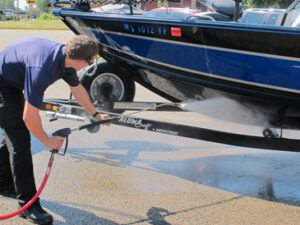
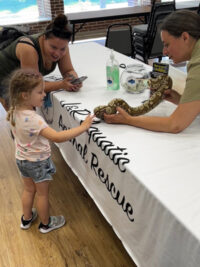
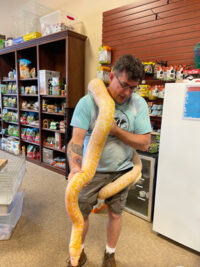 unable to care for their pet may think that releasing the animal is the right thing to do, however, releasing a pet is harmful for the animal and the environment.