How Lake Stewardship & Consumer Power Can Help Prevent the Spread of AIS
Article provided by: Wisconsin AIS Partnership
One of the many challenges facing a healthy waterbody is how to prevent the spread of aquatic invasive species (AIS) to protect the ecological, social, and economic benefits that we so greatly cherish in Wisconsin. Prevention of AIS is key to the long-term sustainability of ‘lake life’ and needs to be at the forefront of any protection strategy. Simply put, an ounce of prevention is worth a pound of cure. But if only it were just that simple. The variables and situations that can impact a waterbody may seem so limitless that it can be daunting to know where to start. As a lake resident, you might consider questions such as:
Does the boat launch near my house have an AIS prevention sign?
What if a new AIS is documented in our lake?
What are people doing upstream that could impact our lake?
Do they follow AIS prevention laws?
Where will the next visiting boat come from and will they have taken prevention steps?
What if they didn’t? What then? What next?…
The problem can feel overwhelming. The important thing is that each of us can do something. Big or small. Simple or complex. New or old. Every action counts and every action matters. As a lake resident, you are in a unique stakeholder position to do something particularly powerful and that is to flex your consumer power when it comes to services that you might need as part of your lake life. These might be services such as dock and lift installation/maintenance, shoreline construction work, etc. Any activity that involves installing, removing, operating, and transporting water-related equipment, structures, and gear presents a high risk of inadvertently 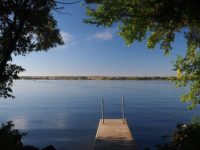 transporting and spreading AIS without proper decontamination. While everyone is required to “inspect, remove, and drain” per Wisconsin State Statutes NR40, these steps might not always be 100% effective especially for high-risk users such as service providers who are often working on multiple lakes in a single day and interacting with lake water and sediment in ways that recreational users are not. These kinds of service providers need to follow the same prevention steps that we all do, but they are not required to take the extended steps, such as spraying equipment with a bleach solution, making it all the more important for consumers to advocate for their lake.
To flex your consumer muscle, here are some simple ideas to consider –
• Ask your existing or prospective provider what AIS prevention steps they take.
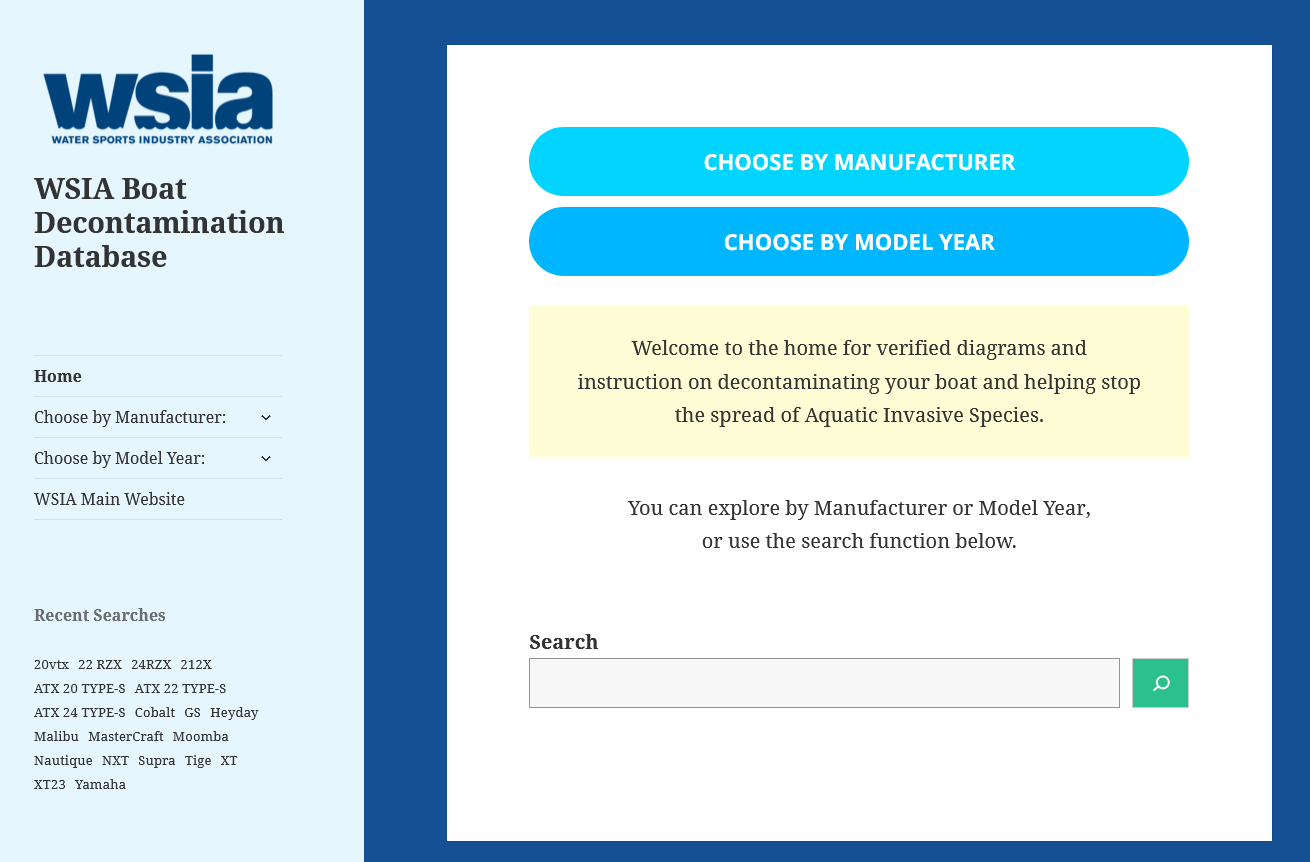
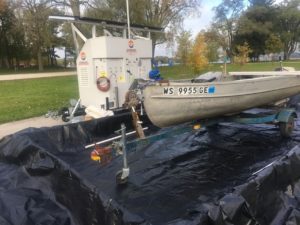
• Build ‘decontamination’ into the service contract. Ask that the provider implement at least one decontamination option (see figure) and provide you with documentation such as a video, logbook, or arrange to witness it in-person.
• Talk with your neighbor or lake group to discuss the possibility of hiring the same provider to reduce the number of providers coming to the lake throughout the season.
Thank you for being a steward of your lake!
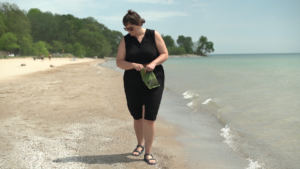
Photo Credit: Steph Boismenue, McGhiever
Questions? Comments? Contact Chris Acy, the AIS Coordinator covering Brown, Outagamie, Fond du Lac, Calumet, and Winnebago Counties at (920) 460-3674 or chris@fwwa.org!
Follow the Fox Wolf Watershed Alliance’s Winnebago Waterways Program on our Winnebago Waterways Facebook page or @WinnWaterways on Twitter! You can also sign-up for email updates at WinnebagoWaterways.org.
Winnebago Waterways is a Fox-Wolf Watershed Alliance program. The Fox-Wolf Watershed Alliance is an independent nonprofit organization that identifies and advocates effective policies and actions that protect, restore, and sustain water resources in the Fox-Wolf River Basin.
Check out the Keepers of the Fox Program at https://fwwa.org/watershed-recovery/lower-fox-recovery/
Reporting invasive species is a first step in containing their spread. Maintaining and restoring our waters and landscapes can reduce the impacts even when we don’t have other management options to an invasive species.
The post How Lake Stewardship & Consumer Power Can Help Prevent the Spread of AIS appeared first on Fox-Wolf Watershed Alliance.
Fox-Wolf Watershed Alliance
https://fwwa.org/2024/05/20/how-lake-stewardship-consumer-power-can-help-prevent-the-spread-of-ais/?utm_source=rss&utm_medium=rss&utm_campaign=how-lake-stewardship-consumer-power-can-help-prevent-the-spread-of-ais


 “Sea Grant’s success and impact continues to rely on the power of collaboration,” said Jonathan Pennock, director of the National Sea Grant College Program. “This special issue showcases and celebrates the breadth of Sea Grant’s work.”
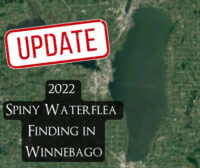 been laid in the sediment of the lake. Following analysis of the samples collected, we are please to report that no evidence of spiny waterflea were found which includes not finding any eggs!
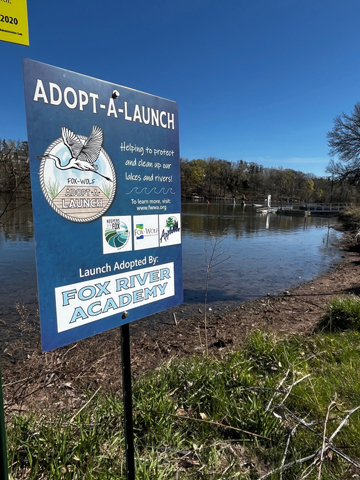
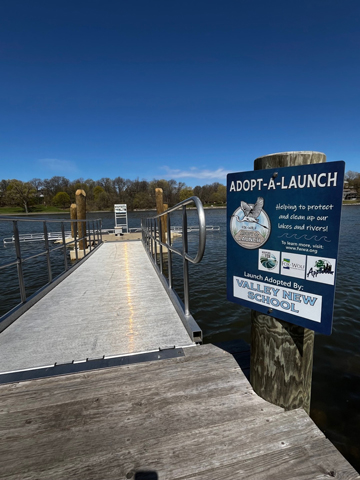
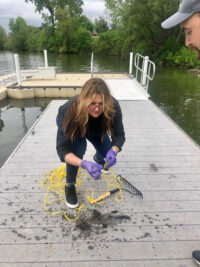 boat launches! Get involved today!
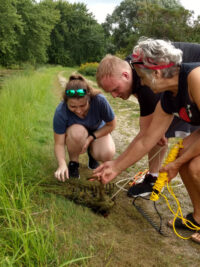 which topics they are interested in monitoring. The information gathered by volunteers is even used by Wisconsin Department of Natural Resources and university biologists and researchers, UW-Extension, and other interested individuals in projects that work to improve your lake! Help keep track of changes in your lake while being near your favorite Winnebago lake! This opportunity is easy to do from both the shoreline as well as your boat!
 provide responsible alternatives and a judgement-free environment for pet owners who can no longer care for their exotic animals.
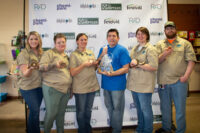
 collaborative effort ensures that these animals are given proper care and attention.
 With 29 events planned for the year there are ample opportunities for pet owners to seek assistance in rehoming their animals.
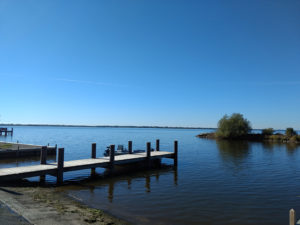 while still leaving options open for herbicide treatment, if needed. Other management options include manual and mechanical removal as well as simply monitoring, since non-native plants can often co-exist with other native plants in a lake without taking over and becoming a nuisance.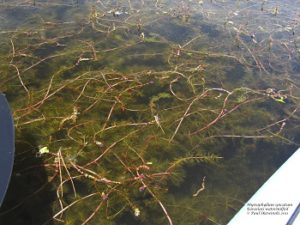
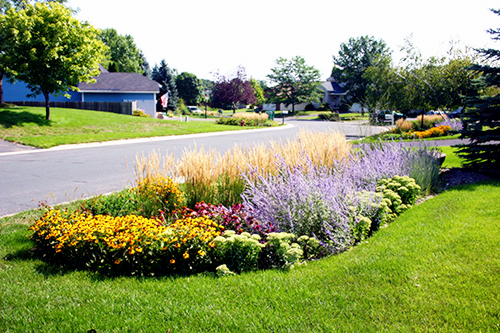 Attention Master Gardeners, Master Naturalists, Garden Club Members and others advising home gardeners; this webinar is for you! Representatives from UWEX and DNR will join Melinda Myers to talk about current threats, available resources and ways we can all work together to manage invasive plants. To register for the free webinar, click the button below!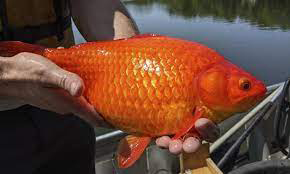
 Goldfish were first spotted in Hamilton Harbour in the 1960s, but largely died off in the 1970s because of industrial contamination. In the early 2000s, their population appeared to recover. Goldfish can tolerate a wide range of water temperatures, reach sexual maturation quickly, and can eat nearly anything, including algae, aquatic plants, eggs and invertebrates, Ms. Boston said.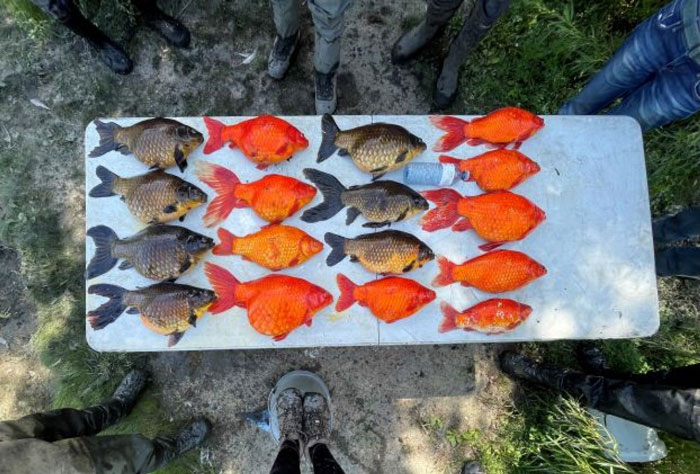


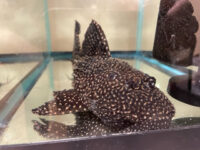
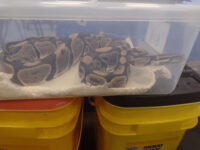
 example are the Burmese pythons that have had an enormous impact on the Everglades in Florida. However, multiple cases of released pets causing problems in our waters occur every year including an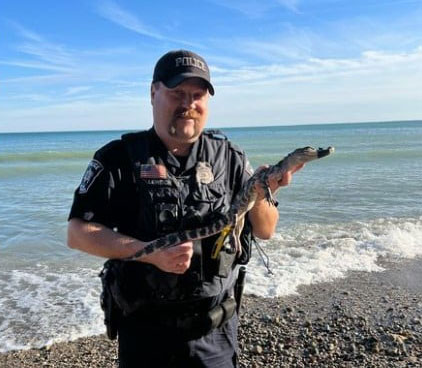
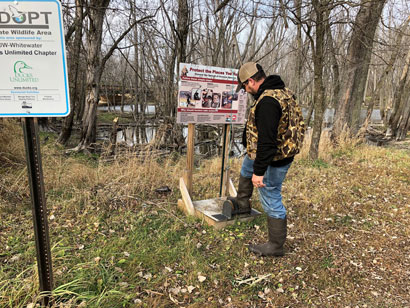
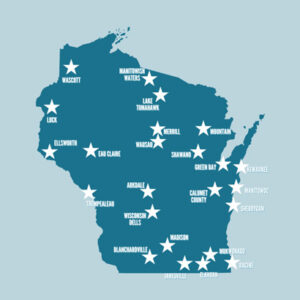 Extension Lakes. Volunteers met at different local rendezvous sites across the state to learn how to identify AIS such as Eurasian watermilfoil, purple loosestrife, and New Zealand mudsnails, and then searched for them in the field at pre-
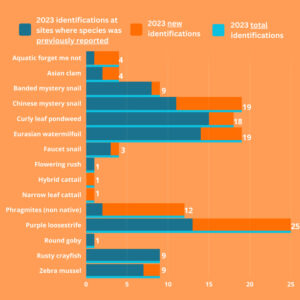 selected locations. Initially focused on rivers and streams, Snapshot Day has expanded to include lakes and wetlands. Findings from Snapshot Day are uploaded to the statewide water quality database, SWIMS, where they can be used to track the spread of invasive species and develop management plans.
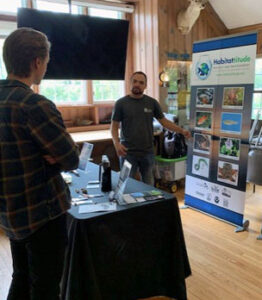
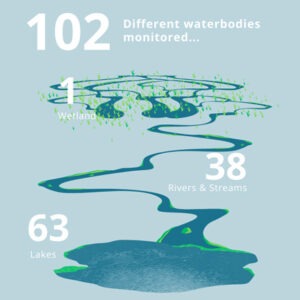 Snapshot Day’s community-based science approach maximizes the number of sites being checked across the state, and the free event allows volunteers to learn about their local waters and how to keep them healthy. As one volunteer stated, “I enjoyed the hands on learning approach. It was helpful to have well informed guides and samples of the invasive species to get a close look at. Once we had a good understanding of what to look for, it was fun to go out and collect samples of what we were finding.”
 and the environment. Pet Surrender events are now being held across Wisconsin help provide an avenue to pet owners to rehome pets without harming the pet or the environment.
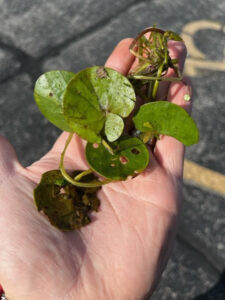 invasive species in the Bay of Green Bay.
 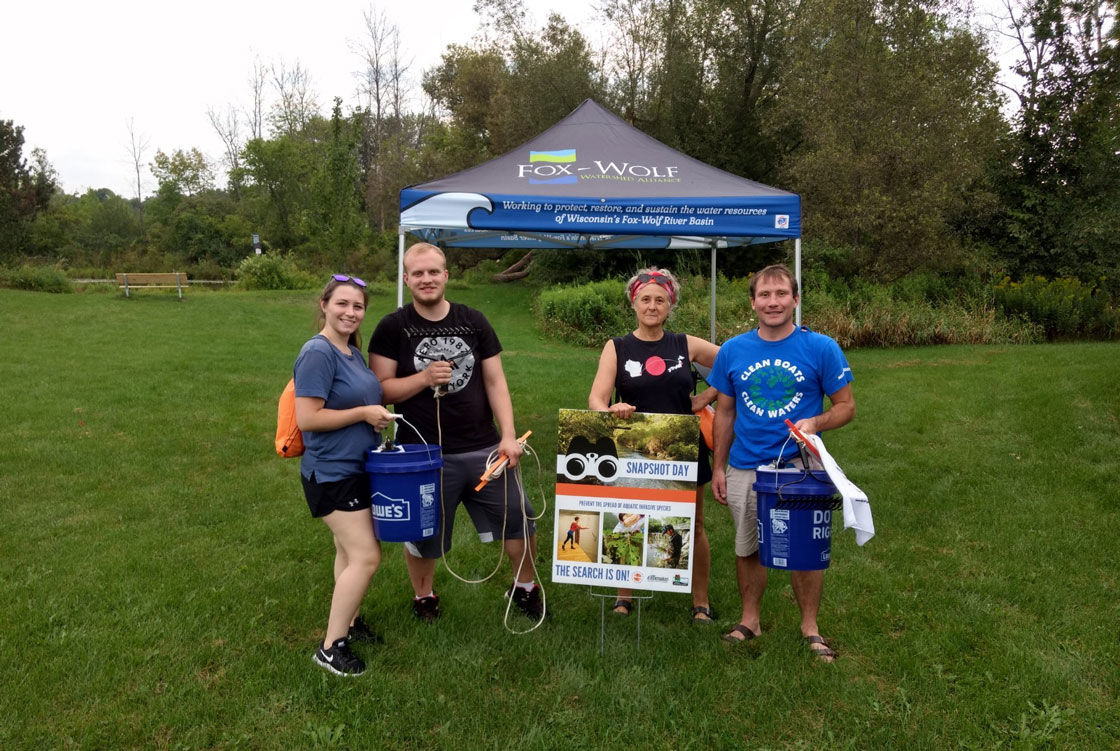 risks to Wisconsin waterways and wildlife. Volunteers have a choice to register at one of over twenty event locations hosted by local conservation groups.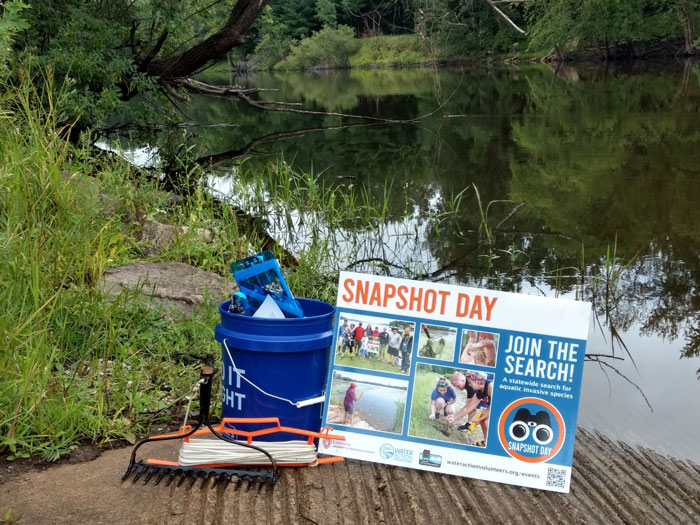
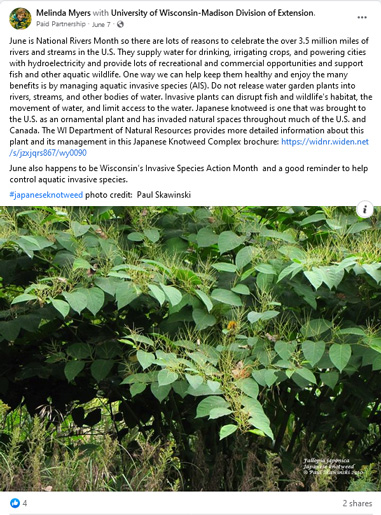
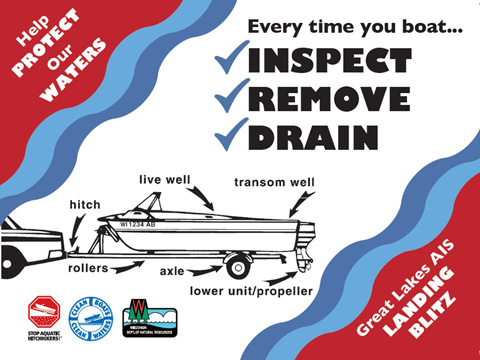 will give out a brand new red, white, and blue boat trailer sticker with a boat graphic showing people all the places where plants, tiny animals and potentially contaminated water can hide.