By Laura Herberg, Bridge Michigan

The Great Lakes News Collaborative includes Bridge Michigan; Circle of Blue; Great Lakes Now at Detroit PBS; Michigan Public, Michigan’s NPR News Leader; and The Narwhal who work together to bring audiences news and information about the impact of climate change, pollution, and aging infrastructure on the Great Lakes and drinking water. This independent journalism is supported by the Charles Stewart Mott Foundation. Find all the work HERE.


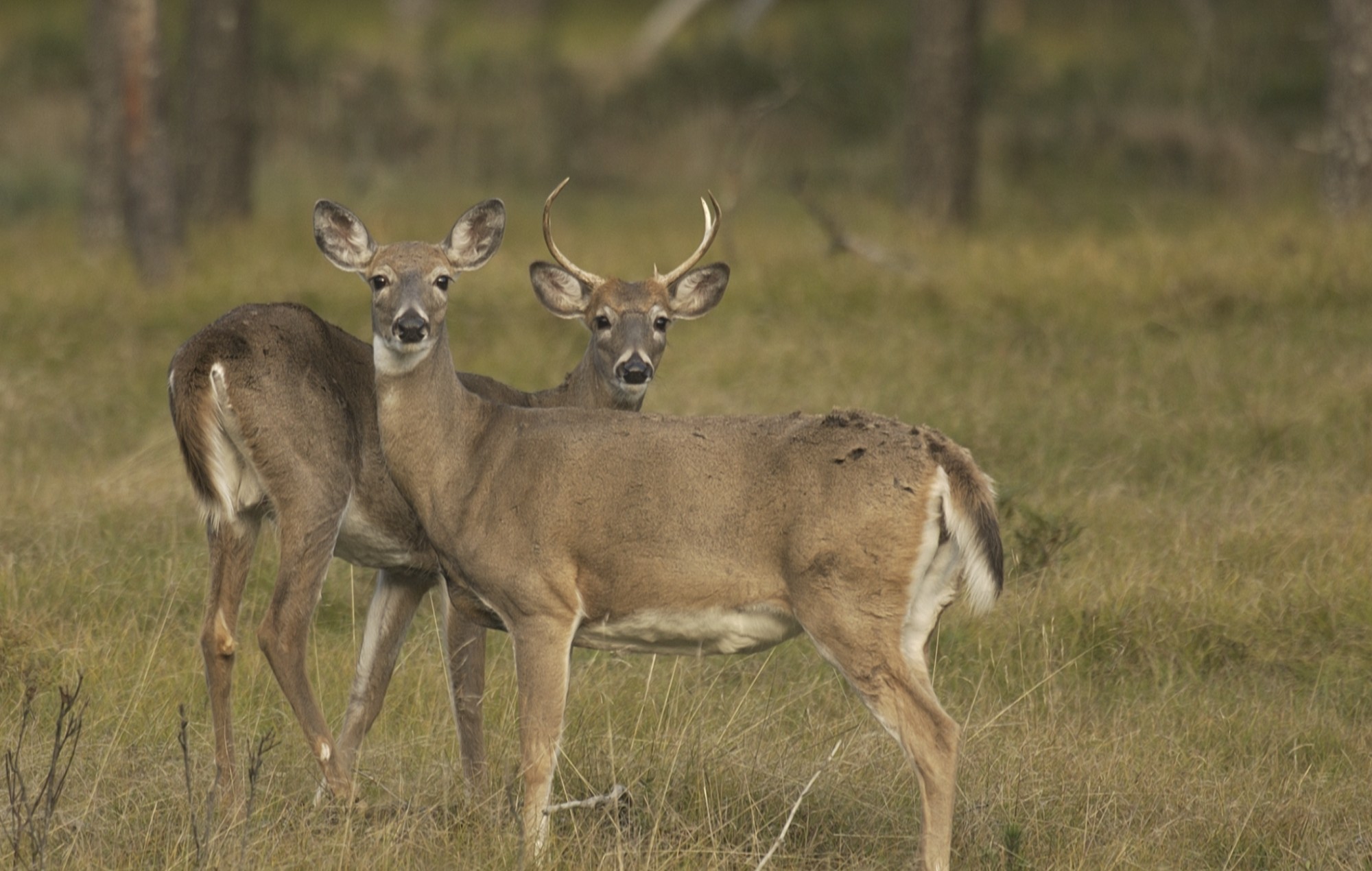
Elliot Hubbard and his wife own a small hobby farm in Michigan’s Thumb region where Hubbard said “it’s not uncommon to see 30 to 40 does in our fields and a handful of bucks.”

The Michigan Department of Natural Resources doesn’t know the ratio of does to bucks in the state’s white-tailed deer herd, but officials suspect females outnumber males. 

Many people believe that’s because Michigan hunters prefer to kill bucks because state policy told them to do so for decades. As a result, the state’s herd is likely unbalanced, which some worry hurts the population and the quality of hunting because it means fewer big bucks left to target. 

To try to reverse that trend, advocates have since the 1990s tried to get state regulators to limit hunters to one buck per huntingseason, but had been told it was nearly impossible because of state legislation. Countless hours of research and advocacy proved fruitless for years, even as someother states with one buck rules saw more balanced kills and balanced herds.

This year, however, the DNR reversed course and recommended the Michigan Natural Resources commission enact a one buck rule that also puts doe tags at the forefront.

A vote could happen as soon as Wednesday, which some hunters feel would be historic for the state. 

In reality, today’s issues with the herd likely exist because a version of the rule first passed about 100 years ago.

‘They didn’t want to harvest any does’

After logging, development, fires and a period of unregulated commercial venison sales took its toll on Michigan’s deer herd, the state passed a law in 1921 requiring hunters to kill just one deer — and it had to be a buck.

“It is expected this provision will re-populate the forest of Michigan with deer,” an article published in the St. Joseph Herald-Press said at the time.

“They didn’t want to harvest any does because, in their mind, does make the babies,” explained Baraga County hunter Jordan Hoover, who grew up with a father involved in deer conservation. “So, if we don’t take any does, we’ll have more deer.” 

In practice, the “one buck only” policy appears to have not only helped the deer population grow in Michigan but also affected sex ratios and the psyche of hunters.

By the 1930s, Michigan reported 2.4 does for every buck statewide, though many hunters believed the imbalance was even greater. In the 1940s, the state began holding antlerless deer seasons to control growing deer populations that were damaging farms. By 1965, hunters could use an archery license to take a deer of either sex, though many hunters still sought that trophy buck.

“As the herd grew, the mentality didn’t evolve with the changes of the environment and the population as a whole,” said Todd Johnson, the director of policy and advocacy for the state council of the National Deer Association in Michigan.

Buck was still king. In fact, starting in 1977, hunters could shoot two bucks in one year if they took one with a firearm and another with a bow. Then the bag limit doubled to four in 1986. 

Some hunters started to feel that encouraging antlerless deer harvests and limiting hunters to one buck could increase the health of the herd and grow the number of big bucks in the future by letting more young bucks mature. 

In 1998, the combination license was created and hunters were limited to two buck tags.

“Conscientious hunters everywhere rejoiced,” read an article in the Lansing State Journal published that year.

‘The countless phone calls’

Hoover, the Baraga County hunter, said it was around that time when his father, David Hoover, “started standing on the gas pedal” in lobbying for a one buck rule.

The younger Hoover recalled his dad driving back and forth between their home in Calumet and Lansing. 

“And just the hundreds if not thousands of hours that I saw him put into studies, sitting at his desk, the countless phone calls, the emails, pouring over all the data,” he said. “It made a big impression on me.”

By the early 2000s, the idea of a one buck rule seemed at a fever pitch. In 2005, one sportswriter opened a story this way: “State wildlife officials say they’re hearing a mantra about deer hunting across the state: one buck, one buck, one buck.” 

But the DNR said that a one buck rule couldn’t be implemented without new legislation. Officials also worried a one buck rule would likely result in the loss of more than $5 million for the department because second buck tags could not be purchased. 

In 2007, the Natural Resources Commission looked at two proposals for a one buck rule, but both were unanimously opposed, with commissioners citing preliminarysurveys showing “a strong majority of hunters” were not interested in being limited to one buck.

‘An overdue correction’

Today’s hunters are divided. In 2020, a DNR survey found nearly half of them — 48% — would support limiting the combination license to allow for only one antlered deer to be killed.

Meanwhile, a highly vocal contingent has emerged to push the one buck rule. They swap studies in Facebook groups, talk on podcasts and are involved in advisory groups created by the DNR.

They point to other Midwestern states, such as Ohio and Pennsylvania, that have had a one buck rule for more than a hundred years and have more balanced hunts.

In 2025, Ohio hunters reported killing 1.42 antlerless deer for every antlered deer. In Pennsylvania, hunters reported killing 1.73 antlerless deer for every antlered deer. In Michigan, hunters reported killing 0.92 antlerless deer for every one antlered deer.

“In this state, we’re buck-centric in the fact that people just want to shoot their buck,” said Lincoln Rohn, a hunter based in Comstock Park. “A lot of them don’t care how big it is, and they want to shoot two of them.”

Rohn, Hoover, Hubbard, Hubbard’s wife, Rashel, and others had been pushing for the one buck rule but running into similar obstacles as past advocates.

“We’ve always been told that we could not do one buck,” said Rohn. “We were told, because the Legislature needed a combination license, that we could not do it. It had to be two bucks.”

But the advocates noted the law called for a combination license allowing for two deer, but didn’t say two bucks. At their urging, the DNR asked for a legal review and determined the advocates were right. That allowed the department to support a one buck rule. 

“This change is an overdue correction due to the evolution of the deer herd in Michigan,” Johnson, of the National Deer Association Michigan, said. “We’re at a point where we need to manage the herd for sustainable health.”

The post Michigan created a buck-centric culture regulators now want to change appeared first on Great Lakes Now.
Original Article

Great Lakes Now

Great Lakes Now

https://www.greatlakesnow.org/2026/05/11/michigan-created-a-buck-centric-culture-regulators-now-want-to-change/
Bridge Michigan

This article was republished here with permission from Great Lakes Echo.

By Addie Tussing, Great Lakes Echo


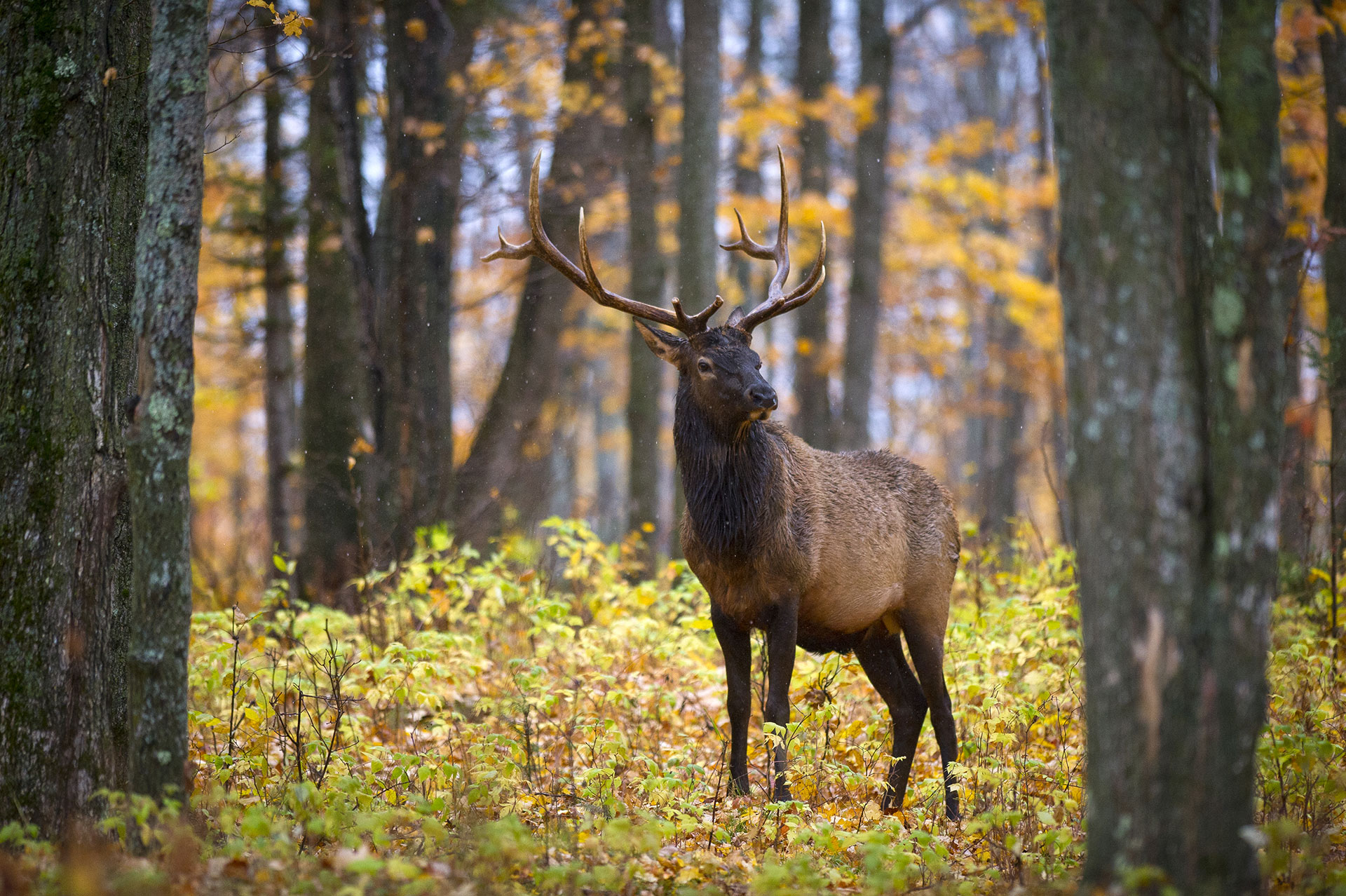
Every year, thousands of hopeful hunters apply for one of only 260 licenses to hunt elk in Michigan. 

The state Department of Natural Resources (DNR) received a record-breaking 47,493 applicants in 2025. 

“It’s a chance for folks in Michigan who are used to some similar hunting experiences, but with the added uniqueness and challenges of pursuing a different animal,” said Brent Rudolph, the deer, moose and elk specialist with the DNR. 

Michigan’s original native elk disappeared in 1875 due to overhunting and habitat loss. They were reintroduced in 1918, and populations have since stabilized, according to Rudolph. 

“We are working on viewing the uniqueness that they bring to the communities where they’re around, and then balance the efforts to manage their population to minimize potential conflicts,” he said.

In 2025, Michigan hunters shot 153 elk. The DNR estimates Michigan’s elk population to be around 1,100 animals.

Every year, the National Resources Commission works alongside the DNR to create quotas to control the number of elk that can be taken. 

“Our five-year average has been around a 72% success rate in fulfilling those quotas,” said Rudolph, while “the 2025 success rate was 64%.”

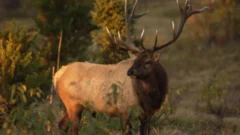
Brent Henige of New Lothrop shot this-559 pound bull on Dec.13, 2025.

Licenses are awarded to applicants through a random drawing. Once selected, they receive specific information on the hunting period and type of license they have received. 

“Some receive licenses that are ‘any elk,’ which mean they can pursue bulls, which is often the preferred target because they are antlered animals,” said Rudolph. 

Some, however, receive licenses for antlerless-only elk to control the number of females in the population.

There are two hunting periods: The first consists of three independent sessions throughout August and September, and the second from Dec. 13-21. The second period poses challenges to some hunters because of unpredictable weather conditions and proximity to the holiday season. 

When selected, “you will have an opportunity to hunt in one of two core elk range units” said Rudolph. 

Hunters are restricted to the land of the Pigeon River Country State Forest and what is referred to as the “Elk management Unit X” land, both in the Northern Lower Peninsula near Gaylord. 

As the 2025 hunt came to a close, the DNR drafted an alternative to its current Elk Conservation and Management Plan

The proposal aims to lengthen both the first and second hunt periods, and most notably, consolidate the first hunt into one continuous period. 

“We are aiming to make it more convenient for hunters having a more contiguous period so they could choose when they’re able to participate,” says Rudolph, who said that the change will give hunters who aren’t local more leeway, increasing the success rate of the first hunt. 

According to the DNR, the proposed first period would be 30 days from September to the beginning of October, and the second period would run from Dec. 1st to the 15th. 

They intend to shift the first hunt to begin at later dates to avoid hot weather which is both uncomfortable to hunt in and leads to more elk meat spoiling. 

The new dates for the second hunt would be more accessible to hunters who celebrate holidays towards the end of December. 

Michigan residents were given the opportunity for public comment on the proposed regulations. 

Seventy-three residents emailed their thoughts to the DNR before the Jan. 23 cutoff. Rudolph said 63% supported the change and about 27, or 37%, were opposed to some aspect.

While a majority supported the proposed regulations, many were concerned that the new timeline would overlap with the days to hunt bears. 

“Some hunters can pursue bear[s] with dogs, and hounds moving through could make hunters anxious or could just lead to some conflicts,” said Rudolph. 

Chad Sides, who chairs the Michigan Elk Country Association, a conservation organization based in Gaylord, is weighing the benefits of the proposition. 

“It could be beneficial if implemented properly,” Sides said. “It may provide a better experience for the hunters and have a better hunt.” 

On the other hand, Sides said he is apprehensive about the elk population going forward. “I hope that the state realizes that our herd is significantly down from years past.”

A more successful hunt could decrease the population at a more rapid rate, Sides said. 

The regulations will be finalized during the Natural Resources Commission’s April meeting. 

Before then, Rudolph and the DNR will try to reduce conflict with the bear hunting season. “We will be making some adjustments to the proposed dates and lengths to still reach the original objectives.”

Rudolph said the elk hunt is a vital and unique resource in Michigan.

“We’re happy to be able to take input on how we can try and best accommodate some of the diverse opinions people have,” he said.

The post Michigan mulls changes in elk hunt regulations appeared first on Great Lakes Now.

Original Article

Great Lakes Now

Great Lakes Now

https://www.greatlakesnow.org/2026/04/10/michigan-mulls-changes-in-elk-hunt-regulations/

Great Lakes Echo

How Michigan’s Inland Fish Farmers Cultivate a Sustainable Future for the Great Lakes

Despite being surrounded by the largest group of freshwater lakes on Earth, Michigan imports the vast majority of its seafood, between 65% and 90%, according to Michigan Sea Grant.

As global aquaculture has grown to meet increasing demand for protein, a small but determined group of inland fish farmers in the Great Lakes region are working to build a more sustainable, local supply.

Read Now at Great Lakes Now.

Original Article

Great Lakes Now

Great Lakes Now

https://www.greatlakesnow.org/2025/08/how-michigans-inland-fish-farmers-cultivate-a-sustainable-future-for-the-great-lakes/

Donte Smith

Bassmaster Elite arrives as Lake St. Clair’s smallmouth break records

As anglers compete in the 2025 Yokohama Tire Bassmaster Elite competition on Lake St. Clair from Aug. 7-10, they’ll likely bring some pretty prize catches to weigh-ins. That’s because the catch-and-release method has allowed smallmouth bass on Lake St. Clair to grow to much greater sizes, according to new research from the Michigan Department of Natural Resources (DNR).

Read Now at Great Lakes Now.

Original Article

Great Lakes Now

Great Lakes Now

https://www.greatlakesnow.org/2025/08/bassmaster-elite-arrives-as-lake-st-clairs-smallmouth-break-records/

Jack Armstrong

‘We can’t regulate ourselves’ out of whitefish crisis, experts say

By Emilio Perez Ibarguen, Bridge Michigan

The Great Lakes News Collaborative includes Bridge Michigan; Circle of Blue; Great Lakes Now at Detroit PBS; Michigan Public, Michigan’s NPR News Leader; and The Narwhal who work together to bring audiences news and information about the impact of climate change, pollution, and aging infrastructure on the Great Lakes and drinking water.

Read Now at Great Lakes Now.

Original Article

Great Lakes Now

Great Lakes Now

https://www.greatlakesnow.org/2025/07/we-cant-regulate-ourselves-out-of-whitefish-crisis-experts-say/

Bridge Michigan

Cleveland Metroparks breaks down accessibility barriers with all-terrain wheelchairs

By Zaria Johnson, Ideastream Public Media

This story was originally published by Ideastream.

Cleveland Metroparks is expanding access to its trail network for visitors with disabilities. It’s acquired two new wheelchairs – one a motorized Action Trackchair, the other, a manual GRIT Freedom Chair, for use on and off the beaten paths.

Read Now at Great Lakes Now.

Original Article

Great Lakes Now

Great Lakes Now

https://www.greatlakesnow.org/2025/06/cleveland-metroparks-breaks-down-accessibility-barriers-with-all-terrain-wheelchairs/

Ideastream Public Media

Ice fishing returns to Lake Erie after years of thin ice and open water

This article was republished here with permission from Great Lakes Echo.

By Clara Lincolnhol, Great Lakes Echo

This year’s winter has been a breath of fresh air for ice fishing enthusiasts and businesses around Lake Erie.

“There were over 300 huts out on the ice on Presque Isle Bay one weekend in January,” said Jerry Skyrpzak, president of the S.O.N.S.

Read Now at Great Lakes Now.

Original Article

Great Lakes Now

Great Lakes Now

https://www.greatlakesnow.org/2025/02/ice-fishing-returns-to-lake-erie-after-years-of-thin-ice-and-open-water/

Great Lakes Echo

Back to the Boundary Waters

Erik Grams was 12 years old when he first went camping in the Boundary Waters Canoe Area Wilderness in northern Minnesota. Ever since that trip, he’s been coming back again and again. It’s his favorite place in the world.

“I really feel – when I’m in the Boundary Waters – that I’m in my element,” said Erik.

Read Now at Great Lakes Now.

Original Article

Great Lakes Now

Great Lakes Now

https://www.greatlakesnow.org/2025/02/back-to-the-boundary-waters/

Interlochen Public Radio

The early elk hunt was tough last year. Hot weather is likely to blame.

By Izzy Ross, Interlochen Public Radio

This coverage is made possible through a partnership between Interlochen Public Radio and Grist, a nonprofit environmental media organization.

The elk hunting season got off to a tough start last year, and state officials say heat is at least partly to blame.

Read Now at Great Lakes Now.

Original Article

Great Lakes Now

Great Lakes Now

https://www.greatlakesnow.org/2025/02/the-early-elk-hunt-was-tough-last-year-hot-weather-is-likely-to-blame/

Interlochen Public Radio

Report: Great Lakes recreational fishing worth billions to economy, but not as much as often cited

By Lester Graham, Michigan Public

The Great Lakes News Collaborative includes Bridge Michigan, Circle of Blue, Great Lakes Now at Detroit PBS, Michigan Public and The Narwhal who work together to bring audiences news and information about the impact of climate change, pollution, and aging infrastructure on the Great Lakes and drinking water.

Read Now at Great Lakes Now.

Original Article

Great Lakes Now

Great Lakes Now

https://www.greatlakesnow.org/2025/01/report-great-lakes-recreational-fishing-worth-billions-to-economy-but-not-as-much-as-often-cited/

Michigan Public

Points North: Saving David

By Michael Livingston

Points North is a biweekly podcast about the land, water and inhabitants of the Great Lakes.

This episode was shared here with permission from Interlochen Public Radio. 

On a blustery September day in 2024, 68-year-old David Holtfreter decides to go kayaking in Grand Traverse Bay, Michigan.

Read Now at Great Lakes Now.

Original Article

Great Lakes Now

Great Lakes Now

https://www.greatlakesnow.org/2024/11/points-north-saving-david/

Interlochen Public Radio

Points North: The Biggest Buck That Maybe Never Was

By Max Howard

Points North is a biweekly podcast about the land, water and inhabitants of the Great Lakes.

This episode was shared here with permission from Interlochen Public Radio.


A northern Michigan hunter named Mitch Rompola is sitting in a tree stand waiting.

Read Now at Great Lakes Now.

Original Article

Great Lakes Now

Great Lakes Now

https://www.greatlakesnow.org/2024/10/points-north-the-biggest-buck-that-maybe-never-was/

Interlochen Public Radio

Points North: Shooting a Unicorn

By Kelly House, Morgan Springer and Daniel Wanschura

Points North is a biweekly podcast about the land, water and inhabitants of the Great Lakes.

This episode was shared here with permission from Interlochen Public Radio. 

Two guys in Michigan are hunting coyotes in the middle of winter.

Read Now at Great Lakes Now.

Original Article

Great Lakes Now

Great Lakes Now

https://www.greatlakesnow.org/2024/08/points-north-shooting-a-unicorn/

Interlochen Public Radio

Lake Erie Charter Life

Captains were few and far between in 1979, when Tibbels Marina in Marblehead, Ohio got into the fishing charter business on Lake Erie. A few years earlier, in 1975, the state had 46 captains on Lake Erie. A few years later, when the Tibbels family launched its first boat, there were about 156.

Read Now at Great Lakes Now.

Original Article

Great Lakes Now

Great Lakes Now

https://www.greatlakesnow.org/2024/07/lake-erie-charter-life/

James Proffitt, Great Lakes Now

As climate change alters lakes, tribes and conservationists fight for the future of spearfishing

By Melina Walling and John Locher, Associated Press


HAYWARD, Wis. (AP) — Chilly nights on northern Wisconsin’s Chippewa Flowage don’t deter 15-year-old spearfisher Gabe Bisonette. He’s been learning the Ojibwe practice for so long now that when his headlamp illuminates the eye-shine of his quarry, he can communicate the sighting to his dad with hardly a word.

Read Now at Great Lakes Now.

Original Article

Great Lakes Now

Great Lakes Now

https://www.greatlakesnow.org/2024/07/as-climate-change-alters-lakes-tribes-and-conservationists-fight-for-the-future-of-spearfishing/

The Associated Press

Points North: More Than Just a Filet of Fish

By Daniel Wanschura, Interlochen Public Radio

Points North is a biweekly podcast about the land, water and inhabitants of the Great Lakes.

This episode was shared here with permission from Interlochen Public Radio. 

Dave Naftzger found out about the 100% Fish Project entirely by accident.

Read Now at Great Lakes Now.

Original Article

Great Lakes Now

Great Lakes Now

https://www.greatlakesnow.org/2024/04/points-north-more-than-just-filet-of-fish/

Interlochen Public Radio

Points North: Not always the apex predator

By Daniel Wanschura, Interlochen Public Radio

Points North is a biweekly podcast about the land, water and inhabitants of the Great Lakes. This episode was shared here with permission from Interlochen Public Radio.

On November 11, 2023, Ben Karasch is up in his treestand, waiting for a deer.

Read Now at Great Lakes Now.

Original Article

Great Lakes Now

Great Lakes Now

https://www.greatlakesnow.org/2024/04/points-north-not-always-the-apex-predator/

Interlochen Public Radio

Wisconsin’s state fish tops the food chain

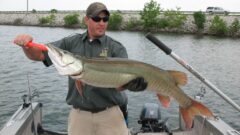
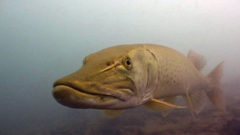
The long, fast, toothy muskellunge (also known as muskie or musky) is nicknamed the “Fish of 10,000 Casts” due to its notoriously elusive nature. It is the apex predator in all waters where it’s found, known to hide in underwater cover, aggressively ambushing prey. They eat fish almost exclusively, though they have been known to consume just about anything they can swallow including birds, small mammals, and their own kind.   

Read Now at Great Lakes Now.

Original Article

Great Lakes Now

Great Lakes Now

https://www.greatlakesnow.org/2024/02/wisconsins-state-fish-tops-the-food-chain/

James Proffitt

Want a healthy walleye fishery? Stock some muskie

As apex predators, adult muskie occupy the very top tier of the Great Lakes food chain. Reaching up to six foot in length with teeth lining their jaws, the roof of their mouths and their throats, few can escape them. They are feared by most species underwater and revered by many people above.

Read Now at Great Lakes Now.

Original Article

Great Lakes Now

Great Lakes Now

https://www.greatlakesnow.org/2024/02/want-healthy-walleye-fishery-stock-some-muskie/

Kathy Johnson, Great Lakes Now

How safe are Great Lakes fish to eat? Depends on who you ask

Catching and eating fish is a way of life for many people around the Great Lakes and connecting St. Lawrence River, but decades of industrial pollution have made it unsafe to eat too many, too often. The advice about how many and how often can vary wildly depending on which jurisdiction, even though the fish don’t care about the lines humans draw on a map.

Read Now at Great Lakes Now.

Original Article

Great Lakes Now

Great Lakes Now

https://www.greatlakesnow.org/2024/02/how-safe-great-lakes-fish-to-eat-depends-on-who-you-ask/

Brian Owens, Great Lakes Now

Lake Erie is 13% frozen, expect less freezing in the future

By Josh Boose, Ideastream Public Media

This story was originally published by Ideastream.

Lake Erie is behind its typical freezing schedule.

The schedule depends on different weather patterns, according to National Oceanic and Atmospheric Administration Director of Communications Jennifer Day.

Read Now at Great Lakes Now.

Original Article

Great Lakes Now

Great Lakes Now

https://www.greatlakesnow.org/2024/01/lake-erie-is-13-frozen-expect-less-freezing-in-the-future/

Ideastream Public Media

Lawsuit could complicate drone laws for Michigan hunters and anglers

This article was republished here with permission from Great Lakes Echo.

By Ben Eiler, Great Lakes Echo

The founder of a company that uses drones to recover deer carcasses that hunters cannot find says that Michigan’s prohibition of the practice violates his First Amendment rights.

Read Now at Great Lakes Now.

Original Article

Great Lakes Now

Great Lakes Now

https://www.greatlakesnow.org/2024/01/lawsuit-could-complicate-drone-laws-for-michigan-hunters-and-anglers/

Great Lakes Echo

I Speak for the Fish: The great seasonal flip

I Speak for the Fish is a monthly column written by Great Lakes Now Contributor Kathy Johnson, coming out the third Monday of each month. Publishing the author’s views and assertions does not represent endorsement by Great Lakes Now or Detroit Public Television. 

Read Now at Great Lakes Now.

Original Article

Great Lakes Now

Great Lakes Now

https://www.greatlakesnow.org/2024/01/i-speak-for-the-fish-the-great-seasonal-flip/

Kathy Johnson

Great Lakes Moment: Ohio provides example for funding Detroit and Rouge rivers’ sediment cleanup

Ohio will soon embark on removing the Gorge Dam on the Cuyahoga River, but first must clean up 875,000 cubic yards of contaminated sediment at a cost of more than $100 million. The result will be a free-flowing river, a healthier ecosystem, improved habitats for fish and wildlife, and expanded public access for fishing and whitewater rapids for kayaking.

Read Now at Great Lakes Now.

Original Article

Great Lakes Now

Great Lakes Now

https://www.greatlakesnow.org/2024/01/great-lakes-moment-ohio-provides-example-for-funding-detroit-and-rouge-rivers-sediment-cleanup/

John Hartig

Points North: Dirty Laundry, Invasive Species, and the Limitations of Knowledge

Points North is a biweekly podcast hosted by Daniel Wanschura and Morgan Springer about the land, water and inhabitants of the Upper Great Lakes.

This episode was shared here with permission from Interlochen Public Radio. 

It was 2016 and Samantha Tank was digging around in Michigan’s Pere Marquette River.

Read Now at Great Lakes Now.

Original Article

Great Lakes Now

Great Lakes Now

https://www.greatlakesnow.org/2023/09/points-north-dirty-laundry-invasive-species-and-the-limitations-of-knowledge/
Interlochen Public Radio

Michigan ‘river walker’ program warns anglers on eating contaminated fish

By Ashley Zhou, Bridge Michigan

The Great Lakes News Collaborative includes Bridge Michigan; Circle of Blue; Great Lakes Now at Detroit Public Television; and Michigan Radio, Michigan’s NPR News Leader; who work together to bring audiences news and information about the impact of climate change, pollution, and aging infrastructure on the Great Lakes and drinking water.

Read Now at Great Lakes Now.

Original Article

Great Lakes Now

Great Lakes Now

https://www.greatlakesnow.org/2023/08/michigan-river-walker-program-warns-anglers-eating-contaminated-fish/

Bridge Michigan

Mapping the Great Lakes: Summertime fishing

Love staring at a map and discovering something interesting? Then “Mapping the Great Lakes” is for you. It’s a monthly Great Lakes Now feature created by Alex B. Hill, a self-described “data nerd and anthropologist” who combines cartography, data, and analytics with storytelling and human experience.

Read Now at Great Lakes Now.

Original Article

Great Lakes Now

Great Lakes Now

https://www.greatlakesnow.org/2023/07/mapping-the-great-lakes-summertime-fishing/

Alex Hill

Lake Erie charter industry rebounding from slump

Veteran fishers on Lake Erie fondly recall the late 1980s as a heyday for walleye – a time when Ohio anglers were allowed to catch 10 fish a day and the big-eyed apex predators seemed an endless resource.

At its height in 1988, the Ohio charter fishing industry supported 1,221 licensed captains and nearly 5 million walleye were taken.

Read Now at Great Lakes Now.

Original Article

Great Lakes Now

Great Lakes Now

https://www.greatlakesnow.org/2023/05/lake-erie-charter-industry-rebounding-from-slump/

James Proffitt

I Speak for the Fish – What’s the most popular freshwater fish?

I Speak for the Fish is a monthly column written by Great Lakes Now Contributor Kathy Johnson, coming out the third Monday of each month. Publishing the author’s views and assertions does not represent endorsement by Great Lakes Now or Detroit Public Television. 

Read Now at Great Lakes Now.

Original Article

Great Lakes Now

Great Lakes Now

https://www.greatlakesnow.org/2023/05/i-speak-for-the-fish-whats-the-most-popular-freshwater-fish/

Kathy Johnson

Michigan’s Magnet Man attracts river trash

This article was republished here with permission from Great Lakes Echo.

By Vladislava Sukhanovskaya, Great Lakes Echo

Laptops, phones, keys, a drone, a picnic table, a meat slicer, axes, spoons, chairs, a horseshoe, guns and a 90-year-old condom are among the items Michigan’s Magnet Man has fished out of the state’s rivers.

Read Now at Great Lakes Now.

Original Article

Great Lakes Now

Great Lakes Now

https://www.greatlakesnow.org/2023/04/michigans-magnet-man-attracts-river-trash/

Great Lakes Echo

Great Lakes Moment: Decreasing Great Lakes ice cover has consequences

Great Lakes Moment is a monthly column written by Great Lakes Now Contributor John Hartig. Publishing the author’s views and assertions does not represent endorsement by Great Lakes Now or Detroit Public Television.

The National Oceanic and Atmospheric Administration (NOAA) reported that February 2023 was Earth’s fourth-warmest on record.

Read Now at Great Lakes Now.

Original Article

Great Lakes Now

Great Lakes Now

https://www.greatlakesnow.org/2023/04/great-lakes-moment-decreasing-great-lakes-ice-cover-consequences/

John Hartig

Few good options for shrinking Michigan’s problem deer herds

By Kelly House, Bridge Michigan

The Great Lakes News Collaborative includes Bridge Michigan; Circle of Blue; Great Lakes Now at Detroit Public Television; and Michigan Radio, Michigan’s NPR News Leader; who work together to bring audiences news and information about the impact of climate change, pollution, and aging infrastructure on the Great Lakes and drinking water.

Read Now at Great Lakes Now.

Original Article

Great Lakes Now

Great Lakes Now

https://www.greatlakesnow.org/2023/03/few-good-options-for-shrinking-michigans-problem-deer-herds/

Bridge Michigan

Michigan mallards are in decline. Are domestic ducks weakening their genes?

By Kelly House, Bridge Michigan

The Great Lakes News Collaborative includes Bridge Michigan; Circle of Blue; Great Lakes Now at Detroit Public Television; and Michigan Radio, Michigan’s NPR News Leader; who work together to bring audiences news and information about the impact of climate change, pollution, and aging infrastructure on the Great Lakes and drinking water.

Read Now at Great Lakes Now.

Original Article

Great Lakes Now

Great Lakes Now

https://www.greatlakesnow.org/2023/03/michigan-mallards-decline-domestic-ducks-weakening-genes/

Bridge Michigan

Shrinking Winter Update: Researching ice coverage, documenting Great Lakes life

In “Shrinking Winter,” scientists work to understand the causes and potential effects of less ice cover on the Great Lakes, a documentary photographer and three longtime ice anglers reflect on changes to the winter fishing season, and a competitive speed skater reflects on the joys of “wild ice.”

This episode originally aired in February and was one of the team’s favorites this year, so we brought it back around for the holiday season with updates.

Read Now at Great Lakes Now.

Original Article

Great Lakes Now

Great Lakes Now

https://www.greatlakesnow.org/2022/12/shrinking-winter-update-ice-coverage-great-lakes-life/
GLN Editor

Michigan tribes, state reach tentative deal on Great Lakes fishing access

By Kelly House, Bridge Michigan

The Great Lakes News Collaborative includes Bridge Michigan; Circle of Blue; Great Lakes Now at Detroit Public Television; and Michigan Radio, Michigan’s NPR News Leader; who work together to bring audiences news and information about the impact of climate change, pollution, and aging infrastructure on the Great Lakes and drinking water.

Read Now at Great Lakes Now.

Original Article

Great Lakes Now

Great Lakes Now

https://www.greatlakesnow.org/2022/12/michigan-tribes-state-reach-tentative-deal-great-lakes-fishing-access/
Bridge Michigan

Ballville Dam Removal: History, trends and impacts

For more than a century, a dam divided the upstream Sandusky River from Lake Erie. People got power, but fish were prevented from reaching native spawning grounds.

Then, four years ago, the dam came down, like hundreds around the Great Lakes region. It had been replaced as a power source years earlier, and environmentalists argued to restore the river’s natural course.

Read Now at Great Lakes Now.

Original Article

Great Lakes Now

Great Lakes Now

https://www.greatlakesnow.org/2022/12/ballville-dam-removal-history-trends-impacts/

James Proffitt

Michigan hunters say 252,000 deer killed in firearms season with new rules

By Kelly House, Bridge Michigan

The Great Lakes News Collaborative includes Bridge Michigan; Circle of Blue; Great Lakes Now at Detroit Public Television; and Michigan Radio, Michigan’s NPR News Leader; who work together to bring audiences news and information about the impact of climate change, pollution, and aging infrastructure on the Great Lakes and drinking water.

Read Now at Great Lakes Now.

Original Article

Great Lakes Now

Great Lakes Now

https://www.greatlakesnow.org/2022/12/michigan-hunters-say-252000-deer-killed-firearms-season-new-rules/

Bridge Michigan

Michigan’s outdoor recreation boom is becoming a business boom

By Kelly House, Bridge Michigan

The Great Lakes News Collaborative includes Bridge Michigan; Circle of Blue; Great Lakes Now at Detroit Public Television; and Michigan Radio, Michigan’s NPR News Leader; who work together to bring audiences news and information about the impact of climate change, pollution, and aging infrastructure on the Great Lakes and drinking water.

Read Now at Great Lakes Now.

Original Article

Great Lakes Now

Great Lakes Now

https://www.greatlakesnow.org/2022/11/michigans-outdoor-recreation-boom-business-boom/

Bridge Michigan

The Great Lakes-Iceland connection through the 100% Whitefish effort

While Great Lakes fish populations are constantly in a state of flux, one species has declined precipitously in the last decade: lake whitefish. But Great Lakes leaders and fisheries managers are looking ahead in planning to do more with less.

And in the case of whitefish, a lot more.

Read Now at Great Lakes Now.

Original Article

Great Lakes Now

Great Lakes Now

https://www.greatlakesnow.org/2022/11/great-lakes-iceland-connection-through-whitefish-effort/

James Proffitt

With wolf plan complete, Michiganders lobby state on possibility of a hunt

By Kelly House, Bridge Michigan

The Great Lakes News Collaborative includes Bridge Michigan; Circle of Blue; Great Lakes Now at Detroit Public Television; and Michigan Radio, Michigan’s NPR News Leader; who work together to bring audiences news and information about the impact of climate change, pollution, and aging infrastructure on the Great Lakes and drinking water.

Read Now at Great Lakes Now.

Original Article

Great Lakes Now

Great Lakes Now

https://www.greatlakesnow.org/2022/11/michiganders-lobby-state-on-possibility-of-a-hunt/

Bridge Michigan

Some Republicans, Democrats, environmentalists, hunters, anglers, and birders all want the same thing: more wetlands

By Lester Graham, Michigan Radio

The Great Lakes News Collaborative includes Bridge Michigan; Circle of Blue; Great Lakes Now at Detroit Public Television; and Michigan Radio, Michigan’s NPR News Leader; who work together to bring audiences news and information about the impact of climate change, pollution, and aging infrastructure on the Great Lakes and drinking water.

Read Now at Great Lakes Now.

Original Article

Great Lakes Now

Great Lakes Now

https://www.greatlakesnow.org/2022/11/republicans-democrats-environmentalists-more-wetlands/

Michigan Radio

Fishermen plead not guilty to charges in tournament scandal

CLEVELAND (AP) — Two men accused of stuffing five walleye with lead weights and fish fillets during a lucrative fishing tournament on Lake Erie pleaded not guilty to cheating and other charges on Wednesday.

Jacob Runyan, 42, of Broadview Heights, Ohio, and Chase Cominsky, 35, of Hermitage, Pennsylvania, made no comments during their brief court appearances in Cleveland.

Read Now at Great Lakes Now.

Original Article

Great Lakes Now

Great Lakes Now

https://www.greatlakesnow.org/2022/10/ap-fishermen-plead-not-guilty-to-charges-in-tournament-scandal/

The Associated Press

Weighted Walleye: The fallout of the Lake Erie fishing tournament

A fishing tournament weigh-in in Cleveland last month, an event most often attended by anglers, family, friends and passersby, sent the Lake Erie walleye scene into worldwide news after several videos went viral.

They appeared to show two consistently winning tournament anglers get caught cheating red-handed after 10 lead weights, tipping the scales at about 7 pounds, were removed from their five walleye at the final 2022 event for the Lake Erie Walleye Trail.

Read Now at Great Lakes Now.

Original Article

Great Lakes Now

Great Lakes Now

https://www.greatlakesnow.org/2022/10/weighted-walleye-fallout-lake-erie-fishing-tournament/

James Proffitt

Authorities probing report of scandal at fishing tournament

By Mark Gillispie, Associated Press

CLEVELAND (AP) — The county prosecutor’s office in Cleveland has opened an investigation into an apparent cheating scandal during a lucrative walleye fishing tournament on Lake Erie last week.

A video posted to Twitter shows Jason Fischer, tournament director for the Lake Erie Walleye Trail, cutting open the winning catch of five walleye on Friday and finding lead weights and prepared fish filets inside them.

Read Now at Great Lakes Now.

Original Article

Great Lakes Now

Great Lakes Now

https://www.greatlakesnow.org/2022/10/ap-authorities-report-scandal-fishing-tournament/

The Associated Press

Great Lakes feature Midwest curiosity: Fish-cleaning houses

If you catch fish in a Great Lakes state on a river, pond, stream or reservoir and keep any to eat, most likely you’ll have to clean them yourself. But if you get close to one of the big lakes, especially Lake Erie, you could have a fish cleaner do it.

Read Now at Great Lakes Now.

Original Article

Great Lakes Now

Great Lakes Now

https://www.greatlakesnow.org/2022/09/fish-cleaning-houses/

James Proffitt

Setting Lake Erie limits

The total allowable catch (TAC) for yellow perch and walleye went up this year in Lake Erie. The raise is indicative of booming walleye population in recent years as well as a healthy perch population in most areas of the lake.

The walleye TAC rose 18% from 12.28 million fish in 2021 to 14.53 million this year, with yellow perch rising 15% from 6.23 million pounds last year to 7.18 million pounds this year.

Read Now at Great Lakes Now.

Original Article

Great Lakes Now

Great Lakes Now

https://www.greatlakesnow.org/2022/08/setting-lake-erie-limits/

James Proffitt

JEWEL OF THE GREAT LAKES: Keeping pollutants out

By Julie Riddle, The Alpena News

This article is part of a collaboration between The Alpena News and Great Lakes Now at Detroit Public Television to bring audiences stories about the Great Lakes, especially Lake Huron and its watershed.

ALPENA — Spring showers may bring spring flowers, but they can also carry pollutants into the lake that provides Alpena’s drinking water and many tourism dollars.

Read Now at Great Lakes Now.

Original Article

Great Lakes Now

Great Lakes Now

https://www.greatlakesnow.org/2022/06/keeping-pollutants-out/

The Alpena News

Lake Erie’s once-thriving blue pike is long gone but never forgotten

One of the last known (and most famous) blue pike was landed by hook and line in 1962. In 1983, the U.S. Fish and Wildlife Service declared the blue pike extinct. Yet, nearly 40 years later, the population remains robust and healthy – in the hearts and minds of countless anglers.

Read Now at Great Lakes Now.

Original Article

Great Lakes Now

Great Lakes Now

https://www.greatlakesnow.org/2022/06/lake-erie-blue-pike-never-forgotten/

James Proffitt

Michigan Great Lakes: Expect lower waters, ample fish and a hot summer

By Zahra Ahmad, Bridge Michigan

The Great Lakes News Collaborative includes Bridge Michigan; Circle of Blue; Great Lakes Now at Detroit Public Television; and Michigan Radio, Michigan’s NPR News Leader; who work together to bring audiences news and information about the impact of climate change, pollution, and aging infrastructure on the Great Lakes and drinking water.

Read Now at Great Lakes Now.

Original Article

Great Lakes Now

Great Lakes Now

https://www.greatlakesnow.org/2022/06/michigan-great-lakes-summer/

Bridge Michigan

Fishing Tournament Trends: Kayaks and catch-photo-release gaining popularity

Every year thousands of anglers participate in fishing tournaments across the Great Lakes, with prizes ranging from a couple hundred bucks to tens of thousands of dollars. Some, like the Lake Erie Fall Brawl, offer new fishing boats valued at more than $100,000 as top prizes. Some events are targeted toward professional anglers, while others pair a professional angler and an amateur angler.

Read Now at Great Lakes Now.

Original Article

Great Lakes Now

Great Lakes Now

https://www.greatlakesnow.org/2022/05/fishing-tournament-trends-kayaks-catch-photo-release/

James Proffitt