Update: 2022 Spiny Waterflea Findings in Lake Winnebago
Additional Monitoring Reveals No Other Spiny Waterfleas
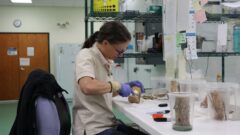
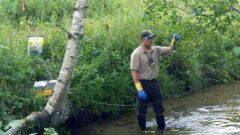
Following up from a spiny water flea finding in Lake Winnebago in 2022, the WI Department of Natural Resources and local partners conducted extensive monitoring for spiny water fleas through the summer and fall of 2022. Biologists were searching for additional adult spiny waterfleas as well as eggs that would have  been laid in the sediment of the lake. Following analysis of the samples collected, we are please to report that no evidence of spiny waterflea were found which includes not finding any eggs!
This is fantastic news for our waterways! Currently, there is no evidence that the spiny waterfleas found in 2022 were able to establish a population in Lake Winnebago. Ongoing monitoring by UW-Green Bay as part of the Fox River Navigational System Authority (FRNSA) AIS Monitoring Program will continue to keep an eye out for spiny waterflea and other invasive species.
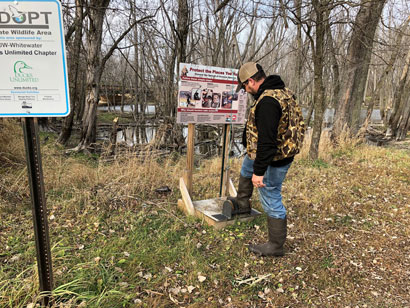
Remember- an ounce of prevention is worth a pound of cure. It’s easy to help prevent the spread of all aquatic invasive species between lakes. No matter what lake or river you visit, follow these steps to protect your wild places:
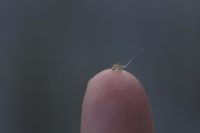
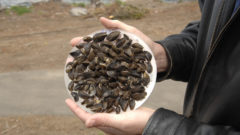
Spiny waterflea on a fingertip
· Inspect equipment (boats, fishing line, etc.) for attached aquatic plant, animals, or mud
· Remove all attached plants or animals
· Drain all water from buckets and containers
· Never move live fish away from a waterbody (fish out of water = dead)
Photo Credit: Riley Schultz (UWGB), WI Sea Grant, Donn Brandstrator (UM-Duluth), Chris Acy
Questions? Comments? Contact Chris Acy, the AIS Coordinator covering Brown, Outagamie, Fond du Lac, Calumet, and Winnebago Counties at (920) 460-3674 or chris@fwwa.org!
Follow the Fox Wolf Watershed Alliance’s Winnebago Waterways Program on our Winnebago Waterways Facebook page or @WinnWaterways on Twitter! You can also sign-up for email updates at WinnebagoWaterways.org.
Winnebago Waterways is a Fox-Wolf Watershed Alliance program. The Fox-Wolf Watershed Alliance is an independent nonprofit organization that identifies and advocates effective policies and actions that protect, restore, and sustain water resources in the Fox-Wolf River Basin.
Check out the Keepers of the Fox Program at https://fwwa.org/watershed-recovery/lower-fox-recovery/
Reporting invasive species is a first step in containing their spread. Maintaining and restoring our waters and landscapes can reduce the impacts even when we don’t have other management options to an invasive species.
The post Update: 2022 Spiny Waterflea Findings in Lake Winnebago appeared first on Fox-Wolf Watershed Alliance.
Fox-Wolf Watershed Alliance
https://fwwa.org/2024/04/24/update-2022-spiny-waterflea-findings-in-lake-winnebago/?utm_source=rss&utm_medium=rss&utm_campaign=update-2022-spiny-waterflea-findings-in-lake-winnebago
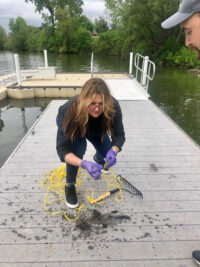 boat launches! Get involved today!
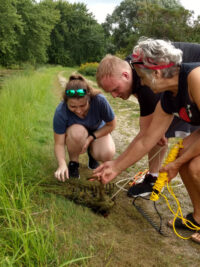 which topics they are interested in monitoring. The information gathered by volunteers is even used by Wisconsin Department of Natural Resources and university biologists and researchers, UW-Extension, and other interested individuals in projects that work to improve your lake! Help keep track of changes in your lake while being near your favorite Winnebago lake! This opportunity is easy to do from both the shoreline as well as your boat!
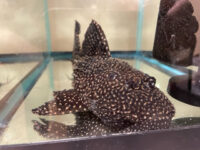 provide responsible alternatives and a judgement-free environment for pet owners who can no longer care for their exotic animals.
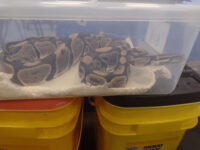 collaborative effort ensures that these animals are given proper care and attention.
 With 29 events planned for the year there are ample opportunities for pet owners to seek assistance in rehoming their animals.







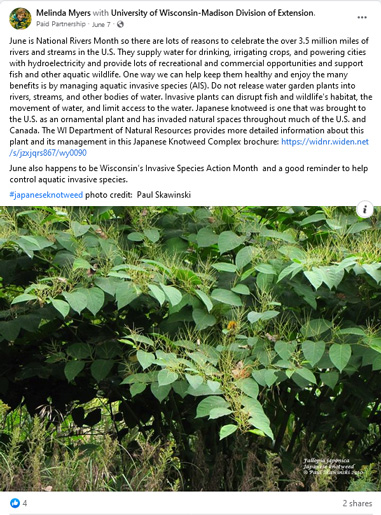
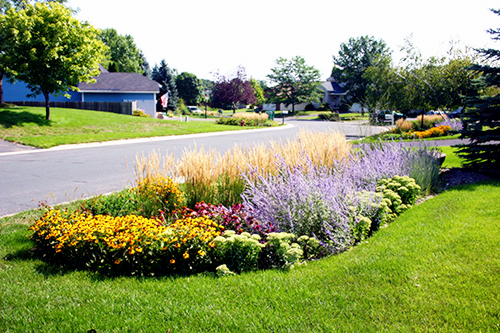 Attention Master Gardeners, Master Naturalists, Garden Club Members and others advising home gardeners; this webinar is for you! Representatives from UWEX and DNR will join Melinda Myers to talk about current threats, available resources and ways we can all work together to manage invasive plants. To register for the free webinar, click the button below!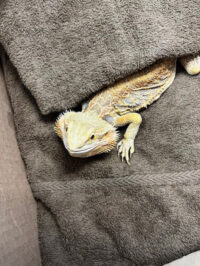
 example are the Burmese pythons that have had an enormous impact on the Everglades in Florida. However, multiple cases of released pets causing problems in our waters occur every year including an


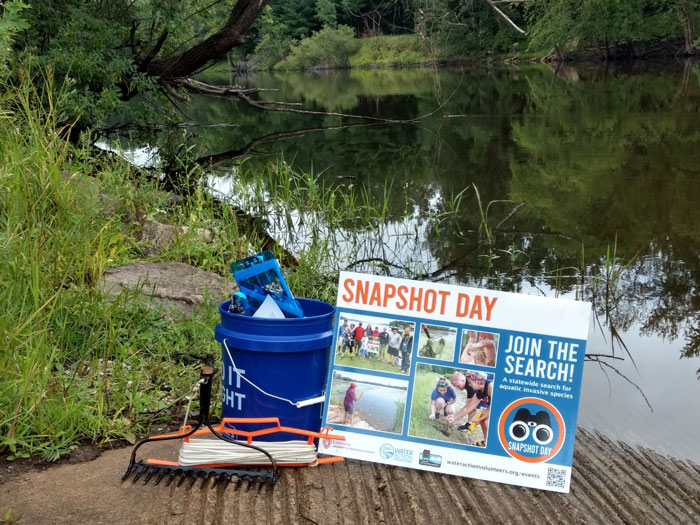
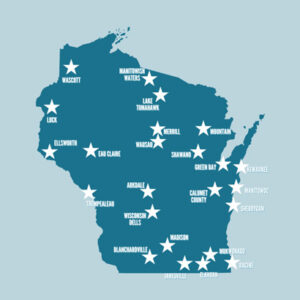 Extension Lakes. Volunteers met at different local rendezvous sites across the state to learn how to identify AIS such as Eurasian watermilfoil, purple loosestrife, and New Zealand mudsnails, and then searched for them in the field at pre-
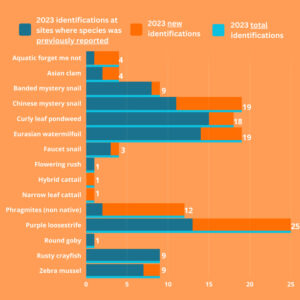 selected locations. Initially focused on rivers and streams, Snapshot Day has expanded to include lakes and wetlands. Findings from Snapshot Day are uploaded to the statewide water quality database, SWIMS, where they can be used to track the spread of invasive species and develop management plans.
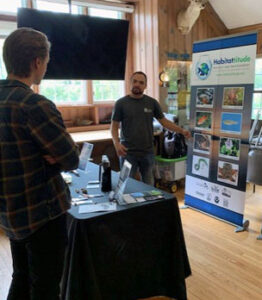
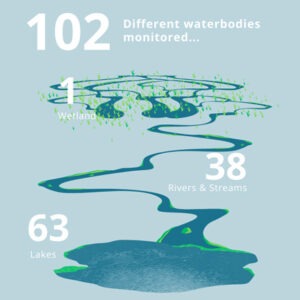 Snapshot Day’s community-based science approach maximizes the number of sites being checked across the state, and the free event allows volunteers to learn about their local waters and how to keep them healthy. As one volunteer stated, “I enjoyed the hands on learning approach. It was helpful to have well informed guides and samples of the invasive species to get a close look at. Once we had a good understanding of what to look for, it was fun to go out and collect samples of what we were finding.”
 and the environment. Pet Surrender events are now being held across Wisconsin help provide an avenue to pet owners to rehome pets without harming the pet or the environment.
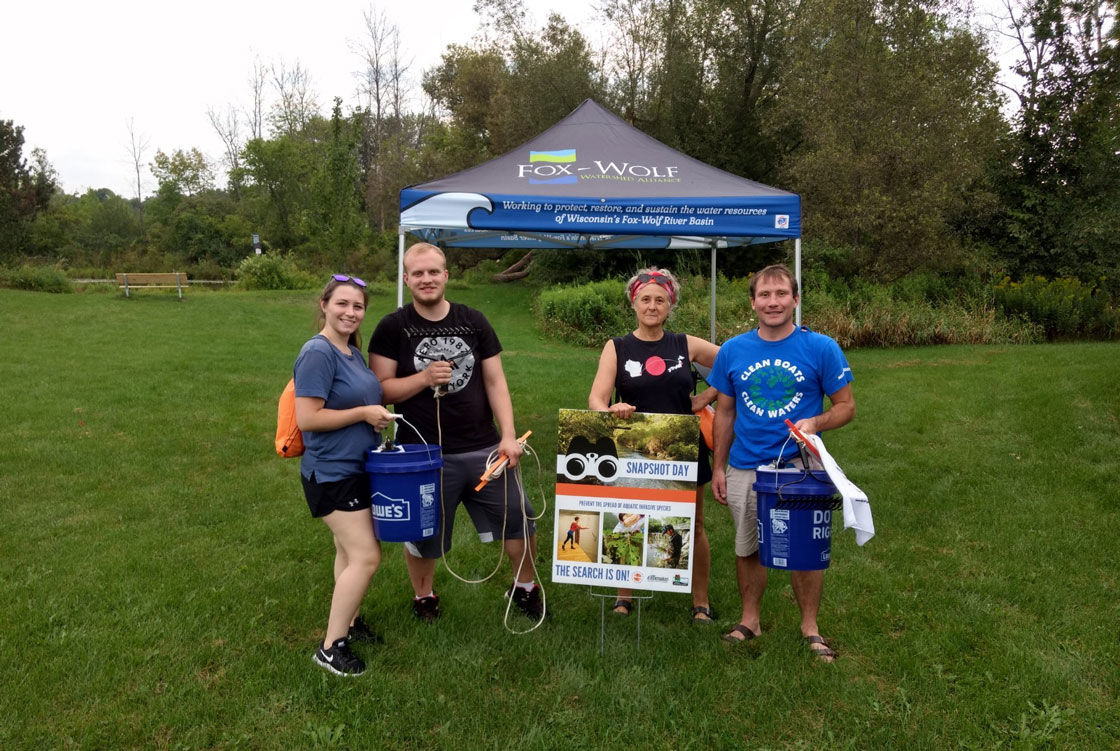 risks to Wisconsin waterways and wildlife. Volunteers have a choice to register at one of over twenty event locations hosted by local conservation groups.