Rewilding, a new way to heal the land this Earth Day
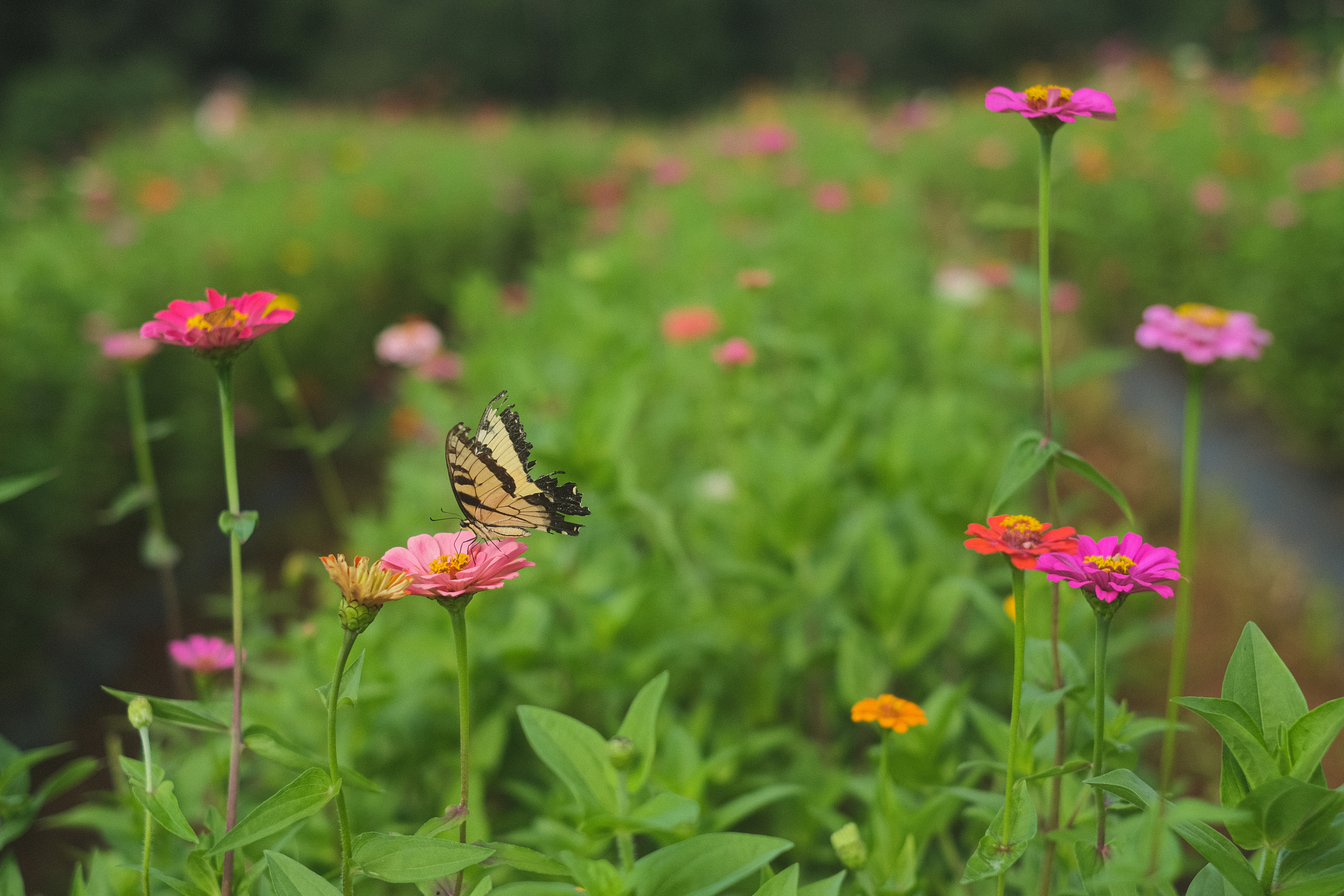
This Earth Day, Detroit PBS programming is focusing on turning land back into something wild. Better known as “rewilding,” a large-scale conservation effort that usually involves reintroducing keystone plant or animal species to reestablish the health of a local ecosystem.
In the Great Lakes region, Illinois recently made history by being the first state in the nation to make rewilding part of its official strategy. As of January 1, 2026, the “Illinois Rewilding Law” is now in effect. According to the Chicago Tribune, the law empowers the Illinois Department of Natural Resources to go after projects that restore land to its natural state.
“The law could encompass the reintroduction of keystone species that improve ecosystems, like beavers and bison. But officials and environmentalists say closing the federal gaps in wetland protection is their focus right now,” wrote Christiana Freitag at the Chicago Tribune.
After the Supreme Court case Sackett v. EPA rolled back federal wetland protections, Illinois became especially vulnerable considering it already lost 90% of its swamps. Chicago was built on wetlands, which are important when considering water quality and flood prevention — this is especially significant, as Chicago has dealt with severe flooding.
An international effort
British author and conservationist Isabella Tree joins our Detroit PBS colleagues to discuss her non-fiction book “Wilding: Returning Nature to Our Farm.” On April 29, be sure to check out their live event with PBS Books Readers Club, from 8 to 9 p.m. ET.
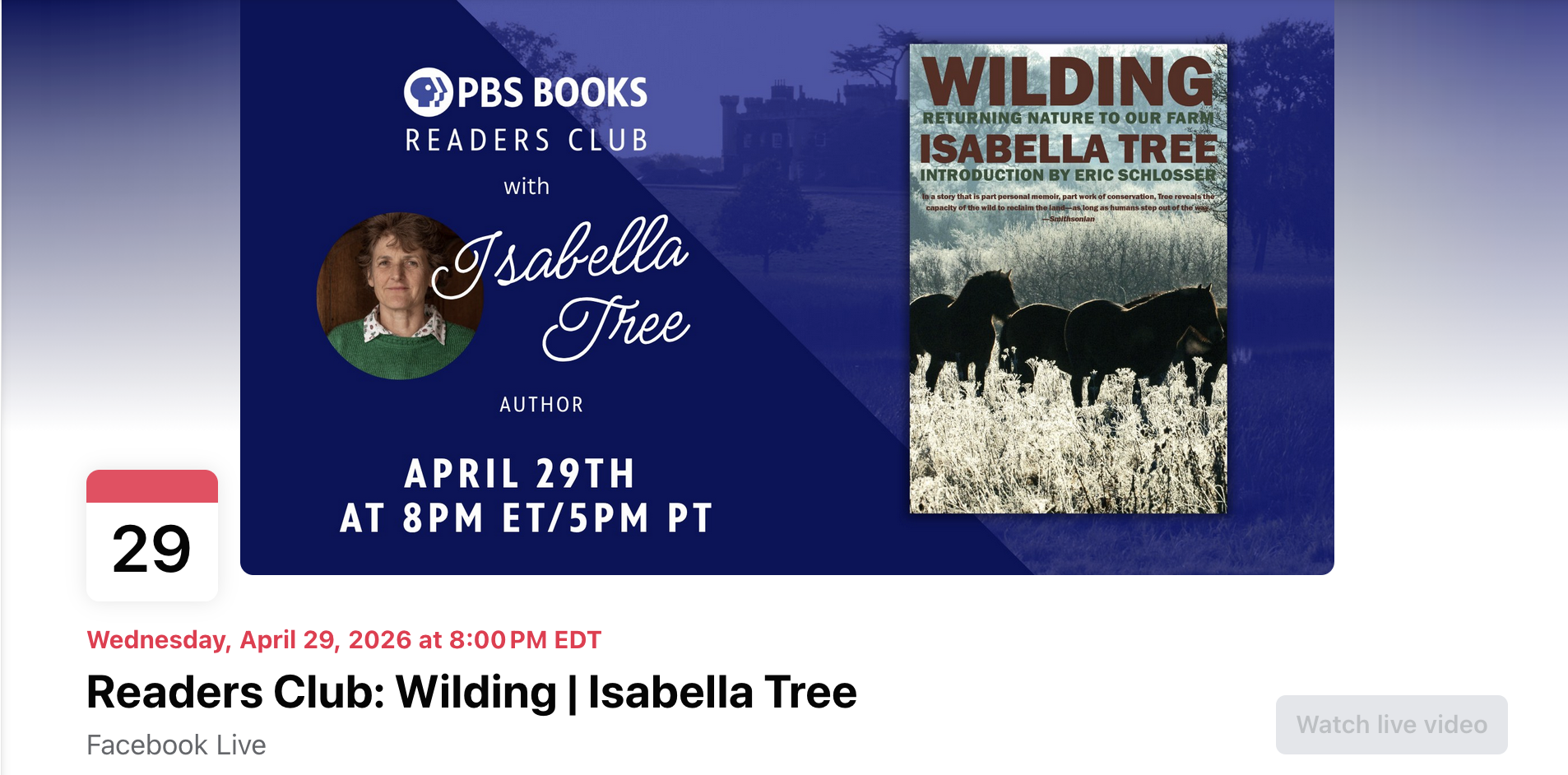
Tree’s book details her process of rewilding her 3,500 acre estate in Sussex, England. After visiting an arborculturist to save their oak trees, Tree and her husband were inspired to change everything they were doing with their land. After it was depleted by centuries of farming, they transformed it into a healthy haven for the littlest bugs and grazing animals, all by planting native flora and fauna.
“I think the only answer to eco anxiety is to get your hands dirty and do something,” said Tree. “And the joy that can come from even transforming a window box… so that you’re now attracting night flying moths and hoverflies and all the forgotten pollinators, you’re making a difference. And that feels just so fantastic.”
Be sure to also check out the upcoming documentary, Wilding (inspired by the book) that premieres on PBS, on April 22.
What you can do
For those who would like to feel more involved in helping our ecosystem, Doug Tallamy wants private property owners to know they have a role in the conservation movement. Tallamy calls this the Homegrown National Park movement.
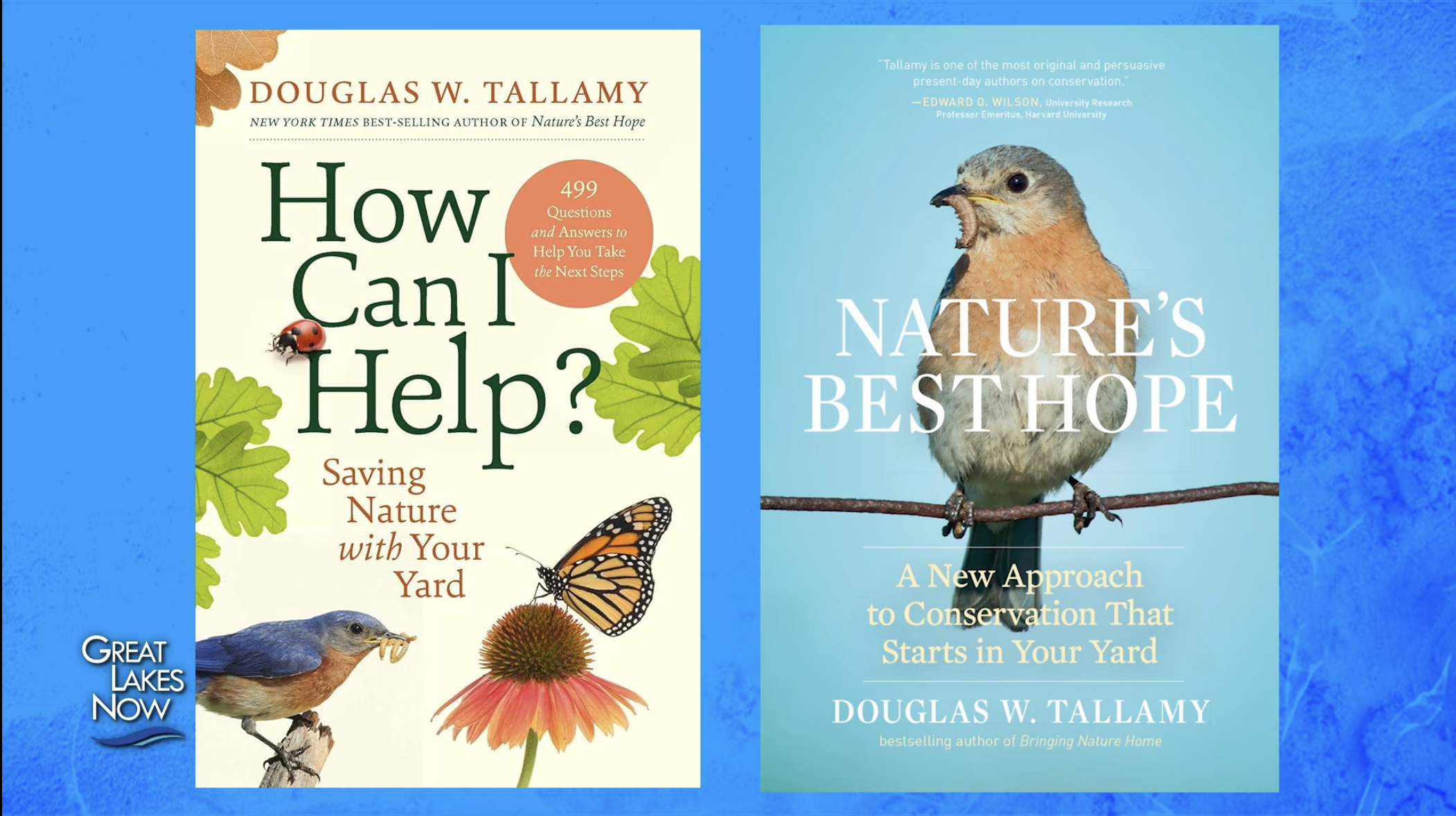
“Most people have too much lawn,” said Tallamy.
According to the author, entomologist, biologist and conservationist we have 44 million acres of lawn in this country. When there’s a storm event, most of those pesticides, fertilizers and herbicides run off into the watershed. He said, if we’re going to put plants in our yards, why not use ones that do everything we need to conserve and protect our environment? Native plant alternatives to grass help guard our watershed, help the food web, support pollinators and are often better at sequestering carbon.
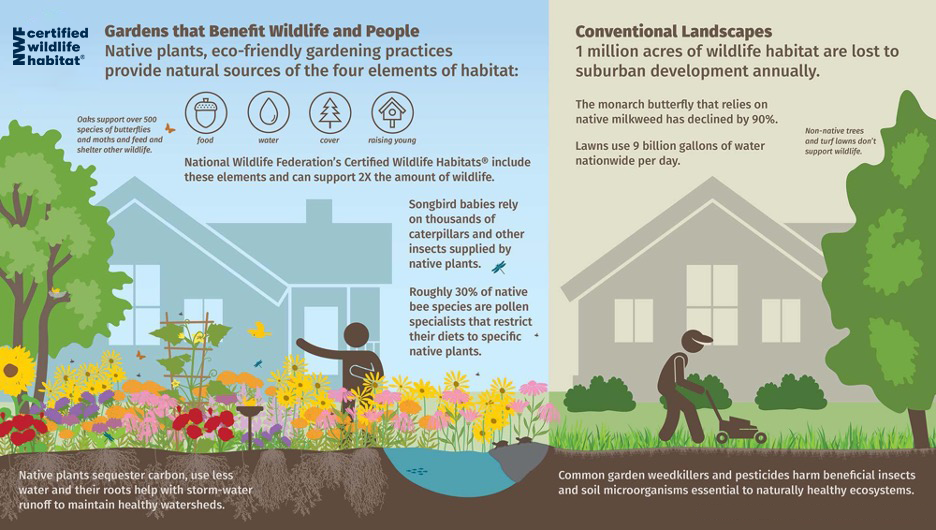
“The point is, what you’re doing is creating connectivity,” said Tallamy. “If you and a bunch of other people do it, then outside of the parks and preserves it’s not no man’s land, there is some habitat.”
For more information, watch Great Lakes Now’s latest interview:
The post Rewilding, a new way to heal the land this Earth Day appeared first on Great Lakes Now.
Great Lakes Now
https://www.greatlakesnow.org/2026/04/22/rewilding-a-new-way-to-heal-the-land-this-earth-day/