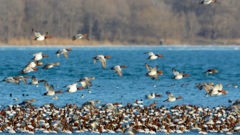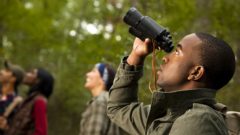
Great Lakes Moment: Overwintering ducks on the Detroit River create a sense of wonder

The lower Detroit River is a unique urban refugium where the tapestry of life has been woven with elegance, where the music of life has been rehearsed to perfection for thousands of years, where nature’s colors are most vibrant and engaging, where time is measured in seasons, and where the canvasback race across the water takes center stage.  

Read Now at Great Lakes Now.

Original Article

Great Lakes Now

Great Lakes Now

https://www.greatlakesnow.org/2022/02/great-lakes-moment-ducks-detroit-river/
John Hartig

Scientists race to gather winter data on warming Great Lakes

By John Flesher, Associated Press

TRAVERSE CITY, Mich. (AP) — What’s happening in the Great Lakes during those long, frigid months when they’re often covered partially or completely with ice? A casual observer — and even experts — might be inclined to say, “Not much.”

Lake scientists have long considered winter a season when aquatic activity slows.

Read Now at Great Lakes Now.

Original Article

Great Lakes Now

Great Lakes Now

https://www.greatlakesnow.org/2022/02/ap-scientists-data-warming-great-lakes/

The Associated Press

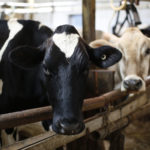
Toxic ‘forever chemicals’ found in Michigan farm’s beef

By John Flesher, Associated Press

Beef produced at a small Michigan farm was found to contain toxic “forever chemicals” after the cattle were fed crops grown with fertilizer made from contaminated wastewater biosolids, state officials said Friday.

A consumption advisory issued by state agencies stopped short of a recall, noting there are no government standards for the substances in beef.

Read Now at Great Lakes Now.

Original Article

Great Lakes Now

Great Lakes Now

https://www.greatlakesnow.org/2022/02/ap-forever-chemicals-michigan-beef/

The Associated Press

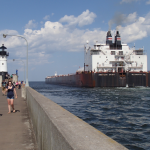
Cargo, With a Side of Hornets, Flies and Crabs

By Tim Lydon, The Revelator

This story originally appeared in The Revelator and is republished here as part of Covering Climate Now, a global journalism collaboration strengthening coverage of the climate story.

In July 2021 federal agents in New Orleans abruptly ordered the 600-foot cargo ship Pan Jasmine to leave U.S.

Read Now at Great Lakes Now.

Original Article

Great Lakes Now

Great Lakes Now

https://www.greatlakesnow.org/2022/01/cargo-invasive-species/

The Revelator

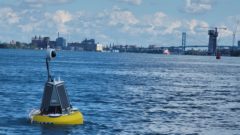
Great Lakes Water Authority monitoring Detroit River for algal bloom threat

As the Great Lakes experience more harmful algal blooms due to climate change, real time monitoring of drinking water for toxins is becoming increasingly urgent.  

Warm water temperatures, increased rainfall and fertilizer run-off from farm fields are providing fuel for blooms that can taint water. 

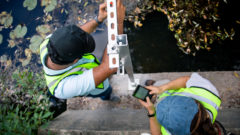
This spring, a floating sensor for monitoring drinking water drawn from the Detroit River will begin giving real-time data on potentially toxic blue-green algae, along with other water quality data such as temperature, pH and dissolved oxygen.  

Read Now at Great Lakes Now.

Original Article

Great Lakes Now

Great Lakes Now

https://www.greatlakesnow.org/2022/01/detroit-river-algal-bloom-threat/

Sharon Oosthoek

New study says elevated levels of PFAS found in anti-fogging sprays and cloths

By Timberly Ferree, Indiana Environmental Reporter

A new Duke University-led study has found that the anti-fogging sprays and cloths used to prevent condensation on eyeglasses contain toxic PFAS chemicals.

Researchers tested five top-rated anti-fogging cloths and four top-rated anti-fogging sprays sold on Amazon and found all the products to contain fluorotelomer alcohols (FTOHs) and fluorotelomer ethoxylates (FTEOs).

Read Now at Great Lakes Now.

Original Article

Great Lakes Now

Great Lakes Now

https://www.greatlakesnow.org/2022/01/elevated-levels-pfas-sprays-cloths/

Indiana Environmental Reporter

2022 Perch Outlook: Ohio hatch results not so great

Recently released Ohio Department of Natural Resources yellow perch hatch results indicate more of the same: overall mediocrity, leaning toward the not-so-good side.  

 That’s the result of an average hatch in the Western Basin and a very poor hatch in the Central Basin from Huron, Ohio, to Conneaut, Ohio. 

Read Now at Great Lakes Now.

Original Article

Great Lakes Now

Great Lakes Now

https://www.greatlakesnow.org/2022/01/2022-perch-outlook/

James Proffitt

Great Lakes researchers predict record-low ice coverage

By Michigan Radio

The Great Lakes News Collaborative includes Bridge Michigan; Circle of Blue; Great Lakes Now at Detroit Public Television; and Michigan Radio, Michigan’s NPR News Leader; who work together to bring audiences news and information about the impact of climate change, pollution, and aging infrastructure on the Great Lakes and drinking water.

Read Now at Great Lakes Now.

Original Article

Great Lakes Now

Great Lakes Now

https://www.greatlakesnow.org/2022/01/low-ice-coverage/

Michigan Radio

Drinking Water News Roundup: Toxic algae blooms in Indiana, First Nations $8B settlement, Wisconsin lead pipe replacement funding

From lead pipes to PFAS, drinking water contamination is a major issue plaguing cities and towns all around the Great Lakes. Cleaning up contaminants and providing safe water to everyone is an ongoing public health struggle. 

Keep up with drinking water-related developments in the Great Lakes area. 

Click on the headline to read the full-story:

Indiana: 

  • More blue-green algae could drive up drinking water bills in Indiana’s larger cities —WFYI Indianapolis 

The increasingly warm air and heavy rain showers have caused a rise in toxic algae blooms, which has led to fish sickness, beach closures, and drinking water pollution.

Read Now at Great Lakes Now.

Original Article

Great Lakes Now

Great Lakes Now

https://www.greatlakesnow.org/2022/01/drinking-water-news-roundup-toxic-algae-blooms/

Maya Sundaresan

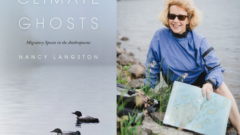
Climate Ghosts author: To save more species, treat them like kin

For Professor Nancy Langston, our intransigence in protecting struggling species like caribou and others is a puzzle. These species exist in our memories and culture, and we’ve invested in protecting them, so why do their populations continue to crash? 

That’s the question at the core of Langston’s latest book, “Climate Ghosts: Migratory Species in the Anthropocene”.

Read Now at Great Lakes Now.

Original Article

Great Lakes Now

Great Lakes Now

https://www.greatlakesnow.org/2022/01/climate-ghosts-author/

Gary Wilson

Fresh, local and forgotten: On Lake Ontario and Lake Erie, families fight to save their fisheries

By Lindsay Campbell with photography by Johnny C. Lam, The Narwhal

This story first ran on The Narwhal, a non-profit news organization that publishes in-depth stories about Canada’s natural world. 

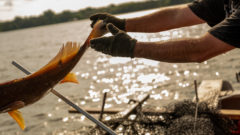
Those who choose a life in commercial fishing on the Great Lakes are granted a front row seat to the natural world.

Read Now at Great Lakes Now.

Original Article

Great Lakes Now

Great Lakes Now

https://www.greatlakesnow.org/2022/01/lake-ontario-lake-erie-families-fisheries/

The Narwhal

Fresh, local and forgotten: On Lake Ontario and Lake Erie, families fight to save their fisheries

By Lindsay Campbell with photography by Johnny C. Lam, The Narwhal

This story first ran on The Narwhal, a non-profit news organization that publishes in-depth stories about Canada’s natural world. 

Those who choose a life in commercial fishing on the Great Lakes are granted a front row seat to the natural world.

Read Now at Great Lakes Now.

Original Article

Great Lakes Now

Great Lakes Now

https://www.greatlakesnow.org/2022/01/lake-ontario-lake-erie-families-fisheries/

The Narwhal

The next source of trouble for Great Lakes fish populations: tires

For 20 years, the mystery behind what was killing coho salmon in Seattle’s urban creeks seemed unsolvable.  

Every time it rained, fish would begin swimming in circles, floating belly up just a few hours later. Scientists looked at heavy metals, various chemical contaminants, water temperature and oxygen levels, but none of these things were the problem.

Read Now at Great Lakes Now.

Original Article

Great Lakes Now

Great Lakes Now

https://www.greatlakesnow.org/2022/01/great-lakes-fish-populations-tires/

Sharon Oosthoek

Breeze Boost: What’s the connection between breezy Lake Michigan days and high ozone levels?

The day was like any other in summer on the Lake Michigan coast: hot. But Charles Stanier remembers the breeze.  

It was the summer of 2017, and he’d been working up a sweat in a trailer in Illinois Beach State Park. A professor of chemical and biochemical engineering at the University of Iowa, Stanier spent the morning checking instruments, climbing up and down ladders, and wondering if anything would come of all his team’s work.

Read Now at Great Lakes Now.

Original Article

Great Lakes Now

Great Lakes Now

https://www.greatlakesnow.org/2022/01/lake-michigan-ozone-levels/

Lina Tran

Bugs, Shorter Winters, Climate: Great Lakes vineyards face changing circumstances

The Erie County Ag Research Corporation facility started as a small building in northeast Pennsylvania near the Lake Erie shore in 1948. Pennsylvania State University bought it just four years later.  

Now, Penn State’s grape research center boasts 43 acres and has a joint program with Cornell University’s Grape Research Lab in New York.

Read Now at Great Lakes Now.

Original Article

Great Lakes Now

Great Lakes Now

https://www.greatlakesnow.org/2022/01/great-lakes-vineyards-changing/

Capri S. Cafaro

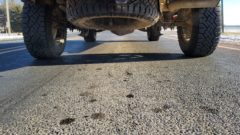
Road salt threatens Michigan lakes and rivers. Can an alternative take hold?

By Kelly House, Bridge Michigan

The Great Lakes News Collaborative includes Bridge Michigan; Circle of Blue; Great Lakes Now at Detroit Public Television; and Michigan Radio, Michigan’s NPR News Leader; who work together to bring audiences news and information about the impact of climate change, pollution, and aging infrastructure on the Great Lakes and drinking water.

Read Now at Great Lakes Now.

Original Article

Great Lakes Now

Great Lakes Now

https://www.greatlakesnow.org/2022/01/road-salt-michigan-lakes/

Bridge Michigan

Adapting to Climate Change Will Only Get More Expensive

By Michael Allen, Hakai Magazine 

This story originally appeared in Hakai Magazine and is republished here as part of Covering Climate Now, a global journalism collaboration strengthening coverage of the climate story.


As the climate warms, the price of adapting homes and infrastructure to cope with increasing temperatures, heavier rainfalls, stronger storms, and rising seas will be staggering.

Read Now at Great Lakes Now.

Original Article

Great Lakes Now

Great Lakes Now

https://www.greatlakesnow.org/2022/01/adapting-climate-change-expensive/

Hakai Magazine

Public Perception: When it comes to nuclear waste in the Great Lakes region, what counts as safe?

Denia Djokić first got interested in nuclear engineering because of climate change. That was nearly two decades ago when she was a college student at UC Berkeley and learned how energy issues were central to create a more sustainable planet.  

“When we’re 21, we want to go out and save the world,” she said. 

Read Now at Great Lakes Now.

Original Article

Great Lakes Now

Great Lakes Now

https://www.greatlakesnow.org/2021/12/nuclear-waste-great-lakes-region/

Natasha Blakely

Study: Fish can recover from mercury pollution faster than thought

Mercury pollution remains a problem in many parts of the Great Lakes, but new research from Canada’s Experimental Lakes Area in northern Ontario shows that efforts to reduce the amount of mercury going into a lake can have quick and dramatic effects on the levels of the pollutant in fish populations. 

Read Now at Great Lakes Now.

Original Article

Great Lakes Now

Great Lakes Now

https://www.greatlakesnow.org/2021/12/fish-recover-mercury-pollution/

Brian Owens

Banned decades ago, PCBs still posing threat to wildlife

By Michael Casey, Associated Press

HOLDERNESS, N.H. (AP) — Navigating her boat toward a wooden platform floating in an idyllic New Hampshire lake where “On Golden Pond” was filmed, biologist Tiffany Grade spotted what she had feared.

An olive brown loon’s egg with black speckles was sitting on an nest, abandoned by its parents and with no chance to hatch.

Read Now at Great Lakes Now.

Original Article

Great Lakes Now

Great Lakes Now

https://www.greatlakesnow.org/2021/12/ap-pcbs-threat-wildlife/

The Associated Press

Filter Fix: Study shows washing machine filters keep harmful microfibers out of the Great Lakes

Great Lakes communities on both sides of the border have diversion and reclamation programs for plastics, hoping to keep the trash out of the lakes.  

But how everyday people can deal with microscopic pieces of plastic is a more challenging question. Now a two-year-long study into washing machine filters in an Ontario community shows something can be done.  

Read Now at Great Lakes Now.

Original Article

Great Lakes Now

Great Lakes Now

https://www.greatlakesnow.org/2021/12/study-washing-machine-microfibers/

Sharon Oosthoek

You Can’t Beat Climate Change Without Tackling Disinformation

By Amy Westervelt, The Nation

This story originally appeared in The Nation and is republished here as part of Covering Climate Now, a global journalism collaboration strengthening coverage of the climate story.


In the past few months, climate disinformation has been making its way into the news more than usual.

Read Now at Great Lakes Now.

Original Article

Great Lakes Now

Great Lakes Now

https://www.greatlakesnow.org/2021/12/climate-change-disinformation/

The Nation

For the first time, “rock snot” nuisance algal blooms found in Lower Peninsula trout stream

By Lester Graham, Michigan Radio

The Great Lakes News Collaborative includes Bridge Michigan; Circle of Blue; Great Lakes Now at Detroit Public Television; and Michigan Radio, Michigan’s NPR News Leader; who work together to bring audiences news and information about the impact of climate change, pollution, and aging infrastructure on the Great Lakes and drinking water.

Read Now at Great Lakes Now.

Original Article

Great Lakes Now

Great Lakes Now

https://www.greatlakesnow.org/2021/12/rock-snot-algal-blooms-lower-peninsula/

Michigan Radio

Great Lakes Moment: Small habitat patches can have big ecological impact

Great Lakes Moment is a monthly column written by Great Lakes Now Contributor John Hartig. Publishing the author’s views and assertions does not represent endorsement by Great Lakes Now or Detroit Public Television. 

Contradicting the historical conservation planning tenet that gave preference to protecting larger, more intact areas, a recent study published in the Proceedings of the National Academy of Science has shown that small, isolated patches of habitat are inordinately important for biodiversity conservation.  

Read Now at Great Lakes Now.

Original Article

Great Lakes Now

Great Lakes Now

https://www.greatlakesnow.org/2021/12/small-habitat-patches-ecological-impact/

John Hartig

Study: Warmer summers worsen tick infestations for US moose

By John Flesher, Associated Press

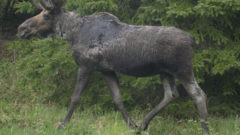
TRAVERSE CITY, Mich. (AP) — It’s a ghastly sight: ticks by tens of thousands burrowed into a moose’s broad body, sucking its lifeblood as the agonized host rubs against trees so vigorously that much of its fur wears away.

Winter tick infestation is common with moose across the northern U.S.

Read Now at Great Lakes Now.

Original Article

Great Lakes Now

Great Lakes Now

https://www.greatlakesnow.org/2021/11/ap-study-warmer-summers-worsen-tick-infestations-moose/

The Associated Press

Fossil Finds: Great Lakes coral and sea life remnants says much about its past and future

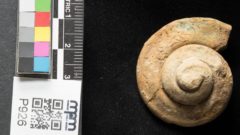
The Great Lakes region wasn’t always the freshwater realm we know today: rewind to a couple centuries ago and it was actually covered in tropical seawater. That’s why many of the fossils found in the area today are portions of coral reefs and ancient sea creatures.  

“When you think of Michigan or Illinois, you imagine cold and snow, but it wasn’t always that way.

Read Now at Great Lakes Now.

Original Article

Great Lakes Now

Great Lakes Now

https://www.greatlakesnow.org/2021/11/fossil-great-lakes-coral-remnants/

Maya Sundaresan

Say Goodbye to Your National Parks Road Trips?

By Tara Lohan, The Revelator

This story originally appeared in The Revelator and is republished here as part of Covering Climate Now, a global journalism collaboration strengthening coverage of the climate story.


Climate change is already shaking up the natural world, changing the timing of seasonal snow melts, flower blooms and animal migrations.

Read Now at Great Lakes Now.

Original Article

Great Lakes Now

Great Lakes Now

https://www.greatlakesnow.org/2021/11/goodbye-national-parks-road-trips/

The Revelator

Erie Hack Finals: Is Lake Erie’s most pressing water problem toxins, agriculture or infrastructure design?

The objects wouldn’t look out of place as decorative lanterns or centerpieces. But the winner of the 2019 Erie Hack did more than look nice, it was designed to capture debris from stormwater – including plastic, waste and needles – that normally go rushing into Lake Erie whenever there’s bad weather. 

Read Now at Great Lakes Now.

Original Article

Great Lakes Now

Great Lakes Now

https://www.greatlakesnow.org/2021/11/erie-hack-finals-toxins-agriculture-infrastructure/

Natasha Blakely

4 unexpected places where adults can learn science

By Jill Zarestky, Colorado State University, The Conversation

 is an independent and nonprofit source of news, analysis and commentary from academic experts.

Modern society benefits when people understand science concepts. This knowledge helps explain how cryptocurrency works, why climate change is happening or how the coronavirus is transmitted from person to person.

Read Now at Great Lakes Now.

Original Article

Great Lakes Now

Great Lakes Now

https://www.greatlakesnow.org/2021/11/unexpected-places-adults-learn-science/

The Conversation

Reduce flooding from backed up sewers? There’s an app for that

By Lester Graham, Michigan Radio

The Great Lakes News Collaborative includes Bridge Michigan; Circle of Blue; Great Lakes Now at Detroit Public Television; and Michigan Radio, Michigan’s NPR News Leader; who work together to bring audiences news and information about the impact of climate change, pollution, and aging infrastructure on the Great Lakes and drinking water.

Read Now at Great Lakes Now.

Original Article

Great Lakes Now

Great Lakes Now

https://www.greatlakesnow.org/2021/11/flooding-sewers-app-research/

Michigan Radio

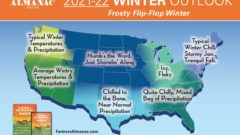
Farmers’ Almanac forecasts frosty Great Lakes flip-flop

This article was republished here with permission from Great Lakes Echo.

By Gabrielle Ahlborn, Great Lakes Echo

After an unusually warm and stormy summer, the Great Lakes region has in store a “frosty flip-flop” winter, according to the 2021-22 Farmers’ Almanac forecast.

Read Now at Great Lakes Now.

Original Article

Great Lakes Now

Great Lakes Now

https://www.greatlakesnow.org/2021/11/farmers-almanac-forecasts-frosty/

Great Lakes Echo

MSU researchers collecting data on Great Lakes shoreline

EAST LANSING, Mich. (AP) — Researchers at Michigan State University are collecting data on how Great Lakes shoreline, including how residents view coastlines and the impact of high water levels.

Assistant professor Erin Bunting said the goal is to empower local communities, which is important to the future of the lakeshores and future research.

Read Now at Great Lakes Now.

Original Article

Great Lakes Now

Great Lakes Now

https://www.greatlakesnow.org/2021/11/ap-msu-researchers-data-great-lakes-shoreline/

The Associated Press

Genetic Mystery: The all-female salamanders of the Great Lakes

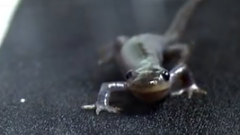
Looking at them, you wouldn’t guess that the unisexual Ambystoma salamanders are any different than the other members of what was once considered their group.  

These interlopers were previously grouped with five other mole salamander species: the tiger salamanders with yellow stripes; the blue-spotted salamander, marked as its name suggests; the brownish smallmouth salamander and Jefferson salamander; and the pale streamside salamander.

Read Now at Great Lakes Now.

Original Article

Great Lakes Now

Great Lakes Now

https://www.greatlakesnow.org/2021/11/genetic-mystery-female-salamanders-great-lakes/

Lorraine Boissoneault

Farm Protection: Ontario invests in projects to help farms improve Great Lakes water quality

The Ontario government is funding projects aimed at helping farmers and landowners preserve water quality of the Great Lakes watershed.

More than $2.5 million was awarded to 19 projects that ranged from green infrastructure projects to helping spread good land management practices to reduce the amount of contaminants and excess nutrients, such as phosphorous, entering the Great Lakes.

Read Now at Great Lakes Now.

Original Article

Great Lakes Now

Great Lakes Now

https://www.greatlakesnow.org/2021/10/farm-ontario-projects-great-lakes/

Brian Owens

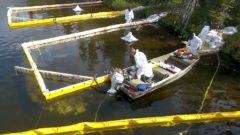
Center in UP to look at impact of oil spills in freshwater

SAULT STE. MARIE, Mich. (AP) — Lake Superior State University in Michigan’s eastern Upper Peninsula has been selected as a hub for a center that will look at the impacts of oil spills in freshwater environments.

The U.S. Coast Guard National Center of Expertise for the Great Lakes also will help develop effective responses to spills, according to the school.

Read Now at Great Lakes Now.

Original Article

Great Lakes Now

Great Lakes Now

https://www.greatlakesnow.org/2021/10/ap-center-impact-oil-spills-freshwater/
The Associated Press

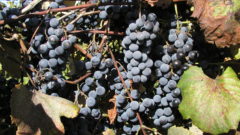
Great Grapes: Soil and climate have made the Great Lakes a top wine-producing area

The gold medal winner of this year’s annual San Francisco Chronicle Wine Competition was a light unoaked chardonnay from Debonné Vineyards – a vineyard located in the Lake Erie region of northeast Ohio.

Despite the American wine and grape industry’s association with California’s Napa Valley, the Great Lakes region boasts four of the top 10 wine producing states in the nation.

Read Now at Great Lakes Now.

Original Article

Great Lakes Now

Great Lakes Now

https://www.greatlakesnow.org/2021/10/grapes-soil-climate-great-lakes-wine-producing/

Capri S. Cafaro

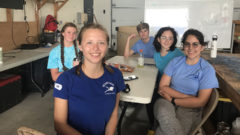
SCUBAnauts enjoy first Great Lakes dive in Alpena

By Darby Hinkley, The Alpena News

This article is part of a collaboration between The Alpena News and Great Lakes Now at Detroit Public Television to bring audiences stories about the Great Lakes, especially Lake Huron and its watershed.

ALPENA — These teens have a lot of experience diving, but, until this month, none of them had any experience diving in any of The Great Lakes.

Read Now at Great Lakes Now.

Original Article

Great Lakes Now

Great Lakes Now

https://www.greatlakesnow.org/2021/08/scubanauts-great-lakes-dive-alpena/

The Alpena News

New theory: Earth’s longer days kick-started oxygen growth

Scientists have a new idea for how Earth got its oxygen: It’s because the planet slowed down and days got longer.

A study published Monday proposes and puts to the test the theory that longer, continuous daylight kick-started weird bacteria into producing lots of oxygen, making most of life as we know it possible.

Read Now at Great Lakes Now.

Original Article

Great Lakes Now

Great Lakes Now

https://www.greatlakesnow.org/2021/08/ap-theory-earth-days-oxygen-growth/

The Associated Press

Great Lakes algae threatens air quality

This article was republished here with permission from Great Lakes Echo.

By Hannah Brock, Great Lakes Echo

Toxins from harmful algal blooms are known to pollute water, but now researchers are looking at how they harm Great Lakes air.

And that also could have implications for human health, they say.

Read Now at Great Lakes Now.

Original Article

Great Lakes Now

Great Lakes Now

https://www.greatlakesnow.org/2021/07/great-lakes-algae-threatens-air-quality/

Great Lakes Echo

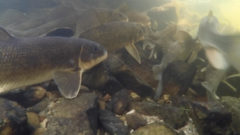
The Suckers: Great Lakes’ “best supporting fishes” are important to the food web

As an avid angler, Great Lakes Now Host Ward Detwiler has encountered suckers, a bottom-feeding family of fish that are present in all five Great Lakes and spawn in the rivers of the watershed.

But he’s never been terribly mindful of them.

“It’s never something you’re really out looking for,” Detwiler said.

Read Now at Great Lakes Now.

Original Article

Great Lakes Now

Great Lakes Now

https://www.greatlakesnow.org/2021/07/suckers-scientist-best-supporting-fishes-great-lakes-food-web/

Sandra Svoboda

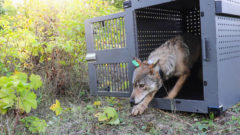
Scientists: Pup births hopeful sign for Isle Royale wolves

TRAVERSE CITY, Mich. (AP) — Wolf pups have been spotted again on Isle Royale, a hopeful sign in the effort to rebuild the predator species’ population at the U.S. national park, scientists said Monday.

It’s unknown how many gray wolves roam the island chain in northwestern Lake Superior.

Read Now at Great Lakes Now.

Original Article

Great Lakes Now

Great Lakes Now

https://www.greatlakesnow.org/2021/07/ap-scientists-births-isle-royale-wolves/

The Associated Press

Investing in the Lakes: New bill could redirect tech money to neglected Great Lakes cities

As President Joe Biden tries to advance his high-profile legislative agenda in a sharply divided Congress, a low-profile bill that could help the Great Lakes region is progressing with bipartisan support.

If passed, it could finally help the region shake its Rust Belt image.

The legislation is the U.S.

Read Now at Great Lakes Now.

Original Article

Great Lakes Now

Great Lakes Now

https://www.greatlakesnow.org/2021/07/legislation-investment-tech-research-great-lakes-cities/

Gary Wilson

Dealing with the soup of chemicals that can get into your drinking water

By Lester Graham, Michigan Radio

The Great Lakes News Collaborative includes Bridge Michigan; Circle of Blue; Great Lakes Now at Detroit Public Television; and Michigan Radio, Michigan’s NPR News Leader; who work together to bring audiences news and information about the impact of climate change, pollution, and aging infrastructure on the Great Lakes and drinking water.

Read Now at Great Lakes Now.

Original Article

Great Lakes Now

Great Lakes Now

https://www.greatlakesnow.org/2021/07/soup-chemicals-drinking-water/
Michigan Radio

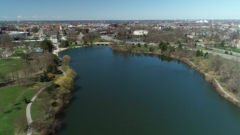
Good News for Lake Erie: 2021 algal bloom severity forecast is 3

For the second year in a row, scientists predict the annual Lake Erie cyanobacteria bloom will be smaller than it has been in the past decade.

The National Oceanic and Atmospheric Administration’s forecast, assembled with the help of multiple partners, indicates an expected bloom severity index of 3 on a scale of 10.5.

Read Now at Great Lakes Now.

Original Article

Great Lakes Now

Great Lakes Now

https://www.greatlakesnow.org/2021/07/2021-harmful-algal-blooms-toxic-algae/
James Proffitt

Public Resource: Around the Great Lakes, everyday people help make science possible

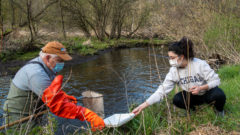
Collecting data for scientific research across large geographic areas can be challenging, but researchers have found an easy solution – the public.

The Huron River watershed covers 900 square miles, and the Huron River Watershed Council has been collecting data from the watershed for years. Yet collection from such an expansive area would not have been possible without the help of an army of dedicated citizen, or community, scientists.

Read Now at Great Lakes Now.

Original Article

Great Lakes Now

Great Lakes Now

https://www.greatlakesnow.org/2021/06/great-lakes-everyday-people-science-public/

Noah Bock

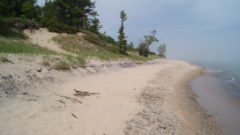
Researchers seek volunteers to document coastal erosion in Michigan

This article was republished here with permission from Great Lakes Echo.

By McKoy Scribner, Great Lakes Echo

Although Great Lakes water levels are down, the risk of coastal erosion remains high, Michigan State University researchers say. Now, the researchers are enlisting “citizen scientists” to assist in helping better understand coastal change.

Read Now at Great Lakes Now.

Original Article

Great Lakes Now

Great Lakes Now

https://www.greatlakesnow.org/2021/06/researchers-volunteers-document-coastal-erosion-michigan/

Great Lakes Echo

Citizen Science Opportunities: How can you get involved in scientific research?

For some, getting to contribute to scientific research might sound like a far-fetched possibility.

Jason Frenzel, stewardship coordinator at the Huron River Watershed Council, is one of the countless people working to change that assumption.

The HRWC is one of many organizations in the Great Lakes region that offer people, most with little prior scientific training, the opportunity to participate in science.

Read Now at Great Lakes Now.

Original Article

Great Lakes Now

Great Lakes Now

https://www.greatlakesnow.org/2021/06/citizen-science-opportunities/

Noah Bock

Piping Plovers: Despite new challenges, the birds make their comeback

When biologist Jillian Farkas stepped into the position of piping plover coordinator for the U.S. Fish and Wildlife Service in January 2020, there was no way she could have predicted just how unprecedented the coming season would be.

Her role involves coordinating dozens of scientists and volunteers across six states, two tribes and multiple government agencies—all to help preserve the endangered Great Lakes population of piping plovers.

Read Now at Great Lakes Now.

Original Article

Great Lakes Now

Great Lakes Now

https://www.greatlakesnow.org/2021/06/piping-plovers-recovery-population/

Lorraine Boissoneault

Plastic Impact: Canada launches multi-year study of microplastics in water and soil

A four-year research project looking into the impact of microplastics on freshwater ecosystems and on agricultural soils will have important implications for the Great Lakes, said its principal researcher.

Funded by the Canadian government, the $1-million project was announced in May. It will measure microplastic levels in wastewater from treatment plants draining into Ontario rivers and streams that feed into the Great Lakes.

Read Now at Great Lakes Now.

Original Article

Great Lakes Now

Great Lakes Now

https://www.greatlakesnow.org/2021/06/canada-microplastics-study-wastewater-impact/

Sharon Oosthoek

Marine Blooms of Harmful Algae Increasing in Europe, Much of the Americas

By Brett Walton, Circle of Blue

The Great Lakes News Collaborative includes Bridge Michigan; Circle of Blue; Great Lakes Now at Detroit Public Television; and Michigan Radio, Michigan’s NPR News Leader; who work together to bring audiences news and information about the impact of climate change, pollution, and aging infrastructure on the Great Lakes and drinking water.

Read Now at Great Lakes Now.

Original Article

Great Lakes Now

Great Lakes Now

https://www.greatlakesnow.org/2021/06/marine-blooms-harmful-algae-increasing/

Circle of Blue