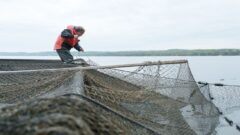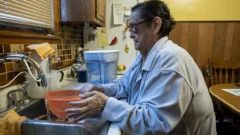
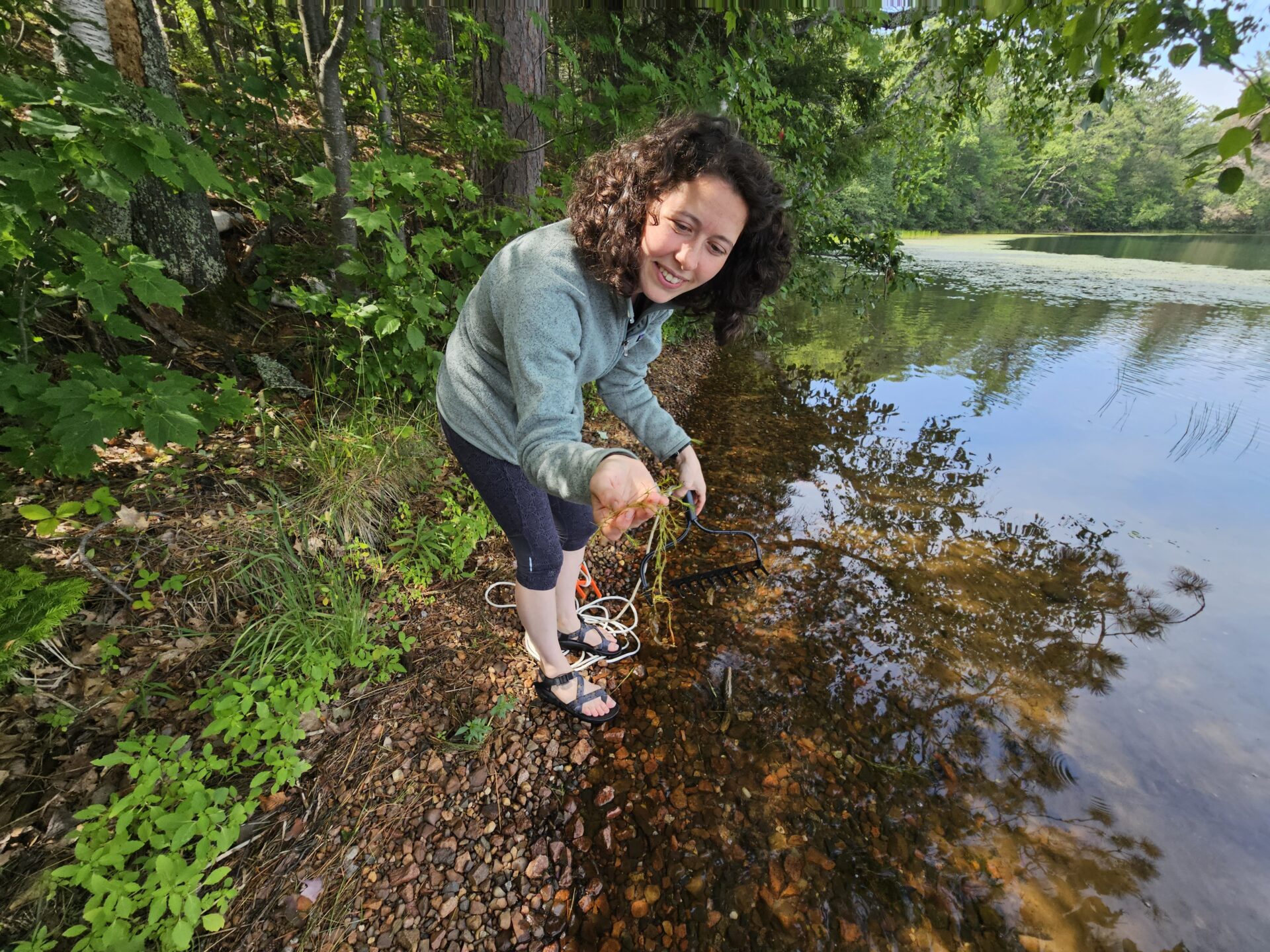
Snapshot Day participant inspects an aquatic plant.

A Snapshot Day participant inspects an aquatic plant. Credit: University of Wisconsin–Madison Division of Extension

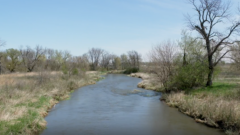
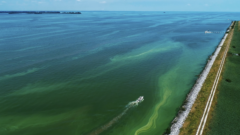
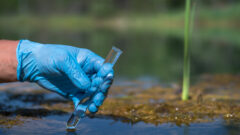
The University of Wisconsin–Madison Division of Extension and Wisconsin Sea Grant invite nature lovers of all ages to participate in Aquatic Invasive Species Snapshot Day on August 9, 2025. The statewide event will be held at over 20 locations across the state and invites volunteers to search for aquatic invasive species (AIS) in rivers, lakes, and wetlands.

“Snapshot Day is a great way to engage volunteers for a one-day event, and it helps people learn a lot about the streams and rivers close to their homes,” said Tim Campbell, Wisconsin Sea Grant’s AIS outreach specialist. “It also creates a boatload of monitoring data that the state depends on. We’re happy to be a part of it.”

On the day of the event, volunteers will gather at local training sites hosted by community conservation partners. After a brief training on how to identify AIS and follow search protocols, participants will visit designated monitoring sites to search for invasive species. Any potential invasive species found will be cataloged with the Wisconsin Department of Natural Resources, supporting control and management efforts. 

Scott McComb, Wisconsin Sea Grant’s southeast Wisconsin AIS outreach specialist, will be coordinating data collection throughout Milwaukee County. This is the fourth year he’s participated in Snapshot Day. “I like that it allows people to directly help the lakes and rivers in their community,” said McComb. “It’s also a great opportunity for folks to connect with others who share an interest in water and being outside.”  

The event is free, and no prior experience or special equipment is needed. Register and see all event details at: https://wateractionvolunteers.org/events/aquatic-invasive-species-snapshot-day-2025/

Advance registration is preferred to help site leaders build monitoring plans but will remain open until August 8, 2025. This event is recommended for ages 8 and up; minors must be accompanied by an adult.

***

The University of Wisconsin Aquatic Sciences Center administers Wisconsin Sea Grant, the Wisconsin Water Resources Institute, and Water@UW. The center supports multidisciplinary research, education, and outreach for the protection and sustainable use of Wisconsin’s water resources. Wisconsin Sea Grant is one of 34 Sea Grant programs supported by the National Oceanic and Atmospheric Administration in coastal and Great Lakes states that encourage the wise stewardship of marine resources through research, education, outreach, and technology transfer.

The post Aquatic Invasive Species Snapshot Day returns August 9 first appeared on Wisconsin Sea Grant.
Original Article

News Releases | Wisconsin Sea Grant

News Releases | Wisconsin Sea Grant

https://www.seagrant.wisc.edu/news/aquatic-invasive-species-snapshot-day-returns-august-9/
Jenna Mertz

At 422 PM CDT, Doppler radar was tracking a strong thunderstorm 7 miles north of Manitowoc, moving southeast at 20 mph. Another strong storm was moving into far northwest Manitowoc County. HAZARD...Wind gusts up to 40 mph and half inch hail. SOURCE...Radar indicated. IMPACT...Gusty winds could knock down tree limbs and blow around unsecured objects. Minor hail damage to vegetation is possible. This strong thunderstorm will be near... Manitowoc around 430 PM CDT. Other locations impacted by this storm include Mishicot, Kellners Corners, Kellnersville, Maribel, Larrabee, Curran, Wayside, Morrison, Two Rivers, and Taus.

Original Article

Current watches, warnings, and advisories for Brown County (WIC009) WI

Current watches, warnings, and advisories for Brown County (WIC009) WI

https://api.weather.gov/alerts/urn:oid:2.49.0.1.840.0.4a61e77d93fc0a86473945eda5d82fd2bcf4dd19.001.1.cap

NWS

Baby bald eagles tested positive for PFAS and other legacy contaminants


Catch the latest updates on what’s happening with PFAS in the Great Lakes region. Check back for more PFAS news roundups every other week on our website.


According to reporting by MLive, two researchers are studying blood samples from bald eagles across Michigan and the Great Lakes basin for evidence of chemical exposure to things like PFAS, DDT or PCBs — which were both banned in 1972 and 1979.

Read Now at Great Lakes Now.

Original Article

Great Lakes Now

Great Lakes Now

https://www.greatlakesnow.org/2025/07/baby-bald-eagles-tested-positive-for-pfas-and-other-legacy-contaminants/

Lisa John Rogers, Great Lakes Now

Original Story: Alicia Lopez, UW- Madison Extension Valerie collecting water hyacinth Winneconne resident Valerie Stabenow, an aquatic invasive species volunteer, has always been interested in doing things outside. A long-time UW–Madison Division of Extension Master Gardener, she once made a water garden out of an old animal stock tank and planted it [...]

The post Eyes on the Water: How Snapshot Day Is Turning Wisconsinites into Guardians of Our Waters appeared first on Fox-Wolf Watershed Alliance.

Original Article

Fox-Wolf Watershed Alliance

Fox-Wolf Watershed Alliance

https://fwwa.org/2025/07/18/eyes-on-the-water-how-snapshot-day-is-turning-wisconsinites-into-guardians-of-our-waters/?utm_source=rss&utm_medium=rss&utm_campaign=eyes-on-the-water-how-snapshot-day-is-turning-wisconsinites-into-guardians-of-our-waters

Chris Acy

A summer intern for the Thunder Bay National Marine Sanctuary (TBNMS) says his favorite part of Alpena, Michigan, is how connected the people are to the Great Lakes. He has spent his summer interning at TBNMS, collecting samples for the sanctuary’s freshwater acidification monitoring project, deploying mooring buoys, learning about shipwrecks, and more. Read the full story by The Alpena News.

Original Article

Great Lakes Commission

Great Lakes Commission

https://www.glc.org/dailynews/20250718-intern-greatlakes-alpena

Hannah Reynolds

More research into how to stem the scourge of invasive mussels is needed if Michigan has any hope of revitalizing the collapsing lake whitefish population, fishery experts told state regulators. The experts also advised the state to take up “emergency corrective action” like transferring adult whitefish to different spots in lakes Michigan or Huron, stocking more fish or rearing them for longer. Read the full story by Bridge Michigan.

Original Article

Great Lakes Commission

Great Lakes Commission

https://www.glc.org/dailynews/20250718-whitefish-crisis

Hannah Reynolds

Construction will begin the week of July 21 on a new sea lamprey barrier and trap at the Little Manistee River Weir and egg take facility in Manistee County, Michigan. The U.S. Army Corps of Engineers will design and build the project in coordination with the Great Lakes Fishery Commission, U.S. Fish and Wildlife Service and Michigan Department of Natural Resources. Read the full story by the Huron Daily Tribune.

Original Article

Great Lakes Commission

Great Lakes Commission

https://www.glc.org/dailynews/20250718-sea-lamprey-barrier-work-little-manistee-weir

Hannah Reynolds

For more than 130 years, the Western Reserve lay silent beneath Lake Superior — a vanished steel freighter, lost in 1892 along with nearly everyone aboard. But when researchers with the Great Lakes Shipwreck Historical Society found it this spring, they didn’t just locate a wreck. They cracked open new questions about steel’s hidden weaknesses, explored new frontiers in underwater imaging, and reconnected families still carrying the weight of its loss. Read the full story by Bridge Michigan.

Original Article

Great Lakes Commission

Great Lakes Commission

https://www.glc.org/dailynews/20250718-michigan-shipwreck-lessons-depths

Hannah Reynolds

This weekend Anishinaabe historian Eric Hemenway will share more Indigenous history of the daily lives of the tribes who made the Great Lakes their homeland. Hemenway’s free classes will focus on the importance of Michigan’s islands. Read the full story by MLive.

Original Article

Great Lakes Commission

Great Lakes Commission

https://www.glc.org/dailynews/20250718-sleepingbeer-indigenous-history-mi-islands

Hannah Reynolds

Michigan is seeking comments from the public regarding a permit from energy company Enbridge to construct a tunnel under the Straits of Mackinac that will replace the dual pipelines currently transporting fuel across the state. The massive construction project has been the subject of controversy from advocates concerned about a potential environmental disaster should the infrastructure be damaged. Read the full story by WJBK-TV – Detroit, MI.  

Original Article

Great Lakes Commission

Great Lakes Commission

https://www.glc.org/dailynews/20250718-line-5-tunnel-public-comments

Hannah Reynolds

Want a free ride across the Wisconsin River? Check. A fast Lake Michigan crossing to avoid Chicago traffic, and get some work done while you’re doing it? Check. Or would you rather cross the Great Lake on a slow, relaxing and historic ship? Check that, too. Read the full story by the Green Bay Press Gazette.

Original Article

Great Lakes Commission

Great Lakes Commission

https://www.glc.org/dailynews/20250718-wisconsin-ferries-free

Hannah Reynolds

Summary

The Director of Water Resources (Director) will lead the Alliance’s work to protect Great Lakes natural water resources. They will use policy, scientific and social research, and analysis to build the case for the policy and funding action necessary to ensure the Great Lakes are sustained for today and tomorrow. This includes, but is not limited to, protection of source water quality and quantity, reduction of polluted runoff, and prevention of invasive species. The Director will lead a team of full-time staff to develop high-quality analyses, reports, and recommendations that drive Great Lakes policy. They will build and sustain external partnerships with scientists, engineers, trade groups, eNGOs, and agency staff to ensure Alliance recommendations are built on solid data and positioned to drive policy innovation and reform. The Director will serve as a thought leader and convener within the Great Lakes water community. They will be a public figure for the organization who speaks with authority and diplomacy, and who cultivates relationships that further the Alliance’s clean water and ecosystem goals. The Director collaborates with the Alliance’s internal advocacy staff to build the campaign structures and relationships necessary to advance policy change. The Director will provide counsel to the Alliance’s Vice Presidents and the President & CEO on policy work across the region. They will be responsible for supervising and mentoring a growing expert staff to inspire high performance and job satisfaction.

A typical week

In a typical week, the Director of Water Resources might:

  • Analyze state legislation related to reducing agricultural runoff into the Great Lakes
  • Convene water partners to explore joint advocacy opportunities and messaging on key water policy issues
  • Draft or review a report, blog post, or press release that communicates our findings and recommendations on water use trends
  • Deliver a conference presentation on our work related to agriculture and water policy that outlines challenges and opportunities
  • Facilitate a meeting with project partners to define roles, timelines, and key deliverables to advance a new initiative to protect water resources in the Basin
  • Brief leadership on an emerging Great Lakes issue and how the Alliance could respond
  • Participate in webinars to learn more best practices for equitable stakeholder engagement on policy issues, best practices in water management, and policy solutions that should be explored in the Great Lakes states
  • Check in with direct reports on progress on their deliverables and provide feedback, coaching and support in problem-solving

Responsibilities

Strategist

  • Recommends organizational goals and related research and policy advocacy agendas to protect and restore water source and ecosystem integrity, with an initial emphasis on addressing agricultural pollution, source water quantity and quality, and prevention and control of invasive species
  • Identifies and advances opportunities to evolve organizational strategy and fill regional gaps on ecosystems work in additional areas such as coastal restoration, contamination cleanup, and protection of ecologically important waters
  • Serves as the primary communicator to Alliance staff leadership and Board of Directors on ecosystem issues
  • Communicates and advances the Alliance’s water and ecosystems work as a thought partner to the major institutional philanthropies that support this work

Advocate

  • Accountable for delivering policy change for the Alliance’s water resource work across the Great Lakes region
  • Leads creation of work products, with internal and external collaborators, such as reports, data analysis, and presentations to advance thought leadership of the Alliance with decision makers and influential partners
  • Creates regular short-term policy, organizing and communication successes as we advance toward our long-term goals
  • Ensures policy goals are achievable and connected to real-world outcomes that have an impact on the quality of water resources and the lives of people who depend on them
  • Prioritizes and strengthens long-term relationships with key thought leaders and partners who can drive practical research and policy change
  • Ensures Alliance advocacy agendas are mutually supportive of our partner organizations and relevant coalitions
  • Builds and leverages relationships outside of the traditional environmental community, including with academia, trade associations, community-based and environmental justice leaders, businesses, and state and local governments
  • Supports Alliance advocacy team in creation and implementation of policy campaigns, which may include coalition building, earned media, organizational supporter activation, briefing and testimony for decision makers, conference presentations and other external relations activities

Manager

  • Manages a team of policy and issue experts and analysts
  • Motivates and mentors staff that work in multiple locations as team members, peers and collaborators
  • Establishes and manages to multiyear expense budgets and work plans to implement the strategic plan
  • Manages a range of projects including direct data collection, secondary scientific research, stakeholder engagement, and creation of policy recommendations
  • Builds and maintains relationships with program staff at institutional philanthropic supporters and develops proposals and reports to advance grant-funded work of program
  • Engages in regular reflection on and cultivation of a values-based organizational culture

Work Relationships

The Director reports to the Vice President for Programs. The Director collaborates regularly with the advocacy team to advance organizational campaign work, and collaborates with the Director of Clean Water and Equity to ensure internal and external coordination of policy objectives. They collaborate regularly with the Finance and Operations Team on project and budget management.

Supervisory Responsibilities

The Director supervises two Senior Policy Manager positions and one contractor, with team growth expected over the next two years.

Physical Demands/Work Environment

This position is remote and will be located within the Great Lakes watershed, with a preference for a part of the region impacted by current work, and for proximity to a major airport. Overnight travel within the Great Lakes region is required, with an average of once per month. A driver’s license and comfort with solo travel by car is required. If the candidate is located in the Chicago area, the Alliance’s downtown headquarters office is available for in-office work.

Knowledge/Skills

  • Leadership ability as demonstrated by a track record of successful problem identification and analysis, relationship and partnership building, conflict resolution, and strategic decision-making both internal and external to an organization
  • Demonstrated success at building recommendations that motivate key influencers to act in a coordinated and strategic manner
  • Strong existing network of relevant and influential leaders in one or more areas of issue and geographic focus for this work
  • Prior demonstrated success at managing multiple closely aligned and well-coordinated policy priorities at the same time
  • Fundamental commitment and demonstrated skills in advancing diversity, equity, inclusion and justice principles in ecosystems work
  • Top echelon skills at writing and speaking to motivate powerful people
  • Staff management and/or mentoring experience
  • Experience with and commitment to use of project management software
  • Driven by a strong commitment to public interest work and the values of the organization
  • Optimistic outlook both internally and externally
  • Committed to a big-tent approach to water advocacy that brings together science, data, relationships, stories and winning strategy
  • Bachelor’s degree required, advanced degree preferred (leadership of significant past successful policy projects or campaigns may substitute for advanced degree)
  • Minimum of 7 years of experience culminating in proven leadership of state, regional or national scale policy, scientific and/or legal research and analysis leading to policy change
  • Understands and upholds Alliance for the Great Lakes values of community, relationships, courage, integrity, and optimism
  • Demonstrated alignment with our external and internal operating principles of justice, equity, diversity, and inclusion
  • The selected candidate must be able to pass a background check

Job Parameters

  • This position is full-time and consistent with Alliance employment policy. The Alliance has defined salary ranges that are evaluated annually, and it is customary for candidates to join at the lower half of the range to leave room for learning and development in the role. It is uncommon for starting salaries to fall above the mid-point. The salary range for this position begins at $105,000 and we negotiate salaries with final candidates based on their experience in similar roles and expertise related to the qualifications.
  • Excellent benefits, including medical, dental, short- and long-term disability, life insurance, FSA, 11 paid holidays plus the business days between 12/26 and 12/30 (staff who must work on any paid holidays may take those holidays at another time subject to the employee handbook), 3 weeks’ annual vacation to start + PTO, and Fidelity 401(k) with employer match of up to 6% of salary, eligible after 30 days.
  • This position can be performed remotely from anywhere within the Great Lakes region, with a preference for a part of the region impacted by current work, and for proximity to a major airport.

Application Process

Please e-mail a cover letter, resume, references, and writing or work sample that demonstrates relevant qualifications to hr@greatlakes.org. Include the job title in the subject line.

Applications will be accepted and reviewed on a rolling basis starting on July 17th, 2025 and until the position is filled. Materials should be compatible with Microsoft Word or Adobe Acrobat. Applicants will receive confirmation of receipt of their materials, further guidance, and updates about the hiring process by e-mail, with interviews provided for finalists. No phone inquiries, please.

About the Alliance for the Great Lakes

Our vision is a thriving Great Lakes and healthy water that all life can rely on, today and far into the future.

The mission of the Alliance for the Great Lakes is to protect, conserve, and restore the Great Lakes, ensuring healthy water in the lakes and in our communities for all generations of people and wildlife.

To achieve our vision and mission, everyone in our organization will live our values of Community, Relationships, Courage, Integrity and Optimism, and weave the principles of Justice, Equity, Diversity and Inclusion into all our work.

For more information about the Alliance’s programs and work, please visit us online at greatlakes.org.

The post Director of Water Resources appeared first on Alliance for the Great Lakes.

Original Article

News - Alliance for the Great Lakes

News - Alliance for the Great Lakes

https://greatlakes.org/2025/07/director-of-water-resources/

Judy Freed

‘We can’t regulate ourselves’ out of whitefish crisis, experts say

By Emilio Perez Ibarguen, Bridge Michigan

The Great Lakes News Collaborative includes Bridge Michigan; Circle of Blue; Great Lakes Now at Detroit PBS; Michigan Public, Michigan’s NPR News Leader; and The Narwhal who work together to bring audiences news and information about the impact of climate change, pollution, and aging infrastructure on the Great Lakes and drinking water.

Read Now at Great Lakes Now.

Original Article

Great Lakes Now

Great Lakes Now

https://www.greatlakesnow.org/2025/07/we-cant-regulate-ourselves-out-of-whitefish-crisis-experts-say/

Bridge Michigan

Local health group seeks Northeast Ohio climate resilience solutions from those most at risk

By Zaria Johnson, Ideastream Public Media

This story was originally published by Ideastream.

The Northeast Ohio Black Health Coalition is exploring the climate resilience of Northeast Ohio by identifying those most at risk and provide possible solutions.

The coalition, through a partnership with the National Oceanic and Atmospheric Administration and Ohio State University’s Center for Health Outcomes and Policy Evaluation Studies, has hosted Reimagining Communities Conversations in Ashtabula, Cuyahoga, Lake and Mahoning counties so far to see how prepared residents feel in the face of severe weather made worse by climate change.

Read Now at Great Lakes Now.

Original Article

Great Lakes Now

Great Lakes Now

https://www.greatlakesnow.org/2025/07/local-health-group-seeks-northeast-ohio-climate-resilience-solutions-from-those-most-at-risk/

Ideastream Public Media

Donald Jodrey headshot.
Don Jodrey, Director of Federal Government Relations

On July 4th, President Donald Trump signed into law the “One Big Beautiful Bill Act” or “OBBBA.” Now that OBBBA is law, the focus in Congress turns to funding the government and passing legislation that is required to renew, or “reauthorize,” federal programs in the new fiscal year that starts October 1st.  

On the funding side, the President’s proposed budget recommends deep cuts that would threaten the health of the Great Lakes and the people who depend on them. Congressional Republicans are unlikely to accept the full cuts, as some in their leadership have spoken out against some of the proposals, but important funding is still likely to be scaled back. Among the cuts would be funding to replace dangerous lead pipes, fix leaky pipes, and stop sewage overflows from entering our lakes and people’s homes. 

On the fight to reauthorize key programs, there are some potentially positive signs, though some of the renewed programs may end up with less funding. Programs up for reauthorization cover fisheries management, water infrastructure, managing invasive carp, and on-the-ground restoration projects, from wetland restoration to cleaning up toxic hot spots. 

At the Alliance, we’re following these developments closely and working to ensure that federal programs and policies protect and restore the clean, fresh water of the Great Lakes in a manner that promotes a sustainable economy and environment for Great Lakes residents. 

The administration’s budget proposal threatens the Great Lakes, our public health, and our environment 

The first order of business is Congressional action on the 12 annual spending bills that Congress must enact before the end of September, when the new fiscal year begins and current government funding runs out.    

The FY 2026 President’s Budget that was submitted to Congress this spring proposes sweeping cuts to many federal agencies that significantly reduce domestic discretionary spending. For the Great Lakes, the proposed cuts risk the health of residents who rely upon the lakes as a source of drinking water because the budget proposes to eliminate nearly all of the $3 billion in water infrastructure funding that is provided annually to states. These steep cuts would make it difficult for Great Lakes states to address water infrastructure backlogs, replace lead service lines, address contaminant issues such as PFAS, and provide principal forgiveness for disadvantaged communities that struggle to construct expensive drinking and wastewater infrastructure because they may lack the tax base to do so. These are just a few of the problems with proposing to eliminate nearly $3 billion in annual federal funding that supports water infrastructure needs nationally. Information gathered by the Environmental Protection Agency indicates that the national backlog of water infrastructure needs is growing, not diminishing, over the next 20 years.  

Although Congressional Republicans solidly supported the President in passing OBBBA, Congressional Republicans are unlikely to accept the proposed FY 2026 proposed budget cuts, as key Republicans in leadership positions have spoken out against some of the proposed cuts. As a result, on the House side where the individual appropriations subcommittees have begun to “mark up” the annual spending bills, the Interior and Environment Appropriations Subcommittee did not agree with the Administration to eliminate water infrastructure funds to states for both the Clean Water and Drinking Water State Revolving Funds (“SRFs”).   

Notwithstanding this opposition to the Administration’s proposal, they did propose significant cuts totaling $661.9 million, or approximately 24%, of the funds for the nation’s primary source of water infrastructure funding. This means that the Great Lakes States will collectively lose $137.1 million. This loss is ameliorated by the fact that some Members of Congress from Great Lakes states pursued “Community Project Funding” where they directed funds from within these large federal appropriations to water infrastructure projects in their districts. If a Member of Congress secured such community-specific funding, the overall loss to their state is less than it would have been. The 24% cut to water infrastructure funding combined with the Community Project Funding would result in the following changes to water infrastructure funding compared to last year: 

StateChange in federal water infrastructure funding
Illinois + $800,000
Indiana – $20,200,000
Michigan – $2,100,000
Minnesota + $28,800,000
New York– $53,200,000
Ohio – $23,500,000
Pennsylvania– $34,200,000
Wisconsin – $33,500,000

Although House Republicans are not fully embracing the Administration’s proposed cuts to water infrastructure funding, SRF funding to states under the House Interior Appropriations Subcommittee mark-up is less than last year, which is problematic for the reasons discussed above.

Similarly, Congressional Republicans on the House side are also not accepting the Administration’s proposal to eliminate the National Oceanic and Atmospheric Administration’s (“NOAA”) Office of Atmospheric Research, which funds numerous research facilities around the country and also in the Great Lakes, including the Great Lakes Environmental Research Laboratory (“GLERL”) in Ann Arbor, MI and the related research organization housed there known as the Cooperative Institute for Great Lakes Research or “CIGLR.” CIGLR is a public-private partnership of 10 research universities throughout the region, non-governmental organizations, and local governmental partners who tackle some of the biggest challenges facing the Great Lakes. These challenges include the monitoring of harmful algal blooms, or “HABs,” which are produced by agricultural runoff. CIGLR monitors HAB outbreaks, which occur during the summer months, to ensure that the Great Lakes drinking water in areas affected by HABs is safe to drink and to protect swimmers and fishermen from the effects of HABs – which can be fatal. Although the details are not yet available, the House Appropriations Subcommittee on Commerce, Justice and Science marked up its bill this week and proposes to only decrease NOAA’s Office of Atmospheric Research by $257 million, which leaves intact most of these functions. We have yet to determine whether GLERL or CIGLR is fully funded and able to maintain the functions it provides to Great Lakes States. 

On the other side of the Capitol, the Senate has only started its process to develop the 12 annual spending bills and two senior Senators, Appropriations Chair Susan Collins, R-Maine (who voted against OBBBA) and Interior Appropriations Chair Lisa Murkowski, R-Alaska, have expressed doubts about supporting the Administration’s proposed cuts. The Senate’s Appropriations Subcommittee on Commerce, Justice and Science has begun to consider its bill funding NOAA programs, but halted its markup this week where it added back approximately $650 million for NOAA’s Office of Atmospheric Research. No further details are available on the Senate markup as it is not complete, but Senate Republicans are also not fully on board with the Administration’s funding proposals. 

Although there is a great deal of uncertainty over how Congress will resolve its differences with the Administration on the FY 2026 budget, and the Congress must also consider a package of “rescissions” recently proposed by the Administration (canceling prior year spending), it is clear that the House and Senate are unlikely to pass any of the individual spending bills before Congress recesses in August. After Labor Day, Congress will devote its time to issues associated with enacting a budget for FY 2026 that begins on October 1st. Given this attenuated schedule, it is possible that there will be one or more continuing resolutions for FY 2026 which just extend current levels of annual funding for a period of time. We will closely monitor these developments and let you know how the annual funding process is unfolding. 

Bipartisan support for continuing Great Lakes programs

With respect to other legislative issues affecting the Great Lakes, including reauthorization for the Great Lakes Restoration Initiative, reauthorization for the Great Lakes Fishery Reauthorization Act, reauthorization for the Clean Water Act’s State Revolving Funds, and the implementation of the Brandon Road Interbasin Project in Joliet, Illinois, that is intended to halt invasive carp from getting into Lake Michigan, there are some positive developments. 

First, President Trump has publicly announced his support for both the Great Lakes Restoration Initiative (or “GLRI”) as well as the Brandon Road Project. For GLRI, which the Administration proposes to fund at last year’s enacted level, the bipartisan reauthorization bill, which has been reintroduced in both the House and Senate, has attracted numerous bipartisan cosponsors and is likely to pass during this session of Congress, which ends in 2026. We are working closely with a bipartisan group of Great Lakes Members of Congress to ensure that the bill moves through both the Senate Environment and Public Works Committee and the House Transportation and Infrastructure Committee, passes the House and Senate, and becomes law. 

For the Brandon Road Project, President Trump issued a memorandum earlier this year directing federal agencies to move expeditiously to implement the project. The U.S. Army Corps of Engineers (“Corps”), which initiated project construction in late 2024, is doing just that. All contracts for the first phase of project construction are issued, and work is well underway. The Corps is working diligently with its local partners, the States of Illinois and Michigan, to get ready for the next phase of construction (slated to begin in the fall of 2026), which requires an additional transfer of lands from the State of Illinois to the Corps. This land transfer is scheduled to occur before September 2025 so that the Corps may begin site testing and preparation of these lands and remediation of any contamination as necessary. No additional federal funding is needed until FY 2027, and the project is on track thanks to the diligent work of the States of Illinois and Michigan and the Corps. 

Other legislative reauthorizations are moving, with the schedule largely dictated by the Administration’s transition, which is unprecedented in scope in terms of actions that affect federal agency budgets, staffing, regulations and policy, as well as judicial review. At the Alliance, we work to stay on top of these changes and to inform and educate decision-makers on the effects of proposed actions. As another source of good news, the Great Lakes Fishery Research Reauthorization Act just passed the House this week and may now be considered by the Senate. Work is also underway among authorizing staff to prepare for the reauthorization of the Clean Water and Drinking Water State Revolving Funds, which must be reauthorized by the end of 2026; we are working that issue as well. 

We will continue working on all these issues as they move through Congress. We are hopeful that the Administration’s support for both GLRI and Brandon Road, and the awareness of how numerous federal programs support the Great Lakes and its people, will result in final actions on funding and legislating that protect the Great Lakes. 

If you have any concerns about proposals and actions in the federal legislative or executive branch that are being considered, we encourage you to contact your Congressional representative to express your views using the action alert below.

Tell Congress: Don’t Cut Critical Great Lakes Programs

Congress is considering budget proposals that could devastate our nation’s ability to protect the Great Lakes, public health, and our regional economy.

Take Action

The post Critical Months Ahead for the Great Lakes in Congress  appeared first on Alliance for the Great Lakes.

Original Article

News - Alliance for the Great Lakes

News - Alliance for the Great Lakes

https://greatlakes.org/2025/07/critical-months-ahead-for-the-great-lakes-in-congress/

tfazzini

Earlier this year, we asked our Illinois supporters to send a message to their legislators: keep plastic pollution out of the Great Lakes and our drinking water. Our supporters delivered in a big way! They sent over 1,750 messages to Illinois legislators – and they asked their friends and colleagues to send messages, too.

Thanks to our supporters, a key bill has made major steps forward. Legislation that would phase out the sale of single-use plastic foam cups and food containers has passed the Illinois Senate and the House Energy and Environment Committee. Our next step is passing it out of the Illinois House and moving this critical bill to the Governor’s desk. We will be working hard to get it over the finish line this year.

Plastic foam, most commonly known as Styrofoam, is the third most common litter item collected during our Adopt-a-Beach cleanups. Foam is exceptionally hard to recycle and breaks down easily into toxic environmental microplastic particles. This critical bill reduces plastic pollution at the source by restricting the sale and distribution of foam food containers. 

We’re so grateful to everyone who made an impact in advancing this important legislation!

In a related bill, the Illinois General Assembly has passed the PFAS Product Ban, which is now on its way to the Governor for his signature. PFAS is one among thousands of chemicals used in the manufacturing of some plastics. This important bill will prohibit the use of this toxic chemical in the manufacturing of children’s products, cosmetics, intimate apparel such as sleepwear or underwear, menstrual products, and dental floss. This law represents a significant step in reducing the use of toxic chemicals in manufacturing.

We’ll continue pushing for legislation – like the foam food ware phase-out – that reduces plastic pollution in Illinois. We’ll keep you up to date on our progress and ways you can continue making a difference. Together we can make a lasting impact to ensure clean drinking water and protect our beautiful Lake Michigan.

Thank you again for protecting Lake Michigan and our drinking water!

2X MATCH: Stand Up Against Plastic Pollution

This July, your donation doubles! Together, we can protect the Great Lakes from plastic pollution and ensure these waters are clean for future generations.

Donate Today

The post Plastic Foam Legislation Advances in Illinois appeared first on Alliance for the Great Lakes.

Original Article

News - Alliance for the Great Lakes

News - Alliance for the Great Lakes

https://greatlakes.org/2025/07/plastic-foam-legislation-advances-in-illinois/

Judy Freed

* WHAT...Flash flooding caused by excessive rainfall continues to be possible. * WHERE...Portions of east central and northeast Wisconsin, including the following counties, in east central Wisconsin, Calumet, Manitowoc and Winnebago. In northeast Wisconsin, Brown, Kewaunee and Outagamie. * WHEN...Until 10 PM CDT this evening. * IMPACTS...Excessive runoff may result in flooding of rivers, creeks, streams, and other low-lying and flood-prone locations. * ADDITIONAL DETAILS... - Moderate to heavy rain will come to an end this evening. Additional rainfall totals under a half inch are expected. Some minor street flooding is still possible early this evening. - http://www.weather.gov/safety/flood

Original Article

Current watches, warnings, and advisories for Brown County (WIC009) WI

Current watches, warnings, and advisories for Brown County (WIC009) WI

https://api.weather.gov/alerts/urn:oid:2.49.0.1.840.0.bbec406f21c902e3f7561af22dbdde499d092a89.002.1.cap

NWS

TORNADO WATCH 517 REMAINS VALID UNTIL 7 PM CDT THIS EVENING FOR THE FOLLOWING AREAS IN WISCONSIN THIS WATCH INCLUDES 6 COUNTIES IN EAST CENTRAL WISCONSIN CALUMET MANITOWOC WINNEBAGO IN NORTHEAST WISCONSIN BROWN KEWAUNEE OUTAGAMIE THIS INCLUDES THE CITIES OF ALASKA, APPLETON, DARBOY, DUNDAS, DUVALL, GREEN BAY, KEWAUNEE, MACKVILLE, MANITOWOC, MENASHA, NEENAH, NORMAN, NORTHERN LAKE WINNEBAGO, OSHKOSH, POINT BEACH STATE PARK, RANKIN, RIO CREEK, ROSTOK, SHOTO, TWO RIVERS, WINNEBAGO, AND WITTMAN FIELD.

Original Article

Current watches, warnings, and advisories for Brown County (WIC009) WI

Current watches, warnings, and advisories for Brown County (WIC009) WI

https://api.weather.gov/alerts/urn:oid:2.49.0.1.840.0.0fa92f8a4f763bb104d4fb642912c5dd44953614.002.1.cap

NWS

* WHAT...Flooding caused by excessive rainfall is expected. * WHERE...Portions of east central and northeast Wisconsin, including the following counties, in east central Wisconsin, eastern Calumet and Manitowoc. In northeast Wisconsin, southern Brown. * WHEN...Until 915 PM CDT. * IMPACTS...Minor flooding in low-lying and poor drainage areas. * ADDITIONAL DETAILS... - At 519 PM CDT, Doppler radar indicated heavy rain due to thunderstorms. Minor flooding is ongoing or expected to begin shortly in the advisory area. Up to 1.5 inches of rain have fallen. - Additional rainfall amounts of 1 to 2 inches are expected over the area. This additional rain will result in minor flooding. - Some locations that will experience flooding include... Manitowoc, Chilton, Brillion, Cleveland, Valders, St. Nazianz, Two Creeks, Camp Rokilio Scout Camp, St Anna, Two Rivers, Kiel, New Holstein, Wrightstown, Newton, Morrison, Cato, Holland, Mishicot, Larrabee and Spring Valley. - http://www.weather.gov/safety/flood

Original Article

Current watches, warnings, and advisories for Brown County (WIC009) WI

Current watches, warnings, and advisories for Brown County (WIC009) WI

https://api.weather.gov/alerts/urn:oid:2.49.0.1.840.0.66410dec40195431ba902a3145422831a529e9e1.001.1.cap

NWS

* WHAT...Flash flooding caused by excessive rainfall continues to be possible. * WHERE...Portions of east central and northeast Wisconsin, including the following counties, in east central Wisconsin, Calumet, Manitowoc and Winnebago. In northeast Wisconsin, Brown, Kewaunee and Outagamie. * WHEN...Until 10 PM CDT this evening. * IMPACTS...Excessive runoff may result in flooding of rivers, creeks, streams, and other low-lying and flood-prone locations. * ADDITIONAL DETAILS... - Rainfall amounts of 1 to 3 inches with locally higher amounts are possible through early this evening. The heavy rain in a short period of time will lead to the threat for flooding across east-central Wisconsin. - http://www.weather.gov/safety/flood

Original Article

Current watches, warnings, and advisories for Brown County (WIC009) WI

Current watches, warnings, and advisories for Brown County (WIC009) WI

https://api.weather.gov/alerts/urn:oid:2.49.0.1.840.0.3e8f2d7b3255025a3ca42533d409d4de86c4a38f.003.1.cap

NWS

TORNADO WATCH 517 REMAINS VALID UNTIL 6 PM CDT THIS EVENING FOR THE FOLLOWING AREAS IN WISCONSIN THIS WATCH INCLUDES 9 COUNTIES IN CENTRAL WISCONSIN PORTAGE WAUSHARA IN EAST CENTRAL WISCONSIN CALUMET MANITOWOC WINNEBAGO IN NORTHEAST WISCONSIN BROWN KEWAUNEE OUTAGAMIE WAUPACA THIS INCLUDES THE CITIES OF ALASKA, APPLETON, ARNOTT, AURORAVILLE, BORTH, CLINTONVILLE, DARBOY, DUNDAS, DUVALL, GREEN BAY, KEWAUNEE, KING, LIND CENTER, MACKVILLE, MANITOWOC, MENASHA, NEENAH, NEW LONDON, NORMAN, NORTHERN LAKE WINNEBAGO, NORTHPORT, OSHKOSH, PLOVER, POINT BEACH STATE PARK, RANKIN, RIO CREEK, ROSTOK, RURAL, SHOTO, SILVER LAKE, STEVENS POINT, TWO RIVERS, WAUPACA, WAUTOMA, WINNEBAGO, AND WITTMAN FIELD.

Original Article

Current watches, warnings, and advisories for Brown County (WIC009) WI

Current watches, warnings, and advisories for Brown County (WIC009) WI

https://api.weather.gov/alerts/urn:oid:2.49.0.1.840.0.004acb1ecaefae9341c1ca0780ddc2e654cccae4.002.1.cap

NWS

* WHAT...Flash flooding caused by excessive rainfall continues to be possible. * WHERE...Portions of east central and northeast Wisconsin, including the following counties, in east central Wisconsin, Calumet, Manitowoc and Winnebago. In northeast Wisconsin, Brown, Kewaunee and Outagamie. * WHEN...Until 10 PM CDT this evening. * IMPACTS...Excessive runoff may result in flooding of rivers, creeks, streams, and other low-lying and flood-prone locations. * ADDITIONAL DETAILS... - Rainfall amounts of 1 to 3 inches with locally higher amounts are possible through early this evening. The heavy rain in a short period of time will lead to the threat for flooding across east-central Wisconsin. - http://www.weather.gov/safety/flood

Original Article

Current watches, warnings, and advisories for Brown County (WIC009) WI

Current watches, warnings, and advisories for Brown County (WIC009) WI

https://api.weather.gov/alerts/urn:oid:2.49.0.1.840.0.9006c325ea7119e22a61f9ea74773c926fc087bd.002.1.cap

NWS

TORNADO WATCH 517 REMAINS VALID UNTIL 6 PM CDT THIS EVENING FOR THE FOLLOWING AREAS IN WISCONSIN THIS WATCH INCLUDES 10 COUNTIES IN CENTRAL WISCONSIN PORTAGE WAUSHARA WOOD IN EAST CENTRAL WISCONSIN CALUMET MANITOWOC WINNEBAGO IN NORTHEAST WISCONSIN BROWN KEWAUNEE OUTAGAMIE WAUPACA THIS INCLUDES THE CITIES OF ALASKA, APPLETON, ARNOTT, AURORAVILLE, BAKERVILLE, BORTH, CLINTONVILLE, DARBOY, DUNDAS, DUVALL, GREEN BAY, KEWAUNEE, KING, LIND CENTER, MACKVILLE, MANITOWOC, MARSHFIELD, MENASHA, NEENAH, NEW LONDON, NORMAN, NORTHERN LAKE WINNEBAGO, NORTHPORT, OSHKOSH, PLOVER, POINT BEACH STATE PARK, RANKIN, RIO CREEK, ROSTOK, RURAL, SHOTO, SILVER LAKE, STEVENS POINT, TWO RIVERS, WAUPACA, WAUTOMA, WINNEBAGO, WISCONSIN RAPIDS, AND WITTMAN FIELD.

Original Article

Current watches, warnings, and advisories for Brown County (WIC009) WI

Current watches, warnings, and advisories for Brown County (WIC009) WI

https://api.weather.gov/alerts/urn:oid:2.49.0.1.840.0.2bb5cdb4123d229abe23cc0a380138f0d1dde729.001.1.cap

NWS

24 Launches Adopted, More on the Way Have you heard of the Adopt a Launch Program at Fox-Wolf? Concerned local water lovers are volunteering to take care of their favorite boat launches. From individuals to groups to businesses, your friends and neighbors are stepping up to help out. In 2025, five new launches have [...]

The post Adopt a Launch Flourishing in Northeast Wisconsin appeared first on Fox-Wolf Watershed Alliance.

Original Article

Fox-Wolf Watershed Alliance

Fox-Wolf Watershed Alliance

https://fwwa.org/2025/07/16/adopt-a-launch-flourishing-in-northeast-wisconsin/?utm_source=rss&utm_medium=rss&utm_campaign=adopt-a-launch-flourishing-in-northeast-wisconsin

Chris Acy

July marks the time of year when piping plover chicks start to fledge and the adults start to get antsy for migration. Piping plover females are the first to leave the Great Lakes and head south to their wintering site. Read the full story by MLive.

Original Article

Great Lakes Commission

Great Lakes Commission

https://www.glc.org/dailynews/20250716-plover-migration

Nichole Angell

Under the USDA rule aimed at protecting wetlands known as “Swampbuster,” farmers have to agree not to drain or fill their wetlands, in order to receive farm benefits such as crop insurance, disaster relief and USDA loans. The rule is being challenged in court and could impact farmers across the country. Read the full story by Great Lakes Now.

Original Article

Great Lakes Commission

Great Lakes Commission

https://www.glc.org/dailynews/20250716-wetland-protection-rule

Nichole Angell

Advocates at the Alliance for the Great Lakes believe that voluntary measures to reduce algal blooms in Lake Erie have failed to meet phosphorus reduction targets and new regulations are needed to make progress on the issue. Read the full story by Great Lakes Now.

Original Article

Great Lakes Commission

Great Lakes Commission

https://www.glc.org/dailynews/20250716-algal-blooms

Nichole Angell

A federal drinking water rule required Chicago officials to warn approximately 900,000 renters, homeowners and landlords before Nov. 16, 2024, that their drinking water is at risk of lead contamination. But as of early July, Chicago had only notified 7% of the people on its list that their water may be dangerously contaminated. Read the full story by WBEZ, Grist and Inside Climate News.

Original Article

Great Lakes Commission

Great Lakes Commission

https://www.glc.org/dailynews/20250716-lead-drinking-water

Nichole Angell

The Great Lakes Aquarium, now one of Duluth, Minnesota’s most popular attractions, was once an unlikely prospect – and weathered years of turbulence after opening in 2000. It is one of few aquariums in the United States that focuses predominantly on freshwater exhibits. Read the full story by Duluth News Tribune.

Original Article

Great Lakes Commission

Great Lakes Commission

https://www.glc.org/dailynews/20250716-duluth-aquarium

Nichole Angell

At a time when NOAA is under assault in many ways, U.S. Senator Tammy Baldwin has introduced the Digital Coast Act, a bipartisan proposal to help coastal communities prepare for storms, cope with varying water levels and plan for future development. Read the full story by The Cap Times.

Original Article

Great Lakes Commission

Great Lakes Commission

https://www.glc.org/dailynews/20250716-coastal-resiliance-legislation

Nichole Angell

American white pelican sightings have been increasing in Michigan. While the state’s shorelines have been a nesting ground for the past 15 years, the species has been expanding their historic breeding range eastward. Michigan is on the current edge of that range. Read the full story by MLive.

Original Article

Great Lakes Commission

Great Lakes Commission

https://www.glc.org/dailynews/20250716-nesting-pelicans

Nichole Angell

THE NATIONAL WEATHER SERVICE HAS ISSUED TORNADO WATCH 517 IN EFFECT UNTIL 6 PM CDT THIS EVENING FOR THE FOLLOWING AREAS IN WISCONSIN THIS WATCH INCLUDES 10 COUNTIES IN CENTRAL WISCONSIN PORTAGE WAUSHARA WOOD IN EAST CENTRAL WISCONSIN CALUMET MANITOWOC WINNEBAGO IN NORTHEAST WISCONSIN BROWN KEWAUNEE OUTAGAMIE WAUPACA THIS INCLUDES THE CITIES OF ALASKA, APPLETON, ARNOTT, AURORAVILLE, BAKERVILLE, BORTH, CLINTONVILLE, DARBOY, DUNDAS, DUVALL, GREEN BAY, KEWAUNEE, KING, LIND CENTER, MACKVILLE, MANITOWOC, MARSHFIELD, MENASHA, NEENAH, NEW LONDON, NORMAN, NORTHERN LAKE WINNEBAGO, NORTHPORT, OSHKOSH, PLOVER, POINT BEACH STATE PARK, RANKIN, RIO CREEK, ROSTOK, RURAL, SHOTO, SILVER LAKE, STEVENS POINT, TWO RIVERS, WAUPACA, WAUTOMA, WINNEBAGO, WISCONSIN RAPIDS, AND WITTMAN FIELD.

Original Article

Current watches, warnings, and advisories for Brown County (WIC009) WI

Current watches, warnings, and advisories for Brown County (WIC009) WI

https://api.weather.gov/alerts/urn:oid:2.49.0.1.840.0.bf5dcb8196687700d318c47a4aaabe93fef32a32.001.1.cap

NWS

John Ball Zoo Fights for Great Lakes’ Rarest Butterflies

Butterfly populations are in decline across the continental U.S., dropping by 22% between 2000 and 2020 according to a study published in the journal Science. Almost a third of the 342 species studied have seen their numbers fall by more than half. To help combat this, the John Ball Zoo in Grand Rapids, Michigan launched its Great Lakes Rare Butterfly Program in 2021 to protect the region’s most threatened species.

Read Now at Great Lakes Now.

Original Article

Great Lakes Now

Great Lakes Now

https://www.greatlakesnow.org/2025/07/john-ball-zoo-fights-for-great-lakes-rarest-butterflies/

Donte Smith

* WHAT...Flash flooding caused by excessive rainfall continues to be possible. * WHERE...Portions of east central and northeast Wisconsin, including the following counties, in east central Wisconsin, Calumet, Manitowoc and Winnebago. In northeast Wisconsin, Brown, Kewaunee and Outagamie. * WHEN...From 3 PM this afternoon to 10 PM CDT this evening. * IMPACTS...Excessive runoff may result in flooding of rivers, creeks, streams, and other low-lying and flood-prone locations. * ADDITIONAL DETAILS... - Rainfall amounts of 2 to 3 inches are possible this afternoon and this evening, with locally higher amounts possible. The heavy rain in a short period of time will lead to the threat for flooding across east-central Wisconsin. - http://www.weather.gov/safety/flood

Original Article

Current watches, warnings, and advisories for Brown County (WIC009) WI

Current watches, warnings, and advisories for Brown County (WIC009) WI

https://api.weather.gov/alerts/urn:oid:2.49.0.1.840.0.8e4ecdc0b706dc9013bc703ea2aaadd3028c92e3.002.1.cap

NWS

* WHAT...Flash flooding caused by excessive rainfall is possible. * WHERE...Portions of east central and northeast Wisconsin, including the following counties, in east central Wisconsin, Calumet, Manitowoc and Winnebago. In northeast Wisconsin, Brown, Kewaunee and Outagamie. * WHEN...From this afternoon through this evening. * IMPACTS...Excessive runoff may result in flooding of rivers, creeks, streams, and other low-lying and flood-prone locations. * ADDITIONAL DETAILS... - Rainfall amounts of 2 to 3 inches are possible this afternoon and this evening, with locally higher amounts possible. The heavy rain in a short period of time will lead to the threat for flooding across east-central Wisconsin. - http://www.weather.gov/safety/flood

Original Article

Current watches, warnings, and advisories for Brown County (WIC009) WI

Current watches, warnings, and advisories for Brown County (WIC009) WI

https://api.weather.gov/alerts/urn:oid:2.49.0.1.840.0.4c12e1a4995458dd9ef4d780add07fd6734206ca.002.1.cap

NWS

This wetland fight could go to the Supreme Court

A pending court case could impact farmers across the country. At issue is a USDA rule aimed at protecting wetlands called “Swampbuster.” In place since 1985, it’s being challenged in court by an absentee landowner in Iowa.

Under Swampbuster, farmers have to agree not to drain or fill their wetlands, in order to receive farm benefits such as crop insurance, disaster relief and USDA loans.

Read Now at Great Lakes Now.

Original Article

Great Lakes Now

Great Lakes Now

https://www.greatlakesnow.org/2025/07/this-wetland-fight-could-go-to-the-supreme-court/

Great Lakes Now

Grabbing a bottle of water might seem like no big deal. But in Northeast Wisconsin, that same bottle is helping protect the waters we all rely on. Through a partnership between Oneida Nation Retail and the Fox-Wolf Watershed Alliance, every purchase of Oneida-branded water helps fund water restoration in the region. The latest donation [...]

The post Oneida Nation and Fox-Wolf Turn Bottled Water into Clean Water appeared first on Fox-Wolf Watershed Alliance.

Original Article

Fox-Wolf Watershed Alliance

Fox-Wolf Watershed Alliance

https://fwwa.org/2025/07/15/oneida-water-donation-fox-wolf-2025/?utm_source=rss&utm_medium=rss&utm_campaign=oneida-water-donation-fox-wolf-2025

Fox-Wolf Watershed Alliance

Advocacy group challenges “new normal” status of Lake Erie’s algal blooms

It’s the annual peak algal bloom season and the spotlight as usual, is on Lake Erie’s western basin, including Toledo and southeast Michigan.

For the public, that’s because in 2014, Toledo went three days without drinking water as toxic algal blooms forced the city to issue a “do not drink” order.

Read Now at Great Lakes Now.

Original Article

Great Lakes Now

Great Lakes Now

https://www.greatlakesnow.org/2025/07/advocacy-group-challenges-new-normal-status-of-lake-eries-algal-blooms/

Gary Wilson, Great Lakes Now

Chicago was supposed to warn residents about toxic lead pipes last year. Most still have no idea.

By Keerti Gopal & Juanpablo Ramirez-Franco

This story is a partnership between GristInside Climate News, and WBEZ, a public radio station serving the Chicago metropolitan region. This coverage is made possible through an ongoing partnership between Grist and WBEZ.

Read Now at Great Lakes Now.

Original Article

Great Lakes Now

Great Lakes Now

https://www.greatlakesnow.org/2025/07/chicago-was-supposed-to-warn-residents-about-toxic-lead-pipes-last-year-most-still-have-no-idea/

Inside Climate News and Grist

A record year for Great Lakes piping plovers

By Lester Graham, Michigan Public

The Great Lakes News Collaborative includes Bridge Michigan; Circle of Blue; Great Lakes Now at Detroit PBS; Michigan Public, Michigan’s NPR News Leader; and The Narwhal who work together to bring audiences news and information about the impact of climate change, pollution, and aging infrastructure on the Great Lakes and drinking water.

Read Now at Great Lakes Now.

Original Article

Great Lakes Now

Great Lakes Now

https://www.greatlakesnow.org/2025/07/record-year-for-great-lakes-piping-plovers/

Michigan Public

Fluctuations in Great Lakes water levels and ice cover broadly affect coastal communities and contribute to coastal erosion. Coastal resiliency strategies are navigating the best methods to preserve the landscape and the communities from these effects. Read the full story by Northern Express.

Original Article

Great Lakes Commission

Great Lakes Commission

https://www.glc.org/dailynews/20250714-coastal-resiliency

Autumn McGowan

Lake Erie has warmed rapidly over the past month, with surface water temperatures now sitting about four degrees above average for mid-July. While that swift rise is eye-catching, experts say it’s not unusual. Read the full story by the Cleveland Plain Dealer.

Original Article

Great Lakes Commission

Great Lakes Commission

https://www.glc.org/dailynews/20250714-erie-temps

Autumn McGowan