The Viking Polaris, the biggest Great Lakes cruise ship, arrived in Milwaukee, Wisconsin, on Thursday. The Polaris is the first of 64 cruise ships that will visit Milwaukee between April and October, nearly the triple the 23 vessels from 2025.  Read the full story by Milwaukee Journal Sentinel.

Original Article

Great Lakes Commission

Great Lakes Commission

https://www.glc.org/dailynews/20260424-cruise-season

Autumn McGowan

In the deepest part of Lake Superior, a quarter mile below the surface, researchers are discovering a growing number of extraordinarily thin lake trout that weigh about half their typical, healthy body weight. Scientists have dubbed them “zombie fish.” Read the full story by Minnesota Public Radio.

Original Article

Great Lakes Commission

Great Lakes Commission

https://www.glc.org/dailynews/20260424-superior-zombie-fish

Autumn McGowan

The Wisconsin Department of Natural Resources held a public information hearing on four permit applications by Enbridge for streambank erosion control on the 41-mile reroute of Line 5, a light crude oil and natural gas pipeline. Read the full story by the Wisconsin Examiner.

Original Article

Great Lakes Commission

Great Lakes Commission

https://www.glc.org/dailynews/20260424-enbridge-permits-erosion

Autumn McGowan

The New York State Department of Environmental Conservation, along with conservation partners Ducks Unlimited and the National Audubon Society, recently completed a project to improve 50 acres of Lake Ontario marsh habitat. Read the full story by Syracuse.com.

Original Article

Great Lakes Commission

Great Lakes Commission

https://www.glc.org/dailynews/20260424-ontario-marsh-restoration

Autumn McGowan

In Wisconsin, the lake sturgeon detected in Ozaukee County — 20 river miles upstream of Lake Michigan — is part of a wider effort to restore sturgeon to the Milwaukee River through the Return the Sturgeon Project. Read the full story by Wisconsin Public Radio.

Original Article

Great Lakes Commission

Great Lakes Commission

https://www.glc.org/dailynews/20260424-sturgeon

Autumn McGowan

Personnel with the U.S. Fish and Wildlife Service and Fisheries and Oceans Canada will be taking measures to reduce the sea lamprey population in the Great Lakes, applying pesticides to kill invasive sea lamprey in streams and tributaries. Read the full story by WLUC-TV – Marquette, MI.

Original Article

Great Lakes Commission

Great Lakes Commission

https://www.glc.org/dailynews/20260424-lamprey

Autumn McGowan

Almost 500 thousand Castalia Hatchery-raised steelhead trout smolts are being poured into the Lake Erie tributaries of northeastern Ohio this week. Anglers should help them to acclimate to swimming in open waters before the year-old trout head for the big lake to feed and grow all summer. Read the full story by the Cleveland Plain Dealer.

Original Article

Great Lakes Commission

Great Lakes Commission

https://www.glc.org/dailynews/20260424-erie-steelhead

Autumn McGowan

This article was republished here with permission from Great Lakes Echo.

By Sonja Krohn, Great Lakes EchoGray wolf. Credit: Department of Natural Resources


Even though the grey wolf is classified as an endangered species, a new study found that the majority of Michigan’s recorded wolf deaths are caused by humans.

Researchers from Michigan State University and their collaborators used GPS collar and mortality data from 608 wolves in Minnesota, Wisconsin and Michigan between 2010 and 2023 to assess their specific cause of death.

The study found that humans caused 65% of them.

In addition to categories like vehicle collisions (10%) and legal kills (14%), illegal kills represented 38% of cases, making it the leading cause of wolf deaths.

Apart from legal kills, which included depredation control and legal hunting, illegal kills included confirmed and suspected poaching through poisoning, shootings and accidental trapping.

“Despite changes in legislation and public attitudes towards large predators, human-caused mortality continues to impact survival and conservation of carnivore species,” the study said.

According to the Michigan Department of Natural Resources, wolves are native to the state, and research suggests that they were once present in all of its counties.

“Wolves were first added to the federal endangered species list in 1974 after being [wiped out] from the Lower Peninsula by the 1930s and nearly disappearing from the Upper Peninsula by 1960,” the department says on its website.

But since then, there has been a back-and-forth approach. Federal protections for wolves were lifted and reinstated on several occasions through political action and court rulings.

Most recently, a 2022 federal court ruling reinstated gray wolves onto the federal list of threatened and endangered species in the contiguous 48 states.

Based on that classification, “they can only be killed if they are a direct and immediate threat to human life,” the department says.

According to the recent study in the journal Global Ecology and Conservation, illegal kills as a leading cause of death have “the potential to influence population dynamics, affecting population growth and recolonization potential.”

Rolf Peterson, a research professor at Michigan Technological University, said the results are consistent with smaller-scale studies. 

Deer are the primary food source of wolves, and illegal kills – especially during deer-hunting season – dominate the population dynamics of wolves in the upper Midwest, he said.

“Yet wolf populations have persisted in what I would characterize as an uneasy peace,” Peterson said, adding that the coexistence of wolves and people in the U.P. – where wolves live – has required adjustments for both species.

At this point, Brian Roell, a DNR wildlife biologist, said illegal takes don’t appear to be harming Michigan’s population, as wolves can survive fairly high death rates.

“The important thing to point back to is that our population has been stable – it’s not decreasing,” he said.

According to Roell, Michigan’s wolf population has been stable since 2011. The department’s last population estimate in 2024 counted 768 wolves. In Michigan, they “have saturated their suitable habitat,” he said.

While the DNR is currently wrapping up a 2026 population estimate, he said, “I fully expect we’re going to be statistically stable again” based on preliminary data.


The post Michigan’s main cause of wolf mortality? People appeared first on Great Lakes Now.

Original Article

Great Lakes Now

Great Lakes Now

https://www.greatlakesnow.org/2026/04/24/michigans-main-cause-of-wolf-mortality-people/

Great Lakes Echo

By Kelly House, Bridge Michigan

The Great Lakes News Collaborative includes Bridge Michigan; Circle of Blue; Great Lakes Now at Detroit PBS; Michigan Public, Michigan’s NPR News Leader; and The Narwhal who work together to bring audiences news and information about the impact of climate change, pollution, and aging infrastructure on the Great Lakes and drinking water. This independent journalism is supported by the Charles Stewart Mott Foundation. Find all the work HERE.


The US Supreme Court has unanimously sided with Michigan Attorney General Dana Nessel in a dispute over which court — state or federal — should oversee Nessel’s lawsuit to shut down the Line 5 pipeline.

The court’s nine justices ruled that Enbridge cannot move the state court case Nessel filed seven years ago to federal court, because the company missed a 30-day deadline to do so.

Jurisdiction matters because federal courts are considered more likely to sympathize with Enbridge’s argument that the pipeline should stay open, while state courts are more likely to sympathize with Nessel’s argument that it should close.

The ruling is the latest development in a yearslong dispute over the fate of the 72-year-old oil pipeline owned by Canadian oil giant Enbridge Energy, which crosses through the open water of the Straits of Mackinac as it transports petroleum products from Wisconsin to Ontario.

The aging pipeline has sustained damage multiple times in recent years, sparking fears that it could rupture and cause an oil spill in the Great Lakes.

Citing those fears, Nessel in 2019 filed a lawsuit in the 30th Circuit Court in Ingham County seeking to shut down the pipeline’s lakebottom segment. But two years into deliberations, Enbridge attempted to move the case into federal court — missing a 30-day statutory deadline to do so.

In a dispute that made its way to the nation’s highest court, the company argued it qualified for an exception to the deadline, while state lawyers accused the company of seeking “an atextual escape hatch.” 

In an opinion authored by Justice Sonia Sotomayor, the justices concluded that Congress authorized limited exceptions to the 30-day deadline, none of which apply to the circumstances of this case.

“Enbridge’s counterarguments are not persuasive,” Sotomayor wrote.

The procedural ruling doesn’t settle the question of the pipeline’s fate. But it remands the case back to Ingham County, where deliberations are paused pending the outcome of a separate case.

In a statement, Nessel said the ruling “makes emphatically clear” that the case belongs in state court.

“For far too long, following years of Enbridge’s delay tactics, the fear of a catastrophic spill from Line 5 has haunted our state, threatening to turn our most vital natural resource into a man-made disaster,” Nessel said.

Enbridge spokesperson Ryan Duffy expressed confidence that the company will prevail in arguing that the line should remain open. 

“The fact remains that the safety of Line 5 is regulated exclusively by the Pipeline and Hazardous Materials Safety Administration,” Duffy wrote. That agency is part of the US Department of Transportation.

In a ruling tied to a separate shutdown dispute between Gov. Gretchen Whitmer and Enbridge, US District Court Judge Robert Jonker ruled in December that federal pipeline safety laws preempt state laws, leaving Michigan with no “power to interfere” in Line 5 operations. The state is appealing the decision and Nessel’s state court case is paused pending the outcome of that appeal.

Prolonged battle

For years, fans and foes of the pipeline have been battling in Michigan and Wisconsin over fears that the pipeline could cause a catastrophic oil spill. Enbridge also owns the line 6B pipeline, which spilled into the Kalamazoo River causing among the worst inland oil spills in US history. Line 5 has been repeatedly struck by ships’ anchors, further heightening pipeline safety concerns.

In 2018, Enbridge pitched a plan to move the Straits section of the pipeline into a concrete-lined tunnel deep beneath the lakebed to alleviate spill concerns. But that plan, too, has been controversial, with some contending the best solution is to remove the pipeline entirely.

It’s a debate that revolves not only around spill risks, but concerns about land disturbances from tunnel construction, infringement on Native American treaty rights in the Straits and the climate implications of building infrastructure that would lock in decades of additional fossil fuel use.

The US Army Corps of Engineers and the Michigan Department of Environment, Great Lakes and Energy are both preparing to issue key permitting decisions tied to the tunnel plan. 

Meanwhile, the Michigan Supreme Court is deliberating over a lawsuit challenging a separate tunnel permit the state already granted.


The post Supreme Court sides with Nessel in Line 5 jurisdiction dispute appeared first on Great Lakes Now.

Original Article

Great Lakes Now

Great Lakes Now

https://www.greatlakesnow.org/2026/04/24/supreme-court-sides-with-nessel-in-line-5-jurisdiction-dispute/

Bridge Michigan

By Kelly House, Bridge Michigan

The Great Lakes News Collaborative includes Bridge Michigan; Circle of Blue; Great Lakes Now at Detroit PBS; Michigan Public, Michigan’s NPR News Leader; and The Narwhal who work together to bring audiences news and information about the impact of climate change, pollution, and aging infrastructure on the Great Lakes and drinking water. This independent journalism is supported by the Charles Stewart Mott Foundation. Find all the work HERE.


The US Supreme Court has unanimously sided with Michigan Attorney General Dana Nessel in a dispute over which court — state or federal — should oversee Nessel’s lawsuit to shut down the Line 5 pipeline.

The court’s nine justices ruled that Enbridge cannot move the state court case Nessel filed seven years ago to federal court, because the company missed a 30-day deadline to do so.

Jurisdiction matters because federal courts are considered more likely to sympathize with Enbridge’s argument that the pipeline should stay open, while state courts are more likely to sympathize with Nessel’s argument that it should close.

The ruling is the latest development in a yearslong dispute over the fate of the 72-year-old oil pipeline owned by Canadian oil giant Enbridge Energy, which crosses through the open water of the Straits of Mackinac as it transports petroleum products from Wisconsin to Ontario.

The aging pipeline has sustained damage multiple times in recent years, sparking fears that it could rupture and cause an oil spill in the Great Lakes.

Citing those fears, Nessel in 2019 filed a lawsuit in the 30th Circuit Court in Ingham County seeking to shut down the pipeline’s lakebottom segment. But two years into deliberations, Enbridge attempted to move the case into federal court — missing a 30-day statutory deadline to do so.

In a dispute that made its way to the nation’s highest court, the company argued it qualified for an exception to the deadline, while state lawyers accused the company of seeking “an atextual escape hatch.” 

In an opinion authored by Justice Sonia Sotomayor, the justices concluded that Congress authorized limited exceptions to the 30-day deadline, none of which apply to the circumstances of this case.

“Enbridge’s counterarguments are not persuasive,” Sotomayor wrote.

The procedural ruling doesn’t settle the question of the pipeline’s fate. But it remands the case back to Ingham County, where deliberations are paused pending the outcome of a separate case.

In a statement, Nessel said the ruling “makes emphatically clear” that the case belongs in state court.

“For far too long, following years of Enbridge’s delay tactics, the fear of a catastrophic spill from Line 5 has haunted our state, threatening to turn our most vital natural resource into a man-made disaster,” Nessel said.

Enbridge spokesperson Ryan Duffy expressed confidence that the company will prevail in arguing that the line should remain open. 

“The fact remains that the safety of Line 5 is regulated exclusively by the Pipeline and Hazardous Materials Safety Administration,” Duffy wrote. That agency is part of the US Department of Transportation.

In a ruling tied to a separate shutdown dispute between Gov. Gretchen Whitmer and Enbridge, US District Court Judge Robert Jonker ruled in December that federal pipeline safety laws preempt state laws, leaving Michigan with no “power to interfere” in Line 5 operations. The state is appealing the decision and Nessel’s state court case is paused pending the outcome of that appeal.

Prolonged battle

For years, fans and foes of the pipeline have been battling in Michigan and Wisconsin over fears that the pipeline could cause a catastrophic oil spill. Enbridge also owns the line 6B pipeline, which spilled into the Kalamazoo River causing among the worst inland oil spills in US history. Line 5 has been repeatedly struck by ships’ anchors, further heightening pipeline safety concerns.

In 2018, Enbridge pitched a plan to move the Straits section of the pipeline into a concrete-lined tunnel deep beneath the lakebed to alleviate spill concerns. But that plan, too, has been controversial, with some contending the best solution is to remove the pipeline entirely.

It’s a debate that revolves not only around spill risks, but concerns about land disturbances from tunnel construction, infringement on Native American treaty rights in the Straits and the climate implications of building infrastructure that would lock in decades of additional fossil fuel use.

The US Army Corps of Engineers and the Michigan Department of Environment, Great Lakes and Energy are both preparing to issue key permitting decisions tied to the tunnel plan. 

Meanwhile, the Michigan Supreme Court is deliberating over a lawsuit challenging a separate tunnel permit the state already granted.


The post Supreme Court sides with Nessel in Line 5 jurisdiction dispute appeared first on Great Lakes Now.

Original Article

Great Lakes Now

Great Lakes Now

https://www.greatlakesnow.org/2026/04/24/supreme-court-sides-with-nessel-in-line-5-jurisdiction-dispute/

Bridge Michigan

Large data centers are being proposed and built across the Great Lakes region, including Illinois. Without comprehensive protective planning, pollution prevention, and water use reporting, they could irreversibly drain huge amounts of water that Illinoisans rely on every day for drinking water, agriculture, and business purposes. Without stronger guardrails, they could expel wastewater that’s contaminated with pollutants, putting local communities at risk and damaging our lakes and rivers.

Illinois communities are raising concerns about the pace and lack of transparency as data center plans rapidly expand across the state. In fact, a recent poll of Illinois voters found that 96% agreed that the state should “ensure data centers pay their fair share of water infrastructure costs,” while 92% support requiring “an analysis that a data center won’t increase harmful health, water, and environmental impacts on vulnerable communities before a project moves forward.”

The Alliance for the Great Lakes supports the POWER Act, an Illinois bill that establishes transparent reporting and consumer protection requirements for data centers to help ensure Illinois’ water resources are used responsibly.

At a recent hearing on the bill, Helena Volzer, Senior Source Water Policy Manager, testified about data centers’ water impacts and how the POWER Act would support sustainable growth while ensuring thoughtful stewardship of Illinois’ water.

The testimony below was submitted to the Illinois House Executive Committee on SB4016/HB5513, the POWER Act, on April 22, 2026, on behalf of the Alliance for the Great Lakes:

Chairperson Ann M Williams, Vice Chairman Robert Rita, Republican Spokesperson Ryan Spain, and esteemed members of the House Executive Committee, my name is Helena Volzer, and I am the Senior Source Water Policy Manager at the Alliance for the Great Lakes. On behalf of the Alliance, thank you for the opportunity to provide subject matter testimony on data center impacts and in support of SB4016/HB5513, the POWER Act. For over fifty years, the Alliance for the Great Lakes has been working to protect our region’s most precious resource: the fresh, clean, natural waters of the Great Lakes for today and generations to come.

We would like to thank Majority Leader Robyn Gabel and Senator Ram Villivalam for sponsoring this critically important legislation SB4016/HB5513, the POWER Act, will establish a framework and common-sense guardrails that will support sustainable growth while ensuring thoughtful stewardship of Illinois water, transparency, accountability, and protection for communities and ecosystems from water overuse and preventable pollution. The Alliance for the Great Lakes urges support and the swift passage of the POWER Act as a critical and timely framework to address quickly evolving challenges and protect our region’s water for generations to come.

As you may know, the Great Lakes are a globally significant, finite, and precious resource. They hold 22% of the world’s fresh surface water and provide drinking water to over 40 million people in the US and Canada. Perhaps less well known is the Lakes’ essential connection to groundwater. Between 20 and 40% of the water flowing into and out of the Great Lakes system originates as groundwater. In Illinois, 40% of residents rely on groundwater for their drinking water.

Yet as I speak, groundwater is becoming increasingly vulnerable to overextraction, especially during peak summer months that are growing hotter and drier due to climate change. The connection between groundwater and surface water means surface water resources can become stressed if groundwater becomes depleted. With simultaneously competing demand for water from agriculture, industry, data centers, and residential use, communities in Illinois are facing complex trade-offs in managing finite water supplies.

Nevertheless, large water users such as data centers are being proposed and sited in Illinois before there has been any comprehensive evaluation of whether the watershed can handle it. Currently, factors such as groundwater recharge rates, whether existing supplies can meet demand, including the data center’s water use at peak capacity, potential impacts to ratepayers, and the cumulative effects of increased water use are not being factored into the decision-making process and they should be.

What happens when water supplies aren’t sustainably and responsibly managed?

  • Conflict. Increased water stress creates potential for intensified groundwater conflicts that Illinois’ groundwater law is currently ill-equipped to resolve.
  • Ecosystem impacts. When groundwater is pumped out faster than it can recharge, water levels drop. This can cause wells to run dry, reduce flow to streams, and degrade wetlands.
  • Increased costs. Increased water scarcity means increased costs; if well owners or water systems have to drill deeper, they incur not only additional expense; it risks contaminating aquifers. Drilling deeper may not even be an option if the aquifer is depleted – potentially necessitating a costly connection to another water system that can supply water. Furthermore, if water systems aren’t prepared to handle data centers at their peak capacity, it can cause drops in water pressure for customers and lead to water main breaks- introducing additional contamination to the system that must be treated for. All of these costs could easily trickle down to water and wastewater ratepayers.
  • Unsafe polluted water: Illinois regulations are not designed to sufficiently monitor and regulate pollutants in data center wastewater discharge. After decades of remediating Illinois waterways from the last centuries’ industrial pollution, it is critical to prevent any future pollution at the source. We simply don’t know enough about the contents of data center wastewater discharge and there is a need for more comprehensive monitoring and effluent limitations to safeguard water quality.
  • Increased pressure on the Great Lakes system. When groundwater levels decline, so does the natural flow to our streams, rivers, and lakes. Over time, that cumulative pressure increases – ultimately causing communities to have to look elsewhere for water. We can already see this happening as Joliet and neighboring communities turn to Lake Michigan for water.

How does the POWER Act help? The POWER Act helps establish a framework for more sustainable data center water use. It does so by creating transparent water use reporting, a permitting system to manage water resources sustainably and accountably to reduce the potential for groundwater conflict, and consumer protection requirements to ensure that data centers pay their fair share of water and wastewater infrastructure.

Technology changes quickly – just a few years ago, we had no AI and no hyperscale data centers. But right now, the Great Lakes region hosts nearly one-fifth of all U.S. data centers, with growth expected to exceed national averages through the end of the decade. Illinois needs a state-level framework that adapts to the times and provides a comprehensive way to ensure water is available right now and for future generations. Consistent rules that monitor water use, ensure transparency, and prevent pollution are necessary to equip the state with the tools it needs to make sure that clean, fresh, water is available for all. Because if there is no clean safe water, there won’t be any data centers or economic development either.

Protecting the Great Lakes requires aligning economic development strategies with hydrologic reality and preventing future pollution. The POWER Act provides a critically important framework that supports sustainable growth by ensuring managed water use, transparency, accountability, and protection for communities and ecosystems from preventable pollution or water overuse.

The POWER Act establishes an evidence-based regulatory framework and a long-term planning approach that helps prevent the disastrous consequences of unsustainable water use. At the same time, we recognize the challenging and multifaceted nature of this issue and stand ready to work with all interested parties and levels of government to ensure we build a framework that can both adapt to the rapidly changing economic landscape while preventing irreversible adverse water resource impacts.

We again wish to thank Majority Leader Robyn Gabel and Senator Ram Villivalam for protecting our state’s precious water resources and introducing this bill and thank you to the Chair and the committee for allowing us to provide testimony today.

More about data centers & water use

Learn more about data centers in the Great Lakes region, how they use water, and their impact on our water resources.

Read More

The post Testimony in Support of POWER Act to Protect Illinois Water Resources from Data Center Impacts appeared first on Alliance for the Great Lakes.

Original Article

News - Alliance for the Great Lakes

News - Alliance for the Great Lakes

https://greatlakes.org/2026/04/testimony-in-support-of-power-act-to-protect-illinois-water-resources-from-data-center-impacts/

Judy Freed

Not everyone who cares about the Great Lakes does it from a stage. A lot of work happens in meeting rooms, on beaches, in classrooms, and in communities that don’t always make the news. Each year at our Great Blue Benefit, we get to recognize the people doing that work. We call them Wavemakers – individuals and organizations who have been instrumental in conserving and protecting the Great Lakes. 

 
We’re honored to introduce our 2026 Wavemaker Honorees: 

Brenda Coley, Co-Executive Director, Milwaukee Water Commons, and water justice champion 
Brenda Coley has never bought into the idea that water is a separate issue from everything else. Brenda’s work recognizes that equitable access to fresh, clean water is fundamental—sitting at the center of health, equity, community, and who gets to make decisions about where they live—and, for her, it’s all connected. As Co-Executive Director of Milwaukee Water Commons, she brings years of community organizing and public health experience to the Great Lakes and a real commitment to ensuring that the people most affected by water decisions actually have a seat at the table.  

Paul Culhane, Director Emeritus, Alliance for the Great Lakes 

Paul Culhane has been part of the Alliance family since 1973, when he spent a year researching and documenting the organization’s early years. He joined the board in 1981 and served for nearly four decades, taking on everything from finance and nominations committees to co-leading executive director searches. Today, he continues advocating for the Great Lakes through the Sierra Club’s Illinois chapter and his parish’s Earth Shepherds ministry. We are so grateful for his decades of support to the Alliance and the Great Lakes. 

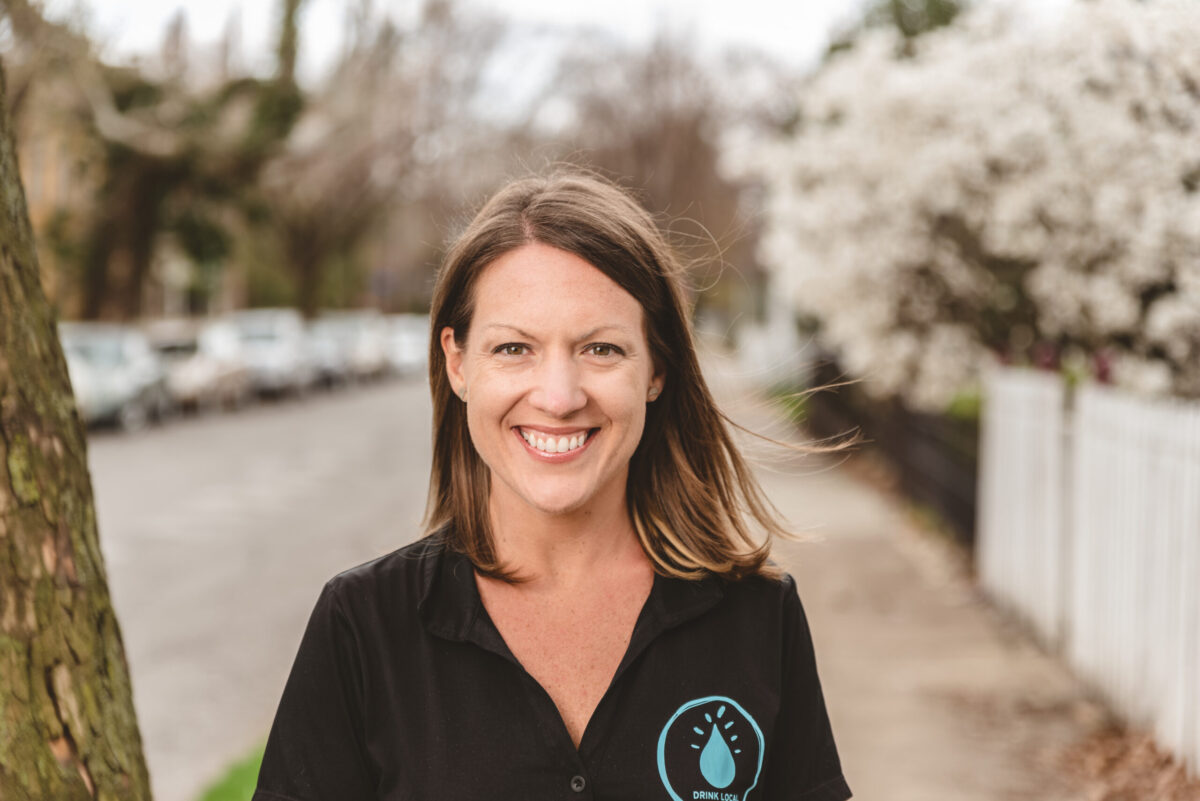
Erin Huber Rosen, Founder and Executive Director, Drink Local Drink Tap, and global water steward 

Erin started Drink Local Drink Tap in 2010 because she grew up near Lake Erie and couldn’t understand why more people didn’t care about it. That question took her a lot further than she probably expected. Today, her work spans 218 Alliance beach cleanups, water education reaching more than 26,000 young people, and over 225 water and sanitation projects in rural Uganda. She has made documentary films and testified in policy rooms, and she still shows up to clean beaches. Her late father told her it’s important to speak up for those without a voice. She took that advice seriously. 

2026 Lifetime Achievement Honoree 

Senator Debbie Stabenow, Trailblazer, former U.S. Senator, and lifelong champion for the Great Lakes 

Debbie Stabenow grew up in Clare, Michigan, driving with her family to Lake Michigan on weekends, and she spent 50 years in public service making sure those lakes were still worth the drive. She passed the first federal ban on oil and gas drilling in the lakes. She created the Great Lakes Restoration Initiative, which put more than $4.1 billion into over 8,100 projects across the region. She was a tireless champion for the Brandon Road project to stop invasive carp from entering the lakes. In 2025, she stepped back from elected office having built a legacy of support for our lakes. We’re proud to honor her with the Alliance’s Lifetime Achievement Award.

Join Us in Celebration 

We hope you’ll join us at the Great Blue Benefit on Thursday, June 11, 2026, from 6:00 to 9:00 PM at the Columbia Yacht Club in Chicago—good people, a great cause, and yes, plenty of lake talk. 

Supporting Our Mission  

All proceeds from the Great Blue Benefit will directly support the Alliance for the Great Lakes’ ongoing initiatives to ensure our waters are clean, safe, and accessible for all generations. 


The post Meet the 2026 Wavemaker Honorees  appeared first on Alliance for the Great Lakes.

Original Article

News - Alliance for the Great Lakes

News - Alliance for the Great Lakes

https://greatlakes.org/2026/04/meet-the-2026-wavemaker-honorees/

Michelle Farley

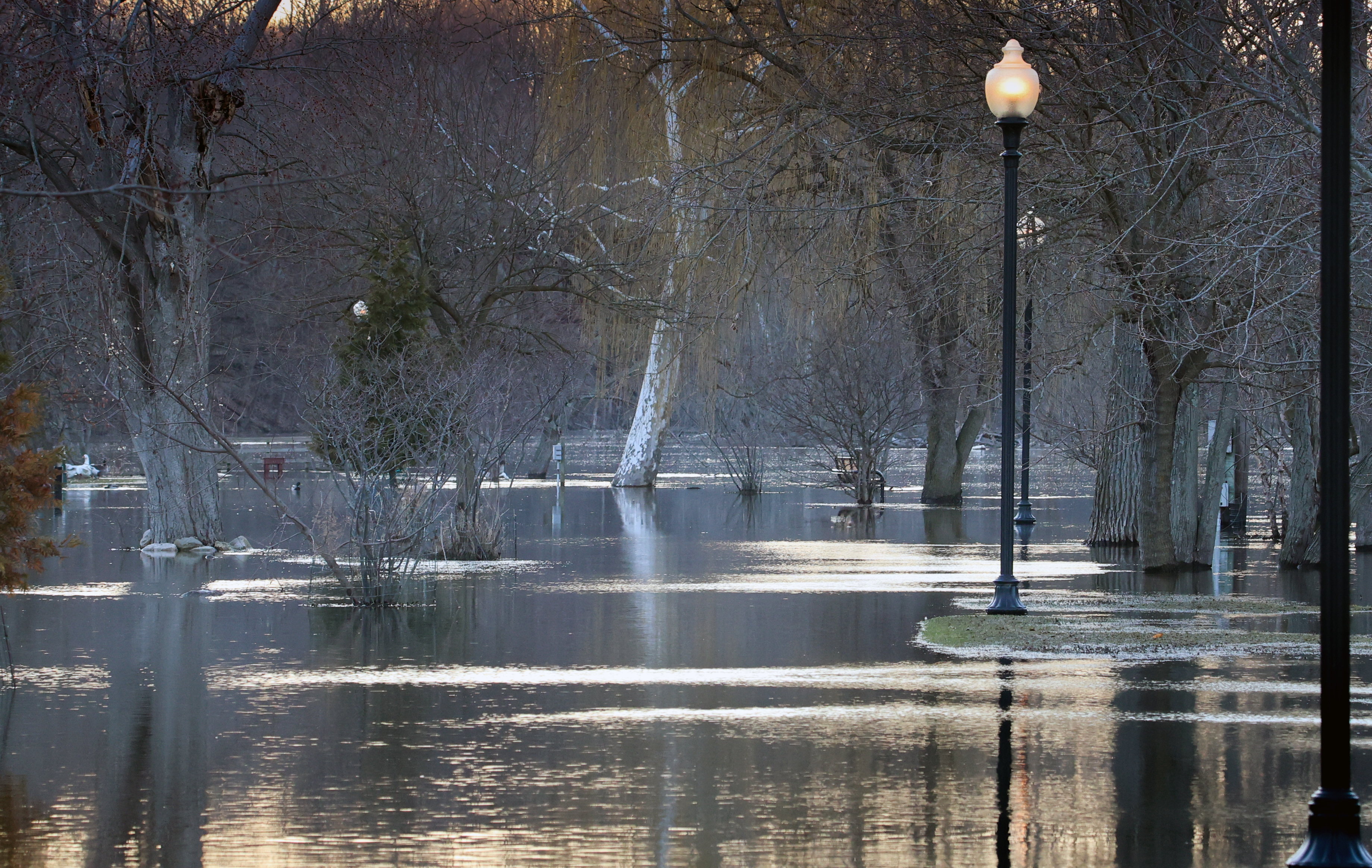
The river flooded the sidewalk and trees on Island Park - Grand Ledge, Michigan, march 2026

Richard B. (Ricky) Rood, University of Michigan

Michigan and parts of Wisconsin are in the midst of a historic flooding event in spring 2026. Days of heavy rainfall on top of snow have sent lakes and rivers over their banks and threatened several dams in both states, forcing people to evacuate homes downstream. By April 20, 2026, nearly half of Michigan’s counties were under a state of emergency. In Cheboygan, Michigan, large pumps were brought in to lower pressure on a century-old dam in the city.

The region’s aging water infrastructure was never designed for the volume of water it is facing. That’s a troubling sign for the future, with flooding becoming more common as global temperatures rise.

In many areas, the damage has been exacerbated by a culture of building homes and cabins on the shores of inland lakes and along riverine lakes behind small, often privately owned dams. Many of these dams were built over 100 years ago, with some long forgotten.

I am a professor emeritus of meteorology at the University of Michigan whose work focuses on helping communities adapt to climate change. The warming climate is worsening the flood risk, and disasters like the one Michigan is experiencing are setting higher benchmarks for safety as communities plan future infrastructure.

Where is all the water coming from?

For much of Michigan and Wisconsin, as well as northern Illinois, 2026 has been the wettest March and April on record.

In March, much of that precipitation fell as snow, including in an enormous blizzard that brought 3 feet of snow to parts of Michigan. In mid-April, persistent rains began. The rain, on top of all that snow, sent floodwaters running into rivers, streets and homes. The water carries large amounts of ice that damages shores, infrastructure and homes.

The moisture for much of these storms has been funneled northward from the warm Gulf of Mexico, thanks in part to a high pressure system sitting over the southeastern U.S.

The problem of warming winters

The kind of flooding Michigan and Wisconsin are experiencing in 2026 is what forecasters expect to see more of as global temperatures rise.

Winters have been warming faster than other seasons across the U.S. In Michigan and Wisconsin, winter months used to be reliably below freezing, but that’s changing. In the Cheboygan area, near the tip of Lower Michigan, March temperatures used to be below freezing on all but a few days. By the 1991-2020 period, the region averaged 10 days above or close to the freezing point – about twice as many as the 1951-1980 period.

The air coming in from the south is also warmer than in the past. Nationally, 2026 was the warmest March on record in 132 years of record-keeping in the contiguous U.S., with an average temperature more than 9 degrees Fahrenheit (5 degrees Celsius) higher than the 30-year average. So, in addition to snowmelt starting earlier, melting is happening faster.

Michigan’s average wintertime temperature rose by more than 4 F (2.3 C) from 1951 to 2023. Though winter 2026 in Michigan was colder than the 1991-2020 average, the Gulf of Mexico, where the moisture originated, was warmer than average, accelerating the snowmelt.

How warming leads to downpours and flooding

A few aspects of a warming climate can lead to flooding.

First, temperatures are increasing. In higher temperatures, moisture evaporates faster from the ground, plants and surface water. That moisture, once in the atmosphere, eventually falls again as precipitation. However, for each degree Celsius that temperatures increase, the atmosphere can hold about 7% more moisture, resulting in more heavy downpours.

A warmer winter also means more melting snow and more rain-on-snow events that can quickly increase the amount of runoff into rivers.

The Great Lakes region and much of the Northeast already experience more precipitation than in the past. Winters with more persistent wetness – not just snow but also rain – prime the region for floods. With continued warming in the coming decades, 2026 might be among the least disruptive in the future.

Data shows that a scenario of persistent wetness, changes in winter and seasonal runoff is part of the future for Michigan and the other states and Canadian provinces along the Great Lakes Basin, as well as New England.

Fixing dams for the future

All of this means communities across the region will have to pay closer attention to the growing risks facing their vital infrastructure – particularly dams.

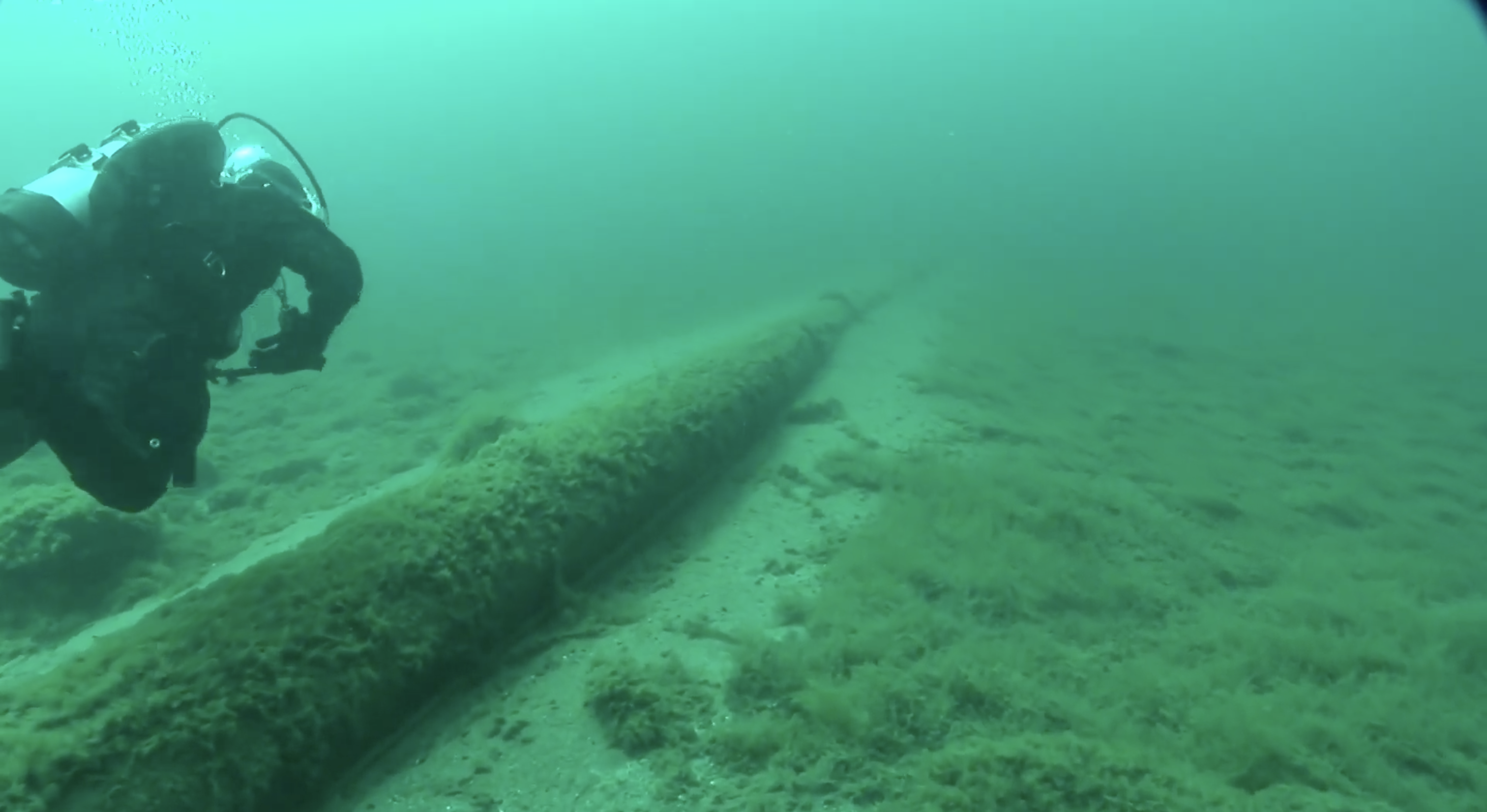
Even prior to the 2026 floods, Michigan had a well-documented problem with its aging inventory of 2,600 dams. In May 2020, an intense storm system that stalled over the region brought so much rain that the Edenville and Sanford dams both failed near Midland, Michigan, forcing 10,000 people to evacuate and causing an estimated US$200 million in damage.

After that disaster, a state task force issued recommendations for fixing the state’s water control infrastructure to meet the growing risks. But a member of the task force told The Detroit News in April 2026 that little had been done to address those recommendations.

Michigan and parts of Wisconsin are in the midst of a historic flooding event in spring 2026. Days of heavy rainfall on top of snow have sent lakes and rivers over their banks and threatened several dams in both states, forcing people to evacuate homes downstream. By April 20, 2026, nearly half of Michigan’s counties were under a state of emergency. In Cheboygan, Michigan, large pumps were brought in to lower pressure on a century-old dam in the city.

The region’s aging water infrastructure was never designed for the volume of water it is facing. That’s a troubling sign for the future, with flooding becoming more common as global temperatures rise.

In many areas, the damage has been exacerbated by a culture of building homes and cabins on the shores of inland lakes and along riverine lakes behind small, often privately owned dams. Many of these dams were built over 100 years ago, with some long forgotten.

https://www.youtube.com/embed/ik4S2Kgn9ak?wmode=transparent&start=0 Michigan State Police captured scenes of stressed dams and flooding across Cheboygan County, near the tip of the Lower Peninsula, including the century-old dam in the city of Cheboygan that was nearly overwhelmed by flood water.

I am a professor emeritus of meteorology at the University of Michigan whose work focuses on helping communities adapt to climate change. The warming climate is worsening the flood risk, and disasters like the one Michigan is experiencing are setting higher benchmarks for safety as communities plan future infrastructure.

Where is all the water coming from?

For much of Michigan and Wisconsin, as well as northern Illinois, 2026 has been the wettest March and April on record.

In March, much of that precipitation fell as snow, including in an enormous blizzard that brought 3 feet of snow to parts of Michigan. In mid-April, persistent rains began. The rain, on top of all that snow, sent floodwaters running into rivers, streets and homes. The water carries large amounts of ice that damages shores, infrastructure and homes.

The moisture for much of these storms has been funneled northward from the warm Gulf of Mexico, thanks in part to a high pressure system sitting over the southeastern U.S.

The problem of warming winters

The kind of flooding Michigan and Wisconsin are experiencing in 2026 is what forecasters expect to see more of as global temperatures rise.

Winters have been warming faster than other seasons across the U.S. In Michigan and Wisconsin, winter months used to be reliably below freezing, but that’s changing. In the Cheboygan area, near the tip of Lower Michigan, March temperatures used to be below freezing on all but a few days. By the 1991-2020 period, the region averaged 10 days above or close to the freezing point – about twice as many as the 1951-1980 period.

The air coming in from the south is also warmer than in the past. Nationally, 2026 was the warmest March on record in 132 years of record-keeping in the contiguous U.S., with an average temperature more than 9 degrees Fahrenheit (5 degrees Celsius) higher than the 30-year average. So, in addition to snowmelt starting earlier, melting is happening faster.

Michigan’s average wintertime temperature rose by more than 4 F (2.3 C) from 1951 to 2023. Though winter 2026 in Michigan was colder than the 1991-2020 average, the Gulf of Mexico, where the moisture originated, was warmer than average, accelerating the snowmelt.

How warming leads to downpours and flooding

A few aspects of a warming climate can lead to flooding.

First, temperatures are increasing. In higher temperatures, moisture evaporates faster from the ground, plants and surface water. That moisture, once in the atmosphere, eventually falls again as precipitation. However, for each degree Celsius that temperatures increase, the atmosphere can hold about 7% more moisture, resulting in more heavy downpours.

A warmer winter also means more melting snow and more rain-on-snow events that can quickly increase the amount of runoff into rivers.

The Great Lakes region and much of the Northeast already experience more precipitation than in the past. Winters with more persistent wetness – not just snow but also rain – prime the region for floods. With continued warming in the coming decades, 2026 might be among the least disruptive in the future.

Data shows that a scenario of persistent wetness, changes in winter and seasonal runoff is part of the future for Michigan and the other states and Canadian provinces along the Great Lakes Basin, as well as New England.

Fixing dams for the future

All of this means communities across the region will have to pay closer attention to the growing risks facing their vital infrastructure – particularly dams.

Even prior to the 2026 floods, Michigan had a well-documented problem with its aging inventory of 2,600 dams. In May 2020, an intense storm system that stalled over the region brought so much rain that the Edenville and Sanford dams both failed near Midland, Michigan, forcing 10,000 people to evacuate and causing an estimated US$200 million in damage.

After that disaster, a state task force issued recommendations for fixing the state’s water control infrastructure to meet the growing risks. But a member of the task force told The Detroit News in April 2026 that little had been done to address those recommendations.

Because warming will continue for the coming decades, the 2026 flooding should be considered at the lower end of capacity for stormwater infrastructure and dams. Rather than relying on the statistics that described floods in the past, planners will have to anticipate the floods of the future.

Michigan is often touted as a climate haven because it is relatively cool and has plenty of water. The state is not, however, immune to the amped-up weather of a warming climate. Environmental security in the future requires improved and more adaptive infrastructure.


The post Extreme rain on snow is testing aging dams across Michigan and Wisconsin — this is the future in a warming world appeared first on Great Lakes Now.

Original Article

Great Lakes Now

Great Lakes Now

https://www.greatlakesnow.org/2026/04/22/extreme-rain-on-snow-is-testing-aging-dams-across-michigan-and-wisconsin-this-is-the-future-in-a-warming-world/

The Conversation

Patrick G. Rodriguez Sr.

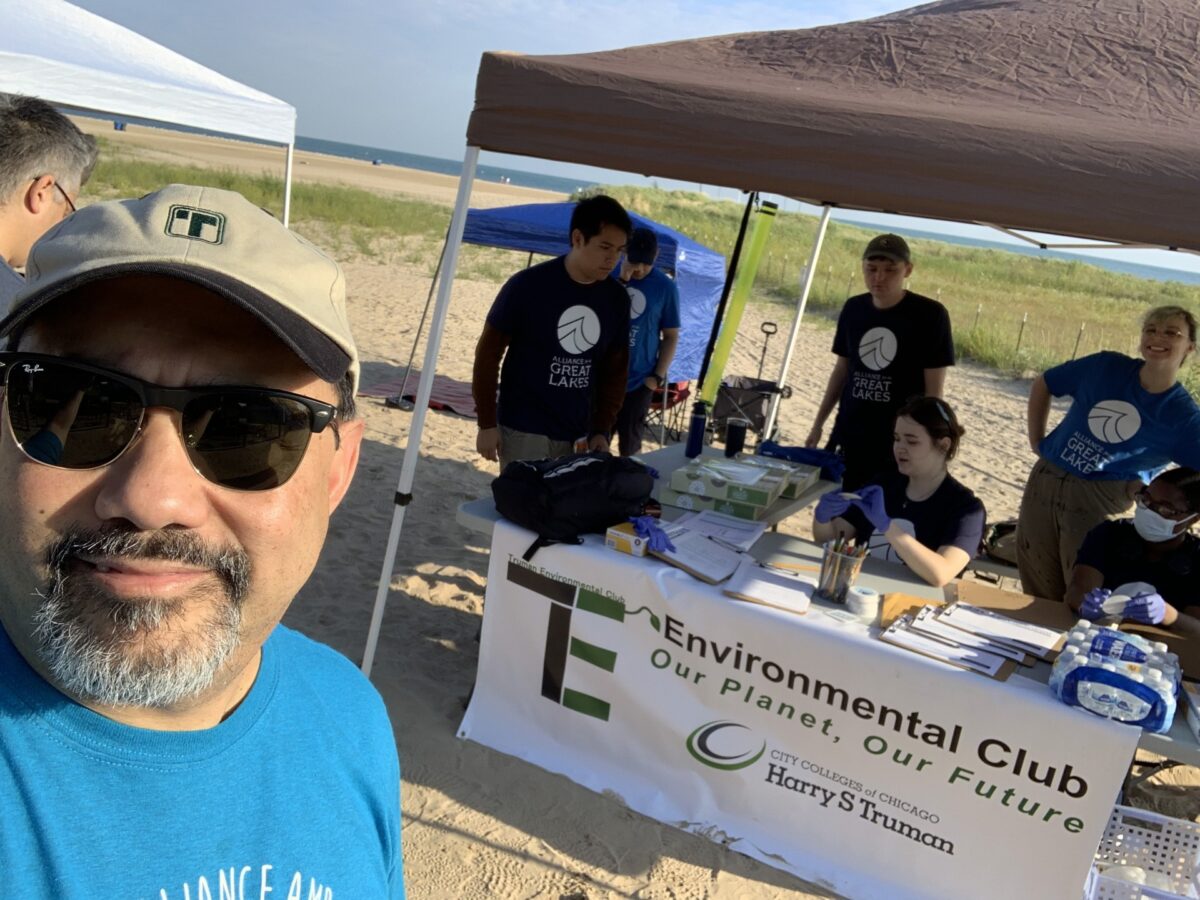
For Patrick G. Rodriguez Sr., it started with a newspaper article. A new member of the Indiana Harbor–East Chicago Lions Club brought information about Adopt-a-Beach to a meeting. The club voted to take on an environmental service project. They voted Patrick to lead it. He has been organizing cleanups ever since.

What surprised him most that first year was the unknown. His club lacked a blueprint. They did not know where to stand, what to measure, or how to begin. What steadied them was the Adopt-a-Beach program. Experienced hands guiding new ones.

Years later, when Lion Carlos Godinez, the member who first suggested the project, passed away from cancer, the club renamed their effort in his honor. The Carlos Godinez Adopt-a-Beach Memorial Cleanup is now part of the shoreline’s story. His idea still gathers people at the water’s edge.

Patrick speaks often about teachable moments. About measuring longshore currents at Jeorse Park Beach and discovering irregular water flow caused by construction decisions along the lakefront. About how volunteer-collected data can surface issues larger than any one cleanup day.

“Every cleanup is more than picking up trash. It is about educating the public, building friendships, and strengthening our communities,” says Patrick.

At the end of each cleanup, Patrick feels relief and pride. Pride that neighbors, city leaders, and volunteers stood shoulder to shoulder with a shared purpose. Pride that what began as a club vote became a community tradition.

Further north at Montrose Beach, for Raymund C. Torralba, PhD, it began for a different reason.

Raymund C. Torralba

He wanted his students to feel connected to something real. To be civically engaged. To know that citizenship is not abstract.

At his first cleanup, the volume of plastic and cigarette butts shocked everyone. What surprised him more was how quickly students claimed the space. They were not just collecting litter. They were protecting something.

One afternoon, a parishioner from his church arrived to volunteer and was delighted to see Ray leading the event. Shared faith met shared responsibility. That moment stayed with him.

Both leaders understand that this work lands differently now.

In 2025 alone, Adopt-a-Beach volunteers removed more than 23,000 pounds of litter from Great Lakes shorelines and contributed critical data about plastic pollution. That data is helping shape conversations about freshwater protection and policy decisions as we move into 2026.

“Cleanups might look simple, but they open people’s eyes and remind us that caring for our lakes is work we must keep doing,” says Raymund.

Cleanups may look simple from the outside. A bag. Gloves. A clipboard. But something deeper is happening.

Ownership is forming. Awareness is shifting. Community is knitting itself tighter.

Patrick will tell you to learn the history of your shoreline. Arrive early. Ask questions. Seek mentorship. Ray will tell you to go for it and trust that support is available.

Because every cleanup is more than picking up trash.

It is a reminder that water connects us and that stewardship is shared.
That showing up still matters.

And in 2026, we are showing up again.

If you have ever considered becoming a Team Leader, this is your invitation. Gather your students. Your coworkers. Your congregation. Your friends. Learn your shoreline. Protect it. Leave it better than you found it. The lakes are waiting.

Lead Your Own Adopt-a-Beach Cleanup

Being an Adopt-a-Beach Team Leader is a fun and rewarding experience – get started today.

Become a Team Leader

The post At the Edge of the Water: Two Leaders, One Shoreline, One Shared Responsibility appeared first on Alliance for the Great Lakes.

Original Article

News - Alliance for the Great Lakes

News - Alliance for the Great Lakes

https://greatlakes.org/2026/04/at-the-edge-of-the-water-two-leaders-one-shoreline-one-shared-responsibility/

Michelle Farley

Patrick G. Rodriguez Sr.

For Patrick G. Rodriguez Sr., it started with a newspaper article. A new member of the Indiana Harbor–East Chicago Lions Club brought information about Adopt-a-Beach to a meeting. The club voted to take on an environmental service project. They voted Patrick to lead it. He has been organizing cleanups ever since.

What surprised him most that first year was the unknown. His club lacked a blueprint. They did not know where to stand, what to measure, or how to begin. What steadied them was the Adopt-a-Beach program. Experienced hands guiding new ones.

Years later, when Lion Carlos Godinez, the member who first suggested the project, passed away from cancer, the club renamed their effort in his honor. The Carlos Godinez Adopt-a-Beach Memorial Cleanup is now part of the shoreline’s story. His idea still gathers people at the water’s edge.

Patrick speaks often about teachable moments. About measuring longshore currents at Jeorse Park Beach and discovering irregular water flow caused by construction decisions along the lakefront. About how volunteer-collected data can surface issues larger than any one cleanup day.

“Every cleanup is more than picking up trash. It is about educating the public, building friendships, and strengthening our communities,” says Patrick.

At the end of each cleanup, Patrick feels relief and pride. Pride that neighbors, city leaders, and volunteers stood shoulder to shoulder with a shared purpose. Pride that what began as a club vote became a community tradition.

Further north at Montrose Beach, for Raymund C. Torralba, PhD, it began for a different reason.

Raymund C. Torralba

He wanted his students to feel connected to something real. To be civically engaged. To know that citizenship is not abstract.

At his first cleanup, the volume of plastic and cigarette butts shocked everyone. What surprised him more was how quickly students claimed the space. They were not just collecting litter. They were protecting something.

One afternoon, a parishioner from his church arrived to volunteer and was delighted to see Ray leading the event. Shared faith met shared responsibility. That moment stayed with him.

Both leaders understand that this work lands differently now.

In 2025 alone, Adopt-a-Beach volunteers removed more than 23,000 pounds of litter from Great Lakes shorelines and contributed critical data about plastic pollution. That data is helping shape conversations about freshwater protection and policy decisions as we move into 2026.

“Cleanups might look simple, but they open people’s eyes and remind us that caring for our lakes is work we must keep doing,” says Raymund.

Cleanups may look simple from the outside. A bag. Gloves. A clipboard. But something deeper is happening.

Ownership is forming. Awareness is shifting. Community is knitting itself tighter.

Patrick will tell you to learn the history of your shoreline. Arrive early. Ask questions. Seek mentorship. Ray will tell you to go for it and trust that support is available.

Because every cleanup is more than picking up trash.

It is a reminder that water connects us and that stewardship is shared.
That showing up still matters.

And in 2026, we are showing up again.

If you have ever considered becoming a Team Leader, this is your invitation. Gather your students. Your coworkers. Your congregation. Your friends. Learn your shoreline. Protect it. Leave it better than you found it. The lakes are waiting.

Lead Your Own Adopt-a-Beach Cleanup

Being an Adopt-a-Beach Team Leader is a fun and rewarding experience – get started today.

Become a Team Leader

The post At the Edge of the Water: Two Leaders, One Shoreline, One Shared Responsibility appeared first on Alliance for the Great Lakes.

Original Article

News - Alliance for the Great Lakes

News - Alliance for the Great Lakes

https://greatlakes.org/2026/04/at-the-edge-of-the-water-two-leaders-one-shoreline-one-shared-responsibility/

Michelle Farley

Hello Volunteers! We are still looking for volunteers for the site circled in red on the map for the 2026 season! Do you enjoy being out on the water? Are you interested in seeing how the work we are doing affects water quality? We have an opportunity for you! We are [...]

The post Help us monitor water quality in Lake Winnebago this summer! appeared first on Fox-Wolf Watershed Alliance.

Original Article

Fox-Wolf Watershed Alliance

Fox-Wolf Watershed Alliance

https://fwwa.org/2026/04/22/ww-wq-volunteers-2026/?utm_source=rss&utm_medium=rss&utm_campaign=ww-wq-volunteers-2026

Katie Reed

This Earth Day, Detroit PBS programming is focusing on turning land back into something wild. Better known as “rewilding,” a large-scale conservation effort that usually involves reintroducing keystone plant or animal species to reestablish the health of a local ecosystem. 

In the Great Lakes region, Illinois recently made history by being the first state in the nation to make rewilding part of its official strategy. As of January 1, 2026, the “Illinois Rewilding Law” is now in effect. According to the Chicago Tribune, the law empowers the Illinois Department of Natural Resources to go after projects that restore land to its natural state.

“The law could encompass the reintroduction of keystone species that improve ecosystems, like beavers and bison. But officials and environmentalists say closing the federal gaps in wetland protection is their focus right now,” wrote Christiana Freitag at the Chicago Tribune

After the Supreme Court case Sackett v. EPA rolled back federal wetland protections, Illinois became especially vulnerable considering it already lost 90% of its swamps. Chicago was built on wetlands, which are important when considering water quality and flood prevention — this is especially significant, as Chicago has dealt with severe flooding

An international effort

British author and conservationist Isabella Tree joins our Detroit PBS colleagues to discuss her non-fiction book “Wilding: Returning Nature to Our Farm.” On April 29, be sure to check out their live event with PBS Books Readers Club, from 8 to 9 p.m. ET. 

Tree’s book details her process of rewilding her 3,500 acre estate in Sussex, England. After visiting an arborculturist to save their oak trees, Tree and her husband were inspired to change everything they were doing with their land. After it was depleted by centuries of farming, they transformed it into a healthy haven for the littlest bugs and grazing animals, all by planting native flora and fauna. 

“I think the only answer to eco anxiety is to get your hands dirty and do something,” said Tree. “And the joy that can come from even transforming a window box… so that you’re now attracting night flying moths and hoverflies and all the forgotten pollinators, you’re making a difference. And that feels just so fantastic.”

Be sure to also check out the upcoming documentary, Wilding (inspired by the book) that premieres on PBS, on April 22. 

What you can do

For those who would like to feel more involved in helping our ecosystem, Doug Tallamy wants private property owners to know they have a role in the conservation movement. Tallamy calls this the Homegrown National Park movement. 

“Most people have too much lawn,” said Tallamy. 

According to the author, entomologist, biologist and conservationist we have 44 million acres of lawn in this country. When there’s a storm event, most of those pesticides, fertilizers and herbicides run off into the watershed. He said, if we’re going to put plants in our yards, why not use ones that do everything we need to conserve and protect our environment? Native plant alternatives to grass help guard our watershed, help the food web, support pollinators and are often better at sequestering carbon.

(Credit: National Wildlife Federation)

 “The point is, what you’re doing is creating connectivity,” said Tallamy. “If you and a bunch of other people do it, then outside of the parks and preserves it’s not no man’s land, there is some habitat.”

For more information, watch Great Lakes Now’s latest interview: 

The post Rewilding, a new way to heal the land this Earth Day appeared first on Great Lakes Now.

Original Article

Great Lakes Now

Great Lakes Now

https://www.greatlakesnow.org/2026/04/22/rewilding-a-new-way-to-heal-the-land-this-earth-day/

Lisa John Rogers, Great Lakes Now

Communities along Lake Ontario’s shoreline are being invited to help shape a new regional plan aimed at addressing the growing impacts of flooding, erosion and extreme weather. Read the full story by Niagara-on-the-Lake-Local.

Original Article

Great Lakes Commission

Great Lakes Commission

https://www.glc.org/dailynews/20260422-lake-ontario-shoreline-residents-coastal-resilience

Hannah Reynolds

In New York, a recent cliff collapse at Chimney Bluffs State Park highlights how the landscape is naturally shaped by ongoing erosion from waves and rainfall, but scientists say factors like heavier rain and fluctuating lake levels may be intensifying these changes. While erosion is normal, researchers note that climate change could make these events more frequent or severe, though no single collapse can be directly attributed to it. Read the full story by WXXI – Rochester, NY.  

Original Article

Great Lakes Commission

Great Lakes Commission

https://www.glc.org/dailynews/20260422-chimney-bluffs-shifting-landscape-climate-change

Hannah Reynolds

After billions have already been spent on Cleveland’s long-running “Project Clean Lake,” construction is set to begin on the final massive tunnel designed to capture and store stormwater and sewage, preventing it from overflowing into Lake Erie during heavy rains. The project aims to dramatically reduce pollution, though it highlights the enormous cost and decades-long effort required to modernize the region’s aging sewer system. Read the full story by The Plain Dealer.

Original Article

Great Lakes Commission

Great Lakes Commission

https://www.glc.org/dailynews/20260422-billions-dollars-tunnel-sewage-lakeerie

Hannah Reynolds