Line 5 is still a point of cross-border contention: Enbridge says the pipeline is safe, while a Michigan study shows oil from a spill could reach Manitoulin Island and beyond. Read the full story by The Narwhal.

Original Article

Great Lakes Commission

Great Lakes Commission

https://www.glc.org/dailynews/20220923-line-5-risks

Jill Estrada

State cracks down on Flint company after Flint River spill

FLINT, Mich. (AP) — State regulators on Monday ordered a Flint chemical company to truck wastewater to a water treatment plant, weeks after it was blamed for an oily discharge in the Flint River.

The 11-page order describes disputes between Lockhart Chemical and the Department of Environment, Great Lakes and Energy.

Read Now at Great Lakes Now.

Original Article

Great Lakes Now

Great Lakes Now

https://www.greatlakesnow.org/2022/09/ap-state-cracks-down-on-flint-company/

The Associated Press

Gov. Gretchen Whitmer in June approved a plan to make the state age-friendly. It focuses on communication and information, respect and social inclusion, health services and community support, social participation and transportation. 

The post More Michigan communities strive to become age-friendly first appeared on Great Lakes Echo.

Original Article

Great Lakes Echo

Great Lakes Echo

http://greatlakesecho.org/2022/09/23/more-michigan-communities-strive-to-become-age-friendly/

Guest Contributor

Dave Dempsey explores connection between people, dogs and environmental policy in new book

When we think of our cherished dogs, most of us don’t easily make a connection to environmental policy or protecting the Great Lakes.

But that’s the path Traverse City’s Dave Dempsey followed in his latest book release, Half Wild: People, Dogs and Environmental Policy.

The premise of the book examines our tendency to engage in binary thinking on protecting the environment and the Great Lakes, much like dogs who are domesticated but retain long-ingrained wild tendencies.

Read Now at Great Lakes Now.

Original Article

Great Lakes Now

Great Lakes Now

https://www.greatlakesnow.org/2022/09/dave-dempsey-people-dogs-and-environmental-policy/

Gary Wilson

Powerful Industry’s Torrent of Manure Overwhelms State Regulators

By Keith Schneider, Circle of Blue

The Great Lakes News Collaborative includes Bridge Michigan; Circle of Blue; Great Lakes Now at Detroit Public Television; and Michigan Radio, Michigan’s NPR News Leader; who work together to bring audiences news and information about the impact of climate change, pollution, and aging infrastructure on the Great Lakes and drinking water.

Read Now at Great Lakes Now.

Original Article

Great Lakes Now

Great Lakes Now

https://www.greatlakesnow.org/2022/09/powerful-industry-torrent-manure-overwhelms-state-regulators/

Circle of Blue

A new University of Michigan study aims to understand how environmental exposures contribute to cancer. The Michigan Cancer and Environmental Research Study, or MI-CARES, is largely motivated by Michigan’s history of toxic environmental exposures and environmental injustice.

The post Michigan study linking environment to cancer provides ammo for health policy first appeared on Great Lakes Echo.

Original Article

Great Lakes Echo

Great Lakes Echo

http://greatlakesecho.org/2022/09/22/michigan-study-linking-environment-to-cancer-provides-ammo-for-health-policy/

Guest Contributor

A hat decorated with stars and stripes.

Election day – Tuesday, November 8 – is just around the corner. Many federal, state, and local offices are on the ballot around the Great Lakes region.

Seven Great Lakes states have gubernatorial elections this year. (The exception is Indiana.) Six states have U.S. Senate races on the ballot – Illinois, Indiana, Michigan, Ohio, Pennsylvania, and Wisconsin. All seats in the U.S. House of Representatives are up for election. And numerous state and local offices are on ballots

Voters like you can make sure that the Great Lakes and clean water are part of the election-year conversation. Every office on the ballot will have the opportunity to influence Great Lakes and water issues once elected.

The Great Lakes have long enjoyed strong bipartisan support because people of all backgrounds can see the value of clean water. To protect the lakes, we need to defend existing clean water laws while pushing for stronger, better protections for the world’s largest source of surface freshwater. And we must ensure that everyone in the Great Lakes region has access to clean, safe, and affordable drinking water.

The five Great Lakes.

Right now, we have an opportunity to encourage candidates to stand up for the Great Lakes and hold them accountable once elected. You can have an impact by using the tools below to join the conversation today.

Your voice and your vote matter. Civic engagement is a critical part of protecting the Great Lakes. Whether it’s asking questions at a candidate forum, chiming in on social media, or highlighting water issues in a letter to the editor, your voice makes a difference. People running for elected office pay attention to issues that bubble to the top in all of these venues.

Tips to Get Involved this Election Season

Raise Awareness about Great Lakes Issues

Asking candidates for any office where they stand on Great Lakes issues raises awareness, highlights the issues, and allows us as constituents to hold elected officials accountable once they take office. To get you started, here are five questions to ask candidates for elected office.

  • What is your number one Great Lakes policy priority?
  • What policies will you put in place to ensure Great Lakes communities have safe, clean, and affordable drinking water?
  • If elected, what would you do in your first 100 days in office to protect the Great Lakes for people who live, work and play in the region and depend on them for drinking water?
  • What will you do to increase much-needed funding for the Great Lakes region’s failing drinking and wastewater infrastructure and ensure that no one loses access to water and sewer services because of an inability to pay?
  • How will you ensure that businesses, from industrial facilities to industrial agriculture, are held accountable for pollution flowing into our waterways?

Telling your story can be powerful and can help to get attention for issues you care about. You can make the questions above your own by sharing personal experiences and by replacing “Great Lakes” with your home lake.

A hand holding a large drop of water.

Candidate forums provide an opportunity to engage with individuals running for office and ask important questions about their platforms and positions. Asking questions about how the candidate plans to take action if elected at these events is one way to get water issues into the election-year conversation. Read our fact sheet for more tips on how to find and get involved with candidate forums in your community.

Another important step is to learn about the elected offices on your ballot. Elected officials set program and funding priorities that can lead to better protections for the lakes or leave them more vulnerable to pollution. They oversee agencies that implement clean water laws and regulations. And they make budget decisions that impact Great Lakes programs. Read our fact sheet with helpful tips on how to find out more about the elected offices on your ballot.

Social media can help spread the word about Great Lakes issues and provides an opportunity to connect with candidates for office. By speaking out on social media and sharing information with your network, voters like you can make sure that the Great Lakes and clean water are part of the election-year conversation. Read our fact sheet with tips on how to effectively use social media.

Create Your Plan to Vote and Encourage Others to Vote

Ballot box.

Voting is the most important way for you to have a voice in how our elected officials protect our water. It’s important to make a voting plan to be sure your voice is heard on Election Day. Visit our Great Lakes Voter Information Center and enter your address to check the status of your registration. Read our fact sheet with tips on how to make your plan to vote.

Encourage others to vote by sharing the Great Lakes Voter Information Center and help them make a plan to vote.

Note: As a 501(c)(3) nonprofit organization, the Alliance for the Great Lakes cannot support or oppose candidates or political parties. However, we can and do, educate candidates and voters on Great Lakes issues.

The post 2022 Midterm Elections: How to Get Involved appeared first on Alliance for the Great Lakes.

Original Article

News - Alliance for the Great Lakes

News - Alliance for the Great Lakes

https://greatlakes.org/2022/09/2022-midterm-elections-how-to-get-involved/

Judy Freed

Sinkhole Science and other underwater research

The mysterious sinkholes in northern Lake Huron, discovered 20 years ago, have attracted researchers from around the world who are working to understand their origin and science.

Great Lakes Now wrote about the work in the article “Ancient Analog: What can Lake Huron’s cyanobacteria tell us about the earth’s past or about other planets?” and took you there with this segment:

Producer David J.

Read Now at Great Lakes Now.

Original Article

Great Lakes Now

Great Lakes Now

https://www.greatlakesnow.org/2022/09/sinkhole-science-and-other-underwater-research/

GLN Editor

Michigan property owners settle PFAS case for $54 million

GRAND RAPIDS, Mich. (AP) — A judge has given tentative approval to a $54 million settlement involving 3M Co., a shoe manufacturer and property owners in western Michigan who said their land and wells were contaminated by toxic “forever chemicals.”

The deal involves approximately 1,700 properties north of Grand Rapids.

Read Now at Great Lakes Now.

Original Article

Great Lakes Now

Great Lakes Now

https://www.greatlakesnow.org/2022/09/michigan-property-owners-settle-pfas-case/

The Associated Press

A group of researchers want to make it easier for scientists to get a better picture of when flooding events might occur in Michigan by developing a new groundwater model to monitor surface and groundwater flow. Read the full story by WKAR-TV – East Lansing, MI.

Original Article

Great Lakes Commission

Great Lakes Commission

https://www.glc.org/dailynews/20220921-flooding

Theresa Gruninger

Wisconsin’s Bayfield County residents will soon have access to a map of the county’s artesian wells, following a controversial proposal to bottle and sell water from a well near Lake Superior. Read the full story by Wisconsin Public Radio.

Original Article

Great Lakes Commission

Great Lakes Commission

https://www.glc.org/dailynews/20220921-bottled-water

Theresa Gruninger

Recently, the U.S. Environmental Protection Agency issued new federal health advisories for forever chemicals in drinking water and stated its intention to deliver enforceable standards by the end of 2023. For Ohio, that means more than 1,500 public water systems across the state would be forced to comply with whatever mandates come down the pike. Read the full story by The Plain Dealer.

Original Article

Great Lakes Commission

Great Lakes Commission

https://www.glc.org/dailynews/20220921-pfas

Theresa Gruninger

Lockhart Chemical Company was the source of an oily spill that spread more than 20 miles downstream along Michigan’s Flint River earlier this year. Now the company has been ordered to stop using defective wastewater and stormwater tunnels on its property. Read the full story by Michigan Radio.

Original Article

Great Lakes Commission

Great Lakes Commission

https://www.glc.org/dailynews/20220921-lockhart-chemical

Theresa Gruninger

The cruise ship industry is booming on the Great Lakes, and port cities are embracing it as an economic driver, with cities like Duluth — which hadn’t hosted any cruise ships in nearly a decade — investing in infrastructures such as new docks and customs facilities to welcome them. Read the full story by Minnesota Public Radio.

Original Article

Great Lakes Commission

Great Lakes Commission

https://www.glc.org/dailynews/20220921-cruise

Theresa Gruninger

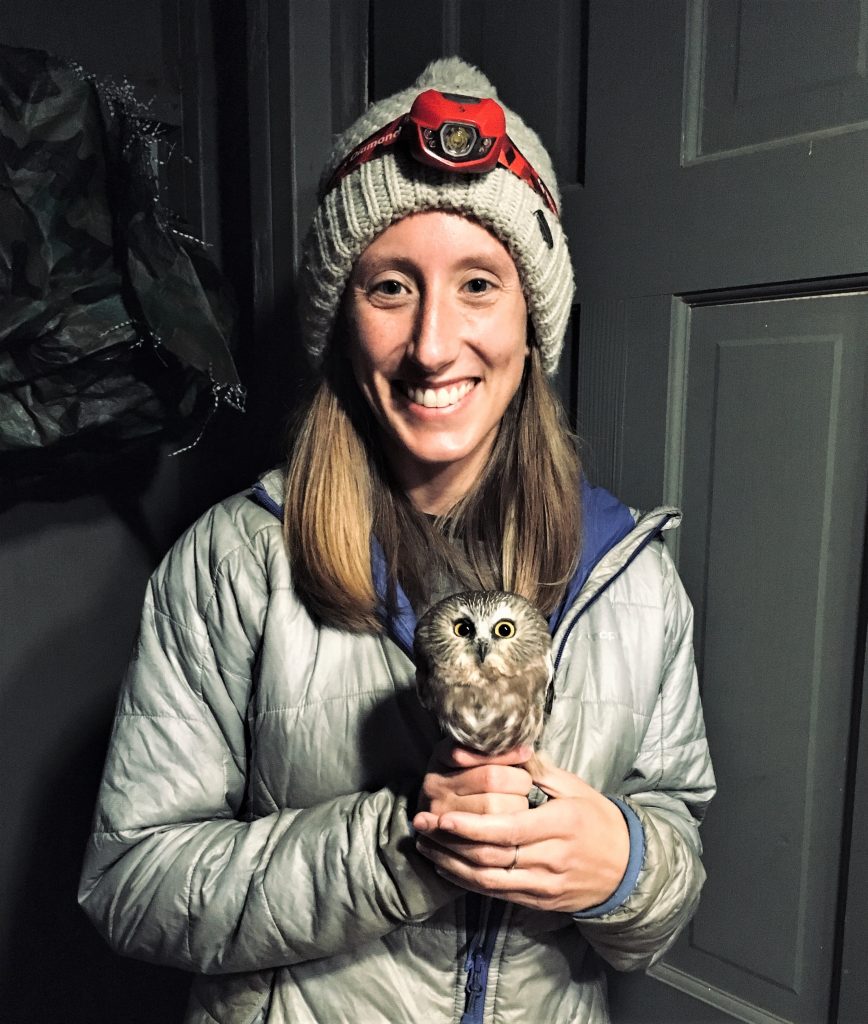
Emily Pavlovic, EPA Fellow in avian toxicology, holds a northern saw-whet owl. Submitted photo

Emily Pavlovic’s love of birds didn’t come to the fore until after college when she worked at an Audubon Center. She turned that love into her vocation and is now a fellow at the Environmental Protection Agency’s Great Lakes Toxicology and Ecology Division in Duluth, Minnesota. Under mentorship from Matt Etterson, Pavlovic is looking at the impacts of per- and polyfluorinated alkyl substances (PFAS) on the reproductive success of birds in the Duluth area.

After Pavlovic earned her bachelor’s degree in biochemistry from Earlham College, she spent five years working as an environmental educator at various nature centers around the U.S. before earning her master’s degree.

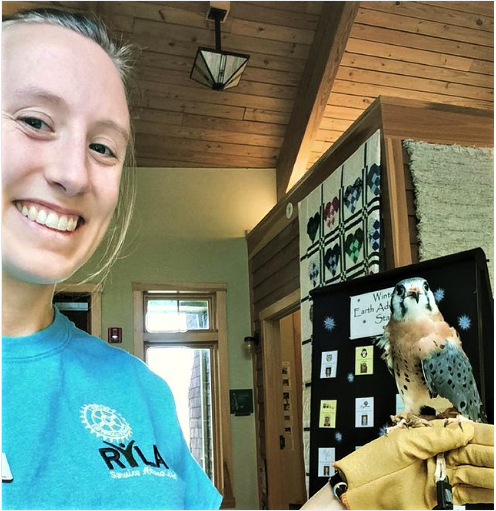
Emily Pavlovic holds an American kestrel. Submitted photo

“I was able to work up-close and personal with the birds and really see the power they have on engaging the public,” Pavlovic said. “The birds capture people’s attention so that you can teach about other really important things like contaminants in the environment, or basic ecology.”

At the Aullwood Audubon Center and Farm in Dayton, Ohio, Pavlovic had the chance to work with an American kestrel. This small, fierce raptor became an educational bird after an accident broke its wing.

“This kestrel was spunky and loud. It didn’t always do the things I wanted it to do. It taught me a lot,” Pavlovic said. “Seeing peoples’ reactions when they saw this beautiful bird up-close was pretty incredible.”

Pavlovic’s passion for birds led her to the Hawk Ridge Bird Observatory in Duluth, a nature reserve along the Lake Superior coast that’s one of the premier bird-watching sites in fall as birds migrate south. For her master’s degree in integrated biosciences at the University of Minnesota Duluth, Pavlovic collected feathers from three different species of juvenile raptors that were caught in mist nets (red-tailed hawks, sharp-shinned hawks and northern saw-whet owls). Analyzing the feathers for hydrogen-stable isotopes allowed her to identify where geographically the birds had been born, providing more information for the ridge’s long-term dataset.

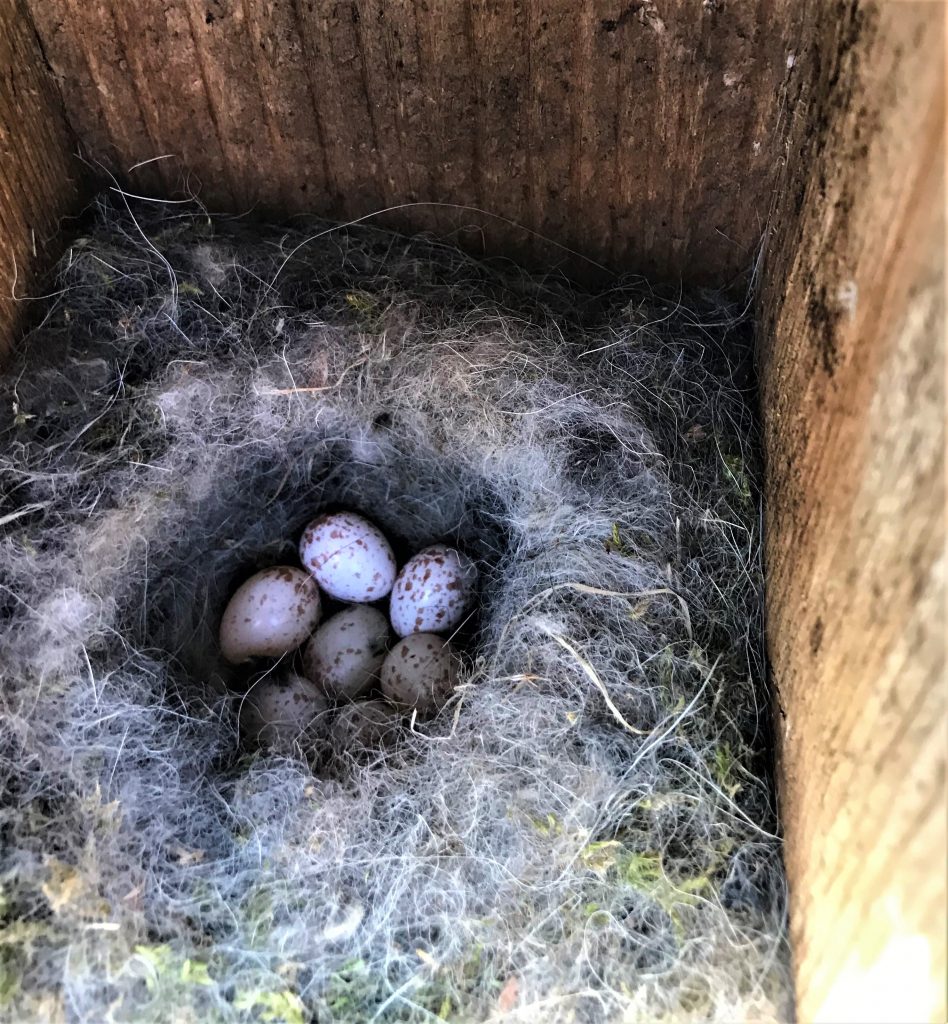
A nest box holds a black-capped chickadee nest and eggs. Submitted photo

For her six-month EPA avian toxicology fellowship, Pavlovic is studying tree swallows, black-capped chickadees and house wrens. “We’ve got a bunch of nest box locations around Duluth that we’re assessing for reproductive success and various metrics of how the birds are doing. Then we’re relating that to the amount of PFAS in the environment in those areas,” Pavlovic said.

The goal of this research is to create a toxicology model that scientists can use to predict, based on contamination concentrations in the environment, what the exposure risk would be to birds in that area.

The three-year U.S. Environmental Protection Agency Human Health and the Environment Research Fellows program fellowship program is a partnership between the EPA, the University of Wisconsin-Madison and its Aquatic Sciences Center. The goal is to train the next generation of scientists in environmental and ecosystem health.

The post EPA Fellow Emily Pavlovic: Up-close and personal with birds first appeared on Wisconsin Sea Grant.

Original Article

News Releases | Wisconsin Sea Grant

News Releases | Wisconsin Sea Grant

https://www.seagrant.wisc.edu/news/epa-fellow-emily-pavlovic-up-close-and-personal-with-birds/?utm_source=rss&utm_medium=rss&utm_campaign=epa-fellow-emily-pavlovic-up-close-and-personal-with-birds

Marie Zhuikov

As Michigan enters peak color season, local officials across the state have nominated the best roads for motorists to enjoy the changing foliage.

The post And the winners are…best Michigan roads for color first appeared on Great Lakes Echo.

Original Article

Great Lakes Echo

Great Lakes Echo

http://greatlakesecho.org/2022/09/21/and-the-winners-arebest-michigan-roads-for-color/

Guest Contributor

Lake Erie’s Failed Algae Strategy Hurts Poor Communities the Most

By Laura Gersony, Circle of Blue

The Great Lakes News Collaborative includes Bridge Michigan; Circle of Blue; Great Lakes Now at Detroit Public Television; and Michigan Radio, Michigan’s NPR News Leader; who work together to bring audiences news and information about the impact of climate change, pollution, and aging infrastructure on the Great Lakes and drinking water.

Read Now at Great Lakes Now.

Original Article

Great Lakes Now

Great Lakes Now

https://www.greatlakesnow.org/2022/09/failed-algae-strategy-hurts-poor-communities/

Circle of Blue

PFAS News Roundup: “Forever chemicals” concern on the rise, how to reduce exposure

PFAS, short for per- and polyfluoroalkyl substances, are a group of widespread man-made chemicals that don’t break down in the environment or the human body and have been flagged as a major contaminant in sources of water across the country.

Keep up with PFAS-related developments in the Great Lakes area.

Read Now at Great Lakes Now.

Original Article

Great Lakes Now

Great Lakes Now

https://www.greatlakesnow.org/2022/09/pfas-news-roundup-forever-chemicals-concern-reduce-exposure/

Kathy Johnson

Crystal M.C. Davis headshot.
Crystal M.C. Davis, Vice President of Policy and Strategic Engagement

Crystal M.C. Davis leads the Alliance’s policy and advocacy efforts related to Lake Erie and manages the organization’s Ohio office. She has played an integral role in the Alliance’s emerging work around drinking water and developing a people-centered model for protecting the Great Lakes.

Tom Zimnicki headshot.
Tom Zimnicki, Agriculture & Restoration Policy Director

As the Alliance’s Agricultural & Restoration Policy Director, Tom leads work in Wisconsin, Michigan, and Ohio to achieve the Alliance’s agriculture and water goals and implements regional restoration initiatives. In addition, he serves as a convener, organizer, and relationship builder at all levels of government and stakeholders, emphasizing state-level agriculture water policy.


Resources
New Study: Downstream Water Users Bear Financial Burden of Upstream Pollution – Alliance for the Great Lake

Five Years Later: Lessons From the Toledo Water Crisis – Alliance for the Great Lakes

Tom Zimnicki, Agricultural Pollution in the Great Lakes – Alliance for the Great Lakes

Alliance Statement on the 2022 Western Lake Erie Harmful Algal Bloom Forecast – Alliance for the Great Lakes

Lakes Chat Podcast

Subscribe to the Lakes Chat Podcast

Every Tuesday, the Alliance for the Great Lakes will chat with special guests about Great Lakes issues and dig into what it all means for you and your community. Subscribe to our Podcast on Apple Podcasts, Spotify, Amazon Music, and Deezer (more platforms coming soon).

Hear More Episodes

The post Crystal M.C. Davis and Tom Zimnicki – Harmful Algal Blooms and Downstream Costs appeared first on Alliance for the Great Lakes.

Original Article

News - Alliance for the Great Lakes

News - Alliance for the Great Lakes

https://greatlakes.org/2022/09/crystal-m-c-davis-and-tom-zimnicki-harmful-algal-blooms-and-downstream-costs/

Michelle Farley

William Dichtel, a Northwestern University chemistry professor, developed two great lifelong loves — for swimming and science — that he has pursued with an abiding passion. He has found a way to marry his passions, using science to discover better ways to remove toxic contaminants such as PFAS from water. His research found that heating a combination of a widely used solvent and lye can destroy many types of common cancer-causing PFAS found in Teflon pans and many other products. Read the full story by WBEZ – Chicago, IL.  

Original Article

Great Lakes Commission

Great Lakes Commission

https://www.glc.org/dailynews/20220919-foreverchemicals-solutions

Hannah Reynolds

The summer of 2021 brought an onslaught of heavy rain, flooding freeways, knocking out power and leaving standing water in basements in communities across metro Detroit. While those memories are fresh for many, NOAA warns an increase in extreme rainfall could be on the horizon. Read the full story by the Louisiana Illuminator.

Original Article

Great Lakes Commission

Great Lakes Commission

https://www.glc.org/dailynews/20220919-climatechange-michigan

Hannah Reynolds

Cruise the Great Lakes is having a record year, as passengers return by the thousands to Midwest cruise lines. In their first full season since the pandemic began, the group found an all-time high of nearly 150,000 passengers visiting Great Lakes ports, up 25 percent from 2019. Read the full story by the Holland Sentinel.

Original Article

Great Lakes Commission

Great Lakes Commission

https://www.glc.org/dailynews/20220919-greatlakes-cruiseindustryrebounds

Hannah Reynolds

Members of the Binational Public Advisory Council (BPAC) for the St. Clair River Area of Concern (AOC) gathered Tuesday evening aboard the Duc D’Orleans to celebrate four milestones in the restoration of the St. Clair River – the re-designation of four environmental challenges to Not Impaired on the Canadian side of the St. Clair River. Read the full story by the Sydenham Current.

Original Article

Great Lakes Commission

Great Lakes Commission

https://www.glc.org/dailynews/20220919-remedialactionplan-stclairriverboatcruise

Hannah Reynolds

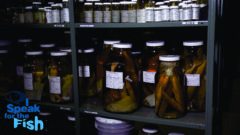
I Speak for the Fish: A Fish’s Shelf Life

I Speak for the Fish is a new monthly column written by Great Lakes Now Contributor Kathy Johnson, coming out the third Monday of each month. Publishing the author’s views and assertions does not represent endorsement by Great Lakes Now or Detroit Public Television. 

Read Now at Great Lakes Now.

Original Article

Great Lakes Now

Great Lakes Now

https://www.greatlakesnow.org/2022/09/i-speak-for-the-fish-a-fishs-shelf-life/

Kathy Johnson

A group of 31 registered volunteers spent two hours picking up litter from the Headlands Beach State Park along the shore of Lake Erie, in Mentor, OH on September 17. This Adopt-a-Beach program was organized by Alliance for the Great Lakes, a non-profit organization based out of Chicago. Read the full story by The News Herald.

Original Article

Great Lakes Commission

Great Lakes Commission

https://www.glc.org/dailynews/20220919-headlandsbeachcleanup-adoptabeach

Hannah Reynolds

Water levels are again a conversation on Lake Ontario and the St. Lawrence River. Instead of devastating floods, in 2022, the conversation is the exact opposite. A dry summer, with little precipitation, has led to low water levels on both the lake and river, which has caused frustration throughout these communities as recreational seasons are being cut short. Read the full story by WSYR-TV – Syracuse, NY.

Original Article

Great Lakes Commission

Great Lakes Commission

https://www.glc.org/dailynews/20220919-lowwaterlevels-stlawrenceriver

Hannah Reynolds

The Saginaw Bay Sturgeon organization has been spearheading a push in recent years to reintroduce sturgeon into the Saginaw Bay Watershed as a part of a larger statewide, multi-year rehabilitation plan to develop self-sustaining sturgeon populations across the state. Before releasing the sturgeon, they will be fitted with a PIT tag that will help researchers track the sturgeon as they travel through the river system and into the Saginaw Bay. Read the full story by MLive.

Original Article

Great Lakes Commission

Great Lakes Commission

https://www.glc.org/dailynews/20220919-lakesturgeon-saginawbay

Hannah Reynolds

Officials in Yorkville, Illinois are getting ready for a hearing on the city’s use of Lake Michigan water. The hearing involves multiple states, agencies, and countries. It’s on October 21. The hearing is part of Yorkville’s ongoing project to switch to a new water source. Read the full story by WSPY News – Plano, IL.

Original Article

Great Lakes Commission

Great Lakes Commission

https://www.glc.org/dailynews/20220919-yorkville-lakemiwaterhearing

Hannah Reynolds

A lighthouse in Kewaunee and a shipwreck near Marinette have both been added to the National and State Register of Historic Places, respectively. The Kewaunee Pierhead Lighthouse and the Sidney O. Neff Shipwreck have been recognized by the Wisconsin Historical Society and were named to the Register of Historic Places on Thursday, September 15. Read the full story by WFRV Local 5 – Green Bay, WI.

Original Article

Great Lakes Commission

Great Lakes Commission

https://www.glc.org/dailynews/20220919-wilighthouse-shipwreck-historicplaces

Hannah Reynolds

The St. Regis Mohawk Tribe, located in Akwesasne, NY received more than $300,000 in federal funding from bipartisan legislation to prevent road salt pollution during the winter months. The pollution prevention funding will open up services and workshops to facilitate informed decision making in the utilization of road salt. Road salts have been a concern to Great Lakes researchers in recent years as they have been the cause of increasing salt levels in the Great Lakes and its tributaries. Read the full story by Watertown Daily Times.

Original Article

Great Lakes Commission

Great Lakes Commission

https://www.glc.org/dailynews/20220919-roadsaltpollutionprevention-stregismohawktribe

Hannah Reynolds

Great Lakes feature Midwest curiosity: Fish-cleaning houses

If you catch fish in a Great Lakes state on a river, pond, stream or reservoir and keep any to eat, most likely you’ll have to clean them yourself. But if you get close to one of the big lakes, especially Lake Erie, you could have a fish cleaner do it.

Read Now at Great Lakes Now.

Original Article

Great Lakes Now

Great Lakes Now

https://www.greatlakesnow.org/2022/09/fish-cleaning-houses/

James Proffitt

Along the shores of Lake Erie, a Northeast Ohio grassroots effort is underway. A small non-profit called Eriesponsible is doing its part to help keep the lake free of marine debris and raising awareness to protect the health of Lake Erie for generations to come. Read the full story by WKYC-TV – Cleveland, OH.

Original Article

Great Lakes Commission

Great Lakes Commission

https://www.glc.org/dailynews/20220916-eriesponsible

Theresa Gruninger