Research centers in the Great Lakes region change the scope of global freshwater ecology
2026-02-16
A new study examines the uniqueness of work that research centers conduct in the Great Lakes region, highlighting their importance amid dramatic changes in federal funding.
The post Research centers in the Great Lakes region change the scope of global freshwater ecology first appeared on Great Lakes Echo.Great Lakes Echo
https://greatlakesecho.org/2026/02/16/research-centers-in-the-great-lakes-region-change-the-scope-of-global-freshwater-ecology/
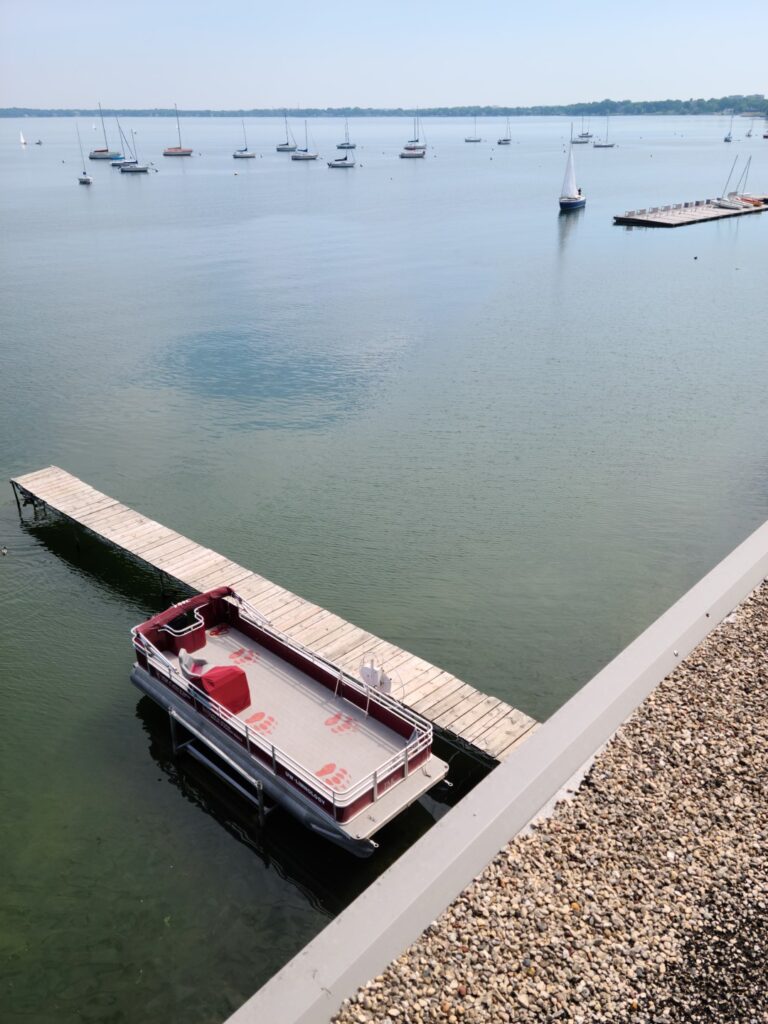
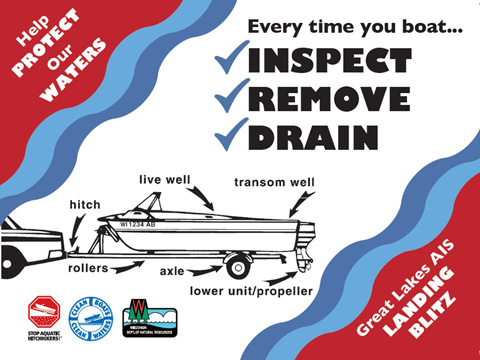 annual Landing Blitz campaign runs June 26th – July 6th, 2024. Clean Boats, Clean Waters (CBCW) boat inspectors and educators will meet boaters at lake and river launches to remind them that by taking simple prevention steps, we all play a vital role stopping the spread of aquatic invasive species (AIS) like zebra mussels.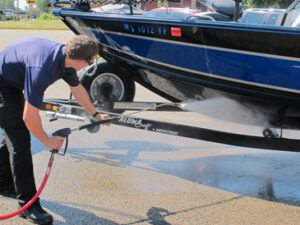

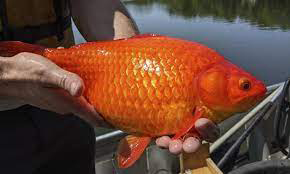
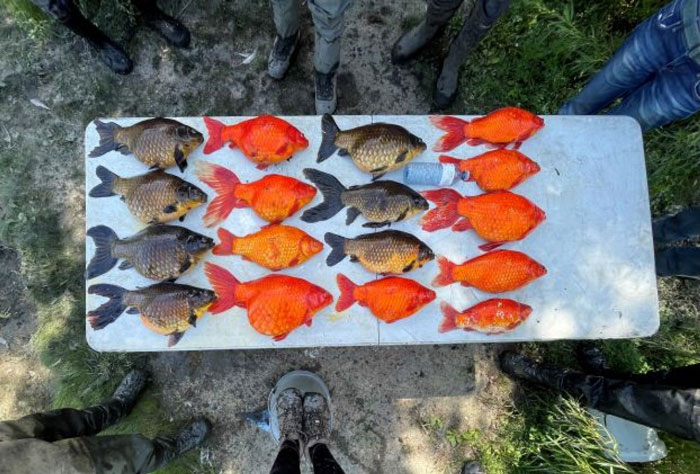
 Goldfish were first spotted in Hamilton Harbour in the 1960s, but largely died off in the 1970s because of industrial contamination. In the early 2000s, their population appeared to recover. Goldfish can tolerate a wide range of water temperatures, reach sexual maturation quickly, and can eat nearly anything, including algae, aquatic plants, eggs and invertebrates, Ms. Boston said.