This Earth Day, Detroit PBS programming is focusing on turning land back into something wild. Better known as “rewilding,” a large-scale conservation effort that usually involves reintroducing keystone plant or animal species to reestablish the health of a local ecosystem. 

In the Great Lakes region, Illinois recently made history by being the first state in the nation to make rewilding part of its official strategy. As of January 1, 2026, the “Illinois Rewilding Law” is now in effect. According to the Chicago Tribune, the law empowers the Illinois Department of Natural Resources to go after projects that restore land to its natural state.

“The law could encompass the reintroduction of keystone species that improve ecosystems, like beavers and bison. But officials and environmentalists say closing the federal gaps in wetland protection is their focus right now,” wrote Christiana Freitag at the Chicago Tribune

After the Supreme Court case Sackett v. EPA rolled back federal wetland protections, Illinois became especially vulnerable considering it already lost 90% of its swamps. Chicago was built on wetlands, which are important when considering water quality and flood prevention — this is especially significant, as Chicago has dealt with severe flooding

An international effort

British author and conservationist Isabella Tree joins our Detroit PBS colleagues to discuss her non-fiction book “Wilding: Returning Nature to Our Farm.” On April 29, be sure to check out their live event with PBS Books Readers Club, from 8 to 9 p.m. ET. 

Tree’s book details her process of rewilding her 3,500 acre estate in Sussex, England. After visiting an arborculturist to save their oak trees, Tree and her husband were inspired to change everything they were doing with their land. After it was depleted by centuries of farming, they transformed it into a healthy haven for the littlest bugs and grazing animals, all by planting native flora and fauna. 

“I think the only answer to eco anxiety is to get your hands dirty and do something,” said Tree. “And the joy that can come from even transforming a window box… so that you’re now attracting night flying moths and hoverflies and all the forgotten pollinators, you’re making a difference. And that feels just so fantastic.”

Be sure to also check out the upcoming documentary, Wilding (inspired by the book) that premieres on PBS, on April 22. 

What you can do

For those who would like to feel more involved in helping our ecosystem, Doug Tallamy wants private property owners to know they have a role in the conservation movement. Tallamy calls this the Homegrown National Park movement. 

“Most people have too much lawn,” said Tallamy. 

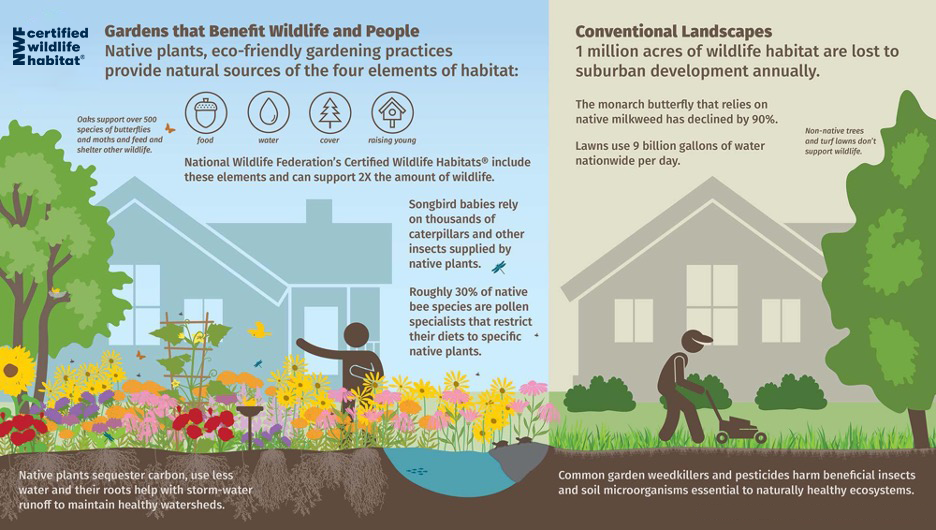
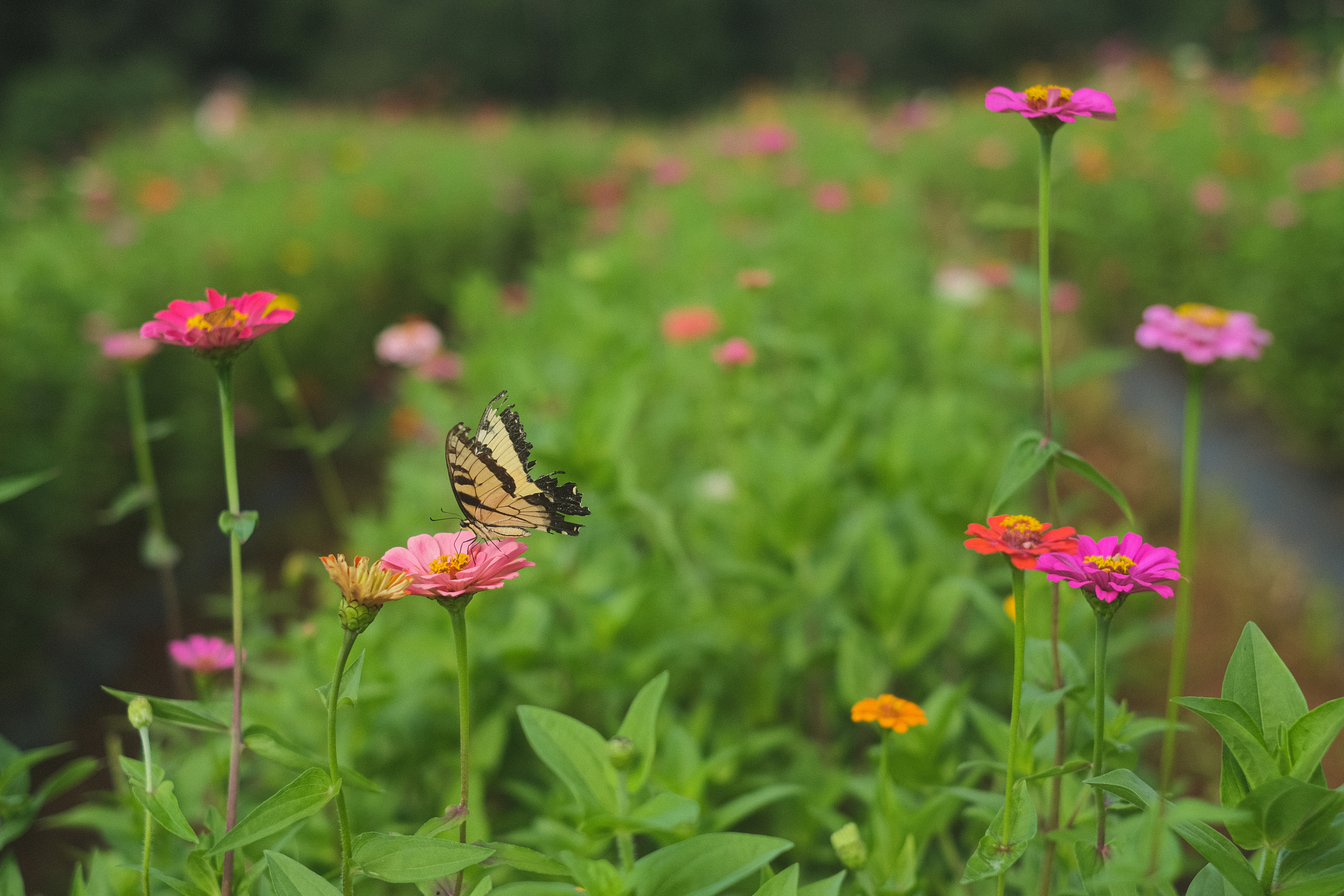
According to the author, entomologist, biologist and conservationist we have 44 million acres of lawn in this country. When there’s a storm event, most of those pesticides, fertilizers and herbicides run off into the watershed. He said, if we’re going to put plants in our yards, why not use ones that do everything we need to conserve and protect our environment? Native plant alternatives to grass help guard our watershed, help the food web, support pollinators and are often better at sequestering carbon.

(Credit: National Wildlife Federation)

 “The point is, what you’re doing is creating connectivity,” said Tallamy. “If you and a bunch of other people do it, then outside of the parks and preserves it’s not no man’s land, there is some habitat.”

For more information, watch Great Lakes Now’s latest interview: 

The post Rewilding, a new way to heal the land this Earth Day appeared first on Great Lakes Now.
Original Article

Great Lakes Now

Great Lakes Now

https://www.greatlakesnow.org/2026/04/22/rewilding-a-new-way-to-heal-the-land-this-earth-day/
Lisa John Rogers, Great Lakes Now

By Juanpablo Ramirez-Franco

This coverage is made possible through a partnership between WBEZ and Grist, a nonprofit environmental media organization.

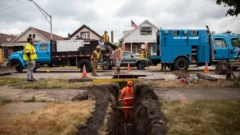
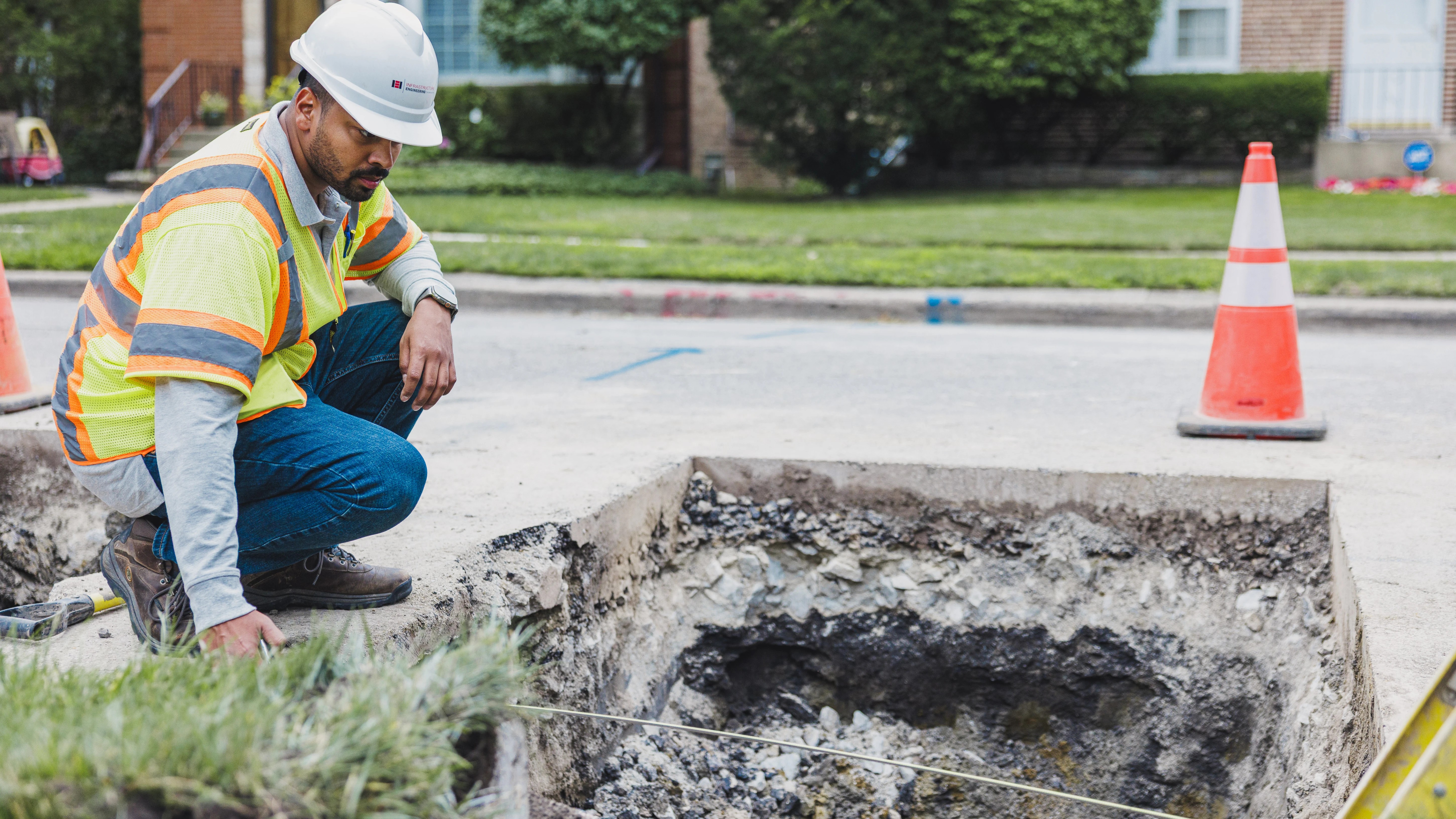
Illinois is in the midst of a public health crisis. Nearly 1.5 million service lines — the pipes that carry drinking water to homes and businesses — contain or are suspected to contain lead, a neurotoxin linked to cognitive, reproductive and cardiovascular problems.

Now, public health and workforce advocates want to turn the state’s long-overdue pipe replacement backlog into a statewide economic engine, creating up to 90,000 jobs over a decade.

A recent report proposes a plan to replace the state’s staggering inventory of toxic lead pipes and create tens of thousands of jobs. To do so, the analysis calls on state and local officials to fast-track pipe replacements for communities that have suffered from the most lead exposure and to use the projects to build a more diverse local workforce. It also urges the Illinois General Assembly to help plug a multibillion-dollar budget gap for lead pipe replacements.

“The longer we put off taking care of our water infrastructure, the more expensive it’s going to get, the more that we’re going to be looking at water rates increasing to deal with that, and the more people are going to be in the position where they’re not going to have access to safe and clean drinking water,” said Justin Williams, a senior manager at the Metropolitan Planning Council, one of the policy think tanks that helped develop the plan. “And that’s not a situation we should be in as a state or region.”

Several other regional and national nonprofits also worked on the analysis, including Current, a water solutions hub; Elevate, an organization working on water and energy affordability issues; and HIRE360, a workforce development group.

Illinois has the most lead pipes in the country. The state estimates it has 667,000 known lead service lines and another 820,000 suspected lines. Chicago alone accounts for nearly 30 percent of those pipes.

Replacing these service lines is expensive. In a 2022 report, the Illinois Environmental Protection Agency found that a single service line replacement can cost anywhere from $4,000 to $13,000 across the state. In Chicago, the price tag is even higher: City officials estimated that replacements cost more than $30,000 per line on average.

State officials have estimated that replacing all the known or suspected lead pipes across Illinois could cost between $6 billion and $10 billion. The Biden-era Infrastructure Investment and Jobs Act, also known as the bipartisan infrastructure law, set aside $15 billion over five years to help states replace lead pipes. Illinois is estimated to receive about $1 billion, but given the state’s unique needs, that number “is probably on the low side,” Williams said.

The report makes the case that state lawmakers must approve dedicated, sustained and predictable funding to close the multibillion-dollar shortfall. Without long-term guarantees, replacements will likely remain inefficient and delayed.

“It’s a bit of a chicken and egg: Unless you know how much money is going to be allocated to this — how many opportunities are coming down the pipe — they’re not going to add additional people to apprenticeship programs,” said Jay Rowell, executive director at HIRE360.

Using workforce projections from the American Water Works Association and the U.S. Environmental Protection Agency, the report’s authors calculated that already allocated federal funds could generate approximately 2,000 direct jobs and 9,000 indirect jobs. If legislatures closed the multibillion-dollar funding gap, those figures could jump substantially to 35,000 direct jobs and 55,000 indirect jobs — a total of 90,000 jobs over a decade.

“We’re calling attention not only to the problem, but also to some of the opportunities to get more candidates engaged in apprenticeships,” Rowell said. “This is a really big problem that needs very thoughtful, state-led solutions.”

A major pillar of the report is diversifying the building trades. An analysis of Chicago’s workforce found that only 3.8% of registered apprentices are women and just 10% are Black. To bridge this gap, the report advocates for requiring utilities and municipalities to include diversity and equity requirements in project contracts.

The report’s authors argue that Illinois has the rare opportunity to tackle two challenges at once: address its toxic legacy while laying the groundwork for a more inclusive economy. The financial and political hurdles remain high, but advocates say the cost of inaction is higher.

“We are the envy of the world in terms of our access to fresh drinking water,” Williams said. “We need to be really thoughtful stewards of that, and that means investing in that the same way we invest in other infrastructure.”

The post Can replacing Illinois’ toxic lead pipes lead to a workforce boom? appeared first on Great Lakes Now.

Original Article

Great Lakes Now

Great Lakes Now

https://www.greatlakesnow.org/2026/03/30/can-replacing-illinois-toxic-lead-pipes-lead-to-a-workforce-boom/

WBEZ

By Juanpablo Ramirez-Franco, WBEZ

This coverage is made possible through a partnership between WBEZ and Grist, a nonprofit environmental media organization.

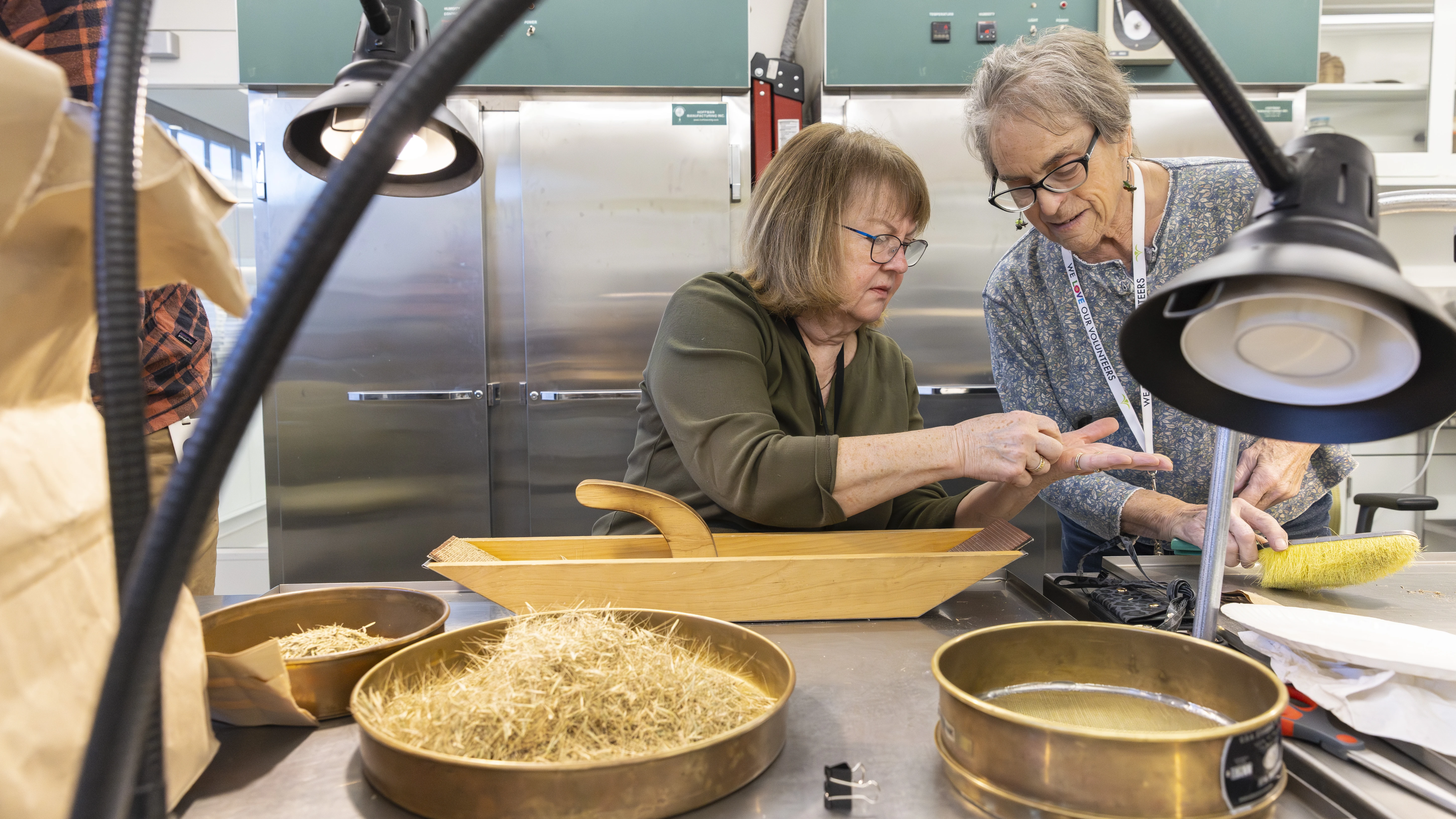
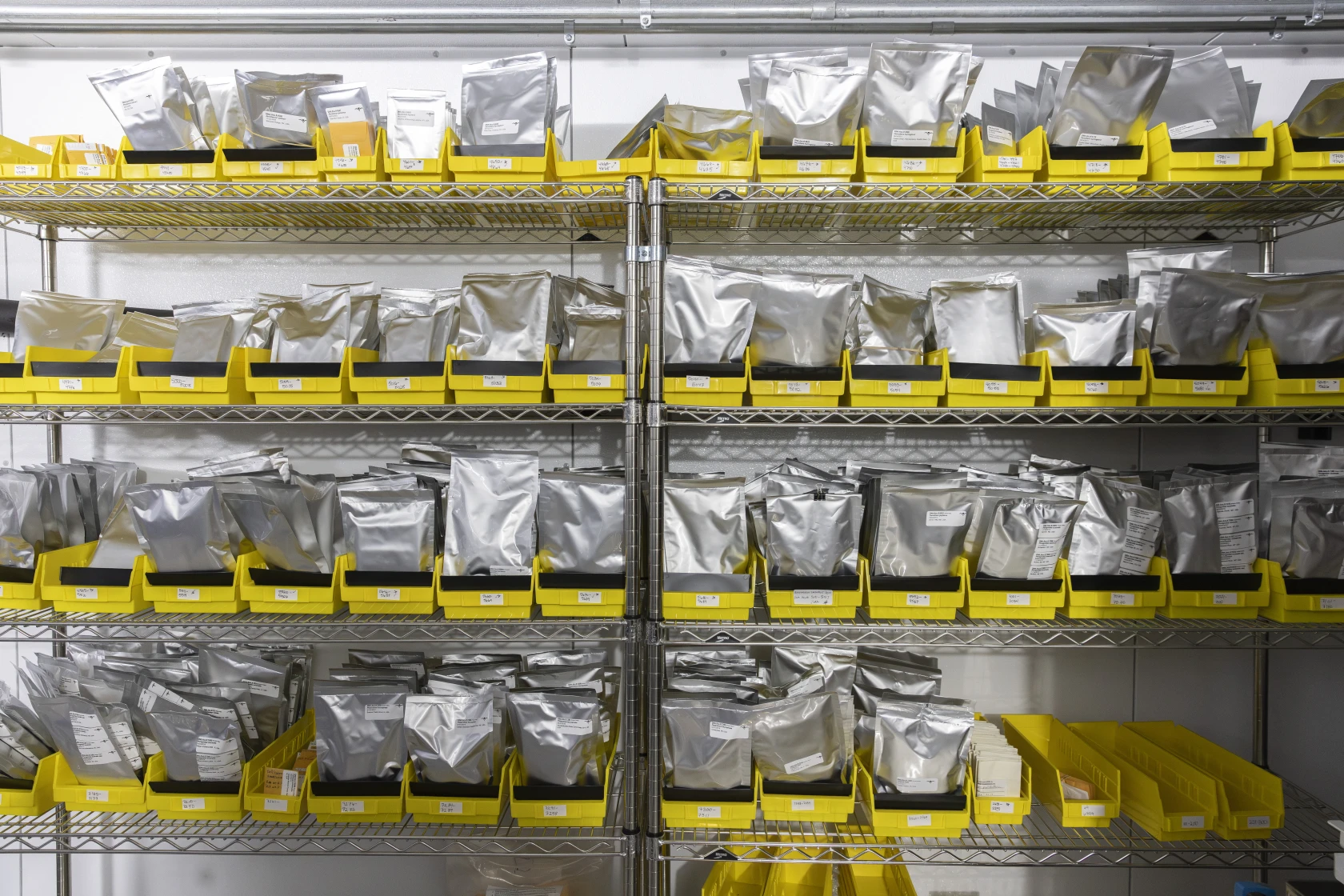
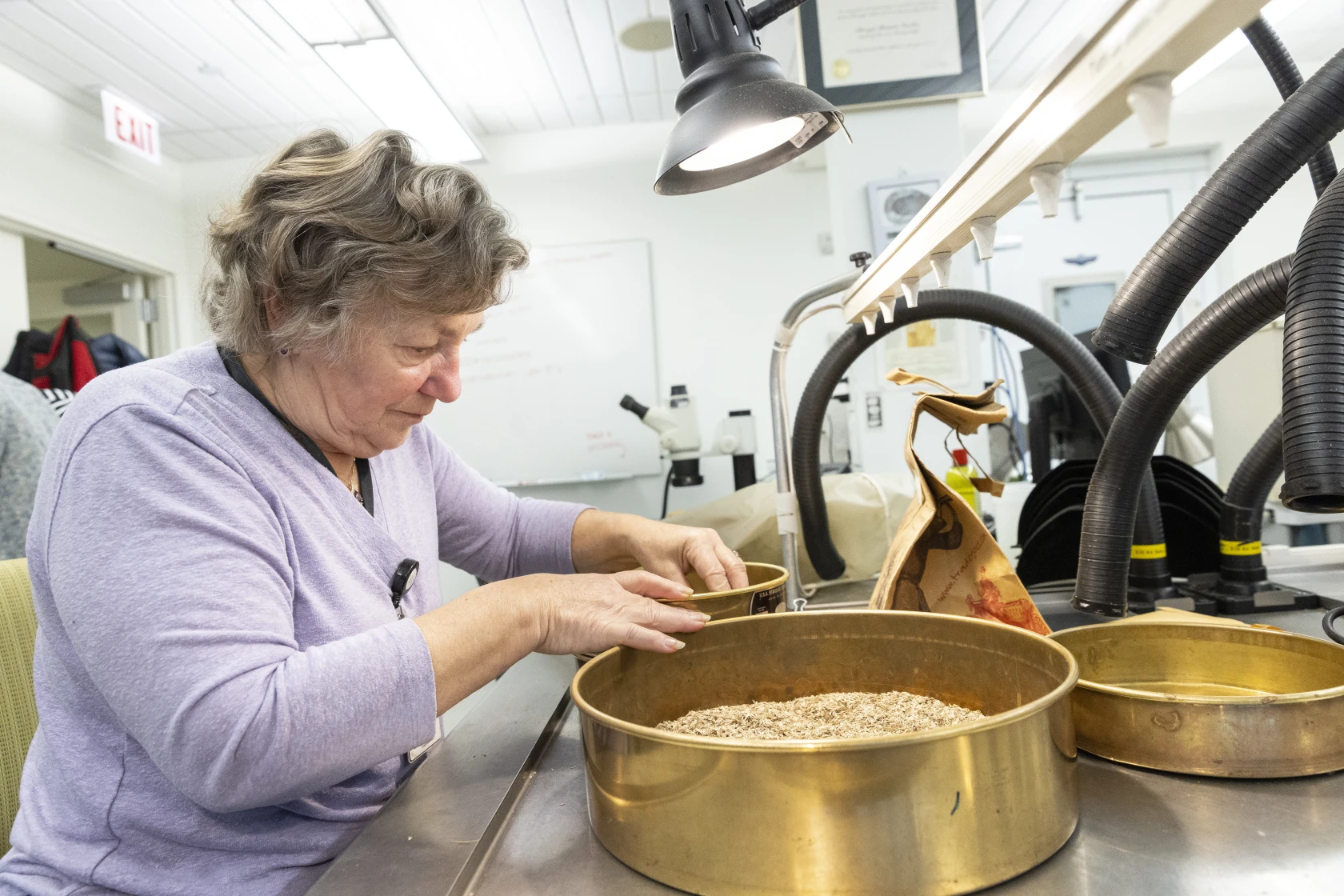
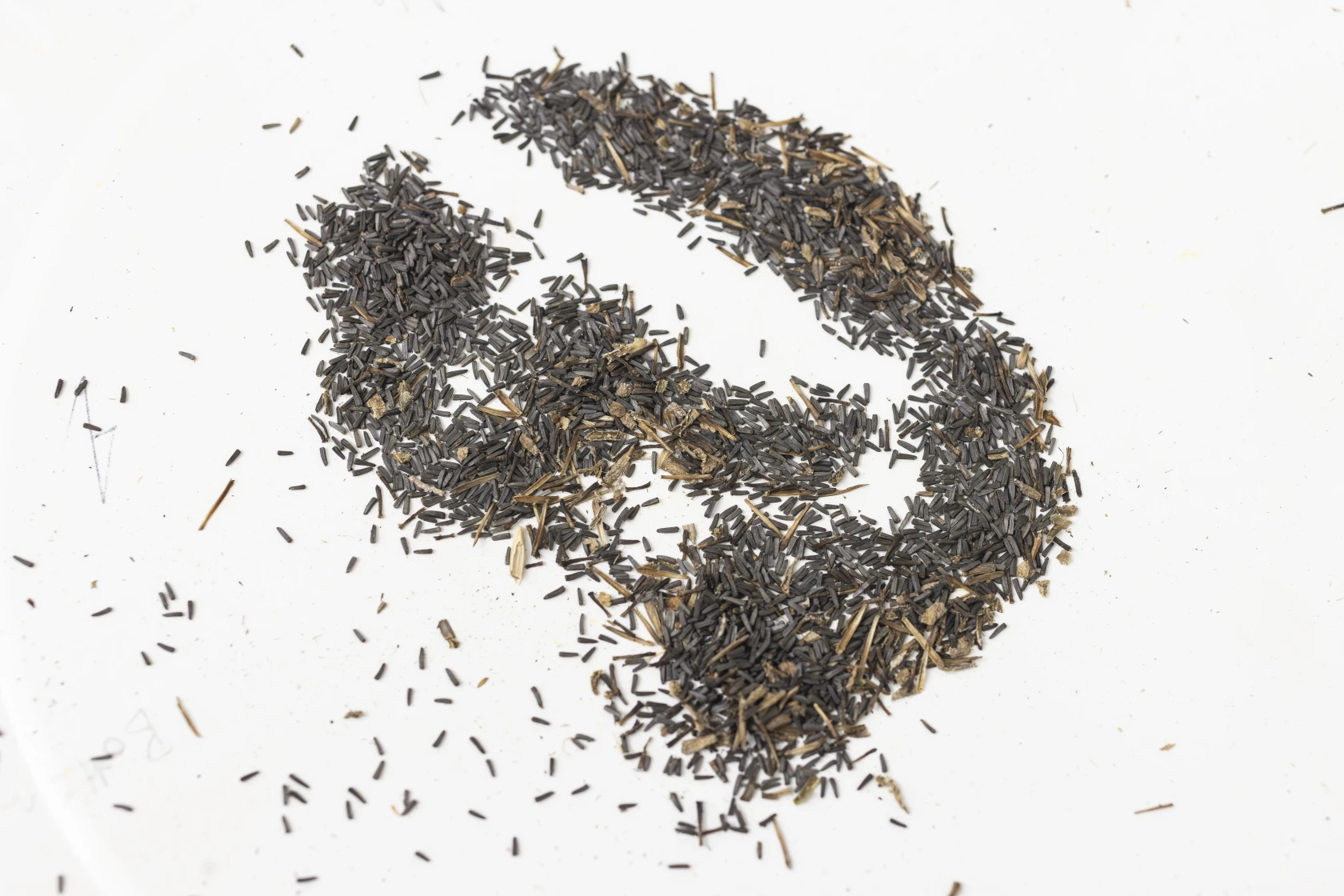
Under the warm light of a hanging lamp, Marty Landorf carefully crumbled the dried flower head of a black-eyed Susan between her fingers, teasing apart the chaff to uncover its puny black seeds. Each one was destined for long-term cold storage alongside roughly 46 million other seeds at the Chicago Botanic Garden.

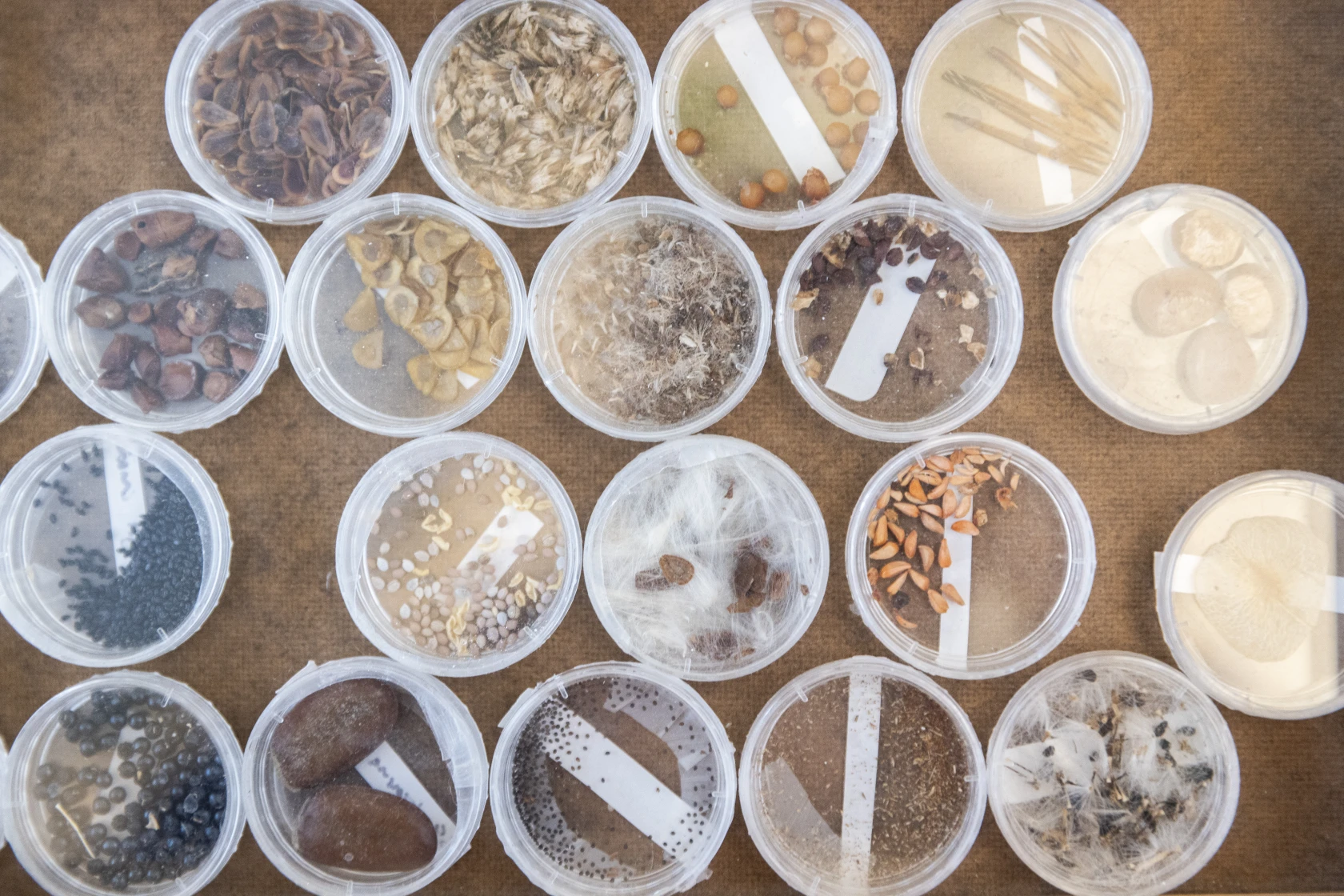
Every seed in the garden’s vault is different. Some seeds have hooks. Others verge on microscopic. A few carry a sharp, deterring scent. And some, like the airborne seeds of the milkweed, the host plant for monarch caterpillars, are fastened to silky fluff that drifts everywhere, hitching rides on volunteers’ clothes and following them home.

“Fluff is fun,” Landorf said laughing, seated alongside five other volunteers cleaning, counting, and sorting seeds at a long metallic table in the garden’s seed bank preparation lab.

For all their variation, these seeds share a common trait: They’re native to the Midwest. These species genetically adapted over thousands of years and sustain the region’s ecosystems. That evolutionary inheritance makes them indispensable for restoring the nation’s remaining prairies, wetlands, and woodlands.

Seeds displayed at the seed bank in the Carr Administrative Center of the Chicago Botanic Gardens on February 10, 2026. | Manuel Martinez/WBEZ

The problem: Native seeds are in short supply. And climate change is intensifying demand.

“Climate change is affecting our weather and the frequency of natural disasters,” said Kayri Havens, chief scientist at the Chicago Botanic Garden. “Wildfires becoming more common, hurricanes becoming more common — that increases the need for seed.”

In 2024, the Chicago Botanic Garden, a 385-acre public garden and home to one of the nation’s leading plant conservation programs, helped launch the Midwest Native Seed Network, a first step in improving the region’s fragile seed supply. The coalition now includes roughly 300 restoration ecologists, land managers, and seed growers across 150 institutions in 11 states. Together, they are researching which species are most in demand, where they are likely to thrive, and what it will take to produce them at scale and get them in the ground.

The collaborative is compiling information on seed collection, processing, germination, and propagation while identifying regional research gaps and planning collaborative projects to close them. For example, the network is currently collecting research on submerged aquatic plants such as pondweeds, and other species that are challenging to germinate, like the bastard toadflax, a partially parasitic perennial herb.

“We’re addressing these local, regional, and national shortages of native seed that are really just hindering our ability to restore really diverse habitats, build green infrastructure, and support urban gardens,” said Andrea Kramer, director of restoration at the Chicago Botanic Garden.

Sarah Hollis-research assistant at the Chicago Botanic Gardens in Highland Park Illinois tours the seed bank in the Carr Administrative Center on February 10, 2026. | Manuel Martinez/WBEZ

Last year, the network undertook its first major project: a large-scale survey of more than 50 partners across the region. The results were stark. More than 500 are effectively unavailable for restoration. In some cases, it’s because no one grows them. In others, the seeds are available, but the cost — even at a couple of dollars per packet — becomes prohibitive when restoration projects require thousands of pounds. And for certain finicky species, the bottleneck is technical: Researchers and growers still don’t fully understand how to germinate them reliably or help them thrive in restoration settings.

Kramer said that ultimately the goal is to connect the people who need seeds with those who know how to grow them. While the network does not sell seeds, it works with organizations and partners that do. “We are using the network to help elevate what we all know and share what we know to make it easier,” she said.

The shortage itself is not new. In 2001, following sweeping wildfires in the West, Congress tasked federal agencies, including the Bureau of Land Management and the U.S. Forest Service — which combined manage approximately one-fifth of the nation’s public lands — to craft an inter-agency, public-private partnership to increase the availability of native seeds. But according to a 2023 report, which identified the lack of native seeds as a major obstacle for ecological restoration projects across the United States, those efforts remain unfinished.

Wildfires have scorched more than 170 million acres in the U.S. between 2000 and 2025, according to the National Interagency Fire Center. In 2020 alone, the Bureau of Land Management purchased roughly 1.5 million pounds of seed to rehabilitate burned landscapes. In a bad fire year, the agency can buy as much as 10 million pounds.

Marta Raiff, a volunteer, at the Chicago Botanic Gardens in Highland Park Illinois works on separating the seeds from the chaff at the seed bank in the Carr Administrative Center on February 10, 2026. | Manuel Martinez/WBEZ

The 2021 Bipartisan Infrastructure Law dedicated $1.4 billion for ecosystem restoration over five years, including $200 million for the National Seed Strategy, a coalition of 12 federal agencies and various private partners established in 2015 to provide genetically diverse native seeds for restoration. The following year, the Inflation Reduction Act invested nearly $18 million to develop an interagency seed bank for native seeds. And in 2024, the Interior Department announced an initial round of $1 million for a national seed bank for native plants.

“The U.S. does have a major seed bank run by the [Department of Agriculture], and it mostly banks crops,” said Havens, the scientist at the Chicago Botanic Garden.“But we don’t have that kind of infrastructure in place for native seed.”

Momentum for establishing a native seed bank stalled following funding cuts by the Trump administration. In early 2025, the Department of Government Efficiency cut 10 percent of the staff at the National Plant Germplasm System, which is home to one of the largest and most diverse plant collections in the world.

Marty Landorf, a volunteer, at the Chicago Botanic Gardens in Highland Park Illinois works on separating the seeds from the chaff at the seed bank in the Carr Administrative Center on February 10, 2026. | Manuel Martinez/WBEZ

“If something isn’t supported on a national level, then it becomes incumbent on states and regions to do that kind of work,” Havens said. “So that’s why we’re focusing right now in the Midwest.”

The network is the first of its kind in the Midwest, though similar initiatives have been active elsewhere in the country for years. Today, there are more than 25 similar networks operating across the U.S. In the western United States, these coalitions have come together in response to post-wildfire restoration projects.

“One of the reasons why we were among the first is because of this federal land ownership that we have in the West, whereas in the Midwest, it’s more private land,” said Elizabeth Leger, a professor at the University of Nevada in Reno and co-founder of the Nevada Native Seed Partnership. More than 90% of all federal land is located in 11 western states.

Kramer said she hopes to run the seed availability survey again in 20 years and get a different response.

“I want them to say, ‘We have access to all the seed we need,’” said Kramer. “And we can move on to the next challenging question, like, ‘Why isn’t the seed establishing in my restoration? Or, how do we manage the next challenge coming with climate change?’”

This story has been updated with the correct spelling of Elizabeth Leger’s name.

The post A network is racing to save the Midwest’s native seeds appeared first on Great Lakes Now.

Original Article

Great Lakes Now

Great Lakes Now

https://www.greatlakesnow.org/2026/03/03/a-network-is-racing-to-save-the-midwests-native-seeds/

WBEZ

Illinois one step closer to keeping invasive carp out of Great Lakes

By Juanpablo Ramirez-Franco, WBEZ

This coverage is made possible through a partnership between WBEZ and Grist, a nonprofit, independent media organization dedicated to telling stories of climate solutions and a just future. Sign up for WBEZ newsletters to get local news you can trust.

Read Now at Great Lakes Now.

Original Article

Great Lakes Now

Great Lakes Now

https://www.greatlakesnow.org/2025/10/illinois-one-step-closer-to-keeping-invasive-carp-out-of-great-lakes/

WBEZ

Rethinking Strategy in the Era of the Trump EPA

The administration of President Donald Trump acted quickly and unilaterally when it launched its blitzkrieg to dramatically downsize and alter the mission of the United States Environmental Protection Agency (EPA).

There were no bureaucratic task forces, collaborations or obligatory outreach sessions to the public for comment before taking action.

Read Now at Great Lakes Now.

Original Article

Great Lakes Now

Great Lakes Now

https://www.greatlakesnow.org/2025/08/rethinking-strategy-in-the-era-of-the-trump-epa/

Gary Wilson, Great Lakes Now

Why we don’t bike like the Dutch — yet

How did you get to work today?

Maybe, like 14% of Americans, you didn’t have to go anywhere because you work from home. But most people do need some form of transportation to earn a living. By far the biggest group is the 69% of people who drive to work alone.

Read Now at Great Lakes Now.

Original Article

Great Lakes Now

Great Lakes Now

https://www.greatlakesnow.org/2025/07/why-we-dont-bike-like-the-dutch-yet/

Sean Ericson, Great Lakes Now

This wetland fight could go to the Supreme Court

A pending court case could impact farmers across the country. At issue is a USDA rule aimed at protecting wetlands called “Swampbuster.” In place since 1985, it’s being challenged in court by an absentee landowner in Iowa.

Under Swampbuster, farmers have to agree not to drain or fill their wetlands, in order to receive farm benefits such as crop insurance, disaster relief and USDA loans.

Read Now at Great Lakes Now.

Original Article

Great Lakes Now

Great Lakes Now

https://www.greatlakesnow.org/2025/07/this-wetland-fight-could-go-to-the-supreme-court/

Great Lakes Now

Chicago was supposed to warn residents about toxic lead pipes last year. Most still have no idea.

By Keerti Gopal & Juanpablo Ramirez-Franco

This story is a partnership between GristInside Climate News, and WBEZ, a public radio station serving the Chicago metropolitan region. This coverage is made possible through an ongoing partnership between Grist and WBEZ.

Read Now at Great Lakes Now.

Original Article

Great Lakes Now

Great Lakes Now

https://www.greatlakesnow.org/2025/07/chicago-was-supposed-to-warn-residents-about-toxic-lead-pipes-last-year-most-still-have-no-idea/

Inside Climate News and Grist

Chicago residents risk daily lead exposure from toxic pipes. Replacing them will take decades.

By Keerti Gopal & Juanpablo Ramirez-Franco

This story is a partnership between GristInside Climate News, and WBEZ, a public radio station serving the Chicago metropolitan region. This coverage is made possible through an ongoing partnership between Grist and WBEZ.

Read Now at Great Lakes Now.

Original Article

Great Lakes Now

Great Lakes Now

https://www.greatlakesnow.org/2025/07/chicago-residents-risk-daily-lead-exposure-from-toxic-pipes-replacing-them-will-take-decades/

Inside Climate News and Grist

‘Forever chemicals’ found nationwide in Canada, CBC map shows

Catch the latest updates on what’s happening with PFAS in the Great Lakes region. Check back for more PFAS news roundups every other week on our website.


CBC News released an interactive map illustrating PFAS hotspots across Canada, revealing widespread “forever chemical” contamination in every province and territory.

Read Now at Great Lakes Now.

Original Article

Great Lakes Now

Great Lakes Now

https://www.greatlakesnow.org/2025/05/forever-chemicals-found-nationwide-in-canada-cbc-map-shows/

Donte Smith

Illinois wants to protect the Great Lakes from invasive carp. A toxic mess stands in the way.

By Juanpablo Ramirez-Franco, WBEZ

This coverage is made possible through a partnership between WBEZ and Grist, a nonprofit, independent media organization dedicated to telling stories of climate solutions and a just future. Sign up for WBEZ newsletters to get local news you can trust.

Read Now at Great Lakes Now.

Original Article

Great Lakes Now

Great Lakes Now

https://www.greatlakesnow.org/2025/05/illinois-wants-to-protect-the-great-lakes-from-invasive-carp-a-toxic-mess-stands-in-the-way/

WBEZ

Sinking cities: Great Lakes cities not immune from under-recognized threat

Significant areas of the Earth’s surface across continents are gradually sinking and that process brings environmental, social and economic consequences to urban centers in the United States. Great Lakes cities Detroit and Chicago are among those at risk.

That’s the conclusion of a recent study conducted by Columbia University researchers, published by the science journal Nature Cities.

Read Now at Great Lakes Now.

Original Article

Great Lakes Now

Great Lakes Now

https://www.greatlakesnow.org/2025/05/sinking-cities-great-lakes-cities-not-immune-from-under-recognized-threat/

Gary Wilson, Great Lakes Now

Buses vs. Trains: The Future of Public Transit in the Great Lakes Region

Cities around the Great Lakes region are trying to make transportation cheaper for riders and more environmentally friendly by expanding their public transit networks. Two modes that are often pitted against each other are light rail and bus rapid transit (BRT). While not every BRT line meets the same standards, in general, they have been upgraded for higher capacity and speed, although they have fewer stations.

Read Now at Great Lakes Now.

Original Article

Great Lakes Now

Great Lakes Now

https://www.greatlakesnow.org/2025/05/buses-vs-trains-the-future-of-public-transit-in-the-great-lakes-region/

Sean Ericson, Great Lakes Now

Experts explain criticality of regional EPA office

Change is happening since Donald Trump took office and began making good on campaign pledges to reduce the size and scope of the work of the federal agencies that serve the country.

And the 50-year-old focus of the U.S. EPA to protect the environment has not been immune.

Read Now at Great Lakes Now.

Original Article

Great Lakes Now

Great Lakes Now

https://www.greatlakesnow.org/2025/04/experts-explain-criticality-of-regional-epa-office/

Gary Wilson, Great Lakes Now

‘Everyone deserves clean air,’ says a Chicago EPA worker who fears her job will end

By Juanpablo Ramirez-Franco, WBEZ

This coverage is made possible through a partnership between WBEZ and Grist, a nonprofit, independent media organization dedicated to telling stories of climate solutions and a just future. Sign up for WBEZ newsletters to get local news you can trust.

Read Now at Great Lakes Now.

Original Article

Great Lakes Now

Great Lakes Now

https://www.greatlakesnow.org/2025/04/everyone-deserves-clean-air-says-a-chicago-epa-worker-who-fears-her-job-will-end/

WBEZ

What would the Great Lakes region be like with bullet trains?

A few months ago, I was riding on Amtrak’s new Borealis line from St. Paul, Minn., to Chicago. The train was packed that day, and the new line has proved popular.

My coach seat was much nicer than any airline. Plus, I didn’t have to go through security.

Read Now at Great Lakes Now.

Original Article

Great Lakes Now

Great Lakes Now

https://www.greatlakesnow.org/2025/03/what-would-the-great-lakes-region-be-like-with-bullet-trains/

Sean Ericson, Great Lakes Now

From Madigan’s Conviction to ComEd’s EV Rebate Program: How Illinois is Shaping Its Energy Future

Catch the latest energy news from around the Great Lakes region. Check back for these biweekly Energy News Roundups

Chicago Democrat Michael Madigan — known for being the longest-serving legislative leader in United States history — was convicted last week of conspiracy, bribery and wire fraud.

Read Now at Great Lakes Now.

Original Article

Great Lakes Now

Great Lakes Now

https://www.greatlakesnow.org/2025/02/from-madigans-conviction-to-comeds-ev-rebate-program-how-illinois-is-shaping-its-energy-future/

Nicole Pollack, Great Lakes Now

Illinois Gov. JB Pritzker set ambitious climate goals for the state. It’s far from meeting them.

By Juanpablo Ramirez-Franco, WBEZ

This coverage is made possible through a partnership between WBEZ and Grist, a nonprofit, independent media organization dedicated to telling stories of climate solutions and a just future. Sign up for WBEZ newsletters to get local news you can trust.

Read Now at Great Lakes Now.

Original Article

Great Lakes Now

Great Lakes Now

https://www.greatlakesnow.org/2025/02/illinois-gov-jb-pritzker-set-ambitious-climate-goals-for-the-state-its-far-from-meeting-them/

WBEZ

Energy transition sees small wins, major uncertainty in the Upper Midwest

Catch the latest energy news from around the Great Lakes region. Check back for these biweekly Energy News Roundups


Chicago’s commitment to using 100% renewable energy at city-owned buildings went into effect Jan.

Read Now at Great Lakes Now.

Original Article

Great Lakes Now

Great Lakes Now

https://www.greatlakesnow.org/2025/01/energy-transition-small-wins-uncertainty-upper-midwest/

Nicole Pollack, Great Lakes Now

Environmental cred questioned for Biden-backed ‘hydrogen hub’ in Northwest Indiana

By Juanpablo Ramirez-Franco, WBEZ

This coverage is made possible through a partnership between WBEZ and Grist, a nonprofit, independent media organization dedicated to telling stories of climate solutions and a just future. Sign up for WBEZ newsletters to get local news you can trust.

Read Now at Great Lakes Now.

Original Article

Great Lakes Now

Great Lakes Now

https://www.greatlakesnow.org/2024/11/environmental-cred-questioned-for-biden-backed-hydrogen-hub-in-northwest-indiana/

WBEZ

New Federal Funds Aim to Cut Carbon Emissions and Air Pollution From US Ports

By Kristoffer Tigue, Inside Climate News

This article originally appeared on Inside Climate News, a nonprofit, non-partisan news organization that covers climate, energy and the environment. Sign up for their newsletter here.

Raquel Garcia has been fighting for years to clean up the air in her neighborhood southwest of downtown Detroit.

Read Now at Great Lakes Now.

Original Article

Great Lakes Now

Great Lakes Now

https://www.greatlakesnow.org/2024/11/new-federal-funds-aim-to-cut-carbon-emissions-and-air-pollution-from-us-ports/

Inside Climate News

Can environmental law move beyond bedrock 1970’s legislation, while adapting to current and future challenges?

A 2022 report titled Promises Half Kept at the Half Century Mark, by the Environmental Integrity Project, released on the Clean Water Act’s 50th anniversary said the law is “falling short of its original goals.”

Michigan, for example, has the 4th largest number of impaired lakes, reservoirs and streams assessed for water contact recreation in the U.S.

Read Now at Great Lakes Now.

Original Article

Great Lakes Now

Great Lakes Now

https://www.greatlakesnow.org/2024/11/can-environmental-law-move-beyond-bedrock-1970s-legislation-while-adapting-to-current-and-future-challenges/

Gary Wilson, Great Lakes Now

Presenting Atlas Obscura: The Mysterious Sinkholes of Mount Baldy

By Daniel Wanschura

Points North is a biweekly podcast about the land, water and inhabitants of the Great Lakes.

This episode was shared here with permission from Interlochen Public Radio. 

On July 12, 2013 the Woessner family was hiking in Indiana.

Read Now at Great Lakes Now.

Original Article

Great Lakes Now

Great Lakes Now

https://www.greatlakesnow.org/2024/11/presenting-atlas-obscura-the-mysterious-sinkholes-of-mount-baldy/
Interlochen Public Radio

Carp Catch-22: Could improvements in Chicago waterways invite unwelcome guests?

By Juanpablo Ramirez-Franco, WBEZ

This coverage is made possible through a partnership between WBEZ and Grist, a nonprofit, independent media organization dedicated to telling stories of climate solutions and a just future. Sign up for WBEZ newsletters to get local news you can trust.

Read Now at Great Lakes Now.

Original Article

Great Lakes Now

Great Lakes Now

https://www.greatlakesnow.org/2024/10/carp-catch-22-could-improvements-in-chicago-waterways-invite-unwelcome-guests/

WBEZ

The nation’s first commercial carbon storage plant is in Illinois. It leaks.

By Juanpablo Ramirez-Franco, WBEZ

This coverage is made possible through a partnership between WBEZ and Grist, a nonprofit, independent media organization dedicated to telling stories of climate solutions and a just future. Sign up for WBEZ newsletters to get local news you can trust.

Read Now at Great Lakes Now.

Original Article

Great Lakes Now

Great Lakes Now

https://www.greatlakesnow.org/2024/10/the-nations-first-commercial-carbon-storage-plant-is-in-illinois-it-leaks/

WBEZ

Midwest States Struggle to Fund Dam Safety Projects, Even as Federal Aid Hits Historic Highs

By Kristoffer Tigue, Inside Climate News

This article originally appeared on Inside Climate News, a nonprofit, non-partisan news organization that covers climate, energy and the environment. Sign up for their newsletter here.

MINNEAPOLIS—A record amount of federal aid will soon flow to states to help fix, replace or demolish their aging dams, many of which are under increasing pressure as climate change fuels more frequent and severe extreme weather events.

Read Now at Great Lakes Now.

Original Article

Great Lakes Now

Great Lakes Now

https://www.greatlakesnow.org/2024/10/midwest-dam-safety-projects-funding/

Inside Climate News

Joliet, Illinois, Plans to Source Its Future Drinking Water From Lake Michigan. Will Other Cities Follow?

By Nina Elkadi, Inside Climate News

This article originally appeared on Inside Climate News, a nonprofit, non-partisan news organization that covers climate, energy and the environment. Sign up for their newsletter here.

The aquifer from which Joliet, Illinois, sources its drinking water is likely going to run too dry to support the city by 2030—a problem more and more communities are facing as the climate changes and groundwater declines.

Read Now at Great Lakes Now.

Original Article

Great Lakes Now

Great Lakes Now

https://www.greatlakesnow.org/2024/10/joliet-illinois-lake-michigan-drinking-water/

Inside Climate News

How do fish survive in large urban waterways, like the Chicago River?

How fish adapt to life in large urban rivers, like the Chicago River, is one of the questions Dr. Austin Happel is trying to answer at the Shedd Aquarium.

“Knowing where different fish species are hanging out, we can look around that area and kind of understand what that habitat looks like and what it’s providing for them,” Happel said.

Read Now at Great Lakes Now.

Original Article

Great Lakes Now

Great Lakes Now

https://www.greatlakesnow.org/2024/09/how-do-fish-survive-in-large-urban-waterways-like-the-chicago-river/

Kathy Johnson, Great Lakes Now

Chicago’s beach season is over … or is it? Lake Michigan temps are breaking records.

By Juanpablo Ramirez-Franco, WBEZ

This coverage is made possible through a partnership between WBEZ and Grist, a nonprofit, independent media organization dedicated to telling stories of climate solutions and a just future. Sign up for WBEZ newsletters to get local news you can trust.

Read Now at Great Lakes Now.

Original Article

Great Lakes Now

Great Lakes Now

https://www.greatlakesnow.org/2024/09/chicagos-beach-season-is-over-or-is-it-lake-michigan-temps-are-breaking-records/

WBEZ

Chicago reveals climate havens don’t exist — they must be created

Experts now say “climate havens” are not places immune from climate change, but areas where adequate preparation is implemented to account for a drastically different climate than anticipated.

Great Lakes cities, like Chicago, are generally considered to be at a lower risk for extreme climate impacts such as wildfires and tropical storms.

Read Now at Great Lakes Now.

Original Article

Great Lakes Now

Great Lakes Now

https://www.greatlakesnow.org/2024/09/chicago-reveals-climate-havens-dont-exist-they-must-be-created/

Mia Litzenberg

South Shore residents are fed up with garbage on their streets

By Juanpablo Ramirez-Franco, WBEZ

This coverage is made possible through a partnership between WBEZ and Grist, a nonprofit, independent media organization dedicated to telling stories of climate solutions and a just future. Sign up for WBEZ newsletters to get local news you can trust.

Read Now at Great Lakes Now.

Original Article

Great Lakes Now

Great Lakes Now

https://www.greatlakesnow.org/2024/08/south-shore-residents-are-fed-up-with-garbage-on-their-streets/

WBEZ

Chicago teachers demand climate solutions in their next contract

By Juanpablo Ramirez-Franco, Grist

This story was originally published by Grist. Sign up for Grist’s weekly newsletter here.

This coverage is made possible through a partnership between WBEZ and Grist, a nonprofit environmental media organization.

Read Now at Great Lakes Now.

Original Article

Great Lakes Now

Great Lakes Now

https://www.greatlakesnow.org/2024/08/chicago-teachers-demand-climate-solutions-in-their-next-contract/

Grist

Chicago groups spotlight the city’s water “abundance,” focus on innovation, collaboration as key to its future

For Chicago’s Alaina Harkness, the availability and well-being of Chicago and the Great Lakes region’s water is clear. It’s about innovation, and that requires collaboration. Bringing together the right mix of policy, science, tech, advocacy groups, and others to work on common priorities for the future of water.

This mix happened recently at Chicago Water Week, organized by the not-for-profit, Current, a Chicago-based water innovation hub.

Read Now at Great Lakes Now.

Original Article

Great Lakes Now

Great Lakes Now

https://www.greatlakesnow.org/2024/05/chicago-groups-spotlight-the-citys-water-abundance-focus-on-innovation-collaboration-as-key-to-its-future/

Gary Wilson, Great Lakes Now

Waves of Change: Meet educator and Friends of the Fox River president Gary Swick

Waves of Change is an online interview series highlighting the diverse faces and perspectives shaping the environmental justice movement throughout the Great Lakes region.

This month, we spoke with Gary Swick, educator and president of Friends of the Fox River.

Listen to the full interview

The Fox River is a tributary of the Illinois River and flows over 200 miles from southern Wisconsin to Ottawa, Illinois.

Read Now at Great Lakes Now.

Original Article

Great Lakes Now

Great Lakes Now

https://www.greatlakesnow.org/2024/04/waves-of-change-meet-educator-and-friends-of-the-fox-river-president-gary-swick/

Great Lakes Now

In Chicago, one neighborhood is fighting gentrification and climate change at the same time

By Juanpablo Ramirez-Franco, Grist

This story was originally published by Grist. Sign up for Grist’s weekly newsletter here.

This coverage is made possible through a partnership between WBEZ and Grist, a nonprofit environmental media organization.

Read Now at Great Lakes Now.

Original Article

Great Lakes Now

Great Lakes Now

https://www.greatlakesnow.org/2024/04/in-chicago-one-neighborhood-is-fighting-gentrification-and-climate-change-at-the-same-time/

Grist

Illinois and Army Corps at an impasse over building barrier to prevent invasive carp

By Juanpablo Ramirez-Franco, WBEZ

This coverage is made possible through a partnership between WBEZ and Grist, a nonprofit, independent media organization dedicated to telling stories of climate solutions and a just future. Sign up for WBEZ newsletters to get local news you can trust.

Read Now at Great Lakes Now.

Original Article

Great Lakes Now

Great Lakes Now

https://www.greatlakesnow.org/2024/03/illinois-and-army-corps-at-an-impasse-over-building-barrier-to-prevent-invasive-carp/

WBEZ

Faced with COVID-era civil rights complaints, Chicago commits to environmental justice

This article was republished here with permission from Great Lakes Echo.

By Wajeeha Kamal, Great Lakes Echo

Chicago is joining a nationwide trend of large cities incorporating equity or justice goals into preparing for climate change’s impact on public health.

The idea is to better protect Black, Hispanic, Indigenous and other socially vulnerable and marginalized communities.

Read Now at Great Lakes Now.

Original Article

Great Lakes Now

Great Lakes Now

https://www.greatlakesnow.org/2024/02/faced-with-covid-era-civil-rights-complaints-chicago-commits-to-environmental-justice/

Great Lakes Echo

Study calls for EPA to include human well-being in Great Lakes restoration program

A classic definition of “environmental restoration” talks about reclaiming habitat and restoring land and waters that plants and animals depend on. 

What’s missing from that long-standing approach? Humans. People who may live near toxic waters directly benefit when they’re cleaned up. People who fish  the Detroit River for subsistence, for example.  

Read Now at Great Lakes Now.

Original Article

Great Lakes Now

Great Lakes Now

https://www.greatlakesnow.org/2024/02/study-calls-for-epa-to-include-human-well-being-in-great-lakes-restoration-program/

Gary Wilson

Points North: Doe, A Deer, A (Sterilized) Female Deer

By Ellie Katz, Interlochen Public Radio

Points North is a biweekly podcast about the land, water and inhabitants of the Great Lakes.

This episode was shared here with permission from Interlochen Public Radio. 

White-tailed deer are one of a few species that have managed to thrive as we urbanize and suburbanize the Midwest.

Read Now at Great Lakes Now.

Original Article

Great Lakes Now

Great Lakes Now

https://www.greatlakesnow.org/2024/02/points-north-doe-a-deer-a-sterilized-female-deer/

Interlochen Public Radio

Chicago could be first major Midwestern city to ban gas in new construction

By Juanpablo Ramirez-Franco, WBEZ

This coverage is made possible through a partnership between WBEZ and Grist, a nonprofit, independent media organization dedicated to telling stories of climate solutions and a just future. 

Read Now at Great Lakes Now.

Original Article

Great Lakes Now

Great Lakes Now

https://www.greatlakesnow.org/2024/01/chicago-could-be-first-major-midwestern-city-to-ban-gas-in-new-construction/

Grist

Army Corps plans $1 billion barricade to deter invasive carp at Illinois and Des Plaines Rivers

By Juanpablo Ramirez-Franco, WBEZ

This coverage is made possible through a partnership between WBEZ and Grist, a nonprofit, independent media organization dedicated to telling stories of climate solutions and a just future. Sign up for WBEZ newsletters to get local news you can trust.

Read Now at Great Lakes Now.

Original Article

Great Lakes Now

Great Lakes Now

https://www.greatlakesnow.org/2024/01/army-corps-plans-1-billion-barricade-to-deter-invasive-carp-at-illinois-and-des-plaines-rivers/

WBEZ

Great Lakes policy advocate calls out Illinois for intransigence on invasive carp solution

The trek in the Great Lakes region’s efforts to stop the advance of invasive carp could be classified as a long, strange and seemingly never-ending trip. 

It started in the early 2000’s when advocates were successful in securing electric barriers to repel the fish. That was an interim measure and was followed by an over-the-top $18 billion plan to separate two great watersheds.

Read Now at Great Lakes Now.

Original Article

Great Lakes Now

Great Lakes Now

https://www.greatlakesnow.org/2024/01/great-lakes-policy-advocate-calls-out-illinois-for-intransigence-on-invasive-carp-solution/

Gary Wilson

Flooding drives millions to move as climate migration patterns emerge

By Michael Phillis and Camille Fassett, Associated Press

ST. LOUIS (AP) — Flooding is driving millions of people to move out of their homes, limiting growth in some prospering communities and accelerating the decline of others, according to a new study that details how climate change and flooding are transforming where Americans live.

Read Now at Great Lakes Now.

Original Article

Great Lakes Now

Great Lakes Now

https://www.greatlakesnow.org/2023/12/ap-flooding-drives-millions-to-move-climate-migration-patterns-emerge/

The Associated Press

PFAS News Roundup: Impact of PFAS on farming, proposed cuts to the EPA

Keep up with PFAS-related developments in the Great Lakes area with Great Lakes Now’s biweekly headline roundup.

Click on the headline to read the full story:


Illinois
Farmer Claiming PFAS Pollution From Mine Sent to Arbitration — Bloomberg Law News

An Illinois appellate court on Friday ordered a dispute between a farmer and a mining company over alleged water pollution from firefighting foam used to extinguish a fire at a mining operation be settled in arbitration, reversing a lower court decision.

Read Now at Great Lakes Now.

Original Article

Great Lakes Now

Great Lakes Now

https://www.greatlakesnow.org/2023/09/pfas-news-roundup-impact-pfas-farming-proposed-cuts-epa/

Kathy Johnson

Energy News Roundup: Opposition over solar development in Illinois, Excessive heat in Detroit

Keep up with energy-related developments in the Great Lakes area with Great Lakes Now’s biweekly headline roundup.

Click on the headline to read the full story:


Illinois

Will County solar boom not entirely welcomed — Herald-News

Some Illinois local officials say a recent state law limits their ability to block commercial solar developments amid landowner opposition.

Read Now at Great Lakes Now.

Original Article

Great Lakes Now

Great Lakes Now

https://www.greatlakesnow.org/2023/09/energy-news-roundup-opposition-solar-development-illinois-excessive-heat-detroit/

Kathy Johnson

Chicago Suburbs, Running Out of Water, Will Tap Lake Michigan

By Brett Walton, Circle of Blue

The Great Lakes News Collaborative includes Bridge Michigan; Circle of Blue; Great Lakes Now at Detroit Public Television; and Michigan Radio, Michigan’s NPR News Leader; who work together to bring audiences news and information about the impact of climate change, pollution, and aging infrastructure on the Great Lakes and drinking water.

Read Now at Great Lakes Now.

Original Article

Great Lakes Now

Great Lakes Now

https://www.greatlakesnow.org/2023/09/chicago-suburbs-water-tap-lake-michigan/

Circle of Blue

Energy News Roundup: Climate action plan in Illinois, Offshore wind project in Lake Erie

Keep up with energy-related developments in the Great Lakes area with Great Lakes Now’s biweekly headline roundup.

Click on the headline to read the full story:


Illinois

Wind, solar training facility opens in Bloomington — Pantagraph

Officials unveil a new technical training center in Bloomington, Illinois, that will train at least 100 people annually for wind and solar jobs.

Read Now at Great Lakes Now.

Original Article

Great Lakes Now

Great Lakes Now

https://www.greatlakesnow.org/2023/08/energy-news-roundup-climate-action-plan-illinois-offshore-wind-lake-erie/

Kathy Johnson

A Community-Led Approach To Stopping Flooding Expands

By Maia McDonald and Katrina Pham, Borderless

This piece is part of a collaboration that includes the Institute for Nonprofit News, Borderless, Ensia, Planet Detroit, Sahan Journal, and Wisconsin Watch, as well as the Guardian and Inside Climate News. The project was supported by the Joyce Foundation. 

Read Now at Great Lakes Now.

Original Article

Great Lakes Now

Great Lakes Now

https://www.greatlakesnow.org/2023/08/community-led-approach-stopping-flooding-expands/

Borderless Magazine

On Chicago’s South Side, neighbors fight to keep Lake Michigan at bay

By Siri Chilukuri, Planet Detroit

This piece is part of a collaboration that includes the Institute for Nonprofit News, Borderless, Ensia, Planet Detroit, Sahan Journal, and Wisconsin Watch, as well as the Guardian and Inside Climate News. The project was supported by the Joyce Foundation. 

Jera Slaughter looks at her backyard with pride, pointing out every feature and explaining how it came to be.

Read Now at Great Lakes Now.

Original Article

Great Lakes Now

Great Lakes Now

https://www.greatlakesnow.org/2023/08/chicagos-south-side-neighbors-fight-keep-lake-michigan-bay/

Planet Detroit

PFAS News Roundup: Clermont County village files lawsuit over forever chemicals, Home testing kits debut in Chicago

Keep up with energy-related developments in the Great Lakes area with Great Lakes Now’s biweekly headline roundup.

Click on the headline to read the full story:


Illinois

Home Water Quality Testing Kits For Lead, Copper And PFAS To Debut In Chicago — Forbes

The National Science Foundation is backing a pilot study by Northwestern University to develop and distribute water quality testing kits to Chicago-area residents.

Read Now at Great Lakes Now.

Original Article

Great Lakes Now

Great Lakes Now

https://www.greatlakesnow.org/2023/08/pfas-news-roundup-clermont-county-village-lawsuit-forever-chemicals-testing-kits-debut-chicago/

Kathy Johnson