The U.S. Army Corps of Engineers awarded a $7.56 million contract to Great Lakes Dock & Materials, LLC, to make repairs on approximately 1,450 feet of the lake side of Dunkirk Harbor‘s breakwater in Dunkirk, New York. Read the full story by WRFA – Jamestown, NY.

Original Article

Great Lakes Commission

Great Lakes Commission

https://www.glc.org/dailynews/20240724-breakwater-repair
James Polidori

Although some parks and sports fields in Mississauga, Ontario, are still closed following last week’s torrential rainstorm, the city says the damage could have been significantly worse without strong stormwater infrastructure in place to mitigate the floods. Read the full story by insauga.com.

Original Article

Great Lakes Commission

Great Lakes Commission

https://www.glc.org/dailynews/20240724-stormwater-infrastructure

James Polidori

Government officials along with Citizens Against Wind Turbines in Lake Erie (CATWILE) are holding a rally to oppose wind turbines in the Great Lakes in Irving, New York. CATWILE is a group of citizens focused on informing and educating the public about the risks and opposing the building of industrial wind turbines in Lake Erie. Read the full story by WGRZ-TV – Buffalo, NY.

Original Article

Great Lakes Commission

Great Lakes Commission

https://www.glc.org/dailynews/20240724-turbine-advocacy

James Polidori

Canadian wildfires are heating up, bringing smoke to Michigan

By Brian Allnutt, Planet Detroit

This article was republished with permission from Planet Detroit. Sign up for Planet Detroit’s weekly newsletter here.

After a relatively subdued spring and early summer, Canadian wildfires are once again spreading and burning millions of acres, forcing the evacuation of 9,000 residents in Labrador and Newfoundland and threatening operations in the oil-producing hub of Fort McMurray, Alberta.

Read Now at Great Lakes Now.

Original Article

Great Lakes Now

Great Lakes Now

https://www.greatlakesnow.org/2024/07/canadian-wildfires-are-heating-up-bringing-smoke-to-michigan/

Planet Detroit

By Eric Freedman Getting old can be rough, right? Osteoporosis. Osteoarthritis. Periodontitis – a trio of chronic diseases that make bones fragile, make joints degenerate and make teeth become loose. All three diseases harm the quality of life of millions of people worldwide. But that triple-whammy also besets moose, say Michigan Technological University and Duke […]

The post Moose lessons: What they can teach us about human aging first appeared on Great Lakes Echo.

Original Article

Great Lakes Echo

Great Lakes Echo

http://greatlakesecho.org/2024/07/23/moose-lessons-what-they-can-teach-us-about-human-aging/

Eric Freedman

50% off Locks Fees!

Boy we’ve had a lot of rain. And really wet weekends. That’s why we’re slashing some  lock fees 50% for the rest of the season! Starting Aug. 1, day passes will be only $5 and a pass for the rest of the season will be $50. Remember, the northern locks in Little Kaukauna and De Pere will be open through October 6, so you have two months to enjoy boating on the Fox River. And, to make this even better, all you need to do for a pass is to purchase online at this link


Remember:

  • All locks are open weekends through Labor Day.
  • Locks in De Pere and Little Kauakuna are open daily through Labor Day. After Labor Day they are open only weekends.
  • Locks in Menasha and Rapide Croche are closed.


You have more than 17 miles of navigable river from Menasha to Rapide Croche, just south of Wrightstown. From Rapide Croche to the Bay of Green Bay, you can boat for 20 beautiful miles on the Fox. We hope to see you at the locks! 

Original Article

Blog – Fox Locks

Blog – Fox Locks

https://foxlocks.org/blog/50-off-locks-passes/

Fox Locks

Heat, pollution, and climate change anxiety are affecting children

By Lester Graham, Michigan Public

Although temperatures vary day-to-day, this summer is shaping up to be a hot one in Michigan. Doctors are warning parents to learn how to protect their kids, and how to talk to them about climate change.

It used to be that parents had to talk to their kids about things like ‘stranger danger,’ or ‘don’t take candy from a stranger,’ and ‘be sure to put on sunscreen.’ With climate change, parents are finding they have a lot more to teach their children.

Read Now at Great Lakes Now.

Original Article

Great Lakes Now

Great Lakes Now

https://www.greatlakesnow.org/2024/07/heat-pollution-and-climate-change-anxiety-are-affecting-children/

Michigan Public

Great Lakes Learning: Superior waters warming

This lesson will explore the phenomenon of warming waters in Lake Superior. The coldest and largest of the Great Lakes has been experiencing steady increases in average temperatures for a few decades, enough to give rise to concern for the lake ecosystem, the weather patterns in the surrounding area, and more.

Read Now at Great Lakes Now.

Original Article

Great Lakes Now

Great Lakes Now

https://www.greatlakesnow.org/2024/07/great-lakes-learning-superior-waters-warming/

Gary Abud Jr.

The link you’ve clicked on is under construction. Thanks for your patience as we complete this section of our website.

If you can’t wait, our staff are available to help. Check out our Contact Us page to find the right email or phone number.

The post Link Coming Soon appeared first on Fox-Wolf Watershed Alliance.

Original Article

Fox-Wolf Watershed Alliance

Fox-Wolf Watershed Alliance

https://fwwa.org/2024/07/22/link-coming-soon/?utm_source=rss&utm_medium=rss&utm_campaign=link-coming-soon

Sharon Cook

Detroit legislator takes the long view on Michigan’s water affordability struggles

For Detroit’s Sen. Stephanie Chang, the long and winding road to statewide drinking water affordability legislation continues with the finish line, hopefully, in sight.

Chang, a Democrat representing Michigan’s 3rd district, first focused on the affordability issue as a newly minted representative in 2015. At the time, she heard stories about the effects of water shutoffs and related health issues.

Read Now at Great Lakes Now.

Original Article

Great Lakes Now

Great Lakes Now

https://www.greatlakesnow.org/2024/07/detroit-legislator-takes-the-long-view-on-michigans-water-affordability-struggles/

Gary Wilson, Great Lakes Now

The 2024 harmful algal bloom (HAB) season in the Great Lakes is in full swing – but long before the bloom began, scientists at NOAA GLERL and the Cooperative Institute for Great Lakes Research (CIGLR) had already been preparing for … Continue reading

Original Article

NOAA Great Lakes Environmental Research Laboratory

NOAA Great Lakes Environmental Research Laboratory

https://noaaglerl.blog/2024/07/22/understanding-great-lakes-habs-through-weekly-water-sampling/

Gabrielle Farina

Points North: Pedaling to the Beat of His Own Drum

By Daniel Wanschura, Interlochen Public Radio

Points North is a biweekly podcast about the land, water and inhabitants of the Great Lakes.

This episode was shared here with permission from Interlochen Public Radio. 

Growing up in rural Brazil, Kiko Silvelet says bikes had a very specific purpose: transportation.

Read Now at Great Lakes Now.

Original Article

Great Lakes Now

Great Lakes Now

https://www.greatlakesnow.org/2024/07/points-north-pedaling-to-the-beat-of-his-own-drum/

Interlochen Public Radio

By Mia Litzenberg In the Detroit area, people experience unsafe levels of particulate matter, nitrogen dioxide, sulfur dioxide and ozone in the air they breathe. These pollutants are blamed for adverse health effects such as heart disease, respiratory issues and cancer. The University of Michigan is part of an ongoing Detroit research partnership, Community Action […]

The post Inside is not the answer: Air quality in the Great Lakes first appeared on Great Lakes Echo.

Original Article

Great Lakes Echo

Great Lakes Echo

http://greatlakesecho.org/2024/07/22/inside-is-not-the-answer-air-quality-in-the-great-lakes/

Great Lakes Echo

Climate change is altering Lake Erie: warmer water temperatures increase the risk of toxic algal blooms. Less ice cover in the winter can lead to more soil erosion. And its water levels are fluctuating at a faster rate. A new program at Ohio State University’s College of Food, Agricultural, and Environmental Sciences (CFAES) will prepare a new workforce of scientists, engineers and data analysts to help communities navigate these impacts. Read the full story WVXU – Cincinnati, OH.

Original Article

Great Lakes Commission

Great Lakes Commission

https://www.glc.org/dailynews/20240722-climatechange-lakeerie-ohio

Hannah Reynolds

Wisconsin Governor Tony Evers delivered his weekly radio address highlighting the recent investment of nearly $1.3 million in grants to support quality of life, foster economic development, protect and improve the Great Lakes resources, and create resiliency in Wisconsin’s coastal communities through the Wisconsin Coastal Management Program. Read the full story by WTAQ – Green Bay, WI.

Original Article

Great Lakes Commission

Great Lakes Commission

https://www.glc.org/dailynews/20240722-govivers-investments-wisconsin

Hannah Reynolds

Lake Erie water levels are slightly above average midway through July but a far cry from the record levels reached a few years ago. The U.S. Army Corps of Engineers forecasts that water levels will fall in the coming months, but July is seeing an uptick from June. Read the full story by Erie Times-News.

Original Article

Great Lakes Commission

Great Lakes Commission

https://www.glc.org/dailynews/20240722-lakeerie-forecast

Hannah Reynolds

The Marquette Maritime Museum celebrated Lake Superior Day with a festival Sunday afternoon. The annual event, which is celebrated on the third Sunday of July, focuses on Lake Superior’s importance. Read the full story by WLUC-TV – Marquette, MI.

Original Article

Great Lakes Commission

Great Lakes Commission

https://www.glc.org/dailynews/20240722-marquettemaritimemuseum-lakesuperiorday

Hannah Reynolds

The 100th Port Huron to Mackinac race began Saturday morning and broke the record for the most registered sailing teams. Sailboats are now crossing the finish line up at Mackinac Island as the race begins to wind down. Read the full story by WPHM – Port Huron, MI.

Original Article

Great Lakes Commission

Great Lakes Commission

https://www.glc.org/dailynews/20240722-porthuron-mackinac-race-comestoend

Hannah Reynolds

Maumee, Ohio, area residents are being asked to weigh in on $2 million to $5 million of fish and wildlife habitat improvements planned for the Maumee River near the city’s Towpath Park. Read the full story by The Blade.

Original Article

Great Lakes Commission

Great Lakes Commission

https://www.glc.org/dailynews/20240722-maumeeriver-wildlifeimprovements-towpathpark

Hannah Reynolds

Northeastern Wisconsin Great Lakes Sport Fishermen held its 49th annual Salmon Derby July 5-7 at the Manitowoc Marina. 362 people registered to participate. At the end of the three-day event, 1,295 fish were registered by participants, the highest number of fish registered since 2016. Read the full story by the Herald Times Reporter.

Original Article

Great Lakes Commission

Great Lakes Commission

https://www.glc.org/dailynews/20240722-manitowoc-salmon-derby

Hannah Reynolds

Great Lakes Towing Co has added another newbuild to its fleet of ice-class tugboats as it celebrated 125 years of business. The latest Cleveland-class newbuild was built to US Coast Guard and American Bureau of Shipping  requirements for towing, handling and docking ships in the ports along the coasts of the Great Lakes of North America. Read the full story by Riviera Maritime Media.

Original Article

Great Lakes Commission

Great Lakes Commission

https://www.glc.org/dailynews/20240722-greatlakes-towing-125anniversary

Hannah Reynolds

By Gabrielle Nelson Lake Erie’s annual algae bloom has begun to form weeks ahead of schedule off the coast of southeast Michigan, but scientists say they expect only a moderate bloom this year. “There was scum off Monroe,” said Richard Stumpf, a National Oceanic and Atmospheric Administration oceanographer who leads the federal government’s bloom forecasting […]

The post Experts predict moderate Lake Erie toxic algae bloom first appeared on Great Lakes Echo.

Original Article

Great Lakes Echo

Great Lakes Echo

http://greatlakesecho.org/2024/07/21/experts-predict-moderate-lake-erie-toxic-algae-bloom/

Gabrielle Nelson

By Elinor Epperson There’s no easy way to say it: The heat is only getting worse. Extreme heat events in the Great Lakes region will only become more frequent as climate change warms the oceans, lakes and air, a University of Michigan climate expert said. And the earlier that heat waves start each season, the […]

The post Heat waves are a sign of ‘creeping changes’ in climate, expert says first appeared on Great Lakes Echo.

Original Article

Great Lakes Echo

Great Lakes Echo

http://greatlakesecho.org/2024/07/20/heat-waves-are-a-sign-of-creeping-changes-in-climate-expert-says/

Elinor Epperson

By Gabrielle Nelson Electric bicycle use is expanding, welcoming a new group of riders to the cycling community. But under current Michigan state park policies, the bikes are banned from many trails. That could soon change. The Department of Natural Resources has proposed a yearlong pilot program that would open 3,000 miles of trails to […]

The post Michigan officials mull more access for e-bikes on state trails first appeared on Great Lakes Echo.

Original Article

Great Lakes Echo

Great Lakes Echo

http://greatlakesecho.org/2024/07/19/michigan-officials-mull-more-access-for-e-bikes-on-state-trails/

Gabrielle Nelson

Seneca Nation Sues City for More than 450,000 Gallons of Wastewater Overflow

By Native News Online Staff, Native News Online

This article originally appeared on Native News Online. Founded in 2011, Native News Online reaches millions of Native and non-Native readers annually including American Indians, Alaska Natives, Native Hawaiians and others interested in Native American concerns.

Read Now at Great Lakes Now.

Original Article

Great Lakes Now

Great Lakes Now

https://www.greatlakesnow.org/2024/07/seneca-nation-sues-city-for-more-than-450000-gallons-of-wastewater-overflow/

Native News Online

A Michigan State University Extension program called the Reduce Invasive Pet and Plant Escapes or RIPPLE program works with hobbyists, retailers and gardeners to minimize the release of invasive species into the wild. Read the full story by Great Lakes Echo.

Original Article

Great Lakes Commission

Great Lakes Commission

https://www.glc.org/dailynews/20240719-rehome-program

Nichole Angell

The wreck of the 157-year-old, 140-foot-long cargo schooner Trinidad was named to the national register by the Wisconsin Historical Society. Its remains lie about 9.5 miles off the Algoma shore, partially embedded about 270 feet below the surface of Lake Michigan. Read the full story by Green Bay Press Gazette.

Original Article

Great Lakes Commission

Great Lakes Commission

https://www.glc.org/dailynews/20240719-historic-shipwreck

Nichole Angell

The more than 30 million Americans who rely on Great Lakes water every day need federal leadership and action to help keep the Great Lakes healthy and economically thriving, argues Joel Brammeier, CEO of the Alliance for the Great Lakes. Read the full story by the Chicago Tribune.

Original Article

Great Lakes Commission

Great Lakes Commission

https://www.glc.org/dailynews/20240719-imperiled-great-lakes

Nichole Angell

A U.S. Fish and Wildlife service crew is preparing to look for sea lamprey larvae in the Boardman River. It’s the first step in sea lamprey control: finding which Great Lakes tributaries are infested with the parasitic species. Read the full story by Up North Live.

Original Article

Great Lakes Commission

Great Lakes Commission

https://www.glc.org/dailynews/20240719-sea-lamprey-control

Nichole Angell

The Great Lakes Sea Kayak Symposium being held in Grand Marais, Michigan is underway. The symposium is the longest running of its kind and includes five days of instruction, food, live music and of course, kayaking. Read the full story by WLUC – Marquette, MI.

Original Article

Great Lakes Commission

Great Lakes Commission

https://www.glc.org/dailynews/20240719-kayak-symposium

Nichole Angell

More than 1.3 billion liters of partially treated sewage were discharged into Toronto’s waterways after the severe storm in the region. Six public beaches in Toronto are currently marked unsafe for having elevated levels of E.coli. Read the full story by CBC News.

Original Article

Great Lakes Commission

Great Lakes Commission

https://www.glc.org/dailynews/20240719-toronto-sewage

Nichole Angell

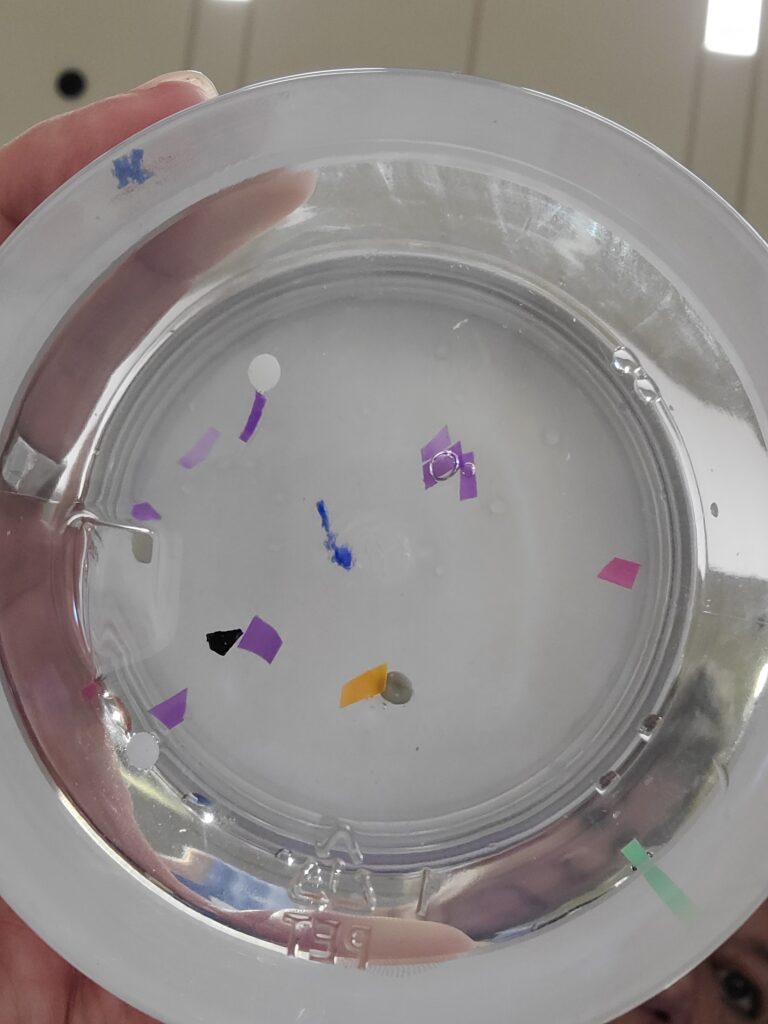
Microplastics may be colorful, but can cause environmental and food web issues in the Great Lakes. Image credit: Marie Zhuikov, Wisconsin Sea Grant

A project that deals with microplastic accumulation in the Great Lakes food web and another that will work with Milwaukee’s fashion community to reduce microplastic debris in waterways were awarded funding by the National Oceanic and Atmospheric Administration through the Marine Debris Challenge and Community Action Coalition competitions.

The first project, “Pinpointing the key drivers for the bioaccumulation of nano- and low-micrometer microplastics in the Great Lakes using a modular pretreatment and plasmonic imaging platform,” is led by Haoran Wei from the University of Wisconsin–Madison. Wei and his team will create a standardized, high-speed testing system to study how tiny microplastics and nanoplastics appear and build up in living organisms in the Great Lakes.

The second project, “Fashioning a model response: Educating members of the fashion industry about microplastics to reduce marine debris in local waters,” is led by Ginny Carlton with Wisconsin Sea Grant. Carlton and partners Milwaukee River Keeper and Mount Mary University will offer workshops for college fashion department faculty, university students and K-12 teachers regarding reducing polyester clothing fiber waste. They will also pilot and launch an online short course for educators about marine debris prevention and the fashion industry.

Funding for these projects and 19 others awarded comes from the Bipartisan Infrastructure Law and the Inflation Reduction Act.

The post Two Wisconsin marine debris projects funded by NOAA first appeared on Wisconsin Sea Grant.

Original Article

News Releases | Wisconsin Sea Grant

News Releases | Wisconsin Sea Grant

https://www.seagrant.wisc.edu/news/two-wisconsin-marine-debris-projects-funded-by-noaa/

Marie Zhuikov

Green infrastructure job trainings aim to support growing field

By Elinor Epperson, Michigan Public

The Great Lakes News Collaborative includes Bridge Michigan; Circle of Blue; Great Lakes Now at Detroit Public Television; Michigan Public, Michigan’s NPR News Leader; and The Narwhal who work together to bring audiences news and information about the impact of climate change, pollution, and aging infrastructure on the Great Lakes and drinking water.

Read Now at Great Lakes Now.

Original Article

Great Lakes Now

Great Lakes Now

https://www.greatlakesnow.org/2024/07/green-infrastructure-job-trainings-aim-to-support-growing-field/

Michigan Public

Energy News Roundup: Climate change, energy transition are transforming the Great Lakes Region

Those living near the Palisades nuclear power plant in Southwest Michigan remain divided over plans to resurrect it. The proposed recommissioning would be the first for a retired nuclear plant in the United States — but could pave the way for more. At a recent meeting in Benton Harbor that marked the opening of a federal public comment period, some of the plant’s neighbors said they were excited about the jobs it would bring back or the low-carbon electricity it would send flowing back onto the grid.

Read Now at Great Lakes Now.

Original Article

Great Lakes Now

Great Lakes Now

https://www.greatlakesnow.org/2024/07/energy-news-roundup-climate-change-energy-transition-are-transforming-the-great-lakes-region/

Nicole Pollack, Great Lakes Now

By Elinor Epperson Don’t flush that unwanted goldfish – find it a new home instead. Home aquariums and water gardening are two of the many routes invasive species take to enter Michigan habitats. A Michigan State University Extension program provides educational materials and resources for rehoming unwanted aquatic pets. Reduce Invasive Pet and Plant Escapes […]

The post Michigan program helps hobbyists safely rehome aquatic flora and fauna first appeared on Great Lakes Echo.

Original Article

Great Lakes Echo

Great Lakes Echo

http://greatlakesecho.org/2024/07/18/michigan-program-helps-hobbyists-safely-rehome-aquatic-flora-and-fauna/

Elinor Epperson

The Nature Conservancy's Kari Hagenow shows Governor Tony Evers a map of the East River watershed

The Nature Conservancy’s Kari Hagenow (left) shows Gov. Tony Evers (middle) and Department of Administration Secretary Kathy Blumenfeld (right) a map of the East River watershed. Photo: Wisconsin Sea Grant

On a sunny Tuesday at Van Beaver Park in Green Bay, the East River Collaborative hosted Gov. Tony Evers on a walking tour that showcased four years of work building flood resilience along the East River.

Earlier this week, Evers announced $1.3 million in funding for Wisconsin’s Great Lakes communities through the Wisconsin Coastal Management Program. The East River Collaborative — collectively supported by Wisconsin Sea Grant, The Nature Conservancy, and NEW Water, the brand of the Green Bay Metropolitan Sewerage District — was one of 31 projects to receive grants. The Fund for Lake Michigan will also be providing financial support for the East River Collaborative’s project.

Julia Noordyk, water quality and coastal communities outreach specialist with Wisconsin Sea Grant, expressed gratitude for the program’s continued support of the collaborative. “They have really invested in the East River flood resiliency project since the beginning,” she said.

Spurred by historic flooding in March 2019, the East River Collaborative formed in 2020 to bring communities together to improve water quality and build resilience to floods.

The Nature Conservancy’s Kari Hagenow discussed this history while gesturing to flood maps on easels. Previous WCMP funding allowed the collaborative to create maps and models of the flooded area, conduct interviews and develop a framework for increasing flood resiliency in communities along the river.

“In terms of phosphorus and sediment, [the East River] is one of the highest loading tributaries to the bay of Green Bay, so we know that the work that we’re doing will not only benefit flood resilience, but it’s also going to benefit water quality in the bay of Green Bay and better fish and wildlife habitat in the system,” said Hagenow.

Six people of the East River Collaborative project time pose for a photo with Tony Evers.

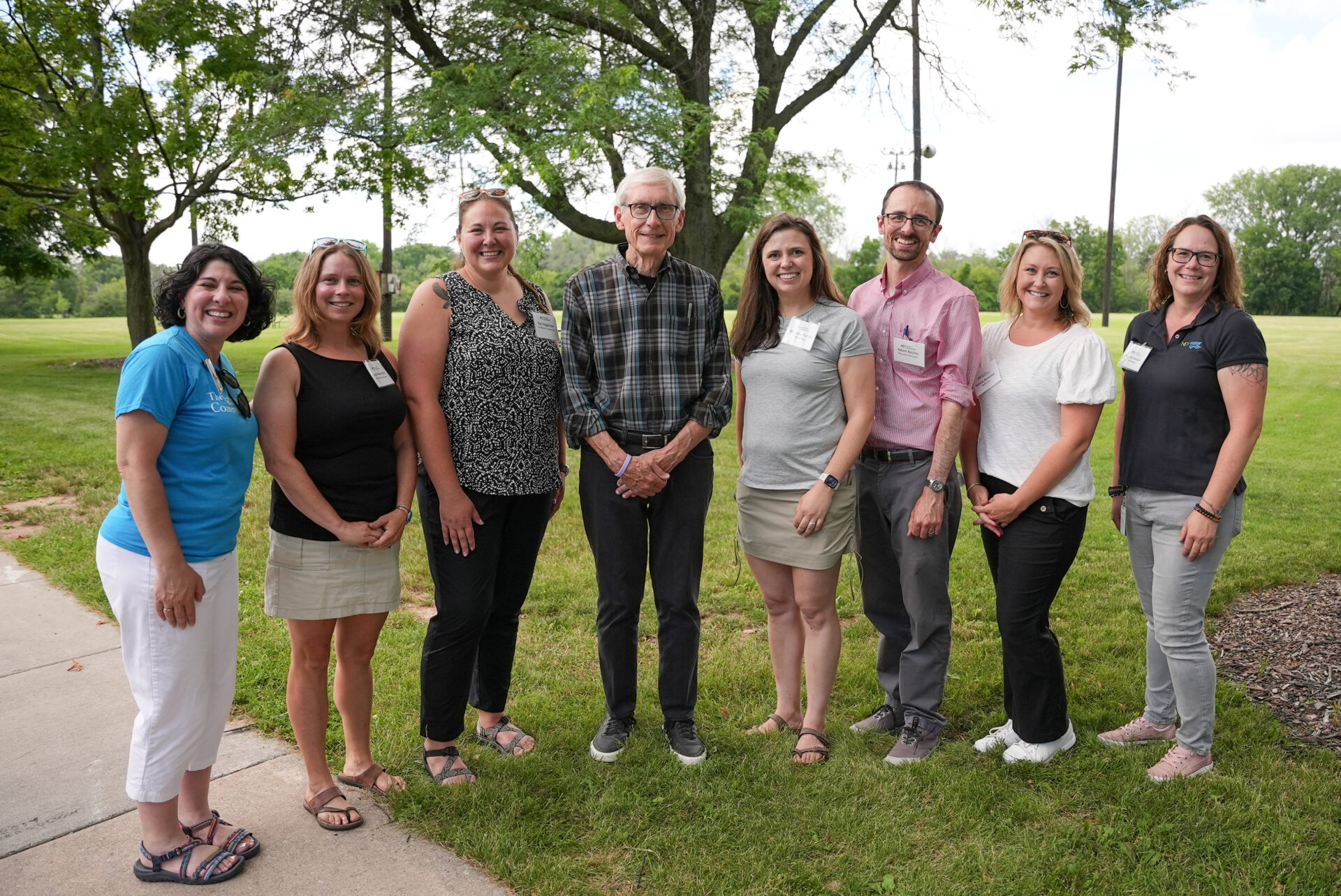
The East River Collaborative project team poses for a photo with Gov. Evers. From left to right: Nicole Van Helden, Julia Noordyk, Kari Hagenow, Gov. Tony Evers, Whitney Prestby, Adam Bechle, Natalie Bomstad, and Angela Kowalzek. Photo: Wisconsin Sea Grant

Gov. Evers and the tour group then crossed the park to get a better view of the river, which rolled peacefully as a great blue heron flew overhead.

The same park, however, was less serene in 2019 when nearby homes were evacuated and inundated with floodwaters. Noordyk discussed how the new grant will allow the collaborative to better engage with and elevate the concerns of residents hardest hit by flooding.

“We are really trying to expand our capacity to do more community engagement in underserved neighborhoods and try to get voices at the table, understand what’s going on and what people think,” said Noordyk.

The grant will fund a new partnership with the University of Wisconsin–Madison Division of Extension Natural Resources Institute and Wello, a local health equity nonprofit, to develop a survey and gather feedback from the community. The goal, Noordyk said, is to bring those perspectives to the table when municipalities start planning projects.

The tour also showcased the work that East River communities have already undertaken to soak up water and increase recreational opportunities. Brad Lange, village administrator of Allouez, discussed the development of a future “water trail” in the East River. 

“The state doesn’t have many water trails, but we are looking at creating kayak-canoe launches,” said Lange. The goal would be for paddlers to traverse the river unobstructed from the town of Ledgeview to downtown Green Bay. 

A kayaker in a red kayak paddles along the East River

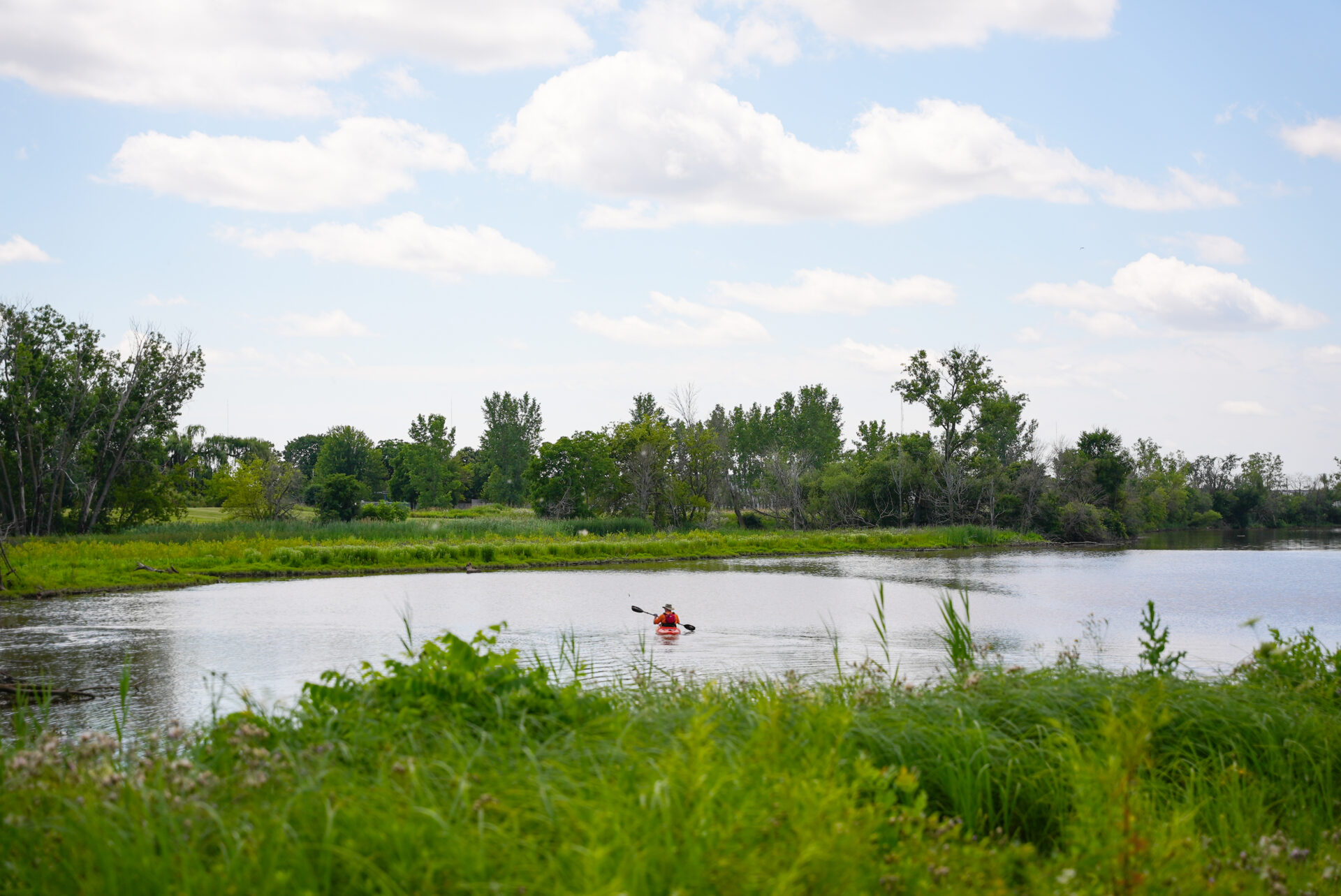
A kayaker paddles down the East River at the perfect moment. Photo: Wisconsin Sea Grant

Bellevue Village Administrator Ben Krumenauer also discussed the village’s improvements to the East River Trail, a 10-mile multi-use path along the river that experiences flooding throughout the year. The village will be repairing deteriorating boardwalks and repaving sections of the trail.

To the tour group’s delight, the value of recreation was on full display. While Krumenauer spoke, a kayaker appeared in the river behind him and paddled quietly downstream. It was a picture-perfect moment that someone jokingly questioned as orchestrated.

“We can’t pay [for] that perfection,” laughed Krumenauer.

In his final remarks, Governor Evers echoed the value of wetlands for soaking up water and supporting recreation. Not only will local communities benefit from these projects, he said, but also bikers, hunters, anglers and paddlers across the state.

“This is also going to offer opportunities for increased recreation,” said Evers, and “using the river in a good way.”

The post East River Collaborative garners a visit from the governor and new grant funding first appeared on Wisconsin Sea Grant.

Original Article

News Releases | Wisconsin Sea Grant

News Releases | Wisconsin Sea Grant

https://www.seagrant.wisc.edu/news/east-river-collaborative-garners-a-visit-from-the-governor-and-new-grant-funding/

Jenna Mertz

By Elinor Epperson Researchers are exploring new techniques to remove an invasive crayfish from Michigan waters. The Michigan Department of Natural Resources has been fighting an invasion of red swamp crayfish since they first appeared in the state in 2017. Aggressive attempts to trap and remove the crustacean haven’t worked. Kathleen Quebedeaux, a fisheries biologist […]

The post Michigan trying new approaches against invasive crayfish first appeared on Great Lakes Echo.

Original Article

Great Lakes Echo

Great Lakes Echo

http://greatlakesecho.org/2024/07/17/michigan-trying-new-approaches-against-invasive-crayfish/

Elinor Epperson

Volunteer Efforts Raising Beetles Help Reduce Invasive Purple Loosestrife

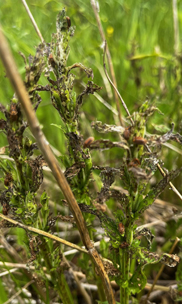
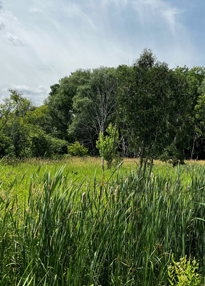
Mid-summer means long sunny days and memorable weekends on your favorite waters. But it also means the start of the blooming period of the invasive plant purple loosestrife. You might be seeing some of these plants along roadways with bright purple flowers. While a beautiful plant, purple loosestrife makes over 2.5 million seeds each year. Very quickly, these plants can start to dominate landscapes.

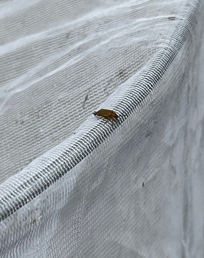
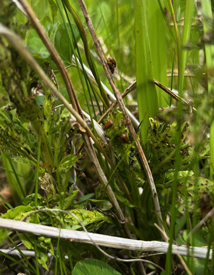
Luckily, there is a beetle that only eats purple loosestrife plants. These biological control beetles help to control the size and spread of purple loosestrife plants. To help increase the chances of a large beetle population each year, Fox-Wolf volunteers help to raise beetles away from predators. By the middle of summer, the raised beetles are then brought back into the wild places that are suffering from too many invasive purple loosestrife plants.

Recently, raised beetles were ready to be released! Check out some of the photos below of these beetles in action! Want to raise beetles next year? Learn more on our Volunteer page!

Photo Credit: Chris Acy

Questions? Comments? Contact Chris Acy, the AIS Coordinator covering Brown, Outagamie, Fond du Lac, Calumet, and Winnebago Counties at (920) 460-3674 or chris@fwwa.org!

Follow the Fox Wolf Watershed Alliance’s Winnebago Waterways Program on our Winnebago Waterways Facebook page or @WinnWaterways on Twitter! You can also sign-up for email updates at WinnebagoWaterways.org.

Winnebago Waterways is a Fox-Wolf Watershed Alliance program. The Fox-Wolf Watershed Alliance is an independent nonprofit organization that identifies and advocates effective policies and actions that protect, restore, and sustain water resources in the Fox-Wolf River Basin.

Check out the Keepers of the Fox Program at https://fwwa.org/watershed-recovery/lower-fox-recovery/

Reporting invasive species is a first step in containing their spread. Maintaining and restoring our waters and landscapes can reduce the impacts even when we don’t have other management options to an invasive species.

The post Biocontrol Beetles Help Bump Invasive Plant appeared first on Fox-Wolf Watershed Alliance.

Original Article

Fox-Wolf Watershed Alliance

Fox-Wolf Watershed Alliance

https://fwwa.org/2024/07/17/biocontrol-beetles-help-bump-invasive-plant/?utm_source=rss&utm_medium=rss&utm_campaign=biocontrol-beetles-help-bump-invasive-plant

Chris Acy

Double Check Those Lamprey; Wisconsin has Native Lamprey Too

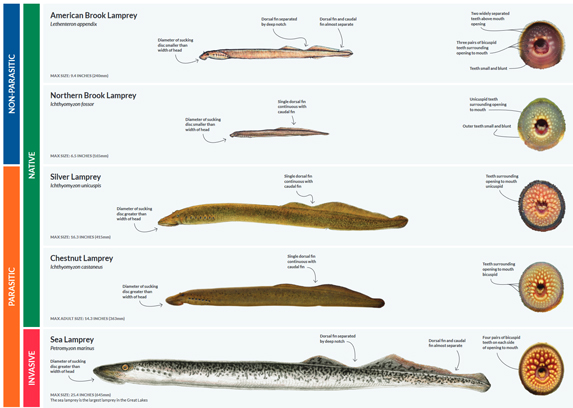
Many Wisconsin anglers are catching fish left, right, and center as we near mid-summer. But sometimes with those fish, there are reports of sea lamprey attached to fish. Even in places where the sea lamprey isn’t known to have reached, including Lake Winnebago. But anglers are often surprised to hear that Wisconsin waters play host to native lamprey. Take a minute to learn how to identify our native lamprey so next time you catch a fish with a lamprey, you’ll know if it’s native or invasive.

Native Lamprey vs. Sea Lamprey

There are four native freshwater lamprey that can be found in Wisconsin. Of these four, two are parasitic and might be on your next fish. Each species of lamprey have different physical characteristics that can help you figure the lamprey you’re seeing. Check out the chart below to see how our native species differ from the invasive sea lamprey.

Click the image to enlarge

If you’re looking for key characteristics to determine if you’ve caught a sea lamprey, take a look at the top fin of the lamprey. If the long fin on the back of the lamprey is split into two (two dorsal fins), there’s a good chance you’ve caught a sea lamprey.

The most common lamprey in the Winnbeago lake system is the native Chestnut Lamprey. To learn more about this native lamprey, check out this Fox-Wolf Species Spotlight article.

To learn more about the invasive sea lamprey, Fox-Wolf’s AIS Spotlight has the info you’ll need!

Photo Credit: Great Lakes Fishery Commission

Questions? Comments? Contact Chris Acy, the AIS Coordinator covering Brown, Outagamie, Fond du Lac, Calumet, and Winnebago Counties at (920) 460-3674 or chris@fwwa.org!

Follow the Fox Wolf Watershed Alliance’s Winnebago Waterways Program on our Winnebago Waterways Facebook page or @WinnWaterways on Twitter! You can also sign-up for email updates at WinnebagoWaterways.org.

Winnebago Waterways is a Fox-Wolf Watershed Alliance program. The Fox-Wolf Watershed Alliance is an independent nonprofit organization that identifies and advocates effective policies and actions that protect, restore, and sustain water resources in the Fox-Wolf River Basin.

Check out the Keepers of the Fox Program at https://fwwa.org/watershed-recovery/lower-fox-recovery/

Reporting invasive species is a first step in containing their spread. Maintaining and restoring our waters and landscapes can reduce the impacts even when we don’t have other management options to an invasive species.

The post Surely a Sea Lamprey….right? appeared first on Fox-Wolf Watershed Alliance.

Original Article

Fox-Wolf Watershed Alliance

Fox-Wolf Watershed Alliance

https://fwwa.org/2024/07/17/surely-a-sea-lamprey-right/?utm_source=rss&utm_medium=rss&utm_campaign=surely-a-sea-lamprey-right

Chris Acy

Ship doomed on Lake Michigan now moored on National Register of Historic Places

This article was republished here with permission from Great Lakes Echo.

By Eric Freedman, Great Lakes Echo

A Detroit-built sailing ship that sank in Lake Michigan during an 1864 storm has been added to the National Register of Historic Places.

The three-masted Mojave, only 1 year old at the time, went down in heavy weather while northbound on the route from Chicago to Buffalo with a load of grain.

Read Now at Great Lakes Now.

Original Article

Great Lakes Now

Great Lakes Now

https://www.greatlakesnow.org/2024/07/ship-doomed-on-lake-michigan-now-moored-on-national-register-of-historic-places/

Great Lakes Echo

After years of detecting harmful algae in Lake Erie’s Sandusky Bay, Bowling Green State University (BGSU) researchers recently discovered that a toxic cyanobacterium called Planktothrix has essentially disappeared. The drop in toxins signals a major improvement in a body of water that millions rely upon for life, work, and play. Read the full story by The Toledo Blade.

Original Article

Great Lakes Commission

Great Lakes Commission

https://www.glc.org/dailynews/20240717-reduced-toxins

Taaja Tucker-Silva