By Riley Wilson Climate change, invasive species and other human-driven pressures are among the leading causes of declining freshwater health in the Great Lakes, the National Wildlife Federation reports. There's a growing need for community engagement to protect the lakes, one study finds.

Original Article

Great Lakes Echo

Great Lakes Echo

https://greatlakesecho.org/2026/04/08/study-highlights-need-for-community-engagement-in-great-lakes-protection/

Great Lakes Echo

CHICAGO, IL (April 7, 2026) – Today, the Alliance for the Great Lakes and its partners announced a new, publicly available dashboard that provides near real-time data about water quality in the Western Basin of Lake Erie.

Nutrient pollution is a severe threat to water quality across the Great Lakes region, with particularly acute impacts in the Western Basin of Lake Erie. Excess phosphorus runoff fuels harmful algal blooms that contaminate drinking water sources, threaten public health, degrade aquatic ecosystems, and disrupt local economies dependent on fishing and tourism. Compounding the problem, there has historically been no centralized system for monitoring water quality upstream of Lake Erie, leaving the sources of nutrient pollution largely untracked and making it difficult to strategically allocate conservation funding to the areas where it can have the greatest impact.

To address this data gap, the Michigan Department of Agriculture and Rural Development (MDARD), awarded a $4.86 million grant to the Alliance for the Great Lakes and its partners, LimnoTech and Michigan State University, to install water quality monitoring equipment across five priority sub-watersheds. The project is also supported by a $600,000 grant from the Erb Family Foundation.

“To protect Lake Erie from pollution, we have to know where it comes from and how it travels through the watershed,” said Angela Blatt, Alliance for the Great Lakes’ Senior Agriculture Policy Manager. “This monitoring network and the public dashboard will help agencies, farmers, and communities better target conservation and land management practices to prevent pollution from running off the landscape into our shared water. We applaud the leadership of Director Boring, who has continually emphasized the importance of expanding monitoring and data collection to help guide conservation decision making.”

“At MDARD, we’re focused on science-driven solutions that improve our understanding of nutrient loss and transport so we can make meaningful progress toward water quality improvements. This expanded monitoring network and the new nutrient tracking dashboard are concrete examples of the innovation that the public and private sectors can deliver when we work together,” said MDARD Director Tim Boring. “These powerful tools will provide real-time data that helps agencies and organizations – and the farmers and communities we serve – take targeted actions to keep nutrients on fields and out of our waterways. I’m proud to support this work and grateful to our fellow partners for bringing this dashboard to life.”

The project uses higher spatial density monitoring instrumentation with a particular focus on understanding phosphorus trends. The comprehensive monitoring network has been collecting data since October 2024, and now this information is available on a public dashboard at: https://greatlakes.org/wlebmonitoring/. Findings based on the first year of data collection underscore the role of landscape characteristics and targeted restoration in mitigating event-driven runoff and sediment losses.

“This project uses high tech sensors and sampling methods to get a glimpse of how fast water runs off the landscape and how much sediment and phosphorus is in that runoff at 50 points within these watersheds. Every rain event is an opportunity to look for signs of progress and improvements in each of these sub-watersheds. We will be able to detect changes faster and report back on progress sooner than downstream monitoring,” said Ed Verhamme, Senior Engineer at LimnoTech, who is working to maintain the equipment on behalf of MDARD.

The monitoring spans five of Michigan’s priority sub-watersheds – Lime Creek, Stony Creek (South Branch River Raisin), the headwaters of the Saline River, Nile Ditch, and the S.S. LaPointe Drain. The system, which is currently funded through 2029, tracks area hydrology, sediment transport, and phosphorus transport across these landscapes. To develop a more complete understanding of nutrient loading in these priority watersheds, the project’s monitoring extends beyond streams to include subsurface agricultural drains.

“Edge-of-field studies show in certain areas that most of the phosphorus leaving farm fields is transported through tile drainage systems,” said Jeremiah Asher, Assistant Director of the Institute of Water Research at Michigan State University. “By deploying a high-density subsurface monitoring network in the South Branch of the River Raisin, we aim to improve our ability to understand, predict, and ultimately manage nutrient losses from these pathways.”

The online dashboard makes most of the project data available for viewers to see real-time conditions at all 50 locations. A project landing page shows each watershed and allows the viewer to navigate the different types of sensors and view recent and historical data trends. The project dashboard also has sign-in capabilities where users can download data.

###

Contact: Don Carr, Media Director, Alliance for the Great Lakes dcarr@greatlakes.org 

The post New Public Dashboard Provides Data on Water Pollution Flowing into Lake Erie appeared first on Alliance for the Great Lakes.

Original Article

News - Alliance for the Great Lakes

News - Alliance for the Great Lakes

https://greatlakes.org/2026/04/new-public-dashboard-provides-data-on-water-pollution-flowing-into-lake-erie/

Judy Freed

Ben Albert: The Wonder of a Wisconsin Wetland

Seeing the value of wetlands through his grandfather’s eyes was a revelation for filmmaker Ben Albert. More than just wet, bug-infested places, Ben got to see wetlands as a diverse and delightful ecosystem, if you approach them with the same curiosity as his grandfather, Cal DeWitt.

River Alliance of Wisconsin’s Agriculture and Water Policy Director Mike Tiboris interviewed Ben at the 98.7 FM WVMO studios to talk about the deeper meaning of Ben’s project documenting the Waubesa Wetlands. This interview was featured on the VMO Show on March 31, 2026.

Ben’s film “An Invitation to Wonder” is now being aired on PBS affiliates across the country. Wisconsinites can stream it now on PBS Passport. Learn more about the film at waubesafilm.com.


Full interview text

The following interview has been lightly edited for brevity and clarity.

Tiboris: Welcome to the VMO show. I’m Mike Tiboris from River Alliance of Wisconsin. And today on the program, I’m joined by Ben Albert, the Milwaukee-based documentary filmmaker whose recent film, “An Invitation to Wonder,” will have a special free community showing at the McFarland Performing Arts Center on April 9th at 6:30 p.m. The award-winning film explores the Waubesa Wetland south of Monona with retired UW-Madison wetland scientist Calvin DeWitt, who also happens to be Ben’s grandfather. Ben Albert, thanks for joining me today.

Ben: Hi, Mike. Thank you for having me on your show.

Mike: So, Ben, tell us a little bit about the film and what inspired you to make it.

Ben: “An Invitation to Wonder” explores Waubesa Wetlands, just south of Madison. And it really aims to uncover the mysteries and magic of wetland ecosystems in a way that I feel like not many other films have done. These are some of the most misunderstood and underrepresented habitats on the planet. So, the film is trying to provide a new lens on wetlands. But it also is definitely… it’s a family story.

There’s kind of three characters. There’s the wetland, of course, and then there’s my grandfather, Cal DeWitt. And I’m also in the film. When I was a kid, I actually spent a lot of time in the wetland. My mom would drop my siblings and I off at my grandparents house. Almost every Friday growing up, my grandma would take us out into the marsh with a dip net and a bucket and we would net through the creek and uncover this really amazing web of life that was there that you don’t really see on the surface when you go out to a wetland ecosystem. Lots of people think of it as just a green, wet place. But when you look beneath the surface and uncover some of the organisms there, it is just this fascinating web of life.

Mike: You mentioned that your grandfather is a sort of character in the film, and I wonder a little bit about what lessons you learned filming it with him that were new to you from your experience with him as a child.

Ben: Yeah, a lot of lessons. Some people might know my grandpa, some people might not, but he is just an incredibly passionate scientist. He has lived on the edge of the wetland for over 50 years, him and my grandma Ruth. And he also taught at UW-Madison and taught in environmental science. And then brought his students out to the marsh to teach wetland ecology courses. So he’s very connected to this land, both with his studies and his personal life.

So I knew that just with his very unique perspective and then my experiences as a kid in the marsh that there was a story there and I just I didn’t know what it was at the time when I started but I wanted to uncover that. He instilled so much wisdom on me through that process and he loves to tell stories. I think one of the most amazing moments is I got to take him out canoeing in the marsh again. I’m not going to say too much about it because it’s in the film. But you know, he had just turned 86 years old. And just seeing the wonder, the childlike wonder and curiosity that he still has at his old age was very inspiring to me. And I think that’s something that we can all strive to maintain as we grow up. And I think it’s a way that we can, no matter where you are in the world or what your situation is, be able to find some of that wonder and curiosity and joy of, you know, just the world. And in his life, he focused that on this specific wetland. But I think it’s very universal and something that we can take away that applies to other things in life as well.

Mike: If you’re just joining us, I’m here today with Wisconsin-based documentary filmmaker Ben Albert, whose recent film about Lake Waubesa’s wetlands will be having a free community showing at the McFarland Performing Arts Center on April 9th. Ben, before the track break there, you were talking about wonder, and the movie’s called “An Invitation to Wonder.” So what does wonder mean in that context?

Ben: Yeah, in the context of this film, “An Invitation to Wonder” is taking wetland ecosystems, this unglamorous place that, you know, I think a lot of people when they think of wetlands, it’s a green, wet, bug-infested place that’s maybe a little bit you know, uninhabitable, kind of scary to some people, but when you spend the time out there as my grandfather has done and then later as I do through the film I spent around six months filming in the wetland. Three of those months were consistently going out almost every day. But the invitation to wonder is looking at this place with my grandfather’s perspective honestly with a perspective that if you look closely and you’re patient that the wonder is always there. Specifically talking with the natural world I think this applies to, you know, much beyond just wetland ecosystems.

I hope that people after watching this can take that message and look at what might be in their own backyard and, you know, think just like, do I actually understand this place that I live? I think a big issue that we have with, you know, our relationship with the natural world is well, just that we don’t have that relationship anymore. Like we’ve lost that connection to where we live in a sense. So the invitation to wonder is kind of thinking about what’s around me, what’s in my own backyard, what’s in my neighborhood, and really thinking about the natural world as being part of our communities again, I think is very important.

Mike: I think a lot of listeners are pretty familiar with the chain of lakes around Madison connected by the Yahara River, but probably less so with the Waubesa Wetlands specifically. What are some surprising and interesting things about it that you’d like to share?

Ben: Yeah, I mean, I think one of the most surprising things for me was just how wild the wetlands felt when I was exploring them. I only saw about maybe five other people my entire summer there. And the animals there are also still, like, you can kind of tell when you’re in a place that has been… there’s not a huge human presence. The wildlife in Waubesa Wetlands are not habituated to people. So, for example, sandhill cranes in the wetland, I was lucky to get within a quarter mile of a crane or else it would spook and, you know, you would see it flying away in the distance and I would lose my shot of it. But if you go into Madison, Wisconsin, you know, in the city, we have sandhill cranes that you can walk up 15 ft next to.

So it was very interesting to be in a place that still felt very wild. Even like the blackbirds, the blackbirds would always kind of alarm all the other critters and animals I was there when I was trying to when I was canoeing through or walking through. There’d be sometimes blackbirds flying over my head shooting off their alarm calls. And then I knew I was toast trying to film anything else for the next few hours because everything knew of my presence. So that’s one thing. I would say I also just learned a bit more about the importance of the wetland for water, for filtering our water, the amount of water it holds is just extraordinary. It can be flooding up and down the Yahara chain. In Waubesa Wetlands you don’t really notice the flooding because it just absorbs the water. And it also releases an incredible amount of water. Just deep spring alone pumps out about 10,000 gallons of water per minute. And that, of course, feeds into the rest of the water system. So, it’s a very important habitat for us right here in Madison.

Mike: Welcome back to the VMO show. I’m speaking today with Wisconsin documentary filmmaker Ben Albert, whose film, “An Invitation to Wonder” about the Waubesa Wetlands, will have a free community showing on April 9th, and tickets can be reserved at the McFarland Performing Arts Center website. So, Ben, tell me about the filming process for the documentary. How did you go about capturing the experience of the wetlands?

Ben: So this was my first long- form documentary. Up until this point I had made maybe a 10-minute documentary and for that I had an outline and did pre-production and had the narrative arc set in a way. But for this film, I felt like I had to just go out and experience the wetland for myself before I could even really decide what the story should be or what the most impactful parts of the film would be. And of course, I knew my grandpa was going to be a character. And he was going to help guide the story, but other than that, I just took it one day at a time.

And as I mentioned earlier, I camped at my grandparents’, at their house. They live on a glacial drumlin that’s surrounded basically 360 degrees by the marsh. So they’re just immersed in this world and it’s a pretty incredible spot to live. And gives me incredible access to this habitat. So I camped in their backyard. It was COVID time. I had a bit of a reset in my life and had the time to do this film. I think a lot of us were in that situation during COVID and yeah, it was just a natural… the story just unfolded naturally day after day of really just canoeing out into the marsh. I usually went out around sunrise with my camera and it was interesting because especially during the first few months I usually had an objective I wanted to complete that day. Like I really had hoped to film sandhill cranes nesting in the spring and filming their colts, you know, as they grow. Never filmed them. Never, never found a nest.

And then there was, you know, a few other sequences I was really hoping to capture. And every time I went out to capture those things, the wetland would always throw something else at me that would distract me and bring my attention to something else for the day. And at first that was very frustrating because it was hard to, you know, have an intentional story going into this. But I realized over time that I had to just let go of my human expectations and ideas of what the film should be and just experience it and capture it as it is. And that really led to me being able to capture a portrait of the whole ecosystem. And I don’t want to say the whole ecosystem because I think the film, you know, it’s just the surface of this place. Even though we go deep and we go underwater, we talk about the history. I really think that there’s so much more mystery and things to discover there that we don’t know about yet. and my grandpa would say the same.

But the story just really unfolded naturally in that way and all those little tangents I talked about allowed me to capture this portrait of the whole habitat. Then I sent it to a few friends for feedback. I also have a co-writer/producer who helped with the project, Moss Hegge. And they are very good with narrative storytelling. So they looked at it and helped me determine what the missing pieces were. And a big one was just the third character, which ended up being myself. And I don’t love, you know, being in front of the camera, but what we decided was just that… my relationship with my grandfather and with the wetland was a key part to the story as well because really it’s… at its core, you know, it’s my grandpa passing on that knowledge and wisdom that he’s learned from the wetland to me and then me being able to present that to more people. I ended up doing… ended up narrating the film, some of the film, just to help guide certain pieces. And I also had all of this footage that was just candid moments of me in the wetland experiencing different things, struggling through the peat, going out at midnight, to go under a full moon. And I was never planning to include it in the film, but after making that decision to have myself as a character, I was able to weave in these very authentic, candid moments into the film that I think helped tie it all all together.

Mike: You’re listening to the VMO show and I’m talking to documentary filmmaker Ben Albert today. His documentary about our very own Waubesa Wetlands will have a free community showing on Thursday, April 9th at the McFarland Performing Arts Center. We’re very lucky to have such abundant water in Wisconsin. How do you suggest that people get a better connection with the water around them?

Ben: It’s funny, I don’t want to encourage thousands of people to go explore Waubesa Wetlands because we want to keep these places wild. But I think just discovering where you live and going out in a canoe or kayak is really the only way, the best way to do it. There’s only so much you can learn about through a film or through a textbook. And I think just going out and experiencing yourself is the best way to do that.

Mike: And having such a great documentary will be a way that people can experience it. Ben, can you give the audience a little bit of a preview of what they should expect?

Ben: Yeah, I think “An Invitation to Wonder” will force you to slow down a little bit. We really wanted to give that authentic feeling of being in the natural world where you’re… you open yourself to learning from it. And that doesn’t happen quickly like a lot of other nature documentaries that throw in the fast chase scene of the lion or, you know, are cutting the sequences really quick. That’s not really how it is how it feels like to be in nature. So, we wanted to portray it accurately. But I think it’s a beautiful film in the sense that you really get to experience what a wetland… what it’s like to be in a marsh and you get to see past what the vast majority of the public’s perception is of wetlands. You get to see the mysterious aspects of this place. You get to see under the surface. You know, half of a wetland is the hydrology system and under the water, which I fortunately with some camera techniques was able to capture that.

So, yeah, I hope it is something new to most audiences. And you get to witness my grandpa and his… who’s lived in the town of Dunn, just south of … near McFarland for over most of his life, was very active in that community and the town of Dunn, you know, my grandpa worked with them and with his neighbors to actually preserve the marsh in the 1970s. So, it used to be unprotected. There were even proposals, I believe, for a highway to be built through this place and the town came together as a community really through what we’ve been talking about just falling in love with the land. And through that they were able to gain the support to protect it permanently and it still is protected permanently.

Mike: Ben Albert’s award-winning documentary, “An Invitation to Wonder” about the Waubesa Wetlands, will be shown at the McFarland Performing Arts Center on Thursday, April 9th at 6:30 p.m. The showing is free and all ages, though tickets may be reserved in advance through the McFarland Performing Arts Center’s website. More information about the film can be found at waubesafilm.com. Ben Albert, thanks for joining me on the VMO show.

Ben: Thanks so much for having me on.


– Stacy Harbaugh, Communications Director


This message is made possible by generous donors who believe people have the power to protect and restore water. Subscribe to our Word on the Stream email newsletter to receive stories, action alerts and event invitations in your inbox.  Support our work with your contribution today.

The post Ben Albert: The Wonder of a Wisconsin Wetland appeared first on River Alliance of WI.

Original Article

Blog - River Alliance of WI

Blog - River Alliance of WI

https://wisconsinrivers.org/ben-albert-waubesa-wetlands-film/

Allison Werner

By Tracy Samilton, Michigan Public

The Great Lakes News Collaborative includes Bridge Michigan; Circle of Blue; Great Lakes Now at Detroit PBS; Michigan Public, Michigan’s NPR News Leader; and The Narwhal who work together to bring audiences news and information about the impact of climate change, pollution, and aging infrastructure on the Great Lakes and drinking water. This independent journalism is supported by the Charles Stewart Mott Foundation. Find all the work HERE.


U.S. Secretary of Health and Human Services Robert F. Kennedy Jr. and Environmental Protection Agency Administrator Lee Zeldin announced new initiatives to tackle microplastics in the human body and drinking water on Thursday.

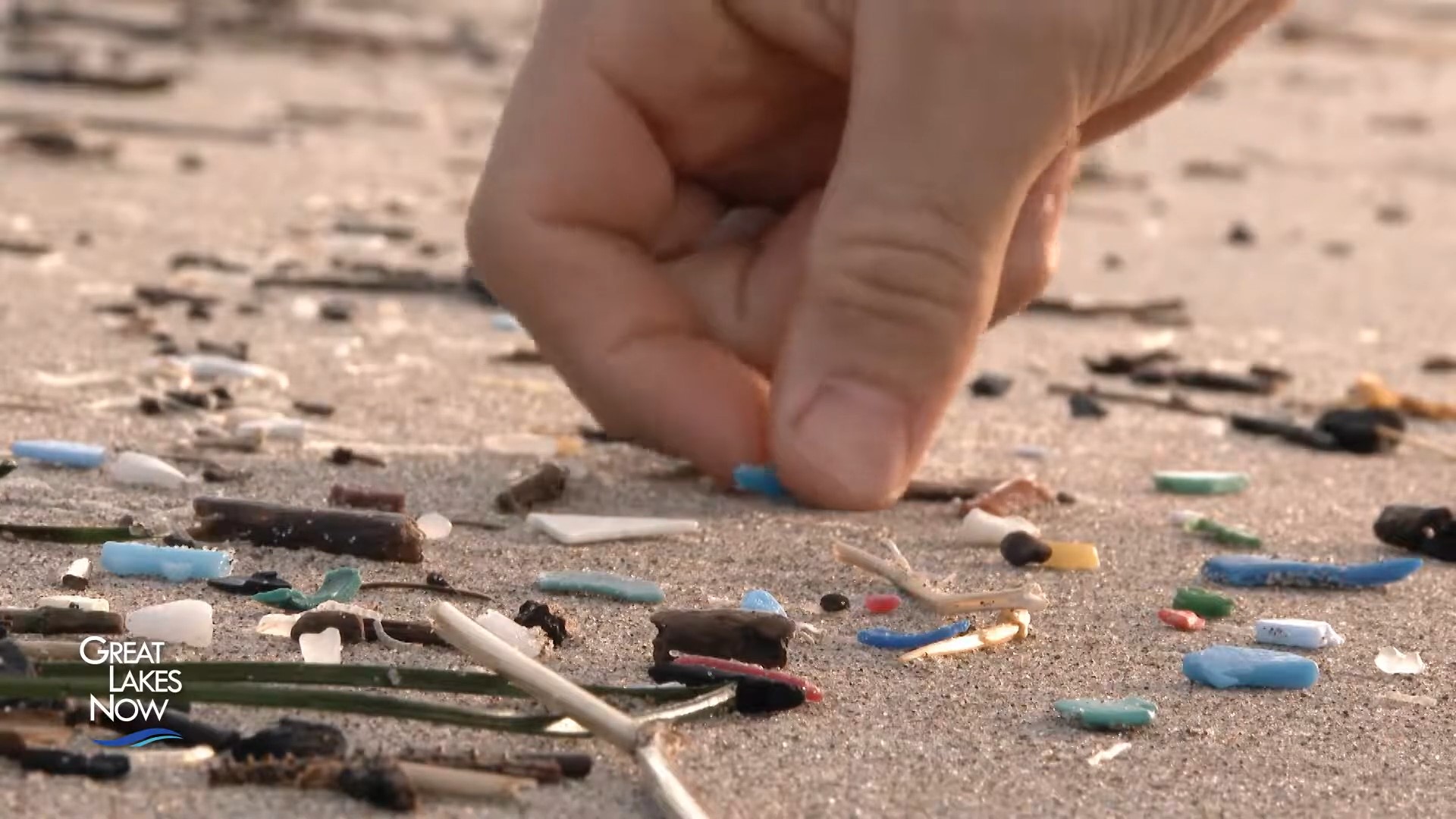
Microplastics are tiny pieces of plastic – as small as nano-sized pieces – that are increasingly ubiquitous in water supplies and in the human body.

Zeldin said the environmental agency will add microplastics and pharmaceuticals to its list of concerning chemicals in drinking water. “For the first time in the program’s history, EPA is designating both microplastics and pharmaceuticals as priority contaminant groups,” he said.

Kennedy said the government will create a $144-million program called STOMP (Systematic Targeting of Microplastics).

“We are focusing on three questions, what is in the body, what’s causing harm, and how do we remove it?” Kennedy said. “We still do not have clear answers about causation or solutions,” Kennedy said. “We do not yet understand how these particles interact with the immune system, the endocrine system or the neurological system, and we do not have validated methods to remove them safely.”

But a number of environmental groups said the actions taken by the government aren’t sufficient.

“Microplastics are a serious – and growing – threat to our health and our environment,” Erin Doran of Food & Water Watch said in a statement. “Without monitoring of our drinking water, we can’t know the full scale of this crisis. Today’s announcement …ultimately falls short on its own. It does not reflect the urgent need for a comprehensive nationwide monitoring program for microplastics in drinking water now.”

Samantha Pickering leads the public and environmental public health program at the Michigan Environmental Council. She said the EPA’s acknowledgment of the problem is a good thing, but there’s more that should be done now, like adding microplastics to the government’s official list of contaminants in drinking water that must be monitored.

She said she agrees with the EPA that much more research needs to be done to determine the health effects of microplastics. But she said there’s enough evidence already that microplastics are bad for the environment and for humans.

“I appreciate that the EPA is acknowledging that they’re going to start watching it. but it needs to be shifted into a precautionary approach. I don’t see why they wouldn’t be able to start taking action,” she said.

Pickering said some states, including California and Michigan, are ahead of the U.S. EPA in tackling the problem. “Having the Great Lakes ecosystem, and so much Great Lakes shoreline, we’re a bit more responsible for our stewardship.”

Michigan will be conducting a pilot to test five different drinking water systems for the contaminants, she noted, and it will also, for the next three years, test about 200 of its inland lakes and streams for microplastics.

And Pickering said California has passed a law requiring the adoption of a system for testing drinking water supplies, as well as projects to keep plastics out of the marine environment.

The post U.S. EPA announces action on microplastics, but Michigan critics say it’s not enough appeared first on Great Lakes Now.

Original Article

Great Lakes Now

Great Lakes Now

https://www.greatlakesnow.org/2026/04/07/u-s-epa-announces-action-on-microplastics-but-michigan-critics-say-its-not-enough/

Michigan Public

By James Bruggers, Inside Climate News

This article originally appeared on Inside Climate News, a nonprofit, non-partisan news organization that covers climate, energy and the environment. Sign up for their newsletter here.


When former top Environmental Protection Agency official Judith Enck noticed a cavalcade of chemical and plastics industry lobbyists visiting the agency’s Washington headquarters in February, she wondered what could be up.

An answer came weeks later: The agency is moving toward resurrecting a proposal from the first Trump administration to ditch Clean Air Act regulations involving one of the industry’s go-to methods for chemically processing plastic waste into new industrial feedstocks or fuels.

The EPA is curiously approaching this by embedding a request for comments on so-called “advanced recycling” via a method known as pyrolysis in a rulemaking on an entirely different category of waste incineration.

“I thought, could it be a mistake, or are they quietly trying to push this through?” Enck, a former EPA regional administrator during the Obama presidency, wondered in an interview on Tuesday. Just one paragraph related to advanced recycling of plastics was included in a 17-page Federal Register notice for a proposed rule on wood incineration.

Either way, the stakes are significant, according to industry and environmental advocates alike. 

For several years, industry officials have pushed chemical processing of plastic waste as a primary solution to the global plastic waste crisis, while advocating for regulatory relief at the state and federal levels. The industry has also pressed for such processing to be a pillar of a possible global plastics treaty. 

“We support policies that recognize the products of advanced recycling as recycling and policies that recognize advanced recycling as a highly engineered manufacturing process that can produce new virgin equivalent plastics and chemicals,” according to the website of the American Chemistry Council, the chemical industry’s primary lobbying group in the United States.

But environmental advocates view much of what the industry calls either chemical recycling or advanced recycling — and particularly the method known as pyrolysis — as a dirty, polluting sham.

“It’s not recycling,” said James Pew, director of the federal clean air practice at the environmental group Earthjustice. “To the extent these incinerators produce anything significant other than toxic pollution, a very small portion of the plastic waste they burn is turned into an oily waste that can be fed back into the chemical production process or burned [as] dirty fuel. And it encourages unlimited production of single-use plastics.”

The EPA’s movement toward easing clean-air rules to boost chemical processing of plastic waste comes amid growing concerns about a global plastics crisis.

The United Nations Environment Programme has estimated that the world produces 430 million metric tons of plastic each year, over two-thirds of which are short-lived products that soon become waste. A growing amount, or 139 million metric tons in 2021, gets tossed after just a single use. 

Plastic production is set to triple by 2060 under a “business-as-usual” scenario, and less than 9 percent is recycled. Plastic production and the mismanagement of plastic waste contribute to climate change, biodiversity loss and pollution, U.N. officials have concluded.

Scientists have also found the smallest of plastic particles inside human bodies, increasing the risk of respiratory, reproductive and gastrointestinal problems and some cancers.

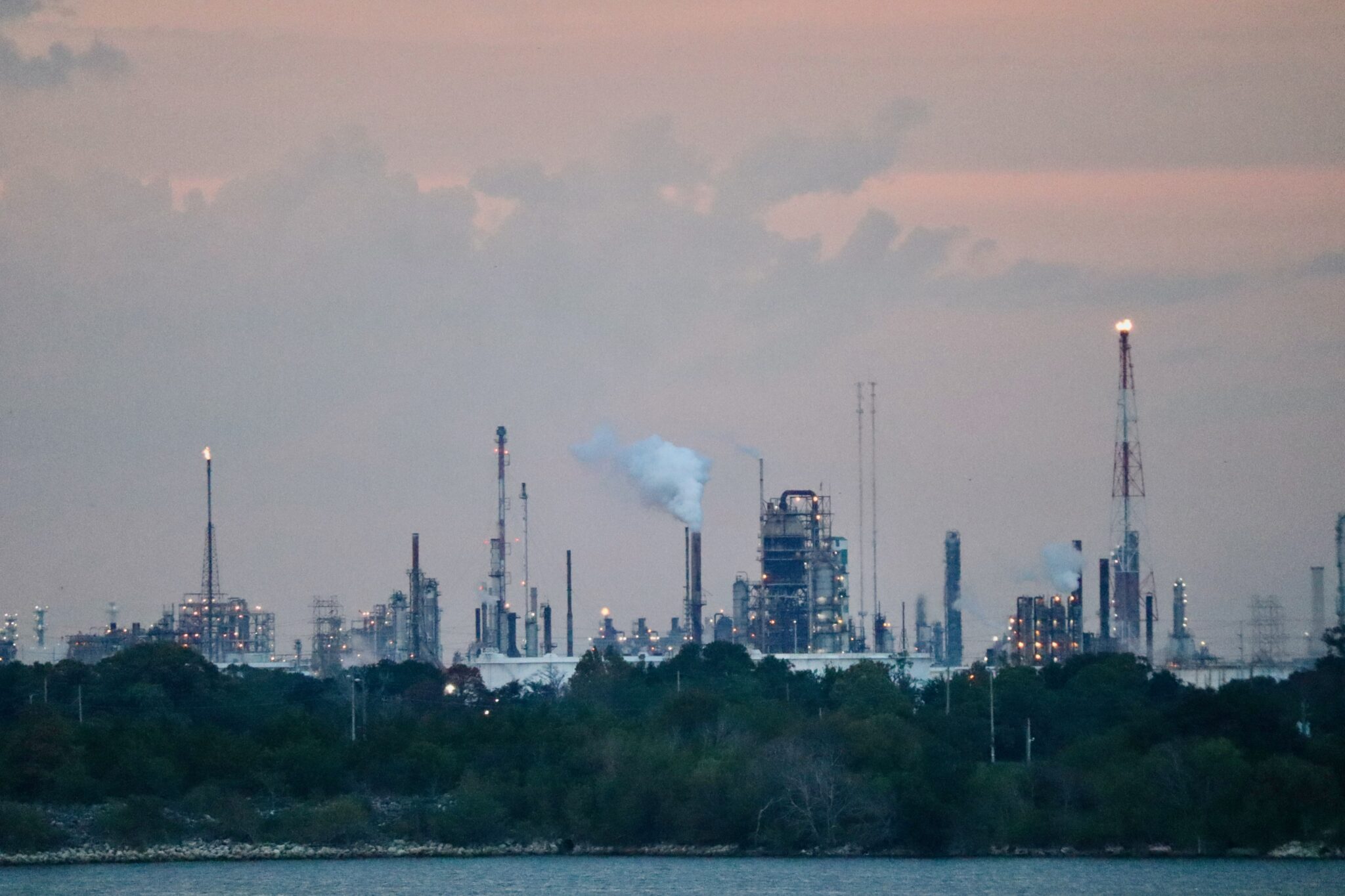
The ExxonMobil Baytown Complex in Baytown, Texas, at dusk in 2023. The company developed what it calls advanced recycling of plastic waste involving pyrolysis in part of this complex. Credit: James Bruggers/Inside Climate News

Plastics’ Chemical Recycling Problem

Because plastics are made of thousands of chemicals, they are not easily recyclable. Most plastic recycling is done through a mechanical process that separates certain types by chemical composition, then cleans, shreds, melts and remolds them. 

Pyrolysis, or the process of decomposing materials at very high temperatures in an oxygen-free environment, has been around for centuries. Traditional uses range from making tar from timber for wooden ships to transforming coal into coke for steelmaking.

More recently, major oil companies and small startups alike have sought to develop the technology as an alternative for recycling a wide variety of plastic waste, with limited success and serious pushback from environmental interests.

A 2023 report from Enck’s Beyond Plastics and the International Pollutants Elimination Network examined 11 chemical recycling plants operating in the United States. Noting low output of recycled plastics and challenges such as fires and spills at production units, the report concluded the technology “has failed for decades, continues to fail, and there is no evidence that it will contribute to resolving the plastics pollution crisis.”

The chemical industry, however, has been steadfast in its backing of chemical recycling, including the pyrolysis method. On the same day the EPA announced it was developing a new rule on advanced recycling, the American Chemistry Council praised the agency. Since no oxygen is involved in pyrolysis, the group said, the process cannot be considered incineration and should not be regulated as such.

“These advanced recycling technologies convert used plastic into valuable feedstocks to make new products, rather than combusting the plastic for energy purposes or landfilling it,” said Ross Eisenberg, president of an arm of the council called America’s Plastic Makers, in a press release. 

Sixteen Industry Lobbyists Visit EPA

The details of what the EPA will propose have not yet been revealed. But the agency’s March 17 announcement and supporting documents point to the kind of regulatory relief it sought to provide during the first Trump term—before running out of time.

Pyrolysis has largely been regulated as incineration for three decades and has therefore had to meet stringent emission requirements for burning solid waste under the federal Clean Air Act. 

In the final months of the first Trump administration, the EPA proposed an industry-friendly rule change stating that pyrolysis does not involve enough oxygen to constitute combustion, and that emissions from the process should therefore not be regulated as incineration.

In 2023, the Biden administration reversed course after much criticism from environmental groups and some members of Congress.

The agency that year noted that it had “received significant adverse comments” on the provision. In taking final action to withdraw the proposal, the agency said the move would “prevent any regulatory gaps and ensure that public health protections are maintained.” 

The EPA’s recent request for comment on pyrolysis was included in a rule-making involving incinerators that burn wood or yard waste, which are sometimes used after natural disasters such as hurricanes. “Revising the definition would clarify that the … rule does not regulate pyrolysis units used in advanced recycling operations,” the agency said.

Beyond Plastics counted 13 representatives from chemical companies or lobbying associations on the EPA headquarters visitor log for Feb. 10, a month before the announcement. Three senior officials from the American Chemistry Council visited on Feb. 12.

“While communities across the country are dealing with the health and environmental costs of plastic pollution, the industry appears to have a direct line to the agency that is supposed to protect us,” Enck said. “These visitor logs are particularly concerning at a time when the Trump administration is rolling back environmental protections and is quietly proposing to remove Clean Air Act requirements from so-called ‘chemical recycling’ facilities. Why did the EPA bury such a major proposed change?”

A written statement from the EPA press office said existing solid waste incineration and pyrolysis regulations were vague, and that the agency is seeking information on an “appropriate remedy.” 

The agency has scheduled an online virtual public hearing for April 6.

Matthew Kastner, senior director of media relations for the American Chemistry Council, pointed to occasions in 2023 and 2024 when Enck appeared on the EPA visitor log. Both his group and hers, he said, “have the right under the First Amendment to petition the government.”

He added that the council’s member companies are regulated by the EPA, “thus engagement on issues ranging from compliance to policy development is both appropriate and expected.”

Earthjustice’s Pew is concerned that the EPA will exempt pyrolysis units from Clean Air Act permitting and any requirement to measure or report their emissions. The result would be, he said, “a perverse incentive” to build more of them.

“As a practical matter, this definition change would mean EPA is completely deregulating a whole class of incinerators, these so-called pyrolysis units,” he added. “And their pollution is really toxic.”


The post After Chemical Industry Lobbying, EPA Considers Dropping Clean Air Protections for Plastic Waste Recycling appeared first on Great Lakes Now.

Original Article

Great Lakes Now

Great Lakes Now

https://www.greatlakesnow.org/2026/04/07/after-chemical-industry-lobbying-epa-considers-dropping-clean-air-protections-for-plastic-waste-recycling/

Inside Climate News

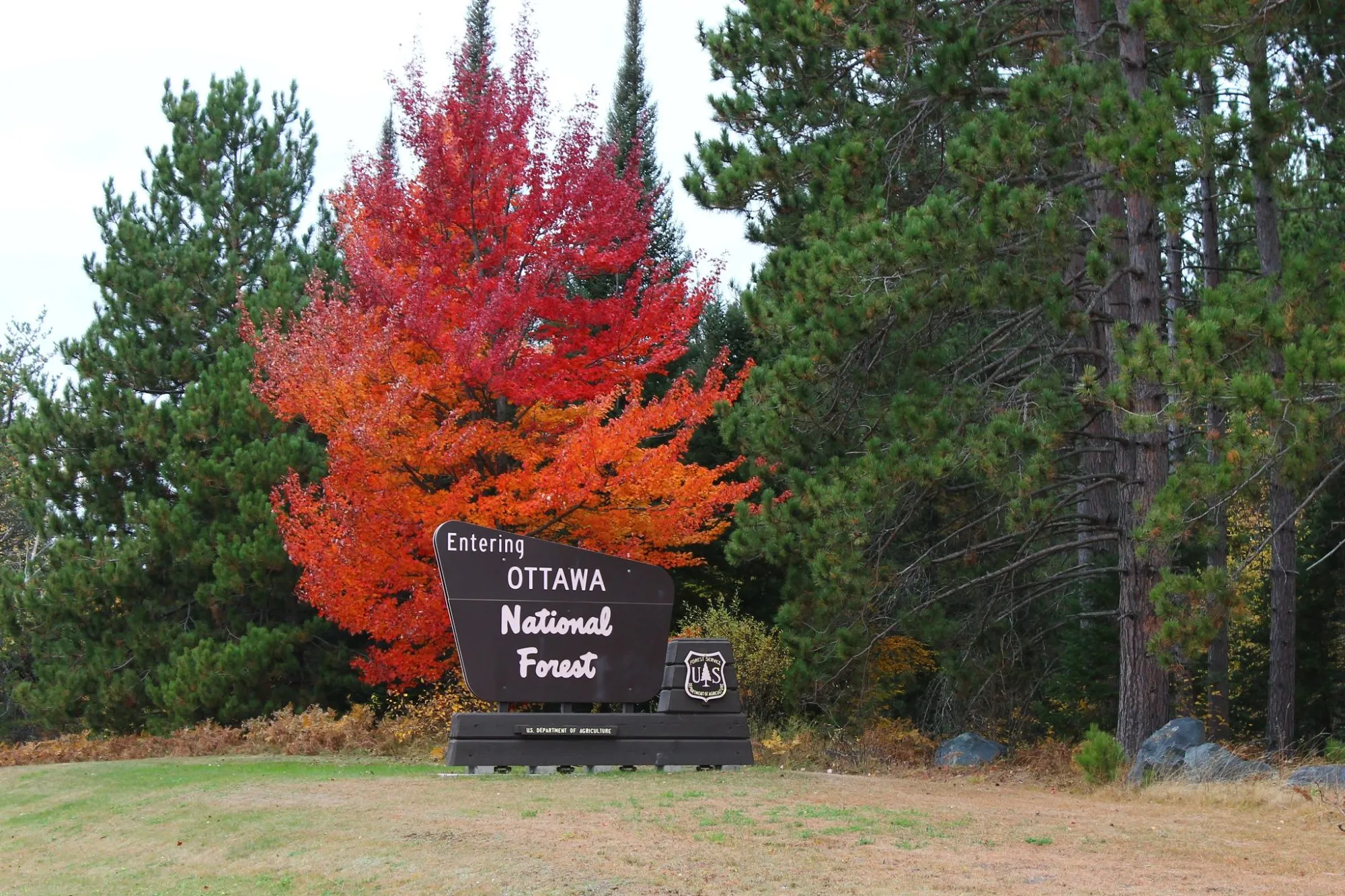
The Trump administration plans to close four US Forest Service research facilities in Michigan, shifting scientists out of the state as it reorganizes and consolidates the agency.

Officials have not announced a closure date for the facilities, located in the Lower Peninsula communities of East Lansing and Wellston, between Manistee and Cadillac, and the Upper Peninsula communities of Houghton and L’Anse, saying changes will be implemented over the next year.

The Forest Service headquarters will also move from Washington, DC, to Salt Lake City in what Agriculture Secretary Brooke Rollins described as a measure to save money, boost logging and put workers “closer to the landscapes we manage.”

“Establishing a western headquarters in Salt Lake City and streamlining how the Forest Service is organized will position the Chief and operation leaders closer to the landscapes we manage and the people who depend on them,” Rollins said in a news release.

The announcement prompted dismay in Houghton, where workers with the US Forest Service Northern Research Station collaborate closely with researchers at Michigan Technological University and the Michigan Department of Natural Resources. A smaller group in L’Anse conducts forest inventories and analysis.

“It’s very disappointing,” said David Flaspohler, dean of the university’s College of Forest Resources and Environmental Science. “I understand priorities change from one administration to the next, and this administration is interested in increasing the volume of timber that is coming off of the national forests. To do that in a sustainable, safe way, you have to have people that are trained in the latest science and silviculture.”

Flaspohler estimated between 20 and 25 people work at the Houghton station, including scientists and other staff. The station has a “multidecadal history of partnerships” with researchers and foresters in the UP, he said. 

The heavily forested Upper Peninsula contains more than 8 million acres of forestland, split roughly evenly between private or locally owned timberland and state and federal forests.

Beyond conducting research that aims to keep northern forests healthy and productive, Flaspohler said, the lab is an important economic contributor to a region with scarce jobs.

“This lab with its many employees — who all had salaries and invested in the region just like any employed person does — that’s going to be lost.”

Two-thirds of facilities cut 

The Michigan facilities are part of a network of 57 nationwide. Nineteen will remain following the closures, with the Forest Service instead establishing regional hubs that serve multiple states. 

A Madison, Wisconsin, hub will serve Michigan, Illinois, Indiana, Iowa, Wisconsin, Minnesota and Missouri.

Michigan DNR spokesperson John Pepin said leaders in the state Forestry Resources Division are not yet sure how the changes will affect the state agency, which works closely with federal partners. 

“It’s pretty apparent that the details and individual impacts to a lot of programs are not worked out yet,” Pepin said. 

The biggest change appeared to be in Houghton, Pepin said. The facility houses the Northern Institute for Applied Climate Science, which Pepin said is relocating to Fort Collins, Colorado.

He said DNR and university officials in Michigan and other Great Lakes states “have worked closely” with the institute for many years assessing the climate vulnerability of forests, developing adaptation strategies and applying it to forest management.

It wasn’t clear whether layoffs would occur as part of the reorganization, but the administration’s announcement emphasized the reduction of “administrative duplication.”

“The Forest Service will provide employees and partners with detailed transition guidance as different milestones approach,” stated an agency release.

Agency spokespeople did not immediately respond to emailed questions from Bridge Michigan. 

Phone calls to Forest Service facilities in Houghton and Lansing were not answered. A person who picked up the phone in the Huron-Manistee National Forest, which includes the Wellston office, declined to comment. Bridge Michigan was unable to locate a phone number for the L’Anse facility.

While an agency press release described the move as a “structural reset and a common-sense approach to improve mission delivery,” some critics have described it as an effort to shrink the Forest Service and shift its mission away from protecting forests and toward logging and privatization.

Utah has been a frequent battleground for debates about public lands, from the fight over Bears Ears National Monument to a lawsuit by the state of Utah that aimed to take control of millions of acres of federal land and Utah Senator Mike Lee’s repeated efforts to sell off public land

“This reorganization will wreak havoc on the Forest Service management and organization, adding fuel to the unpopular narrative by officials like Senator Mike Lee that public lands should be sold off to private industry” said Josh Hicks, Conservation Campaigns Director at The Wilderness Society. “At a time when wildfires are getting worse, and access to public lands is already under strain, the last thing we need is an unnecessary reorganization.”

The post Trump administration plans closure of 4 Michigan forestry research centers appeared first on Great Lakes Now.

Original Article

Great Lakes Now

Great Lakes Now

https://www.greatlakesnow.org/2026/04/06/trump-administration-plans-closure-of-4-michigan-forestry-research-centers/

Bridge Michigan

Aamjiwnaang First Nation is expressing concern after a pipeline that leaked into the St. Clair River has been returned to regular use and service without the community receiving information about the impacts of the leak or confirmation that it has been fully resolved. Read the full story by CKNX – Wingham, ON.

Original Article

Great Lakes Commission

Great Lakes Commission

https://www.glc.org/dailynews/20260406-stclair-river-pipeline

Autumn McGowan

Above-average walleye hatches in Lake Erie have occurred in eight of the past 11 years. However, perch have hit hard times, particularly in the deeper portion of the lake, and the causes for the prolonged string of poor hatches aren’t clear. Read the full story by the Columbus Dispatch.

Original Article

Great Lakes Commission

Great Lakes Commission

https://www.glc.org/dailynews/20260406-walleye-perch

Autumn McGowan

More than a decade after the idea first surfaced, a revamped proposal to buy Belle Isle and turn the public park into a privately funded housing, entertainment and retail district is drawing sharp criticism from Michigan officials and the Belle Isle Conservancy, who call the idea unrealistic. Read the full story by Bridge Michigan.

Original Article

Great Lakes Commission

Great Lakes Commission

https://www.glc.org/dailynews/20260406-belle-isle-redevelopment

Autumn McGowan

U.S. Coast Guard crews continue ice-breaking operations on the upper Great Lakes and St. Mary’s River in support of the Great Lakes commercial shipping season. Since the opening of the Soo Locks on March 25, the U.S. and Canadian Coast Guards have assisted 23 upbound and 20 downbound commercial vessels. Read the full story by The Sault Star.

Original Article

Great Lakes Commission

Great Lakes Commission

https://www.glc.org/dailynews/20260406-commercial-vessels

Autumn McGowan

Ocean Renewable Power Company (ORPC) is preparing to install two submersible hydroelectric devices in the St Lawrence River, marking its first urban project after years of operating in Alaska and Maine. The initiative comes as electricity demand rises sharply across the Great Lakes region, driven by population density, industrial growth, and the rapid expansion of data infrastructure. Read the full story by ESG News.

Original Article

Great Lakes Commission

Great Lakes Commission

https://www.glc.org/dailynews/20260406-stlawrence-hydropower

Autumn McGowan

Recent heavy thunderstorms have been shutting down Lake Erie fishing areas for at least a few days as Lake Erie has been roiled up and its tributaries overflowing their banks. It’s going to take a few days for the wet weather and muddy waters to stabilize and begin to clear. Read the full story by The Plain Dealer.

Original Article

Great Lakes Commission

Great Lakes Commission

https://www.glc.org/dailynews/20260406-erie-flooding-fishing

Autumn McGowan

The Whiskey Island salt mine, owned by food giant Cargill, is below Cleveland, Ohio, and helps supply road salt across the Northeast and Great Lakes, where a colder, snowier-than-usual winter has driven demand. Read the full story by WESA – Pittsburgh, PA.

Original Article

Great Lakes Commission

Great Lakes Commission

https://www.glc.org/dailynews/20260406-erie-salt-mine

Autumn McGowan

By Vivian La, IPR

This story is made possible through a partnership between Interlochen Public Radio and Grist, a nonprofit environmental media organization.


The company behind the controversial Line 5 tunnel project in the Straits of Mackinac released a report this month that lays out the potential geologic risks a contractor might see during construction — risks that pipeline opponents say underscore the dangers of the proposed tunnel.

Canadian pipeline company Enbridge Energy submitted its geotechnical baseline report on the project to state permitting agencies in early March. The report itself is from 2022. Enbridge says the report is based on data that was already available publicly.

The company wants to replace the existing dual-pipeline infrastructure in the Straits of Mackinac with a tunnel housing a new segment buried under the lakebed.

Opponents said they’re worried about potentially unsafe conditions indicated by the report, including weak bedrock, high water pressure and dangerous gases beneath the Straits.

“The report raises serious concerns about whether it is possible to safely build a tunnel in the Straits of Mackinac,” said Debbie Chizewer, managing attorney with the legal nonprofit Earthjustice, which is involved in litigation against Line 5.

Brian J. O’Mara, a geological engineer with the consultant group Agate Harbor Advisors LLC, said the report confirms his concerns around poor rock quality, suggesting that much of the bedrock won’t be stable for tunneling and could lead to the construction equipment failing.

The report also contains some redacted sentences in sections related to gas conditions and the possible “squeezing” of weak rock under high pressure.

“The report is silent on the risks related to fire, explosions, floods, sinkholes, tunnel collapse and a full-bore rupture release of oil and gas liquids from the pipeline,” O’Mara wrote in an email. He had written in legal filings to permitting agencies about his concerns on the report’s baseline data as early as 2023.

O’Mara notes that he believes the report incorrectly concludes that contractors won’t encounter any gas during tunneling.

Enbridge spokesperson Ryan Duffy said in an email that the geology beneath the Straits is not known to have gas, and that “the question has been thoroughly investigated by Enbridge and independent experts responding to Michigan regulators.”

“The reality is that the new pipeline replacement at the Straits crossing is designed specifically to prevent potential risks to the Great Lakes and its communities,” Duffy said.

Duffy said the “sole purpose” of the report was to inform and negotiate business deals with construction contractors. “Any geotechnical information pertinent to permitting decisions has already been made available to the relevant permitting agencies,” he said.

The report was not included in the case filings for Enbridge’s permit for the project issued by the Michigan Public Service Commission in 2023. The agency declined further comment because an appeal of the permit sits before the Michigan Supreme Court.

Enbridge is still waiting for permits from federal and other state agencies for the proposed project.

The U.S. Army Corps of Engineers reviewed the geotechnical report when it developed the tunnel project’s Environmental Impact Statement, said agency spokesperson Brandon Hubbard.

A spokesperson for the Michigan Department of Environment, Great Lakes and Energy (EGLE) said the agency requested the geotechnical report from Enbridge in late 2025 as part of their permitting process.

“We are continuing to evaluate the application that was submitted. We will include this document, along with many others posted to the EGLE database, as part of our review,” said EGLE spokesperson Scott Dean in an email.

A decision from EGLE on the permit is expected no later than mid-July.

Editor’s note: Enbridge is among IPR’s financial supporters. We cover them as we do any other company.

The post Line 5 opponents raise concerns over report on geologic conditions for proposed tunnel appeared first on Great Lakes Now.

Original Article

Great Lakes Now

Great Lakes Now

https://www.greatlakesnow.org/2026/04/06/line-5-opponents-raise-concerns-over-report-on-geologic-conditions-for-proposed-tunnel/

Interlochen Public Radio

In Milwaukee, every flush and drain leads to Kevin Shafer. As the executive director of the Milwaukee Metropolitan Sewerage District, he manages a system where extreme weather can force difficult choices between river releases and flooded basements. When a thousand-year storm overwhelmed the system in August 2025, Shafer faced an important decision. This story was made in partnership with the Points North Podcast at Interlochen Public Radio.

#GreatLakes #LakeMichigan #Flood #Weather #Rain #Infrastructure

===========================================
Website: https://greatlakesnow.org
Facebook: https://www.facebook.com/greatlakesnow
X: https://www.x.com/greatlakesnow
Instagram: https://www.instagram.com/greatlakesnoworg
Newsletter: https://www.greatlakesnow.org/great-lakes-now-newsletter/

To learn more about supporting Detroit PBS and Great Lakes Now, visit https://www.detroitpbs.org/

===========================================

END CREDITS:
“Where do you put a thousand-year flood?” was produced by Great Lakes Now/Detroit PBS in partnership with Interlochen Public Radio.

Produced and Written by
Dan Wanschura
Rob Green

Narrated by
Dan Wanschura

Edited by
Jordan Wingrove

Camera
Dusan Harminc
Nick Loud

Additional Material
Milwaukee Metropolitan Sewerage District
TMJ4 News
WISN 12 News
FOX6 News
CBS 58
Nicki Cheever
4Jay Films
Corey Hafemeister
Barbara Jayne
Dawn Perry
Troy Vosseller
U.S. National Archives
PBS Wisconsin
Cooperative Institute for Research in the Atmosphere at Colorado State University
U.S. National Oceanic and Atmospheric Administration

The post Where do you put a thousand-year flood? appeared first on Great Lakes Now.

Original Article

Great Lakes Now

Great Lakes Now

https://www.greatlakesnow.org/2026/04/06/where-do-you-put-a-thousand-year-flood/

Great Lakes Now

On Earth Day, we’re diving beneath the surface of Lake Huron to explore the hidden world living next to a nuclear power plant.

Join us for a LIVE exploration of the water surrounding Bruce Power, one of the largest nuclear facilities in the world. Experts will be on-hand to answer your questions in real-time.

Join us at Fish City on April 22nd at 10am!

Presented by @InspiredPlanet-x6r, Great Lakes Now, and @detroitpbs with support from the Nature Conservancy of Canada

#GreatLakes #Water #Fish #Ecology #NuclearPower #Environment #Underwater #Livestream

=============================== ============
Website: https://greatlakesnow.org
Facebook: https://www.facebook.com/greatlakesnow
X: https://www.x.com/greatlakesnow
Instagram: https://www.instagram.com/greatlakesnoworg
Newsletter: https://www.greatlakesnow.org/great-lakes-now-newsletter/

To learn more about supporting Detroit PBS and Great Lakes Now, visit https://www.detroitpbs.org/

The post We’re going to Fish City! | Hidden Below: Live appeared first on Great Lakes Now.

Original Article

Great Lakes Now

Great Lakes Now

https://www.greatlakesnow.org/2026/04/03/were-going-to-fish-city-hidden-below-live/

Great Lakes Now

By Janelle D. James, Bridge Michigan

The Great Lakes News Collaborative includes Bridge Michigan; Circle of Blue; Great Lakes Now at Detroit PBS; Michigan Public, Michigan’s NPR News Leader; and The Narwhal who work together to bring audiences news and information about the impact of climate change, pollution, and aging infrastructure on the Great Lakes and drinking water. This independent journalism is supported by the Charles Stewart Mott Foundation. Find all the work HERE.


More than a decade after the idea first surfaced, a revamped proposal to buy Belle Isle and turn the public park into a privately funded housing, entertainment and retail district is drawing sharp criticism from Michigan officials and the Belle Isle Conservancy, who call the idea unrealistic. 

Southfield-based real estate developer Rodney Lockwood has proposed buying Detroit’s Belle Isle for $1 billion and transforming it into a high-density “special economic zone” with high-income housing, mixed-use developments and more than 100 restaurants.

Lockwood’s firm stirred debate last week with the release of a poll it had commissioned. But the Michigan Department of Natural Resources, which manages the island as a state park under a 30-year lease agreement with the city, told Bridge Michigan it has no plans to take Lockwood up on the offer. 

“This proposal is not something the Michigan DNR has been involved in and it’s not something the state is considering,” Tom Bissett, assistant chief of the DNR’s Parks and Recreation Division, said in a statement. 

“Since assuming management of Belle Isle in 2014 through a lease with the city, the state has focused on investing in the historic park, recognizing the central role Belle Isle plays in the life of Detroit and its residents,” he said.

The Belle Isle Conservancy, a nonprofit that partners with the state and city to protect the island, was even more forceful in dismissing Lockwood’s redevelopment plans. 

“Belle Isle is a public park. Period,” said Meagan Elliott, president and CEO of the Belle Isle Conservancy. “The Belle Isle Conservancy has not been consulted at all on this dystopian plan. Our face-to-face community engagement this summer touched 12,000 people, showing that residents endorsed the idea of the Belle Isle Commons and more recreation offerings.” 

Lockwood could not be reached for comment. 

The idea, which he first wrote about in a 2013 novel set 30 years in the future, would rely on private investment, with the aim of turning the island into a global hub like Singapore or Dubai. It’s estimated that the project would create 20,000 construction jobs over 10 years and generate nearly $200 million in annual tax revenue, he told a local news outlet last week.

Lockwood first floated the idea more than a decade ago, before the island became a state park, when it was under city control and facing years of deferred maintenance, budget shortfalls, deteriorating infrastructure, reduced services and concerns about safety and upkeep.

It’s the latest proposal from Lockwood for Detroit land in recent years. In 2019, along with businessman Larry Mongo, Lockwood sought to redevelop a golf course that makes up about half of Palmer Park.

A Mitchell Research & Communications poll conducted for Lockwood’s company — Belle Isle Freedom City — and released last week purported to show state and local support for the concept.

But a press release noted the many steps it would require — passage of legislation by Congress, the state and the city to create the “special economic zone” — and critics noted a small number of Detroit residents were surveyed. 

“The (poll) Mitchell Research released this week had a sample of less than 200 people,” said Elliott, the Belle Isle Conservancy CEO. “This ridiculous plan is a great reminder of just how lucky we are to have this world-class park as a public asset for everyone.”

The Belle Isle Conservancy has its own plans for the island. The Belle Isle Commons proposal includes a public square near the aquarium and conservatory designed to improve connectivity and create gathering spaces without relying on cars.

The state, meanwhile, has invested more than $178 million in improvements at Belle Isle, which is the most visited state park with 5.5 million annual visitors, according to the DNR. 

The post Michigan shuts down Belle Isle redevelopment plan critics call ‘dystopian’ appeared first on Great Lakes Now.

Original Article

Great Lakes Now

Great Lakes Now

https://www.greatlakesnow.org/2026/04/03/michigan-shuts-down-belle-isle-redevelopment-plan-critics-call-dystopian/

Bridge Michigan

U.S. Secretary of Health and Human Services Robert F. Kennedy Jr. and U.S. Environmental Protection Agency (EPA) Administrator Lee Zeldin announced new initiatives to tackle microplastics in the human body and drinking water on Thursday. Zeldin said the EPA will add microplastics and pharmaceuticals to its list of concerning chemicals in drinking water. Read the full story by Michigan Public.

Original Article

Great Lakes Commission

Great Lakes Commission

https://www.glc.org/dailynews/20260403-microplastics-initiative

James Polidori

A federal judge has ordered partial payments be disbursed to more than 12,000 adult claimants injured in the Flint water crisis. A secondary payment from the $626 million settlement fund will go out after several appeals related to the agreement have been resolved. Read the full story by The Detroit News.

Original Article

Great Lakes Commission

Great Lakes Commission

https://www.glc.org/dailynews/20260403-flint-settlement

James Polidori

The International Niagara Board of Control said that while removal of the Lake Erie-Niagara River ice boom is typically completed by April 1, a significant amount of ice remaining in the lower Niagara River pushed the removal to April 6. Read the full story by WKBW-TV – Buffalo, NY.

Original Article

Great Lakes Commission

Great Lakes Commission

https://www.glc.org/dailynews/20260403-ice-boom

James Polidori

The U.S. and Canadian Coast Guards continuing its spring ice-breaking work on the upper Great Lakes, having assisted 13 upbound and 10 downbound commercial vessels to transit the St. Marys River since the Soo Locks opened for the 2026 season on March 25. Read the full story by The Sault Ste. Marie Evening News.

Original Article

Great Lakes Commission

Great Lakes Commission

https://www.glc.org/dailynews/20260403-ice-breaking

James Polidori

The Ohio Division of Wildlife on Thursday announced the daily catch limits for Lake Erie’s two primary sport fish—walleye and yellow perch—will remain unchanged for Ohio waters for the year beginning May 1 and ending April 30, 2027. Read the full story by The Plain Dealer.

Original Article

Great Lakes Commission

Great Lakes Commission

https://www.glc.org/dailynews/20260403-fish-quotas

James Polidori

According to a Michigan Department of Natural Resources (DNR) newsletter, “winterkill,” or the process by which fish suffocate under sealed ice and float up during spring thaw, is normal and usually doesn’t wreck fish populations in the long term. Read the full story by WITL – Lansing, MI.

Original Article

Great Lakes Commission

Great Lakes Commission

https://www.glc.org/dailynews/20260403-winter-kill

James Polidori

For the start of the 2026 fishing season, the Michigan Department of Natural Resources updated possession limits, size requirements and gear definitions for various species to manage state fisheries. The changes impact popular fishing spots including Lake Superior, the Menominee River and specific lakes in the Upper Peninsula. Read the full story by WWTV-TV – Cadillac, MI.

Original Article

Great Lakes Commission

Great Lakes Commission

https://www.glc.org/dailynews/20260403-fishing-regulations

James Polidori

Years of sand migration on the 120-foot Mount Baldy within Indiana Dunes National Park have prompted a sand management and relocation program. This spring, crews are onsite to move about 40,000 cubic yards of sand through mid-June. Read the full story by MLive.

Original Article

Great Lakes Commission

Great Lakes Commission

https://www.glc.org/dailynews/20260403-dune-migration

James Polidori

The northern Michigan beach town of Ludington is leaning into cultural tourism by highlighting its more than 150 years of history – including museums, lighthouses and lumber baron homes – through a new storytelling initiative. Read the full story by MLive.

Original Article

Great Lakes Commission

Great Lakes Commission

https://www.glc.org/dailynews/20260403-beach-town-tourism

James Polidori

The S.S. Badger is kicking off its new season with a screening of a new film about the beloved Lake Michigan car ferry. The film tells the story of the Badger — the last coal-fired steamship in operation in the United States — and explores the boat’s place in the history of railroads. Read the full story by the Manitowoc Herald Times Reporter.

Original Article

Great Lakes Commission

Great Lakes Commission

https://www.glc.org/dailynews/20260403-badger-film

James Polidori

By Carey L. Biron

This story was originally published by Grist. Sign up for Grist’s weekly newsletter here.


When Krystal Steward started knocking on her neighbors’ doors in Ann Arbor, Michigan, in 2021, to discuss energy efficiency and sustainability upgrades, she was met with a lot of blank stares.

She was new to the issues herself, she said. But the longtime social worker kept at her new job doing outreach for Community Action Network, a local nonprofit dedicated to serving under-resourced communities. She slowly started getting people in her neighborhood to take part first in home energy assessments, then a city program to swap out appliances, make structural fixes, and more.

“In the beginning it was kind of hard — a lot of people were reluctant. If someone is knocking on your door and telling you they can fix up your home for free, most people don’t believe that,” Steward said. But, she added, “Once one person tried it out, they’d tell their neighbors, and others would jump on board.”

Now the neighborhood, Bryant, is set to pilot a first-in-the-country program that officials hope will speed the city’s transition to renewables — and offer a new model for how local governments can control their energy future.

The idea is technical, but has sparked enthusiasm across Bryant and Ann Arbor: a new city-created Sustainable Energy Utility, known colloquially as the SEU. Rather than replacing the privately-owned utility that serves Ann Arbor, the plan is for this city agency to run in tandem, offering a supplemental service that residents can opt into. 

If they do, they’ll stay connected to the regular grid, but will be outfitted with solar panels, battery backup systems, or other infrastructure, drawing on that power for their home use and opening up the prospect of selling any excess. The city, meanwhile, would pay for the installation and maintenance of these systems, which Ann Arbor would continue to own — a vision of energy generation and storage distributed across the city.

The plan begins in the coming months in Bryant, a 1970s-era community with about 260 homes, many of which are officially considered “energy burdened.” A quarter of residents pay more than a third of their incomes on utilities, in a neighborhood that is one of Ann Arbor’s only areas of unsubsidized affordable housing, according to Derrick Miller, Community Action Network’s executive director.

The SEU is a major step in a yearslong process to address Bryant’s energy affordability and sustainability concerns — and then expand the approach across the city.

“When we started having a conversation about how to decarbonize the neighborhood about four years ago, it felt outlandish. Now, it doesn’t feel like anyone can stop us,” Miller said.

Two parallel utilities

The appeal of the SEU became clear in November 2024, when a ballot measure on the proposal was approved by nearly 80 percent of Ann Arbor voters. A little over a year later, city officials are ready to implement the vision, said SEU Executive Director Shoshannah Lenski.

In late February, the city announced that it was accepting expressions of interest from residents and businesses to take part, accompanied by a flurry of community meetings, animated videos, and ads in local theater playbills.

Customers who opt in will get two utility bills — one for the power supplied by these new city-owned clean energy systems, and one for any power they’re still drawing from the regular grid — which Lenski and her colleagues say will add up to less than they currently pay.

“Just like customers don’t own a power plant, the city owns and finances the system upfront, and they pay for that electricity through a monthly bill,” Lenski said. She noted that the model could prove particularly helpful for renters, who often get left out of green energy incentives.  Signing up large multifamily buildings will be important to quickly expand the SEU’s size, she said.

In addition to installing clean energy systems at participants’ homes, the SEU could build its own microgrids, something that would set it apart from other municipal clean energy programs. For instance, the agency could install solar panels on a school to supply power when students and teachers are in the building, and that power could go to other SEU customers when classes are out.

Backers say the strategy allows Ann Arbor to build out its green energy system with lower financial risk — and lower potential for political or industry pushback.

“When coupled with DTE’s planned investments in clean energy, these voluntary, fee-based programs help accelerate economy-wide decarbonization while maintaining reliability and affordability,” Ryan Lowry, a spokesperson for DTE Energy, which currently supplies energy to the city, said in an email.

It might seem surprising that DTE, Michigan’s largest electric utility, is supportive of the SEU. But industry experts noted that many investor-owned utilities are struggling under the unprecedented new demands for power. Having a local government try to help manage power needs could be seen as an asset, they suggested — though DTE will have no formal role in the SEU.

So far, more than 1,500 people across Ann Arbor have indicated that they want to sign up. The SEU plans to serve around 100 to 150 customers in Bryant this year, expand out to reach 1,000 next year, and then grow by several thousand annually after that.

A missing 40%

The approach answers a question prompted when Ann Arbor adopted an ambitious climate plan in 2020.

That framework included an electrical grid powered completely by renewable energy within a decade, but a city analysis in 2023 warned it was likely to miss that goal by more than 40 percent. In order to reach it, the city would need to push DTE to accelerate its renewable energy buildout, or lean on state officials to do so — or detach from DTE entirely and create a separate city-owned utility, an idea that does have some support in Ann Arbor. 

But from the city’s perspective, these options seemed too risky or uncertain, Lenski said — until officials realized that the Michigan constitution allows municipalities to create and run their own utility, even if there’s another present.

“That’s where the idea of the SEU was born,” she said.

When University of Michigan researchers compared the four options, they found the SEU model had the greatest potential to lower energy prices and emissions, boost reliability, and help low-income communities.

“Overall, it came down to having some benefits of local control without some of the costs,” said Mike Shriberg, a professor who led the research, noting a similar model should be possible in every state.

Still, some worry the strategy does not go far enough.  Advocates who want the city to break with DTE and replace its services with a utility fully owned by Ann Arbor are seeking a November ballot measure to set that process in motion. (Organizers are currently collecting signatures.)

Brian Geiringer, executive director of the advocacy group Ann Arbor for Public Power, said the SEU plan still leaves too much responsibility for the city’s energy transition with DTE.

But if voters do approve creating a fully public utility, he said, it would not mean an end to the SEU: The two approaches could work together, with the SEU focused on generation within Ann Arbor, and a publicly owned utility able to make its own decisions on purchasing power.

“If you draw a circle around Ann Arbor, the SEU is doing stuff inside the circle. And we’re interested in having the city control what comes in from outside of the circle,” Geiringer said.

Local control

Like Ann Arbor, hundreds of cities are working to implement climate goals — and running into similar gaps between ambition and practicality, especially when it comes to control over energy sources.

“Cities have set these goals, and the utilities aren’t obligated to follow those,” said Matthew Popkin, manager for U.S. cities and communities at RMI, an energy think tank.

“So Ann Arbor’s SEU is an example of cities taking more control of their future without dismantling or acquiring existing utility systems,” said Popkin. “That’s a really interesting model.” 

Other models also exist. In Washington, D.C., for instance, a program called the D.C. Sustainable Energy Utility has been operating for 15 years, overseeing the city’s efforts to help residents use less energy.

The initiative is far narrower than the Ann Arbor vision, functioning not as a utility but rather as an organization contracted by the city to boost energy efficiency and increase access to clean energy through subsidies and rebates. 

The program is a central part of the city’s goals to reduce its greenhouse gas emissions, said managing director Benjamin Burdick, and has helped cut some 10 million metric tons of emissions while saving residents more than $2 billion from reduced energy use.

Nationally, “the conversation that we’re hearing is around how do you continue to talk about climate with affordability,” he said. “Programs like the D.C. SEU are going to continue to be the way that we double down.”

The work in Ann Arbor is now receiving its own attention across the country. 

“What caught my eye about Ann Arbor’s efforts were the references to citizen involvement and co-investment in their own grid,” said Jim Gilbert, a retired medical product designer in Boulder, Colorado, who is now helping the city assess the Ann Arbor model. 

Boulder has dealt with recent power outages due to worsening climate impacts and aging infrastructure, and Gilbert said an SEU could offer a way forward.

Back in Ann Arbor, as the city prepares to launch the initial pilot of its SEU, the plan is to reach half of the Bryant neighborhood by the end of the year — and local residents are “all in,” said Krystal Steward. 

Older members of the community are particularly excited, she said, noting that many are on fixed incomes and will particularly benefit from lower energy bills.

“It’s hard for me to keep up,” Steward said. “Now it’s not me reaching out to residents to sign up — they’re blowing up my phone.”


The post How Ann Arbor, Michigan, is creating its own clean energy utility appeared first on Great Lakes Now.

Original Article

Great Lakes Now

Great Lakes Now

https://www.greatlakesnow.org/2026/04/03/how-ann-arbor-michigan-is-creating-its-own-clean-energy-utility/

Grist

By Maria Gallucci and Kathiann M. Kowalski

This story was originally published by Canary Media.


Cleveland-Cliffs appears poised to lock its Middletown Works steel mill into using fossil fuels for at least the next two decades.

The steel manufacturer had already abandoned its plan to replace a coal-based blast furnace at the southwest Ohio plant with cleaner, hydrogen-ready technology and electric furnaces. That project, which won a $500 million federal grant during the Biden administration, was meant to mark America’s entry into the global race to make greener steel.

Now, Cliffs seems ready to refurbish its old Middletown blast furnace so that it can keep running on coal, and to add a cogeneration plant that makes electricity and steam from waste gas. The company has not ruled out the possibility that it might pay for part or all of the work using money from the grant — which Congress required the Department of Energy to spend for the purpose of accelerating industrial decarbonization.

Cliffs described the project in an air-permit application submitted in late February to the Ohio Environmental Protection Agency, though the steelmaker hasn’t yet publicly announced the initiatives.

The filings represent the latest twist for the Middletown steel mill, the longtime economic engine of Vice President JD Vance’s hometown.

Cliffs’ plans have been murky ever since the company ditched its hydrogen ambitions last year. In a July earnings call, CEO Lourenco Goncalves said only that Cliffs was working with the DOE to develop a new scope for the federally funded project, in a way that will ​“preserve and enhance” Middletown’s use of coal and fossil gas. Goncalves later confirmed that Cliffs’ grant remained intact, having been spared from the Trump administration’s sweeping cancellation of other DOE-backed efforts to decarbonize U.S. industrial facilities.

It is unclear whether the company and energy agency will come to any agreement on revamping the project, and if they do, how much of the federal funding the company might use for the work now planned at Middletown. The DOE has not responded to Canary Media’s repeated requests for comment.

Cliffs received its award in 2024 through the $6.3 billion Industrial Demonstrations Program, which was primarily funded by the 2022 Inflation Reduction Act. In appropriating those dollars, Congress stipulated that the DOE should help companies deploy ​“advanced industrial technology” that is ​“designed to accelerate greenhouse gas emission reduction progress to net zero” at U.S. manufacturing facilities.

The steelmaker’s plan to adopt hydrogen-ready technology could have eliminated roughly 1 million tons of greenhouse gas emissions per year from Middletown Works. It was also expected to create 170 new permanent jobs, in addition to safeguarding 2,500 positions at the facility. Cliffs’ latest proposal, which focuses on energy-efficiency improvements, is unlikely to deliver anywhere near the potential emissions reductions that would have resulted from the original project.

For green-steel proponents, Cliffs’ effort to squeeze more life out of its existing coal-based capacity is a missed opportunity to invest in cleaner and modern alternatives.

Relining blast furnaces is typically done about every 20 years, while building cogeneration plants is a fairly standard way for heavy industry to boost energy efficiency and improve the performance of older factories. Neither step represents the sort of transformative solutions that the federal awards were meant to support, according to former energy staffers who worked on the industrial-decarbonization initiative.

The DOE program’s goal ​“was to invest in early-stage, commercial-scale deployments of next-generation industrial technologies that can help plants be more efficient — and also to reduce emissions and make air and water cleaner for the people who live around these facilities, and the workers who work in them,” said Ian Wells, a senior advocate for the Natural Resources Defense Council.

Wells said he was concerned about the possibility of federal grants ​“being used to double down on more legacy technologies, instead of using public funding to take the risk on new approaches that could be better in the long term.”

The Ohio Environmental Protection Agency will have until mid-August, or 180 days from the filing of the application, to either approve or deny a permit to Cliffs. The company has not received funding from the Ohio EPA for any part of the project, said Anthony Chenault, a public information officer for the agency.

Cliffs intends to start construction on its so-called Energy Recovery and Advanced Efficient Ironmaking Project on Sept. 29, according to its application. As for its federal grant, any DOE money provided through the Inflation Reduction Act must be obligated by the end of this fiscal year, on Sept. 30, and spent within five years.

The decarbonization that might have been

Cliffs’ pivot away from hydrogen in Middletown is a major about-face for a company that previously won recognition from the DOE for cutting its U.S. operations’ greenhouse gas emissions by nearly a third.

In March 2024, the energy agency chose the steel mill as the place to unveil its broader effort to decarbonize and modernize key U.S. manufacturing sectors for steel, cement, chemicals, and even food processing. ​“What you do here in Middletown, we’ll be looking at how we can replicate that in places all across the country,” then–Energy Secretary Jennifer Granholm said at the 2,800-acre site.

At the time, Cliffs planned to replace Middletown’s old blast furnace — a hulking facility that melts iron ore with purified coal, or ​“coke,” and limestone to make molten iron. About 70% to 80% of the planet-warming emissions that result from conventional steelmaking are associated with using coke and coal in blast furnaces.

In its stead, Cliffs intended to build a ​“direct reduced iron” facility that could be fueled by fossil gas, which would reduce the carbon-intensity from ironmaking by more than half. The plant would also be able to use a mix of gas and hydrogen, or hydrogen alone. If the hydrogen was made using renewable electricity, then it could have reduced the facility’s carbon-intensity by over 90%.

The steelmaker also planned to install two electricity-powered melting furnaces that would feed iron from the new DRI facility into an existing basic oxygen furnace — a heated vessel that blows oxygen over iron to produce steel. Cliffs said it expected to invest $1.3 billion, on top of the $500 million federal grant, and complete the project by 2029.

That was all before President Donald Trump took office in January 2025 and began gutting federal investments in clean domestic manufacturing.

To be sure, shifting to hydrogen-based production was always going to be challenging for Cliffs and other steelmakers, in large part because green hydrogen is expensive and in scarce supply. The Swedish firm SSAB backed out of its own $500 million DOE grant during Biden’s term after the company’s green-steel project in Mississippi ran into hydrogen supply troubles.

Still, the Trump administration canceled several of the hydrogen hubs meant to boost domestic production of the fuel and bring down its cost. The Mid-Atlantic Clean Hydrogen Hub, which would have supplied Middletown Works, remains approved but in limbo. Nonetheless, Cliffs decided to call it quits.

“It’s clear by now that we will not have availability of hydrogen,” Goncalves said during that July earnings call. ​“So, there is no point in pursuing something that we know for sure that’s not going to happen.”

Cliffs’ application with the Ohio EPA proposes replacing and repairing major equipment at the 73-year-old No. 3 blast furnace. Cliffs said the fixes could lower energy consumption and reduce the amount of coke that’s used for every ton of hot metal the furnace produces. The steelmaker is separately preparing to reline a blast furnace at its Burns Harbor facility in Indiana in 2027, which will likely cost hundreds of millions of dollars.

Cliffs’ new plan for Middletown also include installing a cogeneration plant with four industrial boilers that would primarily burn blast furnace gas — a by-product of ironmaking that is otherwise flared — to supply high-pressure steam and drive turbines that can generate about 70 megawatts of net electricity for use at the steel mill. The company already produces power this way at its Burns Harbor and Indiana Harbor sites, which get 75% and 100% of their electricity from by-product gases, respectively.

Cliffs isn’t the first to contemplate cogeneration for the Middletown mill. AK Steel, which owned the site before Cliffs acquired the company in 2020, considered installing such a system in 2010, which would have also harnessed blast furnace gas to produce electricity and steam. But AK Steel and its partner, Air Products, later determined their $315 million project wasn’t economically viable and canceled it in 2012.

It’s hard to say how the latest plan will affect the significant amounts of carbon dioxide and air pollution that stem from the Middletown facility. Among more than 600 major emitters in Ohio, the steel mill ranked ninth for its output of ozone-causing and lung-irritating nitrogen oxides (NOx) and health-harming particulate matter (PM2.5), according to a 2024 analysis by the decarbonization advocacy group Industrious Labs.

The new cogeneration plant will improve the mill’s energy efficiency, according to Cliffs. It should also offset greenhouse gas emissions that otherwise would have been released by buying electricity from the grid.

Still, in its filings, Cliffs indicated that Middletown could possibly see elevated emissions of NOx, PM2.5 and other pollutants, owing largely to the increased use of its renovated blast furnace.

The overall plan might ultimately be more financially feasible for the steelmaker than a dramatic overhaul in its operations. But the newer projects fall far short of what might have been achieved under Cliffs’ initial DOE grant proposal, said Ariana Criste, the deputy communications director for Industrious Labs.

“This was supposed to be a blueprint for how the industry can move beyond coal and transition an existing facility, without leaving its workers behind,” she said.

The post What’s next for Ohio’s former green steel project? More coal, it seems. appeared first on Great Lakes Now.

Original Article

Great Lakes Now

Great Lakes Now

https://www.greatlakesnow.org/2026/04/01/whats-next-for-ohios-former-green-steel-project-more-coal-it-seems/

Canary Media

A new feature-length documentary about the bay of Green Bay explores the world’s largest freshwater estuary including the birds, fish, plants, nutrient cycles and invasive species that shape its health as well as the people who influence its future. Read the full story by Green Bay Press Gazette.

Original Article

Great Lakes Commission

Great Lakes Commission

https://www.glc.org/dailynews/20260401-green-bay-film

Nichole Angell

Over the past 10 years, there’s been an increasing number of mystifyingly emaciated siscowet lake trout. Fishery officials are exploring food limitation, disease, impacts of sea lamprey and contaminants as possible causes of these “zombie fish.”. Read the full story by the MLive.

Original Article

Great Lakes Commission

Great Lakes Commission

https://www.glc.org/dailynews/20260401-zombie-fish

Nichole Angell

Harsh winter weather has disrupted Coast Guard ice-breaking operations on the St. Marys River, forcing delays in assistance to big freighters and cargo ships that are trying to navigate the busy shipping channel between Lake Superior and Lake Huron.  The Coast Guard Cutter Bristol Bay is now heading up to bolster ice clearing efforts. Read the full story by MLive.

Original Article

Great Lakes Commission

Great Lakes Commission

https://www.glc.org/dailynews/20260401-ice-clearing

Nichole Angell

The New York State Department of Environmental Conservation announced more than $5.1 million to fund 51 projects that reduce the negative impacts of aquatic and terrestrial invasive species on natural resources, infrastructure, agriculture, and local economies supporting long-term ecosystem health, economic stability, and community wellbeing. Read the full story by LongIsland.com.

Original Article

Great Lakes Commission

Great Lakes Commission

https://www.glc.org/dailynews/20260401-invasive-species-funding

Nichole Angell

A popular fishing spot in Michigan’s Upper Peninsula is looking to expand its camping footprint and is asking for public feedback. New campsites are being considered for Carp River Campground in the Hiawatha National Forest along the Lake Huron shoreline. Read the full story by MLive.

Original Article

Great Lakes Commission

Great Lakes Commission

https://www.glc.org/dailynews/20260401-proposed-campsites

Nichole Angell

The Michigan Department of Natural Resources said it has stocked more than 3,000 adult trout in the Huron River and Spring Mill Pond to boost fish populations and the recreational fishery. Read the full story by WXYZ-TV – Detroit, Michigan.

Original Article

Great Lakes Commission

Great Lakes Commission

https://www.glc.org/dailynews/20260401-trout-stocking

Nichole Angell

By Jennifer Wybieracki, Inside Climate News

This article originally appeared on Inside Climate News, a nonprofit, non-partisan news organization that covers climate, energy and the environment. Sign up for their newsletter here.


Julissa Hernandez was at work when she saw the news, in 2024, that a young mother, Chianti Means, had jumped to her death at Niagara Falls State Park, taking her two young children, a 9-year-old and 5-month old baby, with her. When Hernandez called her dad later that day, she realized that Means was a second cousin who used to babysit her.

Hernandez feels like she often hears stories from her friends and people in the community about another person trying to commit suicide or another person dying. Hernandez and Donte West, a high school classmate, recall at least five students who died by suicide during their time at Niagara Falls High School. 

“Even if the signs are there, people just excuse it, because that’s just how the people in the Falls are,” Hernandez said.

Once celebrated as the honeymoon capital of the world, Niagara Falls is now better known for its environmental and mental health challenges, with data showing higher suicide rates a growing body of research suggesting a link between these issues and local conditions.

Niagara County Health Assessment data indicate that the area has elevated air pollution levels and suicide rates higher than the state average, at 14.2 per 100,000 individuals. ZIP codes in Niagara Falls report the highest rates of youth asthma-related emergency room visits. New research correlates air pollution with mental health disorders, such as depression

Environmental and genetic factors influence the developing brain. Researchers are still exploring exactly how air pollution impacts young minds, but several studies have found that high levels of particulate matter 2.5 microns, or PM2.5, in the air can affect brain chemistry, leading to increased aggression and a loss of emotional control. Other forms of air pollution have been linked to the development of mental health disorders such as anxiety, psychosis and neurocognitive disorders such as dementia. 

Niagara County no longer has active Environmental Protection Agency Air Quality monitors for PM2.5 or NO2 and the New York Department of Environmental Conservation’s monitor list shows many Niagara sites closed before 2012. Factories such as Covanta and Goodyear still report emissions to the state and the EPA under their Title V permits, however, the reports do not reflect the air quality experienced by residents in surrounding neighborhoods. The area’s air quality is now estimated using regional models and data from neighboring counties, leaving uncertainty about what residents in Niagara Falls are actually breathing.

A view of Niagara Falls State Park. Credit: Matt Hofmann

study published in 2025 found 36 links between ambient air pollutants and adverse mental health disorders such as autism spectrum disorder and attention deficit hyperactivity disorder (ADHD).

Psychologist John Roberts and a team from the University at Buffalo took this research one step further and examined how air pollution exposure affecting mental health might be correlated with historical redlining in several cities in New York state, including Niagara Falls. 

Redlining was a structural racism practice conducted across the United States beginning in the 1930s that involved denying mortgages to residents of racial or ethnic minorities. Roberts’ study looked at the impact of ambient air pollutant levels on emergency room visits for mental disorders and how those visits varied across neighborhoods affected by redlining. Overall, they found that both PM2.5 and NO2 were elevated and significantly associated with mental health disorder-related emergency room visits in historically segregated New York state neighborhoods. 

“We looked at the overall concentration levels of air pollutants across regions [in the city] and found that there were elevated levels in the redlined neighborhoods,” Roberts said. “So the discriminated neighborhoods had greater pollutants, because there’s more industry or disposal wastes there.”

That means young adults in Niagara Falls are at risk, facing the adverse health effects of intensive, concentrated industry pollution. [StoryGISMap

In the early 1900s, engineers were drawn to the region’s potential for harnessing hydropower. This hydroelectricity enabled electrochemical processes that use electric currents to trigger chemical reactions to produce compounds such as chlorine and caustic soda, or to extract aluminum from aluminum oxide. This process made Niagara Falls home to factories that produced defensive chemicals and materials used for building atomic bombs during World War II. Radioactive slag still plagues the city years later. [Source]

It also brought companies such as Hooker Chemical, which became notorious for the Love Canal catastrophe, where leaking industrial waste from a toxic chemical dump, on which a Niagara Falls neighborhood was built, led to a landmark environmental disaster that helped spark the modern environmental movement and prompted the establishment of the Comprehensive Environmental Response, Compensation and Liability Act (CERCLA) in 1980. Today, it appears history is repeating itself, only now, the federal government is removing limits and regulations on toxic emissions. 

Since President Donald Trump’s second term began, his administration has moved quickly to slash EPA funding and weaken emissions standards for major industries. Congress overturned Biden administration rules regulating seven toxic air pollutants, marking the first efforts to curb the Clean Air Act since its inception.

The rollbacks threaten cities like Niagara Falls, where factories still operate near residential neighborhoods.

In 2025, the Niagara Falls City School District lost nearly $734,000 in funding to provide support services for students and families after the Trump administration cut funding for two school-based mental health grants.

That funding cut impacted the Niagara Falls Student Champion Team, a student group Hernandez and West were both a part of before they graduated. Members focus on mental health awareness and trauma-informed learning. The students meet with the office manager from the University at Buffalo’s Institute on Trauma and Trauma-Informed Care School of Social Work twice a month to learn about trauma, its causes and how to be sensitive when discussing traumatic experiences. Students also share ideas and develop strategies to support their school’s and community’s mental health efforts. 

The team is still active this school year, but has scaled back its activities due to budget cuts.

With the death of another student at the beginning of the last school year, the district administration arranged for the team to present what they’ve learned to Niagara Falls’ mayor and city council in early 2025. In May, during Mental Health Awareness Month, the team also presented before the Buffalo Bills Foundation, a philanthropic arm of the NFL team that supports organizations that are committed to improving the quality of life in the Western New York region, which donated $10,000 to support trauma-informed care training. 

The school district used to conduct Youth Risk Behavior Surveys, but hasn’t since 2019. The surveys found that high school students in the city of Niagara Falls reported feeling more sad or hopeless in the past year than students statewide. More than 43 percent of students reported serious difficulty concentrating, remembering or making decisions due to physical, mental or emotional problems. 

Niagara Falls High School is surrounded by powerplant and factories. Niagara resident Amanda West says she can feel the exhaust chemicals on her skin when she goes outside sometimes. Photo by Matt Hofmann.

In response, the Niagara Falls school district has hired 18 social workers for the district over the last seven years. Before that, there were zero. Each district school also has a family support center which offers students and their families food, clothing and services they need to set students up for success. The district also offers Say Yes Buffalo opportunities which provides students tuition and support to increase the rates of high school and post-secondary completion.

“[The surveys] showed that suicide and suicide ideation is high,” district Superintendent Mark Laurrie said. “I think that comes from a lot of people feeling hopeless. I think that poverty causes a lack of schema, and people can’t see what they can become, or what they can do, because we’re surrounded by poverty.”

Roberts added that aside from poverty, family conflict, abuse, discrimination and other social trauma as a child can create a negative cognitive schema, which changes one’s basic beliefs and values about themself and changes their capacity for feeling in control. He said environmental stressors, such as pollution and violence that are elevated in sacrifice zones, make matters more difficult. 

While the district is developing more resources for students, the high school still sits across the street from some of the city’s largest polluters.

Hernandez and West describe the school as run-down and likened it to a prison. They said they felt stressed at school because when they looked out their classroom windows, all they saw were factories.

“We don’t got much going for us in terms of positivity,” Hernandez said. 

Hernandez was born and raised in Niagara Falls, but she lived with family in North Carolina for eighth and ninth grade, during the COVID-19 pandemic. She noticed her skin cleared up and her asthma symptoms disappeared after she left Niagara Falls. She was able to start running again, which is something she had to give up years ago because she could never catch her breath.

Julissa Hernandez played several sports throughout childhood, her favorite being softball. Credit: Matt Hofmann

Hernandez grew up participating in a wide range of sports, including softball, soccer, lacrosse, track, dance, cheerleading and gymnastics. As she got older, her asthma got worse, forcing her to gradually drop every sport. She believes the poor air quality in Niagara Falls contributed to her asthma complications.

Hernandez is now an early childhood education major at Niagara University. After graduation, she hopes to become a teacher with newly acquired trauma-informed tools to help students and educate parents and guardians. West joined the team after seeing their presentation to the Niagara Falls City Council and was interested in learning and advocating for students who don’t have safe living environments. He had an aunt and a cousin who died by suicide.

“If you’re around nothing but drama and chaos, you’re not gonna be able to focus or feel right,” West said “There is no room for somebody to get their mental state right if they don’t even know how to do it.”

Christen E. Civiletto, born and raised in the city, is now a lawyer, an environmental law adjunct professor at The University at Buffalo and author of the forthcoming book “Thundering Waters: The Toxic Legacy of Niagara Falls,” set for release in June. She has spent more than 20 years researching contamination in Niagara Falls. 

“People are sick in numbers too high to ignore. Niagara Falls’ children are bearing the brunt of harm from past and ongoing pollutionthese are generational harms that must be addressed before any hope of restoration in the Falls is possible,” she said.

“If you’re around nothing but drama and chaos, you’re not gonna be able to focus or feel right,” West said “There is no room for somebody to get their mental state right if they don’t even know how to do it.”

Christen E. Civiletto, born and raised in the city, is now a lawyer, an environmental law adjunct professor at The University at Buffalo and author of the forthcoming book “Thundering Waters: The Toxic Legacy of Niagara Falls,” set for release in June. She has spent more than 20 years researching contamination in Niagara Falls. 

“People are sick in numbers too high to ignore. Niagara Falls’ children are bearing the brunt of harm from past and ongoing pollutionthese are generational harms that must be addressed before any hope of restoration in the Falls is possible,” she said.

Brian Archie, a lifelong Niagara Falls resident, is tackling the city’s health epidemic from two angles. He is a current member of the Niagara Falls City Council and also serves as the executive director of the Creating a Healthier Niagara Falls Collaborative (CAHNF), which focuses on building community by improving the social determinants of health. The collaborative also educates residents about topics  such as air quality and mental health.

The Community Foundation of Greater Buffalo recently awarded the collaborative $10,000 to host a youth workshop on organizing and environmental justice.

The collaborative also partners with the Buffalo Clean Air Coalition, a nonprofit that develops grassroots leaders who organize their communities to lead environmental justice and public health campaigns in western New York.

The coalition hosted three environmental justice meetings in Niagara Falls in between June and October.

Brian Archie speaks at an event in the spring of 2025. Credit: Jennifer Wybieracki

Archie and the Niagara Falls City Council are teaming up with residents to develop programs and policies that aim to improve mental well-being and physical health. Last fall, Niagara Falls became a New York state Climate Smart Community, a state program that provides climate assistance to local governments. 

“If I’m not working to change our city, then I’m complacent,” said Archie.

Despite the legacy of pollution and intergenerational trauma there are still these places where hope is alive and community persists. Just like the Love Canal Homeowners Association back in the 1970s, the community is fighting back. 

“There’s this rule in organizing that if we can get just 3.5 percent of a population united behind a shared goal, we can make societal changes,” said Bridge Rauch, Clean Air Coalition environmental justice coordinator. “Three or four people out of 100 and you can make a lot of things happen.”

With citywide groups such as CAHNF and student-led groups such as the National Champion Team, Rauch feels like the sky’s the limit.

“Ultimately, I believe basic organizing is what will restore deep democracy and build community across movements and demographics, and allow us to tackle the issues of the 21st century,” said Rauch. 

Donte West at his graduation in June 2025. Credit: Matt Hofmann

In June 2025, West sat in a half-filled auditorium for the Coalition’s first ever environmental justice meeting for Niagara Falls residents. He listened to Rauch speak about his city’s history, including the Love Canal catastrophe and asked questions, including why he wasn’t taught about the environmental threats in school. 

“I don’t know why it isn’t brought up, it could literally happen again,” West said. “Trauma is passed down generation after generation, and people don’t know how to stop it.”

Reporting for this project was supported by the Pulitzer Center

The post How Two Teens in Niagara Falls Are Confronting Pollution and a Mental Health Crisis appeared first on Great Lakes Now.

Original Article

Great Lakes Now

Great Lakes Now

https://www.greatlakesnow.org/2026/04/01/how-two-teens-in-niagara-falls-are-confronting-pollution-and-a-mental-health-crisis/

Inside Climate News