Explore the Sea Floor with NCEI’s Modernized Portal
NCEI News Feed
https://www.ncei.noaa.gov/news/explore-sea-floor-ncei-modernized-portal
NCEI News Feed
https://www.ncei.noaa.gov/news/explore-sea-floor-ncei-modernized-portal

NCEI News Feed
https://www.ncei.noaa.gov/news/explore-sea-floor-ncei-modernized-portal

NCEI News Feed
https://www.ncei.noaa.gov/news/explore-sea-floor-ncei-modernized-portal

NCEI News Feed
https://www.ncei.noaa.gov/news/explore-sea-floor-ncei-modernized-portal
NCEI News Feed
https://www.ncei.noaa.gov/news/explore-sea-floor-ncei-modernized-portal
NCEI News Feed
https://www.ncei.noaa.gov/news/explore-sea-floor-ncei-modernized-portal
NCEI News Feed
https://www.ncei.noaa.gov/news/explore-sea-floor-ncei-modernized-portal
NCEI News Feed
https://www.ncei.noaa.gov/news/explore-sea-floor-ncei-modernized-portal
NCEI News Feed
https://www.ncei.noaa.gov/news/explore-sea-floor-ncei-modernized-portal
NCEI News Feed
https://www.ncei.noaa.gov/news/explore-sea-floor-ncei-modernized-portal
NCEI News Feed
https://www.ncei.noaa.gov/news/explore-sea-floor-ncei-modernized-portal
NCEI News Feed
https://www.ncei.noaa.gov/news/explore-sea-floor-ncei-modernized-portal
NCEI News Feed
https://www.ncei.noaa.gov/news/explore-sea-floor-ncei-modernized-portal
The Great Lakes are quickly emerging as a major travel destination. New projections show cruise travel across the region is expected to hit record levels in 2026, bringing thousands of passengers through ports like Detroit. Read the full story by CBS News.
Great Lakes Commission
https://www.glc.org/dailynews/20260422-detroit-greatlakes-cruises
Dam safety officials say Michigan came far closer to a broad dam disaster during this month’s historic flooding than the public may fully realize. Read the full story by MLive.
Great Lakes Commission
https://www.glc.org/dailynews/20260422-michigan-dams-close-to-disaster
Conservative rural residents and environmental leaders are finding common ground opposing data centers over water concerns, creating an unexpected opportunity to strengthen Michigan’s water protection policies. Read the full story by Planet Detroit.
Great Lakes Commission
https://www.glc.org/dailynews/20260422-water-progress-data-center
A surplus of rain from March through the first half of April has significantly boosted Lake Michigan-Huron ahead of the summer season. Over the last month, most locations in west Michigan have received 200-300% of normal precipitation. Read the full story by WOOD-TV – Grand Rapids, MI.
Great Lakes Commission
https://www.glc.org/dailynews/20260422-lake-michigan-wettest-april
Lake Erie serves as a crucial stopover for migrating birds each spring, providing food and shelter as they travel north from Central and South America to their summer habitats. While birdwatching is growing in popularity, migrating bird populations continue to face challenges from climate change, habitat loss, and other environmental pressures. Read the full story by WKSU- Kent, OH.
Great Lakes Commission
https://www.glc.org/dailynews/20260422-lake-erie-ideal-stop-spring-migration
Organizations across Minnesota argue that expanding mining in Minnesota—especially near sensitive areas like the Boundary Waters—puts the state’s water resources at significant risk, with potential pollution from toxic runoff threatening lakes, rivers, and ecosystems. While mining may bring economic benefits, it creates a major conflict between resource development and protecting clean water and natural environments. Read the full story by MinnPost.
Great Lakes Commission
https://www.glc.org/dailynews/20260422-earth-day-minnesota-water
A seasonal Lake Huron ferry operating out of Cheboygan, Michigan, could get a late start due to high water on the Cheboygan River watershed that’s straining local dams. Read the full story by MLive.
Great Lakes Commission
https://www.glc.org/dailynews/20260422-cheboygan-ferry-season-dnr
From paddleshop owner to chaplain, Darren Bush is changing things up. Last September, the Rutabaga Paddlesports owner shared the news through the shop’s newsletter and social media that he planned to sell the shop and become a chaplain and continue his essay writing for Substack and Isthmus.
The response from the public flowed in, a buyer for the shop has yet to be found, and Bush is still navigating his career transition. He’s also receiving recognition from the paddling community by recently being inducted into the Wisconsin Paddlers Hall of Fame presented by Northeast Wisconsin Paddlers.
River Alliance of Wisconsin Communications Director spoke with Darren at the 98.7 FM WVMO studios to talk about his next chapter for the VMO Show that aired on April 2, 2026. Hear the full interview on your YouTube page. Rutabaga Paddlesports is an annual business sponsor of River Alliance of Wisconsin.
The following interview has been lightly edited for brevity and clarity.
Stacy: You’re listening to the VMO Show. I’m your host, Stacy Harbaugh, and here in the studio with me today is my friend Darren Bush. Now we know Darren most from his leadership in the local paddling shop, Rutabaga Paddlesports, but his life is evolving, and he’s taking his paddling mission to a new level and going into a new chapter. So, we’re going to talk a little bit about that today. Welcome to the WVMO Studio, Darren.
Darren: Well, thanks for having me. It’s great to be here.
Stacy: It’s good to see you. Now, there was quite a flurry of activity on social media. What at the end of 2025 when it was announced that you’re going to be kind of in a different chapter, and closing the paddle shop. And of course, it’s since sent shock waves across the paddling community and all of the water loving folks here. And so a lot has happened since then. So I’m hoping you give us an update on the shop and your role and what’s new over there? What’s going on?
Darren: Well, the timeline is in September, like mid-September, I said, You know what? I need to close. I just need to be done. We’re gonna shut her down, and I’m gonna go do my next thing. And I got hundreds, literally hundreds of emails and texts and social media messages and cards, letters, phone calls just saying, Would you please reconsider this? We can’t, we can’t lose Rutabaga. And after about six weeks, a friend called me and said, hey, you know we could probably sell this if you want to. And I said, I don’t want to just sell it to some private equity bros. They’re going to screw it up. Or, you know what happens a lot of times when you sell a business. He’s like, no we can vet people, and we can choose people that are going to take the shop in the direction you want to go. I said, Okay, so I unannounced it. I just said, You know what? We’re going to try and keep this thing going, because it’s important to the community. It’s not changing my future plans. It’s just changing when they’re going to happen.
Stacy: Wow, that’s great. And it was even more of a surprise too, since, you know, Rutabaga had moved, built a whole new custom facility, and you just put so much sweat equity into that new location as well. And so what do you think the new owners will be doing with that shop? And how would you like to see that work carried on.
Darren: Well, Rutabaga is always a bit about relationships and community, not about transactions. And one of the pain points that I had was like, I can’t sell it to someone who’s going to turn it into a store, which is where you give me money and I give you stuff. That’s not very exciting. It’s not very – it’s just not right? It’s not a good thing. So I want people that are going to keep doing it the way we’re doing it, which is to have a community that surrounds paddle sports and nature in general, and just create a gathering place for people that want to get out on the water.
Stacy: And you’ve been doing a lot of educational work too. Can you tell me a little bit more about some of the paddling instruction, the safety instruction, like all the kinds of things that happen there.
Darren: Yeah, we have a program Outdoor Adventures that we teach adults, we teach kids, we teach everybody in between. We do wilderness first aid courses through Knowles. So because of that, you know that’s important to know if you’re gonna go out in the wilderness, you should know how to take care of yourself. Work with school districts. We work with rec departments, just trying to get people on the water. That’s it.
Stacy: Yeah, and you’ve built so much around the shop, but like, what got you to this to begin with? Because you were a part of the establishment of the store a long time ago, like, what brought you to paddling? What role does that serve in your life?
Darren: Well, this is a short show.
Stacy: We’ve got other time to talk about this. But, like, Why? Why were you? Why were you called to establish Rutabaga? How did you get started?
Darren: Well, I started there, working part time for the former owner, when I had a real job. I worked for the State of Wisconsin, and I was doing statistics and stuff like that. So that was my computer… sit in front of the computer and do nerd stuff job, and then I’d go on the weekends and do non-nerd stuff, except different nerd stuff, right, just helping people find the right stuff. And then I just love paddling, and I had loved it before. I paddled during grad school to keep myself sane, and just decided at some point this is what I needed to do. And I always look two steps ahead, but never 10. So I know where I’m going, mostly, but I’m also flexible enough to know where I’m supposed to be, and that’s what happened recently.
Stacy: So tell us too about what was going on in your life right at that time when you announced that you wanted to close the shop?
Darren: Well, I had a heart attack a couple years ago, actually, three years ago, two days before I opened the new shop. I, yeah, so I think maybe building the shop had something to do with it. But that was the start of the, okay, that was a shot across the bow, not really a broadside, right? So it was a pretty bad heart attack. It’s one that people don’t usually survive. It’s called a widow maker, for a reason, but I was, I’m healthy otherwise, and now my heart’s better than it was and all that so but it’s like, I’m turning 64 this year. I’m like, you know, I just need to kind of wind it down a little bit. But I’m not ready to retire. I just don’t want to… I mean, retail is hard work. It’s really hard. And I want to do something that’s a little bit different.
Stacy: Well, I know you’re going to start a new chapter, and we’re going to get to that in just a moment, right after we take a quick musical break. [song break]
Stacy: Oh yeah, I love that song. All right. Welcome back. You’re listening to the VMO Show. I’m your host, Stacy Harbaugh, here in the studio with Darren Bush, and he is still the owner at this moment…
Darren: I am
Stacy: … of rutabaga paddle sports and is in the midst of a big life change and starting a new chapter. So, Darren, you’re exploring chaplaincy. Tell me more about that.
Darren: So about five years ago, my next door neighbor, who is a dear friend, got melanoma, and he was, you know, just, you know, slowly declining. And I just went over and sat with him every night. His spouse didn’t really know how to deal with it. I mean, clearly, I mean, it’s hard, and I can ask hard questions, because I love him, but I have no dog in this fight, right? So I would just sit with him and we just watch hockey, and then we’d talk, and then watch hockey again, and then it’s like, I don’t know about this, and then we’d get together with his spouse and go, Okay, so what’s next? And I just kind of helped them through that. Called the hospice agency, had them come in do an eval, just kind of held their hands through it, right? And I don’t say this very often about myself, but I’m really good at it, right? So I just learned how to deal with people that are in that situation. And I really love it.
And since then, I’ve been doing it, volunteer, doing volunteer work with it, and I’m also kind of doing some freelance stuff, which is people find out about they’re like, could you help us out? I’m like, Sure. So it’s not necessarily religious, it’s more spiritual. And I’ve worked with people that are very, very religious, and people that aren’t at all, and everything in between. And, you know, my mentor is an Orthodox rabbi and a Unitarian. So we have… we cover the gamut. And my Orthodox rabbi friend, he walks into a room and he’s wearing, you know, like, prayer shawl and a yarmulke, and I’m like oh yeah, I’m not religious. He’s like, okay, well, I’m here for your spiritual care, not your religious care. And okay, it’s just, you need someone to talk to sometimes, and just someone to help you process things. And, you know that’s, that’s it, and it’s, it’s very engaging.
Stacy: Now, you sat with your neighbor, but then you also had a heart attack, and that probably had an impact on the way you see life and health and how we walk through this world, right?
Darren: Yeah, I guess it was more just, how do I say this… yeah, I guess so, mostly that the heart attack just got me to stop, start thinking about not working as much. But it was separate from the hospice chaplaincy, that was very, very different. That was just, you know, I why I put it? Is it the shop? You know, everybody needs … let me back up here. Everybody needs three things: they need to be seen and heard and loved. And you can do that in the retail store. You can do that on the board of directors of a nonprofit. You can do it as a hospice chaplain. You can do it as a gas station attendant, you can do it any way you want, and the people that do that are the ones that are really happy. So when my banker, she’s absolutely lovely. And so we don’t have… we have a business relationship, obviously, but I will make sure that she feels seen, heard and loved, and so do I. And that sort of thing just makes the world … it’s the grease that makes the world work, right?
When you just see, you know, drive past a homeless person… There’s a guy on the corner today with a sign, and I don’t have any cash, because no one carries cash but I’ll roll down the window say, hey, no cash today. Sorry. He’s like, it’s okay. Have a blessed day, you know. And if I have 10 bucks, I’ll give him 10 bucks. But I don’t usually, right? And one time the red light came, and like, I said you should get a card dipper, right? Because it’s like, no one has money anymore. He’s like, yeah, that’s what people say, I don’t have any cash. Sorry, but he was seen, heard and loved. Yeah, he didn’t get any money because I didn’t have any but at least I saw him. And I think people in all situations need that. And when you’re dying, you need it even more.
Stacy: So as you’re putting yourself out there as someone who’s who’s curious about… who’s exploring, who’s pursuing chaplaincy, how are you connecting with other people in the community? Are you finding mentors? Are you deepening your relationships? Like, what is that like in this moment of transition for you, your career, your life? Like, how’s that going?
Darren: Yeah, it’s all of the above. There’s a formal training that you go through. I was going to start it in March, but with the shop not closing and being in transition and being sold. I put that off until the fall, which actually turned out to be a good thing because of some of the programmatic stuff I wanted to do. So right now, I’m I’m volunteering and freelancing, but I got a lot of work to do at the shop, so I’m doing that. But still, people are seen, heard and loved.
Stacy: And you’re writing too. Can you tell me more about that because I follow you on Substack, so I read your articles and your reflections, and I find them really rewarding personally. So writing is clearly a part of this outreach work, and this thought leadership that you’re doing,
Darren: Yeah, I don’t like the term thought leadership.
Stacy: Okay, you don’t have to (use it).
Darren: I was on a board of directors once, and they said, Yeah, these are thought leaders. And like you put “thought leader” in your resume on LinkedIn, you’re immediately blocked. Anyway. What were you saying? My writing, so I’ve always loved writing, and I’m writing for the Isthmus now. I kind of do their outdoor stuff, and that’s fun. And a couple other magazines, just fun. But then I started a Substack, because I realized that some of the stuff I was writing was just sort of disappearing into the ether, and I wanted to have a place where I could just put it and have it stay there. And so I did, and I put it up, and I just started writing. And then some people started giving me money. I mean, I didn’t even set it up to ask for donations. People just did it. And so, you know, you can have two Substacks, one where you’re paid, one where you’re not paid, and if you get paid, you get more stuff. Everybody gets the same thing. I don’t have paid/non-paid posts. I just put it up there, and I was someone’s to pay me five bucks a month so I can buy a croissant the next time I go to Paris, awesome, right? And it’s not even about the money, and it’s not a lot, but it’s like, I’m seen, heard and loved, right? So, yeah, it’s “canoe lover” and the Substack, it’s just canoelover dot substack dot com, and like 1500 people are following me now, and I’ve only been doing it for, I don’t know, four or five months.
Stacy: That’s awesome.
Darren: It’s just fun to have people to interact with in that way.
Stacy: For sure. And when I read your articles, they’re about, you know, a spectrum of things, but a lot of it has to do with just, you know, connection with nature, connection with other people. And we’re going to talk about your mission in life. I’m sure it’s multifaceted, but particularly getting people out on the water and paddling. We’ll talk about that when we take a quick break and listen to a little music in the VMO Show. [song break]
Stacy: Welcome back to the VMO Show. I’m your host, Stacy Harbaugh, here in the studio with Darren Bush, and we’re talking about the future of Rutabaga Paddlesports and Darren’s future as a chaplain, as a writer and as a person who is the the lead evangelist for the power of paddling and getting out on the water in canoes, kayaks and anything that gets you out to experience our lakes, our rivers, our beautiful natural resources. So Darren, let’s talk a little bit about what you have planned for this year and in the near future. So, you’re talking to folks about selling the shop, that’s number one, and you talked about looking forward to chaplaincy training in the fall. So I’m sure the store is keeping you busy, but what… how else are you fulfilling your life mission out in our community?
Darren: I’ll just keep repeating the same thing I always say, is people need to be seen, heard and loved, right? So if I continue to do that in any way, that’s my mission, right? So right now I’m doing it through getting people outside through canoes and kayaks and getting people in the water and just getting outside in general. But I also do it during chaplaincy, and I also do it just going in the grocery store. It doesn’t take much just to see someone and acknowledge them.
Stacy: Yeah, and I think, you know, I think that your connection to nature probably has taught you about being present and being present with other people. And I’m sure that that’s a theme through everything that you’re doing, through all the outdoor education, and through that chaplaincy work and your writing, and everything… I’ve learned a lot from, you know, the things that I’ve experienced with Rutabaga. I’ve been going to Canoecopia for the past several years, and there’s amazing speakers, so many activities through there. And I heard that that’s one of the things you’re going to continue. I mean, that’s a huge expo, so even if you sell the shop, I understand you want to continue to lead the expo.
Darren: Well, the shop and Canoecopia are tied together, so I fully intend to make sure the person who purchased the shop pushes Canoecopia at the same intensity that I do, but also at the same mission. It’s not a sale, right? It’s a community event where sales happen tangentially. It’s mostly about getting together and learning and growing, and then people buy stuff from us because they’re grateful for that, and I’m really grateful for that too.
Stacy: Yeah, so Canoecopia is happening this year. Tell us a little about the dates and what people could expect if they go Darren: March 13 to 15. I actually started at 7am today, and I’ll finish at 11 tonight, editing the Canoecopia show guide that’s going to get mailed out in a couple of weeks.
Stacy: Yeah, it’s a huge, thick pamphlet with like, all of these different workshop descriptions, lots of speakers, lots of education.
Darren: Yeah, the two biggest chunks, well, there’s three big chunks, so there’s the speaker profiles and schedule, so you can see, and there’s like, 90 speakers this year, right? And then there’s the What’s New, which people love, because all of our manufacturers send us, okay, what’s the newest, coolest thing you got? And people get to see them for the first time in Canoecopia. So that’s neat. And then the last is reflection. And so we have our friends. You know, I write one, my daughter wrote one last year, just about reflections on paddling. And it’s not, again, necessarily about “we went out and paddled, and it was cool.” Those stories are so old. There’s a famous writer, Gordon MacQuarrie, famous to me anyway, who was a sports writer in Milwaukee in the 50s. He was the first guy to write stories that weren’t we went out and killed something, and it was cool. It was about relationships with his father in law, and they’re beautiful stories. So it’s about the story, not about the thing, right?
Stacy: Well, I think, I’m personally looking forward to what’s next. I’m going to keep reading your writing, and, you know, everything that you put out there. And I’d say, if we were to have one, one final thought, What is your wish for people for 2026 as they get out, whether it’s on Lake Monona that we could probably just see outside of our studios here, or any of the beautiful water bodies that we have in the state of Wisconsin, What’s your wish for for paddlers this year?
Darren: Go paddling with someone you don’t agree with politically. Because we all have those people. Take someone who… it’s amazing. You take someone who has no… I don’t know how to say this. You’re gonna cut it out anyway. It doesn’t matter. I think paddling is a common denominator for a lot of people. And I have friends who are very, very conservative. I have friends that are very, very liberal, and I have customers that are very conservative and customers that are very liberal, but I love them all you know. And you know the guy that pulls up in the van in my parking lot with the NRA stickers and the sidearm. I’m like, welcome, you know.
And I wrote a story about that guy. I don’t know if you read it, about the guy who came in who was a new widower, and he was buying a couple boats so we can go travel around the country. And so what does your wife think? He’s like, Well, she told me to do this right before she died, and I just tugged him. And so we’re two human beings that disagree a little bit. I don’t think it’s cool to carry around a 44, that’s what he does, and that’s fine, but he doesn’t think that I don’t think… it’s that I don’t get he doesn’t think that I think it’s not cool. He doesn’t care, right? Does that make sense? At that point, we’re just human beings. He was hurting, and I comforted him. So if you take someone paddling that you have disagreements with, you’ll probably come out of that loving the human being and not hating the rhetoric.
Stacy: Yeah, paddling can bring us all together, right?
Darren: Absolutely, absolutely.
Stacy: Well. Thank you so much for your leadership in that, for your evangelism on all things water and paddling. And I look forward to reading more from you in the future.
Darren: Thanks.
Stacy: Thanks for coming in. Darren, appreciate it.
Darren: Absolutely.
– Stacy Harbaugh, Communications Director
This message is made possible by generous donors who believe people have the power to protect and restore water. Subscribe to our Word on the Stream email newsletter to receive stories, action alerts and event invitations in your inbox. Support our work with your contribution today.
The post Darren Bush: From Paddleshop Owner to Chaplain appeared first on River Alliance of WI.
Blog - River Alliance of WI
https://wisconsinrivers.org/darren-bush-paddleshop-chaplain/
Great Lakes Echo
https://greatlakesecho.org/2026/04/22/converting-public-schools-to-clean-energy-will-create-jobs-group-says/

Yolanda Kondonassis is a musician working in the Great Lakes region, formerly at the Cleveland Institute of Music, she will begin teaching at the University of Michigan School of Music, Theatre and Dance in the fall. Now, the Grammy-nominated harp soloist performs on the harp and drums, on a new album commissioned by the Interlochen Arts Academy, called “Terra Infirma.”
“Terra Infirma” had its digital premiere on April 17, ahead of Earth Day, and was composed by Reena Esmail for a collaboration with Kondonassis. Esmail started writing the concerto in January 2025, while living in Altadena, CA as the catastrophic wildfires began to enclose her neighborhood. The concerto also references Esmail’s extensive studies of Hindustani music — specifically the raags (or ragas) of Deepak, which are fabled to evoke uncontrollable fire. The piece also required another song or raag of Megh, which brings the rain as it is typically sung during monsoon seasons.
For Earth Day, Christa Grix from Detroit’s Jazz and Classical station WRCJ 90.9 FM (also owned and operated by Detroit PBS), discusses this groundbreaking new work in conversation with Kondonassis. They also touch on Kondonassis’s nonprofit, Earth at Heart, which encourages conservation awareness and action through music and the arts.
For the full interview, you can listen here:
The interview below was recorded, transcribed and edited for length and clarity.
Christa Grix: It gives me great pleasure to welcome my guest, Yolanda Kondonassis, a globally renowned harpist, composer, harp pedagogue, author, recording artist and environmental activist.
Yolanda Kondonassis: Thank you so much for having me.
CG: I have admired you for most of my professional career, and I’m also aware of Reena Esmail. I do the programming at WRCJ, and I heard her music about a year ago, and I said, that is a composer to pay attention to. So, I can’t imagine anything better than the two of you collaborating on this project, “Terra Infirma.” And I’d like you to tell us all about it.
YK: You know, the best things in life, I think, happen kind of organically, and because of that, they tend to evolve for all the right reasons. Reena and I probably first met virtually about five years ago. And we met through our husbands, who are both very active musicians.
My first experience with Reena was through my “Five Minutes for Earth” project, which was my most recent album, where I commissioned a whole bunch of folks to write a roughly five minute piece that was inspired by Earth.
She’s just such an intelligent, curious person, and we have very much the same sensibility when it comes to creating art. Our environmental concerns and everything we do to make sure the planet will be around for many, many years to come — art should be approached the same way, that term “sustainability” should apply to both.
And I think her music has sustainability. So much art right now is created extremely quickly; premiered, quickly; consumed, quickly and then almost discarded. We don’t really hear much about it again, and this is not musical fast food.

CG: No, it is absolutely not.
YK: It had about a four year gestation period. We talked about all sorts of different iterations this might take. And finally, we had one kind of seminal conversation where it was like, what sound, what sonic element would really bring the harp to life in a way it hadn’t been before?
I’ve kind of always been sort of a closet percussionist. And I thought, well, you know, the harp is a percussion instrument. What if you actually wrote a concerto for harp and percussion, and I do both, and how would that look?
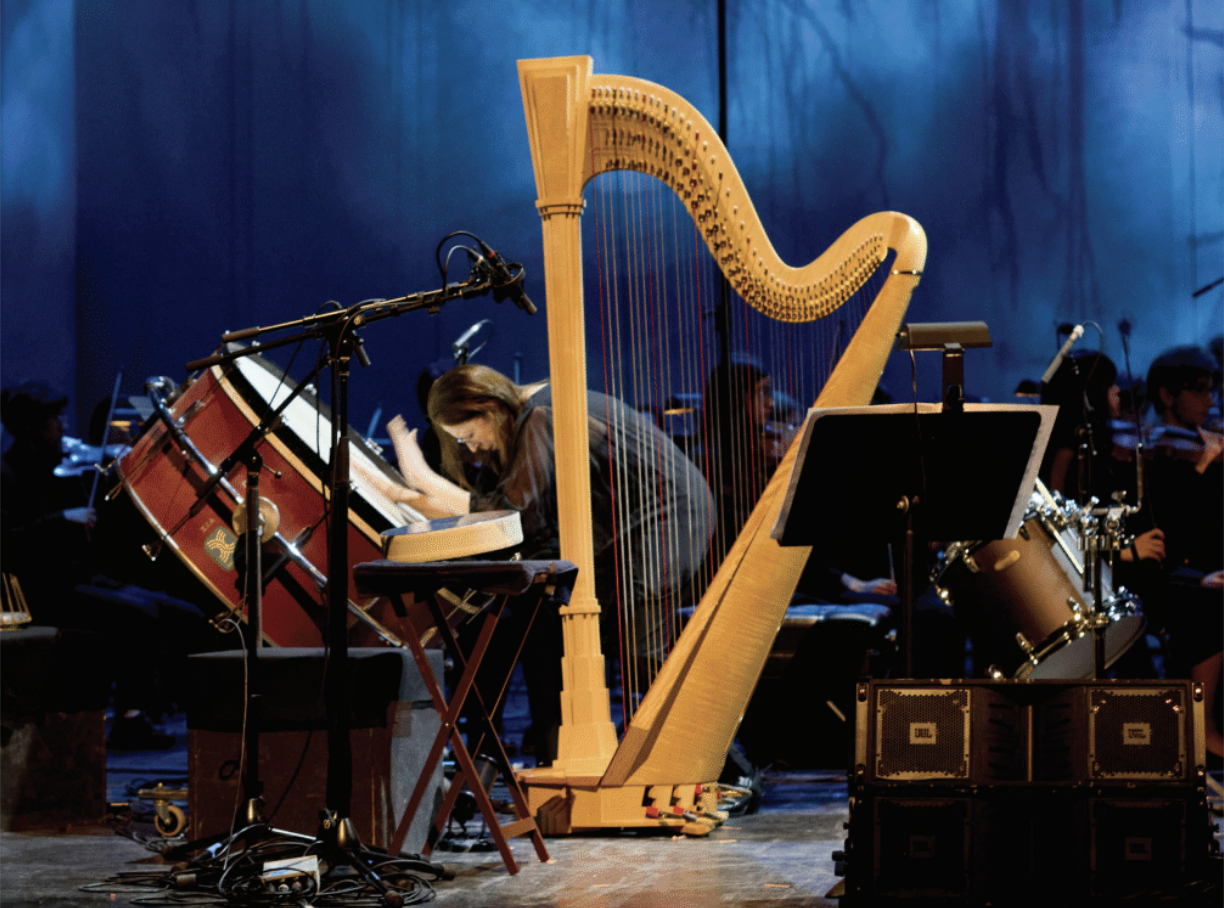
It just was such an amazing experience to learn about all these different percussion equipments. I play 18 different percussion pieces, and I’m shoving my harp across the stage, in a sort of a metaphorical journey.
CG: Could you tell me a little bit more about those logistical challenges? Principally, being a harpist, I know it’s no small feat to move a harp. And for our listeners, let me mention that the harp is about six feet tall and weighs about 80 pounds, so when you’re talking about moving — and as I understand— the harp is a main character in a musical drama. Is that correct?
YK: You said it. I just get excited every time I think about the genesis of this piece. Because initially we thought, okay, we’ll put you on stage. We’ll surround you with a ton of percussion, you may have to get up at some point. And then as we really started talking about the subject matter…
What if the harp actually, and to some degree, me as a performer were like a protagonist in this story of what we face environmentally? And what if the harp almost symbolized Earth as a “not” inanimate protagonist. And as anybody who plays the harp knows, that is not an inanimate object. You’ve got to be a harp whisperer, to play that thing.
It evolved from the idea of me sitting in one place on stage in my usual concerto position, surrounded by percussion to “what if you walked on stage just without a harp and started doing something percussive?” And from that, it evolved into this idea that my harp starts on one side of the stage. And throughout the journey of this piece, it is a journey, I literally shove it from one percussion battery to another.
CG: So, not on a dolly or anything like that. You shove it?
YK: Yes, and so that shoving was literally built into the choreography. Then, of course, we said, well, this is getting very theatrical. What if one of the movements was incorporated at a theatrical element where you’re literally walking around the stage? Maybe you’re rimming a singing bowl. Maybe you’re exploring while the orchestra does something else. So, it really kind of stretched me to my limit.

CG: We all know that you’re a passionate advocate for the environment. What inspired you to do so much for the environment and for Mother Earth?
TK: I think that when something evolves over time you begin to invest in it, emotionally and otherwise. And really, when I started truly thinking about the environment is when I had my daughter in 2002. As we know, when you have a child, you start thinking farther ahead than we do when we don’t.
I did an album called “Music of Hovhaness,” a piece on there was called, “Spirit Of Trees.” This was 20 years ago, and I thought, this music is so inspiring to me. This sounds like I’m walking through the woods and this is incredible, just being struck with the way music can conjure both a visual image and inspiration. I thought, wouldn’t it be great if we set it up so that my royalties from this album went to the Rainforest Alliance? And that was kind of the first little foray into all of this.
That eventually led to establishing my nonprofit called Earth at Heart, and writing a kids book called My Earth, My Home. You know, one thing kind of leads to another. I wanted to kind of wrap my artistic life around this unifying mission. At a certain point, I think during covid, is when I started thinking, okay, great, I’ve been doing this for decades. I played in every part of the world I could have ever dreamed of. I’ve played the traditional repertoire. I’ve commissioned some great pieces. What’s my mission, what’s my unifying idea.
And so it was a great kind of incubator during the pandemic to develop some ideas and to really have the time to follow through on them, because for busy musicians, that’s the tough part. It’s like we’re always full of ideas, but it’s the time to develop them and let them sit a minute and germinate and marinate before you take the next step.
It’s been a wonderful way to combine passions. I don’t pretend to be a climate scientist, but what I can do is work on inspiring action, inspiring awareness of things. And what better way to do that than music? I think if anybody hears this piece, “Terra infirma,” they might even be inspired to learn more about it, and in learning more about it, who knows, they might become really inspired to think about environmental concerns in a way they hadn’t before. When they’d been thrown stats and statistics and, quite honestly, very scary stuff. What a better way to reach people than through music?
Both Reena and I talked about how we didn’t want “Terra Infirma” to be some sort of musical Armageddon, even though the reality is very scary. But, I think the only way we address any problem is with hope, hope that we can do something, hope that our actions will have an effect.
“Terra Infirma” premiered live on October 30, 2025 at Interlochen Arts Academy. As of April 17, listeners will find the album digitally on all streaming platforms.
The post When Music Meets Climate Crisis: A New Concerto Echoes the Planet’s Fragility appeared first on Great Lakes Now.
Great Lakes Now
https://www.greatlakesnow.org/2026/04/21/when-music-meets-climate-crisis-a-new-concerto-echoes-the-planets-fragility/
This year marks 35 years since the Fox-Wolf Watershed Alliance was incorporated in 1991. But the organization’s story begins two years earlier, in 1989, when Jack Day and a group of community leaders began meeting to address growing concerns about the Fox and Wolf rivers, Lake Winnebago, and the Bay of Green Bay. The [...]
The post Watershed Moments: Fox-Wolf Before It Was Official appeared first on Fox-Wolf Watershed Alliance.
Fox-Wolf Watershed Alliance
https://fwwa.org/2026/04/21/watershed-moments-before-it-was-official/?utm_source=rss&utm_medium=rss&utm_campaign=watershed-moments-before-it-was-official

Lake Erie needs your vote! The Pennsylvania primary election is almost here. Races up and down the ballot will have an impact on Lake Erie, our drinking water, our health, and our wildlife.
Make sure your voice is heard in the Pennsylvania primary. Register by May 4. Vote by May 19!
You can register to vote, get information on voting by mail, and find your polling location by visiting Pennsylvania’s official voter information website at https://www.pa.gov/agencies/vote.
Share this information with friends, family, and other members of your community so they can make their voices heard, too!
Want to learn where your candidates stand on Great Lakes issues? Use these resources from our Great Lakes Voter Toolkit:
Thank you for voting!
The Alliance for the Great Lakes and the Election Season: Our Role
As a 501(c)(3) nonprofit organization, the Alliance for the Great Lakes cannot support or oppose candidates or political parties. However, we can, and do, educate candidates and voters on Great Lakes issues.
The post The Pennsylvania primary election is almost here appeared first on Alliance for the Great Lakes.
News - Alliance for the Great Lakes
https://greatlakes.org/2026/04/the-pennsylvania-primary-election-is-almost-here/

By Vivian La and Lyndsey Gilpin
This was originally published on Grist and has been adapted to include up-to-date information for northern Michigan. Find the full toolkit here.
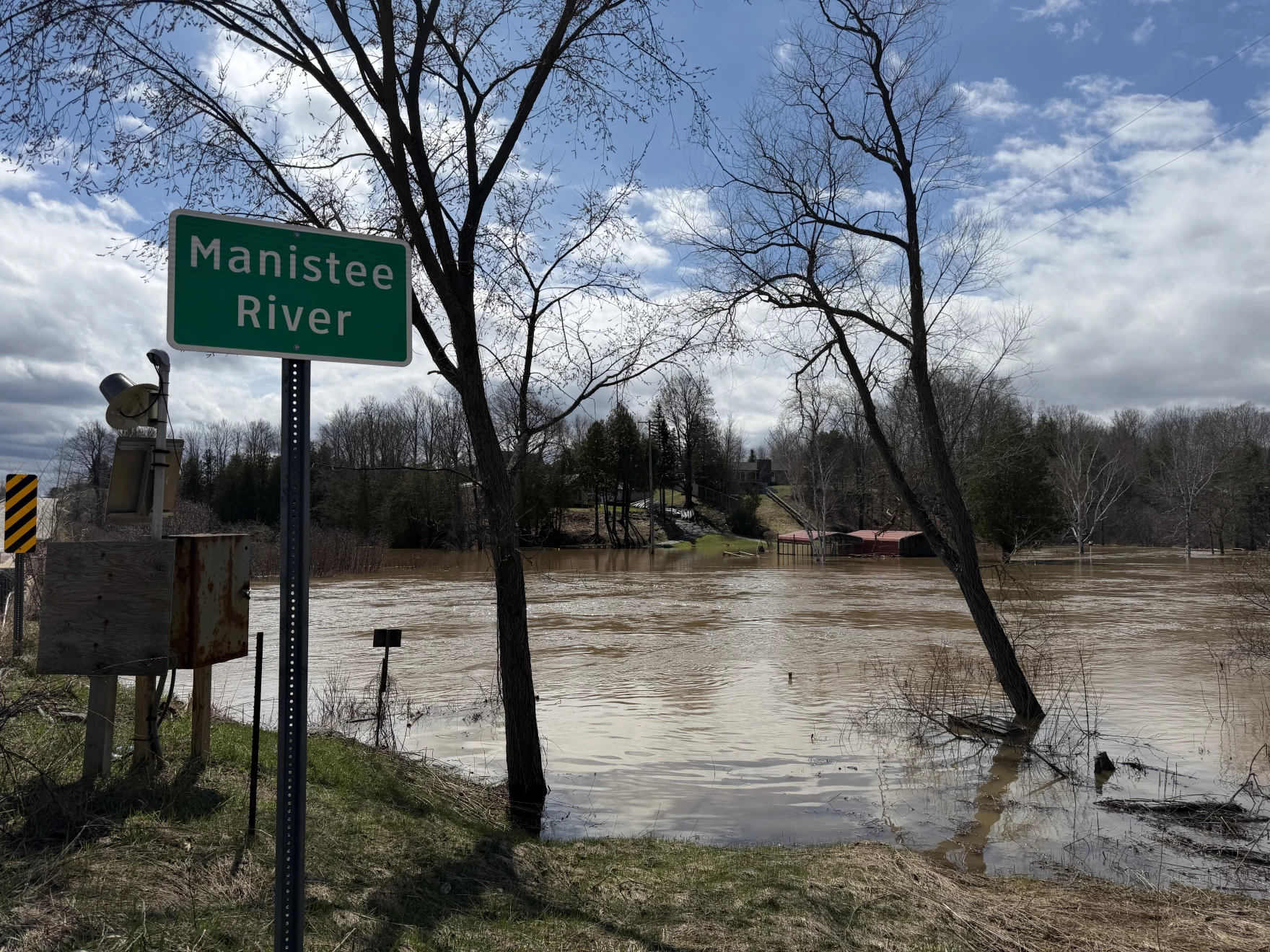
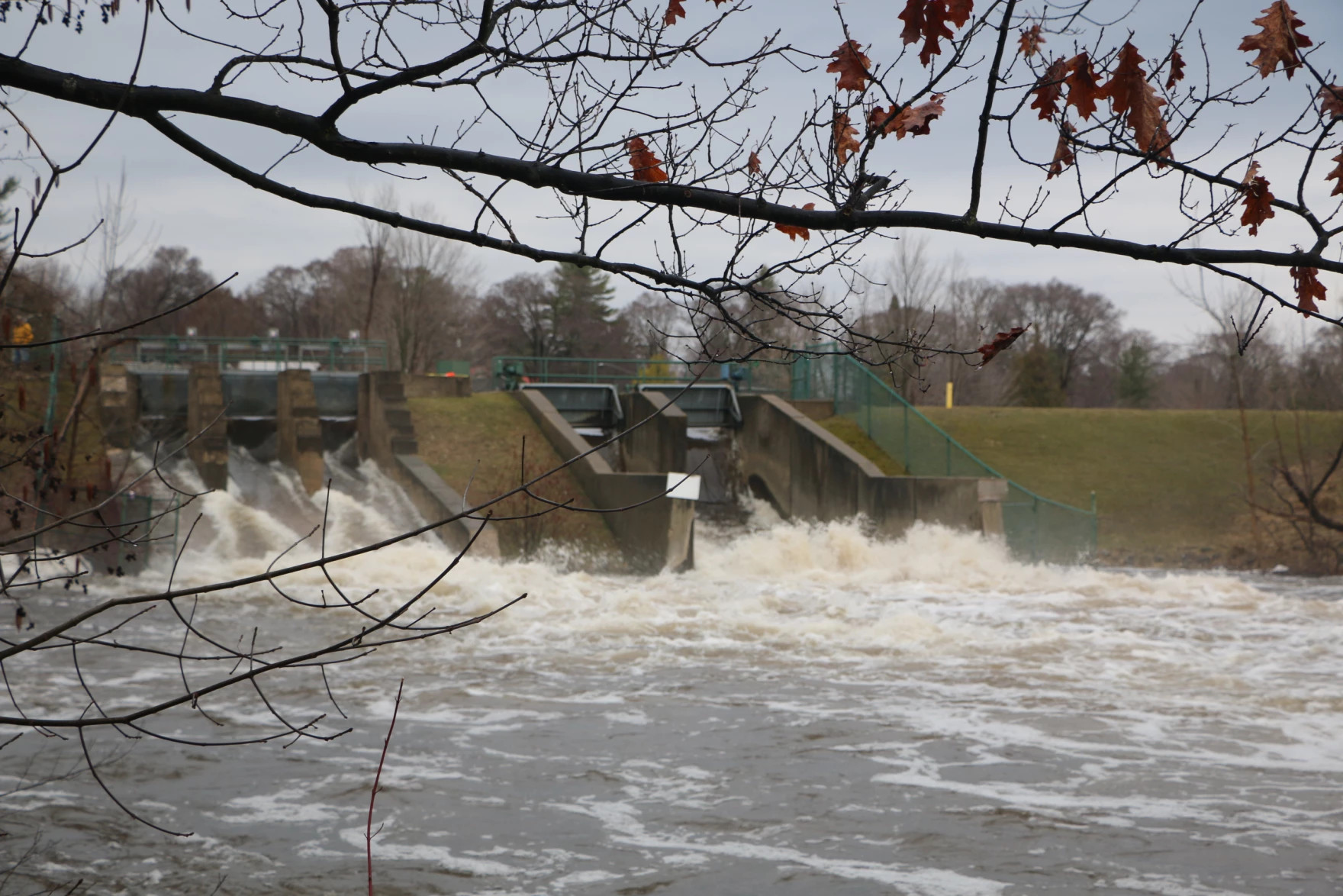
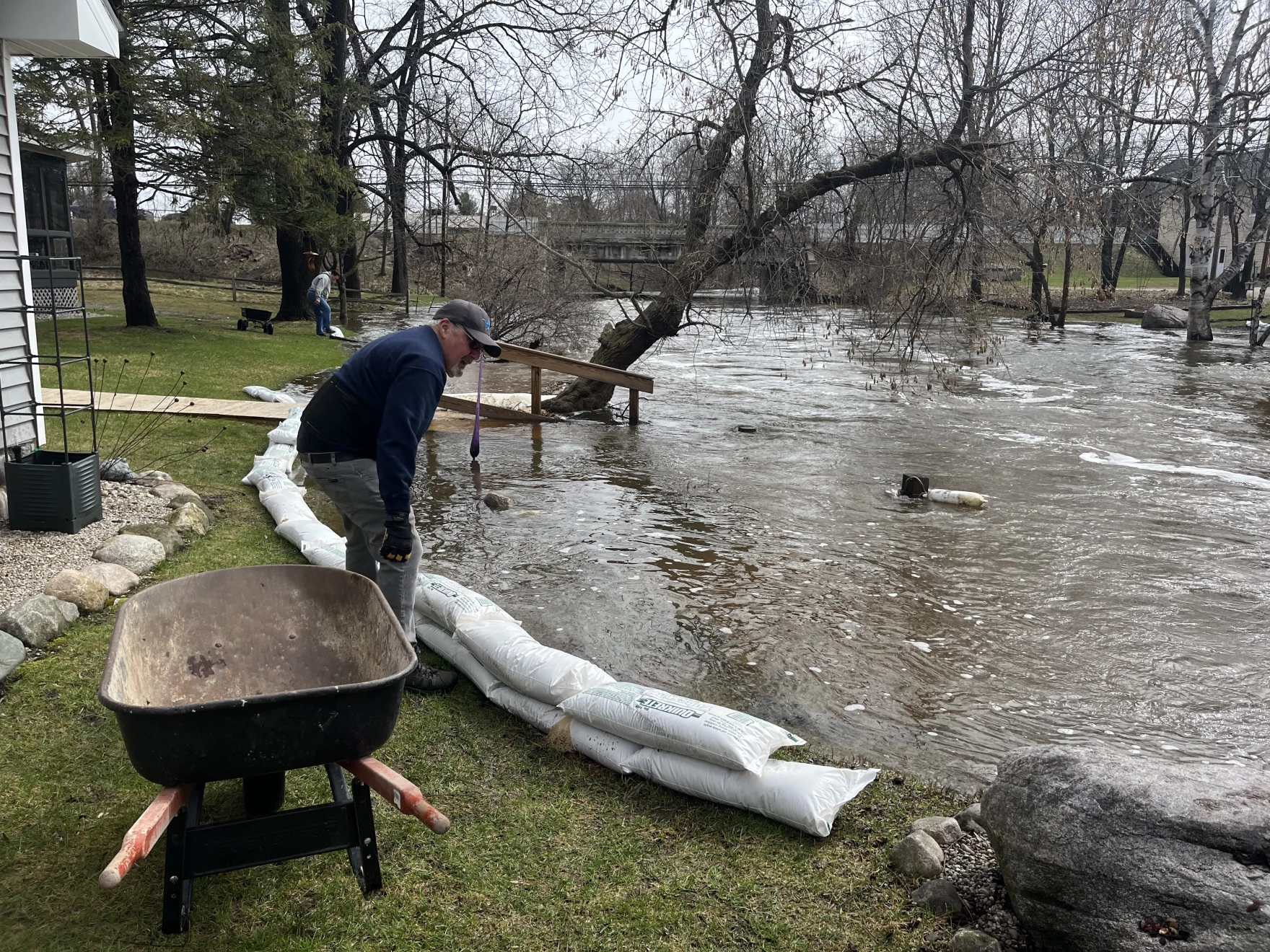
With waters rising around Northern Michigan, the risk of flooding and dam failure is affecting people across the region. That’s why it’s critical to know where to find accurate information and have a plan. Here’s a resource guide with updated information. We will continue to update this and add more response and recovery resources.
As you prepare for a disaster, it’s important to have an emergency kit ready in case you lose power or need to leave your home. Review this checklist from the Federal Emergency Management Agency, for what to pack so you can stay safe, hydrated, and healthy. (FEMA has these resources available in multiple languages here.)
Here are some of the most important things to have in your kit:
FEMA has activities for kids to make this process more fun; the ASPCA also has useful guidelines for people with pets.
Don’t forget: Documents
One of the most important things to have in your emergency kit is documents you may need to prove your residence, demonstrate extent of damage, and to vote. FEMA often requires you to provide these documents in order to receive financial assistance after a disaster. Keep these items in a water- and fire-proof folder or container. You can find more details about why you may need these documents here.
Planning for people with disabilities
Disabled people have a right to all disaster alerts in a format that is accessible. The Partnership for Inclusive Disaster Strategies, a disability-led nonprofit focused on disasters, has a list of these rights. The organization also runs a hotline for any questions: (800) 626-4959 or hotline@disasterstrategies.org.
FEMA has a list of specific planning steps for people with disabilities. Some of these recommendations include:
Shelter
If flooding risk forces you from your home, there are several ways to find a shelter.
Floodwater safety
Power outages
You may experience a power outage before or during a disaster. Here are some ways to prepare and stay safe:
You can find more power outage safety tips here, from the Energy Education Council.

Signs and symptoms of illness
Carbon monoxide poisoning: It can take just minutes to get carbon monoxide poisoning. Be on the lookout for nausea, a mild headache, and shortness of breath. More severe cases can cause confusion, chest pain, dizziness, severe headaches, and loss of coordination. The Mayo Clinic has more information on what to look out for, and FEMA has information on how to prevent carbon monoxide leaks.
Tetanus: This is an infection caused by bacteria. It’s rare, but can be more common after disasters because it’s more likely people come into contact with rusty nails, needles, or contaminated dirt. The most common symptom, which can occur anywhere from three to 21 days after exposure, is lockjaw. Tetanus is easily prevented with a vaccine. Read more here from the CDC.
Mutual aid
Mutual aid is a voluntary, collaborative exchange of resources, money, and services among community members. These groups are often local or regional, and they are more nimble and quick to respond in emergency situations because of their decentralized nature. Depending on how much funding comes in after a disaster, mutual aid groups can directly send money to those in need, purchase supplies, set up distribution sites, and more.
It is important to have a plan in case there’s an evacuation order in your area, or if you decide you want to evacuate on your own.
FEMA also has a list of key things to know when making an evacuation plan.
Always heed the advice of local officials when it comes to evacuations. Your state or county may have specific routes and plans in case there are mandatory evacuations.
It’s impossible to know what might happen to your home during a disaster, but there are many best practices to keep your belongings and property as safe as possible.
Below is a list of ways to protect your home from water and wind damage, gathered from the National Flood Insurance Program and local government sources.
How to document flood damage

If you’ve already seen damage from flooding and it’s safe to return home, it’s critical that you photograph everything that was damaged and gather any documents you can salvage for insurance claims and government aid applications.
Before you begin:
Take photos and videos
Whether you have insurance and are filing a claim, or you do not have flood insurance and you’re applying for federal assistance from FEMA, you’ll need a lot of evidence to prove the damage was caused by a disaster.
If you have insurance, take photos of the make, model, and serial number for appliances and anything else of value. Provide receipts to your adjuster to document damage for your claim.
This was originally published on Grist and has been adapted to include up-to-date information for northern Michigan. Find the full toolkit here.
The post Here’s how to prepare, as more rain falls on northern Michigan appeared first on Great Lakes Now.
Great Lakes Now
https://www.greatlakesnow.org/2026/04/20/heres-how-to-prepare-as-more-rain-falls-on-northern-michigan/
A $1.15 billion project is designed to keep invasive carp species out of the Great Lakes. Federal officials want to move management of the project to Michigan. Read the full story by Michigan Advance.
Great Lakes Commission
https://www.glc.org/dailynews/20260420-brandon-road
A flood watch remains in effect through Sunday for almost all of Michigan and residents remain advised to prepare for evacuation. Governor Gretchen Whitmer visited Cheboygan, Michigan Thursday, stating, “We are in crisis mode.” Read the full story by Bridge Michigan.
Great Lakes Commission
https://www.glc.org/dailynews/20260420-michigan-floods
Records show that local, state, and federal officials were aware of the dangers posed by the dam in Cheboygan, Michigan, for years before floodwaters pushed it to the brink of collapse. Read the full story by Great Lakes Now.
Great Lakes Commission
https://www.glc.org/dailynews/20260420-cheboygan-dam
Rain forecasts for parts of Ontario and Quebec are heightening the sense of urgency for residents with flood-prone properties, as communities deal with washouts and closed bridges and help people prepare by opening sandbag-filling stations. Read the full story by the Canadian Press.
Great Lakes Commission
https://www.glc.org/dailynews/20260420-canada-floods
A U.S. Senate resolution would allow mining near Minnesota’s Boundary Waters Canoe Area Wilderness, prompting the Grand Portage Band of Lake Superior Chippewa to condemn the move as a threat to tribal rights and water quality. Read the full story by WTIP – Grand Marais, MN.
Great Lakes Commission
https://www.glc.org/dailynews/20260420-mining-ban
An emergency training facility in Duluth, Minnesota, used by local fire departments, Lake Superior College students, and agencies from out of state is facing an expensive environmental challenge: millions of dollars could be needed to clean up contamination from PFAS. Read the full story by Northern News Now.
Great Lakes Commission
https://www.glc.org/dailynews/20260420-duluth-pfas
Shipping on the Great Lakes got underway in earnest at the end of March. Green Bay, Wisconsin, handled about 1.6 million tons of cargo last year, down about 6% from the previous season. Read the full story by Spectrum News 1.
Great Lakes Commission
https://www.glc.org/dailynews/20260420-wisconsin-shipping
The Great Lakes are often described as a climate haven, making the region appealing to people seeking stability. But are climate migrants already arriving? And how protected are the Great Lakes, really? Read the full story by Great Lakes Now.
Great Lakes Commission
https://www.glc.org/dailynews/20260420-climate-migrants
Massive cargo ships move through the Great Lakes every day, carrying the goods that help keep Michigan’s economy running. When crews need vital supplies or packages from home, a small team on the Detroit River is often the one that answers the call. Read the full story by WSMH-TV – Flint, MI.
Great Lakes Commission
https://www.glc.org/dailynews/20260420-floating-post
The 665-foot Viking Polaris will launch the season, which will continue through October, when it docks on Monday, April 20 in Detroit. Polaris ties for the largest cruise ship on the Great Lakes with its twin, the Viking Octantis. Read the full story by MLive.
Great Lakes Commission
https://www.glc.org/dailynews/20260420-cruise-ships
Heavy rain combined with the warm air this month has melted nearly all of the ice on the Great Lakes, but a few spots remain icy. Great Lakes ice cover stood at just 4.07% on Friday, April 17. Read the full story by the Detroit Free Press.
Great Lakes Commission
https://www.glc.org/dailynews/20260420-remaining-ice
What if your yard were part of a national park? That’s the idea behind the Homegrown National Park Movement, an effort to get property owners to see their land as part of a larger ecosystem. GLN’s Lisa John Rogers spoke with the movement’s co-founder Doug Tallamy to find out more.
#Wildlife #NationalParks #NativeTrees #Gardening
===========================================
Website: https://greatlakesnow.org
Facebook: https://www.facebook.com/greatlakesnow
X: https://www.x.com/greatlakesnow
Instagram: https://www.instagram.com/greatlakesnoworg
Newsletter: https://www.greatlakesnow.org/great-lakes-now-newsletter/
To learn more about supporting Detroit PBS and Great Lakes Now, visit https://www.detroitpbs.org/
The post Can your yard become a national park? | Freshwater People appeared first on Great Lakes Now.
Great Lakes Now
https://www.greatlakesnow.org/2026/04/20/can-your-yard-become-a-national-park-freshwater-people/
Great Lakes Echo
https://greatlakesecho.org/2026/04/20/grants-will-boost-research-on-pfas-contamination-of-farmland/
Green Bay, WI
https://www.weather.gov/grb/041726_tornadoes
Great Lakes Echo
https://greatlakesecho.org/2026/04/18/investing-in-greenspaces-bring-benefits-to-schools-student-well-being/

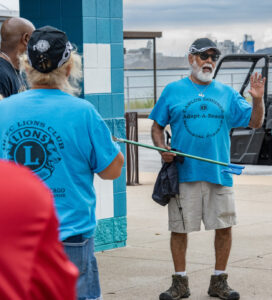
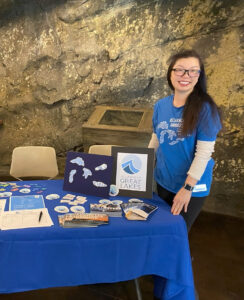
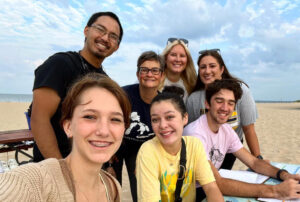
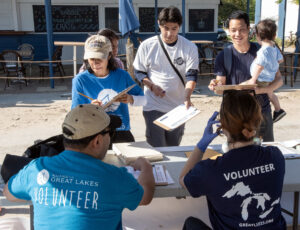
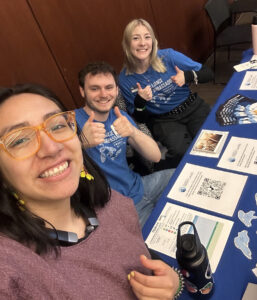
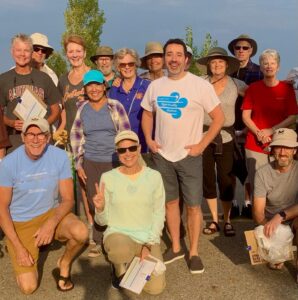
Thousands of people volunteer to protect the Great Lakes each year. Working with them truly inspires me.
Every day, they remind me that we’re part of something bigger – an amazing community that’s working together to protect the waters that give us life. And together, we’re caring for something bigger than us all – the amazing Great Lakes, the largest source of surface freshwater on our beautiful planet.
In honor of National Volunteer Week, I asked our volunteers to share a few words about why they volunteer. Take a minute to read what they said. I think they’ll inspire you!
If you’d like to join them, consider becoming an Alliance Ambassador, an Adopt-a-Beach Team Leader, or an Adopt-a-Beach volunteer.
If you’re already a volunteer, thank you for bringing your heart, your hands, and your time to protect the Great Lakes!
I’m driven by a passion for health and innovation to support cleaner, safer environments where people can truly thrive for generations to come. It’s crucial that we give back to the water that so generously sustains our community. ~ Allison, Cleveland, Ohio

One of the things that makes volunteering with the Alliance for the Great Lakes and their Adopt-a-Beach program is showing people how easy it is to work within your community for the betterment of your neighbors. Spending a few hours of a sunny day wandering around one of Chicago’s beautiful beaches, chatting with friends, and doing something nice for your neighborhood? It’s a great way to spend a day, a fun time with friends, and a meaningful impact on the place that you live. Facilitating that realization, that giving back can be winsome and substantial, is a really great gift and an honor to participate in. Seeing the reactions of attendees as we weigh bags and compare notes is a delight, and I will try to continue to host these events for as long as the Alliance will let me. ~ Andrew, Chicago, Illinois
Our motivation to start doing Adopt-a-Beach was for my brother who had just passed away. He loved the beach and spent all of his spare time there. He was always getting on those who visited with him to pack out everything they brought with them. Our family and friends gather in his memory to care for our entire beach including his special spot to make a bigger difference. His absence leaves a huge hole in our hearts, but we all feel his presence when the sun shines on our faces and toes are in the hot sand along the shores of Lake Superior. We love doing our beach clean-up and invite everyone to do their part. It’s a small effort in making a difference for our future. And as Bren would say, “Don’t forget to take our shoes off at the door!” ~ Ashley, Ontonagon, Michigan
When I volunteer with my students, they are able to see first-hand the consequences of all the disposables we use – especially plastic. Seeing all the waste on our beaches allows them to consider its impact on natural communities around us and on ourselves. They also learn that they can have a role in making things better, by reducing their own use, by taking part in cleanups, and even by advocating for environmentally-forward policies. They become more hopeful by learning that their actions make a difference! ~ Drea, Chicago, Illinois

My favorite quote/sentiment on volunteering, is from Denzel Washington: “The most selfish thing you can do is something for someone else”… At the end of the day, helping the lake and seeing the improvement you made so that everyone can enjoy it, makes you feel pretty good. ~ Eric, Pepperpike, Ohio
I volunteer for the Alliance for the Great Lakes Adopt-a-Beach cleanup because I believe in taking care of the natural spaces that give so much to our community. Living near Lake Michigan, it’s important to model environmental responsibility for my students and show them that small actions can make a big impact. I have participated with my school for the past 22 years, continuing a long-standing tradition at Pentwater Schools, andit’s something I am proud to be part of each year. ~ Erika, Hart, Michigan
Our beach cleanup days bring together multiple generations, united around a common interest in our lakeshore. Everyone has a good time, regardless of the weather and we can measure our contributions in a healthy competition with other communities. ~ Eugene, Bridgman, Michigan
I volunteered with Adopt-a-Beach because I care about our environment and all of the generations to come. The Great Lakes were a huge part of my childhood growing up in northern Michigan, and I have so many memories of spending time with friends and family, and decompressing on my own at the lakes/beach. It’s important to keep the beaches clean and safe for everyone! ~ Halley, Chicago, Illinois
The world is greater than the mistakes people have made. ~ Jack, Chicago, Illinois
I volunteer because, as a young person living in southeast Michigan, I have come to realize how important the health of the Great Lakes is to our communities and our future! Right across the Huron river, where I go to school, I see closely that our everyday lives are connected to the clean and thriving waterways. I hope more students can learn about the Great Lakes and grow to love the beautiful environment around them. Through my volunteering, I want to help bring other young people feel a stronger connection to the Great Lakes and inspire them to protect it. ~ Jihyun, Ypsilanti, Michigan
It takes a lot of work and many people to keep Presque Isle State Park beautiful. We rely on our Adopt-a-Beach volunteers to help make this possible. When people visit here, we want them to take back great memories and helping keep this park as pristine as possible helps ensure a good experience for all. ~ John, Erie, Pennsylvania

I volunteer to be a team leader for the Alliance for the Great Lakes because it will protect the health, beauty, and future of our communities. The Great Lakes are our essential natural resource and support system that supports our wildlife, provides recreation, and also connects our communities across the regions. Volunteering is a very rewarding way to give back! ~ June, Independence, Ohio
I volunteer because I believe it is our responsibility and our privilege to not just protect the Great Lakes, but to leave the world a better place than we found so that future generations can build upon our efforts. I volunteer because I believe each and every one of us can make a difference, every day. No matter the size of the impact, our efforts and good deeds ripple outward to improve the environment, help wildlife, and positively impact other people’s lives. Being active in the community and volunteering is about being a force for good. Won’t you join us? ~ Justin, Ashtabula, Ohio
I volunteer because I believe Lake Michigan is part of my DNA
~ Kathleen, Saugatuck, Michigan
Friends of the Manitowoc River Watershed’s vision is to connect people to the river in order to increase awareness of the river, its history and ecosystem, and show we care and wish to enhance the watershed. We do this to set an example for the citizens in our community. When we all pitch in we can make a giant difference. Since 2012 our volunteers have collected 9,399.81 lbs. of debris from the shores of Manitowoc River and Lake Michigan. We are very proud of our community and the efforts of the 3,034 volunteers over that timeframe. ~ Kim, Manitowoc, Wisconsin
Learning about our world and the troubles with pollution of our beaches, streams and lakes, as well as the lack of care that our fellow people in our world care about what’s happening to our world. It concerns me enough that I want to participate even in small ways! I’ve always picked up garbage that other people discard, and the wildlife creatures consuming these plastics and garbage bothers me!! So I help! ~ Lorrie, Rochester, New York
There is no more important resource than those offered by nature. I try to be a steward of these, and in particular the Great Lakes, to pass this along to future stewards. ~ Mike, Fredonia, New York
I’m grateful to be part of the volunteer team protecting the Great Lakes. I want to show my appreciation for the gift of nature. I love water sports, and joining the Adopt-a-Beach cleanups each year reminds me to reduce plastic use and keep pollution out of the lakes. I also enjoy the Great Lakes educational events, where I can give back to the community and meet other volunteers who share the same goals. To me, volunteering and gaining hands-on experience is truly invaluable. ~ Novem, Lancaster, New York

The reason why I volunteer is because of Lion Carlos Godinez. We encourage new Lions to bring new service projects and the Adopt-a-Beach program is what he bought to the table. Lion Carlos Godinez passed away, but we’re keeping his dream alive. ~ Patrick, East Chicago, Indiana
My purpose is to clean the beaches for people to be safe, most importantly so the sea life is safe from toxic material and garbage that can harm them. ~ Peg, Richland, Michigan
I love the Great Lakes and I am very aware how much they protect their surrounding areas from catastrophic weather events. That is why I do what I can to protect them with beach cleanups, with writing to my legislators and donating monetarily. ~ Sarah, Lombard, Illinois
I grew up on the shores of Lake Michigan and have such a deep love for the Great Lakes. I volunteer to help protect our beautiful inland seas so that they can continue to be a source of joy and life for generations to come. ~ Sarah, Milwaukee, Wisconsin

I volunteer because I wanted to meet kind people who care about our lakes like I do. I was very inspired after coming back from Alaska where the land was so respected. I needed to pay that forward here. I also want to teach my daughter to appreciate the earth instead of polluting it. This way we have something fun to look forward to together every summer. ~ Semaja, Chicago, Illinois
The Great Lakes are critical for so many reasons. The lakes provide food and a home to mammals, birds, and fish and they provide drinking water, a place to run, swim and sail, and a beautiful setting to connect with nature. Importantly the lakes act as a thermal buffer making the surrounding areas more livable. The Great Lakes are truly one-of-a-kind and should be respected and protected, which is why I volunteer with the Alliance for the Great Lakes. ~ Simone, Chicago, Illinois
I volunteer because the Great Lakes are so important to so many people, animals and our ecosystems! Every piece of microplastic picked up makes a huge difference. ~ Steve, Cleveland, Ohio
Growing up in western lower Michigan in the 1960s, along with the other members of my Boy Scout troop, I shoveled up dead alewives off the beaches near Grand Haven. Even as a kid, at the time I thought, there has to be a better way. Now that I am retired, I have the opportunity, resources, and more experience to lend a hand as an Ambassador to promote AFGL’s strategies to prevent/remediate the effects of invasive species, pollution, and water basin depletion, and other threats to the Great Lakes. I’ve lived in the region my entire life and love it. ~ Steve, Grayslake, Illinois

The Great Lakes provide drinking water to millions of people, support diverse ecosystems, and sustain local economies through fishing, transportation, and recreation. Protecting them means protecting public health, wildlife, and future generations. Pollution, invasive species, and climate change threaten their health, and I believe it is our shared responsibility to make sure these waters are not contaminated. Participating to protecting the Great Lakes is not just environmental work but it is an investment in sustainability, community well-being, and long-term ecological balance. ~ Suhail, Shaker Heights, Ohio
Some of my best memories on my own, with friends, or with family have been at the lakefront. It is a beautiful place for family and friends to gather for a few minutes or an entire day. In Chicago, we’re fortunate to be able to access it bike (my favorite), on foot, or public transit. To this day, riding along the lakefront on my commute to/from work has always been a great way to enter a calmness and joy at the start and end of a day. Iwant for as many generations to come to have the same privilege I have and for that reason it is important to me that we all do our part to keep the Great Lakes clean and accessible to everyone. ~ Teresita, Chicago, Illinois
Our part of the country is truly blessed to share such a magnificent resource, and I’ve never taken it for granted. The health of our lake requires effort, and we can all play a role through cleanups, supporting legislation, and contributing to the work that AGL carries out year-round. I feel fortunate that Lake Michigan and its magic have always been woven into our family’s life. ~ Theresann, Coloma, Michigan
There is something powerful about coming together to care for the natural spaces we all share. Our most recent cleanup at Mentor Lagoons Beach represents more than the weight of the litter collected. It reflects commitment, teamwork, and respect for the beauty of our great lakes. Volunteerism connects us to nature in a hands-on way, reminding us that even small actions can protect wildlife, preserve clean water, and ensure that future generations can enjoy these shorelines just as we do today. ~ William, Northfield, Ohio
The post Get Inspired by Great Lakes Volunteers appeared first on Alliance for the Great Lakes.
News - Alliance for the Great Lakes
https://greatlakes.org/2026/04/get-inspired-by-great-lakes-volunteers/
Fast-melting snowpack across Northern Michigan and days of excessive rain across the state have caused flooding issues and a 17-inch rise in lakes Michigan and Huron. Read the full story by MLive.
Great Lakes Commission
https://www.glc.org/dailynews/20260417-lake-levels
Ohio officials have urged Congress to reauthorize the soon-to-expire Great Lakes Restoration Initiative, describing it as a crucial tool for protecting drinking water, fighting invasive species and supporting a regional economy worth trillions. Read the full story by the Plain Dealer.
Great Lakes Commission
https://www.glc.org/dailynews/20260417-great-lakes-funding
The 33-pound, 30(ish)-year-old snapper who is now known as Doug the Tank was lethargic and nearly unresponsive when a rescuer pulled him from a Lake Michigan beach. He is now recovering from his misadventure at the Michigan Amphibian & Reptile Sanctuary in Kalamazoo. Read the full story by MLive.
Great Lakes Commission
https://www.glc.org/dailynews/20260417-turtle-rescue
In the state of Michigan, a $1.2 million decline in grant funding to combat invasive species is challenging conservation organizations to rethink how they protect forests, waterways and communities. Read the full story by Great Lakes Echo.
Great Lakes Commission
https://www.glc.org/dailynews/20260417-funding-cuts
The National Museum of the Great Lakes is debuting a temporary exhibit focused on the environmental stories of the Great Lakes region, all in time for Earth Day. The exhibit, “Currents of Change: The Living History of the Great Lakes,” will be on display April-October of this year. Read the full story by the WTOL-TV – Toledo, OH.
Great Lakes Commission
https://www.glc.org/dailynews/20260417-museum-exhibit
In Cheboygan, Michigan, federal officials ordered repairs to the dam last year that would have helped the 104-year-old Cheboygan Lock and Dam complex pass more water, but granted repeated extensions that have left the undersized structure with less capacity to endure what may be record-breaking floods this spring. Read the full story by Bridge Michigan.
Great Lakes Commission
https://www.glc.org/dailynews/20260417-dam-repairs
A ship moving through the Welland Canal in Port Colborne, Ontario, made contact with the bridge this week. As a precaution, the bridge has been closed to both vehicle and pedestrian traffic making for a long, re-routed drive home for some. Read the full story by CKTB – St. Catherines, ON.
Great Lakes Commission
https://www.glc.org/dailynews/20260417-welland-canal-closed
Pure Michigan advertising influenced 1.5 million vacations in Michigan from national, regional, and in-state markets targeted by the iconic campaign last year. In its 20th year, Pure Michigan is expanding the guest list to many more cities across the nation. Read the full story by MLive.
Great Lakes Commission
https://www.glc.org/dailynews/20260417-michigan-advertising