...Light Snow To Lead To Slippery Roads This Afternoon... Light snow continues to fall over much of northeast Wisconsin this afternoon. Although accumulations will remain light, the snow may create some slippery stretches on untreated roads as well as bridges and overpasses. Motorists should exercise caution and be prepared to slow down

Original Article

Current Watches, Warnings and Advisories for Brown (WIC009) Wisconsin Issued by the National Weather Service

Current Watches, Warnings and Advisories for Brown (WIC009) Wisconsin Issued by the National Weather Service

https://alerts.weather.gov/cap/wwacapget.php?x=WI1266316D4A58.SpecialWeatherStatement.126631795780WI.GRBSPSGRB.a855b1cd49ac32256c0b21a0afbc03bf

w-nws.webmaster@noaa.gov

...Light Snow To Lead To Slippery Roads This Afternoon... Light snow continues to fall over much of east-central Wisconsin at midday. Although accumulations will remain light, the snow may create some slippery stretches on untreated roads as well as bridges and overpasses. Motorists should exercise caution and be prepared to slow down

Original Article

Current Watches, Warnings and Advisories for Brown (WIC009) Wisconsin Issued by the National Weather Service

Current Watches, Warnings and Advisories for Brown (WIC009) Wisconsin Issued by the National Weather Service

https://alerts.weather.gov/cap/wwacapget.php?x=WI1266316CC2CC.SpecialWeatherStatement.1266316D4990WI.GRBSPSGRB.f107e98613fd85d82a8bb4f0e6453f2a

w-nws.webmaster@noaa.gov

A warmer than usual winter is having an adverse effect on the Great Lakes. Without colder temperatures, the region can expect more lake effect snow, a result of cold air passing over the unfrozen and relatively warm waters of the Great Lakes. Because the water is warmer, fish migration and the quantity of fish in our water could change and low water levels could also force ships to carry a lighter load to avoid being grounded. Read the full story by CTV News.

Original Article

Great Lakes Commission

Great Lakes Commission

https://www.glc.org/dailynews/20230125-winter-impacts

James Polidori

The New York State Department of Environmental Conservation (NYSDEC) recently released a report on their work across the Great Lakes in New York, and their watersheds. The most recent report highlights work done on the Genesee River to help reduce phosphorus pollution caused by runoff and other sources, among other projects. Read the full story by WROC-TV – Rochester, NY.

Original Article

Great Lakes Commission

Great Lakes Commission

https://www.glc.org/dailynews/20230125-newyork-accomplishments

James Polidori

The U.S. Environmental Protection Agency says it will study whether to toughen regulation of large livestock farms that release manure and other pollutants into waterways. Runoff of waste and fertilizers from the operations — and from croplands where manure is spread — fouls streams, rivers and lakes. It’s a leading cause of algae blooms that create hazards in many waterways and dead zones in the Gulf of Mexico and Lake Erie. Read the full story by The Associated Press.

Original Article

Great Lakes Commission

Great Lakes Commission

https://www.glc.org/dailynews/20230125-livestock-regulations

James Polidori

Local and federal officials are cautiously optimistic construction will be underway this spring for a water pipeline to serve the Oneida Nation of the Thames in southwestern Ontario. The pipeline, still in the design phase, is expected to be 18 kilometers long and connect the First Nation community with clean drinking water through the Lake Huron Water Supply System. Read the full story by Global News.

Original Article

Great Lakes Commission

Great Lakes Commission

https://www.glc.org/dailynews/20230125-water-pipeline-construction

James Polidori

Lake Huron typically sees a long-term, historical average of 28% ice coverage in mid-January; so far this winter, the coverage has been around 8%. Lake Huron’s ice coverage is usually at its highest in late February or early March. Read the full story by The Times Herald.

Original Article

Great Lakes Commission

Great Lakes Commission

https://www.glc.org/dailynews/20230125-lake-ice-cover

James Polidori

The State of Michigan has recently updated its fish consumption guidelines to account for PFAS chemicals in smelt and carp. Under the new guidelines, the state recommends eating only 6 servings of smelt a year from Lake Huron and just 1 serving a month from Lake Michigan due to PFOS levels. Read the full story by WKAR-TV – East Lansing, MI.

Original Article

Great Lakes Commission

Great Lakes Commission

https://www.glc.org/dailynews/20230125-pfas-guidelines

James Polidori

Isle Royale National Park in Lake Superior could see some changes in the years ahead under a new plan from the National Park Service. The plans include renovating historic structures like lighthouses and cabins, and offering more access and guidance to visitors. Read the full story by Interlochen Public Radio.

Original Article

Great Lakes Commission

Great Lakes Commission

https://www.glc.org/dailynews/20230125-park-plan

James Polidori

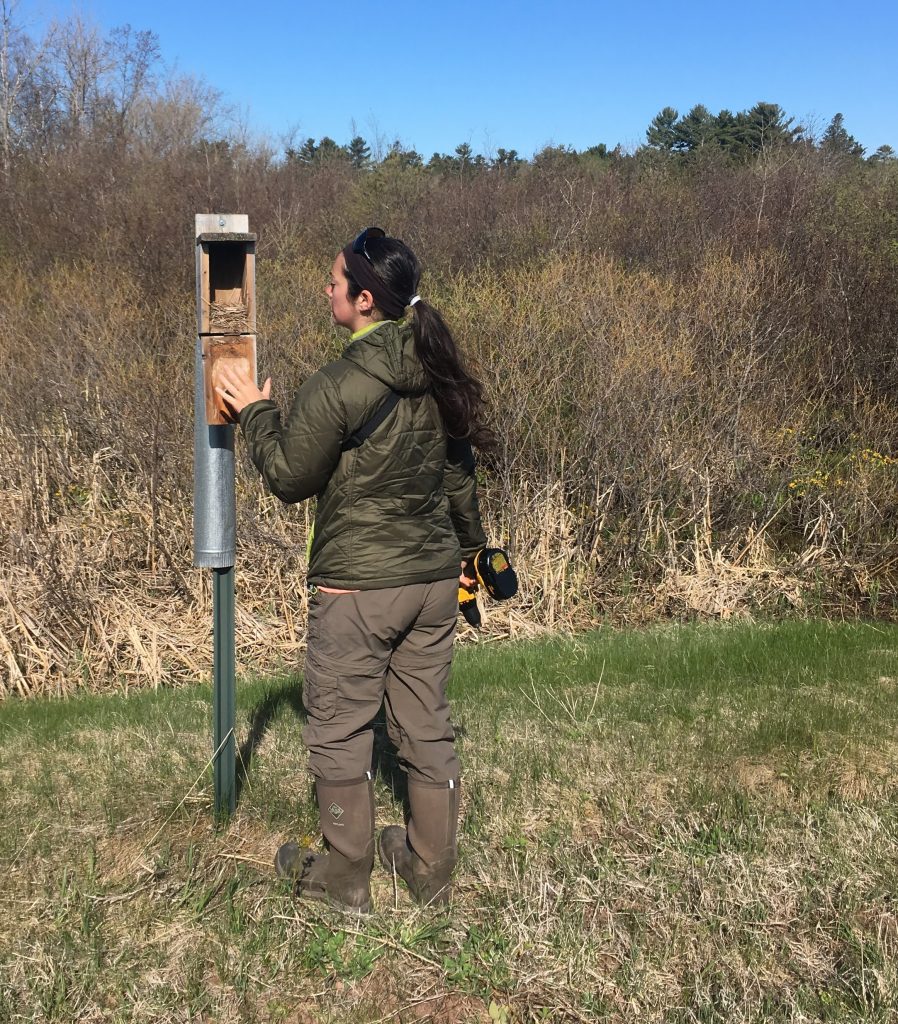
Allie Pesano. Submitted photo.

Allie Pesano first got turned onto birds as an undergraduate at Unity College in Maine. She was studying wildlife biology and, for one class, students were required to learn about various common North American wildlife species. The variety of birds sparked her curiosity, ultimately leading to her current six-month fellowship in avian toxicology with the Environmental Protection Agency’s Great Lakes Toxicology and Ecology Division in Duluth, Minnesota.

“I realized that every bird I saw wasn’t the same thing,” Pesano said. “They’re all very nuanced and unique. That led to my interest in learning more about birds in general. Even in my spare time, I would flip through the bird guide and just kind of go on a treasure hunt in my own back yard to see what kinds of birds were around.”

Her back yard was in Syracuse, New York. After obtaining her undergraduate degree, she flitted about the country like a bird, researching migrating hawks in Nevada, nesting endangered sparrows in Florida and resilient saltmarshes in Massachusetts, which, of course, provide homes for wetland birds. Most recently, she graduated with a master’s degree in integrated biosciences from the University of Minnesota Duluth. There, in collaboration with the Hawk Ridge Bird Observatory, she used satellite transmitters to determine where some unique, dark-plumaged red-tailed hawks were migrating from on their way through Duluth. These hawks are usually only found in the western part of North America and are rare in the East. This bird treasure hunt led her to northeastern Canada.

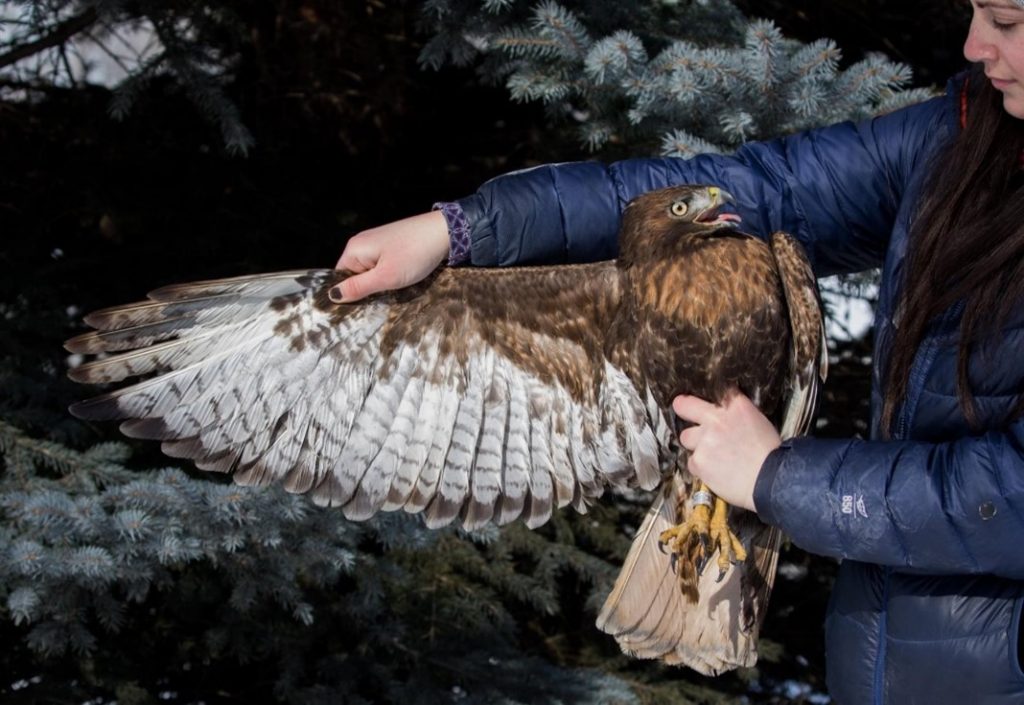
One of the dark-plummaged red-tailed hawks that Pesano studied for her master’s research. This bird was captured in the Twin Cities (Minnesota) in February 2021, and was named “Manley.” He was the first dark red-tailed hawk fitted with a satellite transmitter. Manley spent the last two summers in northern Manitoba and has returned to the same winter territory in the Twin Cities since researchers have been studying his movements. Submitted photo.

“We discovered they had been spending summers and the breeding season in northern Manitoba and Ontario. Birds that look really dark like that would not, to our historical knowledge, be nesting and breeding in those provinces usually. They would more likely nest in Alaska or British Columbia,” Pesano said.

Pesano’s latest quest involves researching the impacts of per- and polyfluorinated alkyl substances (PFAS) on the reproductive success of birds in the Duluth area. Under the mentorships of Matt Etterson and John Haselman at the EPA, Pesano is studying tree swallows, black-capped chickadees and house wrens with another EPA Fellow, Emily Pavlovic. Funded by the University of Wisconsin-Madison but working in Duluth, Pesano is looking into things like the quality and quantity of food to see if there’s any correlation between what the birds are eating and their reproductive success.

The goal of this research is to create a toxicology model that scientists can use to predict, based on contamination concentrations in the environment, what the exposure risk would be to birds in that area.

Pesano checks a tree swallow nest as part of her EPA avian PFAS study. Submitted photo.

The three-year U.S. Environmental Protection Agency Human Health and the Environment Research Fellows program is a partnership between the EPA, the University of Wisconsin-Madison and its Aquatic Sciences Center. The goal is to train the next generation of scientists in environmental and ecosystem health.

The post Allie Pesano: On a treasure hunt for birds first appeared on Wisconsin Sea Grant.

Original Article

News Releases | Wisconsin Sea Grant

News Releases | Wisconsin Sea Grant

https://www.seagrant.wisc.edu/news/allie-pesano-on-a-treasure-hunt-for-birds/?utm_source=rss&utm_medium=rss&utm_campaign=allie-pesano-on-a-treasure-hunt-for-birds

Marie Zhuikov

This project really provides a leverage for organizations to be more actively involved, and engage the community into big societal issues of our time.

The post University of Michigan hosts smelly art installation first appeared on Great Lakes Echo.

Original Article

Great Lakes Echo

Great Lakes Echo

http://greatlakesecho.org/2023/01/25/university-of-michigan-hosts-smelly-art-installation/

Guest Contributor

Science Says What? Climate change, deluges and snow days

Science Says What? is a monthly column written by Great Lakes now contributor Sharon Oosthoek exploring what science can tell us about what’s happening beneath and above the waves of our beloved Great Lakes and their watershed.

The Great Lakes contain a whopping 5,500 cubic miles of freshwater, making them one of largest sources of freshwater in the world – large enough in fact to influence the region’s weather which impacts the 40 million people living around the lakes.

Read Now at Great Lakes Now.

Original Article

Great Lakes Now

Great Lakes Now

https://www.greatlakesnow.org/2023/01/science-says-what-climate-change-deluges-snow-days/

Sharon Oosthoek

2023 federal policy priorities.

Significant progress has been made in protecting and restoring the Great Lakes. But much more needs to be done. Too many Great Lakers experience polluted water, whether it is lead-tainted water coming from taps in homes or algal blooms fouling beaches. Invasive species threaten the lakes, and plastic pollutes our beaches and drinking water.  

In our 2023 federal policy priorities, we’ve identified the top five opportunities for Congress and federal agencies to address these challenges. Many of these priorities are familiar. Congress and the administration must keep up the momentum generated over the past few years to fix our water infrastructure, stop invasive species, and support on-the-ground restoration projects.  

Equity and justice are embedded throughout these policy priorities. Equity and justice must be considered at every step of the federal decision-making process to ensure that all Great Lakers have access to safe, clean, affordable water. Federal water programs must prioritize low-income communities and communities of color, where the burden of pollution often hits hardest. Repairing the long-term harm from environmental injustices isn’t a one-off action. Instead, Congress and the administration must ensure that community voices are at the table, and listened to, from the beginning of all decision-making.  

This year, we have two new priority areas focused on opportunities we’ve identified for the federal government to push forward new approaches to long-standing problems. First is the Farm Bill, which only happens every five years and sets national agriculture and food policy. We see an opportunity to improve federal agriculture subsidy programs to make sure farmers produce clean water, not pollution, along with their crops. Second, concern about plastic pollution continues to grow, and Congress can act to limit plastic pollution by reducing it at the source and not once it is a problem on our beaches and in our communities.  

Read on for full details of our 2023 Great Lakes federal policy priorities, or download the fact sheet to learn more.

Water infrastructure.

Increase water infrastructure funding, prioritize funding for communities most in need 

The infrastructure bill passed by Congress late in 2021 was an important down payment to fix the nation’s failing and outdated water infrastructure. The funding will jump-start efforts to replace dangerous lead pipes, fix leaky pipes, and stop sewage overflows.  

However, the funding is only a start. It’s estimated that the Great Lakes region will need at least $188 billion over the next twenty years to fix our water infrastructure problems. Currently, the infrastructure bill will provide Great Lakes states with an additional $1.8 billion per year for the next five years. It is clearly not enough. We need to keep the pressure on Congress to provide additional funds for water infrastructure programs. Additionally, funding programs must be structured to ensure that money reaches communities with the highest need, such as those with many lead pipes. 

In 2023, we urge Congress to: 

  • Increase annual funding to at least $8 billion for the Drinking Water and Clean Water State Revolving Funds  
  • Increase by $1 billion annual funding levels for lead service line replacement and emerging contaminants  
  • Pass a federal ban on water shutoffs 
  • Establish a federal program to provide financial assistance for water and sewer bills 

In 2023 we urge the U.S. Environmental Protection Agency to: 

  • Work with states to ensure equitable distribution of infrastructure funding and provide technical assistance to disadvantaged and underserved communities  
  • Complete the Drinking Water Needs Assessment in early 2023 to increase the amount of lead service line funding to Great Lakes states which have the highest number of lead pipes in the country

Download the water infrastructure fact sheet.

Agriculture.

Pass a Farm Bill that prioritizes clean water 

Agriculture is the largest unaddressed source of nonpoint pollution in the Great Lakes region. Runoff from agricultural lands puts the Great Lakes at risk. It pollutes drinking water, threatens wildlife, harms the regional economy, and prevents people from enjoying recreation on the Great Lakes. 

Every five years, Congress develops a “farm bill,” a major package of legislation that sets the agenda and funding for national farm and food policy. In 2023, Congress can pass a Farm Bill that ensures farms produce clean water, not pollution, along with their crops.  

In 2023, we urge Congress to pass a Farm Bill that: 

  • Increases funding for US Department of Agriculture conservation programs  
  • Includes provisions to ensure accountability for farm conservation programs aimed at stopping runoff pollution from agricultural lands
  • Reduces funding for concentrated animal feeding operations 
Plastic pollution.

Pass legislation to stop plastic pollution  

Researchers estimate that 22 million pounds of plastic pollution enter the Great Lakes each year. Plastic pollution isn’t just an unsightly problem in our waterways. It’s estimated that humans ingest a credit card-sized amount of plastic each week, with unknown long-term consequences for our health. 

For many years, efforts to stop plastic pollution put the responsibility on the end-user, such as recycling. But only a fraction of plastic produced each year is recycled, leaving the remainder to end up in landfills or as litter that lands in our waterways. The alternative is to require plastic producers to be responsible for their products through their lifecycle, which is called extended producer responsibility. Congress has an opportunity to be a leader on this issue.  

In 2023, we urge Congress to pass legislation that: 

  • Makes plastic waste producers responsible for its reduction 
  • Reduces the federal government’s use of single-use plastics 
  • Funds additional research on the public health impact of plastics

Download the plastic pollution fact sheet.

Invasive species.

Protect the Great Lakes from aquatic invasive species  

Invasive species have caused irreparable harm to the Great Lakes ecosystem and cost the region billions of dollars since the late 1980s. Preventing them from ever entering is the best way to protect the Great Lakes. The battle against invasive species is focused on two fronts – stopping invasive carp from entering the Great Lakes and cleaning up ship ballast tanks.  

Established populations of invasive carp are only 50 miles from Chicago and Lake Michigan. But it’s not too late to prevent them from reaching the lakes. The U.S. Army Corps of Engineers has proposed constructing additional carp prevention measures at the Brandon Road Lock and Dam near Joliet, Illinois. The facility is a critical choke point in the waterways leading to Lake Michigan. Congress and federal agencies must continue to support this project.  

The St. Lawrence Seaway opened the Great Lakes to direct ocean-going shipping. Unfortunately, ships brought invasive species along for the ride in their ballast tanks. Although regulations to clean up ship ballast tanks have reduced introductions, loopholes remain for “lakers,” ships operating solely in the Great Lakes. The US EPA can close that loophole. 

In 2023, we urge Congress to: 

  • Fund the next phases of construction of the Brandon Road project to stop invasive carp 

In 2023, we urge federal agencies to take the following actions: 

  • The U.S. Army Corps of Engineers should continue implementing the Brandon Road project with public participation and work with the state of Illinois to finalize the project partnership agreement. 
  • The U.S. EPA should issue rules requiring all vessels operating on the Great Lakes, including lakers, to clean up their ballast tanks.

Download the invasive species fact sheet.

Great Lakes restoration.

Update and fund Great Lakes restoration programs 

The Great Lakes Restoration Initiative (GLRI) is one of the most important tools in the region’s toolbox to protect and restore the lakes. The program provides funding for on-the-ground restoration projects, from wetland restoration to cleaning up toxic hotspots. In addition to environmental benefits, GLRI funding garners an additional 3-to-1 return in economic benefits.  

While we need continued investment in Great Lakes restoration, the strategy guiding the GLRI was developed almost 20 years ago and needs an update. Federal agencies should revise the Great Lakes restoration strategy to address the next generation of threats to the lakes, including climate change and long-standing environmental injustices.  

In 2023, we urge Congress to: 

  • Fund the GLRI with at least $425 million in FY24 

In 2023, we urge federal agencies to take the following actions: 

  • The White House and U.S. EPA should update the Great Lakes action plan to address environmental injustice, climate resilience, and the next generation of risks to the Great Lakes.
  • The U.S. Army Corps of Engineers should include large-scale natural infrastructure in the Great Lakes Coastal Resiliency Study to address extreme water level changes caused by climate change. 

Download the Great Lakes restoration fact sheet.

The post Top 5 Great Lakes Federal Policy Priorities for 2023 appeared first on Alliance for the Great Lakes.

Original Article

News - Alliance for the Great Lakes

News - Alliance for the Great Lakes

https://greatlakes.org/2023/01/top-5-great-lakes-federal-policy-priorities-for-2023/

Judy Freed

In addition, the pandemic sparked individual decisions to spend more time outside.

The post National park attendance, student activities, reflect outdoor habits adopted in the pandemic first appeared on Great Lakes Echo.

Original Article

Great Lakes Echo

Great Lakes Echo

http://greatlakesecho.org/2023/01/24/national-park-attendance-student-activities-reflect-outdoor-habits-adopted-in-the-pandemic/

Guest Contributor

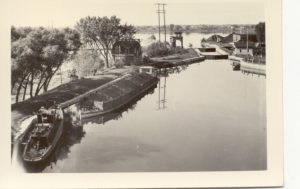
Over the next few months, you may notice some activity at the locks. Crews will start removing trees from the levees around the locks to preserve the integrity of the earthen levees. Although we love the trees, they pose a danger for long term preservation of the levees.
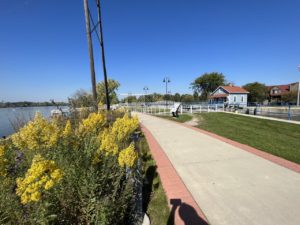
The levees, or dikes as some people call them, are earthen barriers that are between the actual Fox River and the navigational channels on the lock system. The levees hold back the river current and help support the structure of the locks, but tree roots compromise their structure.

As trees grow, their long roots seek out water in the Fox River and the navigation channels. Once the tree declines and dies, the roots rot and leave voids in the levees which become entry and exit points for water. The wind and wave action in the Fox River gradually increase the voids over years, then soil shifts in the bank creating unstable levees.

This is what happened at the DePere lock in 2019. “We removed several large, rotting root balls from the levee and could clearly see where the voids were making the soil unstable,” said Jeremy Cords, operations director for the Fox Locks. “Water levels on the Fox River change frequently, so we need to find a solution that will preserve the earthen structures for the long term.”
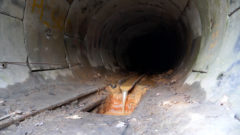
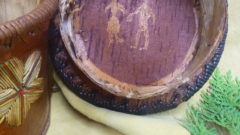
Over the next 3-5 years, crews plan to remove 15-25% of the trees annually from the levees and remove root balls. Once trees are removed, crews will pack the root voids with materials that meet DNR and geotechnical engineering standards.

For any questions concerning this effort, please contact us at info@foxlocks.org.

Original Article

Blog – Fox Locks

Blog – Fox Locks

http://foxlocks.org/2023/01/23/tree-removal-to-protect-levees/

Fox Locks

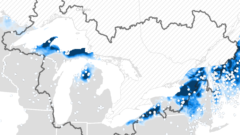
Mapping the Great Lakes: Snowfall in the snowbelt

Love staring at a map and discovering something interesting? Then “Mapping the Great Lakes” is for you. It’s a monthly Great Lakes Now feature created by Alex B. Hill, a self-described “data nerd and anthropologist” who combines cartography, data, and analytics with storytelling and human experience.

Read Now at Great Lakes Now.

Original Article

Great Lakes Now

Great Lakes Now

https://www.greatlakesnow.org/2023/01/mapping-great-lakes-snowfall-snowbelt/

Alex Hill

A map of forever chemicals detection in the Great Lakes reveals samples caught in the Detroit River, the southern opening of the St. Clair River, the Black River at the north opening, and multiple spots of Lake Erie all came back positive for dangerous amounts of PFAS. Read the full story by WJBK – TV – Detroit, MI.

Original Article

Great Lakes Commission

Great Lakes Commission

https://www.glc.org/dailynews/20230123-pfas

Jill Estrada

Over the next five years, the city of Yorkville, Illinois will need to complete a $17 million to $18 million engineering project to replace old, leaky water mains, if it is to receive a permit from the Illinois Department of Natural Resources to tap into the lake. Read the full story by Shaw Local News.

Original Article

Great Lakes Commission

Great Lakes Commission

https://www.glc.org/dailynews/20230123-water-source

Jill Estrada

The Freshwater Research and Innovation Center, a new facility planned for the Discovery Center & Pier property on West Grand Traverse Bay, Michigan is expected to provide a space for students, scientists and entrepreneurs to test new technologies. Read the full story by the Traverse City Record-Eagle.

Original Article

Great Lakes Commission

Great Lakes Commission

https://www.glc.org/dailynews/20230123-freshwater-lab

Jill Estrada

Nibi Chronicles: “The trees of our homeland”

Editor’s Note: “Nibi Chronicles,” a monthly Great Lakes Now feature, is written by Staci Lola Drouillard. A direct descendant of the Grand Portage Band of Ojibwe, she lives and works in Grand Marais on Minnesota’s North Shore of Lake Superior. Her two books “Walking the Old Road: A People’s History of Chippewa City and the Grand Marais Anishinaabe” and “Seven Aunts” were published 2019 and 2022, and she is at work on a children’s story.

Read Now at Great Lakes Now.

Original Article

Great Lakes Now

Great Lakes Now

https://www.greatlakesnow.org/2023/01/nibi-chronicles-trees-of-our-homeland/

Staci Lola Drouillard

U.S. Rep. Nick Langworthy (R-NY) introduced a bill Wednesday that would stop potential Great Lakes wind farms from getting tax credits, a legislation that would effectively deter construction of new wind farms. Read the full story by the Olean Times Herald.

Original Article

Great Lakes Commission

Great Lakes Commission

https://www.glc.org/dailynews/20230120-wind-farms

Theresa Gruninger

The National Oceanic and Atmospheric Administration (NOAA) has proposed to designate a National Marine Sanctuary in eastern Lake Ontario that will preserve, interpret, and protect the region’s submerged maritime heritage resources and artifacts. Read the full story by WSYR-TV – Syracuse, NY.

Original Article

Great Lakes Commission

Great Lakes Commission

https://www.glc.org/dailynews/20230120-nms

Theresa Gruninger

The above-seasonal temperatures and lack of snow are resulting in some unusual sightings for birders in Windsor-Essex, Ontario, but the lack of snow and warm temperatures also increases rat population, city says. Read the full story by CBC News.

Original Article

Great Lakes Commission

Great Lakes Commission

https://www.glc.org/dailynews/20230120-warm-winter

Theresa Gruninger

In Montreal, an invasive grass, common reed, is slowly taking over Îles-de-Boucherville provincial park but researchers are now using drones and artificial intelligence to map the plant’s relentless spread. Read and  view the full story by CBC News.

Original Article

Great Lakes Commission

Great Lakes Commission

https://www.glc.org/dailynews/20230120-phrag

Theresa Gruninger

Fincantieri Marine Group announced Wednesday it has reached an agreement to design and build a 288-foot, Jones Act-compliant service operation vessel (SOV), a purpose-built vessel used to transport technicians to service offshore U.S. wind turbines. FBS will build the vessel at its shipyard in Sturgeon Bay, Wisconsin for delivery in 2026. Read the full story by gCaptain.

Original Article

Great Lakes Commission

Great Lakes Commission

https://www.glc.org/dailynews/20230120-ships

Theresa Gruninger

Great Lakes preservationists received a significant boost in December with the bipartisan passage of the Water Resources Development Act (WRDA). The Act provides significant resources for protecting the Great Lakes, including funding for preventing the infiltration of invasive carp. Read the full story by The North Shore Weekend.

Original Article

Great Lakes Commission

Great Lakes Commission

https://www.glc.org/dailynews/20230120-carp

Theresa Gruninger

Erie, Pennsylvania City Council recently passed an ordinance creating an Environmental Advisory Council (EAC). The EAC will build capacity and support community outreach efforts at a time when Erie’s environmental ambitions continue to grow. Read the full story by Go Erie.


Original Article

Great Lakes Commission

Great Lakes Commission

https://www.glc.org/dailynews/20230120-erie-pa

Theresa Gruninger

Multi-state group prepares Great Lakes basin for effects of climate change

Climate change is already affecting the Great Lakes. One group is urging the Great Lakes states and Canadian provinces to coordinate their efforts to make the Great Lakes basin more resilient to those changes.

Climate change contributed to the rapid rise in Great Lakes water levels a few years ago.

Read Now at Great Lakes Now.

Original Article

Great Lakes Now

Great Lakes Now

https://www.greatlakesnow.org/2023/01/group-great-lakes-basin-effects-climate-change/

Michigan Radio

...THE BULK OF THE SNOW FROM THE STORM HAS FALLEN, BUT LIGHT SNOW AND A WINTRY MIX WILL CONTINUE THIS AFTERNOON... Precipitation from a storm system crossing the Great Lakes region will continue to affect Wisconsin this afternoon. At 1140 am, the primary heavy snow band with the system was over Upper Michigan and far northwest Wisconsin. Light snow, mixed at times with

Original Article

Current Watches, Warnings and Advisories for Brown (WIC009) Wisconsin Issued by the National Weather Service

Current Watches, Warnings and Advisories for Brown (WIC009) Wisconsin Issued by the National Weather Service

https://alerts.weather.gov/cap/wwacapget.php?x=WI126631113164.SpecialWeatherStatement.126631119500WI.GRBSPSGRB.3b77a733acfe35fc01f412b80021d336

w-nws.webmaster@noaa.gov

Note to Editors: In the public interest and in accordance with FAA regulations, the USGS is announcing this low-level airborne project. Your assistance informing the local communities is appreciated. 

Original Article

Region 3: Great Lakes

Region 3: Great Lakes

http://www.usgs.gov/news/state-news-release/media-alert-low-flying-helicopter-will-survey-illinois-river-basin-geologic?utm_source=comms&utm_medium=rss&utm_campaign=news

hkoontz@usgs.gov

...THE BULK OF THE SNOW FROM THE STORM HAS FALLEN, BUT LIGHT SNOW AND A WINTRY MIX WILL CONTINUE INTO THIS AFTERNOON... A powerful storm system continued to affect Wisconsin this morning. At 910 am, the primary heavy snow band with the system was over Upper Michigan and far northern Wisconsin. Snowfall rates of 1 to 2 inches per hour occurred overnight and early this

Original Article

Current Watches, Warnings and Advisories for Brown (WIC009) Wisconsin Issued by the National Weather Service

Current Watches, Warnings and Advisories for Brown (WIC009) Wisconsin Issued by the National Weather Service

https://alerts.weather.gov/cap/wwacapget.php?x=WI12663110D7F0.SpecialWeatherStatement.126631111FD0WI.GRBSPSGRB.3b77a733acfe35fc01f412b80021d336

w-nws.webmaster@noaa.gov

...SNOW DIMINISHING FROM SOUTH TO NORTH TODAY... .A Low pressure system centered over northwest Illinois this morning will track to central Lower Michigan by mid-afternoon. The primary snow band with the storm was over northern Wisconsin at 800 am, and will shift into Upper Michigan during the mid to late morning. Lighter snow as well as some drizzle and freezing drizzle will

Original Article

Current Watches, Warnings and Advisories for Brown (WIC009) Wisconsin Issued by the National Weather Service

Current Watches, Warnings and Advisories for Brown (WIC009) Wisconsin Issued by the National Weather Service

https://alerts.weather.gov/cap/wwacapget.php?x=WI12663110B4C8.WinterStormWarning.1266311146E0WI.GRBWSWGRB.0ef0fa1746e4afc44a920a413efb2a37

w-nws.webmaster@noaa.gov

...HEAVIEST SNOWS NOW OVER NORTHERN WISCONSIN... A powerful storm system continued to affect Wisconsin this morning. At 740 am, the primary heavy snow band with the system was across northern Wisconsin. Snowfall rates around 1 inch per hour were occurring with the band. It will continue to slowly shift north, so heavy snow will continue across far northern

Original Article

Current Watches, Warnings and Advisories for Brown (WIC009) Wisconsin Issued by the National Weather Service

Current Watches, Warnings and Advisories for Brown (WIC009) Wisconsin Issued by the National Weather Service

https://alerts.weather.gov/cap/wwacapget.php?x=WI12663110945C.SpecialWeatherStatement.12663110DD68WI.GRBSPSGRB.3b77a733acfe35fc01f412b80021d336

w-nws.webmaster@noaa.gov

...SNOW TO PRODUCE HAZARDOUS TRAVEL CONDITIONS TODAY... .Low pressure tracking from northern Missouri to the central Lower Michigan will continue to snow to the area today. The snow may taper to drizzle or freezing drizzle as it diminishes throughout the day. The snow will result in hazardous travel conditions, especially for the morning commute.

Original Article

Current Watches, Warnings and Advisories for Brown (WIC009) Wisconsin Issued by the National Weather Service

Current Watches, Warnings and Advisories for Brown (WIC009) Wisconsin Issued by the National Weather Service

https://alerts.weather.gov/cap/wwacapget.php?x=WI1266310FED90.WinterStormWarning.1266311146E0WI.GRBWSWGRB.0ef0fa1746e4afc44a920a413efb2a37

w-nws.webmaster@noaa.gov

...SNOW TO PRODUCE HAZARDOUS TRAVEL CONDITIONS TONIGHT INTO THURSDAY... .Low pressure tracking from northern Missouri to the central Lower Michigan will bring snow to the area tonight and Thursday. The snow may taper to drizzle or freezing drizzle as it diminishes Thursday. The snow will result in hazardous travel conditions, especially for

Original Article

Current Watches, Warnings and Advisories for Brown (WIC009) Wisconsin Issued by the National Weather Service

Current Watches, Warnings and Advisories for Brown (WIC009) Wisconsin Issued by the National Weather Service

https://alerts.weather.gov/cap/wwacapget.php?x=WI1266310EE710.WinterStormWarning.1266311146E0WI.GRBWSWGRB.0ef0fa1746e4afc44a920a413efb2a37

w-nws.webmaster@noaa.gov