Update on Hurricane Helene’s Impacts to NCEI
NCEI News Feed
https://www.ncei.noaa.gov/news/update-hurricane-helenes-impacts-ncei
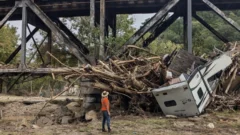
Helene’s impacts to NCEI headquarters in Asheville, NC continue, but services are being restored and many systems are beginning to come back online.
NCEI News Feed
https://www.ncei.noaa.gov/news/update-hurricane-helenes-impacts-ncei
NCEI News Feed
https://www.ncei.noaa.gov/news/update-hurricane-helenes-impacts-ncei
NCEI News Feed
https://www.ncei.noaa.gov/news/update-hurricane-helenes-impacts-ncei
NCEI News Feed
https://www.ncei.noaa.gov/news/update-hurricane-helenes-impacts-ncei
NCEI News Feed
https://www.ncei.noaa.gov/news/update-hurricane-helenes-impacts-ncei
NCEI News Feed
https://www.ncei.noaa.gov/news/update-hurricane-helenes-impacts-ncei
NCEI News Feed
https://www.ncei.noaa.gov/news/update-hurricane-helenes-impacts-ncei
NCEI News Feed
https://www.ncei.noaa.gov/news/update-hurricane-helenes-impacts-ncei
NCEI News Feed
https://www.ncei.noaa.gov/news/update-hurricane-helenes-impacts-ncei
NCEI News Feed
https://www.ncei.noaa.gov/news/update-hurricane-helenes-impacts-ncei
NCEI News Feed
https://www.ncei.noaa.gov/news/update-hurricane-helenes-impacts-ncei
As we approach the middle of autumn in Northeast Wisconsin, folks are starting to tackle outside projects to prepare for winter. You might be raking leaves, winterizing your spigots, and cleaning up your vegetable garden. Folks are also looking at their backyard ponds and starting to get things wrapped up for the year.
Want a few tips? Check out this short video with Melinda Myers. Melinda, a former Extension Master Gardener Educator herself, is well–known throughout the state and nationally as a gardening expert and trusted voice to bring education, including invasive species education, to gardeners!
Photo Credit:
Questions? Comments? Contact Chris Acy, the AIS Coordinator covering Brown, Outagamie, Fond du Lac, Calumet, and Winnebago Counties at (920) 460-3674 or chris@fwwa.org!
Follow the Fox Wolf Watershed Alliance on our Fox-Wolf Watershed Alliance Facebook page or @fox_wolf_watershed_alliance on Instagram! You can also sign-up for email updates at fwwa.org.
The Fox-Wolf Watershed Alliance is an independent nonprofit organization that identifies and advocates effective policies and actions that protect, restore, and sustain water resources in the Fox-Wolf River Basin.
Reporting invasive species is a first step in containing their spread. Maintaining and restoring our waters and landscapes can reduce the impacts even when we don’t have other management options to an invasive species.
The post Fall Water Garden Clean Up to Keep Our Lakes Healthy appeared first on Fox-Wolf Watershed Alliance.
Fox-Wolf Watershed Alliance
https://fwwa.org/2024/10/17/fall-water-garden-clean-up-to-keep-our-lakes-healthy/?utm_source=rss&utm_medium=rss&utm_campaign=fall-water-garden-clean-up-to-keep-our-lakes-healthy

Retirement is in sight for one of the country’s largest coal plants. Ohio’s James M. Gavin plant, the third most gargantuan in the Midwest and sixth nationwide, will likely be closed or converted to run on gas by 2031, Inside Climate News reported. The two coal plants in the region with more generating capacity — the Gibson plant in Indiana and the Monroe plant in Michigan — are set to retire in 2038 and 2032, respectively, after electric utility Duke Energy proposed a couple of weeks ago to delay the Gibson plant’s closure or conversion by three years from its previous target of 2035.
Great Lakes Now
https://www.greatlakesnow.org/2024/10/energy-news-roundup-retirement-is-in-sight-for-another-huge-coal-plant/
Editor: In the public interest and in accordance with Federal Aviation Administration regulations, the USGS is announcing this low-level airborne project. Your assistance in informing the local communities is appreciated.
Wisconsin
https://www.usgs.gov/news/state-news-release/media-alert-low-level-helicopter-flights-image-geology-over-parts-iowa?utm_source=comms&utm_medium=rss&utm_campaign=news
Members of the news media are invited to attend a media day at the Dubuque Regional Airport to see firsthand the aircraft and equipment that will be used to image geology during a U.S. Geological Survey Earth Mapping Resources Initiative (Earth MRI) low-level airborne survey of the tristate region later this month.
Wisconsin
https://www.usgs.gov/news/state-news-release/media-advisory-media-invited-view-aircraft-equipment-slated-map-iowa?utm_source=comms&utm_medium=rss&utm_campaign=news

By Fatima Syed, The Narwhal
The Great Lakes News Collaborative includes Bridge Michigan, Circle of Blue, Great Lakes Now at Detroit PBS, Michigan Public and The Narwhal who work together to bring audiences news and information about the impact of climate change, pollution, and aging infrastructure on the Great Lakes and drinking water.
Great Lakes Now
https://www.greatlakesnow.org/2024/10/two-high-school-students-want-to-keep-trash-out-of-the-great-lakes-they-think-rivers-are-the-key/

By Izzy Ross, Interlochen Public Radio
This coverage is made possible through a partnership with IPR and Grist, a nonprofit independent media organization dedicated to telling stories of climate solutions and a just future.
Hurricane Milton made landfall last week in Florida, even as communities across the southeast are still reeling from Hurricane Helene.
Great Lakes Now
https://www.greatlakesnow.org/2024/10/how-northern-michiganders-can-help-people-affected-by-hurricanes/
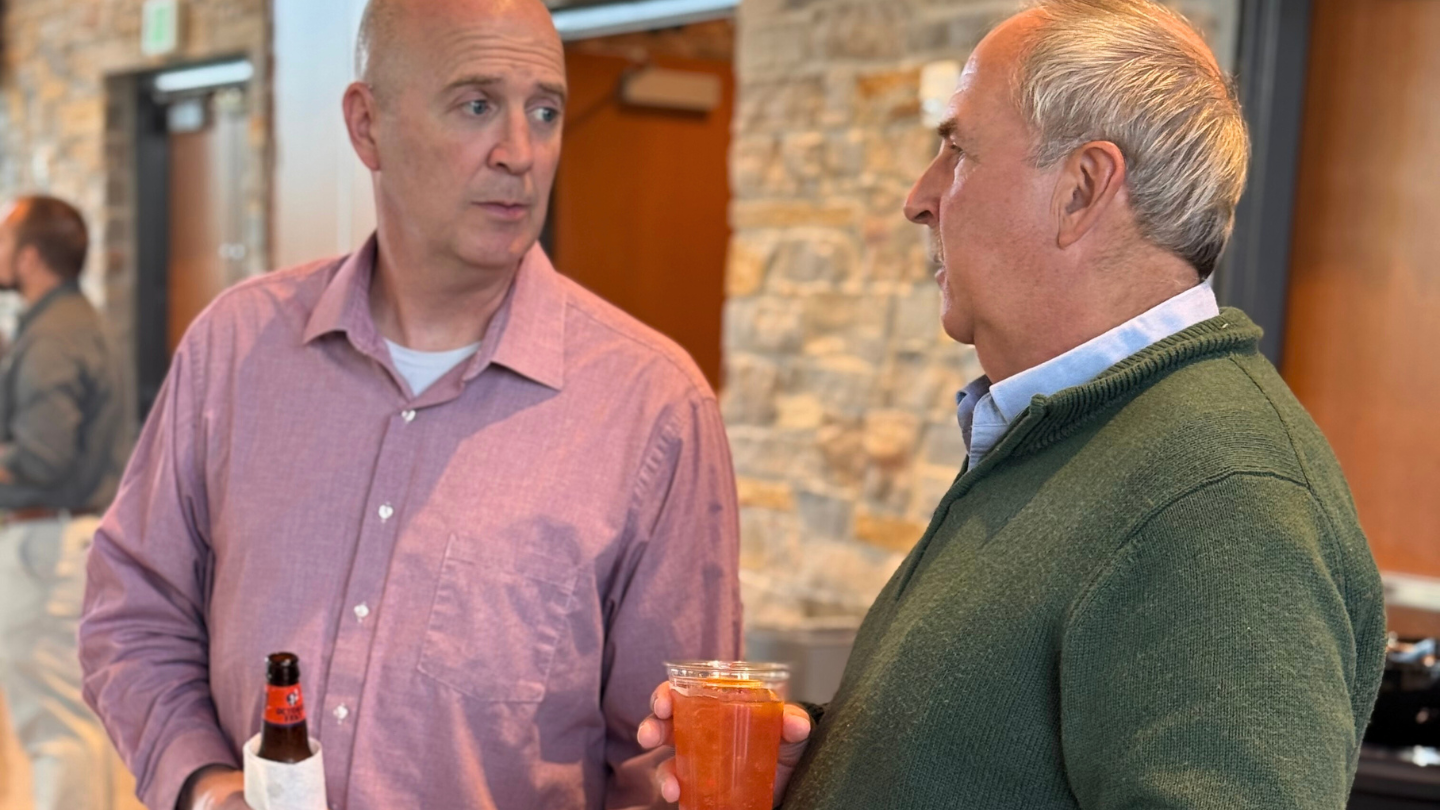
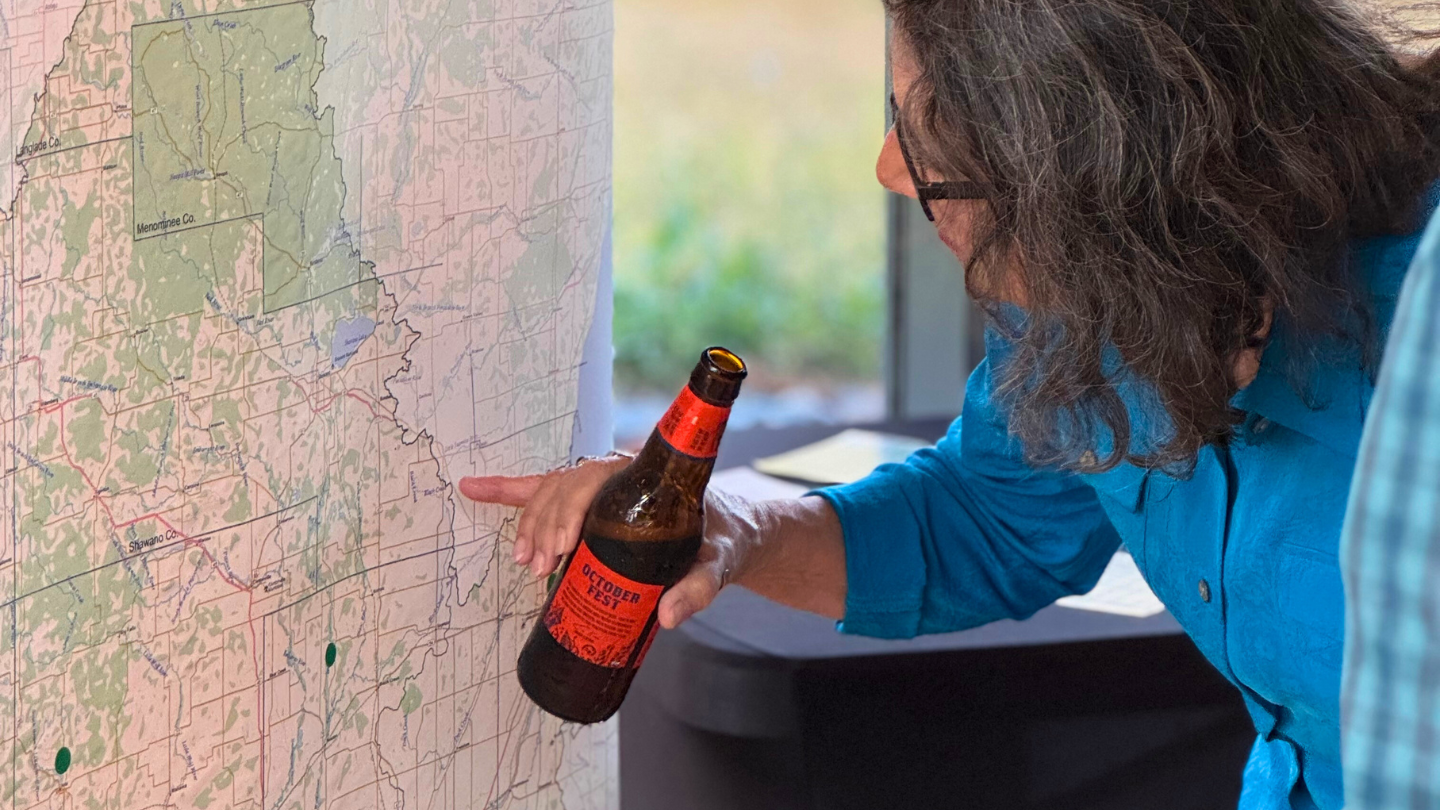
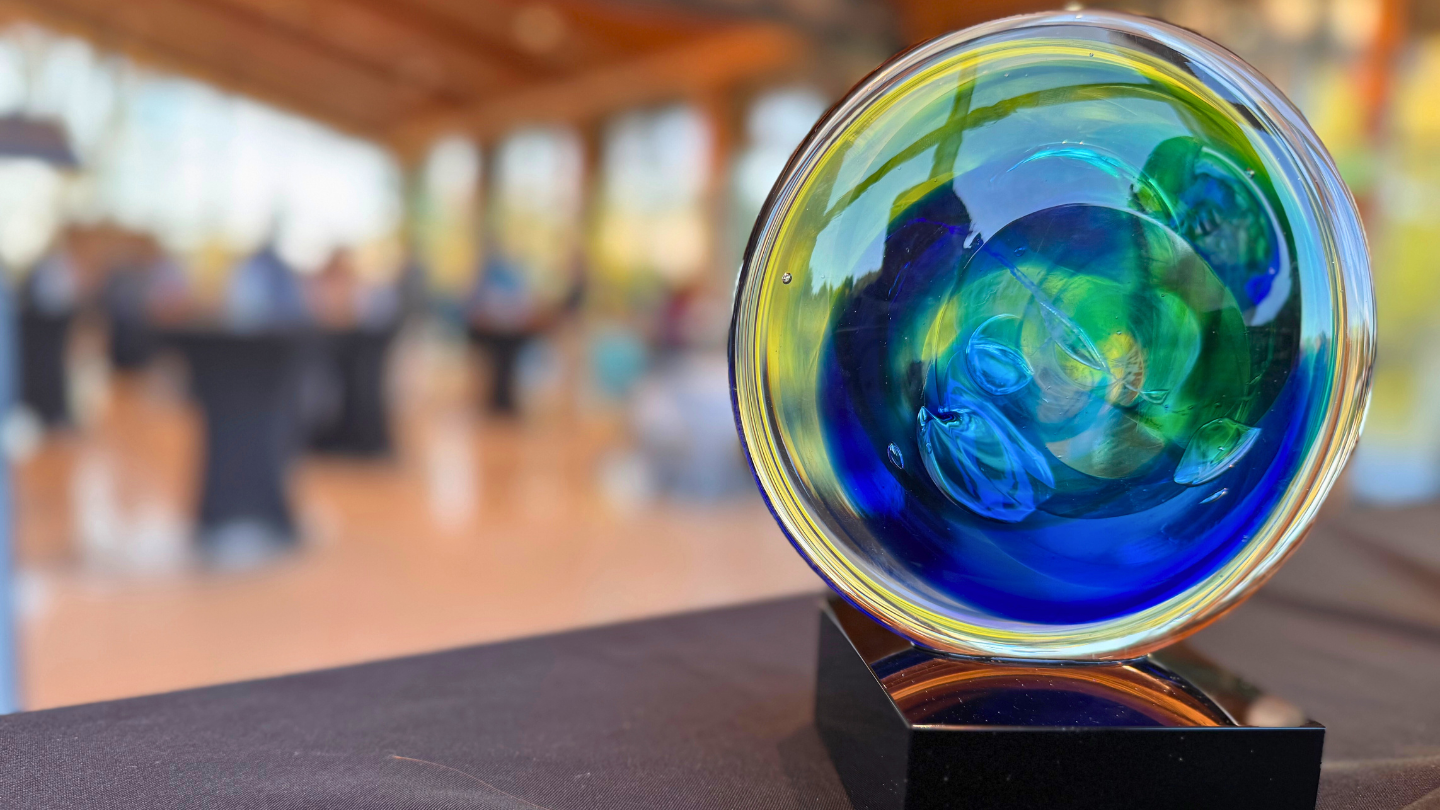
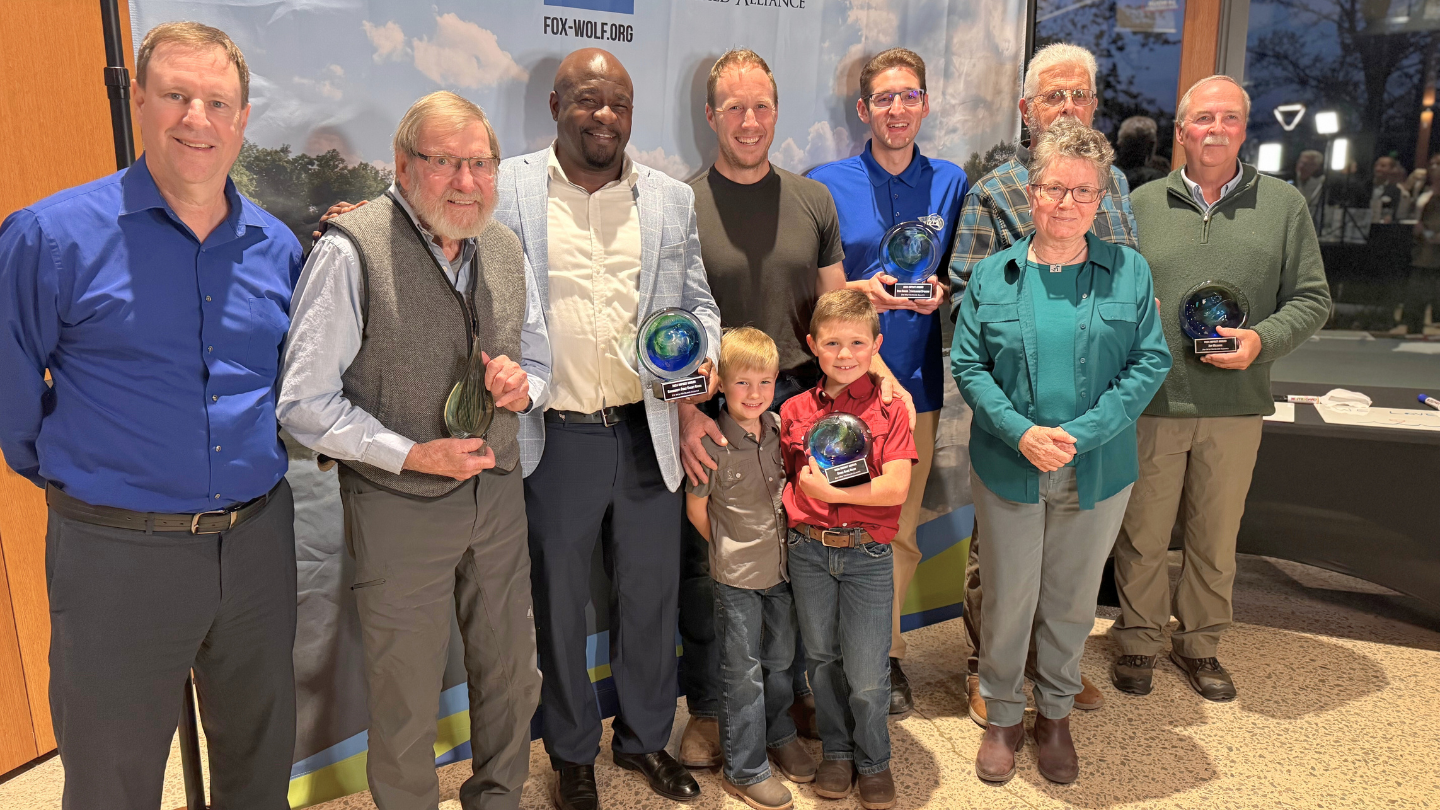
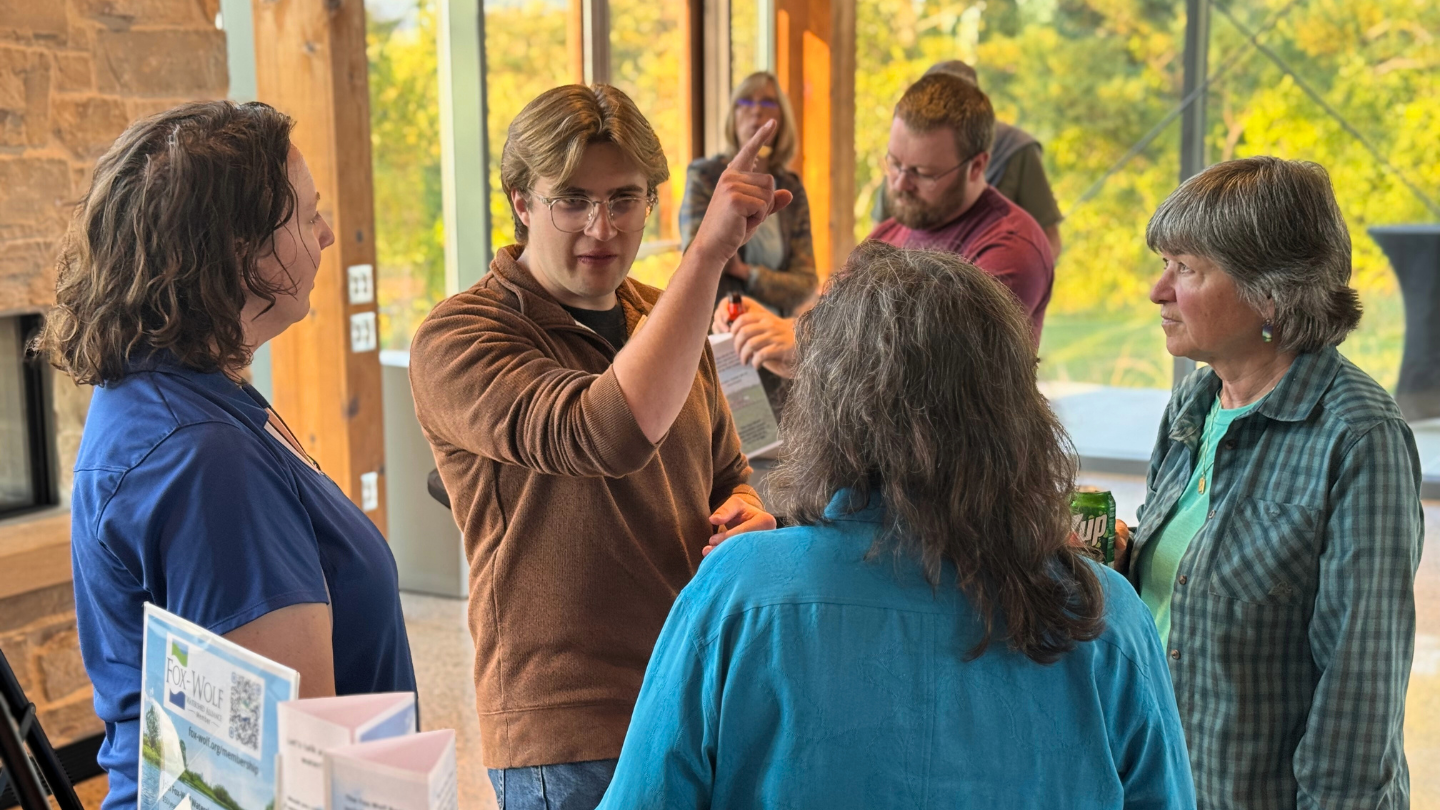
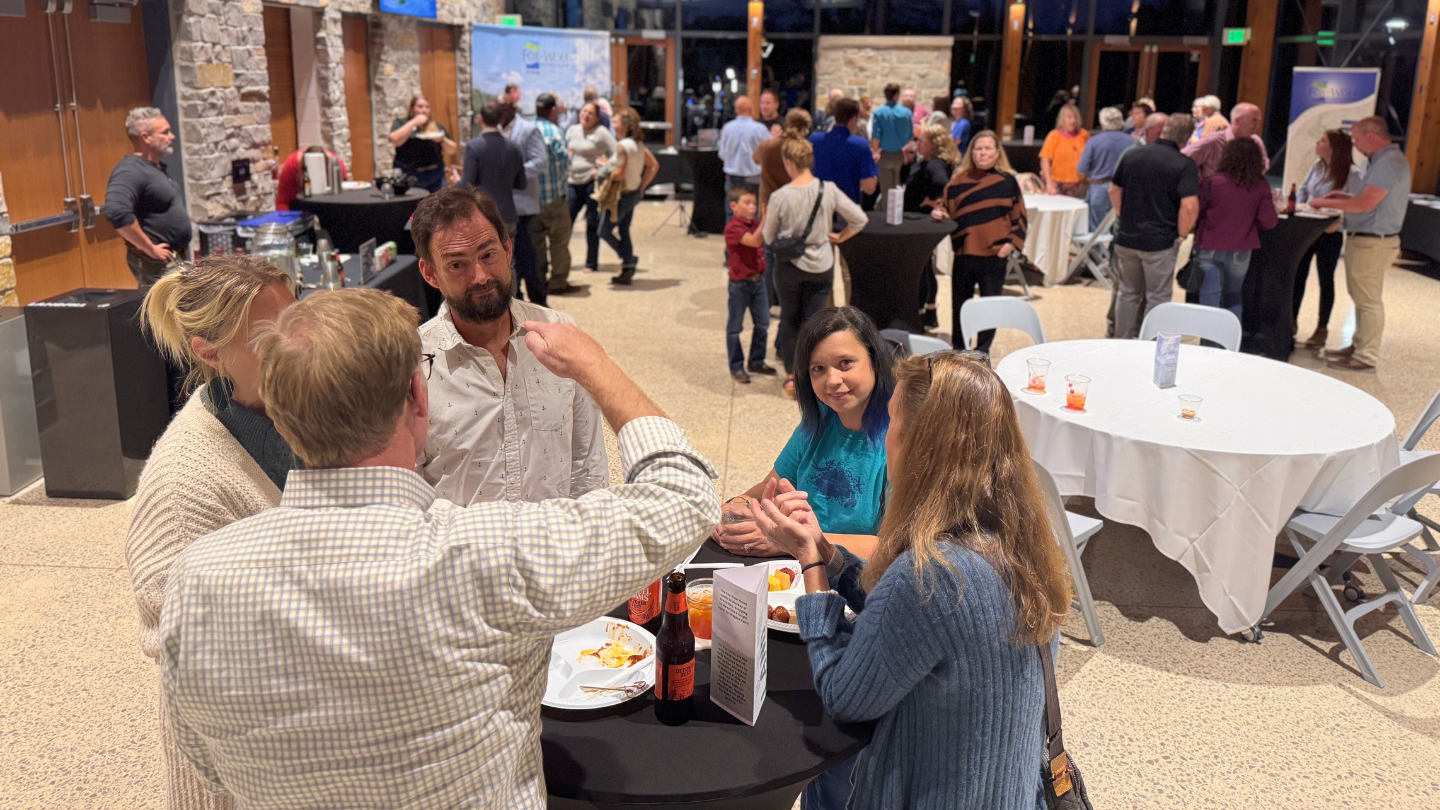
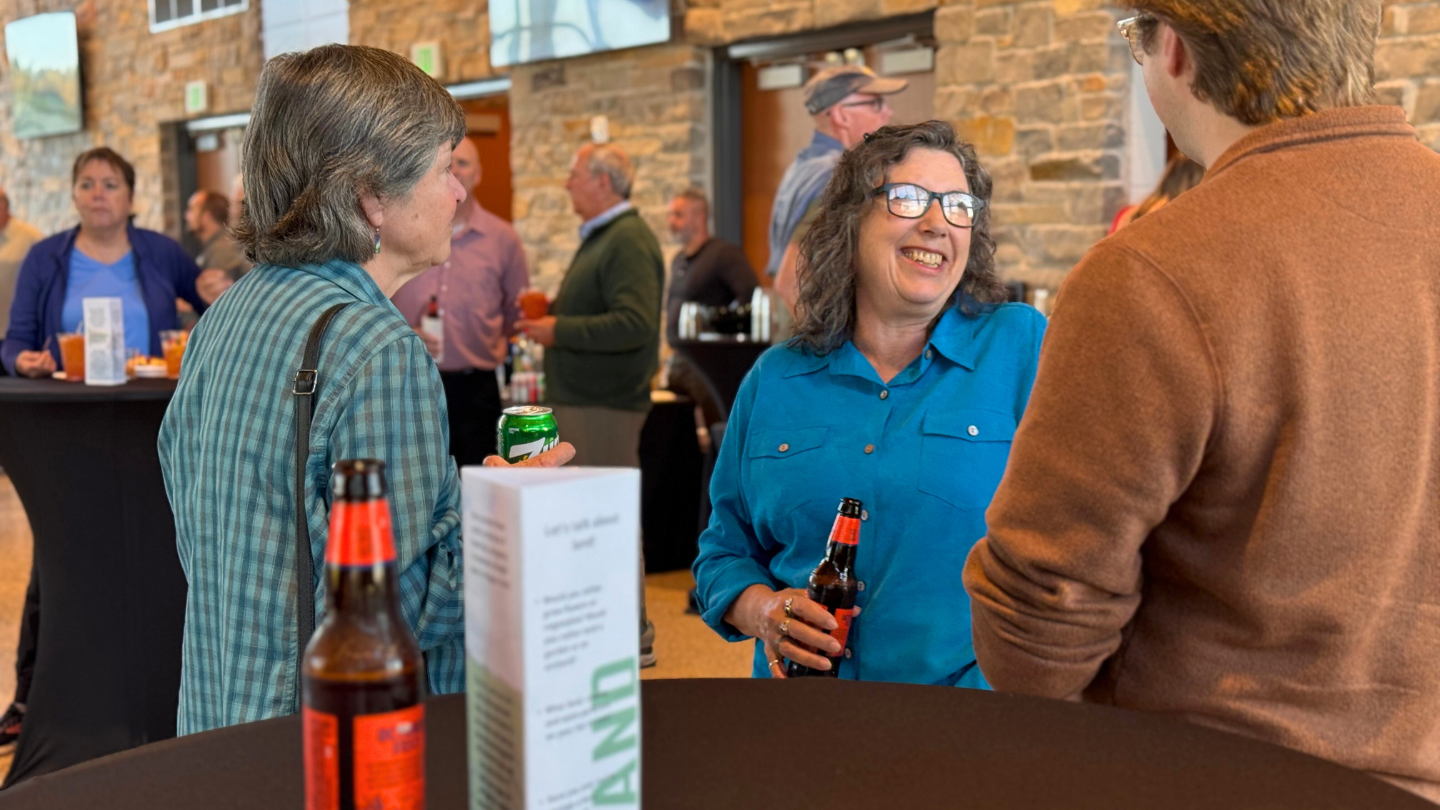
On October 10th, the Fox-Wolf Watershed Alliance hosted The Happiest Hour at The Hillside at Plamann Park in Appleton, where community members gathered to celebrate the 2024 Impact Award recipients. These awards recognize individuals and organizations that have made a meaningful impact on environmental conservation and sustainability in the Fox-Wolf Watershed region.
Read on to learn more about this year’s winners and their inspiring contributions to environmental stewardship!
Hallett “Bud” Harris was celebrated for his lifelong dedication to water conservation. A former professor of ecology at the University of Wisconsin-Green Bay, Bud played a key role in projects like the Fox River PCB cleanup and the Lower Fox River TMDL study, which have shaped the future of the Bay of Green Bay. Even in retirement, he has raised over $1 million for water monitoring programs and continues to serve on environmental advisory councils. His legacy will have a lasting impact on water conservation efforts for generations to come.
Seven Oaks Dairy received an award for their leadership in sustainable farming, with a focus on improving soil health and water quality. Their involvement in the Climate Smart Dairy Study and dedication to sharing best practices through field days and tours are setting a new standard for environmentally responsible agriculture. Seven Oaks Dairy is helping farmers throughout the region adopt sustainable practices that will benefit the environment and future generations.
Jeff Manzanec was recognized for his contributions to stormwater management and water quality initiatives. As a Senior Consultant at raSmith and a long-time board member of the Fox-Wolf Watershed Alliance, Jeff has developed innovative tools like PermiTracker and led paddling events that encourage community involvement in protecting waterways. His work has helped connect technical solutions with public engagement, making a lasting impact on local water conservation.
Community First Credit Union received an Impact Award for their commitment to sustainable infrastructure. By using native plantings and permeable pavers at their facilities, they have reduced stormwater runoff while improving water quality. Community First is leading the way in demonstrating how businesses can adopt eco-friendly practices that positively impact both the community and the environment.
Meteorologist Ryan Kudish was honored for his work on Sustainably Speaking, a weekly news segment on WFRV-TV Local 5 that focuses on environmental issues. Through his reporting, Ryan has made complex topics like climate change and water conservation accessible to viewers, inspiring the community to take action. His efforts are helping to build awareness of critical environmental issues across the region.
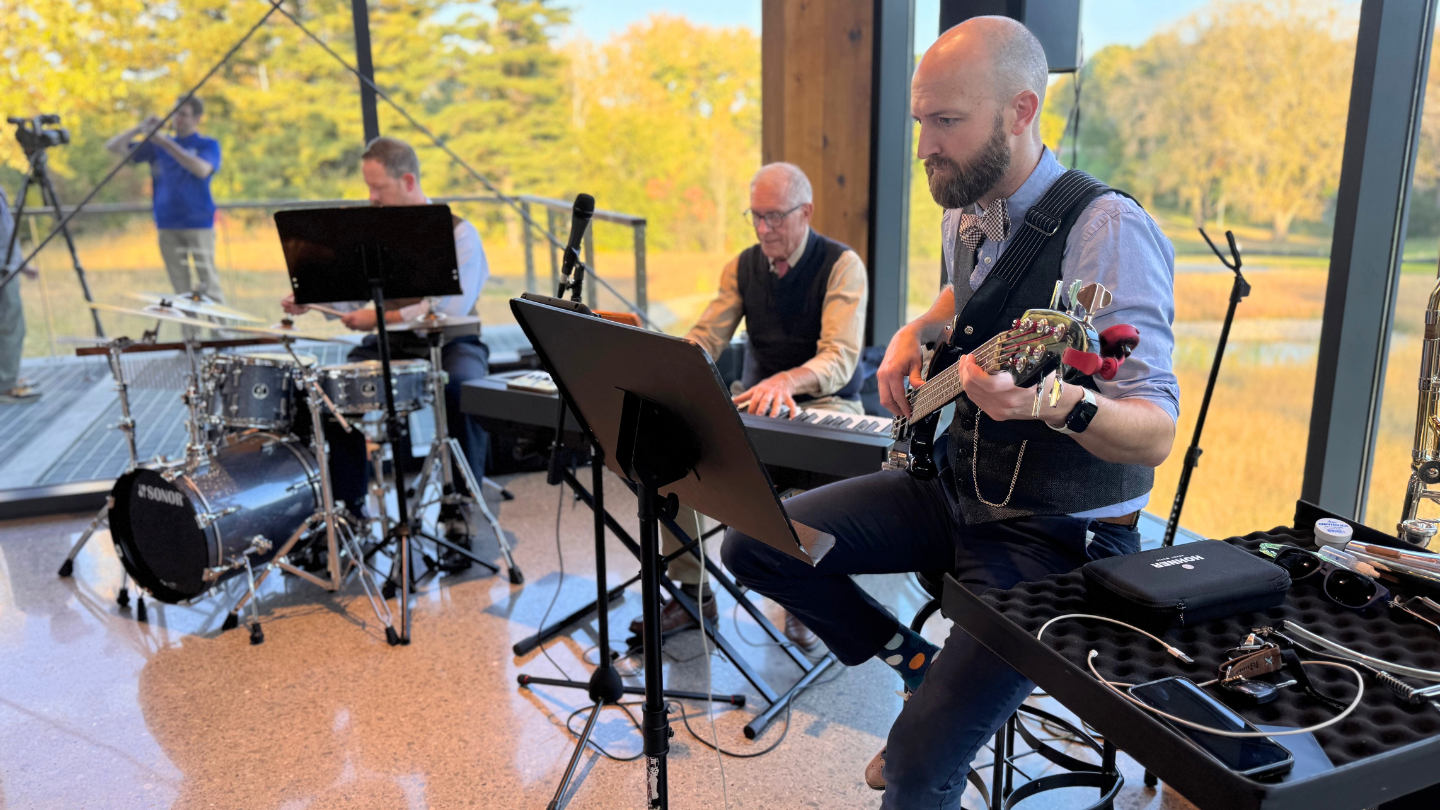
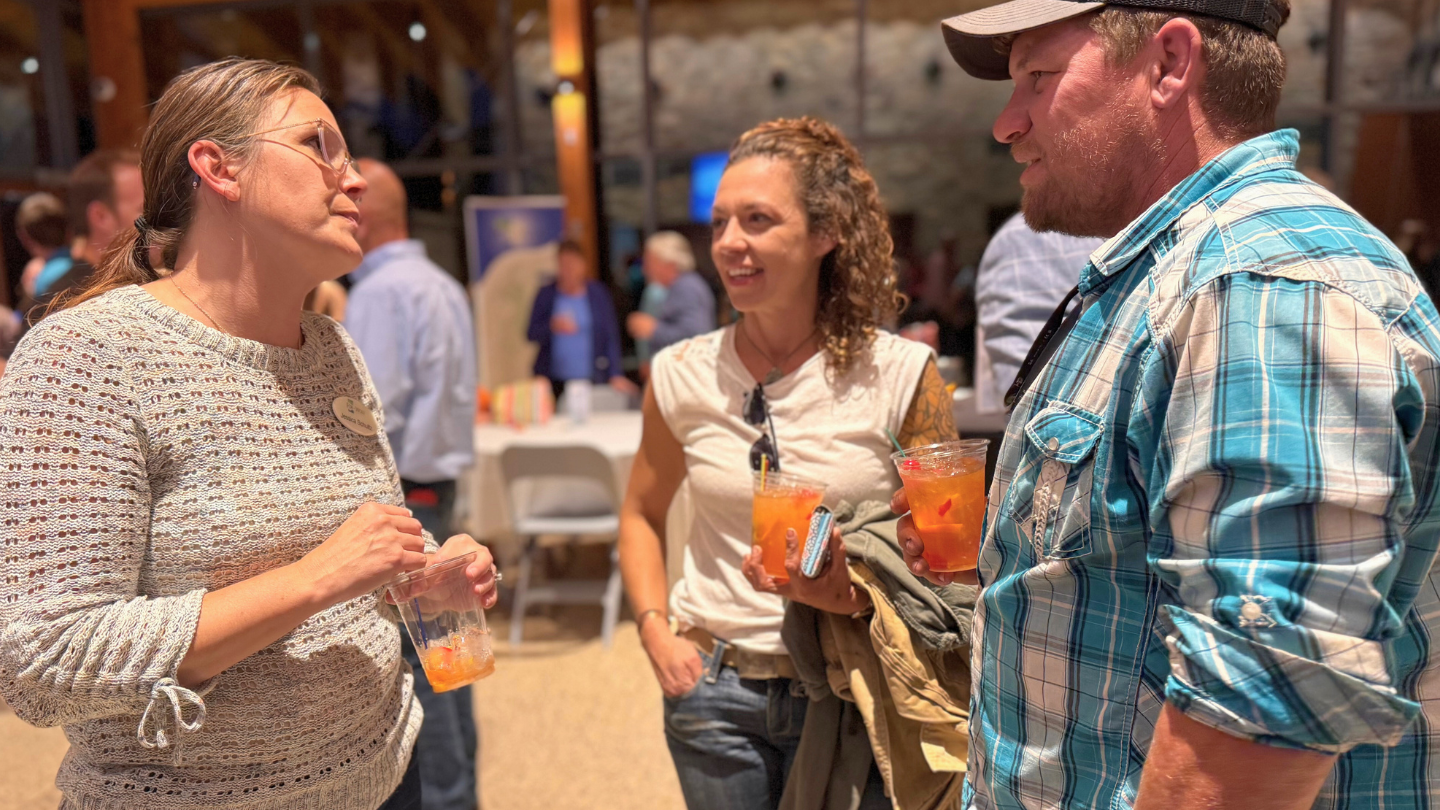
The evening at The Happiest Hour was filled with food, drinks, live music, and inspiring stories of environmental leadership. Guests left the event motivated to continue making a positive impact in their communities.
Inspired by these stories? Join us by volunteering or donating to support the Fox-Wolf Watershed Alliance’s conservation efforts!
The post 2024 Fox-Wolf Watershed Impact Awards Honor Local Environmental Heroes in Wisconsin appeared first on Fox-Wolf Watershed Alliance.
Fox-Wolf Watershed Alliance
https://fwwa.org/2024/10/16/2024-award-winners/?utm_source=rss&utm_medium=rss&utm_campaign=2024-award-winners
Western Lake Erie’s 2024 algal bloom set a record for arrival time when it established itself on June 24 this year. Now, even with cooler temperatures this week, it could become the second one in modern history to linger into November. Read the full story by The Blade.
Great Lakes Commission
https://www.glc.org/dailynews/20241016-extended-bloom
Residents near the Apostle Islands in Northern Wisconsin worry that conversion to a national park would overwhelm their small towns along their lake and limit hunting. Read the full story by the Milwaukee Journal Sentinel.
Great Lakes Commission
https://www.glc.org/dailynews/20241016-apostle-pushback
Ten years ago, Toledo warned about half a million residents not to drink the water for nearly three days due to algal toxins. Thus far, some studying Erie say we haven’t flexed enough muscle to live up to commitments made in the wake of the crisis. Read the full story by Crain’s Cleveland Business.
Great Lakes Commission
https://www.glc.org/dailynews/20241016-erie-bloom
Through a collaboration between water operators and scientists, yellow smart buoys bobbing on the surface of Lake Erie are serving as an early warning system for algae blooms. Read the full story by CBC News.
Great Lakes Commission
https://www.glc.org/dailynews/20241016-smart-buoys
In June 2025, an underwater remotely operated vehicle contest will be hosted by the Thunder Bay National Marine Sanctuary in Alpena, Michigan. More than 1,000 guests from 15 countries are expected to attend. Read the full story by MLive.
Great Lakes Commission
https://www.glc.org/dailynews/20241016-robot-championship
Foam from Muskegon Lake in Muskegon, Michigan, contained over 4,000 parts per trillion of PFOS. The source has not been identified because a number of former industries along the shoreline could have used the foam for fire protection or in their industrial processes. Read the full story by the Midland Daily News.
Great Lakes Commission
https://www.glc.org/dailynews/20241016-muskegon-pfos
Veteran policy experts discuss how a Harris or Trump presidency may deal with three key topics: Great Lakes restoration, groundwater, and the Line 5 oil pipeline. Read the full story by Great Lakes Now.
Great Lakes Commission
https://www.glc.org/dailynews/20241016-great-lakes-candidates
Chequamegon Bay near Ashland, Wisconsin, hasn’t seen algae blooms unlike other areas of the Great Lakes struggling with high phosphorus levels. A recent study found that the area doesn’t have the same kind of dissolved phosphorus that is associated with intense agricultural production. Read the full story by Wisconsin Public Radio.
Great Lakes Commission
https://www.glc.org/dailynews/20241016-superior-phosphorus
Using trackers to follow the path of plastic bottles in rivers around the Greater Toronto Area, students found hot spots for garbage before it enters Lake Ontario and Lake Erie. Read the full story by The Narwhal.
Great Lakes Commission
https://www.glc.org/dailynews/20241016-tracking-trash
The closed Palisades nuclear plant, located on Lake Michigan, is in the first steps of reopening: on-the-ground efforts are already underway at the site to co-locate a pair of small-modular reactors there by 2030. Read the full story by MLive.
Great Lakes Commission
https://www.glc.org/dailynews/20241016-palisades-reopening
Current watches, warnings, and advisories for Brown County (WIC009) WI
https://api.weather.gov/alerts/urn:oid:2.49.0.1.840.0.2d3593ced72118da6172815fc20d2a0e5794190c.001.1.cap

By Emma McIntosh, The Narwhal
Emma and photographer Christopher Katsarov Luna spent four days in northwestern Ontario, reporting from the shore of Lake Superior.
The Great Lakes News Collaborative includes Bridge Michigan, Circle of Blue, Great Lakes Now at Detroit PBS, Michigan Public and The Narwhal who work together to bring audiences news and information about the impact of climate change, pollution, and aging infrastructure on the Great Lakes and drinking water.
Great Lakes Now
https://www.greatlakesnow.org/2024/10/the-lonely-lake-superior-caribou-and-a-lesson-in-limits/
By Donté Smith Capital News Service Detroit’s streets are becoming a testing ground for future transportation, with automated shuttles like Accessibili-D and Connect AV offering mobility solutions. These shuttles, which started operating this year, help residents, particularly those with limited transportation, access essential destinations such as doctors’ offices and grocery stores. The Connect AV shuttle provides fully […]
The post Automated shuttles provide new mobility options, but coverage concerns remain first appeared on Great Lakes Echo.Great Lakes Echo
http://greatlakesecho.org/2024/10/15/automated-shuttles-provide-new-mobility-options-but-coverage-concerns-remain/
Current watches, warnings, and advisories for Brown County (WIC009) WI
https://api.weather.gov/alerts/urn:oid:2.49.0.1.840.0.1d2db113e7b22f8dc1de2417e0881a72431f3af7.001.1.cap

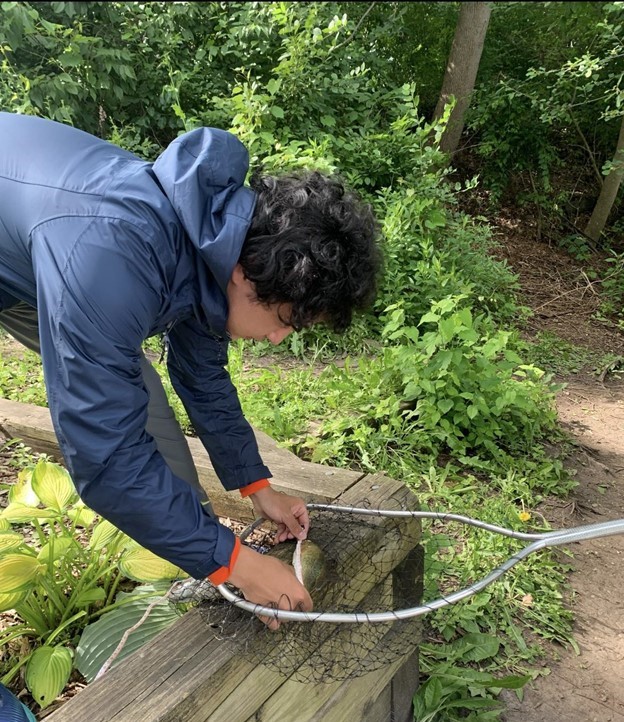
Pierce measures a fish. Image credit: Olivia Kress
By Thomas Pierce, Freshwater Collaborative summer research student
This summer, 35 undergraduate students from across the country conducted research with Freshwater@UW, the University of Wisconsin’s cross-site, cross-discipline research opportunities program. Freshwater@UW is supported by the Freshwater Collaborative, Wisconsin Sea Grant, Water@UW–Madison, the Water Resources Institute and the University of Wisconsin–Madison Graduate School. In the final weeks of the program, students reflected on what they learned. Here’s the final post in this series. It’s by Thomas Pierce, an undergraduate sophomore in environmental studies at Macalester College in Minnesota. He worked with Olaf Jensen, University of Wisconsin–Madison.
This summer I worked closely with Lonnie Parry, a doctoral student in Olaf Jensen’s lab, on a project aimed at measuring urban shore angling effort, catch and harvest, and comparing the attitudes and values about fisheries management among boat and shore anglers. Our goal was to collect information on anglers in the Milwaukee area that have historically not been represented in Wisconsin Department of Natural Resources survey work. Traditional surveys often underestimate the prevalence of shore anglers. Additionally, the Milwaukee River system is not sampled in traditional creel surveys. The research efforts of Jensen’s lab can expand understanding of fisheries management along the Milwaukee shoreline of Lake Michigan.
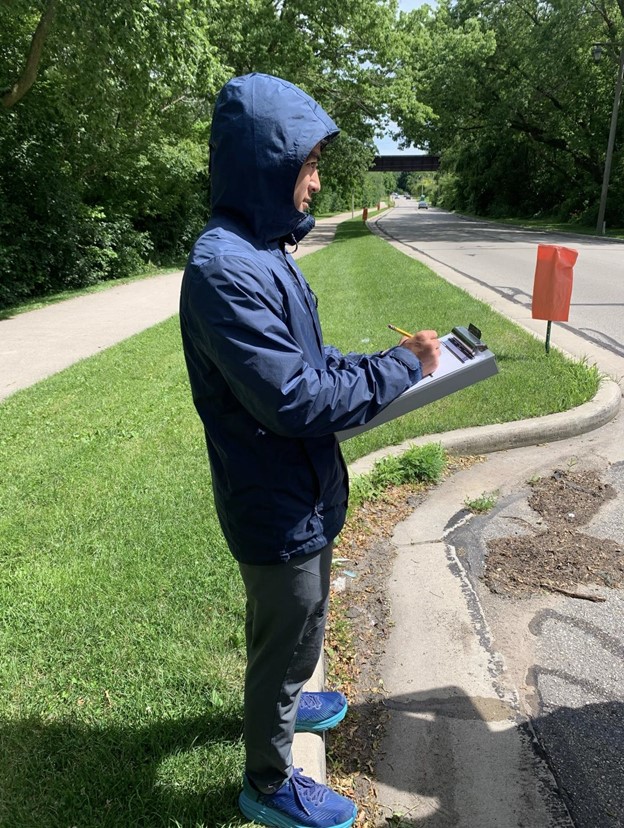
As a member of the creel survey team, I spent a few months commuting to Milwaukee to conduct in-person interviews with anglers. A typical morning shift could start as early as 5:30 a.m. Some afternoon shifts could end well past 9 p.m. The shifts were structured so that we could maximize interactions with anglers during peak fishing season.
I gained a valuable research skill in conducting semi-structured interviews. The semi-structured interviews entailed building rapport in an informal setting with anglers while at the same time sticking to a consistent set of questions for replicability. This blended approach helped build trust as well as replicability for the research survey. The survey topics/questions focused on the importance of fishing to the anglers’ lifestyles, plus various sociodemographic information.

Pierce interviews an angler about the importance of fishing to their lifestyle. Image credit: Olivia Kress
We found that boat anglers were typically fishing for salmon and sometimes trout, while shore anglers were fishing for smaller species such as bass, bluegill and perch. One of the most interesting skill sets I gained this summer was identifying different fish species in the Milwaukee River system and properly measuring and recording catch data. While I cannot quite call myself an expert fisherman, I can accurately identify most fishes in the Milwaukee River/Great Lakes area.
One particular conversation stands out. I spoke with a shore angler who had been fishing along the Milwaukee shoreline for over 20 years. He spoke passionately about the changes he had seen in the fish populations and the challenges faced by local anglers. He specifically talked about fishing alone in Cupertino Park many times as a kid decades ago and being able to catch abundant yellow perch. He said that is no longer the case; he felt that the decline was due to the drastic increase in PCBs in the water as well as the destructive effects of invasive species such as the alewife, which are native to the ocean. When alewives appeared in the Great Lakes, their population ballooned and they competed for plankton and other aquatic organisms, which negatively affected local Great Lakes species like yellow perch. Furthermore, alewives are known to eat young yellow perch and lake trout.
The biggest challenge during this project was analyzing and synthesizing the data to create understandable graphs that the public could look at for our findings. This research experience provided valuable data that informed more equitable fisheries management policies. Personally, it helped me develop essential skills in data collection, analysis and community engagement. I have learned to step out of my comfort zone and interact with complete strangers. This skill will help me learn to communicate science and the importance of conservation down the road in graduate school and my future career.
The post Milwaukee anglers share “fish tales” with summer student first appeared on Wisconsin Sea Grant.Blog | Wisconsin Sea Grant
https://www.seagrant.wisc.edu/blog/milwaukee-anglers-share-fish-tales-with-summer-student/
Current watches, warnings, and advisories for Brown County (WIC009) WI
https://api.weather.gov/alerts/urn:oid:2.49.0.1.840.0.ca337abaacc96faa156eb6a729876b86575a2cc1.001.1.cap

By Danielle Kaeding, Wisconsin Public Radio
This article was republished here with permission from Wisconsin Public Radio.
Some Wisconsin groups are urging the Biden administration to do more to protect mature and old-growth forests under its proposal to conserve those trees as logging interests are pushing back against changes.
Great Lakes Now
https://www.greatlakesnow.org/2024/10/environmental-groups-and-industry-at-odds-over-plan-to-conserve-old-growth-forests/
Rochester, New York – At its Annual Meeting, held last week on the shores of Lake Ontario in Rochester, New York, the Great Lakes Commission (GLC) passed resolutions calling for reauthorization of the Great Lakes Restoration Initiative and stronger protections against the introduction of invasive species.
“The Great Lakes Commission urges both federal governments to better protect the Great Lakes by taking action to restrict the import of high-risk species,” said GLC Chair Mary Mertz, director of the Ohio Department of Natural Resources. “Once established in the lakes, these species are extremely difficult to eradicate and costly to control. Additionally, we call on the U.S. Congress to pass the Great Lakes Restoration Initiative Act of 2024, which would reauthorize this incredibly successful program through FY 2031. Since 2010, the GLRI has provided more than $4 billion to fund more than 8,100 projects across the Great Lakes region which protect our freshwater resources.”
The Annual Meeting featured remarks from representatives of U.S. EPA Regions 2 and 5, U.S. Sen. Kirsten Gillibrand, and Rochester Mayor Malik Evans. Great Lakes Commissioners also heard from expert panels on critical issues facing the lakes, including community watershed restoration, coastal resilience, and engaging youth in environmental stewardship.
At the meeting, the GLC re-elected its leadership: Chair Mertz, and Vice Chair Timothy Bruno, Great Lakes Program Coordinator, Interstate Water Resources Management, at the Pennsylvania Department of Environmental Protection. In advance of the meeting, GLC leadership planted two red maple trees at the Rochester Museum & Science Center. As a founding member of the Great Lakes St. Lawrence Trees and Green Events initiatives, the GLC has committed to using sustainable practices at its meetings and supporting the initiative’s goal of planting 250 million trees in the Great Lakes basin by 2033.
The GLC will next convene in Washington, D.C. for its Semiannual Meeting and Great Lakes Day on March 4-6, 2025. More information will be available on www.glc.org in advance of the meeting.
The Great Lakes Commission, led by chair Mary Mertz, director of the Ohio Department of Natural Resources, is a binational government agency established in 1955 to protect the Great Lakes and the economies and ecosystems they support. Its membership includes leaders from the eight U.S. states and two Canadian provinces in the Great Lakes basin. The GLC recommends policies and practices to balance the use, development, and conservation of the water resources of the Great Lakes and brings the region together to work on issues that no single community, state, province, or nation can tackle alone. Learn more at www.glc.org.
For media inquiries, please contact Beth Wanamaker, beth@glc.org.
Great Lakes Commission
https://www.glc.org/news/am-101424

The 2024 presidential election campaign is in the homestretch and results in the Great Lakes states of Michigan and Wisconsin could determine the winner. Vice-President Kamala Harris and former President Donald Trump covet the electors in both states and polling indicates they could go either way.
Great Lakes Now selected three key topics — Great Lakes restoration, Line 5 and groundwater — and asked veteran policy experts Rob Sisson and Lana Pollack for their views on how a Harris or Trump presidency may deal with them.
Great Lakes Now
https://www.greatlakesnow.org/2024/10/what-a-trump-vs-harris-presidency-might-mean-for-the-great-lakes/
Closely intertwined with Indigenous culture and identity, wild rice was decimated after the arrival of European settlers. But today, many partners are supporting initiatives to restore wild rice. Read the full story by WXPR – Rhinelander, WI.
Great Lakes Commission
https://www.glc.org/dailynews/20241014-greatlakestribes-wildrice
About a mile from Cleveland’s Lake Erie shore, in a stretch of water once among America’s most polluted, a team of conservationists just released a few dozen lake sturgeon into the Cuyahoga River. Lake sturgeon need a nice clean substrate so their eggs don’t suffocate, and biologists believe the Cuyahoga’s improved water quality has made that possible. Read the full story by NPR.
Great Lakes Commission
https://www.glc.org/dailynews/20241014-cuyahogariver-sturgeon
On Oct. 18, the Sault Tribe of Chippewa Indians will release a new mini documentary about the fisheries program at the Fresh Coast Film Festival in Marquette. The 15-minute documentary, “Sacred Waters: Anishinaabeg Naagdawenmaanaanig Giigoonhkewin,” discusses the tribe’s ancient connection to the Great Lakes and how tribe biologists are leading efforts to restore whitefish populations, whose numbers have been severely diminished by invasive species. Read the full story by the Sault Ste. Marie Evening News.
Great Lakes Commission
https://www.glc.org/dailynews/20241014-sault-tribe-documentary
Thousands of water service lines across the state are made from the original infrastructure, at times, dating back 100 years. With infrastructure developments throughout the years, the state has passed a bipartisan bill to replace service lines made with lead pipes. Read the full story by Spectrum News.
Great Lakes Commission
https://www.glc.org/dailynews/20241014-bipartisanbill-leadwater-newyork
Cleanup Club is a non-profit that was created two years ago that focuses its cleanup efforts in rivers located in the Great Lakes basin. Read the full story by WDIV-TV – Detroit, MI.
Great Lakes Commission
https://www.glc.org/dailynews/20241014-cleanupclub-michigan-greatlakes
This week, the iconic anchor outside the Great Lakes Maritime Heritage Center in Alpena, Michigan got an adjustment to ensure there’s not an “anchors away” situation. The anchor is a popular photo op amongst visitors. Read the full story by MLive.
Great Lakes Commission
https://www.glc.org/dailynews/20241014-anchor-upnorthmuseum-photo-op
The Douglas County Land and Water Conservation Department located in Wisconsin, has up to $4,000 in grant funding available next year for environmental projects that promote soil and water conservation or environmental sustainability. Individuals, community organizations and public entities can apply for funding from the Douglas County Environmental Reserve Fund. Read the full story by the Superior Telegram.
Great Lakes Commission
https://www.glc.org/dailynews/20241014-douglas-county-grants
When you think of travel on Lake Michigan, you likely think of the S.S. Badger. It has been an iconic mode of transportation connecting communities and enhancing travel experiences for decades. Read the full story by the Herald Times Reporter.
Great Lakes Commission
https://www.glc.org/dailynews/20241014-ss-badger-icon-steamship
The lakes in the Great Lakes region and around the world don’t freeze over as they did in past centuries. That has serious consequences for people, wildlife, and the environment as a whole. Read the full story by Michigan Public Radio.
Great Lakes Commission
https://www.glc.org/dailynews/20241014-less-ice-greatlakes-climatechange
The Great Lakes are in the midst of a waterspout outbreak, and the whirlwind of activity is expected to last into the middle of this this week, forecasters say. Read the full story by MLive.
Great Lakes Commission
https://www.glc.org/dailynews/20241014-water-spout

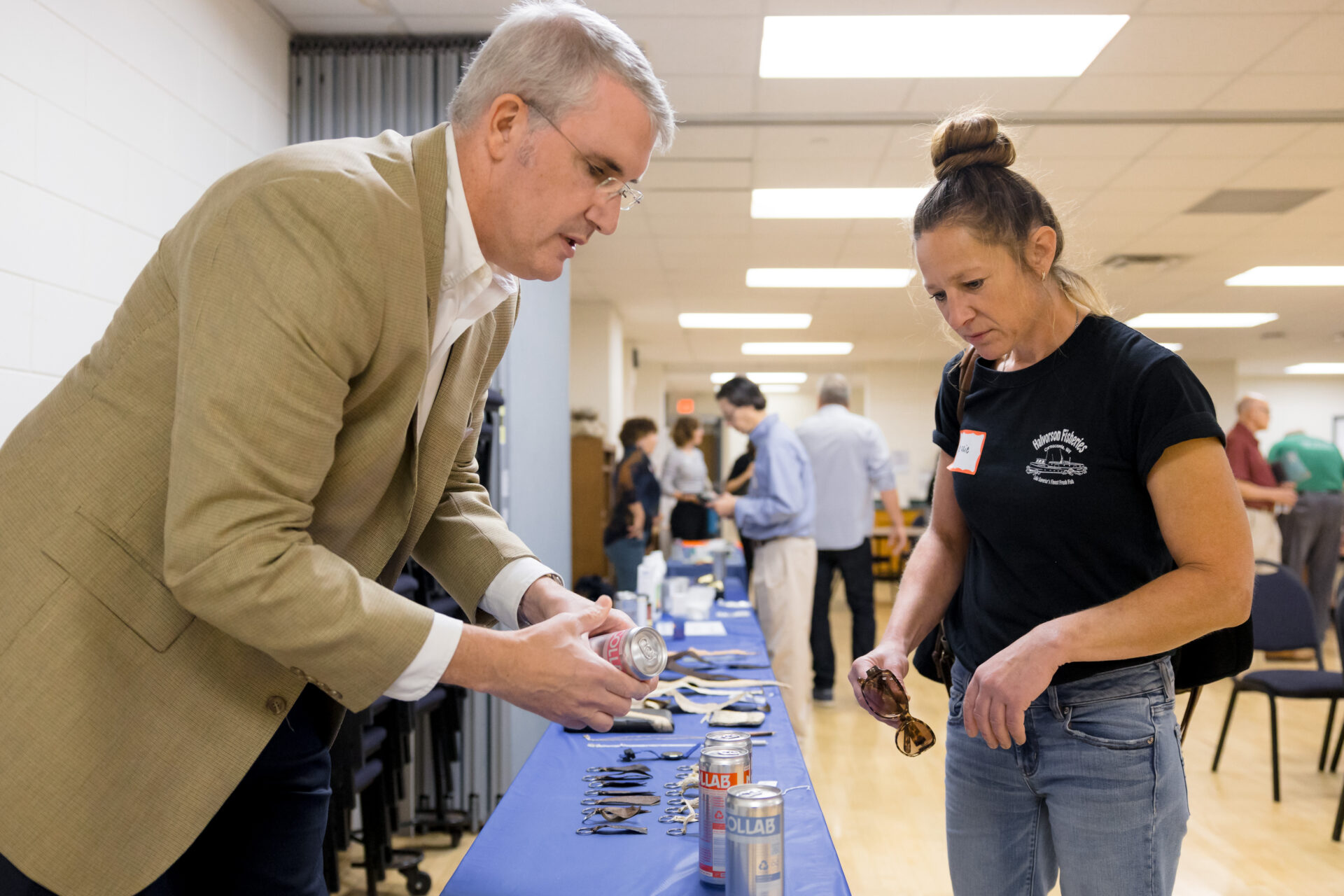
GSGP Executive Director David Naftzger hands a participant an Icelandic energy drink made with fish collagen. Photo: Front Room Studios
On Oct.1, the Head to Tail Fish Showcase celebrated Great Lakes fish products — with not a fillet in sight.
The event aimed at elevating awareness of the Great Lakes St. Lawrence Governors & Premiers (GSGP) 100% Great Lakes Fish initiative, a project that seeks to find commercial uses for all parts of harvested Great Lakes fish. Typically, the fillet, which represents only 40% of the fish, is consumed while the remaining 60% is discarded or used in animal feed and fertilizers.
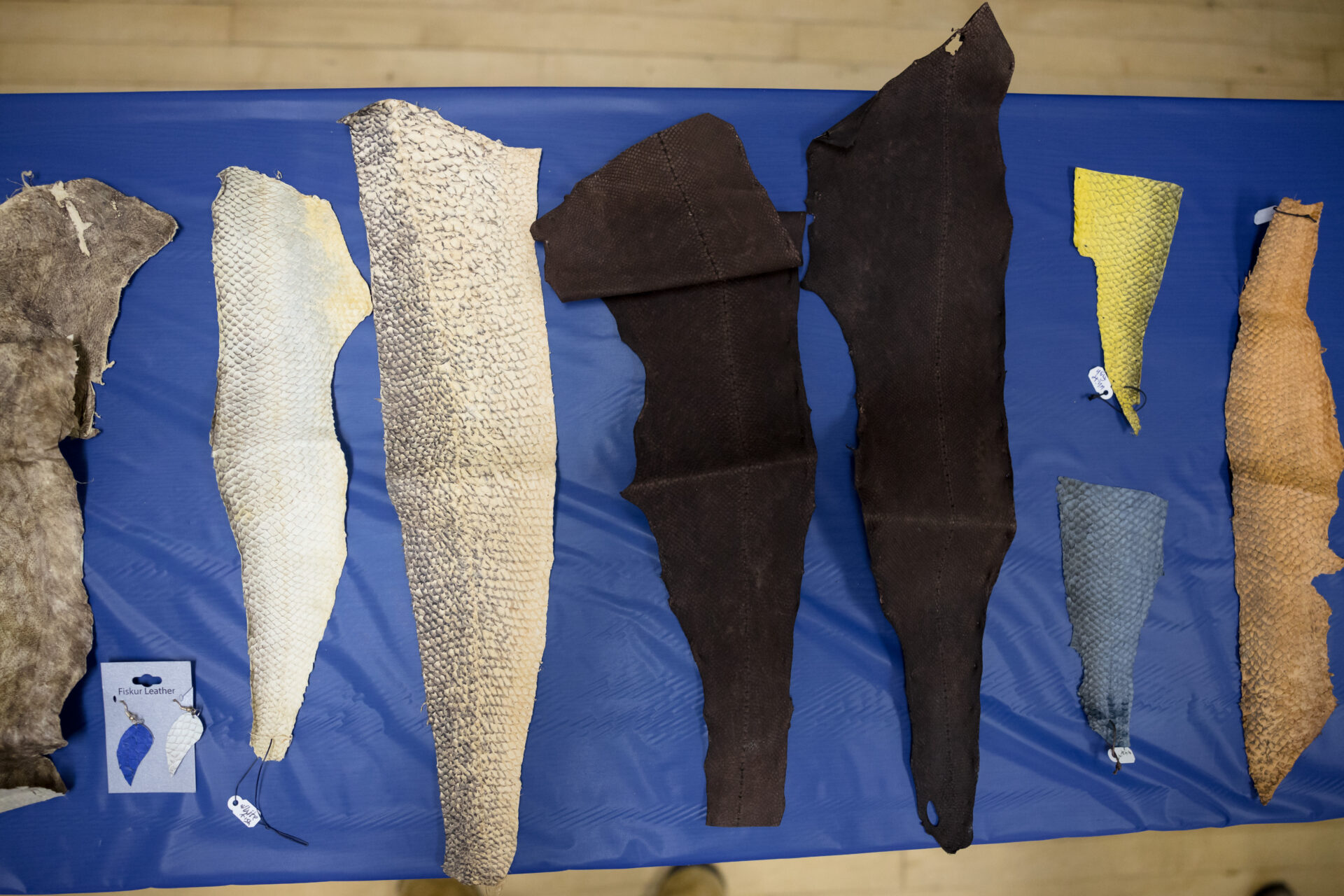
That fish waste, however, can be turned into pharmaceuticals and other high-value products like fish leather and collagen supplements.
“Our goal is to drive more value through the fishery, create more jobs, create rural economy development and really improve the sustainability of our fishery,” said David Naftzger, executive director of GSGP.
Businesses who join the initiative pledge to use 100% of harvested fish by the end of 2025. So far, 30 Great Lakes commercial fishing and aquaculture operations have signed on, 11 of which are from Wisconsin.

Fish leather was a featured product at the event. Photo: Front Room Studios
“Wisconsin companies have been a real leader and helped to send a message to the rest of the region and to the rest of the fish value chain that there’s raw material available. We want to see it used productively and we want to create some partnerships that can make that happen,” said Naftzger.
The private event was held at the University of Wisconsin-Milwaukee School of Freshwater Sciences for an audience of media and business, academic and government partners. Representatives from UW-Milwaukee, the Wisconsin Economic Development Corporation, Department of Natural Resources and Wisconsin Coastal Management Program offered remarks in support of the program.
Wisconsin Sea Grant helped organize the event. Interim director Christy Remucal said that the initiative aligns well with the program’s focus on sustainable fisheries and aquaculture and commitment to fostering academic, industry and government collaboration.
“I think the 100% Great Lakes Fish Initiative really encapsulates the mission of our work for sustainable resources,” said Remucal. “We’re really proud to be part of this partnership.”
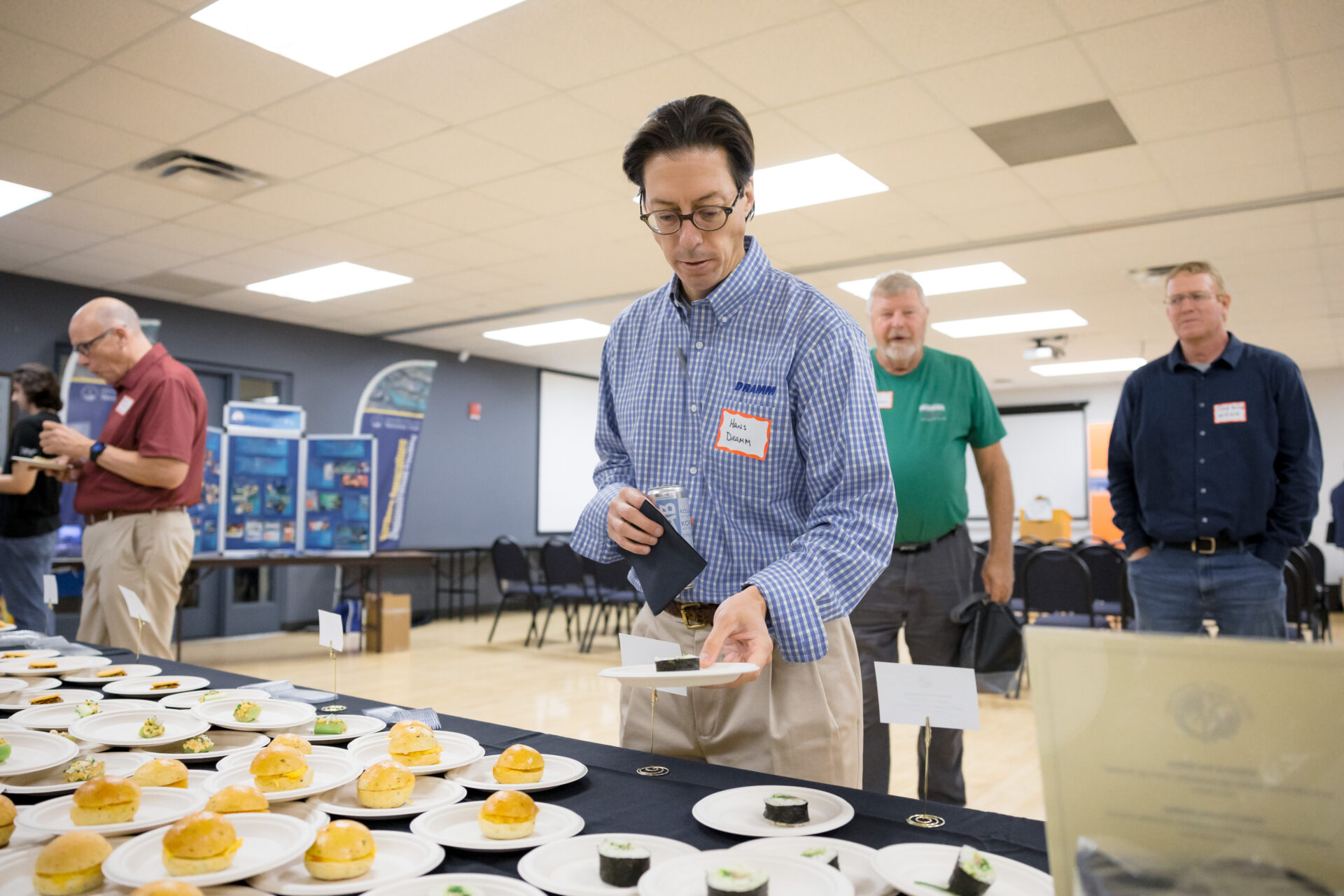
During the event, participants could try a variety of non-filet fish dishes prepared by Third Coast Provisions in Milwaukee, including whitefish roe sliders, pickled herring kimbap, whitefish liver pate, buffalo walleye cheeks and whitefish chili. Restaurant co-owner Cameron Whyte said the team enjoyed finding creative ways to use different parts of the fish.

A participant picks up a small plate of pickled herring kimbap. Photo: Front Room Studios
“They sent us some really cool products to try, and it was really kind of a fun opportunity for us to flex our culinary muscles and do something a little different,” said Whyte.
The event also featured non-food items, such as locally produced fish leather, fertilizer and dog treats. Several products from Iceland, such as a fish collagen-infused energy drinks and supplements were also on display.
Naftzger explained that the 100% Great Lakes Fish initiative is modeled after Iceland’s efforts to use all parts of harvested cod. According to GSGP, over 90% is now used, and the value of products made from cod has risen from $12 to $4,000. What was once waste is now an ingredient in beverages, cosmetics and medicinal bandages.
For Door County commercial fisherman Charlie Henriksen, who attended the event, the increase in value of Lake Michigan whitefish doesn’t need to be dramatic for impacts to be felt.
“If six dollars of that trickles back to us, or even if the value of that fish doubles to us, it’s a game changer,” said Henriksen. “It makes our businesses viable, and it gives us a lot of hope.”
The post Head to Tail Fish Showcase invites producers and consumers to think beyond the fillet first appeared on Wisconsin Sea Grant.
News Releases | Wisconsin Sea Grant
https://www.seagrant.wisc.edu/news/head-to-tail-fish-showcase-invites-producers-and-consumers-to-think-beyond-the-fillet/
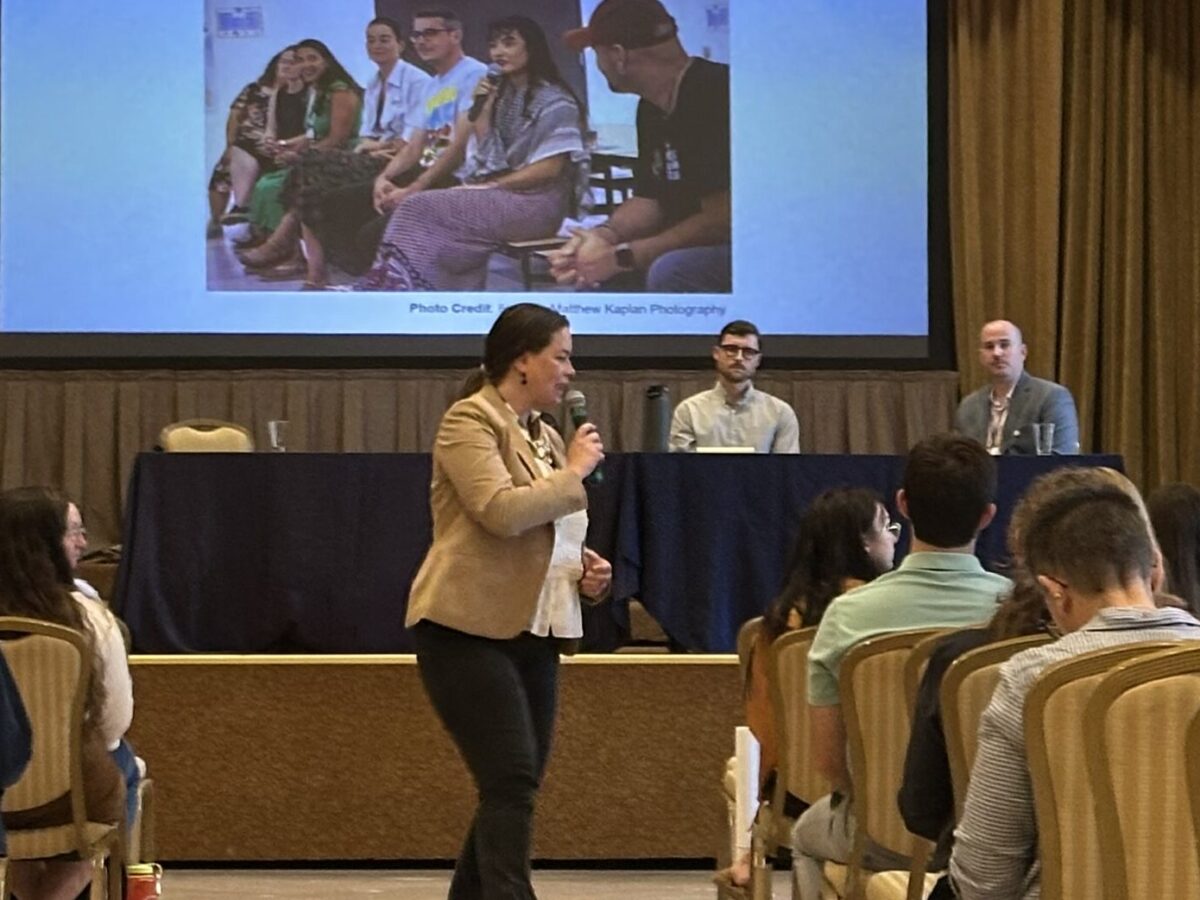
This year’s Healing Our Waters (HOW) Conference in Chicago brought together advocates, community leaders, and passionate individuals to address major issues facing the Great Lakes, including the pressing issue of water justice. The event focused on solutions, driven by people committed to ensuring that clean water and proper sanitation are accessible to everyone—especially those living in underserved communities. Many members of the Alliance for the Great Lakes team attended the conference, led panels, and participated in planning. Over the two days, one message was clear: this is a fight for fairness, and the people on the ground are leading the charge.
Spotlight on Chicago’s Fight for Water Justice
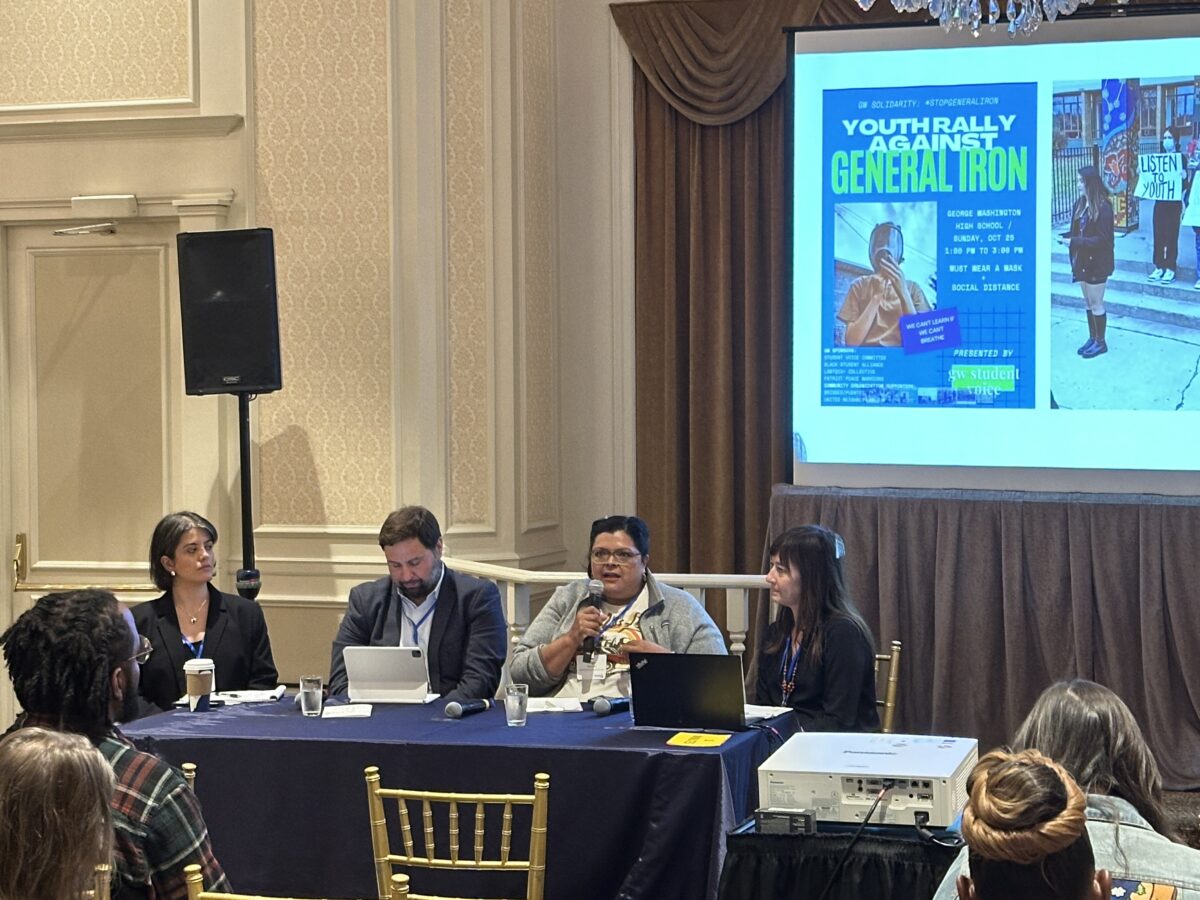
Meleah Geertsma, Director of Clean Water and Equity at the Alliance for the Great Lakes, facilitated a thoughtful discussion on how community advocates in Chicago have been battling against unfair land use and zoning policies that have harmed neighborhoods for decades. These advocates are using a civil rights legal framework to fight for water justice, focusing especially on issues like flooding and inadequate sanitation systems. They’re not doing it alone—there’s a collaborative effort with city government to make lasting changes.
Meleah began by asking the audience key questions, like how familiar they were with environmental justice cases such as Sackett, a recent environmental law case that weakened the Clean Water Act, and Zanesville, which relied on civil rights law to address denial of water service for a community in Ohio. The responses varied, revealing that while some cases are well-known, especially environmental law decisions, there’s still a need for greater awareness and education about how civil rights law can be an effective tool in the fight for environmental justice.

Insights from the Panel
The panel brought together three leaders who have been on the frontlines of the fight for water justice:
More than 40 people attended the panel. The presence of a representative from the City of Chicago, working alongside community and legal experts demonstrated the growing collaboration between the government and the people who are most affected by these issues.
Celebrating Success and Looking Forward

Angela Larsen, Director of Planning and a member of the conference host committee, played a key role in shaping several discussions throughout the event. Her focus was on celebrating the successes of community-driven efforts and ensuring that future strategies are built around the voices of those most impacted by water issues. Angela made it clear: if we want real change, community vision must be at the heart of every decision.

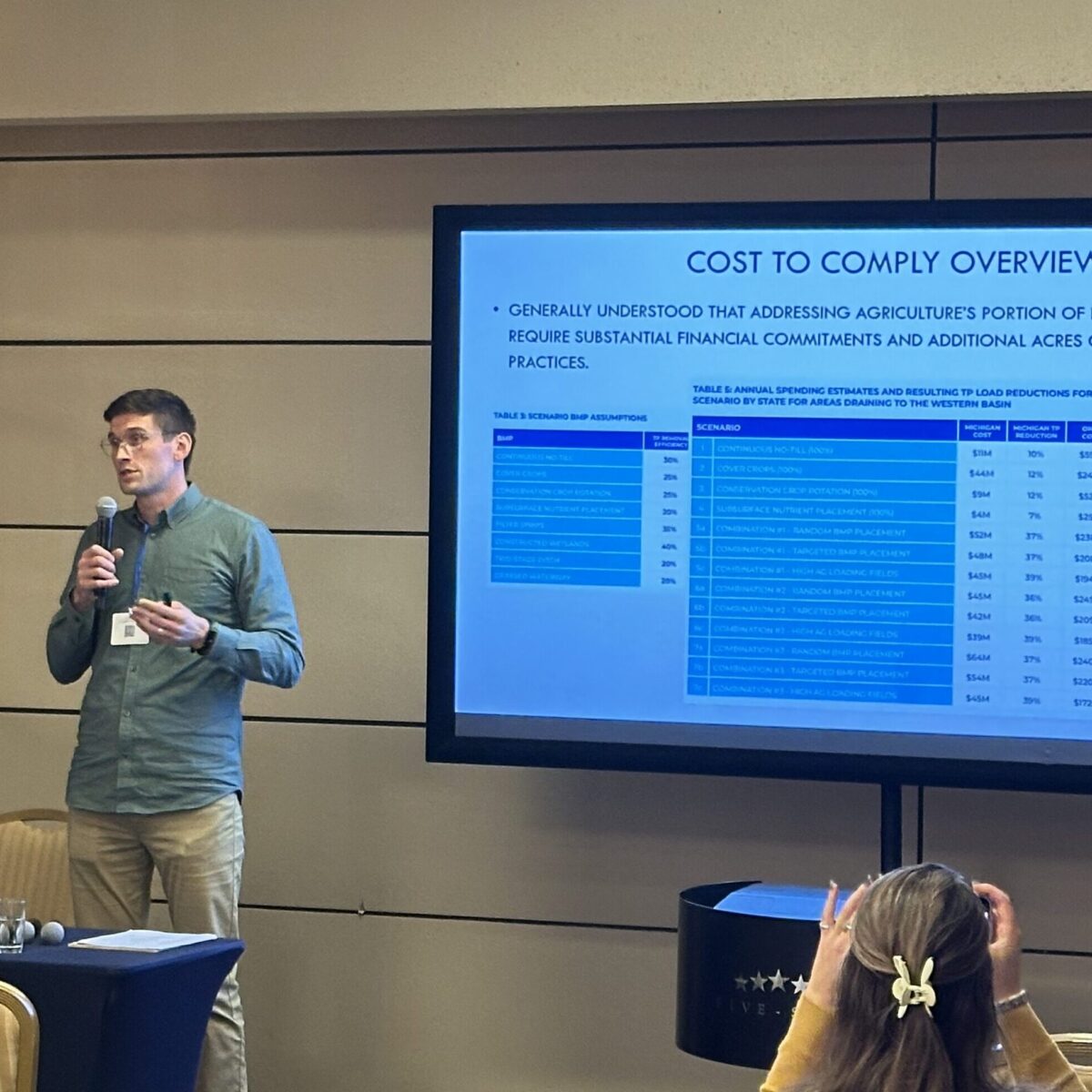
Tom Zimnicki, the Alliance’s Agriculture & Restoration Policy Director presented on his team’s work monitoring water quality and implementing conservation practices in the Lake Erie watershed. The goal of the project is to reduce harmful algal blooms that make the lake’s water toxic to fish, wildlife, pets, and people. They’re deploying sensors in key watersheds in the Western Basin of Lake Erie to track nutrient runoff, primarily from agricultural land uses, which enters streams and tributaries to Lake Erie and fuels the algal blooms.
Hands-On Learning at Oak Street Beach
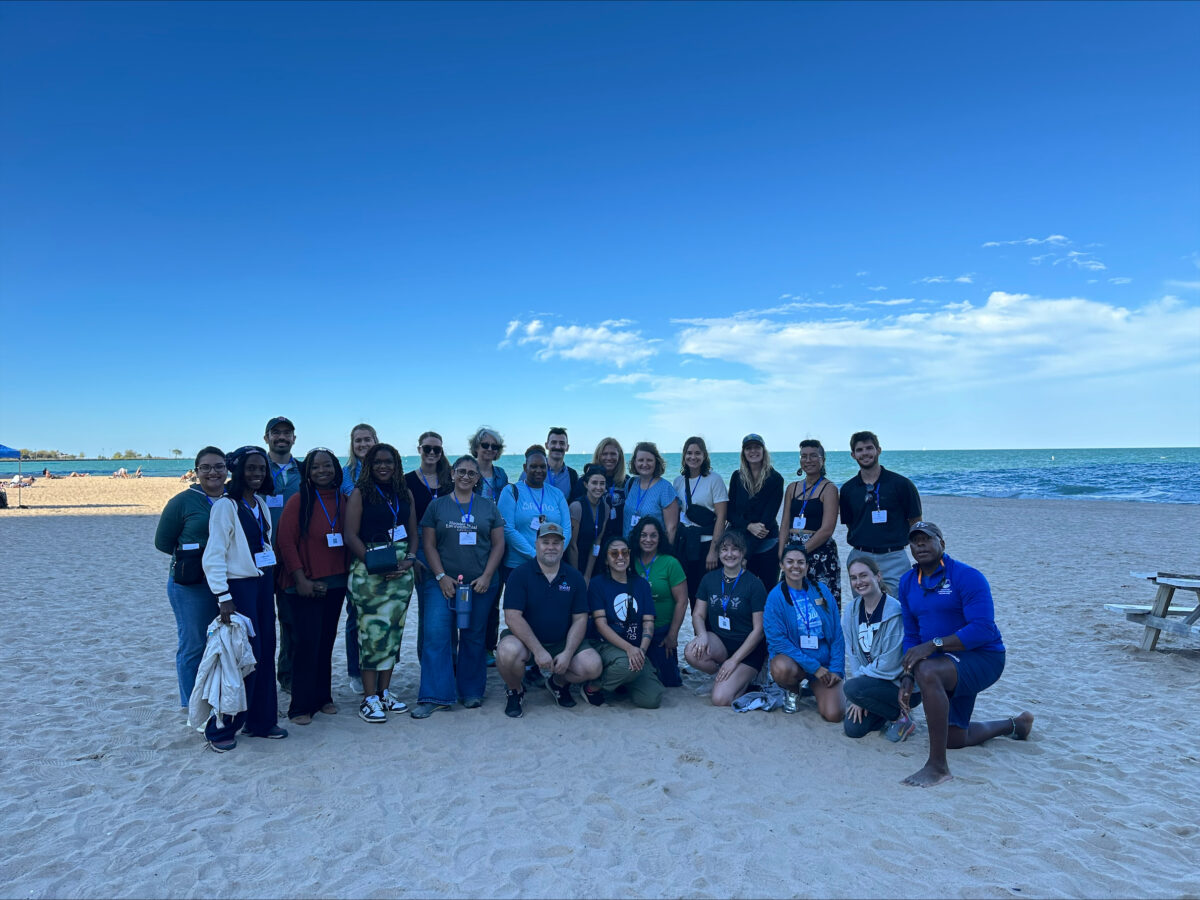
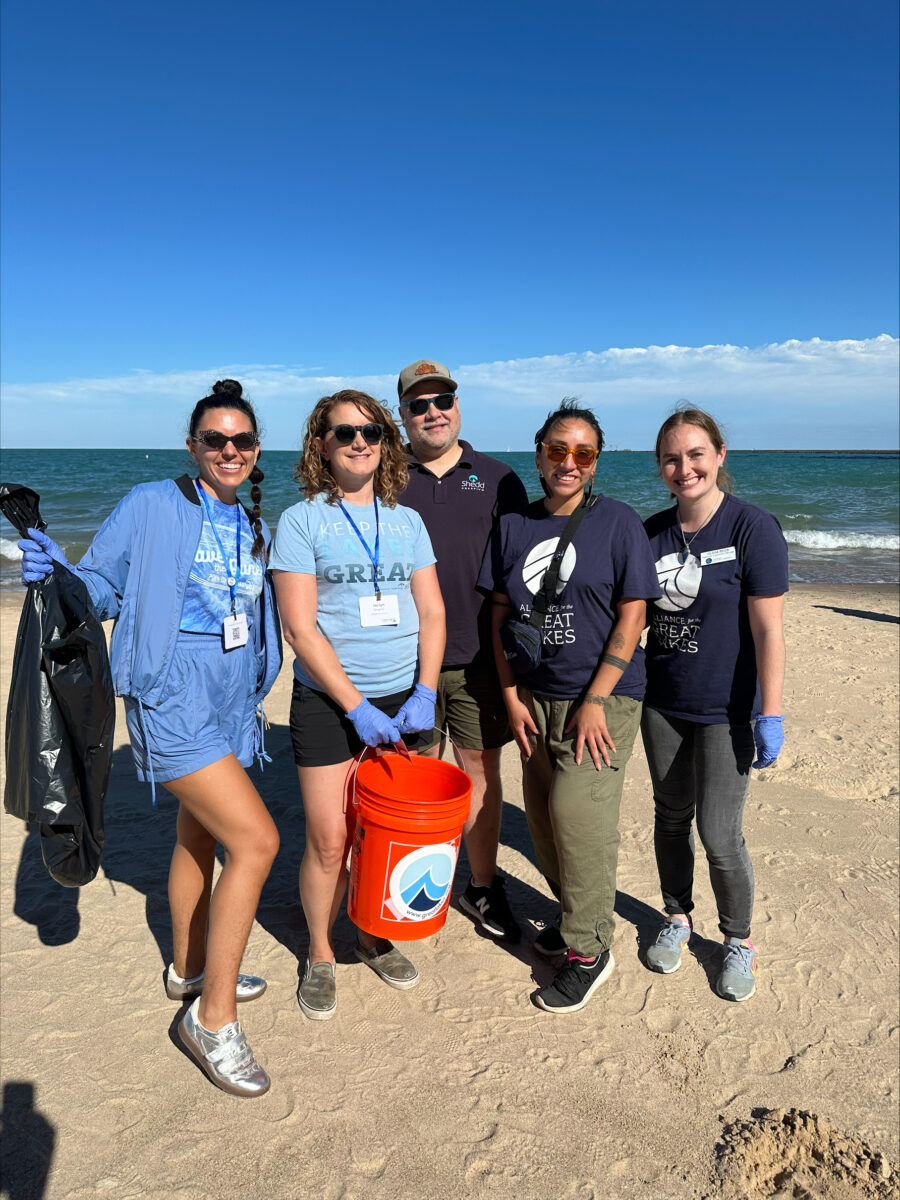
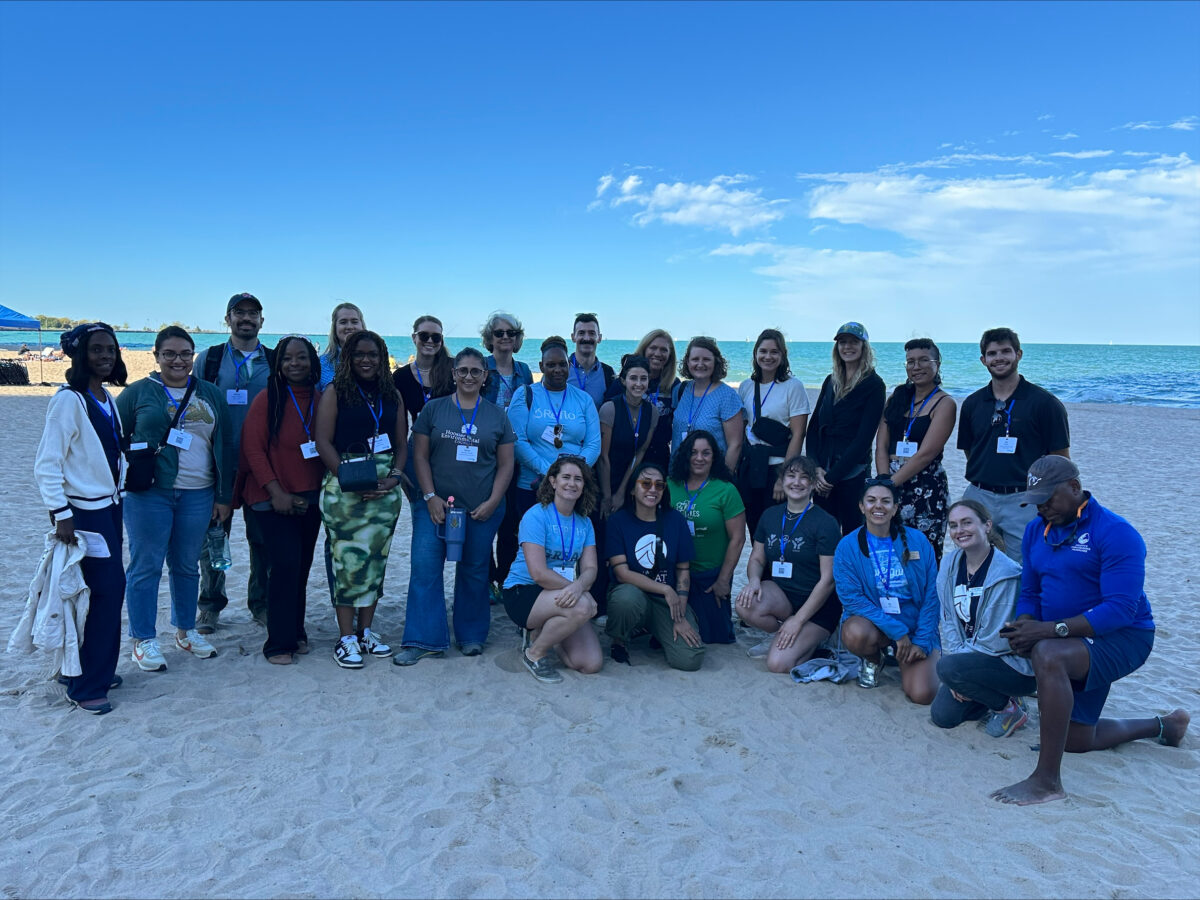
Beyond the panels, attendees were able to take part in hands-on learning during a field trip to Oak Street Beach. Hosted by the Alliance for the Great Lakes, Shedd Aquarium, and Save the Dunes, the field trip involved a beach cleanup as part of the “Great Lakes Litter Data” initiative. More than 26 participants joined in, removing over 2,000 pieces of litter—including plastic, foam, and cigarette butts. It was not only a chance to help clean the lakefront but also an opportunity to learn more about plastic pollution and the impact of community science.


The Power of Community Advocacy
From insightful panel discussions to hands-on activities, the HOW Conference was a demonstration of the power of community advocacy. It showed how real change happens when communities, legal experts, and government officials come together with a shared vision. This conference may be over, but the fight for water justice is far from finished as we work to ensure equitable access to clean water across the Great Lakes.
The post Healing Our Waters Conference Recap: Community Voices Leading the Charge for Water Justice appeared first on Alliance for the Great Lakes.
News - Alliance for the Great Lakes
https://greatlakes.org/2024/10/healing-our-water-conference-recap-community-voices-leading-the-charge-for-water-justice/

By Phil McKenna, Inside Climate News
This article originally appeared on Inside Climate News, a nonprofit, non-partisan news organization that covers climate, energy and the environment. Sign up for their newsletter here.
LUDINGTON, Mich.— Boarding the S.S.
Great Lakes Now
https://www.greatlakesnow.org/2024/10/lake-michigan-coal-ferry-transition-to-clean-energy/