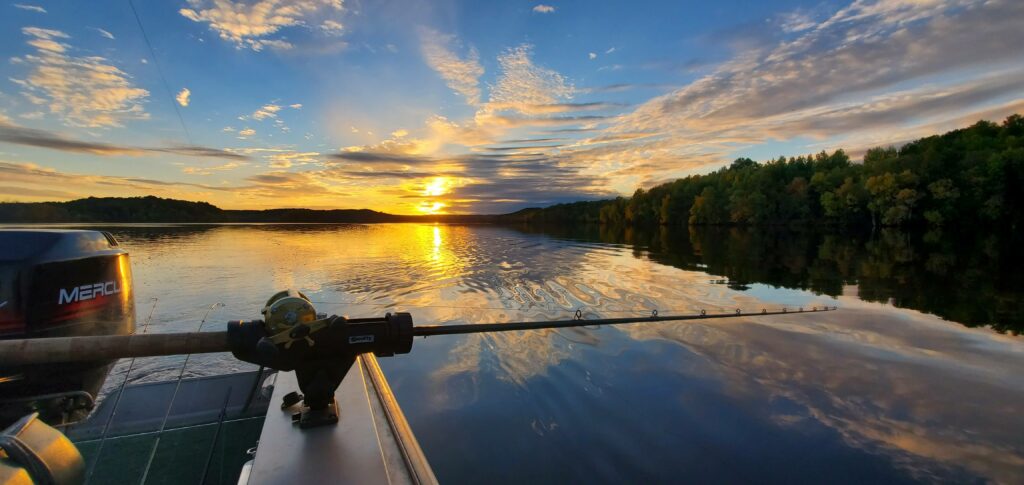
The Wisconsin Department of Natural Resources (DNR) has announced that over six million fish had been restocked throughout the state’s inland waters and the Great Lakes in 2023. Over 1.3 million Chinook Salmon and 450,000 Brown Trout were stocked in Wisconsin’s Great Lakes. Read the full story by WFRV-TV – Green Bay, WI.

Original Article

Great Lakes Commission

Great Lakes Commission

https://www.glc.org/dailynews/20240510-fish-stocking

James Polidori

A former lightkeeper reminisced on her family’s stay at Trowbridge Light Station, off the northern shore of Lake Superior, from March to December while the lake was free of ice. Duties included everything from manual labour, to working with generators and radio equipment. Important work, as those activities helped to keep the waters safe for the booming shipping industry on the great lake. Read the full story by CBC News.

Original Article

Great Lakes Commission

Great Lakes Commission

https://www.glc.org/dailynews/20240510-lighthouse-keeper

James Polidori

Beginning in the 1940s, businesses started using the Rouge River in southeast Michigan as a dumping ground for industrial pollution. Local activists formed the Friends of the Rouge in 1986. A coordinator of its flagship program, Rouge Rescue, recounted his involvement at the annual event where they organize volunteers across the watershed to remove trash from the river. Read the full story by Planet Detroit.

Original Article

Great Lakes Commission

Great Lakes Commission

https://www.glc.org/dailynews/20240510-cleanup-activist

James Polidori

Like clockwork, Michigan’s Ford Lake and its downstream neighbor, Belleville Lake, turn bright green every summer due to harmful algal blooms.

The lakes, located near Ypsilanti in the southeast part of the state, have struggled for decades with phosphorus pollution that spurs algae growth.

The post Dams may power a stop harmful algal blooms in urban lakes, expert says first appeared on Great Lakes Echo.

Original Article

Great Lakes Echo

Great Lakes Echo

http://greatlakesecho.org/2024/05/10/dams-may-power-a-stop-harmful-algal-blooms-in-urban-lakes-expert-says/

Elinor Epperson

PFAS News Roundup: White House official visits Minnesota high school in town known as “ground zero” for PFAS

White House official and chair of the White House Council on Environmental Quality, Brenda Mallory, visited Minnesota’s Tartan High School on May 6 to tour the area known as “ground zero” for PFAS contamination. The Lake Elmo school is located in a “plume” created by Minnesota multinational chemical giant, 3M.

Read Now at Great Lakes Now.

Original Article

Great Lakes Now

Great Lakes Now

https://www.greatlakesnow.org/2024/05/pfas-news-roundup-white-house-official-visits-minnesota-high-school-in-town-known-as-ground-zero-for-pfas/

Lisa John Rogers, Great Lakes Now

In 2010, Congress established the Great Lakes Restoration Initiative (GLRI) to allow the U.S. Environmental Protection Agency (EPA), working in collaboration with other federal agencies, states, and tribes, to fund projects to restore and protect the Great Lakes. To date, the GLRI has funded more than 7,563 individual projects totaling $3.7 billion and has greatly improved the quality of life in the region. GLRI projects restore habitat, reduce non-point source pollution, prevent the establishment or spread of invasive species, and clean up toxic legacy pollution. In recognition of the importance of this program, the Infrastructure Investment and Jobs Act of 2021 invested an additional $1 billion to accelerate the cleanup of toxic legacy pollution at “Areas of Concern” throughout the region.

Will Congress extend the GLRI for 5 more years?

This year is another important year for the GLRI. Congress is considering bipartisan legislation to reauthorize and extend the program for an additional five years at $500 million per year from 2027-2031. A bipartisan group of lawmakers, including Senators Debbie Stabenow (D-MI) and J.D. Vance (R-OH) in the Senate, and Representatives David Joyce (R-OH), Debbie Dingell (D-MI), Bill Huizenga (R-MI) and Marcy Kaptur (D-OH) in the House, have introduced legislation to reauthorize the GLRI.

On May 1, 2024, the Senate Environment and Public Works Committee unanimously approved the legislation thereby clearing the way for full Senate passage later this year. On the House side, the bill has 31 Republican and Democratic cosponsors, and we continue to advocate that the House Transportation and Infrastructure Committee approve the bill and send it to the full House for approval.

How will projects be prioritized?

In addition to GLRI’s reauthorization, the Alliance for the Great Lakes worked in partnership with the Healing Our Waters–Great Lakes Coalition to suggest ways the EPA could improve its next GLRI Action Plan. The Action Plan is important because it identifies five-year priorities for GLRI funding. We encouraged EPA to address climate change resilience and to focus on the needs of underserved communities. We also made specific suggestions for each part of the Action Plan.

EPA adopted many of our recommendations in its recently released draft “Action Plan IV.” When complete, it will guide GLRI funding to projects from 2025 to 2029.  Climate change is now better incorporated into the draft action plan with projected climate change impacts being emphasized during the design and implementation of GLRI projects. There is increased focus on meaningfully involving underserved communities in decisions about addressing issues in their communities and accruing benefits from GLRI projects. We would still like to see additional emphasis in both areas consistent with our earlier comments.

How you can help

EPA would like your feedback on the draft Action Plan IV. You can read the action plan and provide comments to EPA until May 24, and we hope you will.

Give Your Feedback by May 24

EPA would like your feedback on the draft GLRI Action Plan IV. You can read the plan and provide comments to EPA until May 24, 2024.

Read the Plan & Give Your Feedback

The post 2024: An Important Year for Great Lakes Restoration appeared first on Alliance for the Great Lakes.

Original Article

News - Alliance for the Great Lakes

News - Alliance for the Great Lakes

https://greatlakes.org/2024/05/2024-an-important-year-for-great-lakes-restoration/

Judy Freed

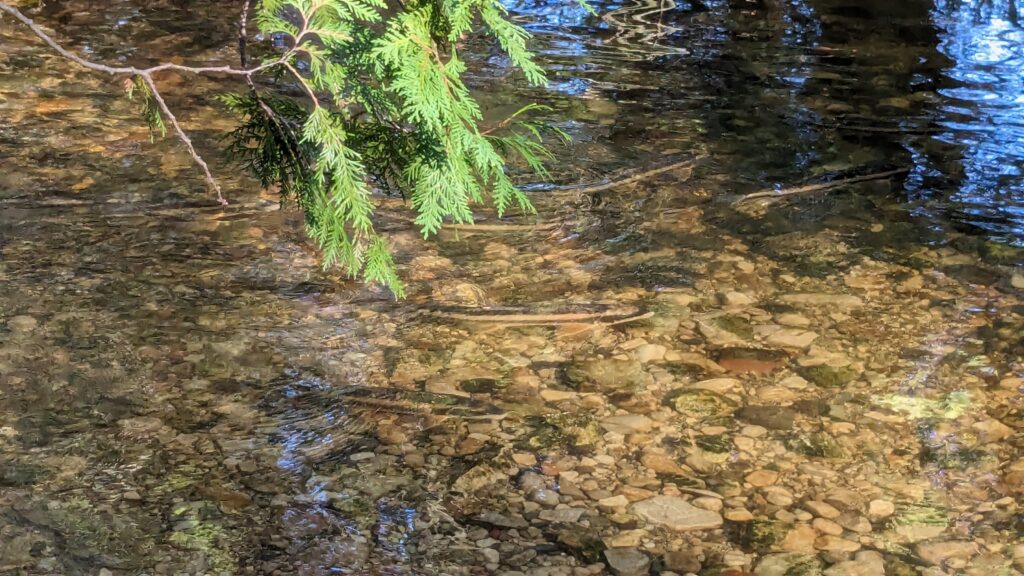
White suckers in Silver Creek. Image credit: Titus Seilheimer, Wisconsin Sea Grant

Spring is when that I head to the streambank most days and look for fish. And not just fish, I also follow the seasonal progression of spring and log those observations as part of the Great Lakes BioBlitz. I really look forward to slowing down and taking time to look at the daily changes. Although I’ve spent more than 20 years studying fish and wetlands, that work tends to be busier and more hectic with lots of travel between different sites. Both the Great Lakes Bioblitz and the sucker monitoring I do for the Shedd Aquarium take me to Silver Creek Park in Manitowoc first thing in the morning five days a week to look for fish and other animals.

It is also a time of sounds, from the seasonally evolving chorus of birds to the splash of fish in the stream. There are two distinct fish splash sounds right now: the vigorous splashing of a couple spawning suckers and the “ploink” splash of a surface-feeding steelhead trout. Suckers spawn in shallow water with a single female and several males. There is a lot of thrashing with fins and tails often breaking the surface. This year I’ve been alerted to the presence of suckers more than once by their splashing spawning activities. Thanks friends, I might have missed you otherwise.

The other sound is from the trout in Silver Creek—that cheerful little “ploink” splash of a feeding steelhead smolt. The creek is one of the stocking locations where the Wisconsin Department of Natural Resources plants two types of rainbow trout (also called “steelhead” because they run to the ocean/lake like salmon and get very silvery). The two types (strains) of steelhead are Ganaraska and Chambers Creek, both from Pacific drainages in the western United States. They are stocked as yearlings, and typically thousands of each type are released.

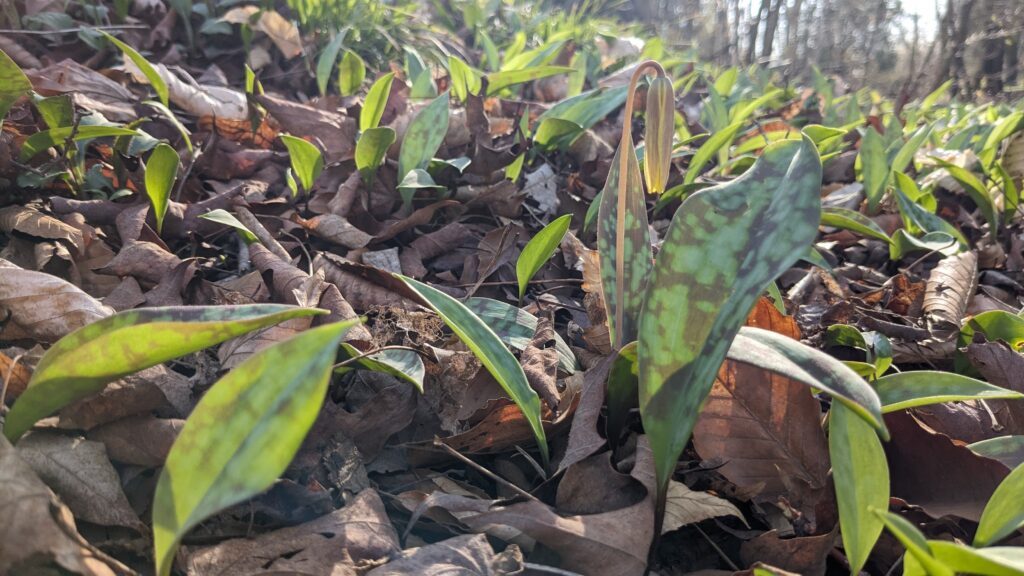
Trout lilies. Image credit: Titus Seilheimer, Wisconsin Sea Grant

You know when steelhead show up because they vigorously feed on the surface. They tend to sit in the deeper pools, facing upstream, swimming just enough to stay in place until they shoot to the surface to gulp down some unsuspecting bug. These stocked trout will head to Lake Michigan and grow big until they return to Silver Creek as adults to spawn. (You can see a pair of spawning steelhead in this video.) Steelhead are popular with anglers on the lake, but people can also catch them in the stream when they return to spawn—no boat required.

As a monitor for the Shedd Aquariums sucker monitoring program, I visit Silver Creek every day. Volunteers go to the same part of the stream and stand for 10 minutes looking for and then counting white suckers. Our monitoring station will contribute to a larger project that looks at suckers in Lake Michigan from Illinois to Door County and also on Lake Superior in Marquette, Michigan.

Water temperature is an important cue for suckers to know that it is time to move upstream from Lake Michigan to their spawning areas. This project will teach us more about how these cues might differ along a south to north gradient and be an important dataset in documenting the changes that climate disruption is causing to the natural world.

Coming out of winter, I value the time I spend watching the stream and looking for fish. I also get to watch the yellow trout lilies emerge and bloom, followed by the wild onions, mayapples and trillium. Sometimes there’s a muskrat or mink saying hello. Spring is a beautiful time to get outside and slowly watch the season!

The post Slowing down for science first appeared on Wisconsin Sea Grant.

Original Article

Blog | Wisconsin Sea Grant

Blog | Wisconsin Sea Grant

https://www.seagrant.wisc.edu/blog/slowing-down-for-science/

Titus Seilheimer

Human engineering solves age-old problems each day. 

But the natural environment has been engineering solutions to solve problems for thousands of years. People are catching on. 

The post Nature has clues to solve environmental problems first appeared on Great Lakes Echo.

Original Article

Great Lakes Echo

Great Lakes Echo

http://greatlakesecho.org/2024/05/09/nature-has-clues-to-solve-environmental-problems/

Anna Barnes

Meet the man who has been cleaning the Rouge River for 35 years

By Zach Lassen

This article was republished here with permission from Planet Detroit.

This story is from Planet Detroit’s Neighborhood Reporting Lab, where community reporters write about health and climate issues in their neighborhood. Neighborhood Reporting Lab is supported by the Americana and Kresge Foundations.

Read Now at Great Lakes Now.

Original Article

Great Lakes Now

Great Lakes Now

https://www.greatlakesnow.org/2024/05/meet-the-man-who-has-been-cleaning-the-rouge-river-for-35-years/

Planet Detroit

In its first early season forecast, the National Oceanic and Atmospheric Administration (NOAA) said that April’s record rainfall will probably lead to a moderate or large algal bloom in western Lake Erie. Though still highly variable, NOAA currently predicts this summer’s bloom will be at least a 4.5 and as high as a 7.5 on its 10-point severity scale. Read the full story by The Toledo Blade.

Original Article

Great Lakes Commission

Great Lakes Commission

https://www.glc.org/dailynews/20240508-erie-bloom

Taaja Tucker-Silva

Scientists have found evidence the flathead catfish—a species from the southern U.S. known for its huge size and monstrous appetite for fish—has established itself in the Thames River in southwestern Ontario. Read the full story by the CBC.

Original Article

Great Lakes Commission

Great Lakes Commission

https://www.glc.org/dailynews/20240508-catfish-canada

Taaja Tucker-Silva

For the last four years, the Cleveland Water Alliance has launched computerized smart buoys in Lake Erie to monitor water conditions. The month of May marks the start of what they call their smart lake season. Read the full story by WEWS-TV – Cleveland, OH.

Original Article

Great Lakes Commission

Great Lakes Commission

https://www.glc.org/dailynews/20240508-erie-buoys

Taaja Tucker-Silva

$20 million will be pumped in to rebuild the crumbling breakwall on Sodus Bay in New York. The project will protect the shoreline from severe flooding, including communities who got slammed during the springs of 2017 and 2019. Read the full story by WHAM-TV – Rochester, NY.

Original Article

Great Lakes Commission

Great Lakes Commission

https://www.glc.org/dailynews/20240508-sodus-breakwall

Taaja Tucker-Silva

Lake whitefish is an important commercial fishery in Lake Erie and is culturally and economically important to local First Nations. Although Lake Erie’s population has declined in recent years due to poor survival during their first year of life, fishery biologists have shown that the Detroit River is an important source for young lake whitefish. Read the full story by Great Lakes Now.

Original Article

Great Lakes Commission

Great Lakes Commission

https://www.glc.org/dailynews/20240508-whitefish-recruitment

Taaja Tucker-Silva

At their height, there were 30 U.S. naval militias but now there are only three; and New York’s is one of them. From protecting ship passengers during a cholera outbreak in 1892 to preventing flooding off Lake Ontario and Lake Erie in recent years, the militia has missions across the state’s coastline. Read the full story by Spectrum News 1 – Buffalo, NY.

Original Article

Great Lakes Commission

Great Lakes Commission

https://www.glc.org/dailynews/20240508-naval-militia

Taaja Tucker-Silva

In pursuit of a deeper understanding of the Great Lakes, a novice sailor embarked on a journey from Traverse City to the Atlantic Ocean and wrote a book detailing his adventure. Coinciding with a 20th Anniversary Edition of the book, the author discusses his work, and his hopes and concerns for the future of these waters. Read the full story by Great Lakes Now.

Original Article

Great Lakes Commission

Great Lakes Commission

https://www.glc.org/dailynews/20240508-author-interview

Taaja Tucker-Silva

A section of US-2 in Delta County in Michigan’s Upper Peninsula was recently damaged by high water, forcing officials with the Michigan Department of Transportation to close the road to all traffic. Emergency repairs will take two to three weeks. Read the full story by MLive.

Original Article

Great Lakes Commission

Great Lakes Commission

https://www.glc.org/dailynews/20240508-highway-damaged

Taaja Tucker-Silva

Trolling for muskie in the St. Louis River. Image credit: Todd Furo

Between the Fond du Lac Dam and Minnesota and Wisconsin points, the St. Louis River Estuary is becoming a destination for many types of water recreation. Thanks to pollution remedies and controls combined with habitat restoration, the river is cleaner than it has been in decades.

Despite these improvements, there are still safety hazards people should consider before recreating in the estuary. Whether people swim, paddle, hunt waterfowl, fish, sail or pleasure cruise on the river, local partners including the St. Louis River Area of Concern Coordinators and Sea Grant Programs in Minnesota and Wisconsin offer a web page with tips for appropriate precautions.

A shorter, “quick tips” fact sheet with similar information can be downloaded from here.

“We receive a lot of inquiries from people who want to know if it’s safe to swim in the estuary now,” said Barb Huberty, St. Louis River Area of Concern coordinator with the Minnesota Pollution Control Agency. “I reached out to the Sea Grant programs for help because of their community connections and communications expertise. We worked since last fall to gather input on what should be included in the fact sheet and web page from various water safety and harbor groups, and we are happy to have compiled information to give people.”

The text was written by Kelsey Prihoda, Great Lakes transportation extension educator with Minnesota Sea Grant. Editing and design services were provided by Wisconsin Sea Grant, which also distributes the information.

The post Heading for the St. Louis River? Local groups offer water safety tips first appeared on Wisconsin Sea Grant.

Original Article

News Releases | Wisconsin Sea Grant

News Releases | Wisconsin Sea Grant

https://www.seagrant.wisc.edu/news/heading-for-the-st-louis-river-local-groups-offer-water-safety-tips/

Marie Zhuikov

Michigan author reflects on 20th anniversary of landmark book The Living Great Lakes

Jerry Dennis wasn’t seeking adventure when as a novice sailor he joined a veteran captain and crew to sail from Traverse City to the Atlantic Ocean. He was looking for a deeper understanding of the Great Lakes, but adventure found him.

Similarly, he wasn’t seeking notoriety when he wrote The Living Great Lakes: Searching for the Heart of the Inland Seas, which was based on the sailing adventure.

Read Now at Great Lakes Now.

Original Article

Great Lakes Now

Great Lakes Now

https://www.greatlakesnow.org/2024/05/michigan-author-reflects-on-20th-anniversary-of-landmark-book-the-living-great-lakes/

Gary Wilson, Great Lakes Now

Fifty-five years after the Cuyahoga River last caught fire, its health continues to improve.

But determining what prevention and cleanup practices are most effective remains difficult. 

The post Cuyahoga comeback: Remediation is working but it’s hard to measure first appeared on Great Lakes Echo.

Original Article

Great Lakes Echo

Great Lakes Echo

http://greatlakesecho.org/2024/05/08/cuyahoga-comeback-remediation-is-working-but-its-hard-to-measure/

Elinor Epperson

At 529 PM CDT, Doppler radar was tracking strong thunderstorms along a line extending from 6 miles southeast of Navarino Wildlife Area to 9 miles north of Little Chute to near Darboy. Movement was northeast at 30 mph. HAZARD...Wind gusts up to 40 mph and pea size hail. SOURCE...Radar indicated. IMPACT...Gusty winds could knock down tree limbs and blow around unsecured objects. Minor hail damage to vegetation is possible. Strong thunderstorms will be near... Green Bay and Pulaski around 540 PM CDT. Other locations impacted by these storms include Maribel, Wayside, Morrison, Rose Lawn, Humboldt, Freedom, Ledgeview, Leo Frigo Bridge, Askeaton, and Howard.

Original Article

Current watches, warnings, and advisories for Brown County (WIC009) WI

Current watches, warnings, and advisories for Brown County (WIC009) WI

https://api.weather.gov/alerts/urn:oid:2.49.0.1.840.0.1457631cbf0a1f726759a05839f58526fd9d6b30.001.1.cap

NWS

‘No Mow May’ grows in Traverse City

By Izzy Ross, Interlochen Public Radio

This coverage is made possible through a partnership with IPR and Grist, a nonprofit independent media organization dedicated to telling stories of climate solutions and a just future.

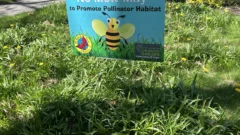
Walking around Traverse City, it’s hard to miss the yard signs with a smiling cartoon bee proclaiming “No Mow May.”

The signs are part of a conservation initiative aimed at raising awareness of how lawn care can impact pollinators and plant life.

Read Now at Great Lakes Now.

Original Article

Great Lakes Now

Great Lakes Now

https://www.greatlakesnow.org/2024/05/no-mow-may-grows-in-traverse-city/

Interlochen Public Radio

This year, NOAA’s Great Lakes Environmental Research Laboratory (GLERL) celebrates its 50th anniversary. In addition to celebrating 50 years of our Great Lakes science for society, we’re also celebrating Public Service Recognition Week from May 5-11. NOAA GLERL’s workforce is … Continue reading

Original Article

NOAA Great Lakes Environmental Research Laboratory

NOAA Great Lakes Environmental Research Laboratory

https://noaaglerl.blog/2024/05/07/award-winning-science-celebrating-public-service-recognition-week-during-glerls-50th-year/

Gabrielle Farina

Foraging’s Spring Backyard Splendor: Dandelions and Violets

This story is a part of “A Year in the Wild Kitchen of the Great Lakes,” a series in partnership with expert forager Lisa M. Rose with the mission of nurturing a deeper connection with the natural world through foraging.

As spring unfolds its vibrant hues, what better way to celebrate the season than by embracing the often overlooked splendor of dandelions and violets?

Read Now at Great Lakes Now.

Original Article

Great Lakes Now

Great Lakes Now

https://www.greatlakesnow.org/2024/05/foragings-spring-backyard-splendor-dandelions-and-violets/

Lisa M. Rose

A Wisconsin Court of Appeals decision that upheld the state’s first ordinance requiring bird-friendly building construction could spread similar policies to other cities. 

Already Middleton, Wisconsin, has passed such an ordinance following the ruling last October,  said Brenna Marsicek, director of outreach at the Southern Wisconsin Bird Alliance.

The post Wisconsin court case paves way for bird-friendly buildings first appeared on Great Lakes Echo.

Original Article

Great Lakes Echo

Great Lakes Echo

http://greatlakesecho.org/2024/05/07/wisconsin-court-case-paves-way-for-bird-friendly-buildings/

Clara Lincolnhol

Great Lakes Moment: Detroit River’s important role in lake whitefish

Great Lakes Moment is a monthly column written by Great Lakes Now Contributor John Hartig. Publishing the author’s views and assertions does not represent endorsement by Great Lakes Now or Detroit Public Television.

Lake whitefish is an important commercial fishery in Lake Erie and is culturally and economically important to local First Nations.

Read Now at Great Lakes Now.

Original Article

Great Lakes Now

Great Lakes Now

https://www.greatlakesnow.org/2024/05/great-lakes-moment-detroit-rivers-important-role-in-lake-whitefish/

John Hartig

New York native Robert Gioia has been confirmed to the International Joint Commission (IJC), which was established by the Boundary Treaty of 1909 to prevent and resolve disputes over the U.S. and Canada’s shared waterways, including the Great Lakes and the St. Lawrence River. Read the full story by the Finger Lakes Daily News.

Original Article

Great Lakes Commission

Great Lakes Commission

https://www.glc.org/dailynews/20240505-ijc-commissioner

Theresa Gruninger

Parks Canada broke ground on Saturday on the new Lake Superior National Marine Conservation Area Administration and Visitors Centre. The center is being constructed on the Nipigon Marina and will allow visitors to learn about some of the things Parks Canada does to keep the big lake healthy. Read the full story by SN News Watch.

Original Article

Great Lakes Commission

Great Lakes Commission

https://www.glc.org/dailynews/20240505-lake-superior-national-marine-conservation-area

Theresa Gruninger

In 2019, the state of Illinois confirmed what advocates had long suspected, coal ash from the Waukegan Generating Station had leached into nearby groundwater right next to Lake Michigan. Plans were submitted to clean up the operation, but those plans are still on hold. Read the full story by Grist.

Original Article

Great Lakes Commission

Great Lakes Commission

https://www.glc.org/dailynews/20240505-coal-ash

Theresa Gruninger

The Minnesota Governor’s Fishing Opener took place on Saturday and anglers were eagerly waiting to drop a line, hoping to reel in trout, bass, walleye and muskie. But the state’s unseasonably warm winter may have had an effect on fish hatch for some species. Read the full story by Minnesota Public Radio.

Original Article

Great Lakes Commission

Great Lakes Commission

https://www.glc.org/dailynews/20240505-spring-fishing-mn

Theresa Gruninger

The disappearance of wolves from a large island on Lake Superior means the timing is good for restoring its caribou herd. The Ministry of the Environment, Conservation and Parks says plans are underway to transport a dozen boreal caribou to Lake Superior’s Michipicoten Island. Read the full story by SN News Watch.

Original Article

Great Lakes Commission

Great Lakes Commission

https://www.glc.org/dailynews/20240505-caribou

Theresa Gruninger

Ohio’s environmental regulators will have until the end of June to finish a plan to aimed at combating toxic algae blooms that have flourished in Lake Erie since the late 1990s. The deadline is part of the settlement agreement a federal judge approved Thursday. Read the full story by AP News.

Original Article

Great Lakes Commission

Great Lakes Commission

https://www.glc.org/dailynews/20240505-lake-erie

Theresa Gruninger

One-fifth of the planet’s surface freshwater sits in our Great Lakes. Demand for it will only grow, which gives us both an opportunity and a responsibility to speed the pace of water innovation. Over the next 10 years, a bipartisan coalition called Great Lakes ReNEW will invest millions of dollars in new technologies to recover and recycle valuable minerals, such as nickel, cobalt and lithium, from our water, and remove toxic chemicals such as per- and polyfluorinated substances, known as PFAS. Read the full story by the Chicago Tribune.

Original Article

Great Lakes Commission

Great Lakes Commission

https://www.glc.org/dailynews/20240506-pritzer

Beth Wanamaker

New Interagency Agreement Supports Water Tribal Water and Sanitation Projects

By Native News Online Staff, Native News Online

This article originally appeared on Native News Online. Founded in 2011, Native News Online reaches millions of Native and non-Native readers annually including American Indians, Alaska Natives, Native Hawaiians and others interested in Native American concerns.

Read Now at Great Lakes Now.

Original Article

Great Lakes Now

Great Lakes Now

https://www.greatlakesnow.org/2024/05/new-interagency-agreement-supports-water-tribal-water-and-sanitation-projects/

Native News Online

Look for strong thunderstorms to continue developing across east-central and northeast Wisconsin through the early evening hours. The strongest storms will have hail up to one half inch and locally heavy rainfall. Stay tuned to noaa weather radio or commercial radio or tv for updates on these storms.

Original Article

Current watches, warnings, and advisories for Brown County (WIC009) WI

Current watches, warnings, and advisories for Brown County (WIC009) WI

https://api.weather.gov/alerts/urn:oid:2.49.0.1.840.0.b1bed49badbcf8e1881c8923ba1a125cf4a750af.001.1.cap

NWS

Cells from an invasive algae known as didymo or “rock snot” have been found in the Au Sable River in Oscoda County, Michigan. Didymo can create thick mats that cover river and stream bottoms which alters habitat, recreation, and food resources for fish. Read the full story by WDIV – TV – Detroit, Michigan.

Original Article

Great Lakes Commission

Great Lakes Commission

https://www.glc.org/dailynews/20240503-invasive-didymo-found

Nichole Angell

St Lawrence Seaway Management Corporation and Great Lakes St Lawrence Seaway have agreed a deal to deploy a new Voyage Information System from Global Spatial Technology Solutions to enhance joint management of the bi-national waterways between Canada and the United States. Read the full story by the Smart Maritime Network.

Original Article

Great Lakes Commission

Great Lakes Commission

https://www.glc.org/dailynews/20240503-ai-seway-traffic-assistance

Nichole Angell

Early indications and forecasts from the International Lake Ontario – St. Lawrence River Board, which maintains outflow from Lake Ontario for the International Joint Commission, show that the normal mid-summer high point for Lake Ontario levels will remain slightly below average. Read the full story by WROC – TV – Rochester, NY.

Original Article

Great Lakes Commission

Great Lakes Commission

https://www.glc.org/dailynews/20240503-ontario-water-levels

Nichole Angell

A feasibility study released in 2022 by the New York State Energy Research and Development Authority did not support the placement of turbines in Lakes Erie and Ontario. This was thought to be the end to future consideration but a recent proposal from Pennsylvania says otherwise. Read the full story by The Post-Journal.

Original Article

Great Lakes Commission

Great Lakes Commission

https://www.glc.org/dailynews/20240503-wind-turbine-dispute

Nichole Angell

After 12 years and $7.5 million, the habitat restoration of a large wetland preserve in the very southeast corner of Michigan is now complete, just in time for the migratory birds heading this way. Read the full story by WJBK – TV – Detroit, Michigan.

Original Article

Great Lakes Commission

Great Lakes Commission

https://www.glc.org/dailynews/20240503-wetland-restoration

Nichole Angell

Efforts to kill sea lamprey larvae in Conneaut Creek in Pennsylvania were conducted in late April at the start of a six-month-long lampricide program slated for the entire Great Lakes. Read the full story by Outdoor News.

Original Article

Great Lakes Commission

Great Lakes Commission

https://www.glc.org/dailynews/20240503-lampricide-treatments-underway

Nichole Angell

The United Nations Permanent Forum on Indigenous Issues (UNPFII) once again called on Canada and the U.S. to decommission the Enbridge Line 5 pipeline. Indigenous communities on both sides of the border have repeatedly called for the decommissioning to protect a broad range of human rights. Read the full story by the Center for International Environmental Law.

Original Article

Great Lakes Commission

Great Lakes Commission

https://www.glc.org/dailynews/20240503-line5-opposition

Nichole Angell

A 195-foot wooden steamship that vanished in 1909 on Lake Superior has been found. The vessel, The Adella Shores, was found with sonar technology in more than 650 feet of water about 40 miles northwest of Whitefish Point in Michigan’s Upper Peninsula. Read the full story by The Detroit News.

Original Article

Great Lakes Commission

Great Lakes Commission

https://www.glc.org/dailynews/20240503-shipwreck-found

Nichole Angell