Water Hyacinth No More! Invasive Species Removal Success
2024-09-26
Multi-Year Partnership Results in Water Hyacinth No Longer Seen on Lake Winneconne
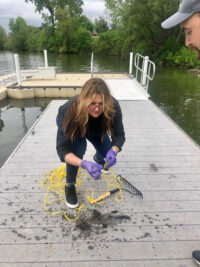
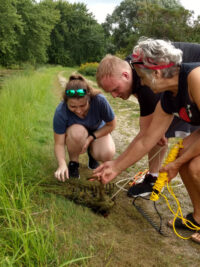
A team from the Fox-Wolf Watershed Alliance and the Wisconsin Department of Natural Resources recently monitored Lake Winneconne for the invasive species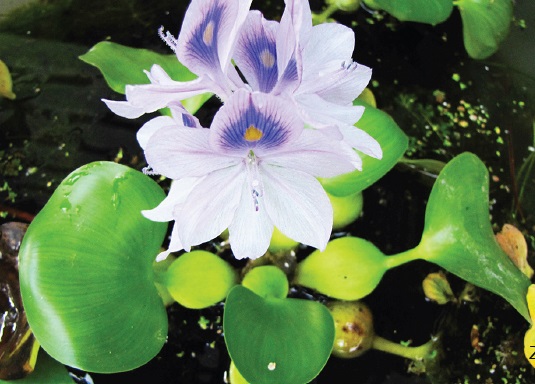 Water Hyacinth. The annual check for this invasive plant has been ongoing since October 2015 when water hyacinth was first found in the Winnebago System. After an extensive search, no hyacinth was found for the 5th consecutive year! According to the DNR, water hyacinth will no longer be listed as verified or observed on the System. While it’s very difficult to remove any invasive species completely from a lake or river, that has effectively been done for the Winnebago System with water hyacinth!
Water hyacinth has previously been found in local waterways in 8 Wisconsin counties, including in Lake Winneconne in Winnebago County. The plant was first reported to the DNR in October 2015 by a citizen volunteer. Due to its ability to quickly dominate a system, there is concern that the plant may be able to establish a population in the lake. With local partners, the DNR coordinated efforts in October and early November 2015 to remove all water hyacinth plants that were found. As a sub-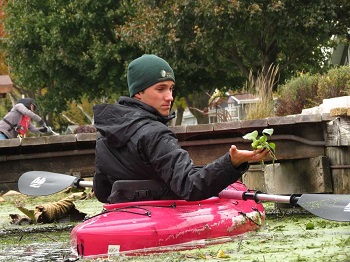 tropical plant, there was hope that the cold Wisconsin winter would eliminate any plants that were potentially missed by the removal efforts. However, in September 2016, more water hyacinth plants were located in the same area of Lake Winneconne in residential channels and the Wolf River channel. Additional monitoring and removal occurred in September and October 2016, September and October 2017, July and October 2018, and September 2019.
Starting in 2020, no water hyacinth was found during the monitoring trips or by volunteer monitoring efforts. With each successive year, more support was given to the idea that the plant was being repetitively illegally released into the lake near the end of the growing season rather than fragments of plant surviving or seeds germinating each year.
Only with partnerships between WI DNR, local non-profits like Fox-Wolf Watershed Alliance, citizen volunteers is this story a success. From the first plant being found and reported by a concerned lake resident to the response and removal efforts, we at Fox-Wolf are proud to be part of the team that ensured our System remains free of waterd hyacinth!
Photo Credit: Chris Acy, Patrick Siwula
Questions? Comments? Contact Chris Acy, the AIS Coordinator covering Brown, Outagamie, Fond du Lac, Calumet, and Winnebago Counties at (920) 460-3674 or chris@fwwa.org!
Follow the Fox Wolf Watershed Alliance on our Fox-Wolf Watershed Alliance Facebook page or @fox_wolf_watershed_alliance on Instagram! You can also sign-up for email updates at fwwa.org.
The Fox-Wolf Watershed Alliance is an independent nonprofit organization that identifies and advocates effective policies and actions that protect, restore, and sustain water resources in the Fox-Wolf River Basin.
Reporting invasive species is a first step in containing their spread. Maintaining and restoring our waters and landscapes can reduce the impacts even when we don’t have other management options to an invasive species.
The post Water Hyacinth No More! Invasive Species Removal Success appeared first on Fox-Wolf Watershed Alliance.
Fox-Wolf Watershed Alliance
https://fwwa.org/2024/09/26/water-hyacinth-no-more-invasive-species-removal-success/?utm_source=rss&utm_medium=rss&utm_campaign=water-hyacinth-no-more-invasive-species-removal-success
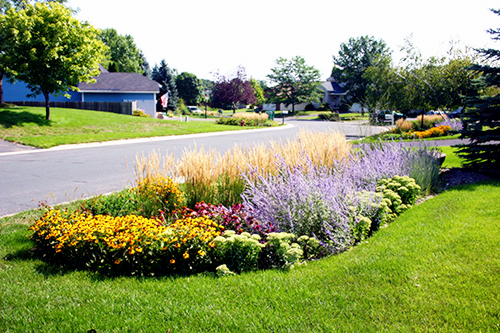
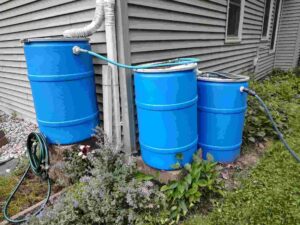 Rain runs off your rooftop, onto your driveway, down the street and into the storm drain collecting dirt, debris, fertilizer and other harmful substances along the way. All of the polluted water ends up in our local waters unless we stop the water where it falls!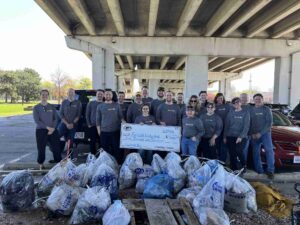

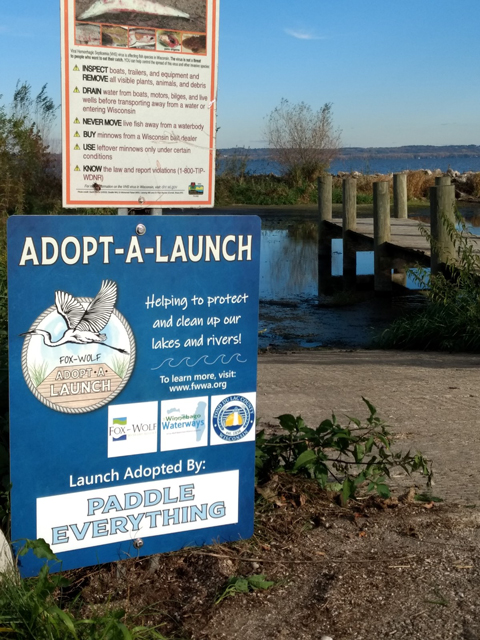
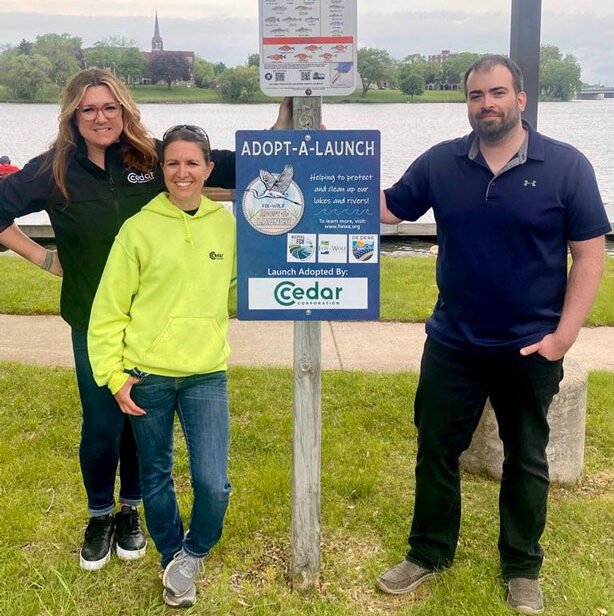
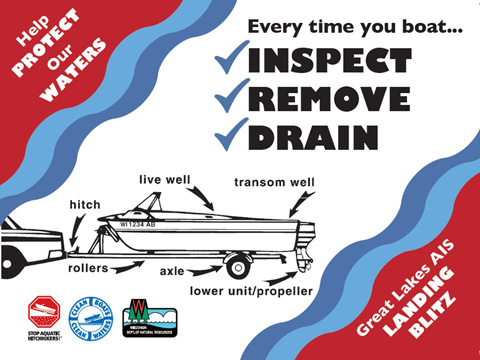 annual Landing Blitz campaign runs June 26th – July 6th, 2024. Clean Boats, Clean Waters (CBCW) boat inspectors and educators will meet boaters at lake and river launches to remind them that by taking simple prevention steps, we all play a vital role stopping the spread of aquatic invasive species (AIS) like zebra mussels.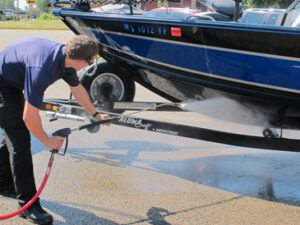
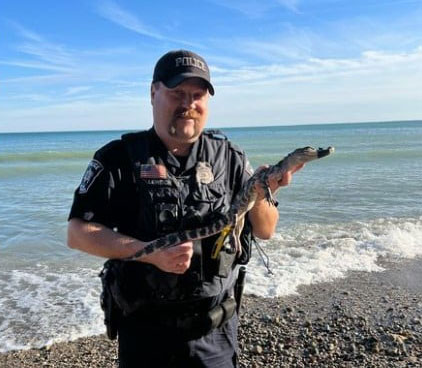
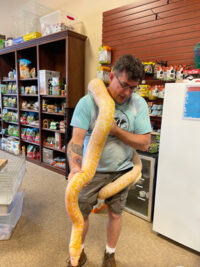 unable to care for their pet may think that releasing the animal is the right thing to do, however, releasing a pet is harmful for the animal and the environment.
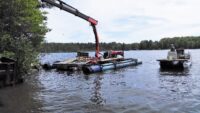 strategy. Simply put, an ounce of prevention is worth a pound of cure. But if only it were just that simple. The variables and situations that can impact a waterbody may seem so limitless that it can be daunting to know where to start. As a lake resident, you might consider questions such as:
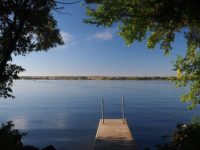 transporting and spreading AIS without proper decontamination. While everyone is required to “inspect, remove, and drain” per Wisconsin State Statutes NR40, these steps might not always be 100% effective especially for high-risk users such as service providers who are often working on multiple lakes in a single day and interacting with lake water and sediment in ways that recreational users are not. These kinds of service providers need to follow the same prevention steps that we all do, but they are not required to take the extended steps, such as spraying equipment with a bleach solution, making it all the more important for consumers to advocate for their lake.


 been laid in the sediment of the lake. Following analysis of the samples collected, we are please to report that no evidence of spiny waterflea were found which includes not finding any eggs!
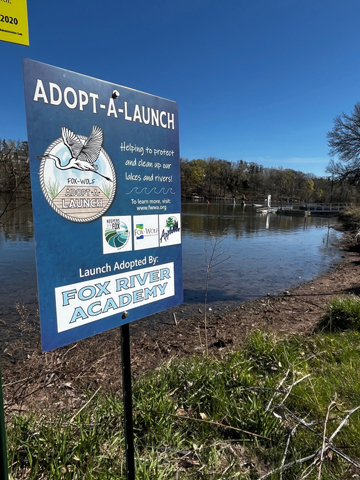
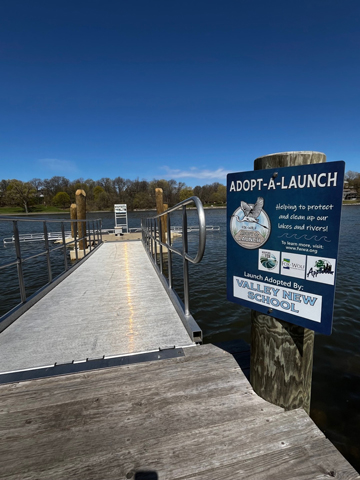
 boat launches! Get involved today!
 which topics they are interested in monitoring. The information gathered by volunteers is even used by Wisconsin Department of Natural Resources and university biologists and researchers, UW-Extension, and other interested individuals in projects that work to improve your lake! Help keep track of changes in your lake while being near your favorite Winnebago lake! This opportunity is easy to do from both the shoreline as well as your boat!
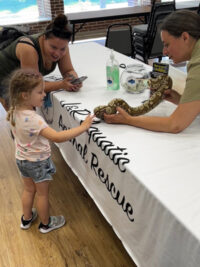
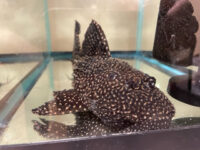 provide responsible alternatives and a judgement-free environment for pet owners who can no longer care for their exotic animals.
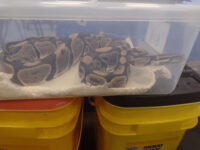 collaborative effort ensures that these animals are given proper care and attention.
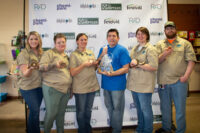 With 29 events planned for the year there are ample opportunities for pet owners to seek assistance in rehoming their animals.

 Attention Master Gardeners, Master Naturalists, Garden Club Members and others advising home gardeners; this webinar is for you! Representatives from UWEX and DNR will join Melinda Myers to talk about current threats, available resources and ways we can all work together to manage invasive plants. To register for the free webinar, click the button below!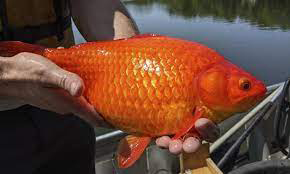
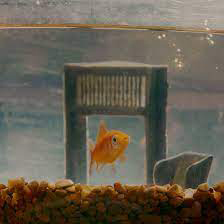 Goldfish were first spotted in Hamilton Harbour in the 1960s, but largely died off in the 1970s because of industrial contamination. In the early 2000s, their population appeared to recover. Goldfish can tolerate a wide range of water temperatures, reach sexual maturation quickly, and can eat nearly anything, including algae, aquatic plants, eggs and invertebrates, Ms. Boston said.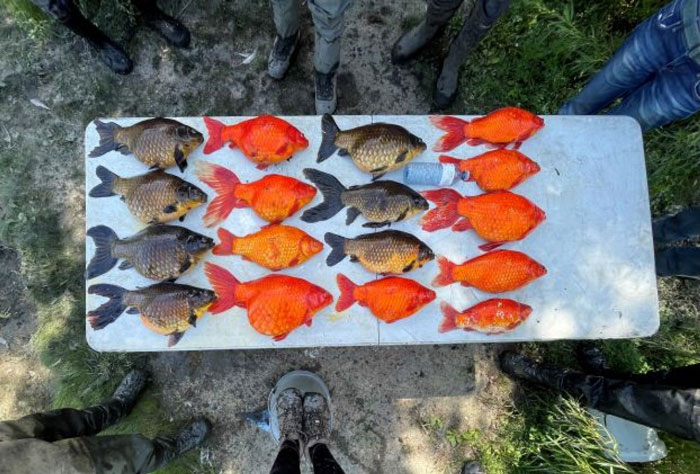
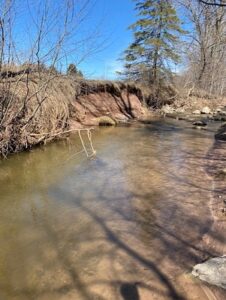


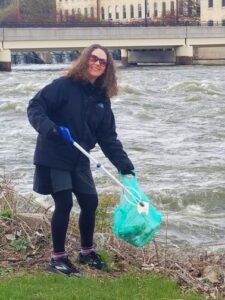



 the Fox is a family-friendly event that celebrates World Rivers Day and the Fox River. Activities offered during the event include guided crayfish and critter hunting, guided nature hikes along the Fox River, fishing instructions for children with the KHS Fishing Team, Fox Lock demonstrations – Lock #3 with shuttle available, paper making, photo scavenger hunt, viewing of “The Power of the River” documentary, and river cleanup with Fox-Wolf Watershed Alliance
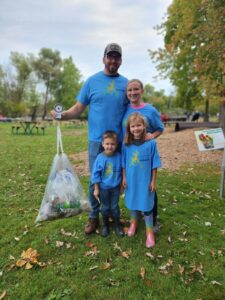
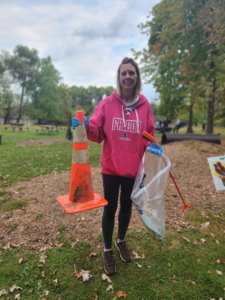
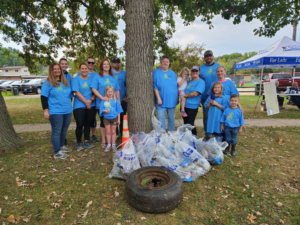 to see that registration filled during the week prior to the event. Amcor employees made up a majority of the group, along with a Boy Scout troup and other conservation-minded volunteers.
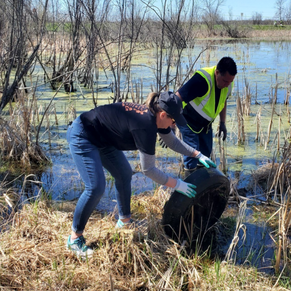
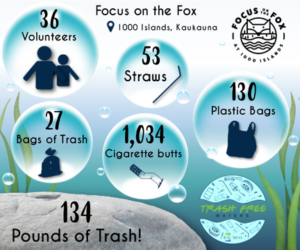 cigarette butts, 130 plastic bags, and 53 straws. After weighing up all of the trash, the total was 134 pounds of trash and debris! Other interesting finds include: a tire with rim, orange cone, metal trash can lid, fireworks, baseball, tarp, and a container with two hard-boiled eggs from Costco. Check out the infographic!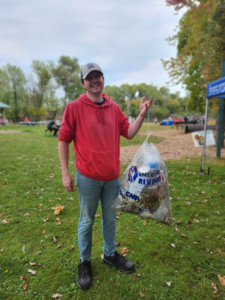
 kelly@fwwa.org
 920-915-1502
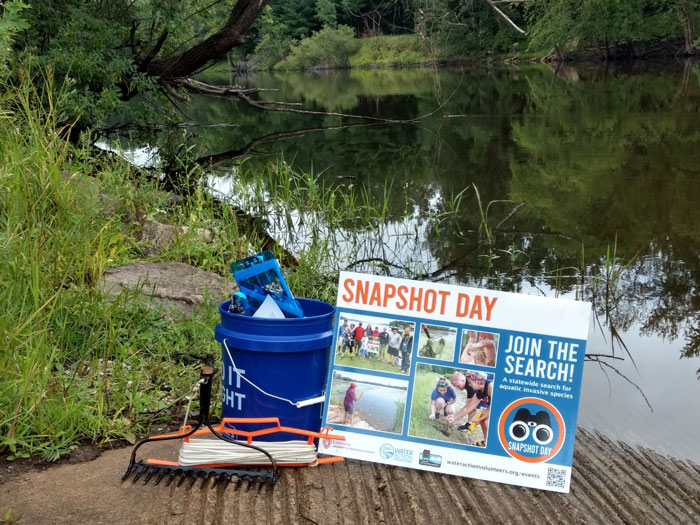
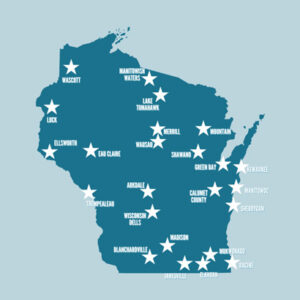 Extension Lakes. Volunteers met at different local rendezvous sites across the state to learn how to identify AIS such as Eurasian watermilfoil, purple loosestrife, and New Zealand mudsnails, and then searched for them in the field at pre-
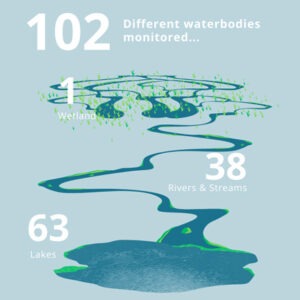
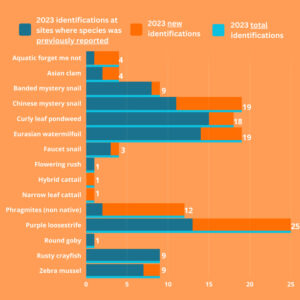 selected locations. Initially focused on rivers and streams, Snapshot Day has expanded to include lakes and wetlands. Findings from Snapshot Day are uploaded to the statewide water quality database, SWIMS, where they can be used to track the spread of invasive species and develop management plans.
 Snapshot Day’s community-based science approach maximizes the number of sites being checked across the state, and the free event allows volunteers to learn about their local waters and how to keep them healthy. As one volunteer stated, “I enjoyed the hands on learning approach. It was helpful to have well informed guides and samples of the invasive species to get a close look at. Once we had a good understanding of what to look for, it was fun to go out and collect samples of what we were finding.”
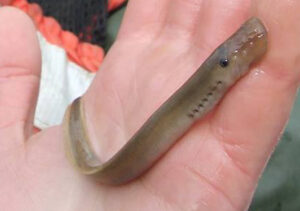
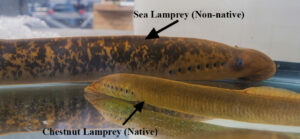
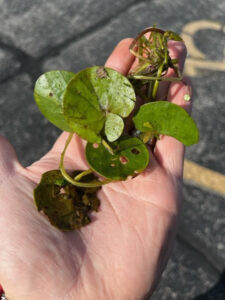 invasive species in the Bay of Green Bay.
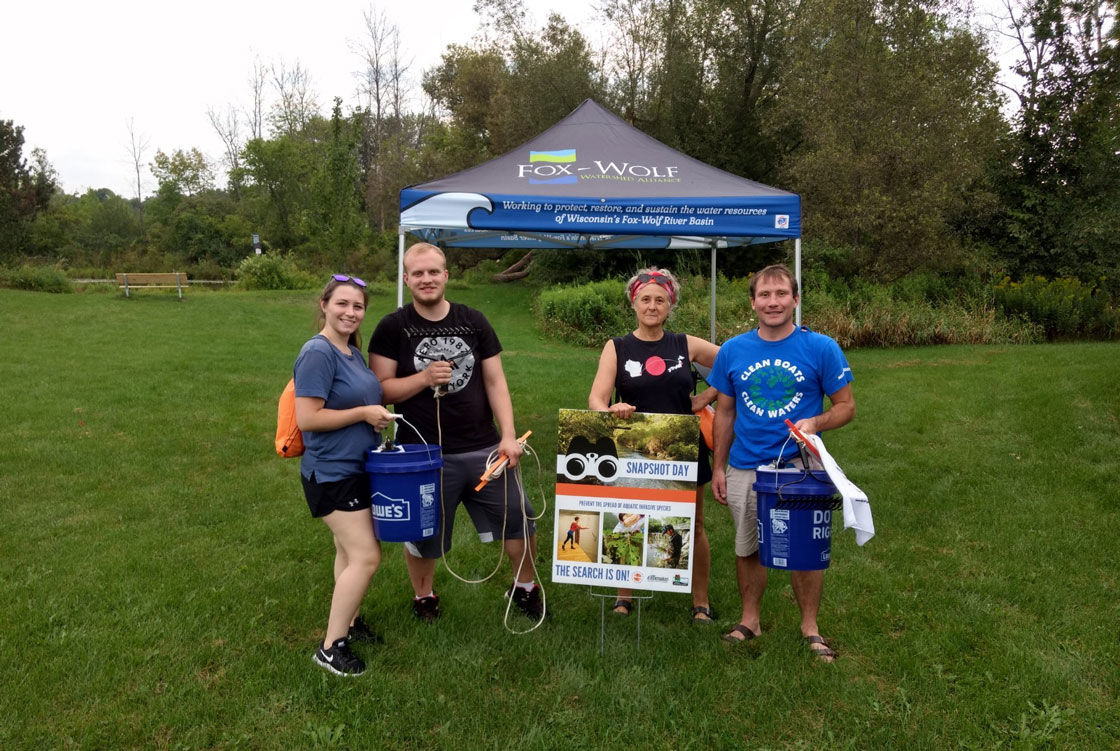 risks to Wisconsin waterways and wildlife. Volunteers have a choice to register at one of over twenty event locations hosted by local conservation groups.