
After the flood: your support helps us advocate for free-flowing rivers
After the flood: your support helps us advocate for free-flowing rivers
Support River Alliance of Wisconsin with a special year-end gift that will sustain our work to unite water advocates across the state to protect and restore Wisconsin’s waters. Your generous contribution – and impact for Wisconsin’s waters – will be matched dollar for dollar up to $18,000.
Manawa, Wisconsin faces decisions after a flood
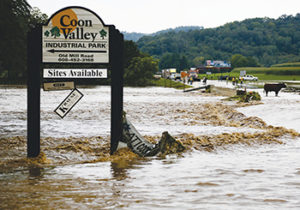
Early in the morning of July 5, 2024, a storm cell moved over central Wisconsin. In just two hours, four inches of rain had been dumped across the Little Wolf River watershed, which had already been hit with heavy rainfall in the preceding weeks.
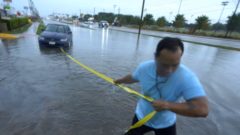
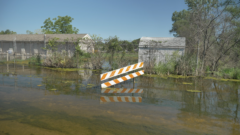
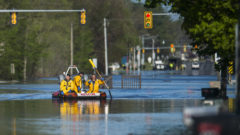
In Appleton, streets became impassible. Flash flood warnings were issued in Calumet, Manitowoc, Outagamie and Brown counties. But the Waupaca County town of Manawa was hit the hardest.
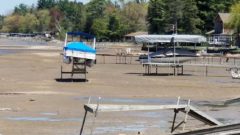
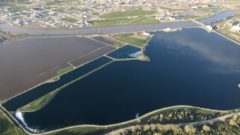
Four hours after the storm began, downed trees and debris from the surging Little Wolf were pushed through Manawa’s 180-acre millpond and into the aging dam. The waters overwhelmed the dam, and the earthen berm to the north gave way.
The library nearby was forced to evacuate; the water treatment facility was flooded; the Mid-West Rodeo, the town’s largest annual event that brings hundreds of thousands of dollars into the community, was cancelled; and more than 100 people had to vacate their homes until the waters subsided.
How we help: when dam removal is necessary
Since our inception, River Alliance of Wisconsin has been a leading voice advocating for the removal of those dams that are unnecessary, unsafe, or incapable of withstanding the infrastructure demands new climate challenges will bring. This is an essential part of our mission to protect and restore Wisconsin’s waters.
Over the last few years, we’ve recommitted ourselves to dam removal advocacy, now with renewed urgency as devastating storms like the one that hit Manawa last year become more frequent, putting communities in direct conflict with the waters they were built around.
The benefits of dam removal are clear: cleaner water, improved wildlife habitat, lowered flooding risks, increased recreational opportunities, and lowered maintenance costs.
However, federal and state resources needed to remove dams and restore rivers are increasingly hard to come by.
Even in communities not faced with the threat of imminent dam failure, conversations about restoring our waters to their natural state are incredibly fraught.
At a fundamental level, these conversations are about restoring community-wide, democratic decision-making to our shared water resources. Who is allowed to reap the benefits of dammed rivers? Who will be forced to take on the consequences of extreme storms on unsafe dams or droughts on heavily impounded rivers?
For three decades, River Alliance of Wisconsin has helped water advocates navigate these complex interactions in their own communities across the state.
Wisconsinites form deep, emotional connections to our waters, so it can be hard to imagine the possibilities of a community existing in harmony with a free-flowing river when dams and their impounded waters are all that many community members have ever known.
And navigating the available options when dam removal is on the table is incredibly complex. The challenges are numerous: determining who has decision-making authority, which agency inspects and/or licenses the dam, where to find funding for removal and the accompanying habitat restoration, and how advocates can best make their voices heard.
River Alliance has become a trusted ally for people looking to restore their rivers and support climate-resilient communities because we have the experience and technical expertise to
- help communities navigate complex conversations about dam removal and hydropower relicensing.
- connect water advocates with resources needed to fund removal and restoration efforts.
- be a voice for rivers when hydroelectric dam removal isn’t an option by demanding better conditions for wildlife, water quality and quantity, and recreation.
- advocate for nature-based solutions for flood mitigation over human-built infrastructure.
- connect Wisconsinites to our waters and wildlife through educational events and paddle trips – like our native mussel paddle on the Chippewa River in August.
What’s next for Manawa
Today the Manawa community has an incredible opportunity to imagine how a free-flowing Little Wolf, which has largely returned to its original channel, could enrich the city through fish passage, ecological health, recreation, and – critically – flood resilience.
For the Manawa dam, there are two paths forward: restore the river, or rebuild the dam for an estimated $8.4 million – 12 times the cost of restoration.
Like we have in communities across Wisconsin for the last three decades, we stand with local advocates in Manawa passionate about what a restored river could mean for their community. As climate change continues to threaten aging and sometimes unnecessary dams around the state, your support helps us work together to build a cleaner, more climate resilient Wisconsin.
Help us be an advocate for people who see a future of free-flowing rivers. Your generosity with a year-end gift helps River Alliance continue to protect and restore our waters for everyone who calls Wisconsin home.
– Ellen Voss, Climate Resilience Director
This message is made possible by generous donors who believe people have the power to protect and restore water. Subscribe to our Word on the Stream email newsletter to receive stories, action alerts and event invitations in your inbox. Support our work with your contribution today.
Miles Paddled visits the site of the damaged dam in Manawa
The full video is a great way to witness changes in the landscape at river level. The view of the damaged dam starts around the 13:45 mark.
The post After the flood: your support helps us advocate for free-flowing rivers appeared first on River Alliance of WI.
Blog - River Alliance of WI
https://wisconsinrivers.org/2025-year-end-donations/












 The Zoom session featured Bechle along with speakers from the U.S. Army Corps of Engineers—Detroit District, National Weather Service Forecast Office in Milwaukee/Sullivan and the Wisconsin Department of Natural Resources. The Wisconsin Coastal Management Program and local governments also played a role in putting the session together. About 112 participants watched it live.
 Great Lakes water levels have been at or near record highs in recent months, prompting concern among many Wisconsin residents.