Ice Fishing? Even Icy Wisconsin Waters Host Aquatic Invasive Species
2025-12-10
Do you have your auger and shanty ready? The ice is firming up. It's calling anglers throughout Wisconsin. In fact, several folks are already getting out in our area! Be careful on that ice! Help protect our lakes and rivers this winter with a few easy steps to prevent the spread of aquatic invasive [...]
The post Ice Fishing? Even Icy Wisconsin Waters Host Aquatic Invasive Species appeared first on Fox-Wolf Watershed Alliance.
Fox-Wolf Watershed Alliance
https://fwwa.org/2025/12/10/ice-fishing-even-icy-wisconsin-waters-host-aquatic-invasive-species/?utm_source=rss&utm_medium=rss&utm_campaign=ice-fishing-even-icy-wisconsin-waters-host-aquatic-invasive-species













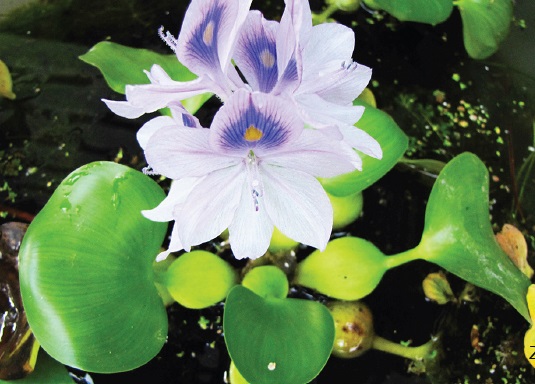
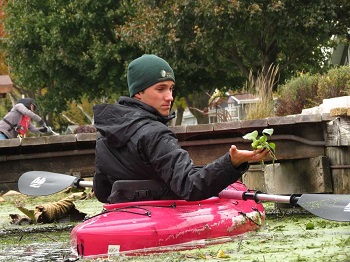 tropical plant, there was hope that the cold Wisconsin winter would eliminate any plants that were potentially missed by the removal efforts. However, in September 2016, more water hyacinth plants were located in the same area of Lake Winneconne in residential channels and the Wolf River channel.
 interested in learning more.
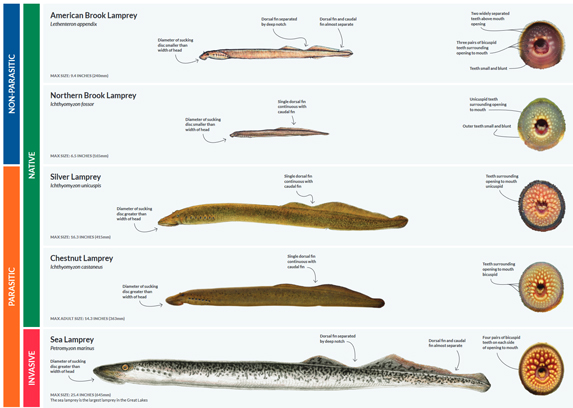
 Winnebago. Since then, the
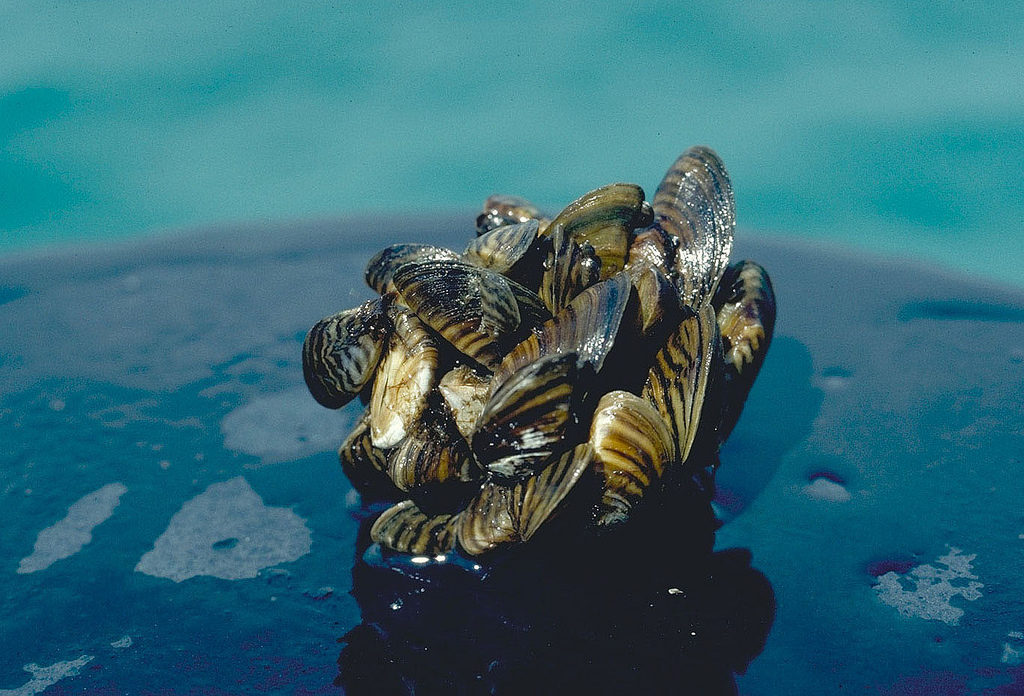
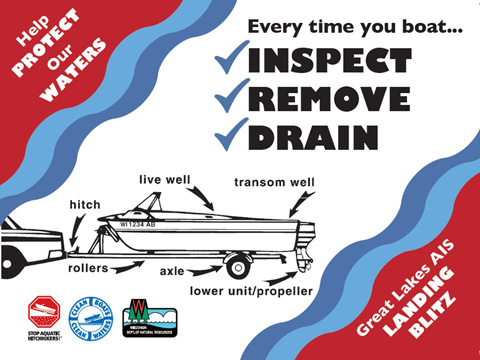 annual Landing Blitz campaign runs June 26th – July 6th, 2024. Clean Boats, Clean Waters (CBCW) boat inspectors and educators will meet boaters at lake and river launches to remind them that by taking simple prevention steps, we all play a vital role stopping the spread of aquatic invasive species (AIS) like zebra mussels.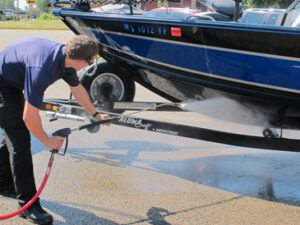
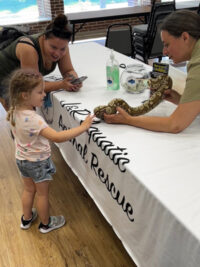
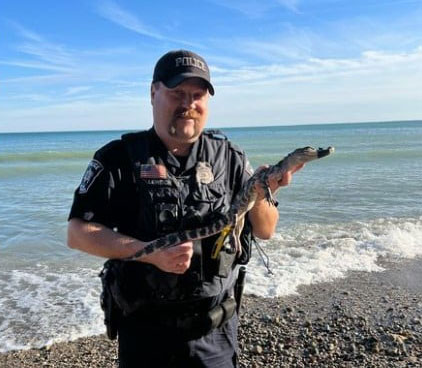
 unable to care for their pet may think that releasing the animal is the right thing to do, however, releasing a pet is harmful for the animal and the environment.
 strategy. Simply put, an ounce of prevention is worth a pound of cure. But if only it were just that simple. The variables and situations that can impact a waterbody may seem so limitless that it can be daunting to know where to start. As a lake resident, you might consider questions such as:
 transporting and spreading AIS without proper decontamination. While everyone is required to “inspect, remove, and drain” per Wisconsin State Statutes NR40, these steps might not always be 100% effective especially for high-risk users such as service providers who are often working on multiple lakes in a single day and interacting with lake water and sediment in ways that recreational users are not. These kinds of service providers need to follow the same prevention steps that we all do, but they are not required to take the extended steps, such as spraying equipment with a bleach solution, making it all the more important for consumers to advocate for their lake.


 “Sea Grant’s success and impact continues to rely on the power of collaboration,” said Jonathan Pennock, director of the National Sea Grant College Program. “This special issue showcases and celebrates the breadth of Sea Grant’s work.”
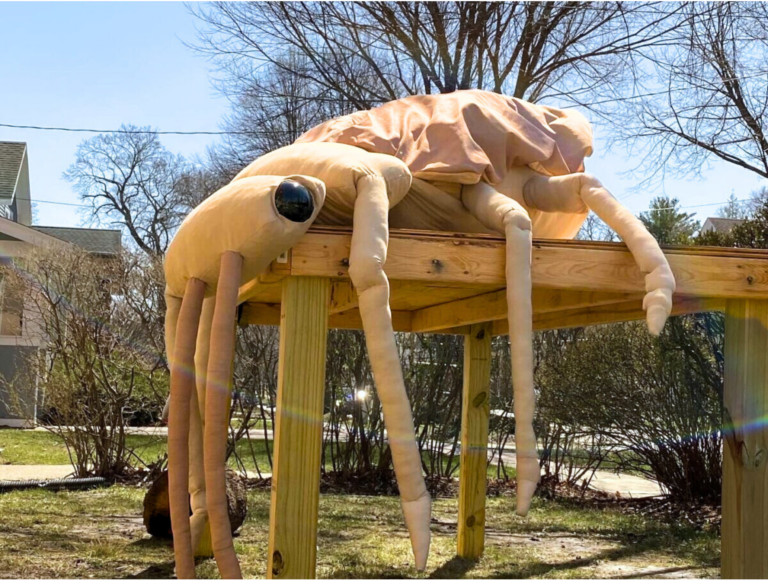
 been laid in the sediment of the lake. Following analysis of the samples collected, we are please to report that no evidence of spiny waterflea were found which includes not finding any eggs!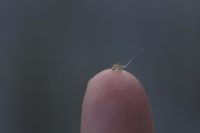
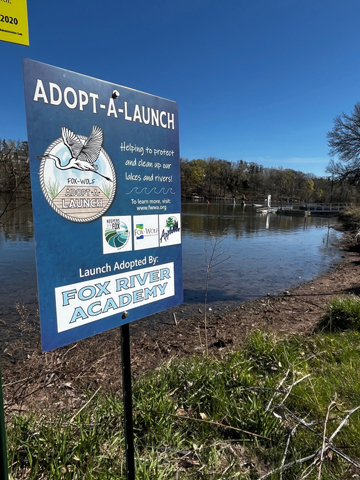
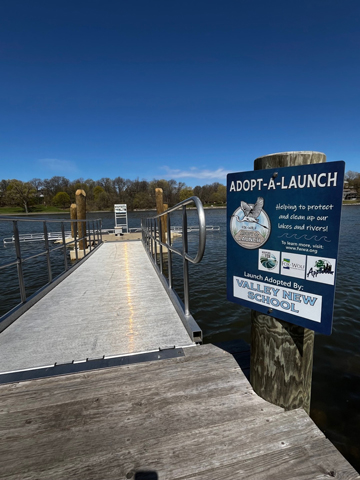
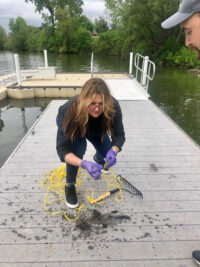 boat launches! Get involved today!
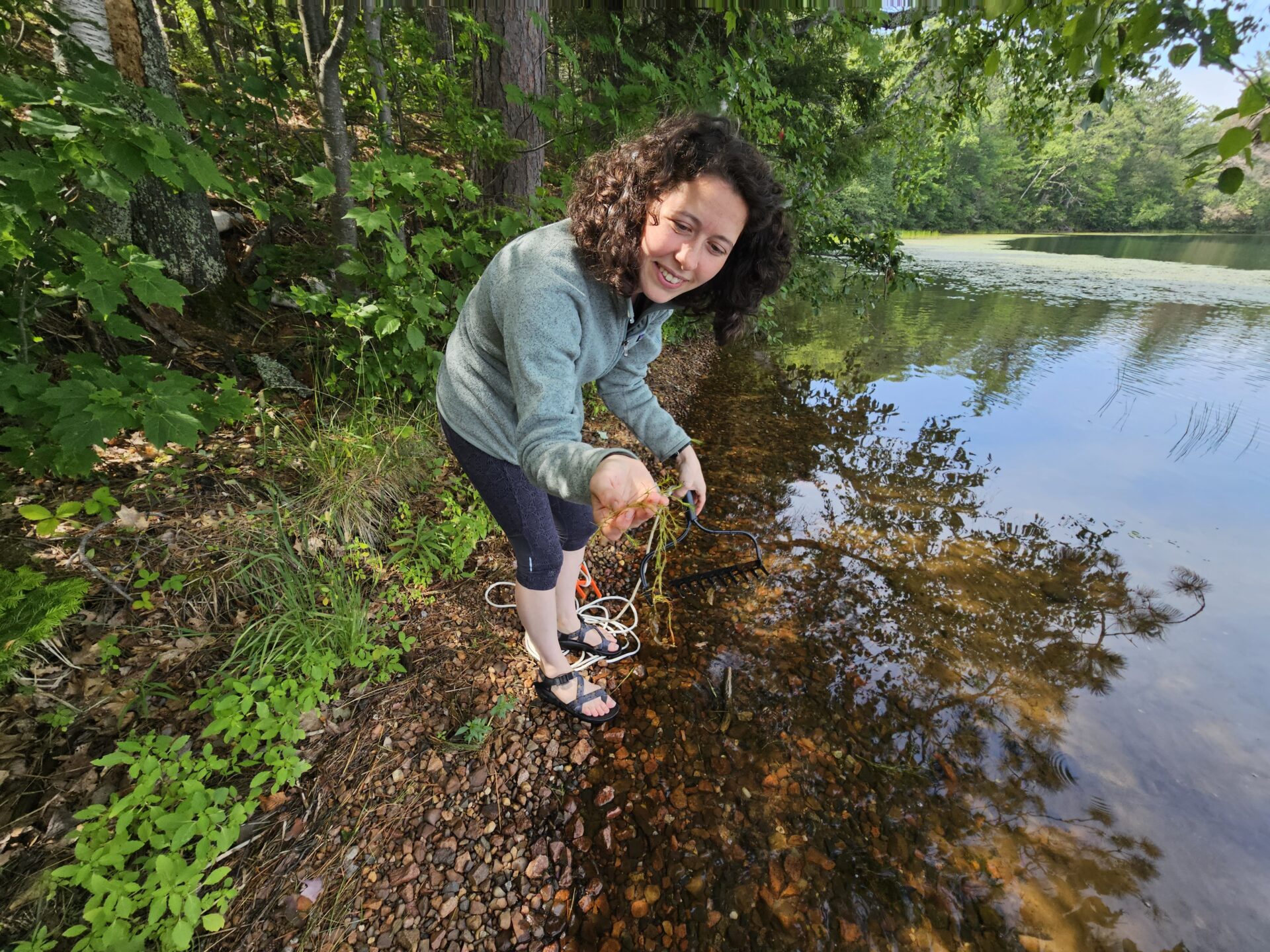
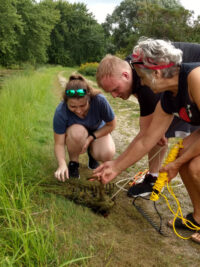 which topics they are interested in monitoring. The information gathered by volunteers is even used by Wisconsin Department of Natural Resources and university biologists and researchers, UW-Extension, and other interested individuals in projects that work to improve your lake! Help keep track of changes in your lake while being near your favorite Winnebago lake! This opportunity is easy to do from both the shoreline as well as your boat!
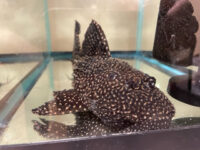 provide responsible alternatives and a judgement-free environment for pet owners who can no longer care for their exotic animals.
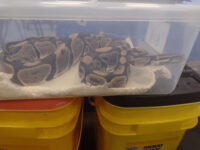 collaborative effort ensures that these animals are given proper care and attention.
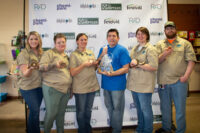 With 29 events planned for the year there are ample opportunities for pet owners to seek assistance in rehoming their animals.
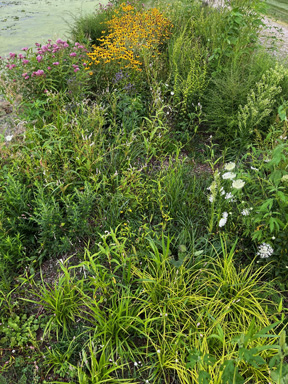
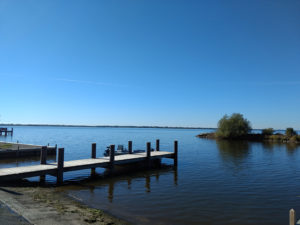 while still leaving options open for herbicide treatment, if needed. Other management options include manual and mechanical removal as well as simply monitoring, since non-native plants can often co-exist with other native plants in a lake without taking over and becoming a nuisance.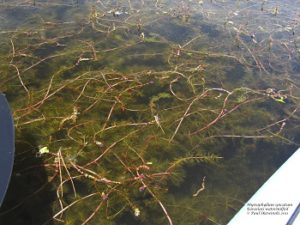
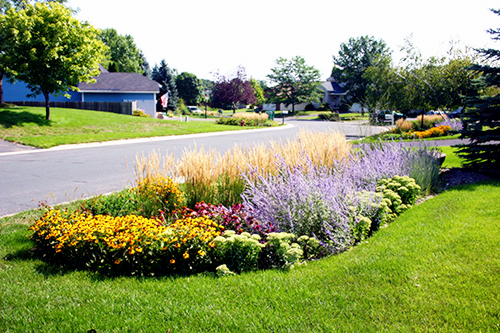 Attention Master Gardeners, Master Naturalists, Garden Club Members and others advising home gardeners; this webinar is for you! Representatives from UWEX and DNR will join Melinda Myers to talk about current threats, available resources and ways we can all work together to manage invasive plants. To register for the free webinar, click the button below!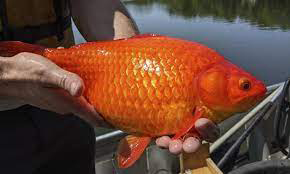
 Goldfish were first spotted in Hamilton Harbour in the 1960s, but largely died off in the 1970s because of industrial contamination. In the early 2000s, their population appeared to recover. Goldfish can tolerate a wide range of water temperatures, reach sexual maturation quickly, and can eat nearly anything, including algae, aquatic plants, eggs and invertebrates, Ms. Boston said.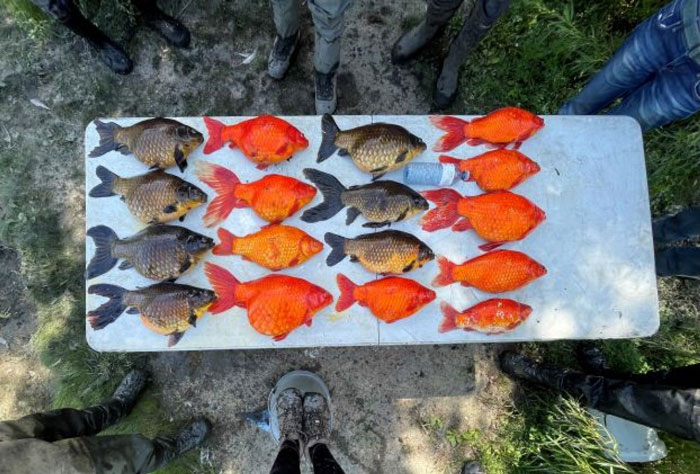


 example are the Burmese pythons that have had an enormous impact on the Everglades in Florida. However, multiple cases of released pets causing problems in our waters occur every year including an