$2.5M in federal funding to help Buffalo River
Great Lakes Commission
https://www.glc.org/dailynews/20231011-buffalo-river
Great Lakes Commission
https://www.glc.org/dailynews/20231011-buffalo-river
Great Lakes Commission
https://www.glc.org/dailynews/20231011-thunder-bay
Gales began whipping up on Lake Superior late last week, when temperatures took a sharp drop across the U.P. and the rest of Michigan. Read the full story by MLive.
Great Lakes Commission
https://www.glc.org/dailynews/20231011-superior-storms
For decades, the beaches adjacent to Lake Michigan were acclaimed as a special place and carried the designation of Indiana Dunes National Lakeshore. When the lakeshore became a national park in 2019, everything was altered in the public eye. Read the full story by The Tribune.
Great Lakes Commission
https://www.glc.org/dailynews/20231011-indiana-dunes
Lake Erie is the holder of a new Great Lakes waterspout record! There were 181 waterspouts and funnels over the lake in just one day. Read the full story by WJW-TV – Cleveland, OH.
Great Lakes Commission
https://www.glc.org/dailynews/20231011-waterspouts
The University of Wisconsin-Superior Lake Superior Research Institute’s Ballast Water Treatment Testing Facility is researching a filter technology that can be used to help keep invasive aquatic species out of the lake. Read the full story by Spectrum News.
Great Lakes Commission
https://www.glc.org/dailynews/20231011-lake-superior-state

By Lester Graham, Michigan Radio
The Great Lakes News Collaborative includes Bridge Michigan; Circle of Blue; Great Lakes Now at Detroit Public Television; and Michigan Radio, Michigan’s NPR News Leader; who work together to bring audiences news and information about the impact of climate change, pollution, and aging infrastructure on the Great Lakes and drinking water.
Great Lakes Now
https://www.greatlakesnow.org/2023/10/wetland-banks-save-cities-townships-counties-money-building-roads/

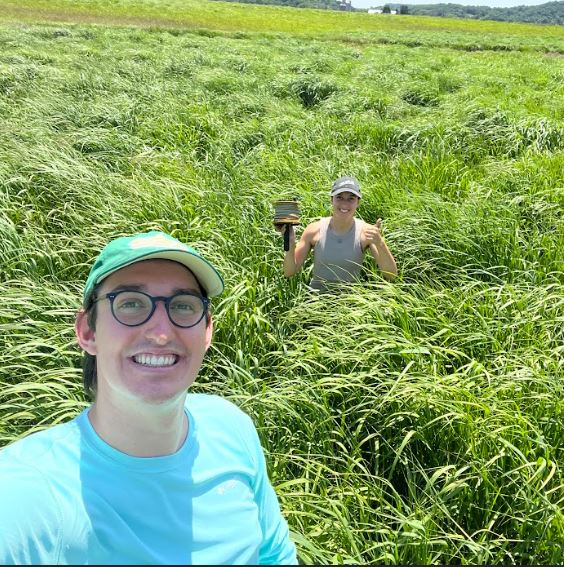
Melina Dennis (center) conducting field research this summer. Image credit: Submitted photo
By Melina Dennis, Freshwater Collaborative summer research student
This summer, 31 students from across the country were chosen for the University of Wisconsin-Madison’s Freshwater@UW Summer Research Opportunities Program, which is affiliated with Wisconsin Sea Grant, the University of Wisconsin Water Resources Institute and the University of Wisconsin-Madison Graduate School. Many of the students provided reflections on what they learned. We’ll share several over the coming months. Here’s the third, from Melina Dennis, an undergraduate senior in environmental engineering from the Oneida Reservation in Wisconsin.
This summer I worked in UW-Madison’s Hydroecology Lab, which is in the Civil and Environmental Engineering Department under Steve Loehide. I worked with my grad student mentor, Eric Kastelic, on studying groundwater flooding in Dane County.
Before this program, I had limited knowledge about graduate school. I was interested in furthering my education, but I didn’t know how graduate school worked or what it looked like for the fields I am interested in. I have since learned an enormous amount from working in a research lab, and from the professional development seminars the program hosted.
At the beginning of the program, we had a seminar on science communication. The seminar touched on the importance of making science accessible to nonscientists and gave me a point of resonance for why I am doing this in the first place: to help people. As I went through the program, I was pleasantly surprised to meet more and more people who felt the same way. At the forefront of a lot of people’s work was the hope of making the world a better place for others.
My mentor hosted a graduate student panel for one of the seminars. I gained insight into the life of graduate students, the process of finding a graduate program, differences between types of graduate degrees, how funding works, and so much more. Another seminar covered funding more in depth. I learned more about the many sources of it, differences in funding across degrees and programs, how to have conversations about funding your degree, and how to apply for common types of grants.
We also had seminars focused on career development. Staff from the U.S. Geological Survey (USGS) came in and gave us information about working in the federal government. I got a lot of useful and intriguing information about careers with USGS, paths to employment with them, and benefits of working for a federal agency. I can see myself working for USGS after graduate school, as what they do aligns with the goals and values I have for my career. By working in the research lab with my mentor, I developed technical skills that are directly applicable to my career goals, including computer programs and physical tools used in research and the public sector of my field. I had many fun field days where I got to see how data is collected and collect some of my own.
I now have a much better picture of graduate school and how it can help me achieve my career goals. I also feel more prepared in pursuing graduate school. I am grateful for this program and all the valuable information I received.
The post Making the world a better place first appeared on Wisconsin Sea Grant.Blog | Wisconsin Sea Grant
https://www.seagrant.wisc.edu/blog/making-the-world-a-better-place/
Enbridge Energy last week sought help from a state oversight panel due to the “inexplicably lethargic” permit review by federal regulators for the company’s Great Lakes Tunnel Project to replace Line 5 under the Straights of Mackinac. Read the full story by WDET – Detroit, MI.
Great Lakes Commission
https://www.glc.org/dailynews/20231011-line5
NCEI News Feed
https://www.ncei.noaa.gov/news/annular-solar-eclipse-happening-soon-without-shadow-doubt
The smell of cigar smoke lingers as visitors walk through the dark living quarters of Gulliver’s Seul Choix Point Lighthouse.
“There are so many public ghost towns,” Tedsen said. “But to me, paranormal is very important — it begs the question ‘is there life after death?’”
The post The tale of a haunted lighthouse first appeared on Great Lakes Echo.Great Lakes Echo
http://greatlakesecho.org/2023/10/11/haunted-lighthouse/

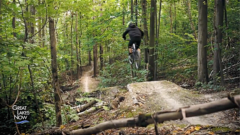
This lesson will explore the phenomenon of natural gradient, as students learn about how the natural flow of the Great Lakes landscape can provide a smooth path for mountain bike riding. They will explore the physics of accelerated motion, explore the math of slope, and investigate existing and planned trails in the Great Lakes before building a slow, smooth-rolling trail to move marbles, modeling the design of mountain biking trails.
Great Lakes Now
https://www.greatlakesnow.org/2023/10/episode-2309-great-lakes-gradients-lesson-plan/

Keep up with PFAS-related developments in the Great Lakes area with Great Lakes Now’s biweekly headline roundup.
Click on the headline to read the full story:
Illinois
Forever Chemicals and Cancer Risk — Chicago Health Magazine
The managing partner at a Chicago-based law firm started getting calls from firefighters last year: men and women with kidney, prostate, and bladder cancers.
Great Lakes Now
https://www.greatlakesnow.org/2023/10/pfas-news-roundup-ridding-groundwater-forever-chemicals-ultrasound-increasing-pfas-monitoring-rivers/

WAUKESHA, Wis. (AP) — A Milwaukee suburb has finally started to pull millions of gallons of water per day from Lake Michigan after spending years seeking approval from regulators.
The city of Waukesha began the diversion Monday. City officials say 90% of the city will be using Lake Michigan’s water within five days.
Great Lakes Now
https://www.greatlakesnow.org/2023/10/ap-milwaukee-suburb-pulling-millions-gallons-lake-michigan/

By Lester Graham, Michigan Radio
The Great Lakes News Collaborative includes Bridge Michigan; Circle of Blue; Great Lakes Now at Detroit Public Television; and Michigan Radio, Michigan’s NPR News Leader; who work together to bring audiences news and information about the impact of climate change, pollution, and aging infrastructure on the Great Lakes and drinking water.
Great Lakes Now
https://www.greatlakesnow.org/2023/10/epa-okays-ohio-plan-reduce-toxic-cyanobacterial-blooms-environmentalists-say-wont-work/
NCEI News Feed
https://www.ncei.noaa.gov/news/national-climate-202309
NCEI News Feed
https://www.ncei.noaa.gov/news/national-climate-202309

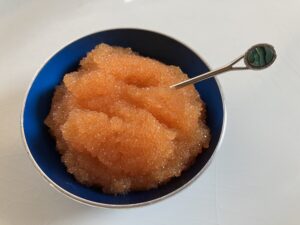
Wisconsin commercial fishermen will again have access to a lucrative European market for their fish roe, otherwise known as caviar, thanks to Wisconsin Sea Grant. Photo: Sharon Moen
Swedish hospitality wouldn’t be complete without a spread of crackers or bread and accompanying roe, the eggs from fish and also known as caviar. Because of Sea Grant’s role in facilitating the exchange of information, some of this roe will be coming from the Great Lakes.
A Sept. 28 decision from the World Wildlife Fund-Sweden to rank Wisconsin commercial lake whitefish and cisco fisheries as “best choice” with regard to sustainability means the roe from these fish can grace Swedish tables as a tasty, salty treat of skirom or löjrom without obstacles.
Prior to that release of a “green, best choice” ranking for commercial fisheries in the Wisconsin and Michigan waters of Lake Superior the lake whitefish fishery, which yields sikrom, was in jeopardy. The cisco fishery of Lake Superior, which yields löjrom, was also in question. Great Lakes commercial fishers rely on the international sale of roe, a high-value product, to make ends meet.
Sharon Moen, Sea Grant’s food fish outreach coordinator, explained: “About two years ago, I was contacted by a fish processor/seafood importer/exporter operating in Door County. Because lake whitefish and cisco were rated red (unsustainable) by the World Wildlife Fund-Sweden, roe sales were plummeting as the products were being pulled from Swedish markets. The vigor with which red-rated products are leaving the Swedish marketplace has escalated each year since then. If the ratings didn’t change this year, the Great Lakes roe industry would have been devastated.”
Thanks to Moen’s intervention that rating changed from red to green early in the morning on Sept. 28 when new rankings were released. What led up to that change were Moen’s presentations to the Swedish Seafood forum, production and distribution of fact sheets on the fishery and lengthy facilitated conversations. She brought together Great Lakes fisheries managers, roe processors, the Monterey Bay Aquarium’s Seafood Watch staff, World Wildlife Fund-EU, World Wildlife Fund-Sweden and Swedish seafood industry leaders.
There is another “green” to celebrate, green to the tune of $15 million annually. That’s the estimate from domestic tribal and commercial fishers and processors about the worth of their anticipated roe export to Europe.
“Within minutes of my Sept. 28 joint presentation with Andy Edwards, treaty natural resources manager with the Red Cliff Band of Lake Superior Chippewa, the two largest retail chains in

Sharon Moen is the food fish outreach coordinator and brought together many parties to discuss Lake Superior lake whitefish and cisco.
Sweden contacted an importer to place orders,” said Moen.
One of those importers reached out to Moen and said, “It’s thanks to your hard work and extraordinary presentation our deepest wishes came true!,” said Tony Hartwig, CEO of Olle Hartwig Aktiebolag. “Now, we have busy days working out a market plan to promote roe again from Lake Superior, Wisconsin!”
Moen is pleased the ranking has been changed because she wholeheartedly stands by the science behind the management of the fishery and the professionalism of the commercial fishers. “From my perspective, the red rating reflected communication challenges, the complexity of Great Lakes fisheries management and the scarcity of money for a due-diligence assessment.”
As Dan Grooms said, “Fishing the Apostle Islands for food had been an integral part of the Anishinaabe’s way of life. Our fishers and our tribe depend on responsible fisheries management for sustainability for future generations.” Grooms was formerly the business manager of Red Cliff Fish Co., a business owned by the Red Cliff Band of Lake Superior Chippewa.
The post Sea Grant education on fishery expected to lead to $15 million in exports to Sweden first appeared on Wisconsin Sea Grant.News Releases | Wisconsin Sea Grant
News Releases | Wisconsin Sea Grant
https://www.seagrant.wisc.edu/news/sea-grant-education-on-fishery-expected-to-lead-to-15-million-in-exports-to-sweden/
Feral cats have colonies across the state, and their inbreeding, overpopulation and constant pregnancies have caused these strays to multiply.
Some feral cats are born with defects due to inbreeding. Misshapen heads, extra toes or crossed eyes could be results of incest among them.
The post Curbing feral cat populations in Michigan first appeared on Great Lakes Echo.Great Lakes Echo
http://greatlakesecho.org/2023/10/10/curbing-feral-cat-populations-in-michigan/
Title: Executive Assistant
Status: Full-time, Exempt
Location: Great Lakes State, Chicago area preferred
Role: The Executive Assistant (EA) provides support to the President/CEO and COO to maximize the strategic use of their time and supports the President/CEO and COO to maximize the strategic use of their time and assists the Operations team in seamlessly integrating the Operations team in the seamless integration of essential administrative work into the Alliance’s mission-driven culture and workplace. This position reports to the President/CEO and works closely with the COO, VP of Finance & Operations, and Office Manager on meeting logistics and scheduling, document creation and management, Board of Directors administrative support, as well as human resources, financial, and office management matters. The Executive Assistant performs a wide variety of functions independently, exercising confidential discretion and sound judgment in performing these duties. Administrative services may be provided to other department staff as required. Additionally, this person will assist with special projects as assigned by the President and CEO.
Structure: The Executive Assistant works directly with the President/CEO, COO, Office Manager and reports to the President & CEO.
Compensation and Benefits: Salary range begins at $75,000, with the starting salary determined commensurate with experience. Medical, dental, short- and long-term disability, life insurance, FSA, 11 paid holidays plus the business days between 12/26 and 12/30 (staff who must work on any holidays may take those holidays at another time subject to the employee handbook), 3 weeks vacation to start + PTO, Fidelity 401(k) with employer match of up to 6% of salary.
Work Environment: This is a primarily remote position with a strong preference for location in the Chicago area. The EA may work primarily from their home and should expect to be in the Alliance’s Chicago office once per week on average.
_________________________________________________________________________________
A typical week might begin with a meeting with the CEO to review the status of projects and upcoming engagements requiring his participation. Later, the EA pivots to reviewing requests the COO has received for input from Program staff. The EA schedules these tasks and follows up with staff members as needed to understand timelines and any outstanding action items. On Tuesday, the Board Development Committee is meeting, so the EA sends the VP of Development & Communications the latest RSVP list and logs into the meeting a few minutes early to manage the Zoom and prepare to take minutes. After the meeting, the EA ensures the minutes are accurate and concise before distributing them to the committee. The EA knows that a lobbying report is due on Wednesday, and a communication is being sent out to our VIP supporters, so they send a few emails to ensure all the required materials for both projects are available before logging off for the day. On Wednesday, the EA files the lobbying report and then turns their attention to the mailing. They have a few questions on the recipient list, which they work through with the Individual Giving Manager before sending the message on the President & CEO’s behalf. The Alliance has a board meeting coming up, so Thursday and Friday are spent preparing the presentation for the meeting and working with the catering team, office of the building, and venue for our Board dinner to finalize logistics. On Friday afternoon, the EA sits down with the COO to review her schedule for the upcoming weeks and ensure she has the relevant materials to accomplish any major projects she’s tagged to complete before logging off for the week.
The Executive Assistant contributes to the successful execution of the Alliance’s strategic plan by supporting top leadership in their responsibilities across the organization and directly contributing to the Operations team’s defined outcomes around administrative and board support.
Executive Assistance
Board Liaison
Please email a cover letter, resume, references and writing sample to: hr@greatlakes.org.
Include job title in the subject line.
Writing Sample: As part of our evaluation process, we kindly request that you provide a writing sample showcasing your ability to communicate with clarity and professionalism. This sample can be in the form of a memo, an email to board members, or any relevant work from your portfolio.
Applications will be accepted until the position is filled – we are looking to fill immediately. Materials should be compatible with Microsoft Word or Adobe Acrobat. Applicants will receive confirmation of receipt of their materials and further guidance and updates about the hiring process by email, with interviews provided for finalists. No phone inquiries please.
The Alliance for the Great Lakes is an Equal Opportunity Employer. The search process will reinforce the Alliance’s belief that achieving diversity requires an enduring commitment to inclusion that must find full expression in our organizational culture, values, norms, and behaviors.
About the Alliance for the Great Lakes
Our vision is a thriving Great Lakes and healthy water that all life can rely on today and far into the future. We aspire to be a voice for the lakes, and to support the voices of the communities that depend on the lakes and their waters.
The mission of the Alliance for the Great Lakes is to protect, conserve and restore the Great Lakes, ensuring healthy water in the lakes and in our communities for all generations of people and wildlife. We advance our mission as advocates for policies that support the lakes and communities by building the research, analysis and partnerships that motivate action and by educating and uniting people as a voice for the Great Lakes.
To achieve our vision and mission, everyone in our organization will live our values of Community, Relationships, Courage, Integrity and Optimism and weave the principles of Justice, Equity, Diversity and Inclusion into all our work. Each value and principle is backed by measurable goals and expectations for our Board of Directors and staff.
The post Executive Assistant appeared first on Alliance for the Great Lakes.
News - Alliance for the Great Lakes
https://greatlakes.org/2023/10/executive-assistant-2/

This article was republished here with permission from Great Lakes Echo.
By Daniel Schoenherr, Great Lakes Echo
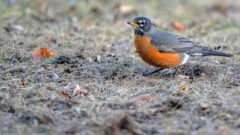
The Great Lakes region’s more than 300 bird species may provide valuable mental health benefits.
A recent study from Carleton University in Ontario shows there are fewer mental health-related hospitalizations in Michigan areas with high bird diversity.
Great Lakes Now
https://www.greatlakesnow.org/2023/10/bird-songs-may-ease-the-blues/
In Wisconsin, Lake Michigan’s water has begun flowing through the city of Waukesha’s precedent-setting new water distribution system. The Waukesha Water Utility developed an interactive map that will be updated as utility workers sample water coming from the open hydrants, confirming that lake water is present. Read the full story by the Milwaukee Journal Sentinel.
Great Lakes Commission
https://www.glc.org/dailynews/20231009-water-supply
A major maritime shoreline revitalization project in Michigan’s Upper Peninsula will bring both economic and climate benefits when it expectedly reopens to the public in July 2024. The upgraded site will provide a valuable deep-water port on the lower St. Marys River for freighters or cruise ships within walking distance of the Soo’s downtown. Read the full story by MLive.
Great Lakes Commission
https://www.glc.org/dailynews/20231009-shoreline-revitalization
In June 2023, a pair of documentary filmmakers set out on their boat in Larsen Cove, Ontario, to work on a film about quagga mussels in the Great Lakes. They discovered a large wooden ship, whose whereabouts have been a mystery for the last 127 years. Read the full story by Canadian Geographic.
Great Lakes Commission
https://www.glc.org/dailynews/20231009-shipwreck-discovery
According to the Indiana Department of Environmental Management, the cleanup of the Grand Calumet River Area of Concern is now more than 50% complete. In addition, more than 900 acres of habitat are on their way to achieving or have achieved restoration goals. Read the full story by The Times of Northwest Indiana.
Great Lakes Commission
https://www.glc.org/dailynews/20231009-habitat-restoration
Holtec International, the owner of Palisades Power Plant in Covert Township, Michigan, has submitted paperwork to the U.S. Nuclear Regulatory Commission seeking authorization to bring the shuttered nuclear plant back into production, which would be a first for the country. Read the full story by The Detroit News.
Great Lakes Commission
https://www.glc.org/dailynews/20231009-nuclear-plant-restart
This week, a cyanobacteria bloom formed on Muskegon Lake near downtown Muskegon, Michigan, turning the water along the shoreline green with algae scum. According to a Michigan Department of Environment, Great Lakes and Energy map of reported algae blooms, the bloom on October 2 is the third such verified occurrence on Muskegon Lake this year. Read the full story by MLive.
Great Lakes Commission
https://www.glc.org/dailynews/20231009-algae-bloom
Michigan Department of Natural Resources staff are conducting an evaluation study on marked splake at Lake Superior ports through 2030. The study is designed to help fisheries managers understand the percentage of stocked fish caught by anglers, the home range of splake, and harvest metrics such as harvest rates and fish size at harvest by year and location. Read the full story by Up North Voice.
Great Lakes Commission
https://www.glc.org/dailynews/20231009-splake-study
The historic Cloverland hydropower plant in Sault Ste. Marie, Michigan, is among the longest standing renewable energy facilities in Michigan. Experts argue legacy facilities like this may become increasingly important as the state shifts away from fossil fuel-burning power plants. Read the full story by MLive.
Great Lakes Commission
https://www.glc.org/dailynews/20231009-legacy-hydropower
The problem of plastics in the Great Lakes is a subject of “The Blue Paradox,” an immersive, educational exhibition on view at the Museum of Science and Industry in Chicago. The exhibition explores the pervasiveness of plastic pollution and the steps we can take to address it. Read the full story by The Chicago Reader.
Great Lakes Commission
https://www.glc.org/dailynews/20231009-plastic-exhibit
In Muskegon County, Michigan, an updated Watershed Management Plan is being developed by the Mona Lake Watershed Council and the Muskegon Conservation District (MCD). The MCD sent 1,029 surveys to randomly selected landowners within the watershed as planning for ongoing protection of Mona Lake and its watershed can’t move forward without critical citizen input about uses and threats. Read the full story by MLive.
Great Lakes Commission
https://www.glc.org/dailynews/20231009-watershed-plan
Chicago, IL (October 9, 2023) – The City of Waukesha, Wisconsin began supplying Lake Michigan water to its residents today. This is the first diversion of Great Lakes water to a community outside the Great Lakes Basin approved under the Great Lakes–St. Lawrence River Basin Resources Compact.
In response, Alliance for the Great Lakes COO and Vice President for Programs Molly Flanagan issued the following statement:
“Today marks the official start of Waukesha, Wisconsin’s water diversion from Lake Michigan, the first approved by the eight Great Lakes states under the Great Lakes-St. Lawrence River Basin Water Resources Compact. Due to radium contamination in their local water supply, Waukesha applied for and was granted a diversion of water from Lake Michigan in 2016.
“In response to criticism from the Alliance for the Great Lakes and advocates across the region, the Compact Council required Waukesha to decrease the amount of its diversion, shrink the service area that would receive Lake Michigan water, and return all diverted water back to Lake Michigan via the Root River. This results in no net loss of water from the lakes, which is required by the Great Lakes Compact.
“Since Waukesha’s initial diversion approval seven years ago, the Alliance for the Great Lakes has been encouraged by the steps all eight Great Lakes states and the premierships of Ontario and Quebec have taken to ensure Waukesha complies with policies meant to protect the Great Lakes that are outlined in this agreement.
“The Great Lakes Compact is a testament to what the region can achieve when it works together. The Great Lakes represent a one-time gift from the glaciers thousands of years ago – less than 1 percent of the waters in the Great Lakes are renewed annually through rainfall and snowmelt. Therefore, the lakes are vulnerable to misuse, and we should never take our water for granted. This water is critical to our lives and livelihoods in our region. The Compact protects the Great Lakes from being depleted to address water issues in other parts of the country and the world.
“The Alliance will be watching closely and expects the Compact Council, Regional Body, and their members to ensure that Waukesha meets all the requirements of its diversion approval. The Great Lakes Compact turns 15 this year, and it is working. These safeguards are critical to preserving the Great Lakes so that they remain vibrant and continue to be shared economic, ecological, and cultural assets for the region.”
###
Media contact: Please connect with our media team at TeamGreatLakes@mrss.com.
The post Waukesha’s Diversion of Lake Michigan Water Highlights the Importance of the Great Lakes Compact appeared first on Alliance for the Great Lakes.
News - Alliance for the Great Lakes
https://greatlakes.org/2023/10/waukeshas-diversion-of-lake-michigan-water-highlights-the-importance-of-the-great-lakes-compact/
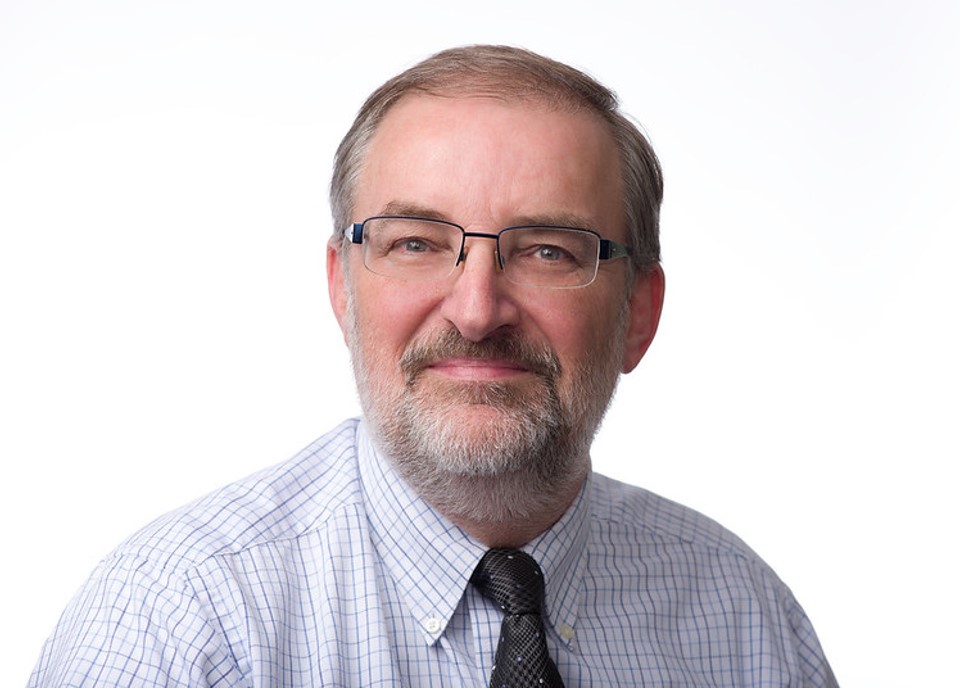
After 11 years as the director of the University of Wisconsin–Madison Aquatic Sciences Center, Jim Hurley will retire on Oct. 13.

Jim Hurley, director of the Aquatic Sciences Center. Photo credit: Wisconsin Sea Grant
Hurley oversees both Wisconsin Sea Grant and the Water Resources Institute, two federal-state partnership programs that support research, education and outreach for the protection and sustainable use of Wisconsin’s water resources. Under his leadership, both programs have addressed some of Wisconsin’s most pressing water issues—PFAS in drinking water, rising levels of radium in groundwater, coastal erosion, flooding and so much more—and provided research opportunities for the next generation of water professionals.
Jon Pennock, director of the National Sea Grant College Program, said Hurley’s leadership is one reason why Wisconsin Sea Grant is the well-respected program it is today.
“Following in the footsteps of his predecessor, Anders Andren, Jim has led Wisconsin Sea Grant to preeminence in the Sea Grant network of 34 programs across all of our coastal and Great Lakes states, Puerto Rico and Guam. He has done so with a combination of skill, tenacity, humility and compassion that serves as an inspiration to all of us in Sea Grant who have worked with him,” said Pennock.
Hurley, an expert on mercury in the Great Lakes, also serves as a professor in the Department of Civil and Environmental Engineering. He’s published over 100 research articles and worked on the U.S. Environmental Protection Agency advisory board that developed a risk assessment for mercury emissions.
His career and leadership philosophy reflect the importance of multidisciplinary research—and sharing that research outside the university with communities across the state.
“The Wisconsin Idea is not just a slogan, it’s a way of life,” said Hurley. “It defines our Sea Grant and Water Resources institutes’ missions, and it’s embraced by our researchers, outreach specialists and educators.”

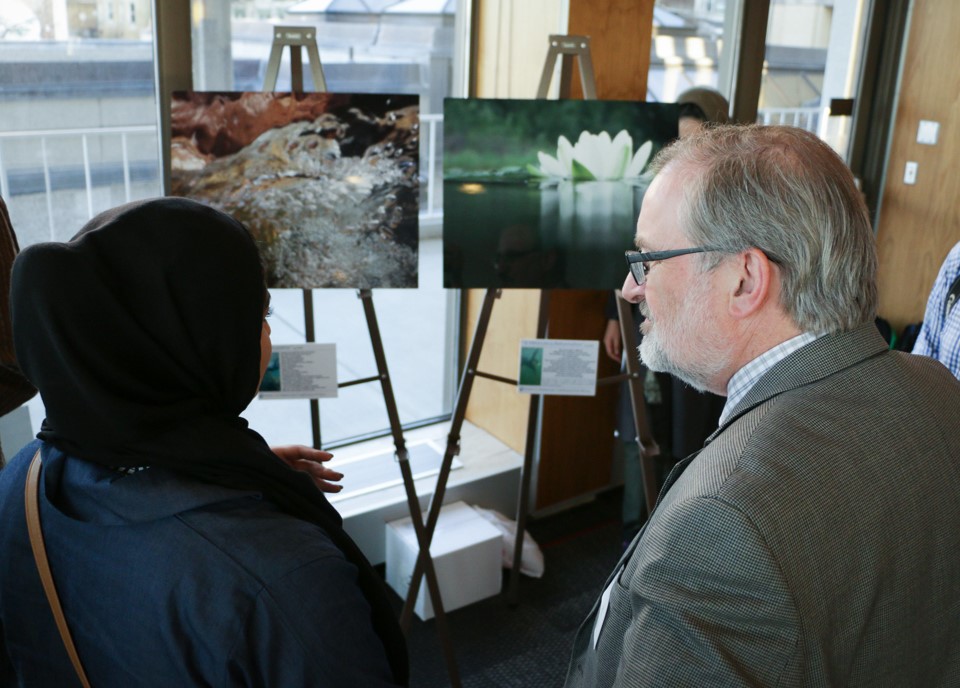
Hurley talks with a student photographer at an event showcasing the Zaaga’igan Ma’iinganag Lakewolves program. Photo credit: Wisconsin Sea Grant
As director, Hurley also prioritized research experiences for undergraduates, launching what would eventually become the Freshwater@UW Summer Research Scholars Program, an initiative about which he is proud.
He served on the steering committee of the Freshwater Collaborative, a state-supported partnership between 13 UW System schools that funds water education and research opportunities for students.
Marissa Jablonski, the executive director of the Freshwater Collaborative, said Hurley was a strong advocate who helped secure legislative funding for the program. Hurley, quite literally, always answered the call.
“I could call him on less than a day’s notice saying, ‘There’s an event tonight in Madison; I simply cannot be there. I wish I could, I’m double-booked, the legislators will be there—is there any way you can go?’ And he would not even take a breath and say, ‘I’ll be there.’”
When it was easy to get bogged down in the details of funding and organizing multi-institution collaborative, Hurley always saw the big picture.
“He was the steering committee member who could easily zoom out in these really difficult conversations and say, let’s keep a perspective on the UW system, Wisconsin Idea and let’s see how we all fit together,” said Jablonski.

Hurley celebrates James “Frizby” Grandt’s retirement with colleagues. Photo credit: Wisconsin Sea Grant
Pennock also lauded Hurley’s ability to bring perspective to big, thorny problems.
“I have seen Jim lead his staff and rally the Sea Grant network during his time as president of the Sea Grant Association. Each time, people with sometimes different views and approaches ultimately followed his lead, supported his efforts and had his back because everyone knew that Jim understood the big picture and complex landscape of each issue and, as importantly, always had their backs,” said Pennock.
Hurley, of course, is quick to redirect the warmth of such high praise to his colleagues.
“Over the past few years, my respect for our ASC staff has continued to grow. They accepted the challenges posed by the pandemic and continued to provide excellent service to Wisconsin citizens. More importantly, they also responded to national social unrest by committing to enhancing diversity, inclusivity, environmental justice and access in all their programming,” said Hurley.
“I’m proud, as an administrator, to have played a small part working alongside a group like that.”
The post “Skill, tenacity, humility and compassion”: Jim Hurley, director of the Aquatic Sciences Center, to retire first appeared on Wisconsin Sea Grant.News Releases | Wisconsin Sea Grant
News Releases | Wisconsin Sea Grant
https://www.seagrant.wisc.edu/news/skill-tenacity-humility-and-compassion-jim-hurley-director-of-the-aquatic-sciences-center-to-retire/
Current Watches, Warnings and Advisories for Brown (WIC009) Wisconsin Issued by the National Weather Service
https://alerts.weather.gov/cap/wwacapget.php?x=WI1266661C189C.FrostAdvisory.1266661CFD20WI.GRBNPWGRB.e63fbbd2d9ab0323469760f1e55244ad
On Parman Road in Dansville, Michigan, is a hidden oasis of beauty called Along The Fence Daylilies. A flower farm run by Saundra Dunn and Mary Ann Cleary, this acre is home to around 12,000 plants.
The post State budgets and daylilies mix just fine first appeared on Great Lakes Echo.Great Lakes Echo
http://greatlakesecho.org/2023/10/09/state-budgets-and-daylilies-mix-just-fine/
Current Watches, Warnings and Advisories for Brown (WIC009) Wisconsin Issued by the National Weather Service
https://alerts.weather.gov/cap/wwacapget.php?x=WI1266661B34E0.FrostAdvisory.1266661CD610WI.GRBNPWGRB.e63fbbd2d9ab0323469760f1e55244ad
Current Watches, Warnings and Advisories for Brown (WIC009) Wisconsin Issued by the National Weather Service
https://alerts.weather.gov/cap/wwacapget.php?x=WI1266660E697C.FrostAdvisory.1266661CD610WI.GRBNPWGRB.e63fbbd2d9ab0323469760f1e55244ad
Some state legislatures nationally are searching for ways to impose accountability for waste onto their manufacturing operations. Some environmental groups and lawmakers say Michigan should follow their lead.
The post States look at ways to deter waste from manufactured products first appeared on Great Lakes Echo.Great Lakes Echo
http://greatlakesecho.org/2023/10/08/states-look-at-ways-to-deter-waste-from-manufactured-products/
As lakes and rivers cool with the arrival of fall, avid swimmers may be at risk for illnesses due to contact with contaminated water.
That’s because of a health threat from Escherichia coli – familiarly known as E. coli.
The post Blame the geese – E. coli closes beaches first appeared on Great Lakes Echo.Great Lakes Echo
http://greatlakesecho.org/2023/10/07/blame-the-geese-e-coli-closes-beaches/
Lake Erie could release another foul-smelling “burp” this weekend, according to the Pennsylvania Department of Environmental Protection. Officially called an upwelling event, the release of trapped gasses from the bottom of the lake is what DEP officials believe caused an acrid smell. Read the full story by Erie Times-News.
Great Lakes Commission
https://www.glc.org/dailynews/20231006-lake-burp
The 136-year-old historic lighthouse at Tawas Point State Park in Michigan will reopen to the public in 2024 following a successful restoration effort this year. Read the full story by MLive Media Group.
Great Lakes Commission
https://www.glc.org/dailynews/20231006-lighthouse-restoration
The city of Willoughby and the Western Reserve Land Conservancy in Ohio have partnered to preserve 105-acres of natural habitat in the Chagrin River watershed with more than $1.7 million from the National Oceanic and Atmospheric Administration. Read the full story by Ideastream Public Media.
Great Lakes Commission
https://www.glc.org/dailynews/20231006-land-preservation
Erie Coke, which was closed in 2019 because of chronic environmental issues, left behind decades worth of pollution that pose a threat to Lake Erie. The Erie County Redevelopment Authority purchased the corporation property, tore down buildings, and completed an extensive environmental cleanup. Read the full story by Erie Times-News.
Great Lakes Commission
https://www.glc.org/dailynews/20231006-erie-coke-cleanup
The Detroit River’s reputation has become notorious over the decades due to pollution, but restoration efforts are working, and scientists want to see those improvements reflected in the river’s environmental status. Read the full story by CBC News.
Great Lakes Commission
https://www.glc.org/dailynews/20231006-detroit-river
Michigan experts are encouraging residents to squash the invasive spotted lanternfly as the destructive insect rapidly spreads throughout the Great Lakes region. Read the full story by Great Lakes Echo.
Great Lakes Commission
https://www.glc.org/dailynews/20231006-squish-invasive-bug
Enbridge Energy asked a state oversight panel for help as they complain that federal regulators are unreasonably delaying a key permit for the Line 5 tunnel project under the Straits of Mackinac between Michigan’s upper and lower peninsulas. Read the full story by the Bridge Michigan.
Great Lakes Commission
https://www.glc.org/dailynews/20231006-line5
Steel production fell by 7,000 tons in the Great Lakes region last week, according to the American Iron and Steel Institute. Read the full story by the Northwest Indiana Times.
Great Lakes Commission
https://www.glc.org/dailynews/20231006-steel-production
As climate change pushes the Great Lakes region’s cold water lakes and rivers to a breaking point, government officials acknowledge there simply isn’t enough capacity, time and money to save them all. Read the full story by Bridge Michigan.
Great Lakes Commission
https://www.glc.org/dailynews/20231006-climate-change

By Kelly House, Bridge Michigan
The Great Lakes News Collaborative includes Bridge Michigan; Circle of Blue; Great Lakes Now at Detroit Public Television; and Michigan Radio, Michigan’s NPR News Leader; who work together to bring audiences news and information about the impact of climate change, pollution, and aging infrastructure on the Great Lakes and drinking water.
Great Lakes Now
https://www.greatlakesnow.org/2023/10/in-warming-great-lakes-climate-triage-means-some-cold-waters-wont-be-saved/
The Great Lakes region’s more than 300 bird species may provide valuable mental health benefits.
A recent study from Carleton University in Ontario shows there are fewer mental health-related hospitalizations in Michigan areas with high bird diversity.
The post Bird songs may ease the blues first appeared on Great Lakes Echo.Great Lakes Echo
http://greatlakesecho.org/2023/10/06/bird-songs-may-ease-the-blues/