
Assessing the Global Temperature and Precipitation Analysis in March 2026
NCEI News Feed
https://www.ncei.noaa.gov/news/global-climate-202603
NCEI News Feed
https://www.ncei.noaa.gov/news/global-climate-202603
NCEI News Feed
https://www.ncei.noaa.gov/news/global-climate-202603

NCEI News Feed
https://www.ncei.noaa.gov/news/global-climate-202603

NCEI News Feed
https://www.ncei.noaa.gov/news/global-climate-202603

NCEI News Feed
https://www.ncei.noaa.gov/news/global-climate-202603
NCEI News Feed
https://www.ncei.noaa.gov/news/global-climate-202603
NCEI News Feed
https://www.ncei.noaa.gov/news/global-climate-202603
NCEI News Feed
https://www.ncei.noaa.gov/news/global-climate-202603
NCEI News Feed
https://www.ncei.noaa.gov/news/global-climate-202603
NCEI News Feed
https://www.ncei.noaa.gov/news/global-climate-202603
NCEI News Feed
https://www.ncei.noaa.gov/news/global-climate-202603
NCEI News Feed
https://www.ncei.noaa.gov/news/global-climate-202603
NCEI News Feed
https://www.ncei.noaa.gov/news/global-climate-202603
NCEI News Feed
https://www.ncei.noaa.gov/news/global-climate-202603
NCEI News Feed
https://www.ncei.noaa.gov/news/global-climate-202603
NCEI News Feed
https://www.ncei.noaa.gov/news/global-climate-202603
NCEI News Feed
https://www.ncei.noaa.gov/news/global-climate-202603
NCEI News Feed
https://www.ncei.noaa.gov/news/global-climate-202603
NCEI News Feed
https://www.ncei.noaa.gov/news/global-climate-202603
NCEI News Feed
https://www.ncei.noaa.gov/news/global-climate-202603
NCEI News Feed
https://www.ncei.noaa.gov/news/global-climate-202603
NCEI News Feed
https://www.ncei.noaa.gov/news/global-climate-202603
NCEI News Feed
https://www.ncei.noaa.gov/news/global-climate-202603
NCEI News Feed
https://www.ncei.noaa.gov/news/global-climate-202603
NCEI News Feed
https://www.ncei.noaa.gov/news/global-climate-202603
NCEI News Feed
https://www.ncei.noaa.gov/news/global-climate-202603
NCEI News Feed
https://www.ncei.noaa.gov/news/global-climate-202603
NCEI News Feed
https://www.ncei.noaa.gov/news/global-climate-202603
NCEI News Feed
https://www.ncei.noaa.gov/news/global-climate-202603
There’s a city of fish living next to a nuclear power plant 

Bruce Power is one of the largest nuclear generating stations in the world, and the warm water created as part of its operation creates a perfect environment for a diverse gathering of fish species.
We’re teaming up with Inspired Planet to take you inside this remarkable underwater world.
Join the exploration, LIVE, on April 22nd at 10am.
Learn more at https://GreatLakesNow.org/HiddenBelow
#LakeHuron #Fish #Fishing #NuclearPower #Radioactive #Science #Livestream #Explore
===========================================
Website: https://greatlakesnow.org
Facebook: https://www.facebook.com/greatlakesnow
X: https://www.x.com/greatlakesnow
Instagram: https://www.instagram.com/greatlakesnoworg
Newsletter: https://www.greatlakesnow.org/great-lakes-now-newsletter/
To learn more about supporting Detroit PBS and Great Lakes Now, visit https://www.detroitpbs.org/
The post The fish city near a nuclear power plant appeared first on Great Lakes Now.
Great Lakes Now
https://www.greatlakesnow.org/2026/04/08/the-fish-city-near-a-nuclear-power-plant/
As the 2026 election season ramps up, voters are getting ready to cast their ballots. They’re researching candidate platforms, attending events, asking tough questions of candidates, and talking with family, neighbors, and friends about the election.
Every office on the ballot, from mayor to United States senator, will have the opportunity to influence Great Lakes and water issues, once in office.
We need laws and policies that protect and restore the Great Lakes. We must keep pushing for stronger, better safeguards for the world’s largest source of surface freshwater. And we must ensure that everyone in the Great Lakes region has access to clean, safe, and affordable drinking water, and is safe from community flooding, basement backups, and sewage overflows.
Download our nonpartisan 2026 Voter Toolkit and learn how to make a difference this election season.
Right now, you have an opportunity to encourage candidates to stand up for the Great Lakes and hold them accountable, once elected.
Your voice makes a difference – whether you’re asking questions at a candidate forum, chiming in on social media, speaking directly with a candidate, or highlighting water issues in a letter to the editor. People running for elected office pay attention to issues that bubble to the top in all these venues.
Use the toolkit to help you:

Voting is the most important way for you to have a voice in how elected officials protect our water. Elections are sometimes very close, and every vote counts.

Make sure to vote if you are a U.S. citizen, and help others in your community register and vote. Here are some tips to get you started:
Elections have a big impact on our Great Lakes and the communities that rely on them. You can make a difference this election season. Show candidates that you care about the lakes and clean water. Vote, and encourage others to vote.
Thank you for everything you do for our Great Lakes!
The Alliance for the Great Lakes and the Election Season: Our Role
As a 501(c)(3) nonprofit organization, the Alliance for the Great Lakes cannot support or oppose candidates or political parties. However, we can, and do, educate candidates and voters on Great Lakes issues.
The post The 2026 Election Season and the Great Lakes appeared first on Alliance for the Great Lakes.
News - Alliance for the Great Lakes
https://greatlakes.org/2026/04/the-2026-election-season-and-the-great-lakes/
Republican Ohio governor candidate Vivek Ramaswamy and Ohio Senate President Rob McColley visited northwest Ohio to promote and discuss the state’s H2Ohio water quality program, which focuses on protecting Lake Erie. Read the full story by the Toledo Blade.
Great Lakes Commission
https://www.glc.org/dailynews/20260408-h2ohio
Community and conservation partners are extending a public invitation to explore the newly protected AuSable River Scenic Preserve in Michigan. The opportunity will be available as part of a community celebration, which has been set for Tuesday, April 14, to showcase the 42-acre riverfront nature preserve in Oscoda. Read the full story by Iosco County News Herald.
Great Lakes Commission
https://www.glc.org/dailynews/20260408-sable
Spring is spawning season for Michigan’s dinosaur-like aquatic life and it’s become tradition for environmentalists to “stand guard” as this vulnerable fish population makes its way up stream. Read the full story by MLive.
Great Lakes Commission
https://www.glc.org/dailynews/20260408-sturgeon-2
In Wisconsin, conservationists are celebrating the return of sturgeon to the Milwaukee River, 20 miles upstream from Lake Michigan. It’s the first time one of the giant fish was documented in Ozaukee County in more than a century. The discovery of the sturgeon so far from Lake Michigan signals a milestone in a massive sturgeon restoration project that’s been underway for 20 years. Read the full story by WUWM – Milwaukee, WI.
Great Lakes Commission
https://www.glc.org/dailynews/20260408-sturgeon
The Little Traverse Bay Bands of Odawa Indians is working to repopulate whitefish in Lake Michigan by reintroducing them in the Bear River. The U.S. Fish and Wildlife Service gave the tribe a $200,000 grant for the project. Through this tribal wildlife grant, the band will conduct habitat surveys to find ideal instream incubation areas in the river. Read the full story by Petoskey News-Review.
Great Lakes Commission
https://www.glc.org/dailynews/20260408-whitefish
The National Marine Sanctuary Foundation announced the recipients of grants through its Sanctuary Community Fund last week. Ideal projects aim to increase conservation efforts and public access, raise awareness about the sanctuary and its heritage, and expand community learning and public outreach. Read the full story by Oswego County News Now.
Great Lakes Commission
https://www.glc.org/dailynews/20260408-sanctuary
As the spring fishing season approaches across Central New York, state researchers and tourism leaders have organized workshops to help boat captains prepare for the tourism season in the months ahead on Lake Ontario and the St. Lawrence River. Read the full story by WAER – Syracuse, NY.
Great Lakes Commission
https://www.glc.org/dailynews/20260408-anglers
Flow Water Advocates, a Traverse City-based advocacy group, is speaking out against President Donald Trump’s 2027 budget request for Fiscal Year 2027, pointing to major cuts for programs supporting clean water, public health and the Great Lakes. Read the full story by Michigan Advance.
Great Lakes Commission
https://www.glc.org/dailynews/20260408-flow
Internal government emails show staff at the Canada Water Agency trying to make sense of Prime Minister Mark Carney’s budget cuts in response to questions from the media. Carney’s first federal budget proposed $3.8 million in lower spending by 2029-30 at the agency, and a further $1.2 million categorized as a separate “ongoing,” or permanent spending reduction, for a total of $5 million in cuts. Read the full story by the Narwhal.
Great Lakes Commission
https://www.glc.org/dailynews/20260408-agency

Catch the latest energy news from around the region. Check back for these monthly Energy News Roundups.
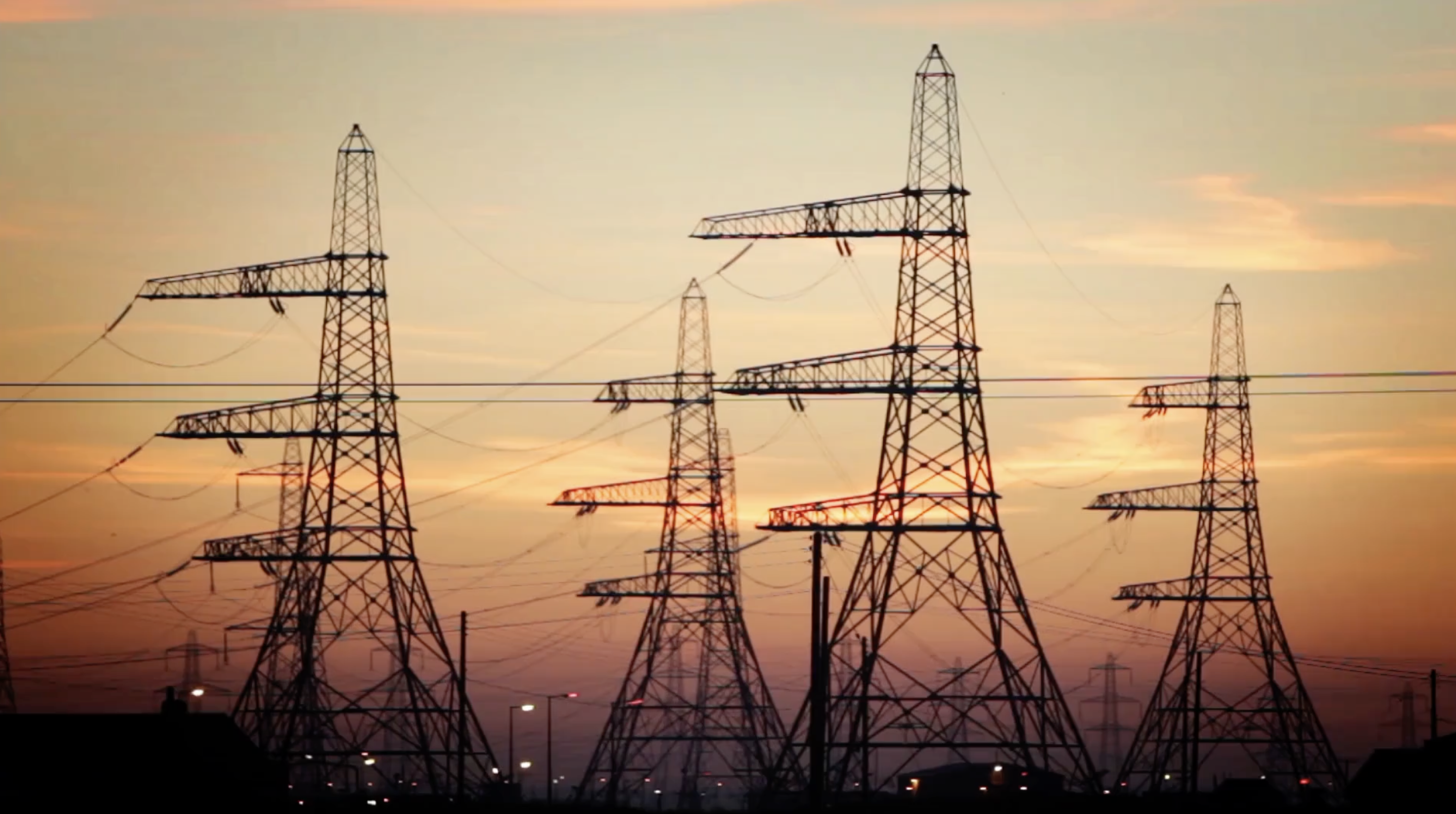
Ohio prosecutors are back to square one in their corruption case against two former FirstEnergy executives. Prosecutors accused former CEO Chuck Jones and senior vice president Mike Dowling of paying a state energy regulator a $4.3 million bribe. But the high-profile case ended in a mistrial after the jury couldn’t agree whether Jones and Dowling were guilty, even though others (including Ex-Ohio House Speaker Larry Householder) have been convicted and sentenced to prison in connection with the energy bribery scandal. A retrial is expected.
The Trump administration ordered two aging Indiana coal plants to be kept open another 90 days, through mid-June, at a cost utilities say is climbing into the hundreds of millions. The U.S. Department of Energy first moved to block the plants’ planned retirement in December, citing a need to prevent electricity shortages. Days after the administration extended its order, the Illinois and Minnesota attorneys general sued, arguing in separate filings that keeping the plants open would increase costs for ratepayers in their states.
A Wisconsin coal plant’s retirement is being delayed — again. Utility We Energies said it will continue operating the Oak Creek Power Plant’s two remaining coal units through the end of 2027 to ensure energy reliability and affordability. The utility previously pushed back the units’ retirement from 2024 to 2025, then to 2026, citing high energy demand. Groups opposed to extending the plant’s life said it will have negative environmental and health impacts and lead to higher costs for ratepayers.
The Trump administration and Japanese partners plan to build a massive data center in Ohio powered by its own gas plant, at a cost in the tens of billions of dollars. If completed as planned, the Pike County technology campus would be the largest single private-sector investment in state history, Cleveland.com reported. There are already questions, though, about the kinds of delays a project of this scale could face.
And northwest Indiana could lose 12,000 jobs by the mid-2030s if the steel sector continues business as usual, according to a new report from the Indiana University Environmental Resilience Institute. If companies instead adopt cleaner technologies, the state could gain jobs while reducing carbon emissions and negative health impacts, the report found. Steelmaker, U.S. Steel, challenged some of the findings in the report that comes as Cleveland-Cliffs, another steelmaker, appears poised to recommit to coal at an Ohio steel mill.
More energy news, in case you missed it:
The post Ohio energy corruption case goes nowhere after jury deadlocks over bribery charges appeared first on Great Lakes Now.
Great Lakes Now
https://www.greatlakesnow.org/2026/04/08/ohio-energy-corruption-case-goes-nowhere-after-jury-deadlocks-over-bribery-charges/

By Danielle Kaeding, Wisconsin Public Radio
This article was republished here with permission from Wisconsin Public Radio.
A union leader representing federal Forest Service employees in Wisconsin says workers may have to move as part of the Trump administration’s plan to shutter regional offices.
The Forest Service announced Tuesday that the agency is moving its headquarters to Salt Lake City and closing nine regional offices, including in Milwaukee. Administrative and technical support in those offices will shift to six operational service centers, one of which will be located in Madison. The overhaul will also include 15 state directors to oversee operations in one or more states.
Brian Haas is president of the National Federation of Federal Employees Local 2165. The union represents employees in the Milwaukee regional office and the Chequamegon-Nicolet National Forest. He said the restructuring mostly affects Milwaukee-area employees. Union officials estimate around 50 employees may be affected.
“The regional office actually already was hit a lot harder by people leaving, retiring, taking the different buyouts,” Haas said. “They’re already really down in their numbers.”
Haas said workers have been told they can continue working for the service as long as they’re willing to relocate or change job descriptions. When the reorganization was first announced last year, he said many employees transferred or relocated amid Trump’s return-to-office order.
The number of Forest Service employees in Wisconsin dropped from 645 to 539 between federal fiscal year 2025 and 2026, according to federal workforce data.
The U.S. Department of Agriculture, which houses the Forest Service, has been shifting thousands of employees out of Washington. Around 260 employees in the nation’s capital will be expected to relocate to Salt Lake City, according to the Associated Press.
“This is about building a Forest Service that is nimble, efficient, effective and closer to the forests and communities it serves,” Forest Service Chief Tom Schultz said in a statement.
Trump administration officials said the move will improve forest management, save taxpayer money and boost employee recruitment.
“The official stance from the administration is that it is not a reduction in force, but the reality on the ground is that it is going to continue to drive people to leave the agency,” Haas said.
A USDA spokesperson said employees will receive information about relocation timelines, options and resources to support their decisions. The agency said the number of staff that will be moved beyond the nation’s capital is unknown at this time.
Current and former Forest Service employees say the Trump administration’s actions over the past year have created chaos and uncertainty with few answers. The elimination of regional offices and shift to state-based hubs will take place over the coming year.
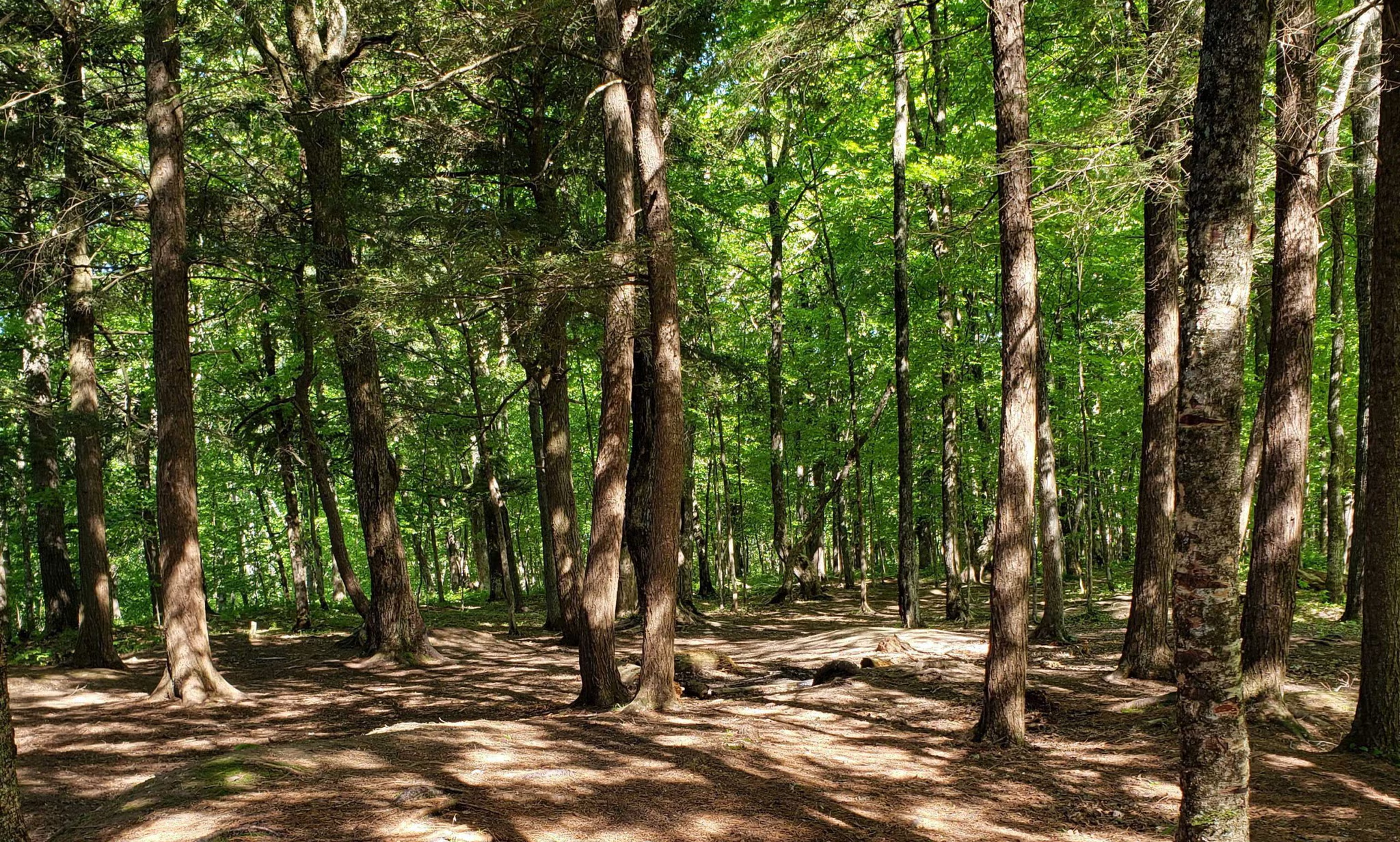
The Chequamegon-Nicolet National Forest, or CNNF, has 235 employees who would be unaffected, according to Kaleigh Maze, a forest spokesperson. Maze said the forest and its district offices would see no changes to staffing.
“The Chequamegon-Nicolet National Forest is committed to ensuring that all operations — including wildfire readiness and response — continue without interruption,” Maze said.
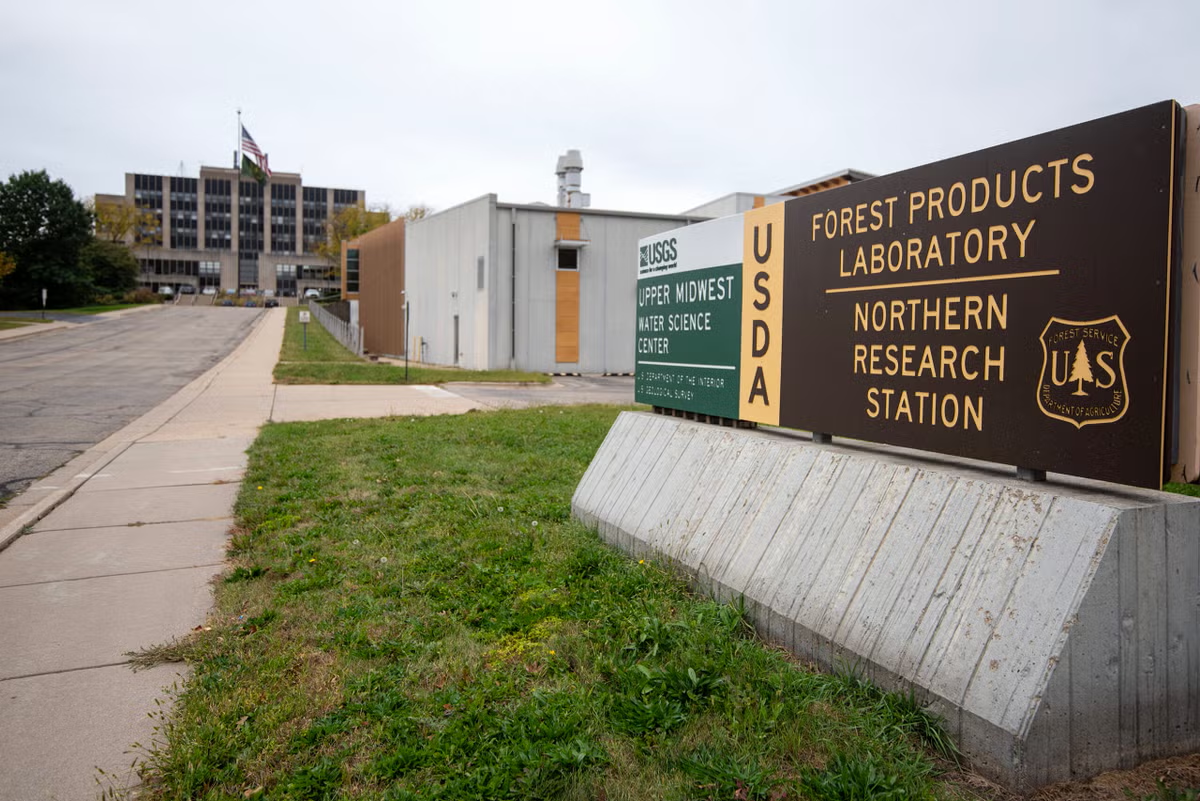
Forest Service research facilities in 31 states will also close and be combined under a single research organization in Colorado. The agency’s website shows Rhinelander and Madison research sites would not be affected, but Haas said Rhinelander employees may also be required to move. As of 2023, the agency’s Forest Products Lab in Madison had 80 research scientists and 168 support staff.
Two other facilities are slated for closure in Wisconsin Rapids and Prairie du Chien. Paul Strong, former forest supervisor of the CNNF, said he’s unfamiliar with those sites and questioned whether USDA facilities may have been mistakenly included.

The Forest Service said a single research organization would speed up the use of science in forest management and reduce duplication. Strong told WPR’s “Wisconsin Today” it’s unclear what the move will mean for existing and long-term research projects.
“What I think we should be concerned about is what kind of pressure and stress this puts on employees and how they’re being treated as public servants,” Strong said.
Under the reorganization, the Forest Service said there will be no changes to firefighters or their positions. But the Trump administration is seeking to bring firefighting efforts under a single agency, which would affect thousands of employees if implemented.
Former U.S. Forest Service Chief Mike Dombeck served during the Clinton administration and lives in Wisconsin. He said he supports efforts to streamline the agency, noting past proposals to reorganize offices failed due to lacking support from congressional lawmakers.
Even so, he noted a similar attempt to move the Bureau of Land Management during Trump’s first term was later reversed. Dombeck said restructuring will likely cause the agency to lose more staff who choose not to uproot their families. He also fears the agency will lose ground on managing 193 million acres of national forests, climate change and wildland firefighting issues.
“I think this will be a real wake-up call to what the real values of national forests are,” Dombeck said. “We need to really ask this administration: what is the end game when we take a look at this level of chaos?”
Editor’s note: This story was updated with staffing figures on the Chequamegon-Nicolet National Forest from the U.S. Forest Service.
Wisconsin Public Radio, © Copyright 2026, Board of Regents of the University of Wisconsin System and Wisconsin Educational Communications Board.
The post Forest Service workers in Wisconsin may have to move after reorganization, union leader says appeared first on Great Lakes Now.
Great Lakes Now
https://www.greatlakesnow.org/2026/04/08/forest-service-workers-in-wisconsin-may-have-to-move-after-reorganization-union-leader-says/
NCEI News Feed
https://www.ncei.noaa.gov/news/national-climate-202603
NCEI News Feed
https://www.ncei.noaa.gov/news/national-climate-202603
NCEI News Feed
https://www.ncei.noaa.gov/news/national-climate-202603
NCEI News Feed
https://www.ncei.noaa.gov/news/national-climate-202603
NCEI News Feed
https://www.ncei.noaa.gov/news/national-climate-202603
NCEI News Feed
https://www.ncei.noaa.gov/news/national-climate-202603
NCEI News Feed
https://www.ncei.noaa.gov/news/national-climate-202603
NCEI News Feed
https://www.ncei.noaa.gov/news/national-climate-202603