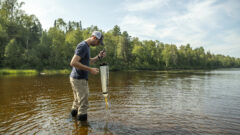
Blue-green algae is making a home in the warming waters of Lake Superior’s watershed

By Chris McEvoy, The Narwhal

The Great Lakes News Collaborative includes Bridge Michigan, Circle of Blue, Great Lakes Now at Detroit PBS, Michigan Public and The Narwhal who work together to bring audiences news and information about the impact of climate change, pollution, and aging infrastructure on the Great Lakes and drinking water.

Read Now at Great Lakes Now.

Original Article

Great Lakes Now

Great Lakes Now

https://www.greatlakesnow.org/2025/09/blue-green-algae-is-making-a-home-in-the-warming-waters-of-lake-superiors-watershed/
The Narwhal

By Emilio Perez Ibarguen

In 2023, community organizers from the outdoor Discovery Center, an outdoor education and conservation-focused nonprofit in Holland, Michigan looked for ways to further sustainability efforts in the west Michigan community. This led to a partnership with another local nonprofit to create the Carbon Community Fund, which accepts donations from residents to fund local conservation efforts.

The post Small city’s ‘community carbon fund’ promises hyper-local carbon reduction first appeared on Great Lakes Echo.

Original Article

Great Lakes Echo

Great Lakes Echo

https://greatlakesecho.org/2025/09/02/small-citys-community-carbon-fund-promises-hyper-local-carbon-reduction/

Great Lakes Echo

Points North: The Pink Prairie Mascot

By Claire Keenan-Kurgan, Interlochen Public Radio

Points North is a biweekly podcast about the land, water and inhabitants of the Great Lakes.

This episode was shared here with permission from Interlochen Public Radio. 

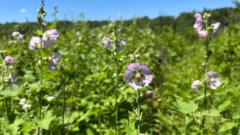
Back in the summer of 2014, a botanist named Rachel Goad was on a canoe trip to see a very rare flower.

Read Now at Great Lakes Now.

Original Article

Great Lakes Now

Great Lakes Now

https://www.greatlakesnow.org/2025/09/points-north-the-pink-prairie-mascot/

Interlochen Public Radio

A group of paddlers stand together for a photo on the edge of the Chippewa River

On Tuesday, August 26, paddlers gathered at the edge of the Chippewa River west of downtown Chippewa Falls to look for native mussels. It was more than just a beautiful day for a river trip. We had a good reason to gather there.

First, some background. In September 2023, the unfortunate combination of drought and hydropower dams reduced Wisconsin’s namesake river to a proverbial trickle below the last dam and led to the worst-case scenario for the river’s most vulnerable species: native freshwater mussels. Volunteers got organized and went to the Lower Wisconsin River to find stranded mussels along the river banks and move them into deeper water. Their actions may have saved thousands of these bivalve mollusks that do tremendous things for our water quality, including filtering polluted water and contributing to our rivers’ interrelated ecosystems and food chain.

A hand holds a native musselBecause native mussels are so important to Wisconsin, we organized a paddle trip to find them in one of Wisconsin’s other big rivers. Like the Wisconsin River, the Chippewa hosts many native species and is also highly regulated by hydro dam operations. For the trip, we brought along experts who know native mussels and this river very well. Experts included Lisie Kitchel (WDNR Bureau of Natural Heritage Conservation and aquatic ecologist), Jesse Weinzinger (WDNR aquatic zoologist), and Bre Klockzien (Citizen Science and Aquatics Coordinator with Beaver Creek Reserve).

First, we gathered at the shore of the river to learn more about mussels, how to identify them, and how to inspect them in a way that doesn’t cause harm. And because some of our experts had already done surveys of this river, they knew the good spots where we would be most likely to find mussels in the river.

Paddlers wade into the Chippewa River to scout for native musselsWe set off in our kayaks and paddle boards and made several stops along the route. During one-on-one and group chats, we had the opportunity to discuss their ecology as well as the environmental threats they face, from water quality issues to hydropower impacts.. Some people found mussels right away. Others used tools like GoPros and bathyscopes to explore the underwater surface. Eventually, we all found some and got good skills for identifying mussels of all shapes and sizes.

In true River Rat style, we went out afterwards for food and drinks and talked a lot about why we love Wisconsin rivers. Everyone who participated wanted to know what more they could do to protect these delicate species and how they could get involved as volunteers to rescue native mussels the next time a drought or water shortage occurs due to hydroelectric dams.

Thanks to our experts for being so resourceful on our paddle trip down the Chippewa! To learn about our next paddle adventure, sign up for Word on the Stream email newsletters.


Speakers:

Lisie Kitchel works in the WDNR Bureau of Natural Heritage Conservation. She trained as an aquatic ecologist and spends most of her time working with our native mussels (clams) throughout the lakes, rivers, and streams of the state. She loves ‘enlightening’ folks to the fascinating world of the freshwater mussel in addition to chasing mussels around the waters of Wisconsin.

Jesse Weinzinger is a Wisconsin Department of Natural Resources Aquatic Zoologist. He helps lead the development, evaluation, and implementation of statewide native nongame aquatic species inventory, monitoring, status assessment, and mapping programs.

Bre Klockzien is the Citizen Science and Aquatics Coordinator with Beaver Creek Reserve. She specializes in citizen science programs such as aquatic invasive species, freshwater mussel research and monitoring, lake ecology, acoustic bat monitoring, and multiple avian focused programs.

Ellen Voss is the Climate Resilience Director with River Alliance of Wisconsin. Her work focuses on dam removal, hydropower reform, and nature-based solutions.

Paddlers travel down the Chippewa River

This message is made possible by generous donors who believe people have the power to protect and restore water. Subscribe to our Word on the Stream email newsletter to receive stories, action alerts and event invitations in your inbox.

The post Scouting for native mussels on the Chippewa River appeared first on River Alliance of WI.

Original Article

Blog - River Alliance of WI

Blog - River Alliance of WI

https://wisconsinrivers.org/scouting-for-mussels-chippewa-river/

Allison Werner

A group of paddlers stand together for a photo on the edge of the Chippewa River

On Tuesday, August 26, paddlers gathered at the edge of the Chippewa River west of downtown Chippewa Falls to look for native mussels. It was more than just a beautiful day for a river trip. We had a good reason to gather there.

First, some background. In September 2023, the unfortunate combination of drought and hydropower dams reduced Wisconsin’s namesake river to a proverbial trickle below the last dam and led to the worst-case scenario for the river’s most vulnerable species: native freshwater mussels. Volunteers got organized and went to the Lower Wisconsin River to find stranded mussels along the river banks and move them into deeper water. Their actions may have saved thousands of these bivalve mollusks that do tremendous things for our water quality, including filtering polluted water and contributing to our rivers’ interrelated ecosystems and food chain.

A hand holds a native musselBecause native mussels are so important to Wisconsin, we organized a paddle trip to find them in one of Wisconsin’s other big rivers. Like the Wisconsin River, the Chippewa hosts many native species and is also highly regulated by hydro dam operations. For the trip, we brought along experts who know native mussels and this river very well. Experts included Lisie Kitchel (WDNR Bureau of Natural Heritage Conservation and aquatic ecologist), Jesse Weinzinger (WDNR aquatic zoologist), and Bre Klockzien (Citizen Science and Aquatics Coordinator with Beaver Creek Reserve).

First, we gathered at the shore of the river to learn more about mussels, how to identify them, and how to inspect them in a way that doesn’t cause harm. And because some of our experts had already done surveys of this river, they knew the good spots where we would be most likely to find mussels in the river.

Paddlers wade into the Chippewa River to scout for native musselsWe set off in our kayaks and paddle boards and made several stops along the route. During one-on-one and group chats, we had the opportunity to discuss their ecology as well as the environmental threats they face, from water quality issues to hydropower impacts.. Some people found mussels right away. Others used tools like GoPros and bathyscopes to explore the underwater surface. Eventually, we all found some and got good skills for identifying mussels of all shapes and sizes.

In true River Rat style, we went out afterwards for food and drinks and talked a lot about why we love Wisconsin rivers. Everyone who participated wanted to know what more they could do to protect these delicate species and how they could get involved as volunteers to rescue native mussels the next time a drought or water shortage occurs due to hydroelectric dams.

Thanks to our experts for being so resourceful on our paddle trip down the Chippewa! To learn about our next paddle adventure, sign up for Word on the Stream email newsletters.


Speakers:

Lisie Kitchel works in the WDNR Bureau of Natural Heritage Conservation. She trained as an aquatic ecologist and spends most of her time working with our native mussels (clams) throughout the lakes, rivers, and streams of the state. She loves ‘enlightening’ folks to the fascinating world of the freshwater mussel in addition to chasing mussels around the waters of Wisconsin.

Jesse Weinzinger is a Wisconsin Department of Natural Resources Aquatic Zoologist. He helps lead the development, evaluation, and implementation of statewide native nongame aquatic species inventory, monitoring, status assessment, and mapping programs.

Bre Klockzien is the Citizen Science and Aquatics Coordinator with Beaver Creek Reserve. She specializes in citizen science programs such as aquatic invasive species, freshwater mussel research and monitoring, lake ecology, acoustic bat monitoring, and multiple avian focused programs.

Ellen Voss is the Climate Resilience Director with River Alliance of Wisconsin. Her work focuses on dam removal, hydropower reform, and nature-based solutions.

Paddlers travel down the Chippewa River

This message is made possible by generous donors who believe people have the power to protect and restore water. Subscribe to our Word on the Stream email newsletter to receive stories, action alerts and event invitations in your inbox.

The post Scouting for native mussels on the Chippewa River appeared first on River Alliance of WI.

Original Article

Blog - River Alliance of WI

Blog - River Alliance of WI

https://wisconsinrivers.org/scouting-for-mussels-chippewa-river/

Allison Werner

The Supreme Court of Canada, in its decision released Thursday morning, announced it won’t hear an appeal of lower court decisions that confirm the Chippewas of Saugeen First Nation’s ownership of a disputed piece of Lake Huron beachfront. Read the full story by CBC News.

Original Article

Great Lakes Commission

Great Lakes Commission

https://www.glc.org/dailynews/20250829-beachfront-ownership

James Polidori

A dry summer in Montreal, as well as across southern and eastern Ontario, has pushed water levels in the lower St. Lawrence River to their lowest August level in more than a decade, affecting fishing, boating and commercial shipping. Read the full story by The Montreal Gazette.

Original Article

Great Lakes Commission

Great Lakes Commission

https://www.glc.org/dailynews/20250829-water-levels

James Polidori

Given society’s growing interest in AI, the data center industry will likely continue its rapid expansion. But without a consistent and transparent way to track water consumption over time, the public and government officials will be making decisions about locations, regulations and sustainability without complete information on how these massive companies’ buildings will affect their communities and environments. Read the full story by the Wisconsin State Journal.

Original Article

Great Lakes Commission

Great Lakes Commission

https://www.glc.org/dailynews/20250829-data-center-water

James Polidori

Lake Superior State University students are conducting one of the first studies to replicate real oil spill conditions in large mesocosms to potentially change how scientists respond to oil spills in freshwater systems. Read the full story by The Sault Ste. Marie Evening News.

Original Article

Great Lakes Commission

Great Lakes Commission

https://www.glc.org/dailynews/20250829-oil-spill-research

James Polidori

The Palisades Nuclear Power Plant in West Michigan has officially earned “operations status,” becoming the first commercial nuclear power plant in the U.S. to reopen after a shutdown. Once the 800-megawatt plant in Covert Township resumes power generation, it will provide enough electricity to serve over 800,000 homes and businesses. Read the full story by CBS News.

Original Article

Great Lakes Commission

Great Lakes Commission

https://www.glc.org/dailynews/20250829-nuclear-plant-restart

James Polidori

The U.S. EPA’s Great Lakes Restoration Initiative awarded the Ohio Department of Agriculture a $1 million grant to help expand conservation efforts in the Western Lake Erie Basin to help reduce nutrient runoff. Read the full story by SpectrumNews1.

Original Article

Great Lakes Commission

Great Lakes Commission

https://www.glc.org/dailynews/20250829-conservation-grant

James Polidori

Cigarette butts are polluting Lake Erie, prompting local efforts to clean up the shoreline and protect the environment. Keep Pennsylvania Beautiful is leading initiatives to educate the public on the importance of proper disposal to prevent litter from entering the water. Read the full story by WJET-TV – Erie, PA.

Original Article

Great Lakes Commission

Great Lakes Commission

https://www.glc.org/dailynews/20250829-cigarette-pollution

James Polidori

A major step in the eventual removal of the Gorge Dam from the Cuyahoga River is about to commence. Dignitaries including Ohio Gov. Mike DeWine and U.S. EPA Region 5 Administrator Anne Vogel are expected to celebrate the plan to remove nearly 900,000 cubic yards of sediment from behind the dam. Read the full story by The Plain Dealer.

Original Article

Great Lakes Commission

Great Lakes Commission

https://www.glc.org/dailynews/20250829-sediment-removal

James Polidori

The SS Alpena, the oldest working freighter on Michigan’s Great Lakes, is back on course for another shipping season. The ship was built in 1942 and still carries cement to and from Alpena in northern Michigan. Read the full story by the Detroit Free Press.

Original Article

Great Lakes Commission

Great Lakes Commission

https://www.glc.org/dailynews/20250829-oldest-freighter

James Polidori