Agencies involved in responding to last week’s release of thousands of gallons of an oil-based substance into the Michigan’s Flint River said Tuesday, June 21, that work is continuing in an effort to pinpoint the exact location of the breach. Read the full story by MLive.

Original Article

Great Lakes Commission

Great Lakes Commission

https://www.glc.org/dailynews/20220622-oil-spill

Theresa Gruninger

How will tire chemicals affect Great Lakes fish? Some scientists hope to find out

Just a couple years ago, nobody had heard of 6PPD-quinone, a chemical by-product of car tires. Until it was discovered that it can kill fish, including species in the Great Lakes.

Researchers with the University of Washington discovered in late 2020 that 6PPD-quinone was washing off roadways and into Seattle’s urban creeks during rainstorms – a death sentence for coho salmon.

Read Now at Great Lakes Now.

Original Article

Great Lakes Now

Great Lakes Now

https://www.greatlakesnow.org/2022/06/tire-chemicals-great-lakes-fish/

Sharon Oosthoek

Environmental justice has been a topic of rising prominence in recent years. Through a partnership between Wisconsin Sea Grant and the Center for Water Policy in the School of Freshwater Sciences at the University of Wisconsin-Milwaukee (UWM), two fellows were hired over the 2021-22 year to conduct special projects in this area through a legal lens.

Fellows Misbah Husain (left) and Sarah Martinez (right) pose by a colorful, Milwaukee-themed mural with Center for Water Policy Director Melissa Scanlan (center).

The two Sea Grant UW Water Science-Policy Fellows were Misbah Husain and Sarah Martinez. (Learn more about them in this UWM story from last September.) As their fellowships wound down, the two gave an engaging webinar last month to summarize their work.

The webinar was hosted by the National Sea Grant Law Center and a recording is available here.

During the webinar, Melissa Scanlan, director of the Center for Water Policy, commented that it was “such a pleasure to be able to work with them” over the past year because both Husain and Martinez are “creative thinkers” when it comes to exploring intersections between water policy and environmental justice.

While watching the full session recording is well worth your time, here’s a brief snippet of what each fellow spoke about.

Martinez, a graduate of the University of Utah’s S.J. Quinney College of Law, investigated barriers to what she termed “blue space access”—meaning lakes, rivers and other aquatic spaces. Systemic racism and economic inequality have formed major hurdles in using these blue spaces.

Martinez also talked about hosting a conversation earlier this year about public rights and Milwaukee’s “Fresh Coast future.” (Here’s public radio coverage of that from WUWM.) The public’s right to access our waters is written into the state’s constitution in the form of the Public Trust Doctrine, which asserts Wisconsinites’ right to navigation, recreation, water quality and the enjoyment of scenic beauty.

Martinez is working on a policy brief on related to Milwaukee’s Fresh Coast future with the Center for Water Policy, as well as two forthcoming law review articles.

Husain, a Boston College Law School graduate who also holds a master’s in social work, spent his fellowship year focusing on links among climate change, disadvantaged communities and flooding. In this context, “disadvantaged communities” can refer to their proximity to pollution, language barriers and other factors.

One of the most enjoyable aspects of his fellowship, said Husain, was working with a wide range of people, from those in academia to government, non-governmental organizations and other entities. He’s currently preparing a law review article with Scanlan.

After the webinar, I checked in with Sea Grant Associate Director Jen Hauxwell, who explained how this partnership between Sea Grant and UWM came about.

“For several years, Sea Grant has been interested in supporting law fellows, but we lacked the legal expertise to provide quality mentorship,” recounted Hauxwell.  “Partnering with Melissa Scanlan, a leading legal scholar in water policy, helped us turn our interest into a real possibility.”

Support from Wisconsin Sea Grant and the UW Water Resources Institute also helped bring this idea to life.

“I’m so pleased that we have been able to recruit outstanding new lawyers like Misbah and Sarah to tackle a variety of Wisconsin water challenges, including water justice issues,” said Hauxwell.

The fellowship program will continue in 2022-23. Fellows arriving this fall will be Anya Janssen (JD/MA, University of San Diego) and Andrian Lee (JD, Boston College Law School), both 2022 graduates.

The post Exploring environmental justice through a legal lens first appeared on Wisconsin Sea Grant.

Original Article

Blog | Wisconsin Sea Grant

Blog | Wisconsin Sea Grant

https://www.seagrant.wisc.edu/blog/exploring-environmental-justice-through-a-legal-lens/?utm_source=rss&utm_medium=rss&utm_campaign=exploring-environmental-justice-through-a-legal-lens

Jennifer Smith

As Michigan wildlife officials continue in their fight against highly pathogenic Avian Influenza, dozens of dead birds, mostly cormorants, were found in Muskegon County, Michigan. Read the full story by WZZM-TV – Grand Rapids, MI.

Original Article

Great Lakes Commission

Great Lakes Commission

https://www.glc.org/dailynews/20220622-avian-flu

Theresa Gruninger

Plans for the Lake Metroparks Lakefront Path in Painesville, Ohio, kicked into high gear as the park system took steps to accept donated property access for the trail and Gov. Mike DeWine signed a state capital budget that awarded $400,000 for the project. Read the full story by The News-Herald.

Original Article

Great Lakes Commission

Great Lakes Commission

https://www.glc.org/dailynews/20220622-lake-metropark

Theresa Gruninger

How the shape of the Great Lakes now compares with their past is important as negotiators update the consent decree addressing commercial and recreational fishing interests in waters covered by an 1836 treaty. The deadline is at the end of June, the third such decree covering these contentious waters. The most recent one in 2000 was for 20 years, and it’s overdue for an update.  

The post Water test: Where biology meets geometry in the Great Lakes first appeared on Great Lakes Echo.

Original Article

Great Lakes Echo

Great Lakes Echo

http://greatlakesecho.org/2022/06/22/water-test-where-biology-meets-geometry-in-the-great-lakes/

Guest Contributor

Plastic pollution is a major problem in the Great Lakes. More than 22 million pounds of plastic end up in the lakes every year. And plastic never really goes away. Instead, it just breaks up into smaller and smaller pieces known as “microplastics.”

Researchers have found stunningly high amounts of microplastics in all five Great Lakes, which provide drinking water for 40 million people. These microscopic pieces of plastic have been found in our drinking water, fish, and beer – and even in people’s blood.

Plastic pollution in the Great Lakes is going to get worse unless we do something about it. And there’s no better time to take action than in July.

Plastic Free July

Plastic Free July® is a global initiative that was founded by the Plastic Free Foundation. People all over the world will be taking action in July to reduce plastic pollution in our oceans, lakes, and rivers.

Here are 5 ways you can help the Great Lakes this Plastic Free July:

  1. Learn more about plastic pollution: Listen to our chat with Dr. Sherri Mason, a leading expert on the threat of microplastics in the Great Lakes. And read about how Great Lakes plastic pollution is different from plastic pollution in the ocean

  2. Celebrate a plastic-free 4th of July: Check out these 9 tips to keep plastic out of the Great Lakes during your holiday weekend. 

  3. Commit to a new habit: Whether you say goodbye to plastic cutlery or take action in your own community, you can help reduce plastic pollution all year round. See our pledge for more ideas!

  4. Volunteer with Adopt-a-Beach: Adopt-a-Beach cleanups are a fun, free, easy way to give back to your community and keep plastic pollution out of our Great Lakes. And this year you can help Adopt-a-Beach reach an important milestone: we’re aiming to reach half a million pounds of litter collected! Find a cleanup near you and sign up today. Or join a Team Leader training Wednesday, July 13, at noon Central, and learn how to run a cleanup of your own.

  5. Make it a movement: Have an even bigger impact by spreading the word. Tell your friends and family what you’re doing for Plastic Free July, and invite them to join in. An easy way to do this is by following Alliance for the Great Lakes on Instagram, Facebook, Twitter, or LinkedIn. We’ll be posting resources and activities you can share throughout the month.

Pick a way to reduce plastic pollution, and get started today!

More Ways to Protect the Great Lakes

Join our email list and learn more ways you can help protect our region’s most precious resource – the fresh, clean, natural waters of the Great Lakes!

The post 5 Ways to Celebrate Plastic Free July appeared first on Alliance for the Great Lakes.

Original Article

News - Alliance for the Great Lakes

News - Alliance for the Great Lakes

https://greatlakes.org/2022/06/5-ways-to-celebrate-plastic-free-july/

Judy Freed

...HEAT ADVISORY REMAINS IN EFFECT UNTIL 7 PM CDT THIS EVENING... * WHAT...Heat index values of 95 to 105 expected. * WHERE...Portions of central, east central, and northeast Wisconsin. * WHEN...Until 7 PM CDT this evening. * IMPACTS...Hot temperatures and high humidity may cause heat illnesses.

Original Article

Current Watches, Warnings and Advisories for Brown (WIC009) Wisconsin Issued by the National Weather Service

Current Watches, Warnings and Advisories for Brown (WIC009) Wisconsin Issued by the National Weather Service

https://alerts.weather.gov/cap/wwacapget.php?x=WI1263FAF182AC.HeatAdvisory.1263FAFDCF80WI.GRBNPWGRB.b8afadc077136b15a5be77a200b7ed50

w-nws.webmaster@noaa.gov

What comes to mind when you hear the words “plastic pollution”? Maybe the phrase conjures up images of the infamous trash island plaguing the north Pacific. Maybe you think of the now-banned microbeads — formerly found in products like toothpaste and face wash — that researchers discovered polluting the Great Lakes in staggering quantities.

You know that plastic pollution anywhere is bad news. But how exactly is plastic pollution different in the Great Lakes compared to the ocean?

Here are five reasons why Great Lakes plastic pollution is different from ocean plastic pollution.

1. Generally, it’s really, really tiny.

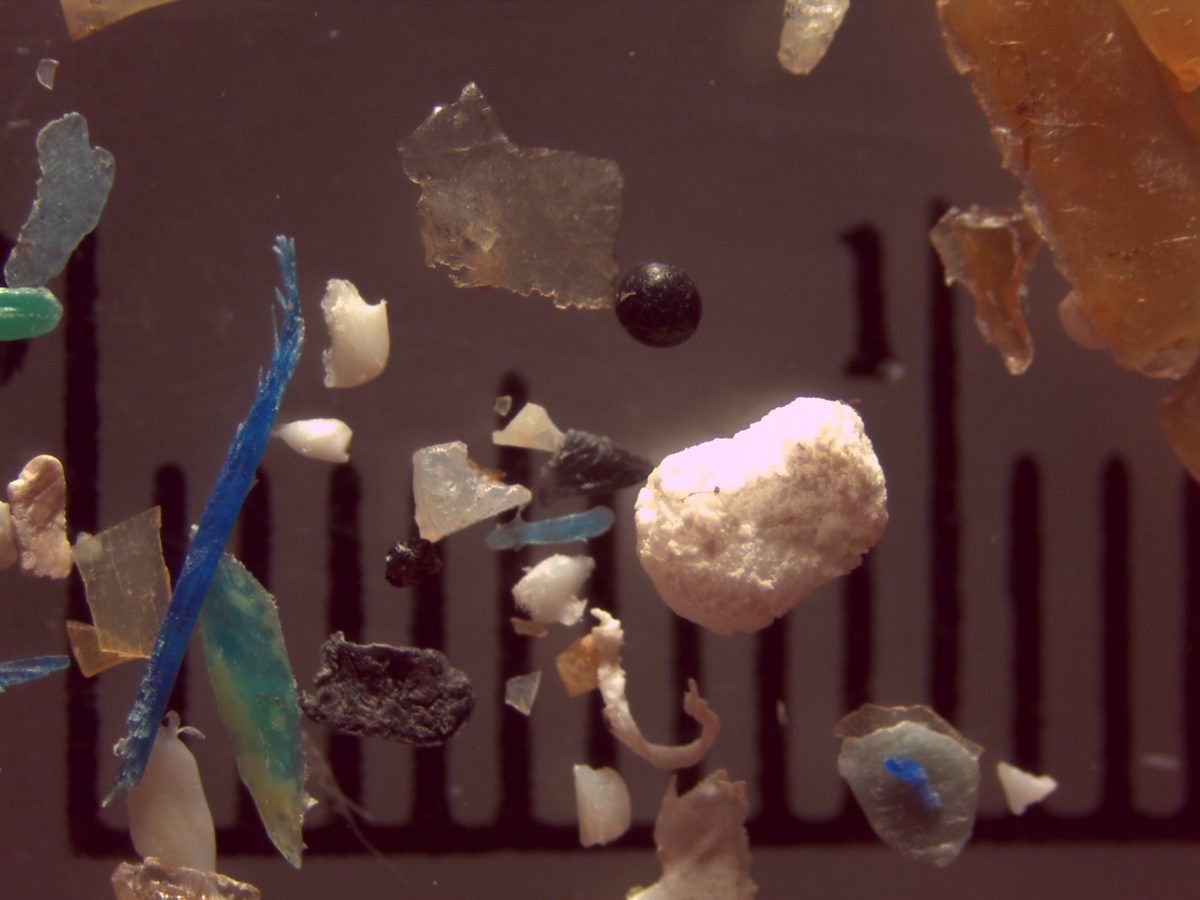
Microplastic is a major contributor to plastic pollution in the Great Lakes
Photo by United States Geological Survey

Plastic never really goes away. It just breaks down into smaller and smaller pieces known as “microplastics.” These tiny pieces of plastic come from many sources. For example, washing clothing made of synthetic materials, like fleece, washes tiny fibers down the drain. Both large and small plastic pollution exists in the Great Lakes and the oceans. But, in our lakes and rivers, it’s what you don’t see that’s the problem.

2. It’s in our drinking water.

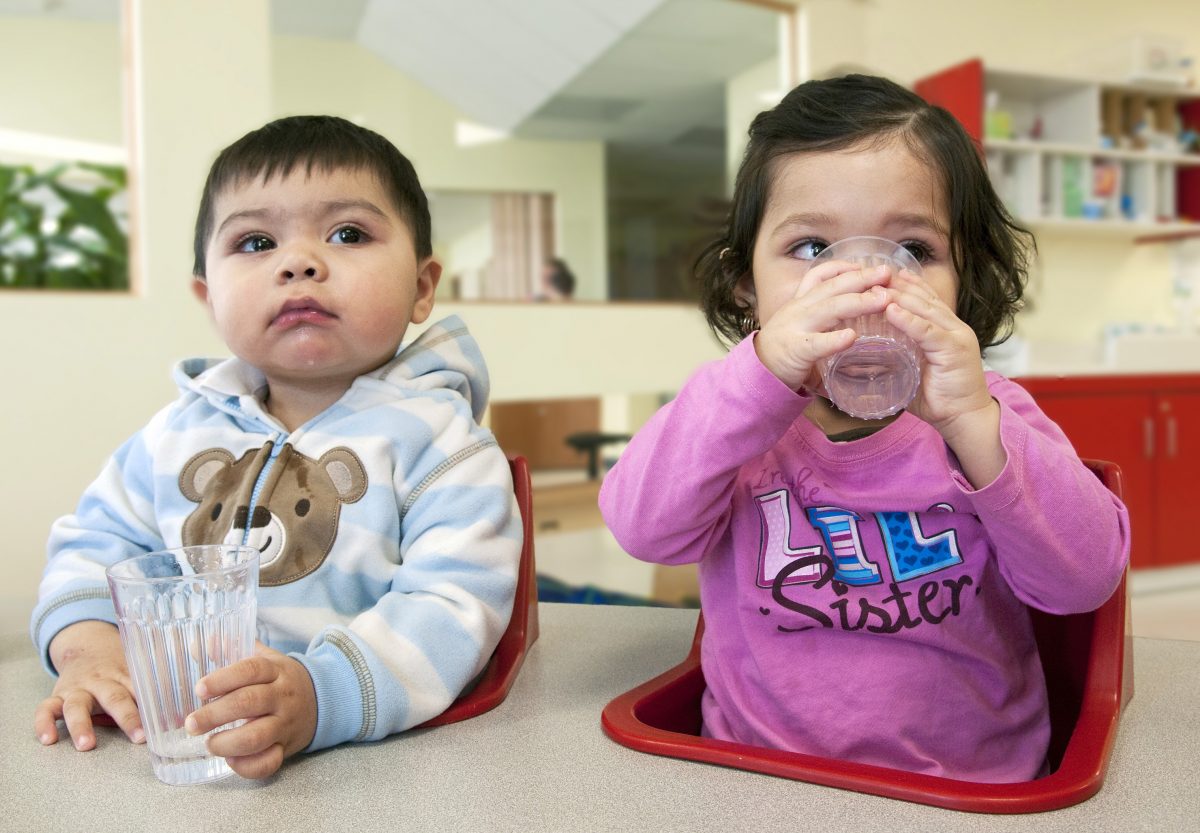
Plastic pollution can contaminate drinking water

We don’t drink ocean water. But nearly 40 million people drink Great Lakes water. Because microplastics are so tiny and so prevalent in the lakes, they can make their way past water treatment facilities. Scientists have found microplastics in drinking water, beer—and even in human blood! (In case you were wondering, researchers found that some of the world’s most popular bottled water brands are even more likely to contain microplastics than tap water!)

3. It washes out, not up.

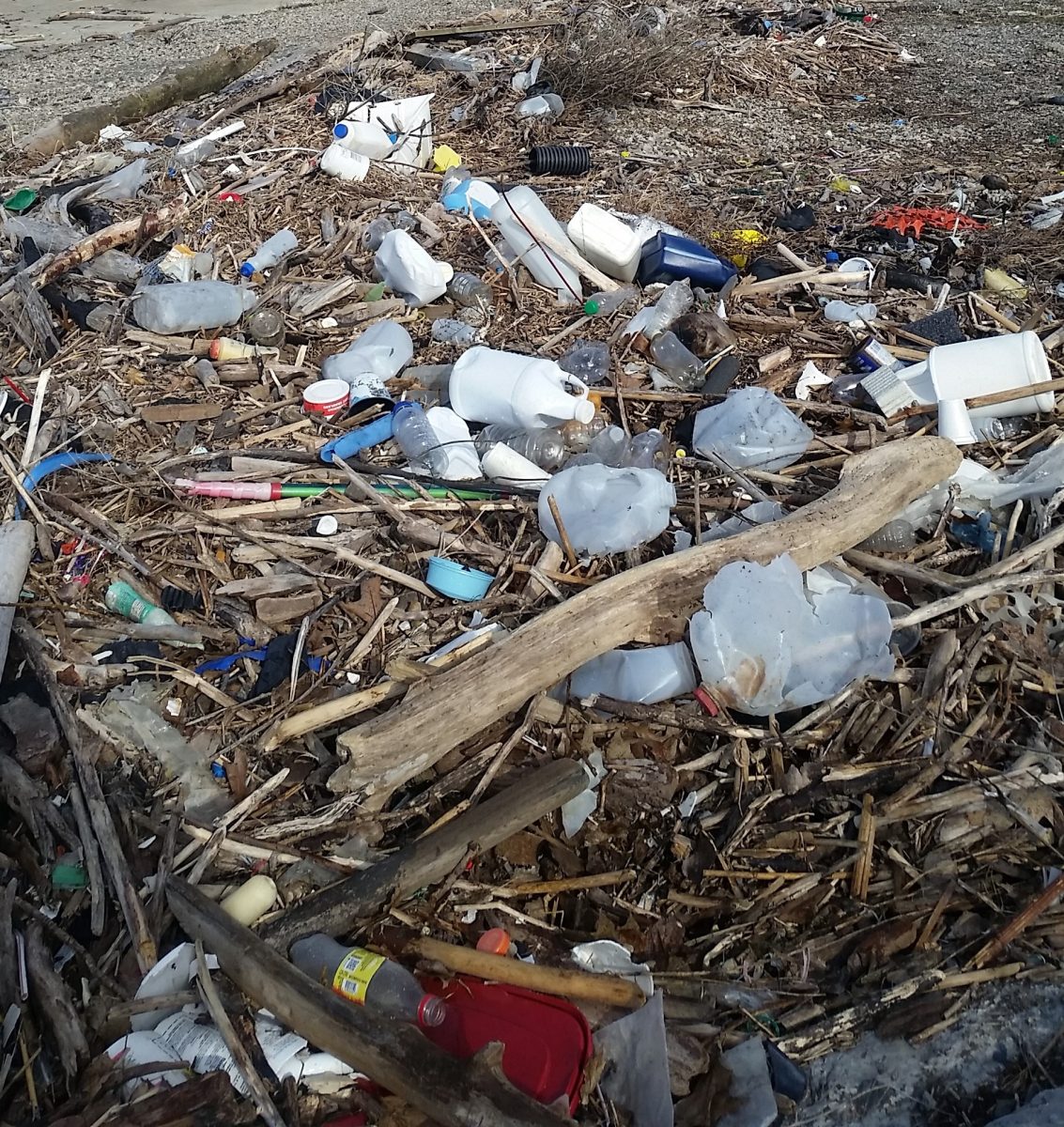
Plastic litter becomes Great Lakes plastic pollution

Plastic pollution travels differently in the Great Lakes compared to the oceans. In the world’s oceans, trash and debris can wash up from really, really far away places due to global ocean currents. In the Great Lakes, plastic pollution doesn’t come from an anonymous source far away. Plastic pollution flows out from our shorelines because we leave it there. Across the Great Lakes region, plastic travels through local watersheds and from beaches into the lakes before flowing with currents downstream. Eventually, tiny pieces of that litter flow out to the ocean, and our Great Lakes plastic pollution adds to the global ocean plastic problem.  

4. The water is different.

Saltwater is more dense than freshwater. Currents are different in the ocean and Great Lakes. Unlike parts of the Great Lakes, the oceans never freeze. All these factors affect how plastic pollution moves through the water, and how it breaks down.

5. There’s a lot less information about plastic pollution in the Great Lakes compared to ocean plastic pollution.

Scientists have been studying plastic pollution in the ocean for decades. But overall there is a lot less research about plastic pollution in the Great Lakes and freshwater. We’re lucky to work with some Great Lakes superstars whose research is beginning to fill in the gaps.

Act Now to Keep Plastic Out of the Great Lakes

Plastic pollution in the Great Lakes is going to get worse unless we do something about it. Add your name to the Plastic-Free Great Lakes Pledge now.

Take the Pledge

The post 5 Ways Plastic Pollution is Different in the Great Lakes appeared first on Alliance for the Great Lakes.

Original Article

News - Alliance for the Great Lakes

News - Alliance for the Great Lakes

https://greatlakes.org/2022/06/5-ways-plastic-pollution-is-different-in-the-great-lakes/

Anna-Lisa Castle

What comes to mind when you hear the words “plastic pollution”? Maybe the phrase conjures up images of the infamous trash island plaguing the north Pacific. Maybe you think of the now-banned microbeads — formerly found in products like toothpaste and face wash — that researchers discovered polluting the Great Lakes in staggering quantities.

You know that plastic pollution anywhere is bad news. But how exactly is plastic pollution different in the Great Lakes compared to the ocean?

Here are five reasons why Great Lakes plastic pollution is different from ocean plastic pollution.

1. Generally, it’s really, really tiny.

Microplastic is a major contributor to plastic pollution in the Great Lakes
Photo by United States Geological Survey

Plastic never really goes away. It just breaks down into smaller and smaller pieces known as “microplastics.” These tiny pieces of plastic come from many sources. For example, washing clothing made of synthetic materials, like fleece, washes tiny fibers down the drain. Both large and small plastic pollution exists in the Great Lakes and the oceans. But, in our lakes and rivers, it’s what you don’t see that’s the problem.

2. It’s in our drinking water.

Plastic pollution can contaminate drinking water

We don’t drink ocean water. But nearly 40 million people drink Great Lakes water. Because microplastics are so tiny and so prevalent in the lakes, they can make their way past water treatment facilities. Scientists have found microplastics in drinking water, beer—and even in human blood! (In case you were wondering, researchers found that some of the world’s most popular bottled water brands are even more likely to contain microplastics than tap water!)

3. It washes out, not up.

Plastic litter becomes Great Lakes plastic pollution

Plastic pollution travels differently in the Great Lakes compared to the oceans. In the world’s oceans, trash and debris can wash up from really, really far away places due to global ocean currents. In the Great Lakes, plastic pollution doesn’t come from an anonymous source far away. Plastic pollution flows out from our shorelines because we leave it there. Across the Great Lakes region, plastic travels through local watersheds and from beaches into the lakes before flowing with currents downstream. Eventually, tiny pieces of that litter flow out to the ocean, and our Great Lakes plastic pollution adds to the global ocean plastic problem.  

4. The water is different.

Saltwater is more dense than freshwater. Currents are different in the ocean and Great Lakes. Unlike parts of the Great Lakes, the oceans never freeze. All these factors affect how plastic pollution moves through the water, and how it breaks down.

5. There’s a lot less information about plastic pollution in the Great Lakes compared to ocean plastic pollution.

Scientists have been studying plastic pollution in the ocean for decades. But overall there is a lot less research about plastic pollution in the Great Lakes and freshwater. We’re lucky to work with some Great Lakes superstars whose research is beginning to fill in the gaps.

Act Now to Keep Plastic Out of the Great Lakes

Plastic pollution in the Great Lakes is going to get worse unless we do something about it. Add your name to the Plastic-Free Great Lakes Pledge now.

Take the Pledge

The post 5 Ways Plastic Pollution is Different in the Great Lakes appeared first on Alliance for the Great Lakes.

Original Article

News - Alliance for the Great Lakes

News - Alliance for the Great Lakes

https://greatlakes.org/2022/06/5-ways-plastic-pollution-is-different-in-the-great-lakes/

Anna-Lisa Castle

The Great Lakes are one of the best places to spend the July 4th weekend. And, if you’re like us, plastic pollution at the beach isn’t a part of your perfect Independence Day. It’s an eyesore, it’s bad for wildlife, and it gets in our drinking water. Researchers have even found microscopic pieces of plastic in human blood!

You can help keep  plastic pollution out of our water. We’ve put together nine tips to help you have a plastic-free holiday weekend at the beach! Small changes make a huge difference.

1. Use a reusable water bottle.

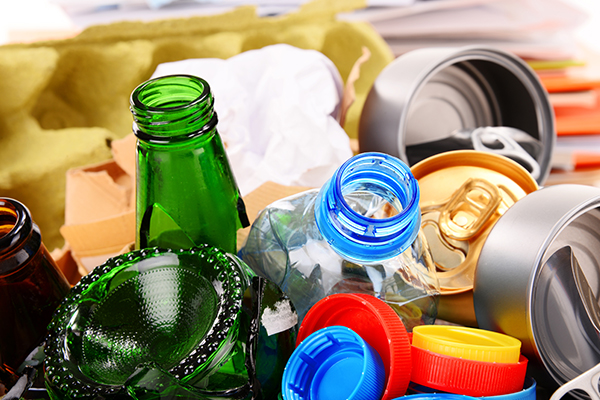
Plastic bottles, bottle caps, and cans

Plastic bottles and bottle caps are among the most commonly picked up litter items on beaches. Skip the plastic drink bottles. Instead, use stainless steel or reusable water bottles and drink containers.

2. Bring reusable cutlery for your picnic.

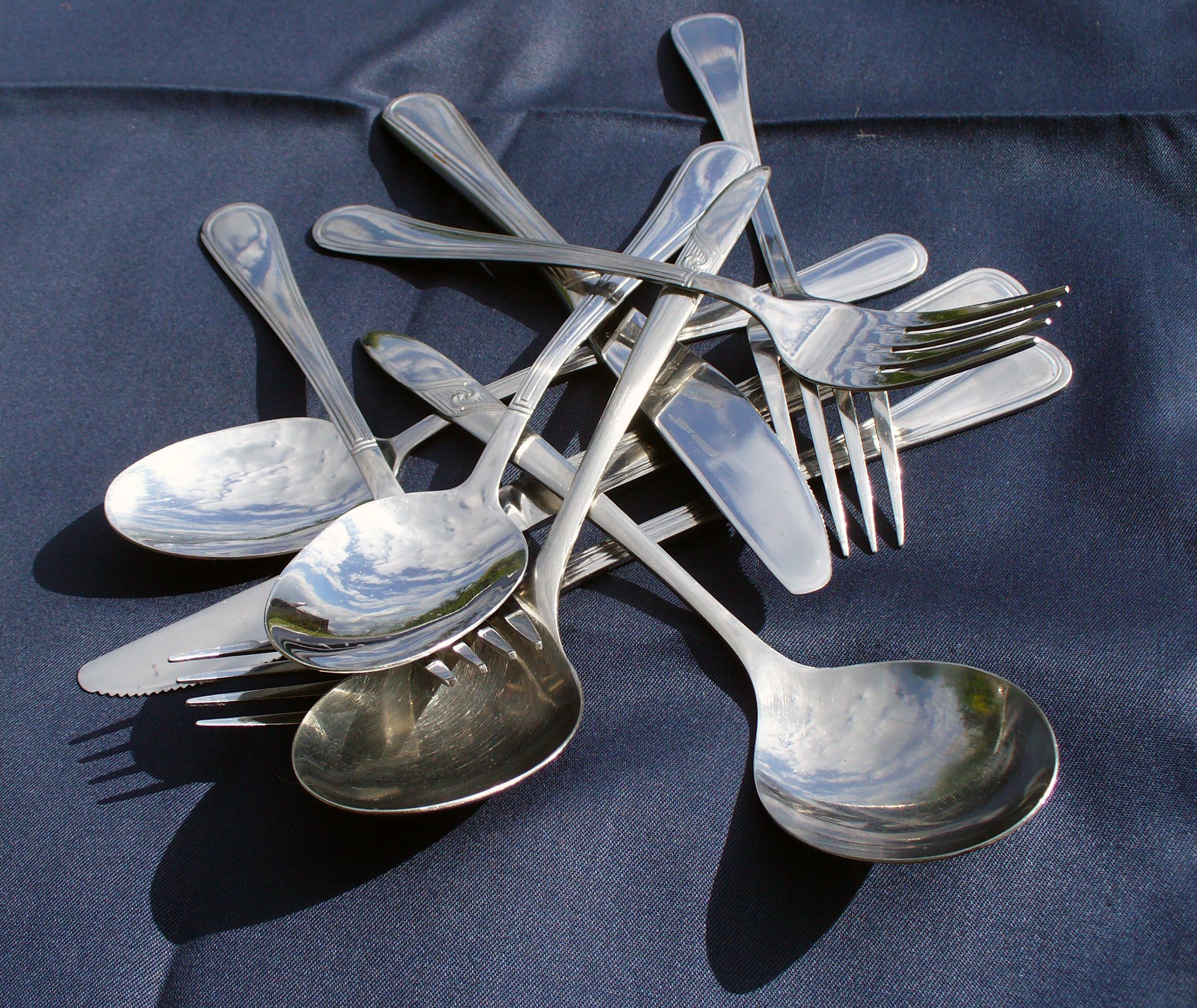
Metal cutlery

Bring reusable cutlery instead of single-use plastic forks, knives, and spoons. Plastic never really goes away, it just breaks down into smaller pieces. Tiny plastic pieces can be consumed by wildlife and get in our drinking water — gross!

3. Skip the balloons.

Balloons flying into the air

It might be tempting, but don’t celebrate with balloons! They float away from your picnic table directly into the lake. Balloons take years to decompose and the ribbon is an entanglement risk for animals.

4. Choose paper, not plastic.

Wax paper

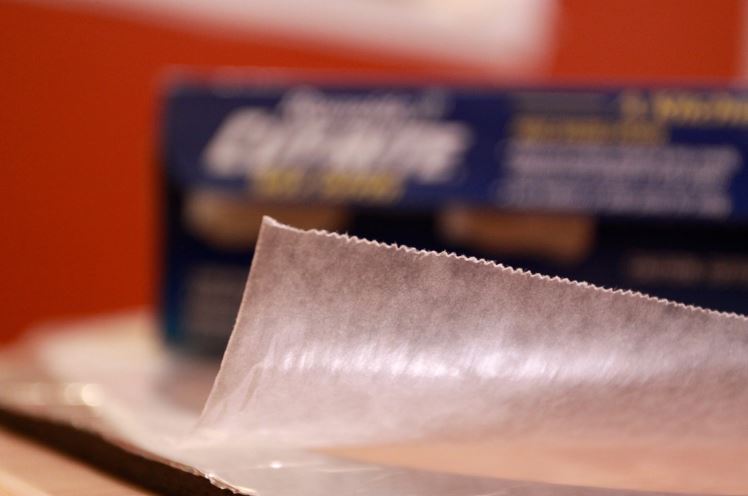
Pack your snacks in reusable containers or wax paper instead of plastic baggies. Paraffin-free wax paper decomposes significantly faster than plastic baggies, which can take nearly 1,000 years to decompose.

5. Recycling is an option.

Recycling bins

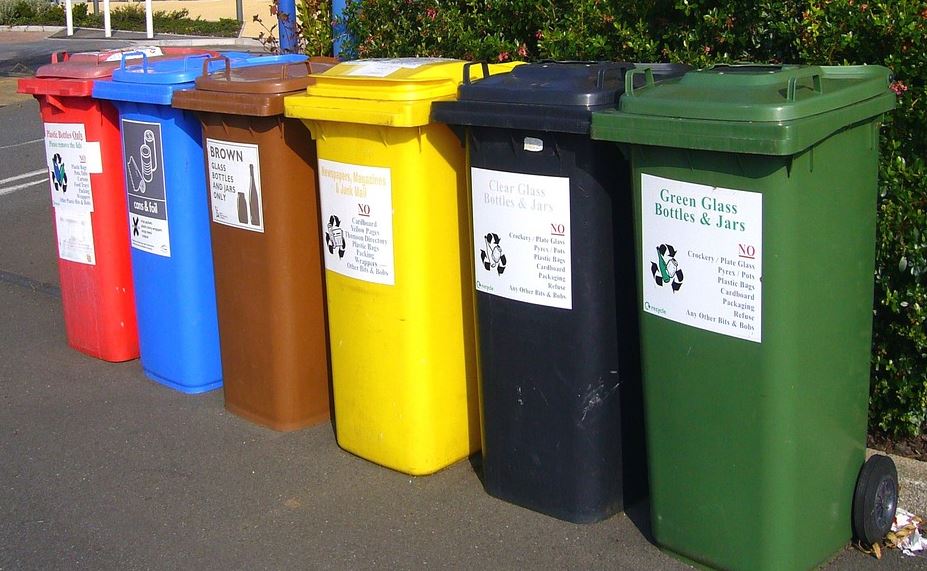
Using plastic is sometimes hard to avoid. If you end up with some single-use plastic, make sure you recycle.

6. Tote it.

Bring the party, but not in plastic bags. Carry all the necessary items for your festivities in a reusable bag or picnic basket.

7. Skip the straw.

Hand holding straws on a beach

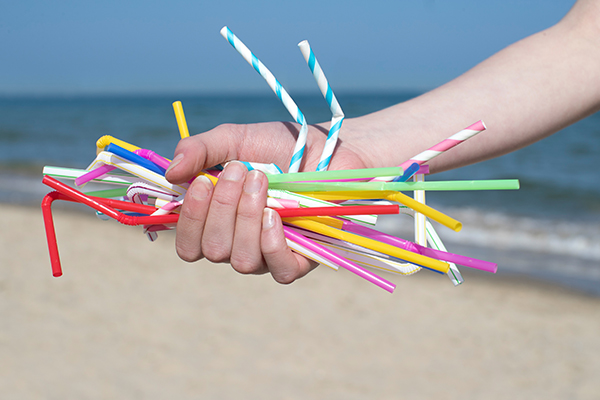
Plastic straws are only used for a few minutes, but take nearly 200 years to break down.

8. Help with cleanup.

Volunteers cleanup their beach

Adopt-a-Beach cleanups are a fun, easy way to give back to your community and keep plastic pollution out of our Great Lakes. Find a cleanup near you and join in! If you don’t see a cleanup that works for you, become a Team Leader and set up one of your own.

9. Tell your friends.

Little actions make a big difference. Share your plastic-free tips and tricks with your friends, or share with us on Instagram, Facebook, X, Bluesky, or LinkedIn.

Stand Up Against Plastic Pollution

Together we’re fighting for clean beaches and clean drinking water!

Donate Today

The post 9 Tips for a Plastic-Free Summer Holiday at the Beach appeared first on Alliance for the Great Lakes.

Original Article

News - Alliance for the Great Lakes

News - Alliance for the Great Lakes

https://greatlakes.org/2025/06/9-tips-for-a-plastic-free-holiday/

Jennifer Caddick

The Great Lakes are one of the best places to spend a holiday weekend. And, if you’re like us, plastic pollution at the beach isn’t a part of your perfect weekend. It’s an eyesore, it’s bad for wildlife, and it gets in our drinking water. Researchers have even found microscopic pieces of plastic in human blood!

You can help keep  plastic pollution out of our water. We’ve put together nine tips to help you have a plastic-free holiday weekend at the beach! Small changes make a huge difference.

1. Use a reusable water bottle.

Plastic bottles, bottle caps, and cans

Plastic bottles and bottle caps are among the most commonly picked up litter items on beaches. Skip the plastic drink bottles. Instead, use stainless steel or reusable water bottles and drink containers.

2. Bring reusable cutlery for your picnic.

Metal cutlery

Bring reusable cutlery instead of single-use plastic forks, knives, and spoons. Plastic never really goes away, it just breaks down into smaller pieces. Tiny plastic pieces can be consumed by wildlife and get in our drinking water — gross!

3. Skip the balloons.

Balloons flying into the air

It might be tempting, but don’t celebrate with balloons! They float away from your picnic table directly into the lake. Balloons take years to decompose and the ribbon is an entanglement risk for animals.

4. Choose paper, not plastic.

Wax paper

Pack your snacks in reusable containers or wax paper instead of plastic baggies. Paraffin-free wax paper decomposes significantly faster than plastic baggies, which can take nearly 1,000 years to decompose.

5. Recycling is an option.

Recycling bins

Using plastic is sometimes hard to avoid. If you end up with some single-use plastic, make sure you recycle.

6. Tote it.

Use reusable bags. Bring the party, but not in plastic bags. Carry all the necessary items for your festivities in a reusable bag.

7. Skip the straw.

Hand holding straws on a beach

Plastic straws are only used for a few minutes, but take nearly 200 years to break down.

8. Help with cleanup.

Volunteers cleanup their beach

Find a beach cleanup near you. Or, join us on September 15th, when volunteers across the lakes — and the world — are taking to their local shorelines for one big day of beach cleanups. 

9. Tell your friends.

Little actions make a big difference. Share your plastic-free tips and tricks with your friends, or share with us on Facebook, Twitter, and Instagram.

Act Now to Keep Plastic Out of the Great Lakes

Plastic pollution in the Great Lakes is going to get worse unless we do something about it. Add your name to the Plastic-Free Great Lakes Pledge now.

Take the Pledge

The post 9 Tips for a Plastic-Free Summer Holiday at the Beach appeared first on Alliance for the Great Lakes.

Original Article

News - Alliance for the Great Lakes

News - Alliance for the Great Lakes

https://greatlakes.org/2022/06/9-tips-for-a-plastic-free-holiday/

Jennifer Caddick

Endangered piping plovers are recovering but still need human help

By Lester Graham, Michigan Radio

The Great Lakes News Collaborative includes Bridge Michigan; Circle of Blue; Great Lakes Now at Detroit Public Television; and Michigan Radio, Michigan’s NPR News Leader; who work together to bring audiences news and information about the impact of climate change, pollution, and aging infrastructure on the Great Lakes and drinking water.

Read Now at Great Lakes Now.

Original Article

Great Lakes Now

Great Lakes Now

https://www.greatlakesnow.org/2022/06/endangered-piping-plovers-need-human-help/

Michigan Radio

...HEAT ADVISORY REMAINS IN EFFECT UNTIL 7 PM CDT THIS EVENING... * WHAT...Heat index values of 100 to 105 expected. * WHERE...Portions of central, east central, and northeast Wisconsin. * WHEN...Until 7 PM CDT this evening. * IMPACTS...Hot temperatures and high humidity may cause heat illnesses.

Original Article

Current Watches, Warnings and Advisories for Brown (WIC009) Wisconsin Issued by the National Weather Service

Current Watches, Warnings and Advisories for Brown (WIC009) Wisconsin Issued by the National Weather Service

https://alerts.weather.gov/cap/wwacapget.php?x=WI1263FAF109F8.HeatAdvisory.1263FAFDCF80WI.GRBNPWGRB.b8afadc077136b15a5be77a200b7ed50

w-nws.webmaster@noaa.gov

The Legend of the Lost Emerald, a free online video game for children, earned a gold medal at the 2022 International Serious Play Awards Program in Orlando, Florida. The immersive, boldly illustrated adventure game was one of nine educational games developed for learners ages K-12 that was cited for excellence last week.

The game provides learners in grades 4-6 the experience of using the same tools, practices and skills that maritime archaeologists use to locate and dive for shipwrecks on the Great Lakes and uncover the real treasure — the stories inspired by actual shipwrecks and Great Lakes history. English language arts, social studies, and Great Lakes literacy skills and standards are supported through game play and extension activities. The game is available in English and Spanish and was designed by Field Day Lab, PBS Wisconsin Education, Wisconsin Sea Grant and an advisory group of Wisconsin educators.

“We were especially impressed with the quality of the games produced for use in K-12 education,” said Sue Bohle, a former high school teacher and Atari Games executive who leads the conference. “The learning game industry has matured to the place where the new products really work for teachers and parents.”

The awards program honors outstanding commercial and student products that incorporate game elements and were created for use in education or training. Entries are judged for their success is meeting learning objectives, engagement, aesthetics and assessment goals.

“The entire collaborative team on this project did an incredible job connecting students to the rich maritime history of the Great Lakes watershed,” said Anne Moser, education coordinator for Wisconsin Sea Grant. “The goal of education at Sea Grant is to spark a passion for the Great Lakes, and I have seen how shipwreck stories do just that. We are excited to share this with the educators and youth we work with throughout Wisconsin.”

The post Great Lakes shipwreck game wins international competition first appeared on Wisconsin Sea Grant.

Original Article

News Releases | Wisconsin Sea Grant

News Releases | Wisconsin Sea Grant

https://www.seagrant.wisc.edu/news/great-lakes-shipwreck-game-wins-international-competition/?utm_source=rss&utm_medium=rss&utm_campaign=great-lakes-shipwreck-game-wins-international-competition

Marie Zhuikov

...HEAT ADVISORY REMAINS IN EFFECT FROM NOON TODAY TO 7 PM CDT THIS EVENING... * WHAT...Heat index values of 100 to 105 expected. * WHERE...Portions of central, east central, and northeast Wisconsin. * WHEN...From Noon today to 7 PM CDT this evening. * IMPACTS...Hot temperatures and high humidity may cause heat

Original Article

Current Watches, Warnings and Advisories for Brown (WIC009) Wisconsin Issued by the National Weather Service

Current Watches, Warnings and Advisories for Brown (WIC009) Wisconsin Issued by the National Weather Service

https://alerts.weather.gov/cap/wwacapget.php?x=WI1263FAEFCA0C.HeatAdvisory.1263FAFDCF80WI.GRBNPWGRB.b8afadc077136b15a5be77a200b7ed50

w-nws.webmaster@noaa.gov

The impact that quagga mussels have on the Great Lakes food web gives deep meaning to the saying, ‘food for thought.’ These prodigious filter-feeders are implicated in the decline of many Great Lakes fish species, well beyond those with commercial and recreational value.

The post Water test: quagga mussels hijack key Great Lakes nutrient first appeared on Great Lakes Echo.

Original Article

Great Lakes Echo

Great Lakes Echo

http://greatlakesecho.org/2022/06/21/water-test-quagga-mussels-hijack-key-great-lakes-nutrient/

Guest Contributor

...HEAT ADVISORY IN EFFECT FROM NOON TO 7 PM CDT TUESDAY... * WHAT...Heat index values of 100 to 105 expected. * WHERE...Portions of central, east central, and northeast Wisconsin. * WHEN...From Noon to 7 PM CDT Tuesday. * IMPACTS...Hot temperatures and high humidity may cause heat illnesses.

Original Article

Current Watches, Warnings and Advisories for Brown (WIC009) Wisconsin Issued by the National Weather Service

Current Watches, Warnings and Advisories for Brown (WIC009) Wisconsin Issued by the National Weather Service

https://alerts.weather.gov/cap/wwacapget.php?x=WI1263FAEE9DA8.HeatAdvisory.1263FAFDCF80WI.GRBNPWGRB.b8afadc077136b15a5be77a200b7ed50

w-nws.webmaster@noaa.gov

...HEAT ADVISORY WILL EXPIRE AT 8 PM CDT THIS EVENING... The threat has ended.

Original Article

Current Watches, Warnings and Advisories for Brown (WIC009) Wisconsin Issued by the National Weather Service

Current Watches, Warnings and Advisories for Brown (WIC009) Wisconsin Issued by the National Weather Service

https://alerts.weather.gov/cap/wwacapget.php?x=WI1263FAEE9AEC.HeatAdvisory.1263FAEEB450WI.GRBNPWGRB.c0c7907e23a46fcfc6a11ae9e6e9d47f

w-nws.webmaster@noaa.gov

The board of directors of the Fox River Navigational System Authority (FRNSA) has appointed Phil Ramlet as executive director of the organization. Ramlet recently retired from Westwood Professional Services, where he worked for more than 40 years on large infrastructure construction projects. For the last 15 years, he has consulted with FRNSA on property and construction issues for the system.  He has been an active community leader serving in a volunteer capacity on the Community Foundation of the Fox River Valley’s Community Real Estate Personal Property Foundation, he served as chairperson of the Fox Cities Chamber of Commerce, chairperson of the Appleton Redevelopment Authority, and was a board member for both the YMCA of the Fox Cities and the Wisconsin Timber Rattlers.
The move is part of a realignment for the Fox Locks in which Jeremy Cords will assume the duties of director of operations for the system. He will be responsible for overseeing all lock operations and system maintenance.   

“This move positions the system for future growth and now we are staffed with the resources to realize our vision,” said Ron Van De Hey, board chairman of the Fox Locks. “We want to attract more boaters and pedestrians to the locks to learn about their role in the historic, economic, and cultural development of Northeast Wisconsin.”

Original Article

Blog – Fox Locks

Blog – Fox Locks

http://foxlocks.org/2022/06/20/ramlet-named-executive-director/

Fox Locks

Phil Ramlet, Executive Director, FRNSA

The board of directors of the Fox River Navigational System Authority (FRNSA) has appointed Phil Ramlet as executive director of the organization. Ramlet recently retired from Westwood Professional Services, where he worked for more than 40 years on large infrastructure construction projects. For the last 15 years, he has consulted with FRNSA on property and construction issues for the system.  He has been an active community leader serving in a volunteer capacity on the Community Foundation of the Fox River Valley’s Community Real Estate Personal Property Foundation, he served as chairperson of the Fox Cities Chamber of Commerce, chairperson of the Appleton Redevelopment Authority, and was a board member for both the YMCA of the Fox Cities and the Wisconsin Timber Rattlers.
The move is part of a realignment for the Fox Locks in which Jeremy Cords will assume the duties of director of operations for the system. He will be responsible for overseeing all lock operations and system maintenance.   

“This move positions the system for future growth and now we are staffed with the resources to realize our vision,” said Ron Van De Hey, board chairman of the Fox Locks. “We want to attract more boaters and pedestrians to the locks to learn about their role in the historic, economic, and cultural development of Northeast Wisconsin.”

Original Article

Blog – Fox Locks

Blog – Fox Locks

http://foxlocks.org/2022/06/20/ramlet-named-executive-director/

Fox Locks

...HEAT ADVISORY REMAINS IN EFFECT UNTIL 8 PM CDT THIS EVENING... * WHAT...Heat index values around 100 degrees. * WHERE...Waushara, Calumet, Winnebago, Brown and Outagamie Counties. * WHEN...Until 8 PM CDT this evening. * IMPACTS...Hot temperatures and high humidity may cause heat illnesses.

Original Article

Current Watches, Warnings and Advisories for Brown (WIC009) Wisconsin Issued by the National Weather Service

Current Watches, Warnings and Advisories for Brown (WIC009) Wisconsin Issued by the National Weather Service

https://alerts.weather.gov/cap/wwacapget.php?x=WI1263FAE25A34.HeatAdvisory.1263FAEEB450WI.GRBNPWGRB.f032898c6be8484649e2b4f417d0534e

w-nws.webmaster@noaa.gov

...HEAT ADVISORY IN EFFECT UNTIL 8 PM CDT THIS EVENING... * WHAT...Heat index values around 100 degrees. * WHERE...Waushara, Calumet, Winnebago, Brown and Outagamie Counties. * WHEN...Until 8 PM CDT this evening. * IMPACTS...Hot temperatures and high humidity may cause heat illnesses.

Original Article

Current Watches, Warnings and Advisories for Brown (WIC009) Wisconsin Issued by the National Weather Service

Current Watches, Warnings and Advisories for Brown (WIC009) Wisconsin Issued by the National Weather Service

https://alerts.weather.gov/cap/wwacapget.php?x=WI1263FAE20E6C.HeatAdvisory.1263FAEEB450WI.GRBNPWGRB.f032898c6be8484649e2b4f417d0534e

w-nws.webmaster@noaa.gov

I Speak for the Fish: Not all lampreys are killers, but all are paying the price for their reputation

I Speak for the Fish is a new monthly column written by Great Lakes Now Contributor Kathy Johnson, coming out the third Monday of each month. Publishing the author’s views and assertions does not represent endorsement by Great Lakes Now or Detroit Public Television. 

Read Now at Great Lakes Now.

Original Article

Great Lakes Now

Great Lakes Now

https://www.greatlakesnow.org/2022/06/not-all-lampreys-are-killers/

Kathy Johnson

In 2016, the accepted limit for PFOA – one of several PFAS chemicals – in drinking water was at 70 parts per trillion. Now, the EPA has lowered that number to .004 parts per trillion. This means that PFOA is 75,000 times more toxic than previously thought. Read the full story by WKAR Public Media.

Original Article

Great Lakes Commission

Great Lakes Commission

https://www.glc.org/dailynews/20220620-pfas

Patrick Canniff

Community concerns of Lake Michigan contamination from a Waukegan power plant’s recently shuttered coal-fired units heightened last week after an environmental study, released by Chicago’s Environmental Law and Policy Center, identified the facility as a potential flood risk due to climate-related lake level changes. Read the full story by Daily Herald.

Original Article

Great Lakes Commission

Great Lakes Commission

https://www.glc.org/dailynews/20220620-coal

Patrick Canniff

Negotiators are updating a 2000 consent decree, a legal settlement that spells out where and how much lake whitefish and lake trout can be harvested by recreational, state-licensed and Native American commercial fishers in the Great Lakes. The invasion of zebra and quagga mussel invasions, among other changes, to the Great Lakes have caused ecological disruption that sets the scene for deciding how to manage the lakes in the future. Read the full story by Great Lakes Echo.

Original Article

Great Lakes Commission

Great Lakes Commission

https://www.glc.org/dailynews/20220620-fish-harvest

Patrick Canniff

Today (June 20th) marks the 10-year anniversary of the Duluth flood, more than 10 inches of rain fell in 24 hours and raging waters overcame the city’s hillside streams in its most devastating flood in history. Read the full story by The Star Tribune.

Original Article

Great Lakes Commission

Great Lakes Commission

https://www.glc.org/dailynews/20220620-duluth-flood

Patrick Canniff

New court documents in the fight over Line 5 show that an energy industry consultant hired by Enbridge estimates shutting down the pipeline that runs under the Straits of Mackinac would have a minimal impact on fuel prices. According to the report prices for gasoline, jet fuel and diesel would rise by an estimated 0.5 cents per gallon, however the impact in Ontario would be far greater, closer to 5 cents per gallon. Read the full story by WOOD-TV –  Grand Rapids, MI.

Original Article

Great Lakes Commission

Great Lakes Commission

https://www.glc.org/dailynews/20220620-line5

Patrick Canniff

Researchers at Lake Superior State University in Sault Ste. Marie, Michigan, are studying clumps of the invasive species didymo or “rock snot” algae to learn more about its lifecycle and impacts. Didymo first appeared in the St. Mary’s River in 2015. Read the full story by MLive.

Original Article

Great Lakes Commission

Great Lakes Commission

https://www.glc.org/dailynews/20220620-didymo

Patrick Canniff

The invasive plant, water chestnut, has been found a home below the village of Heuvelton’s dam on the Oswegatchie River in New York State, infesting hundreds of acres of bay and river. Volunteer efforts will continue this year to remove the invasive plant. Read the full story by Watertown Daily Town.

Original Article

Great Lakes Commission

Great Lakes Commission

https://www.glc.org/dailynews/20220620-invasive-plant

Patrick Canniff

“Swim Shady,” a juvenile sturgeon, was released into the Detroit River June 3 after spending the school year in Michigan’s Gibraltar School District. The release, is the culmination of a St. Clair-Detroit River Sturgeon for Tomorrow project, which is designed to build awareness and appreciation for the environment.  Read the full story by The News-Herald.

Original Article

Great Lakes Commission

Great Lakes Commission

https://www.glc.org/dailynews/20220620-sturgeon

Patrick Canniff

Shipments of iron ore from U.S. Great Lakes ports totaled 4.4 million tons in May — a decrease of 20.4% compared to the same month a year ago, and 21.9% below the month’s five-year average, according to the Ohio-based Lake Carriers’ Association last week. Read the full story by the Duluth News Tribune.

Original Article

Great Lakes Commission

Great Lakes Commission

https://www.glc.org/dailynews/20220620-shipping

Patrick Canniff

Brookfield Renewable U.S. plans to construct a 2,050-foot long berm to protect its Steel Winds II facility from damage during storms along Lake Erie. Fall and winter storms have caused erosion events impacting access and causing turbine shutdowns for remediation. Read the full story by The Buffalo News.

Original Article

Great Lakes Commission

Great Lakes Commission

https://www.glc.org/dailynews/20220620-wind

Patrick Canniff

The food web in lakes Michigan and Huron has changed in ways that jeopardize age-old fishing traditions and raise questions about how we’ve managed them. Now negotiators are updating a legal settlement that spells out where and how much lake whitefish and lake trout can be harvested. 

The post Water test: Rending the Great Lakes food web first appeared on Great Lakes Echo.

Original Article

Great Lakes Echo

Great Lakes Echo

http://greatlakesecho.org/2022/06/20/water-test-rending-the-great-lakes-food-web/

Guest Contributor

MI environmental group calls EPA’s PFAS advisory a “wake-up call” for industries

By Tracy Samilton, Michigan Radio

The Great Lakes News Collaborative includes Bridge Michigan; Circle of Blue; Great Lakes Now at Detroit Public Television; and Michigan Radio, Michigan’s NPR News Leader; who work together to bring audiences news and information about the impact of climate change, pollution, and aging infrastructure on the Great Lakes and drinking water.

Read Now at Great Lakes Now.

Original Article

Great Lakes Now

Great Lakes Now

https://www.greatlakesnow.org/2022/06/environmental-group-pfas-advisory/

Michigan Radio

PFAS News Roundup: EPA sets new standards, orders firefighting foam makers to test products

PFAS, short for per- and polyfluoroalkyl substances, are a group of widespread man-made chemicals that don’t break down in the environment or the human body and have been flagged as a major contaminant in sources of water across the country.

Keep up with PFAS-related developments in the Great Lakes area.

Read Now at Great Lakes Now.

Original Article

Great Lakes Now

Great Lakes Now

https://www.greatlakesnow.org/2022/06/pfas-news-roundup-epa-standards-firefighting-foam/

Natasha Blakely

To control the population of the invasive fish in the Great Lakes, a pesticide containing TFM (3-trifluoromethyl-4-nitrophenol) is added to spawning areas to kill lamprey larvae. However, fewer treatments due to the pandemic might have inadvertently led to a surge in lamprey populations in 2022. Read the full story by Newsweek.

Original Article

Great Lakes Commission

Great Lakes Commission

https://www.glc.org/dailynews/20220617-lamprey

Theresa Gruninger

In Harbor Springs, Michigan, thousands of juvenile fish native to the Great Lakes are being meticulously monitored and raised for release by the Little Traverse Bay Bands of Odawa Indians Natural Resources Department in efforts to revitalize vulnerable fish species in the 1836 treaty territory. Read the full story by Michigan Advance.

Original Article

Great Lakes Commission

Great Lakes Commission

https://www.glc.org/dailynews/20220617-fish-stocking

Theresa Gruninger

After last week’s oil spill in the St. Mary’s River, Lake Superior State University will put numerous oil pollution monitors around the Great Lakes, which will allow the university to quickly identify and react to spills. Read the full story by WPBN-TV – Traverse City, MI.

Original Article

Great Lakes Commission

Great Lakes Commission

https://www.glc.org/dailynews/20220617-water-sensors

Theresa Gruninger

In Indigenous communities that have lacked access to safe water for years, getting access to a safe water supply is crucial. However, perceptions of the water supply — not just how it tastes and smells, but also trust in the source’s safety — affect consumption. Read the full story by Great Lakes Now.

Original Article

Great Lakes Commission

Great Lakes Commission

https://www.glc.org/dailynews/20220617-water-perception

Theresa Gruninger

Starting next week, the U.S. Army Corps of Engineers and Michigan Department of Environment, Great Lakes and Energy will host the public in Luna Pier, Michigan, at the first of seven free beach walks around the state led by a coastal engineer. Read the full story by MLive.

Original Article

Great Lakes Commission

Great Lakes Commission

https://www.glc.org/dailynews/20220617-beach-walk

Theresa Gruninger