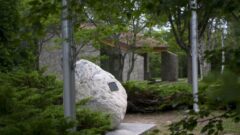
The National Museum of the Great Lakes opened a new micro exhibit that examines the Great Lakes connection to the famed Tuskegee Airmen, an elite group of African American military pilots and airmen who fought in World War II. Read the full story by The Toledo Blade.

Original Article

Great Lakes Commission

Great Lakes Commission

https://www.glc.org/dailynews/20240212-museumofgreatlakes-tuskegeeairmen
Hannah Reynolds

The oil company Enbridge wants to move its Line 5 oil pipeline from the Straits of Mackinac into a tunnel beneath the lake, and the Michigan Public Service Commission recently signed off on this plan, issuing Enbridge a site permit. That decision could make things worse. Read the full story by the Detroit Free Press.

Original Article

Great Lakes Commission

Great Lakes Commission

https://www.glc.org/dailynews/20240212-relocate-line5-tunnel

Hannah Reynolds

As the winter progresses, food banks and other nonprofit organizations continue to tackle the increasing demand to alleviate hunger in Michigan.

One in nine people in the state faced hunger as of 2021, requiring $696 million more per year to meet their food needs

The post Food banks face crunch as demand rises first appeared on Great Lakes Echo.

Original Article

Great Lakes Echo

Great Lakes Echo

http://greatlakesecho.org/2024/02/12/food-banks-face-crunch-as-demand-rises/

Guest Contributor

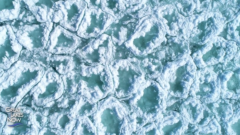
Record warm winter weather is having severe ramifications on the ice cover that typically engulfs the Great Lakes at this time of year. Just 5.9% of the Great Lakes are currently covered with ice compared to an average of about 40% for this time of year. Read the full story by ABC News.

Original Article

Great Lakes Commission

Great Lakes Commission

https://www.glc.org/dailynews/20240209-great-lakes-ice

Theresa Gruninger

Researchers in Minnesota are creating a national map to identify peatlands – soggy areas of slowly decaying organic matter – and guides for how to restore them. The idea is to save a landscape that occupies just 3 percent of the earth’s land area but stores over 30 percent of the planet’s carbon. Read the full story by Great Lakes Echo.

Original Article

Great Lakes Commission

Great Lakes Commission

https://www.glc.org/dailynews/20240209-bogs

Theresa Gruninger

A successful halt on shoreline development through a recently crafted bylaw in Tiny Township, Ontario has been submitted for a Great Lakes and St. Lawrence Cities Initiative award. Even if the township does not win the award, the deputy mayor hopes the story can ‘help other municipalities that are facing similar issues’. Read the full story by Midland Today.

Original Article

Great Lakes Commission

Great Lakes Commission

https://www.glc.org/dailynews/20240209-best-practice-award

Theresa Gruninger

Due to recent warm temperatures, the Duluth Fire Department in Minnesota is asking the public to exercise caution and refrain from engaging in ice fishing activities in Superior Bay. Read the full story by KBJR-TV – Superior, WI.

Original Article

Great Lakes Commission

Great Lakes Commission

https://www.glc.org/dailynews/20240209-superior-bay-ice-conditions

Theresa Gruninger

The gridlocked battle between a Wisconsin tribe and a Canadian oil giant has entered its next legal round. On Thursday, the 7th U.S. Circuit Court of Appeals heard oral arguments about whether Enbridge Energy’s Line 5 oil pipeline can continue to transport oil on the Bad River Band of Lake Superior Chippewa’s reservation. Read the full story by the Milwaukee Journal Sentinel.

Original Article

Great Lakes Commission

Great Lakes Commission

https://www.glc.org/dailynews/20240209-line-5

Theresa Gruninger

Researchers are on a mission to get more wintertime data to understand how Michigan’s disappearing winters affect the broader Great Lakes ecosystem, endangering some species, and changing nutrient cycles, among a growing list of concerns. Read the full story by Michigan Public.

Original Article

Great Lakes Commission

Great Lakes Commission

https://www.glc.org/dailynews/20240209-snow-clues

Theresa Gruninger

This past summer, a “moderately” severe algae bloom grew in Lake Erie. There is a long way to go to address the summer plague of Lake Erie algae blooms and the actions required to do so are a year-round job. Read the full story by the Environmental Defence.

Original Article

Great Lakes Commission

Great Lakes Commission

https://www.glc.org/dailynews/20240209-algae-blooms

Theresa Gruninger

Many volunteers showed interest in living in a Lake Superior lighthouse for the summer. The National Park Service opened and closed an application to be a caretaker for the Sand Island Light off the coast of northern Wisconsin in less than a day due to an abundance of applicants. Read the full story by WJBK-TV – Detroit, MI.

Original Article

Great Lakes Commission

Great Lakes Commission

https://www.glc.org/dailynews/20240209-lake-superior-lighthouse

Theresa Gruninger

Wisconsin lawmakers are introducing legislature modeled from the success of the Great Lakes Restoration Initiative to protect the Mississippi River waters and watershed. Read the full story by the Milwaukee Journal Sentinel.

Original Article

Great Lakes Commission

Great Lakes Commission

https://www.glc.org/dailynews/20240209-mississippi-river-model

Theresa Gruninger

As Michigan winters vanish, researchers study snow for clues about what’s next

By Kelly House, Bridge Michigan

The Great Lakes News Collaborative includes Bridge Michigan; Circle of Blue; Great Lakes Now at Detroit Public Television; Michigan Public, Michigan’s NPR News Leader; and The Narwhal who work together to bring audiences news and information about the impact of climate change, pollution, and aging infrastructure on the Great Lakes and drinking water.

Read Now at Great Lakes Now.

Original Article

Great Lakes Now

Great Lakes Now

https://www.greatlakesnow.org/2024/02/as-michigan-winters-vanish-researchers-study-snow-for-clues-about-whats-next/

Bridge Michigan

Reimagined St. Ignace memorial to be a showcase of Native American history

By Janelle D. James, Bridge Michigan

The Great Lakes News Collaborative includes Bridge Michigan; Circle of Blue; Great Lakes Now at Detroit Public Television; Michigan Public, Michigan’s NPR News Leader; and The Narwhal who work together to bring audiences news and information about the impact of climate change, pollution, and aging infrastructure on the Great Lakes and drinking water.

Read Now at Great Lakes Now.

Original Article

Great Lakes Now

Great Lakes Now

https://www.greatlakesnow.org/2024/02/reimagined-st-ignace-memorial-to-be-a-showcase-of-native-american-history/

Bridge Michigan

Chicago is joining a nationwide trend of large cities incorporating equity or justice goals into preparing for climate change’s impact on public health.

The idea is to better protect Black, Hispanic, Indigenous and other socially vulnerable and marginalized communities. That hasn’t always been the case. 

The post Faced with COVID-era civil rights complaints, Chicago commits to environmental justice first appeared on Great Lakes Echo.

Original Article

Great Lakes Echo

Great Lakes Echo

http://greatlakesecho.org/2024/02/09/faced-with-covid-era-civil-rights-complaints-chicago-commits-to-environmental-justice/

Wajeeha Kamal

Globe breaks heat record for 8th straight month. Golfers get to play in Minnesota’s ‘lost winter’

By Seth Borenstein and Steve Karnowski, Associated Press

ST. PAUL, Minn. (AP) — For the eighth straight month in January, Earth was record hot, according to the European climate agency. That was obvious in the northern United States, where about 1,000 people were golfing last month in a snow-starved Minneapolis during what the state is calling “the Lost Winter of 2023-24.”

For the first time, the global temperature pushed past the internationally agreed upon warming threshold for an entire 12-month period, with February 2023 to January 2024 running 2.74 degrees Fahrenheit (1.52 degrees Celsius) hotter than pre-industrial levels, according to the Copernicus Climate Change Service of the European Space Agency.

Read Now at Great Lakes Now.

Original Article

Great Lakes Now

Great Lakes Now

https://www.greatlakesnow.org/2024/02/ap-globe-breaks-heat-record-for-8th-straight-month-golfers-get-to-play-in-minnesotas-lost-winter/

The Associated Press

Communicating effectively about invasive species, whether the plants and animals are on land or in water, can be challenging. Is it better to “wage a war” on invasives, or should communicators take an alternative approach?

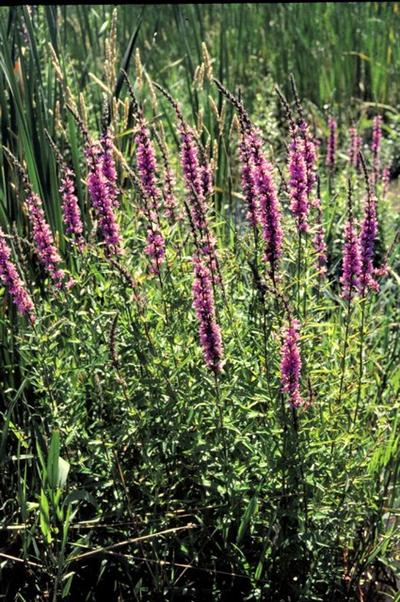
Purple loosestrife, a pretty but invasive plant. Image credit: Wisconsin Sea Grant

In conjunction with National Invasive Species Awareness Week, the Sea Grant programs in Michigan, Oregon and Wisconsin are hosting a workshop with the North American Invasive Species Management Association on the topic of using messaging and metaphors in communicating about invasion biology. The “Invasive Species Language Workshop,” will be held online and in-person on Feb. 27-28. A virtual half-day of webinar presentations will be followed by a full-day workshop in Washington, D.C., where attendees will draft guidelines and research priorities for inclusive communication and naming conventions. Researchers, science communicators and invasive species managers are encouraged to attend.

“Our goal is to learn what everybody’s doing in their respective fields, and then get everyone together to talk it out and describe any successes they’ve had in advocating for better and more inclusive language about invasive species,” said El Lower, Great Lakes Aquatic Nonindigenous Species Information System communications specialist with Michigan Sea Grant. “It’s about how we can work together to promote a set of best practices and present a unified front across invasion biology.

“We can come up with different metaphors that are not just ‘good versus evil, us versus them,’ and actually get into some of the nuance involved in managing invasive species. Sometimes that gets lost in the wash if you’re simply focusing on military metaphors,” Lower added.

Another issue with invasive species are their names. Some species names may contain racial slurs or reinforce xenophobic concepts. Efforts to develop more inclusive guidelines for naming invasive species have been limited, and this will be an additional focus of the webinar and workshop.

“Scientists and natural resource managers often believe that the language and points they make are neutral; that they’re just the facts. However, even when communicating facts, we all use value-laden language or language that may be received differently than intended,” said Tim Campbell, Wisconsin Sea Grant AIS program coordinator. “By embracing this inclusive language and naming conventions, we can reduce unintended consequences of our communication products, and we be more effective in our aquatic invasive species management efforts.” 

Registration is now open for the sessions. Visit the website here.

Funding for the workshop was provided by the National Sea Grant Office.

The post Invasive Species Language Workshop designed to get people talking first appeared on Wisconsin Sea Grant.

Original Article

News Releases | Wisconsin Sea Grant

News Releases | Wisconsin Sea Grant

https://www.seagrant.wisc.edu/news/invasive-species-language-workshop-designed-to-get-people-talking/

Marie Zhuikov

Researchers in Minnesota are creating a national map to identify peatlands - soggy areas of slowly decaying organic matter - and guides for how to restore them. 

The PeatRestore project is set to span several years. Restoration will begin by summer 2025.

The post Preserving Minnesota’s bogs could fight climate change first appeared on Great Lakes Echo.

Original Article

Great Lakes Echo

Great Lakes Echo

http://greatlakesecho.org/2024/02/08/preserving-minnesotas-bogs-could-fight-climate-change/

Guest Contributor

Photobook illuminates the beauty of Michigan lighthouses

This article was republished here with permission from Great Lakes Echo.

By Clara Lincolnhol, Great Lakes Echo

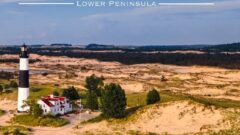
Michigan photographer Danielle Jorae wrote, designed and published Lighthouses of Michigan-Lower Peninsula to fulfill a wish of her childhood self.

“I ran across a document from when I was in kindergarten that outlined how I wanted to become an artist and a writer one day,” Jorae said.

Read Now at Great Lakes Now.

Original Article

Great Lakes Now

Great Lakes Now

https://www.greatlakesnow.org/2024/02/photobook-illuminates-the-beauty-of-michigan-lighthouses/

Great Lakes Echo

Marie Raboin on what Wisconsin farmers need to protect water

If you’ve ever dreamt of quitting your job and moving to the country to make apple cider and raise goats, Marie Raboin’s life may look pretty ideal. 

Marie owns Brix Cider with her husband, Matt, makes hard cider, serves local food through their restaurant, and she advocates for sustainable agriculture through her day job as a conservation specialist for the Dane County Land and Water Division.

She will be the first to admit her limitations. With a degree in soils and agroecology, she can’t grow a garden. In spite of cider sales, she isn’t an expert in orchard cultivation. Though she feels the sadness of losing a pregnant ewe or the difficult decision to harvest a mean goat, it all evens out when she experiences the peace and joy of her farm.Marie in the barn surrounded by sheep

“Being around animals is the ultimate in calming,” Marie said. “It’s restorative to stand in my barn and have my cows come up for a nuzzle or to have goats nibble on my gloves. I can stand in my barn after an awful day and feel better.”

Marie attributes a lot of her success to her strong network of fellow farmers and small business owners who nimbly navigate growing and selling in the upper Midwest.

“I’m lucky to get to live out my personal mission daily at home and at work with the Dane County Land and Water Division. That’s where I get to help farmers do the best they can do with the resources they have. At the end of the day, I get to own this business that promotes good work and pays people for their good work when I buy products from farmers and food manufacturers that share my same personal mission for Wisconsin agriculture. We can support our neighbors.”

In the many years she has dedicated to understanding agricultural systems, Marie is acutely aware of what small businesses owners and farmers have in common. They have to take risks. They depend on the people who buy their products. And they have to work within constraints to make decisions for the survival of their families and their businesses. 

“I’ve never met a farmer who wants to do harm or is intentionally degrading resources. It’s just a matter of being under different constraints that make us make different decisions. We all face health, time, and financial constraints. We all make decisions to survive. I would never look down on anyone for making a decision. Now if I can help in those decisions, and help them have better choices, I’m all for that. We’re all working within constraints.”

Her understanding of these constraints and of the farmers who choose a path towards conservation practices in agriculture is why Mike Tiboris, River Alliance of Wisconsin’s Agriculture and Policy Director, asked her to be a part of discussions to form our Wisconsin Agricultural Agenda last year. When she’s invited to share what she has learned from farmers, Marie tends to take a role she describes as “farmer defender.”

“I know we aren’t moving the needle on soil and water conservation fast enough, but I tend to, at least in those meetings, defend what I think farmers are doing that is good, where I think they are going, and how we can continue to support the innovators.”

She has seen firsthand how change in agriculture is slow, but when given the opportunity to be creative, farmers can be incredibly innovative. She calls producer-led watershed groups supported by Wisconsin’s Department of Agriculture, Trade and Consumer Protection a shining beacon of agricultural innovation in soil and water conservation in large part due to the social connections they forge. 

“I am a firm believer that conservation is more of a social issue than anything. We are a social science working in a hard science field. The relationships farmers have with each other go farther than research papers on cover crops or agronomics. It’s about people making social decisions for their business, family and community. Marie on the farm with a goat

“Unfortunately, farmers have been given a recipe from agribusiness to grow corn, soy, and milk without a lot of room for creativity. Yet they thrive and have fun when given the space to be more creative in the way they manage their crops and animals. Producer-led groups bring that out in fellow farmers. It’s a space where they can do things that are different and not feel self conscious about being different.”

All of the conversations Marie has about conservation in farming tend to come to the same conclusions: the playing field is not equal.

She says that the way our agricultural system is structured – through subsidy programs, extreme debt loads, and how farmers are paid – farms that are using practices like managed grazing that benefit our water resources aren’t being compensated for their costs, time, and continuing education despite going above and beyond for our environment. 

The producer-led groups are a salve for the stress of working for innovative water and soil protection practices within a broken system.  

“The more we relieve stress from farmers, the more time and space they have to make better decisions. No one wants soil to move from their field. They know soil is money. Research and understanding of economics are important but at the end of the day, if we don’t have a good social structure or if they can’t share with each other, science alone can’t get nitrates out of groundwater. Farmers need support in making conservation management decisions on their farms.”


– Stacy Harbaugh, Communications Director


This message is made possible by generous donors who believe people have the power to protect and restore water. Support our work with your contribution today.

The post Marie Raboin on what Wisconsin farmers need to protect water appeared first on River Alliance of WI.

Original Article

Blog - River Alliance of WI

Blog - River Alliance of WI

https://wisconsinrivers.org/marie-raboin-dane-county/

Allison Werner

Construction is underway on a wetland enhancement project at the Lakeview Wildlife Management Area in the town of Ellisburg, New York. The project is a collaboration between New York State Department of Environmental Conservation, the National Oceanic and Atmospheric Administration, the Great Lakes Commission, Audubon New York, Audubon Great Lakes, and Ducks Unlimited. Read the full story by WWNY-TV – Watertown, NY.

Original Article

Great Lakes Commission

Great Lakes Commission

https://www.glc.org/dailynews/20240207-ny-wetland-enhancement

Theresa Gruninger

Legislators and bipartisan members of the Great Lakes Task Force introduced new legislation Tuesday that would extend the Great Lakes Restoration Initiative, a public-private program that has used federal and nonfederal aid to protect and maintain the Great Lakes since 2010. Read the full story by WWMT-TV – Kalamazoo, MI.

Original Article

Great Lakes Commission

Great Lakes Commission

https://www.glc.org/dailynews/20240207-glri

Theresa Gruninger

Gov. Tony Evers and the Wisconsin Department of Transportation announced $10 million to improve eight harbors along the Mississippi River and Great Lakes. WisDOT’s Harbor Assistance Program will issue grants to Wisconsin cities such as Superior, La Crosse and Milwaukee to maintain and improve waterborne commerce. Read the full story by The Daily Reporter.

Original Article

Great Lakes Commission

Great Lakes Commission

https://www.glc.org/dailynews/20240207-wisconsin-harbors

Theresa Gruninger

In a study released in December, researchers documented the informal shift in priorities by restoration project managers to include human well-being.  An environmental social scientist says EPA should consider an increased focus on human well-being in their Great Lakes Restoration Initiative program. Read the full story by Great Lakes Now.

Original Article

Great Lakes Commission

Great Lakes Commission

https://www.glc.org/dailynews/20240207-well-being-in-glri

Theresa Gruninger

Today, the Detroit River is much cleaner, and sentinel wildlife species have returned. The river has come a long way since the 1960s, however, there is still much work to do, including developing a stewardship ethic. Read the full story by Great Lakes Now.

Original Article

Great Lakes Commission

Great Lakes Commission

https://www.glc.org/dailynews/20240207-detroit-river

Theresa Gruninger

In 2016, an Erie boater took to court against a fine for a lack of lifejackets. The result of the Pennsylvania Commonwealth Court’s decision sets precedent for state law to perform checks of fishing licenses and safety equipment. Read the full story by Erie Times-News.

Original Article

Great Lakes Commission

Great Lakes Commission

https://www.glc.org/dailynews/20240207-safety-inspection-boater-law

Theresa Gruninger

Ohio House lawmakers announced Tuesday that the long-awaited pedestrian land bridge to connect downtown Cleveland to Lake Erie would get $20 million in the proposed capital budget’s one-time fund. Read the full story by WEWS-TV – Cleveland, OH.

Original Article

Great Lakes Commission

Great Lakes Commission

https://www.glc.org/dailynews/20240207-cleveland-land-bridge

Theresa Gruninger

On Tuesday, the full Indiana Senate unanimously approved a bill that requires life rings be placed at public piers and Lake Michigan access points to help to assist in rescue efforts. Read the full story by WNDU-TV – Indianapolis, IN.

Original Article

Great Lakes Commission

Great Lakes Commission

https://www.glc.org/dailynews/20240207-rescue-equipment

Theresa Gruninger

The state of Michigan has identified thousands of sites potentially contaminated with the man-made chemical and many Michiganders would like to presidential leadership address the “forever chemicals.” Read the full story by Michigan Public.

Original Article

Great Lakes Commission

Great Lakes Commission

https://www.glc.org/dailynews/20240207-pfas-michigan

Theresa Gruninger

Image courtesy of the Lake Superior National Estuarine Research Reserve and Kate Murray

SUPERIOR, Wis. – The Lake Superior National Estuarine Research Reserve (Lake Superior Reserve) is holding its 14th annual St. Louis River Summit March 6-7 with in-person sessions at the University of Wisconsin-Superior Yellowjacket Union and field trip options on March 8.

The theme for the summit is, “Braiding Visions for an Enduring Future,” which celebrates long-term stewardship of the St. Louis River through various ways. The goal of the summit is to bring together people who care about and work on the St. Louis River and to encourage coordination of activities, programs, and projects.

“We wanted to honor what it takes to care for land and water in a multigenerational sense,” said Deanna Erickson, Lake Superior Reserve director. “To steward the St. Louis River from past degradation into a thriving future takes many visions from scientists, community members, Ojibwe elders and stewards, to engineers, state agencies, and elected officials. The summit braids those perspectives together.”

The keynote session, “Visions: Stories for an Enduring Future,” will be hosted by Mary Fox and Blake Thomas of the live Duluth radio broadcast “Take it With You,” and Zeitgeist Arts. The St. Louis River has seen some wild tales–historic, ecological, adventurous, and personal. In this session, storytellers are invited from the community to share short personal stories connected to the river on the theme of visions in the format of a noncompetitive story slam (think a local version of The Moth podcast).

In-person events include informational presentations, networking sessions, a poster and art session, and field trips. The poster and art session takes place at 5 p.m. on Wednesday, March 6, in the University of Wisconsin-Superior Swenson Hall atrium. It will feature light refreshments.

During the morning of March 8, field trips will be held. Options include touring the Western Lake Superior Sanitary District, snowshoeing in the Superior Municipal Forest, visiting the Grassy Point Restoration Site, and viewing art history murals inside West Duluth’s Kom-on-Inn with interpretation by an art historian and arts enthusiast.

Students from local schools and institutions are invited to attend the summit to learn about land and participate in water stewardship efforts, the research community and river restoration projects. Students attend for free but need to register.

The cost to attend the entire summit (virtual and in-person sessions) is $60 and includes lunches and appetizers at the poster and art session. Online registration closes Feb. 28. The cost for same-day walk-in registration is $90. Visit this link to register and view the agenda.

Sponsorship opportunities are still available. Initial sponsors include Barr Engineering; city of Superior; Duluth Pottery; Duluth Seaway Port Authority; Duluth Eco Rotary; EA Engineering, Science, and Technology, Inc.; Friends of the Lake Superior Reserve; Lake Superior Captain’s Academy; Lake Superior Research Institute; Large Lakes Observatory; LimnoTech; Marine Tech; Minnesota Center for Environmental Advocacy; Minnesota Department of Natural Resources; Minnesota Land Trust; Minnesota Sea Grant; Roen Salvage Co.; University of Minnesota Duluth Natural Resources Research Institute; U.S. EPA’s Great Lakes Toxicology and Ecology Division; Western Lake Superior Sanitary District; W.J. McCabe (Duluth) Chapter of the Izaak Walton League of America; Wisconsin Coastal Management Program; Wisconsin Department of Natural Resources; Wisconsin Sea Grant and Wren Works, LLC.

The post St. Louis River Summit Celebrates an Enduring Future first appeared on Wisconsin Sea Grant.

Original Article

News Releases | Wisconsin Sea Grant

News Releases | Wisconsin Sea Grant

https://www.seagrant.wisc.edu/news/st-louis-river-summit-celebrates-an-enduring-future/

Marie Zhuikov

A Department of Interior (DOI) press release featured a geonarrative created by Web Informatics and Mapping (WIM) team member Milan Liu.

Original Article

Upper Midwest Water Science Center

Upper Midwest Water Science Center

https://www.usgs.gov/centers/upper-midwest-water-science-center/news/geonarrative-developed-web-informatics-and-mapping?utm_source=comms&utm_medium=rss&utm_campaign=news

jvelkoverh@usgs.gov

Delilah, the 13-year-old cat of Rep. Laurie Pohutsky, D-Livonia, had to visit a veterinarian every time it got a respiratory infection.

That is, until emergency orders by Gov. Gretchen Whitmer during the COVID-19 pandemic allowed a broad expansion of veterinary telehealth, where owners and pets see their vets through video calls.

The post Telehealth for pets: advocates, experts split on expansion of veterinary video-chats first appeared on Great Lakes Echo.

Original Article

Great Lakes Echo

Great Lakes Echo

http://greatlakesecho.org/2024/02/07/telehealth-for-pets-advocates-experts-split-on-expansion-of-veterinary-video-chats/

Guest Contributor

WASHINGTON, D.C. (February 6, 2024) – Today, Senator Debbie Stabenow (D-MI), Senator J.D. Vance (R-OH), Representative Debbie Dingell (D-MI), and Representative David Joyce (R-OH) sponsored the Great Lakes Restoration Initiative (GLRI) Act of 2024, a bill intended to reauthorize the GLRI program for a five-year period at $500 million per year.

GLRI funding assists states, tribes and local communities in implementing crucial on-the-ground projects, including habitat restoration, helping farmers do more to combat non-point source agrichemical run-off, cleaning up legacy pollution and toxic sediments, and preventing the establishment or spread of destructive invasive species. It is a well-established program that helps protect 22% of the world’s source of freshwater.

“The Alliance would like to thank Senators Stabenow and Vance, and Representatives Dingell and Joyce for sponsoring bipartisan legislation to continue this important program that directly benefits the tens of millions of Americans living in the Great Lakes region,” said Don Jodrey, Alliance for the Great Lakes Director of Federal Government Relations.

“As members of the Great Lakes Task Forces, many champions from both the U.S. Senate and House of Representatives have tirelessly advocated for the GLRI and the Alliance thanks them for their support,” said Jodrey.

“The creation of the Great Lakes Restoration Initiative is one of the most important actions of my legislative career.  Since I authored the program in 2010, it has been a proven success story,” said Senator Stabenow, Co-Chair of the Senate Great Lakes Task Force. “This bill will ensure the stability and future of the program as we address new emerging threats to our Great Lakes and waters.”

“The Great Lakes provide more than 1.5 million jobs, supply 90 percent of our nation’s fresh surface water, and generate $62 billion in wages every year,” said Congressman Joyce, Co-Chair of the House Great Lakes Task Force. “The Great Lakes Restoration Initiative supports efforts that confront direct threats facing the lakes like harmful algal blooms, water pollution, invasive species, and coastal erosion. I am proud to be working with my colleagues on both sides of the aisle to reintroduce this critical legislation to protect and preserve the national treasure that is the Great Lakes ecosystem.”

To date, the GLRI program has funded more than 7,563 individual projects totaling $3.7 billion, greatly improving the quality of life throughout the region. The GLRI also provides major economic benefits, as it is estimated that for every dollar spent, an additional three dollars of value is added to the regional economy.

### 

Contact: Don Carr, Media Director, dcarr@greatlakes.org

More about Great Lakes Restoration

Read more about Great Lakes restoration and the GLRI.

Learn More

The post Health of the Lakes and Strength of Local Economies Relies on Reauthorization of the Great Lakes Restoration Initiative appeared first on Alliance for the Great Lakes.

Original Article

News - Alliance for the Great Lakes

News - Alliance for the Great Lakes

https://greatlakes.org/2024/02/health-of-the-lakes-and-strength-of-local-economies-relies-on-reauthorization-of-the-great-lakes-restoration-initiative/

Judy Freed

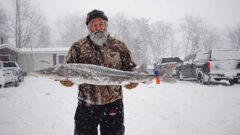
Michigan’s lost winter cancels sturgeon season, ski, dog sled races

By Kelly House, Bridge Michigan

The Great Lakes News Collaborative includes Bridge Michigan; Circle of Blue; Great Lakes Now at Detroit Public Television; Michigan Public, Michigan’s NPR News Leader; and The Narwhal who work together to bring audiences news and information about the impact of climate change, pollution, and aging infrastructure on the Great Lakes and drinking water.

Read Now at Great Lakes Now.

Original Article

Great Lakes Now

Great Lakes Now

https://www.greatlakesnow.org/2024/02/michigans-lost-winter-cancels-sturgeon-season-ski-dog-sled-races/

Bridge Michigan

Study calls for EPA to include human well-being in Great Lakes restoration program

A classic definition of “environmental restoration” talks about reclaiming habitat and restoring land and waters that plants and animals depend on. 

What’s missing from that long-standing approach? Humans. People who may live near toxic waters directly benefit when they’re cleaned up. People who fish  the Detroit River for subsistence, for example.  

Read Now at Great Lakes Now.

Original Article

Great Lakes Now

Great Lakes Now

https://www.greatlakesnow.org/2024/02/study-calls-for-epa-to-include-human-well-being-in-great-lakes-restoration-program/

Gary Wilson

* WHAT...Visibility one quarter mile or less in dense fog. * WHERE...Portions of east central and northeast Wisconsin. * WHEN...Until noon CST today. * IMPACTS...Low visibility could make driving conditions hazardous. With temperatures remaining near or below freezing, freezing fog could create some slicks spots on untreated surfaces.

Original Article

Current watches, warnings, and advisories for Brown County (WIC009) WI

Current watches, warnings, and advisories for Brown County (WIC009) WI

https://api.weather.gov/alerts/urn:oid:2.49.0.1.840.0.22ce62d81526e1c914660b9e3c21904a93d97d4b.002.1.cap

NWS

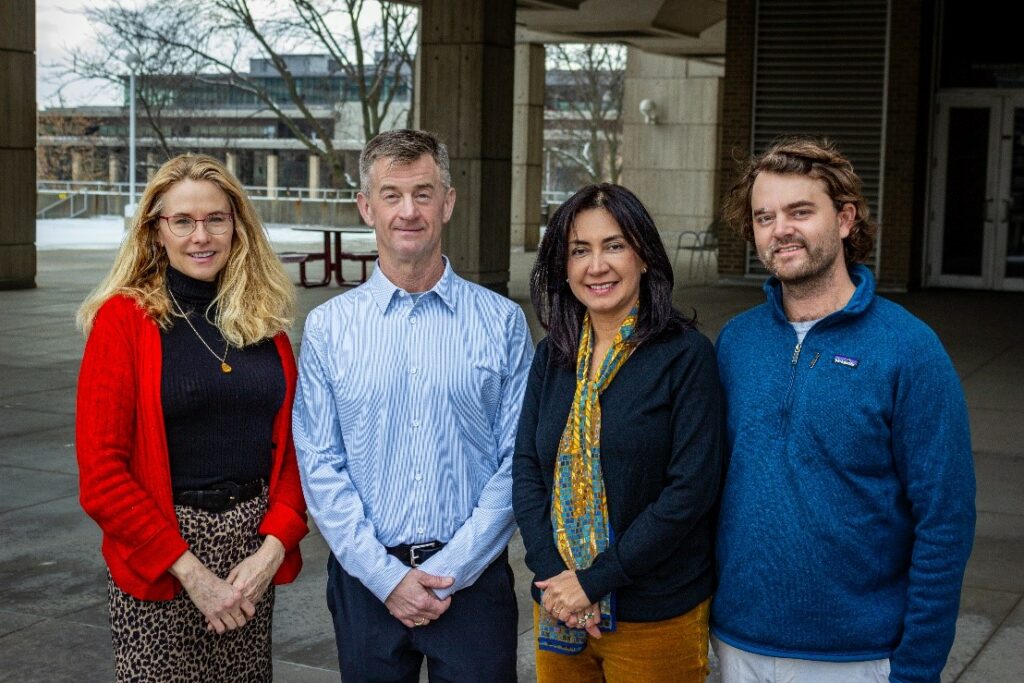
The PFAS research team: Lyn van Swol, Bret Shaw, Cristina Carvajal, Gavin Dehnert. Image credit: Hannan Hein of University of Wisconsin-Madison

A team from the University of Wisconsin-Madison received a grant from Illinois-Indiana Sea Grant to study PFAS (per- and polyfluoroalkyl substances) messaging to water users in Wisconsin with a special focus on Latinos, since they are the largest and fastest-growing minority group in the state.

PFAS, sometimes called “forever” chemicals, are found in various products and can contaminate drinking water. High levels of PFAS have been linked to health risks, such as increased cholesterol levels, decreased vaccine response, risk of thyroid disease, lower birth weights and reduced fertility in women. However, health risks at lower levels are uncertain. Communicating these risks effectively to increase understanding, avoid undue fear and provide recommendations for behaviors people can do to reduce risks is crucial to the 70% of Wisconsinites who depend on municipal water supplies.

“The Wisconsin Department of Natural Resources now requires monitoring for PFAS in municipal water supplies and reporting when any are detected at over 70 parts per trillion,” said Lyn van Swol, principal investigator and a professor with UW-Madison’s Department of Communication Arts. “Given these new requirements and uncertainty about the health effects of PFAS, particularly at lower levels, public health educators are struggling with how to communicate with the public about the presence of PFAS in their municipal water supplies.”

Van Swol and the grant team will work to develop effective communication strategies about PFAS risks, focusing on engaging messages that encourage actions such as using water filtration systems. They will do this in three parts. First, they will gather data on people’s internet searches related to PFAS information. Second, they will test specific messages with municipal water users, and finally, test which messages engage social media audiences.

They will share their results via webinars, news releases and collaborations with Spanish-speaking media. The team will also develop resources for environmental and health communication professionals designed to enhance public understanding and proactive response to PFAS exposure in their communities.

The grant team is comprised of van Swol and Bret Shaw, professor with the Department of Life Sciences Communication and an environmental communication specialist with UW-Division of Extension; Gavin Dehnert, emerging contaminant scientist with Wisconsin Sea Grant; and Cristina Carvajal of Wisconsin Eco-Latinos.

Other partners include UW-Madison Extension, the Wisconsin Department of Health Services, the Wisconsin Department of Natural Resources, Public Health Madison & Dane County and the UniverCity Alliance.

The study is part of a larger project coordinated by Illinois-Indiana Sea Grant that addresses PFAS knowledge gaps in the Great Lakes region.

The post PFAS in municipal drinking water: New grant designed to improve risk communication in Wisconsin first appeared on Wisconsin Sea Grant.

Original Article

News Releases | Wisconsin Sea Grant

News Releases | Wisconsin Sea Grant

https://www.seagrant.wisc.edu/news/pfas-in-municipal-drinking-water-new-grant-designed-to-improve-risk-communication-in-wisconsin/

Marie Zhuikov

Lacking access to transportation is a significant barrier to employment, especially in rural areas and small towns.

Buses are often late because of construction or traffic, and Keson said the Ludington authority is trying to secure more funding for new dispatch technology.

The post Limited public transit options hinder employment opportunities first appeared on Great Lakes Echo.

Original Article

Great Lakes Echo

Great Lakes Echo

http://greatlakesecho.org/2024/02/06/limited-public-transit-options-hinder-employment-opportunities/

Guest Contributor

* WHAT...Visibility one quarter mile or less in dense fog. * WHERE...Calumet, Manitowoc, Winnebago, Brown, Door, Kewaunee, Outagamie, Southern Marinette County, and Southern Oconto County Counties. * WHEN...Until 10 AM CST this morning. * IMPACTS...Low visibility could make driving conditions hazardous and cause air travel delays. With temperatures near or below freezing, freezing fog could create some slicks spots on untreated surfaces.

Original Article

Current watches, warnings, and advisories for Brown County (WIC009) WI

Current watches, warnings, and advisories for Brown County (WIC009) WI

https://api.weather.gov/alerts/urn:oid:2.49.0.1.840.0.169763d87a90cd9b1a89bf81b3267cc0766b5574.002.1.cap

NWS

* WHAT...Visibility one quarter mile or less in dense fog. * WHERE...Calumet, Manitowoc, Winnebago, Brown, Door, Kewaunee, Outagamie, Southern Marinette County, and Southern Oconto County Counties. * WHEN...Until 10 AM CST Tuesday. * IMPACTS...Low visibility could make driving conditions hazardous. With temperatures near or below freezing, freezing fog could create some slicks spots on untreated surfaces.

Original Article

Current watches, warnings, and advisories for Brown County (WIC009) WI

Current watches, warnings, and advisories for Brown County (WIC009) WI

https://api.weather.gov/alerts/urn:oid:2.49.0.1.840.0.d974e86b56ba0ebc269c1a856c06470215ee8cd7.001.1.cap

NWS

Areas of fog and freezing fog will continue this evening, especially in the Fox Valley and near the Bay of Green Bay and Lake Michigan. Dense fog is expected at times, with visibilities near a 1/4 mile or less. Moisture from the fog may freeze on untreated roads, bridges, overpasses and intersections, resulting in slippery conditions. Motorists should use extra caution and be alert for icy conditions and reduced visibilities. Slow down, use your low-beam headlights, leave plenty of space between vehicles and allow extra time to reach your destination.

Original Article

Current watches, warnings, and advisories for Brown County (WIC009) WI

Current watches, warnings, and advisories for Brown County (WIC009) WI

https://api.weather.gov/alerts/urn:oid:2.49.0.1.840.0.c1164a10a8d9167155f52b9f395b5dee0cde9c0e.001.1.cap

NWS

Areas of fog and freezing fog will continue this evening, especially near the Bay of Green Bay and Lake Michigan. Dense fog is expected at times, with visibilities near a 1/4 mile or less. Moisture from the fog may freeze on untreated roads, bridges, overpasses and intersections, resulting in slippery conditions. Motorists should use extra caution and be alert for icy conditions and reduced visibilities. Slow down, leave plenty of space between vehicles and allow extra time to reach your destination.

Original Article

Current watches, warnings, and advisories for Brown County (WIC009) WI

Current watches, warnings, and advisories for Brown County (WIC009) WI

https://api.weather.gov/alerts/urn:oid:2.49.0.1.840.0.5134682d83545b1d8f546029b78d11d618a1c93a.001.1.cap

NWS

Great Lakes Moment: Lest we forget – A history of Detroit River oil pollution

Great Lakes Moment is a monthly column written by Great Lakes Now Contributor John Hartig. Publishing the author’s views and assertions does not represent endorsement by Great Lakes Now or Detroit Public Television.

Today, the Detroit River is much cleaner, and sentinel wildlife species have returned.

Read Now at Great Lakes Now.

Original Article

Great Lakes Now

Great Lakes Now

https://www.greatlakesnow.org/2024/02/great-lakes-moment-lest-we-forget-a-history-of-detroit-river-oil-pollution/

John Hartig

Communications Specialist – Full-Time

The Communications Specialist is a key part of the team of the Fox-Wolf Watershed Alliance (Fox-Wolf). The Communications Specialist works cooperatively with staff to develop and implement strategies for communications that will increase the visibility of the organization, watershed recovery initiatives, and projects.

The successful applicant will bring skills in writing, graphic design, creativity, and time management. Key duties include managing digital and print communications, developing content, establishing communication calendars and processes, and tracking metrics.

While reporting directly to the Executive Director, the Communication Specialist will work closely with Recovery Area Directors and all program staff to build support for organizational initiatives.

Full Position Description

To apply, email resume and cover letter to jessica@fwwa.org.

The post Communications Specialist appeared first on Fox-Wolf Watershed Alliance.

Original Article

Fox-Wolf Watershed Alliance

Fox-Wolf Watershed Alliance

https://fwwa.org/2024/02/05/communications/?utm_source=rss&utm_medium=rss&utm_campaign=communications

Jessica Schultz