Assessing the U.S. and Global Climate in September 2024
NCEI News Feed
https://www.ncei.noaa.gov/news/assessing-us-and-global-climate-september-2024
NCEI News Feed
https://www.ncei.noaa.gov/news/assessing-us-and-global-climate-september-2024

NCEI News Feed
https://www.ncei.noaa.gov/news/assessing-us-and-global-climate-september-2024

NCEI News Feed
https://www.ncei.noaa.gov/news/assessing-us-and-global-climate-september-2024

NCEI News Feed
https://www.ncei.noaa.gov/news/assessing-us-and-global-climate-september-2024

NCEI News Feed
https://www.ncei.noaa.gov/news/assessing-us-and-global-climate-september-2024
NCEI News Feed
https://www.ncei.noaa.gov/news/assessing-us-and-global-climate-september-2024

NCEI News Feed
https://www.ncei.noaa.gov/news/assessing-us-and-global-climate-september-2024

NCEI News Feed
https://www.ncei.noaa.gov/news/assessing-us-and-global-climate-september-2024
NCEI News Feed
https://www.ncei.noaa.gov/news/assessing-us-and-global-climate-september-2024

NCEI News Feed
https://www.ncei.noaa.gov/news/assessing-us-and-global-climate-september-2024
NCEI News Feed
https://www.ncei.noaa.gov/news/assessing-us-and-global-climate-september-2024
NCEI News Feed
https://www.ncei.noaa.gov/news/assessing-us-and-global-climate-september-2024
NCEI News Feed
https://www.ncei.noaa.gov/news/assessing-us-and-global-climate-september-2024
NCEI News Feed
https://www.ncei.noaa.gov/news/assessing-us-and-global-climate-september-2024
NCEI News Feed
https://www.ncei.noaa.gov/news/assessing-us-and-global-climate-september-2024

NCEI News Feed
https://www.ncei.noaa.gov/news/assessing-us-and-global-climate-september-2024
NCEI News Feed
https://www.ncei.noaa.gov/news/assessing-us-and-global-climate-september-2024
NCEI News Feed
https://www.ncei.noaa.gov/news/assessing-us-and-global-climate-september-2024
NCEI News Feed
https://www.ncei.noaa.gov/news/assessing-us-and-global-climate-september-2024
NCEI News Feed
https://www.ncei.noaa.gov/news/assessing-us-and-global-climate-september-2024
NCEI News Feed
https://www.ncei.noaa.gov/news/assessing-us-and-global-climate-september-2024
NCEI News Feed
https://www.ncei.noaa.gov/news/assessing-us-and-global-climate-september-2024
NCEI News Feed
https://www.ncei.noaa.gov/news/assessing-us-and-global-climate-september-2024
NCEI News Feed
https://www.ncei.noaa.gov/news/assessing-us-and-global-climate-september-2024
NCEI News Feed
https://www.ncei.noaa.gov/news/assessing-us-and-global-climate-september-2024

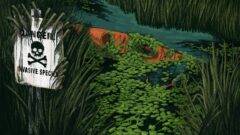
Long after the Halloween season has ended, some of the Great Lakes’ most infamous invasive species remain a scary sight: blood-sucking parasites with suction-cup mouths, thousands of rotting fish carcasses washed ashore and sharp mussel shells that puncture the feet of unsuspecting beachgoers.
At least 188 nonnative aquatic species have been introduced to the Great Lakes, and over a third have become invasive, meaning they can have negative health, ecological and socioeconomic impacts when introduced to new ecosystems.
Great Lakes Now
https://www.greatlakesnow.org/2024/10/great-lakes-most-unwanted-top-10-invasive-species/
The leadership of the Alliance for the Great Lakes reflects its commitment to ensuring a thriving future for both the lakes and the communities that rely on them. At this year’s annual board retreat, we welcomed new leadership dedicated to advancing our mission: to protect, conserve, and restore the Great Lakes, ensuring healthy water for people and wildlife. Board members provide critical strategic guidance to the organization and represent a wide range of interests and expertise from around the Great Lakes region.
Laura Payne assumes the role of Board Chair, joined by Nicole Chavas as Nominations Chair, Tim Frick as Treasurer, and David Hackett as Vice Chair for Development. Each new officer brings a unique perspective to help strengthen our efforts to safeguard clean and affordable water, restoring resilience to the lakes, and elevating local voices in decision-making.


As we celebrate new leadership, we also honor the contributions of Jo-Elle Mogerman, who served as Board Chair for 12 years, and Tom Langmyer, Nominations Chair for six years. Vanessa Tey Iosue and Daniel Guzman also conclude their terms, each having brought invaluable insight and leadership to their roles on the board.


Joel Brammeier, the Alliance’s President & CEO, shared his gratitude: “The heart of our mission beats with the dedication of leaders like those departing, and we are excited to welcome new officers who will continue our efforts to create a future where all communities can rely on the Great Lakes for generations to come.”
For a complete listing of the Alliance for the Great Lakes directors and officers, visit our Board of Directors page.
The post Alliance for the Great Lakes Announces New Board Officers appeared first on Alliance for the Great Lakes.
News - Alliance for the Great Lakes
https://greatlakes.org/2024/10/alliance-for-the-great-lakes-announces-new-board-officers/
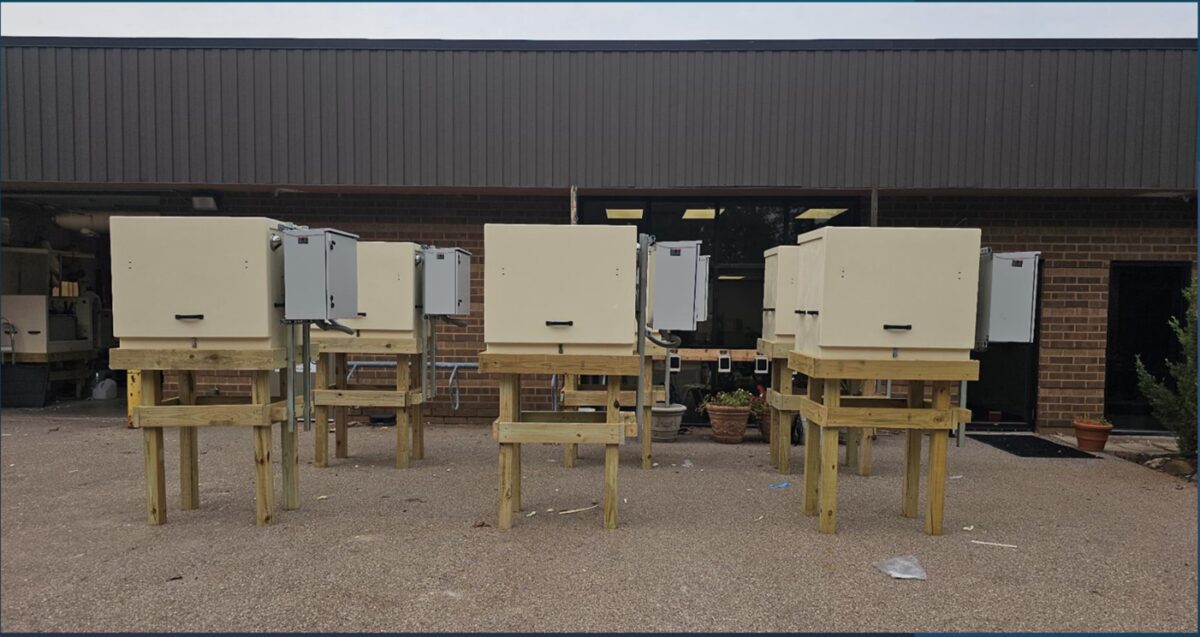
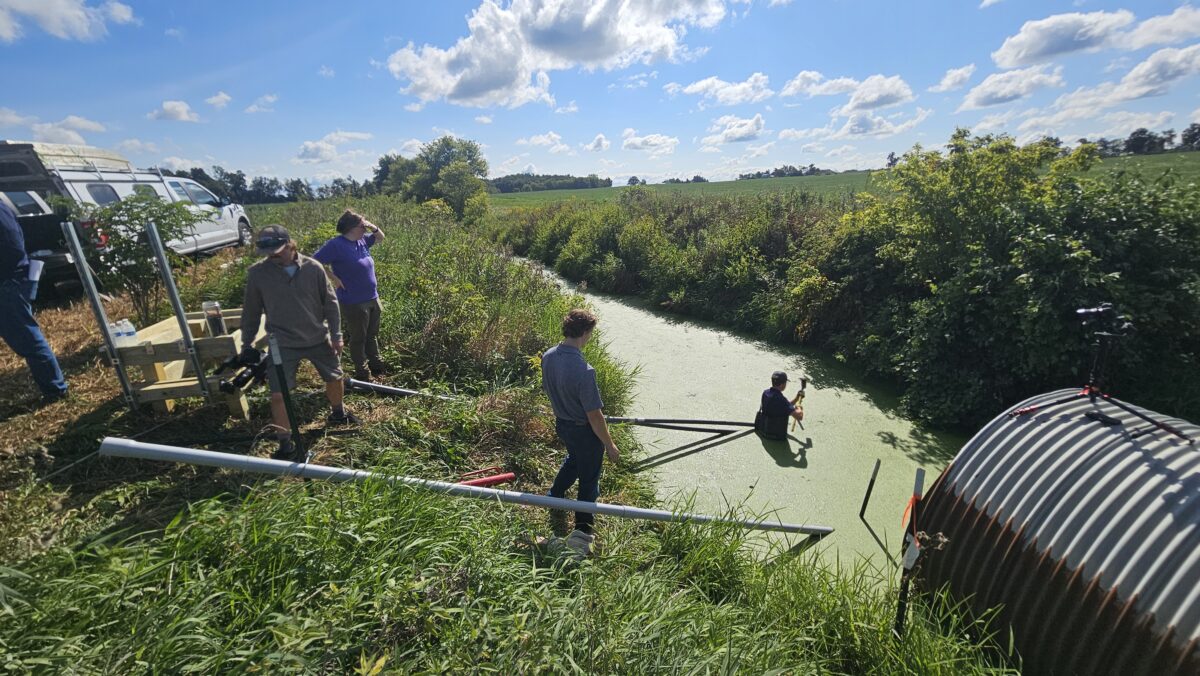
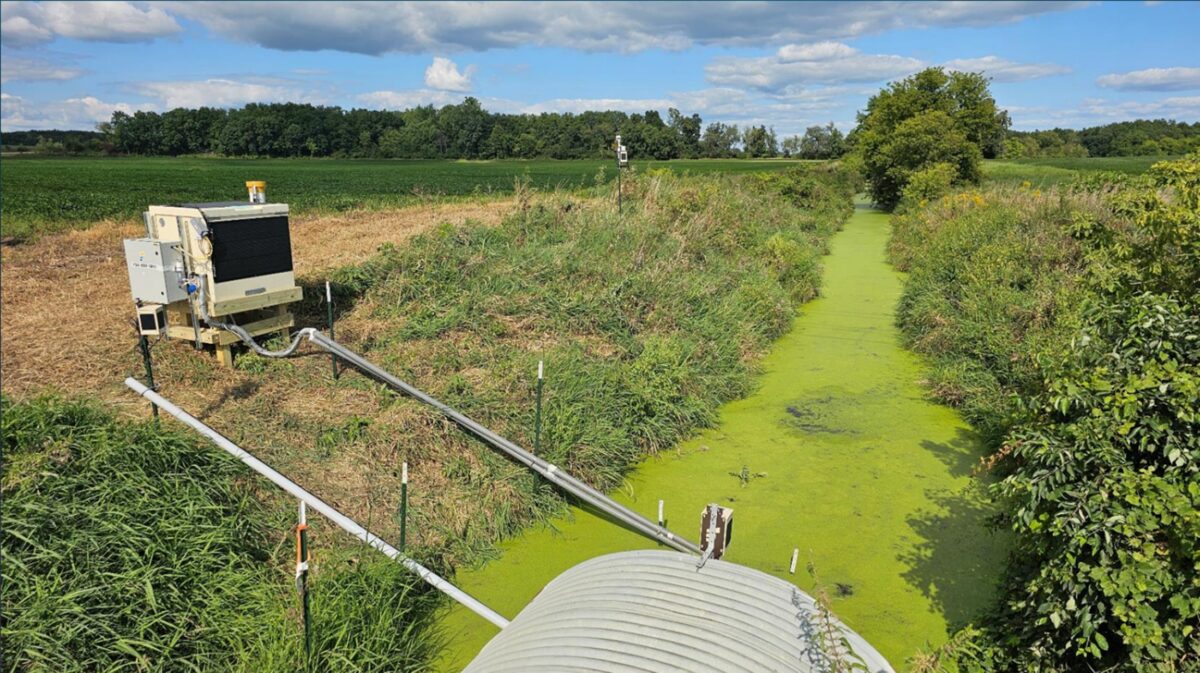
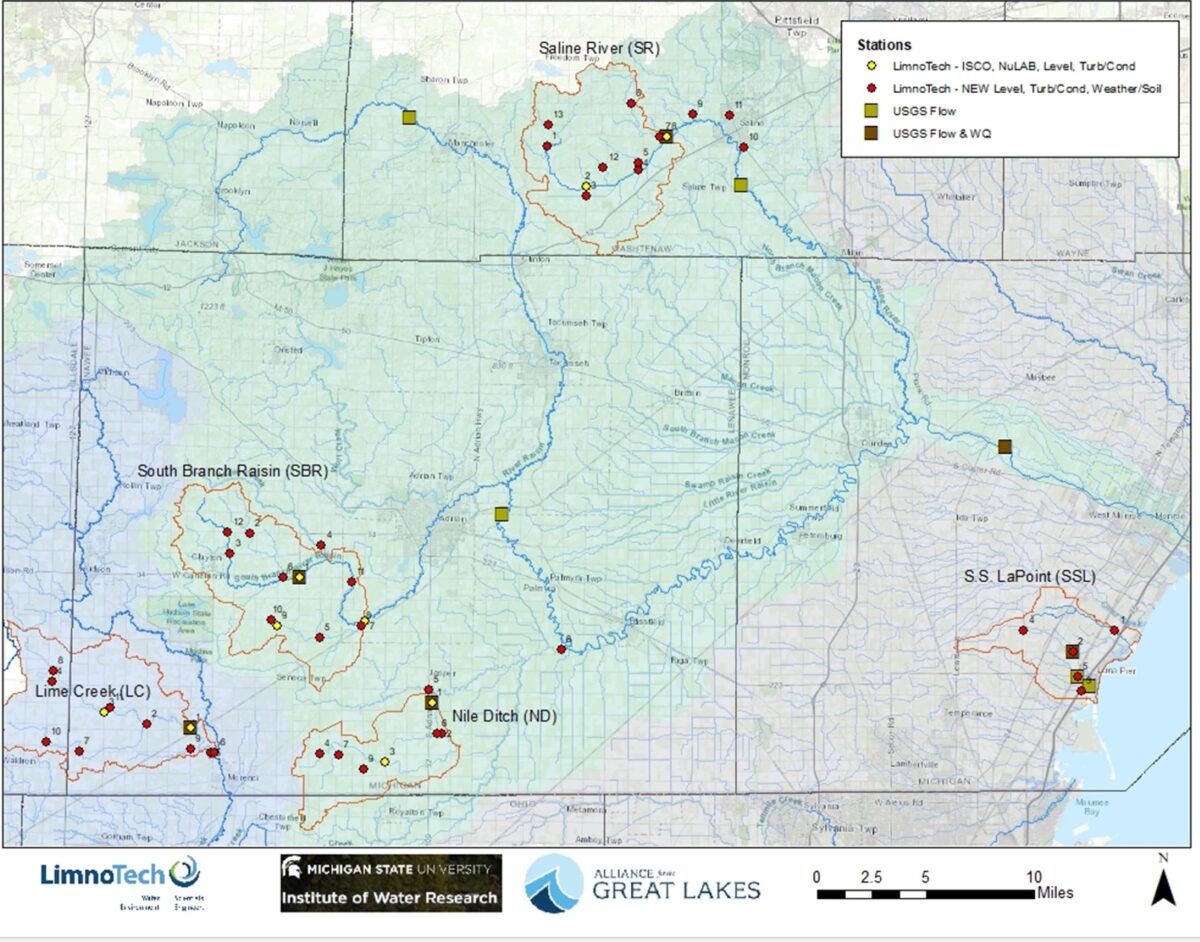
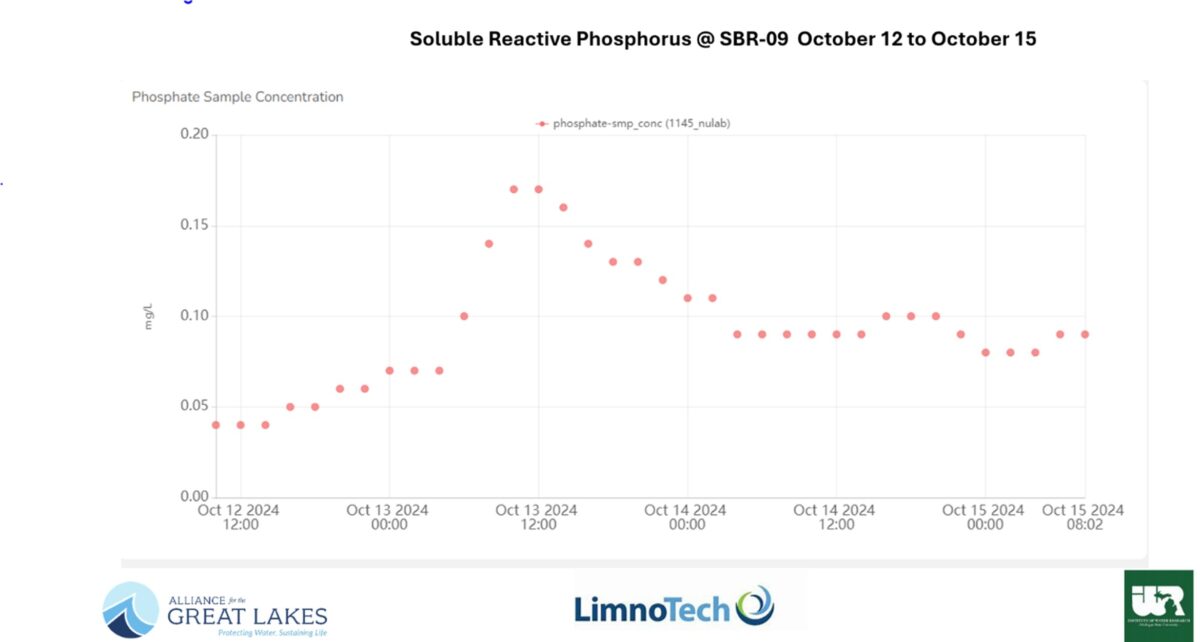
Lansing, Michigan (October 24, 2024) – A critical milestone in the fight against algal blooms on Lake Erie was reached as the installation of water quality monitoring equipment in five critical sub-watersheds feeding into the lake’s western basin was finalized. The monitoring network has started collecting data and is now the most comprehensive monitoring network in these sub-watersheds with a goal of better understanding headwater water quality and flow trends.


Lake Erie’s bloom is a persistent threat to human health and the local economy while also driving up drinking water costs. Blooms are fueled largely by nutrient runoff. In the Western Lake Erie Basin, agricultural land is the primary source for nonpoint nutrient pollution. To prevent blooms from damaging our economy and the environment, it’s critical to reduce the amount of nutrients entering rivers and streams in the WLEB.
The new monitoring network was made possible thanks to Governor Gretchen Whitmer’s bipartisan budget, which provided the funding for a $4.86 million grant from the Michigan Department of Agriculture and Rural Development (MDARD), and a $600,000 grant from the Erb Family Foundation.
The Alliance for the Great Lakes is working in partnership with MDARD to increase the department’s ability to track and monitor water quality in five of Michigan’s priority sub-watersheds in the WLEB. Technical assistance is being provided by the Michigan State University’s Institute of Water Research, LimnoTech and Freeboard Technology. The project runs through 2029, and continuous data will be available throughout the monitoring effort’s lifetime.


One approach to fight algal blooms has been to spend government funds at both the state and federal levels on farm-level conservation practices. Despite years of work and hundreds of millions in taxpayer funds spent, that approach has largely failed. Alliance for the Great Lakes research shows that farm conservation measures in Ohio and Michigan are woefully underfunded and, despite years of investment, adoption rates of conservation practices are still far behind where they need to be. Given the magnitude of the problem and the inadequate funding, states must prioritize and target funding to the highest priority areas and the most cost-efficient practices.
“Water quality data indicate a lack of progress on achieving appreciable reductions of nutrient losses from agricultural sources. Progress moving forward is going to take a change in approach, a commitment to research, investments in monitoring, and enhanced expertise on the ground,” said Dr. Tim Boring, MDARD Director. The improved monitoring is essential to better understand the local hydrology, transport mechanisms, and the impacts of agronomic practices. Functioning alongside new research into areas such as soil health, this monitoring data informs necessary changes in targeting and incentivization approaches.
Boring added that achieving improved environmental outcomes is a core mission area of MDARD’s new Regenerative Agriculture program. The program aims to deliver greater farm prosperity, improved farm ecosystems, increased community health, and a more vibrant food system. This ambitious approach is focused on realizing more definitive outcomes, including water quality.
“Understanding, tracking, and predicting where nutrient pollution comes from is difficult due to weather, cropping complexities, and a lack of data. This makes properly targeting conservation funding complicated,” said Tom Zimnicki, Alliance for the Great Lakes’ Agriculture and Restoration Policy Director.
“Understanding how nutrient pollution and water moves through the watershed will equip agencies and practitioners with accurate data to better target conservation and land management practices to improve water quality outcomes. We applaud the leadership of MDARD Director Boring who has continually emphasized the importance of expanding monitoring and data collection to help guide conservation decision-making.”


###
Contact: Don Carr, Media Director, Alliance for the Great Lakes dcarr@greatlakes.org
The post Monitoring Milestone in Fight Against Lake Erie Pollution appeared first on Alliance for the Great Lakes.
News - Alliance for the Great Lakes
https://greatlakes.org/2024/10/monitoring-milestone-in-fight-against-lake-erie-pollution/

This story was originally published by Grist. Sign up for Grist’s weekly newsletter here.
Helene and Milton, the two massive hurricanes that just swept into the country — killing hundreds of people, and leaving both devastation and rumblings of political upheaval in seven states — amounted to their own October surprise.
Great Lakes Now
https://www.greatlakesnow.org/2024/10/the-climate-stakes-of-the-harris-trump-election/
By Donté Smith As the crisp autumn air settles over Michigan, the gentle chug of steam engines echoes through Coldwater. The Little River Railroad, a historic steam railway, invites passengers to step back in time for a ride filled with charm and nostalgia. It’s one of 55 steam locomotives in the state, 15 of them still […]
The post Steam railroad takes passengers on journey through time first appeared on Great Lakes Echo.Great Lakes Echo
http://greatlakesecho.org/2024/10/23/steam-railroad-takes-passengers-on-journey-through-time/
As a River Alliance supporter, you may recall the long, drawn-out saga of the hydroelectric dam on the Pine River in Florence County. A new settlement agreement has been reached between the Michigan Department of Natural Resources and WE Energies. WE Energies will permanently cease electric generating activities at the Pine Project as of July 1, 2038.
While we are grateful to the Michigan DNR and Michigan Attorney General for litigating this case, litigation should not have been necessary because this dam should have been removed in 2025 as stipulated in the 1997 Wilderness Shores Settlement Agreement.
In a press release in 2000, River Alliance provided this explanation of the Pine Dam Project: “This dam is slated for removal through a landmark federal hydropower relicensing agreement in the Menominee River Basin. The agreement has been called “a model for the nation” by Interior Secretary Bruce Babbitt. Wisconsin Electric has agreed to remove the 43-foot high Pine Dam when its license expires in 25 years. Removal of this dam will restore this state-designated wild river to free-flowing conditions, including uncovering two eight-foot and one 12-foot waterfall. In addition, a half-mile of rapids and high-quality trout habitat will be restored. The River Alliance was the lead citizen group in Wisconsin involved in this unprecedented relicensing process.”

We know the work to protect our waters is never ending, and results often take time. This case, unfortunately, is one of many examples of why our organization and others must be prepared to advocate for decades when needed. On hearing this news, former River Alliance Executive Director Todd Ambs aptly stated, “Hard to believe that this resolution will come more than a quarter of a century after Sara Johnson [River Alliance’s first Executive Director, who passed away in 2024] led the effort for the River Alliance to reach this agreement and that the Pine Dam will finally be removed more than a decade after she left us. We are only here for a short time, but we can make an impact that lasts far longer.”

2038 feels like a long time from now, but in just four years (2028) WE Energies will need to initiate the license surrender process consistent with the Wilderness Shores Settlement Agreement. This process includes a detailed decommissioning plan with a surrender application to the Federal Energy Regulatory Commission (FERC) for the Pine Dam, located in Florence, Wisconsin, by 2032 and to cease hydropower generation and remove the dam no sooner than July 1, 2038. This settlement enforces the intent of the Wilderness Shores Settlement Agreement for removal of Pine Dam, albeit at a later date.
River Alliance will continue to work with all of the parties involved to ensure the new settlement is followed. This extended timeframe gives Florence County time to plan for the changes and opportunities dam removal can bring to the local economy. For many years, local advocates have proposed showcasing the Pine River and its waterfalls as a tourist destination. The section between the rapids above LaSalle Falls to the end of the gorge rapids below the triple drops of Breakwater Falls is the single most dramatic stretch of river topography in the entire Midwest. It is an incredible jewel, a unique, spectacular natural wonder featuring six waterfalls, two rock-walled gorges, and five sets of major rapids. We encourage the community to see the free-flowing river as an aesthetic and economic asset and spend this time strategically planning for the future.
Given this history, River Alliance, MHRC, and the resource agencies must remain vigilant to ensure that the terms of this 2024 settlement agreement are fully implemented.
This message is made possible by generous donors who believe people have the power to protect and restore water. Support our work with your contribution today.
The post Pine River to be restored at end of hydroelectric dam’s federal license appeared first on River Alliance of WI.
Blog - River Alliance of WI
https://wisconsinrivers.org/pine-dam-settlement-2024/
University of Toledo researchers hope to better understand how harmful algal bloom toxins affect people, especially those with health conditions like asthma. Read the full story by The Associated Press.
Great Lakes Commission
https://www.glc.org/dailynews/20241023-toxic-algae
Emerging carbon sequestration facilities in Indianna and Illinois are on the forefront of government strategies to slash fossil fuel emissions and meet climate goals. These facilities aim to permanently sequester planet-warming carbon dioxide deep underground, but if operations leak, they can pose significant risks to water resources. Read the full story by WBEZ – Chicago, IL.
Great Lakes Commission
https://www.glc.org/dailynews/20241023-carbon-storage
Nutrient runoff from agricultural fields accounts for about 80% of the nutrients that flow into Lake Erie. Farmers are working to minimize impacts by applying fertilizer pellets beneath the soil surface rather than atop where rain can wash it away. Read the full story by The Associated Press.
Great Lakes Commission
https://www.glc.org/dailynews/20241023-erie-algae
Fisheries biologists aim to help fish and other species while causing as little harm as possible in the process. On the Great Lakes, there are many guidelines and regulations in place to ensure ethical fisheries research. Read the full story by the Great Lakes Now.
Great Lakes Commission
https://www.glc.org/dailynews/20241023-fisheries-research
For now, the Environmental Protection Agency can move forward with plans to establish new, federal carbon pollution standards for power plants. A group representing businesses in the Great Lakes region said the standard change is needed and hopes for more legal victories in the future. Read the full story by WXPR – Rhinelander, WI.
Great Lakes Commission
https://www.glc.org/dailynews/20241023-carbon-rule
Last week, a Wisconsin Department of Natural Resources team began investigating the quagga mussel’s prevalence and its long-term impact in Geneva Lake. Read the full story by WUWM – Milwaukee, WI.
Great Lakes Commission
https://www.glc.org/dailynews/20241023-inland-quagga-mussels
On a foggy night 170 years ago, two ships sailing on Lake Huron collided, causing damage to both, records say. Both crews survived and today, the wooden two-masted schooners rest intact and upright at the bottom of the Great Lake. Read the full story by MLive.
Great Lakes Commission
https://www.glc.org/dailynews/20241023-sunken-ships
A former sand mining site in Ottawa County, Michigan, is now operating as a sprawling public park, open for residents to paddle the waters, explore paved paths, overlook a glistening inland lake, and even camp overnight. Read the full story by MLive.
Great Lakes Commission
https://www.glc.org/dailynews/20241023-new-park
By Anna Rossow Capital News Service Some residents across Michigan are becoming more familiar with unexpected visitors roaming the streets. Coyote sightings in residential neighborhoods have become more common due to the canines’ drive for food and quick adaptability skills, experts say. Coyotes prey on rabbits, chipmunks and squirrels, small animals that enter in and […]
The post Coyotes roaming Michigan first appeared on Great Lakes Echo.Great Lakes Echo
http://greatlakesecho.org/2024/10/22/coyotes-roaming-michigan/

By Juanpablo Ramirez-Franco, WBEZ
This coverage is made possible through a partnership between WBEZ and Grist, a nonprofit, independent media organization dedicated to telling stories of climate solutions and a just future. Sign up for WBEZ newsletters to get local news you can trust.
Great Lakes Now
https://www.greatlakesnow.org/2024/10/the-nations-first-commercial-carbon-storage-plant-is-in-illinois-it-leaks/

Great Lakes Now, Ideastream Public Media, Native News Online, Planet Detroit, Wisconsin Public Radio, and Grist held a discussion last week about the national, regional and statewide climate implications of the upcoming election.
Great Lakes Now Host Anna Sysling moderated a panel of journalists as they spoke about the big topics they are covering and thinking about in advance of voting day.
Great Lakes Now
https://www.greatlakesnow.org/2024/10/virtual-town-hall-what-does-election-mean-for-great-lakes-climate-and-environment/

I Speak for the Fish is a monthly column written by Great Lakes Now Contributor Kathy Johnson, coming out the third Monday of each month. Publishing the author’s views and assertions does not represent endorsement by Great Lakes Now or Detroit Public Television.
Great Lakes Now
https://www.greatlakesnow.org/2024/10/i-speak-for-the-fish-wheres-the-line-in-fisheries-research/
The Great Lakes Observing System (GLOS) aims to map the Great Lakes by 2030 through its project called Lakebed 2030. A bill to fund this effort— the Great Lakes Mapping Act — was tabled in the U.S. Congress earlier this year and it is unlikely to get passed before the U.S. election on November 5. Read the full story by Toronto.com.
Great Lakes Commission
https://www.glc.org/dailynews/20241021-lakebed-mapping
Because capturing and converting nutrients is such a critical function to wetland ecosystems, Bowling Green State University (BGSU) researchers aim to study common wetland plants to identify which species promote these functions more than others to better inform wetland design in the future. Read the full story by The Toledo Blade.
Great Lakes Commission
https://www.glc.org/dailynews/20241021-wetland-plant-research
Visitors at the Holiday Beach Conservation Area in Ontario can become “citizen scientists” to help keep an eye on erosion of its Lake Erie shoreline. Two stands allow those strolling along the sand to place their mobile phones into the cradle, snap a photo of the shoreline and upload it to the CoastReach website. Read the full story by the Windsor Star.
Great Lakes Commission
https://www.glc.org/dailynews/20241021-community-erosion-monitoring
The Wisconsin Historical Society announced this past week that the wreck of the Pride, which sank in a tornado off of Egg Harbor 126 years ago, is now listed on the national register. It was placed on the Wisconsin State Register of Historic Places on May 24 and now is the 31st shipwreck in Door County waters on the state and national registers. Read the full story by the Green Bay Press-Gazette.
Great Lakes Commission
https://www.glc.org/dailynews/20241021-historic-shipwreck
The small farming community of Teeswater, Ontario, will vote in a referendum on whether or not they’re willing to host Canada’s largest underground storage facility of spent nuclear fuel. Less than 45 minutes from the Bruce Nuclear Generating Station on Lake Huron, Teeswater is one of two locations being considered to host the facility. Read the full story by CBC News.
Great Lakes Commission
https://www.glc.org/dailynews/20241021-nuclear-storage
An abandoned boat was discovered washed ashore along Lake Michigan in Milwaukee after strong winds caused the boat to break loose. The U.S. Coast Guard is working with the boat’s owner and their insurance company to remove the boat. Read the full story by WISN-TV – Milwaukee, WI.
Great Lakes Commission
https://www.glc.org/dailynews/20241021-boat-ashore