Catch the latest energy news from around the region. Check back for these monthly Energy News Roundups.

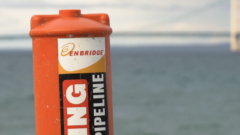
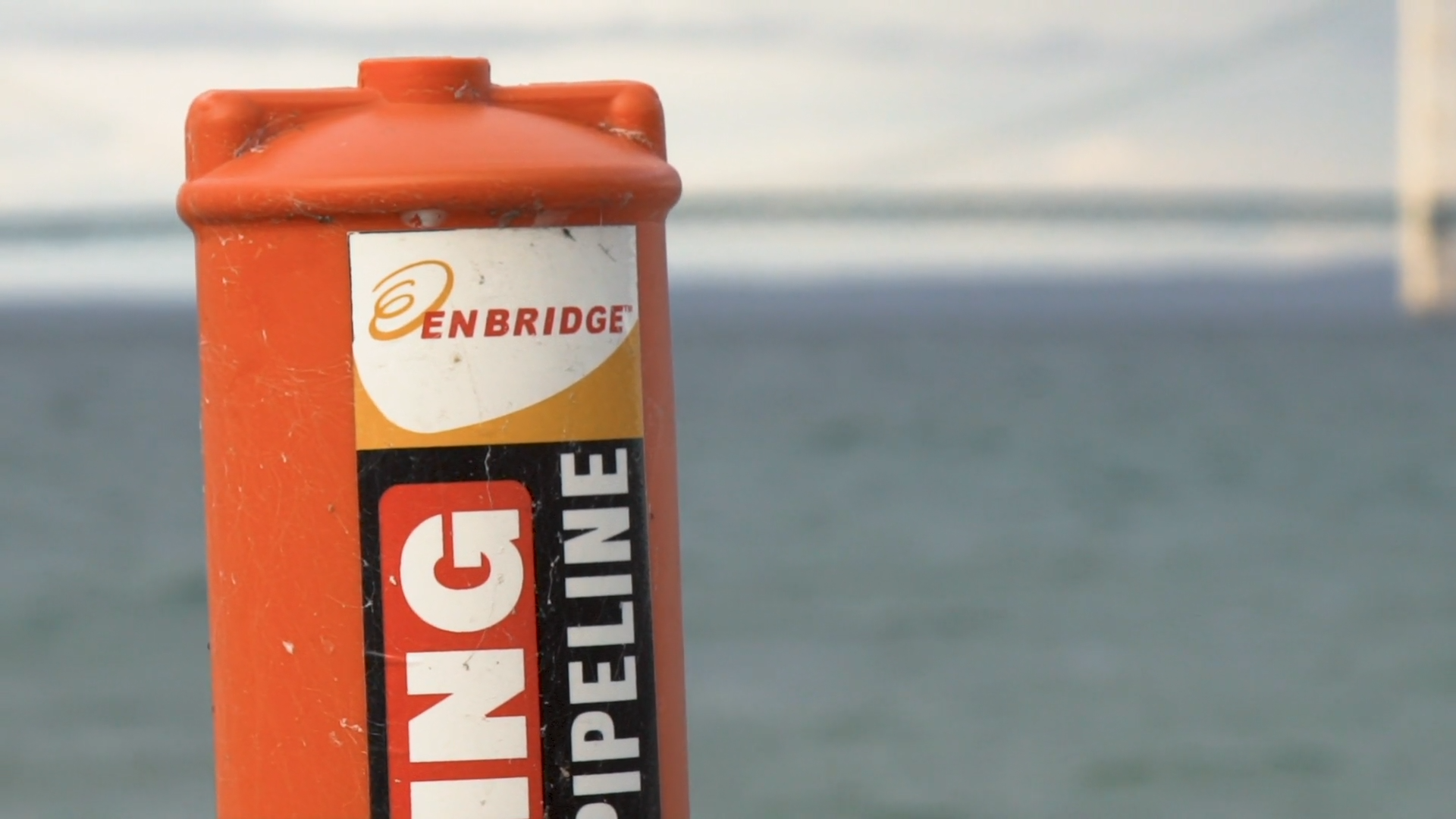
The disputed reroute of the Line 5 pipeline is officially underway. Energy company Enbridge started clearing trees in late February for a segment of pipeline planned to go around the Bad River Reservation, almost seven years after the Bad River Band of Lake Superior Chippewa sued to have the pipeline removed from its land. The tribe has fought against the reroute since then. And while Enbridge is currently free to proceed, new lawsuits could force work to stop.

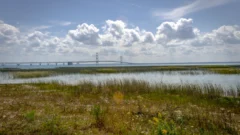
Separately, Michigan Attorney Dana Nessel and Enbridge lawyers faced off before the U.S. Supreme Court late last month as part of another yearslong legal battle: Nessel wants the part of Line 5 that runs under the Straits of Mackinac shut down over fears a spill could cause ecological disaster in the Great Lakes. The Supreme Court is weighing in on whether the case should continue in state court or be moved to federal court, as Enbridge requested. Meanwhile, key decisions are expected soon on the controversial tunnel Enbridge wants to build beneath the lakebed to house the pipeline.

A group of private equity investors including a BlackRock subsidiary is planning to buy the utility that serves more than 520,000 people around Indianapolis. The parent company of AES Indiana, among the state’s largest investor-owned utilities, announced last Monday it agreed to be purchased and could go private as soon as this year. The $33 billion deal has some state leaders worried private ownership will worsen already rising electric rates.

A major Michigan utility isn’t budging on plans to sell its hydroelectric dams. If state regulators block Consumers Energy from selling 13 dams to a private equity firm, the utility will decommission them all instead, an executive wrote in testimony last week. The sale agreement faces a host of recommended conditions meant to protect Consumers Energy customers. But the utility said it’s not willing to negotiate the terms of the sale despite concerns from state officials and ratepayer advocates.

And who will pay to run the coal plants the Trump administration is keeping open past their retirement dates? Federal regulators will have to decide. The U.S. Department of Energy issued emergency orders in December to delay the closure of two Indiana coal plants, citing an energy reliability emergency. Now the utilities that operate the plants are asking regulators to spread the cost of keeping them open to ratepayers throughout the region, not just local customers.

More energy news, in case you missed it:

The post Legal fights continue as reroute of Line 5 pipeline begins appeared first on Great Lakes Now.
Original Article

Great Lakes Now

Great Lakes Now

https://www.greatlakesnow.org/2026/03/11/legal-fights-continue-as-reroute-of-line-5-pipeline-begins/
Nicole Pollack, Great Lakes Now

“This story was originally published by Grist. Sign up for Grist’s weekly newsletter here.”

The Canadian oil pipeline giant Enbridge will pay Wisconsin law enforcement for riot suits, training, and hours spent policing protests, according to an agreement approved by two counties last week. The secretive arrangement offers an uncapped funding source to local sheriffs as the company prepares for disruptive, Indigenous-led resistance to the controversial Line 5 reroute.

Last Tuesday, Enbridge began construction on a 41-mile segment of Line 5, which carries around 540,000 barrels of oil and natural gas liquids daily from a transfer point in Superior, Wisconsin, to Sarnia, Ontario. The pipeline is designed to send fossil fuels from Canada’s tar sands region and the Bakken fracking fields to U.S. refineries before shipping much of the refined products back into Canada. 

The proposed reroute comes after the Bad River Band of Lake Superior Chippewa fought for years to force Enbridge to shut down an existing 12-mile segment of the pipeline that passes through the tribe’s reservation. After several of the pipeline’s easements expired in 2013, the Bad River Band declined to renew them over concerns about a potential oil spill. Enbridge continued operating, and in 2023, a federal judge ruled that the company was illegally trespassing and ordered it to shut down the reservation segment by June 2026. 

Enbridge appealed, and last Friday, the same judge that issued the trespass decision lifted the June deadline until the appeal is resolved. Bad River’s leaders want the pipeline stopped altogether, arguing that the reroute would surround the reservation and threaten the tribe’s treaty-protected watershed and wild rice beds. Tribal nations have also joined the state of Michigan in demanding that a separate section of corroding Line 5 pipeline be shut down under the Straits of Mackinac, which connects Lake Huron and Lake Michigan. However, under President Donald Trump, the federal government has repeatedly weighed in in favor of keeping Line 5 oil flowing. Shortly after taking office, Trump declared a national energy emergency to speed up the development of fossil fuel projects. Under this directive, the Army Corps of Engineers expedited a permit last spring to build a tunnel for Line 5 under the straits. The move prompted several tribal nations in the region to withdraw from pipeline talks in protest.

Anticipating significant public pushback against the reroute construction, Enbridge and the Wisconsin Counties Association negotiated the Public Safety Expense Reimbursement Agreement. The agreement is designed specifically to address the cost of potential protests, allowing police and public safety agencies along Line 5 to submit invoices for an array of expenses. Eligible costs include daily patrols of the construction area, crowd control, police coordination with Enbridge, education programs, and Enbridge trainings on “human trafficking and cultural awareness” — an attempt to thwart transient construction workers who use trafficked women for sex. Firearms, tasers, K-9 units, and recording devices will not be reimbursed. 

An account manager appointed by the Wisconsin Counties Association will review the reimbursement requests before Enbridge pays the police via an escrow account. 

At Ashland County’s Board of Supervisors meeting last week, about a dozen people spoke out against the account. Riley Clave, a community member, told the board the agreement “would be turning our public service into private security.” Another commenter, Soren Bvennehe, called the agreement “a blatant conflict of interest,” arguing that paying the sheriff’s office incentivizes preferential treatment for the company.

Wenipashtaabe Gokee, a citizen of the Red Cliff Band of Lake Superior Chippewa, raised concerns about the disproportionate policing of Indigenous people in the area. She noted that the Ashland County Sheriff’s Office, which would be tasked with policing Indigenous-led protests against Line 5, already has a presence on the Bad River Reservation — in 2017, her 14-year-old nephew, Jason Pero, was killed by an Ashland County sheriff’s deputy in front of his home. “We’re already targeted,” Gokee said during the hearing. She also pointed to a 2019 state law making it a felony to trespass on the property of oil pipeline companies, part of a wave of anti-protest legislation passed nationwide following the 2016 Dakota Access pipeline protests. 

Those in favor of the agreement repeatedly expressed their desire to avoid raising taxes or using sparse county resources to police the pipeline. County officials asserted that they would rather have local law enforcement respond to protests than private security. Andy Phillips, a lawyer for the Wisconsin Counties Association, estimated the counties will face “millions” in pipeline-related public safety expenses. The agreement includes no cap on reimbursements and does not specify that the money has to come from Enbridge. “We didn’t care where it came from,” Phillips said, so long as the burden did not fall on taxpayers.

Bayfield County Sheriff Tony Williams noted his chief deputy is already making a list of equipment, including helmets and shields. “I think that cost was up to $60,000,” Williams said, adding, “I don’t know if it’s fair to put the cost back on the community and the taxpayers if we can get a billion-dollar company to pay us back.” 

Ashland and Iron counties ultimately approved the agreement, while Bayfield County rejected it.

The approved agreement includes a clause stating that all communications regarding the reimbursements are highly confidential, citing unspecified risks to public health and safety. “The clause in the agreement is wildly over broad,” said Bill Lueders, president of the Wisconsin Freedom of Information Council, arguing that it looks like an attempt to “tip the balance” of the state’s public records laws. 

Enbridge spokesperson Juli Kellner said, “Enbridge does not believe local communities and taxpayers should be saddled with these extra costs associated with Line 5 construction and offered a constructive solution.” 

Funding arrangements like this emerged after the 2016 Standing Rock protests against the Dakota Access pipeline, which cost North Dakota $38 million in policing and other protest-related bills. The state spent years in court attempting to get the federal government to pay the costs, even after Energy Transfer donated $15 million to offset the bill. In 2019, South Dakota, under then-governor Kristi Noem, drafted legislation to establish a protest-policing fund for the Keystone XL pipeline, before the project was canceled by the Biden administration.

The model was successfully tested in Minnesota during construction of Enbridge’s Line 3 pipeline expansion. There, the state Public Utilities Commission established an Enbridge-funded escrow account that ultimately reimbursed $8.6 million to 97 public agencies for everything from energy drinks to zip ties and porta potties. 

In the aftermath of Line 3, several people arrested during the protests pursued legal motions arguing that the escrow account created an unconstitutional police bias that violated their rights to due process.

While Minnesota’s escrow manager was state-appointed, Wisconsin’s manager will be appointed by the Wisconsin Counties Association — an organization that a judge ruled in 2014 is not subject to public records requests. The Wisconsin Counties Association did not reply to requests for comment.

Dawn Goodwin, a White Earth Nation member who worked with the nonprofit Indigenous Environmental Network to fight Line 3 in Minnesota, attended the recent Ashland County meeting. She said she watched trust in law enforcement deteriorate in counties that accepted Enbridge’s reimbursements. In her own county, however, the sheriff decided not to submit any invoices to the company.

“Our sheriff told me he took an oath to uphold the First Amendment,” Goodwin recalled. ”He held to that.”

This article originally appeared in Grist at https://grist.org/indigenous/enbridge-paid-police-to-protect-one-pipeline-now-it-wants-to-do-it-again-in-wisconsin/.

Grist is a nonprofit, independent media organization dedicated to telling stories of climate solutions and a just future. Learn more at Grist.org

The post Enbridge paid police to protect one pipeline. Now it wants to do it again in Wisconsin. appeared first on Great Lakes Now.

Original Article

Great Lakes Now

Great Lakes Now

https://www.greatlakesnow.org/2026/03/09/enbridge-paid-police-to-protect-one-pipeline-now-it-wants-to-do-it-again-in-wisconsin/

Grist

This story is part of a Great Lakes News Collaborative series called Shockwave: Rising energy demand and the future of the Great Lakes. The Great Lakes region is in the midst of a seismic energy shakeup, from skyrocketing data center demand and a nuclear energy boom, to expanding renewables and electrification. In 2026, the Great Lakes News Collaborative will explore how shifting supply and demand affect the region and its waters.

The collaborative’s five newsrooms — Bridge Michigan, Circle of Blue, Great Lakes Now, Michigan Public and The Narwhal — are funded by the Charles Stewart Mott Foundation.


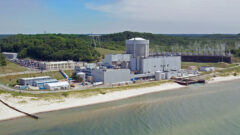
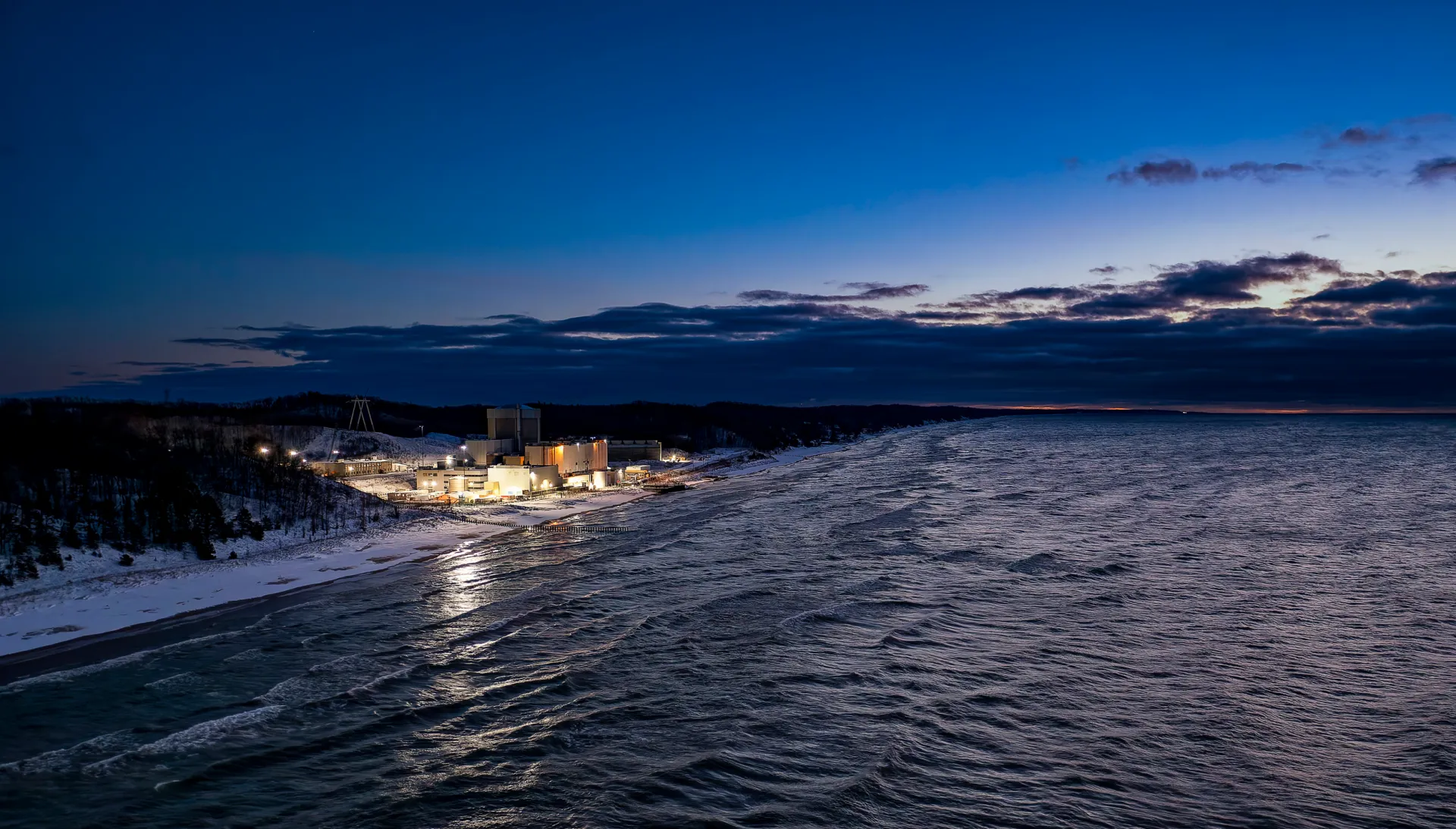
COVERT TOWNSHIP, Mich. – As a study in troubled operation, the Palisades Nuclear Plant once was ranked by the federal government as one of the four worst-performing nuclear power stations in the country. The 51-year-old facility closed in 2022, joining Big Rock Point near Charlevoix and 11 other nuclear plants decommissioned outside Michigan in what appeared to represent the sunset of the era of splitting atoms to produce electricity.

Not so fast. Sometime in the next few months a New Jersey-based company called Holtec International is expected to finish renovating Palisades, fire up the old reactor, and add 800 megawatts of generating capacity to Michigan’s electricity supply. It would be the first time a decommissioned nuclear plant has ever restarted in the United States. 

And that’s not the only game-changing nuclear development occurring at the Palisades site along the Lake Michigan shoreline in the state’s southwest corner. Holtec is busy seeking permission from the Nuclear Regulatory Commission, the federal licensing and safety agency, to start construction for a new 680-megawatt nuclear generating station next door to the old reactor. The company wants to power the new plant with not one but two 340-megawatt advanced small modular reactors. 

So-called “SMRs” are now viewed by the industry, government, utilities, and big energy consumers as one of the go-to electrical generating technologies of the 21st century. Holtec’s planned Pioneer I and II small reactors, and its Palisades reactor restart, signal the opening of a new era of electrical supply and demand in the Great Lakes basin. 

Holtec’s commitment to nuclear power, like other developers in the U.S. nuclear sector, is motivated by several converging and unconfirmed projections that are prompting billions of dollars in investment. By far the most important are that the cost of building nuclear plants will fall, and that demand for electricity will significantly increase. Nuclear developers and utility executives have embraced both optimistic scenarios, especially that electrical demand could increase as much as 50 percent by mid-century, driven by data center construction, new manufacturing plants, growing cities, and electrified transportation. Both of Holtec’s projects in Michigan, and several more developments by other companies in Wisconsin, Ohio, Illinois, and Ontario, are giving nuclear power new purchase in the region’s energy landscape.

One of the most influential supporters is Michigan Gov. Gretchen Whitmer, who is positioning Michigan at the lead of the nuclear revival era. She declared in a statement that opening Palisades and adding the SMR plant “will lower energy costs, reaffirm Michigan’s clean energy leadership, and show the world that we are the best place to do business.” 

Gov. Whitmer signed legislation in 2023 mandating that 100 percent of the state’s electricity come from “clean power” sources, among them nuclear energy. Michigan awarded Holtec $300 million to restart Palisades, a portion of the public funding package that included $1.52 billion in loan guarantees from the U.S. Department of Energy. The Energy Department also awarded Holtec $400 million more to develop the new SMR plant. 

A study of SMR development by the Department of Energy in 2023 found that construction costs for the first plants, like the one Holtec is planning, will be high because of limits on the supply chain providing parts, construction experience, and unknown interest rates for financing. At current estimates of SMR construction costs of $12 million to $15 million per megawatt, Holtec’s 680-megawatt plant could be put into operation at a cost of $7 billion to $10 billion.

Michigan’s bid to stimulate new markets for nuclear energy, moreover, are still dogged by old concerns about safety, waste management, and the cost of construction and operation. Three public interest groups filed a federal lawsuit in November asserting that opening the old Palisades reactor was illegal and unsafe. The case is pending in Federal District Court in Grand Rapids.

Safety, Cost, Waste Addressed

By any measure, managing high-level radioactive waste from commercial reactors has not changed much in the last half century and persists as an issue because no permanent waste repository has been established in the U.S. But other considerations of the risks, benefits, and cost of nuclear power are tilting in new directions, especially for SMR plants like the one Holtec is proposing in Michigan. 

SMR developers make a consistent case for proceeding with the new technology. 

Water consumption looks to be an environmental advantage, particularly in water-abundant regions like the Great Lakes. Holtec’s environmental statement filed with the NRC reports that the two reactors will draw 25,000 gallons a minute for operation, as much as 36 million gallons a day. At that rate the new plant, which is 15 percent smaller than the existing Palisades plant, will withdraw 75 percent less water. 

Because of its more compact 123-acre footprint, the new Holtec plant would easily fit onto the 438-acre site that already encompasses the existing reactor. It will transmit electricity with the existing powerlines and infrastructure. And like other commercial reactors, SMRs don’t discharge climate-warming gases, a big factor in why nuclear power has gained considerably more support in public polling in recent years.

When it comes to operational safety, Holtec and other SMR plant developers say their designs also answer that concern. The advanced modular reactors are smaller and contain less fuel, produce lower levels of radiation, and can operate at a lower temperature and pressure than big conventional reactors. Those properties enable engineers to design a reactor that can be cooled with water or air, and can be shut down with gravity-fed systems that don’t rely on mechanical pumps. 

“When it comes to safety the question is, ‘How do I keep this cool?’” said Brendan Kochunas, associate professor of nuclear engineering at the University of Michigan. “And that comes back to the amount of fuel that you have in the core. SMRs have smaller cores. There’s less heat being produced so you need to remove less heat.”

Industry executives assert that because the reactors are smaller than conventional 1,000-megawatt plants, they will require fewer construction materials, take fewer years to build, and be less expensive to operate. Industry executives say their goal is to standardize designs so that parts can be manufactured and new reactors can be assembled and shipped on trucks or by rail.  And because SMR plants have multiple reactors, one can be shut down for maintenance while the others continue operating. 

“In discussions we’ve had about small modular reactors, there may be lower upfront costs and potentially faster deployment because you don’t have quite as much concrete,” said Scott Burnell, the spokesman for the NRC in an interview. “And once you get into operation, the concept is you’ve got several small reactors running. If you bring one down for maintenance, you still have others running, generating profit.”

Race For Orders

Holtec is competing with 30 other SMR developers in the U.S. to be among the first to bring its reactor to market. Patrick O’Brien, the Holtec spokesman, explained that the company has spent 15 years designing the SMR-300, preparing architectural plans for the generating station, and keeping the NRC informed of its activities. Though the SMR-300 has not received an operating license, O’Brien said Holtec is confident it will be approved and the plant would be operating in 2032. “A lot of the work was done up front,” he said. “We’re anticipating two and a half more years’ worth of licensing work from the NRC. And two and a half years of construction.”

That’s an optimistic schedule for new nuclear plants. NuScale, an SMR designer based in Oregon, licensed its first 66-megawatt reactor with the NRC in 2023. It has yet to build a new plant. NuScale’s first project to install seven SMRs at a 462-megawatt plant in Idaho collapsed after construction cost estimates increased from under $4 billion to more than $9 billion. 

The NuScale experience reveals that uncontrolled costs are a primary impediment not just for big traditional reactors but also to SMR development. SMRs don’t exist in North America or Europe, and just three SMRs operate in the world – two 35-megawatt reactors operating on a ship in Russia and a third 125-megawatt SMR in China. “One always has to remember that these are experimental technologies,” said Joseph Romm, a physicist and senior research fellow at the University of Pennsylvania. “Both the Russian and Chinese reactors had huge cost overruns.”

According to an important study published last year by the University of Michigan, SMRs also may produce new environmental risks that could attract more review. Small reactors, for instance, have the potential to introduce new and unregulated byproducts and increased levels of radioactivity due to the demand for highly enriched uranium fuel, according to the report, “The Reactor Around The Corner.” 

Another likely environmental risk is deploying small reactors to power big industrial projects in the world’s wild and undeveloped places. SMRs pack a lot of energy into a small and portable power source, said the report’s authors, who projected that the small reactors will enable construction of big mines and industrial plants in terrain that has been too expensive to reach or entirely inaccessible. “SMRs will introduce and exacerbate direct and indirect environmental harms, especially on marginalized communities, that complicate the justification for using them to mitigate climate change,” they wrote.

Midwest Familiarity with Atomic Technology 


To date, elected leaders and residents in Michigan and the other Great Lakes states have responded to the opening of a new era of nuclear development with much more enthusiasm than alarm. That may be due principally to the region’s pioneering role in fostering atomic energy. The first nuclear chain reaction occurred at the University of Chicago in 1942. Argonne National Laboratory opened in Illinois in 1946 to serve as the center of atomic research and technology development. The Shippingport Atomic Power Station in Pennsylvania opened in 1957 as the first commercial nuclear generating station.

Not since the height of commercial nuclear energy construction in the 1960s and 1970s have Great Lakes states seen such a concentration of new nuclear projects either underway or planned. The Palisades restart would push the number of operating nuclear reactors in the eight states to 24, second only to the more than 30 big reactors operating in the six Southeast states. 

More big reactors could be on the way. DTE Energy notified the NRC last year that it is actively studying the development of a new reactor at its Fermi Nuclear Generating Station south of Detroit along Lake Erie. 

SMR plants, too, are attracting attention in the Great Lakes basin. Ontario Power Generation is constructing a 1,200-megawatt plant, composed of four 300-megawatt SMRs, at its Darlington Nuclear Generating Station along the shore of Lake Ontario. It could be the first operating commercial SMR plant in North America. 

Utah-based EnergySolutions is proposing to build “new nuclear generation” along the Lake Michigan shoreline in Wisconsin at the Kewaunee Power Station, which closed operation in 2013. Oklo Inc., a California company, is proposing a SMR reactor in Portsmouth, Ohio, where a closed federal plant once enriched uranium for nuclear weapons. The University of Illinois notified the NRC that it is developing a gas-cooled SMR research reactor at its campus in Champaign-Urbana. 

The surge of interest is the second time this century that utilities, government, and investors have tried to revive nuclear power in the U.S., and is driven by many of the same factors. One is federal policy to promote nuclear projects. The second is a tide of government financing that can be traced back to 2021 when President Biden signed the $1.2 trillion Infrastructure Investment and Jobs Act that directed $8 billion to nuclear energy. Three years later Biden signed the ADVANCE Act to make it easier and less expensive for nuclear plant developers to license their designs with the NRC.

President Trump also supports nuclear energy. He signed four executive orders in 2025 to accelerate the deployment and integration of advanced nuclear reactor technologies, and directed federal agencies to take aggressive action to build a nuclear production industry to mine and enrich uranium and construct manufacturing plants to fabricate fuel, reactors, and parts. Earlier this month, the Department of Energy exempted SMRs from National Environmental Policy Act review. 

Westinghouse late last year signed an agreement with the U.S. government to build ten 1,000-megawatt reactors in the U.S. That agreement is tied to the pact that President Trump reached with Japan last October to finance $332 billion “to support critical energy infrastructure in the United States” including the construction of ten Westinghouse AP1000 reactors and SMRs. The president also wants to develop the capacity to recycle nuclear fuel to reduce highly radioactive waste. 

Trump’s goal is to quadruple electrical generation capacity from nuclear power from 97 gigawatts today, powered by 94 operating reactors, to 400 gigawatts by 2050.

In the last five years Congress has enacted more than $20 billion in direct appropriations for nuclear energy programsalong with tax credits and federal loan authority that add billions more in federal support for existing and advanced reactors. 

U.S. technology giants like Amazon, Google, Meta, and Microsoft also are getting involved. 

Company executives are establishing formal agreements with nuclear developers to build and buy power for their data centers. Meta, for instance, has an agreement with Oklo Inc. to build a proposed 1,200-megawatt SMR plant in Ohio. The high-tech stalwarts also joined 14 major global banks and financial institutions, 140 nuclear industry companies, and 31 countries in signing a pledge last year in Texas to support tripling global nuclear capacity by 2050.

Just Marketing?

The big unknown is how much of this fervor is grounded in reality, and how much is hype and marketing. During the last attempt to revive nuclear energy in the U.S., from 2007 to 2010, the NRC counted over 20 nuclear plant proposals to review. But the heat of atomic hope quickly cooled as fracking started to produce ample supplies of natural gas, and much less expensive wind and solar power was gaining momentum. Just two new reactors that started construction during that period actually got built and began operating at Georgia Power’s Plant Vogtle. It took the utility 15 years to finish the project in 2024 at a cost of more than $30 billion. 

“Some vendors are overselling the vision,” said Kochunas of the University of Michigan. “I hope we do see some SMRs. They still have challenges in their economics. For it to succeed, one of these companies is going to need to establish a pretty substantial order book.” 

Could that be Holtec? 

“Yes,” Kochunas said. “I think they’ll get that built in Michigan. If they execute the project successfully, they will have opportunities to build more of them. Hopefully, you’ll see people lining up to get them. But if the execution of the project goes poorly and there’s significant delays and cost overruns and problems, it’s going to be hard to change that first impression.”

The post A nuclear shift buoyed by billions, and the waters of the Great Lakes appeared first on Great Lakes Now.

Original Article

Great Lakes Now

Great Lakes Now

https://www.greatlakesnow.org/2026/02/18/a-nuclear-shift-buoyed-by-billions-and-the-waters-of-the-great-lakes/

Keith Schneider, Circle of Blue

Catch the latest energy news from around the region. Check back for these monthly Energy News Roundups.

Michigan is taking on oil companies. Its approach hasn’t been tried before. In a lawsuit filed in federal court, the state’s attorney general, Dana Nessel, accused four companies and an industry lobbying group of forming a “cartel” and colluding to undermine research on climate change and suppress the growth of renewable energy and electric vehicles. Michigan has some of the highest electricity rates in the region, and the measures the companies took to prevent competition with gasoline vehicles inflated costs for ratepayers, the suit alleged.

A bribery trial is underway in Ohio for two former FirstEnergy executives accused of orchestrating the largest public corruption scheme in state history. Prosecutors allege former CEO Chuck Jones and senior vice president Michael Dowling paid a $4.3 million bribe to Sam Randazzo, the former chairman of Ohio’s Public Utilities Commission. Attorneys for former Ohio House Speaker Larry Householder, who was convicted in federal court of taking a $61 million bribe from FirstEnergy in exchange for favorable legislation, said he is open to taking a plea deal to avoid a state trial.

Burning trash and wood for electricity can officially qualify as carbon-free in Minnesota. The state’s 2023 clean energy law requires all electricity generated in Minnesota to come from carbon-free sources by 2040. State utility regulators decided burning trash or biomass can be considered carbon-free under the law if a life-cycle analysis shows burning would result in fewer carbon emissions than another disposal method. Only a tiny fraction of Minnesota’s power comes from burning trash and biomass, but environmental groups are concerned the practice will become more widespread as a result of regulators’ decision.

Another shuttered nuclear site is attracting notice. This time, it’s in Wisconsin. EnergySolutions, the Utah company that owns the Kewaunee Power Station site near Lake Michigan, announced it has notified federal regulators of its plans to pursue new nuclear generation at the site. In a statement, Ken Robuck, the company’s president and CEO, called the notice an “important milestone” for nuclear power in Wisconsin. EnergySolutions is currently studying the site’s “suitability for new nuclear construction,” he said.

And months after Michigan announced it was canceling support for a controversial EV battery plant due to its lack of progress, both sides are saying they’re owed money. Nessel, the state’s attorney general, has joined the effort to recover millions in incentives paid to Gotion, Inc. for the central Michigan factory. Gotion said in a court filing that it plans to seek damages from the township where the factory was proposed, arguing the delay was the township’s fault. The company appears to have abandoned the project.

More energy news, in case you missed it:

  • Federal regulators are nearing a decision on the proposed Line 5 pipeline tunnel under the Straits of Mackinac.
  • Ontario is fast-tracking a proposed nickel mine, which its developer said could start construction later this year and be operational by the end of 2028.
  • Illinois Gov. JB Pritzker signed an energy reform package that will fund battery storage and lift the state’s moratorium on large nuclear plants, among other measures.
  • Crews demolished multiple units of the more than 2,000-megawatt W. H. Sammis coal plant in eastern Ohio following the plant’s closure a few years ago.
  • Pennsylvania Gov. Josh Shapiro said he wants more data centers built in the state — and more protections in place for ratepayers.

The post Michigan accuses oil companies of blocking EVs, inflating power costs appeared first on Great Lakes Now.

Original Article

Great Lakes Now

Great Lakes Now

https://www.greatlakesnow.org/2026/02/10/michigan-accuses-oil-companies-of-blocking-evs-inflating-power-costs/

Nicole Pollack, Great Lakes Now

Ontario is subsidizing an energy project in Georgian Bay despite expert advice

By Fatima Syed, The Narwhal

The Great Lakes News Collaborative includes Bridge Michigan, Circle of Blue, Great Lakes Now at Detroit PBS, Michigan Public and The Narwhal who work together to bring audiences news and information about the impact of climate change, pollution, and aging infrastructure on the Great Lakes and drinking water.

Read Now at Great Lakes Now.

Original Article

Great Lakes Now

Great Lakes Now

https://www.greatlakesnow.org/2025/11/ontario-is-subsidizing-an-energy-project-in-georgian-bay-despite-expert-advice/

The Narwhal

The ready access to nature and winter sports is what prompted Elizabeth Scott and her family to up sticks from Portland, Oregon, to Houghton on Michigan’s Keweenaw Peninsula in summer 2021.

With 29% of Michigan’s territory and only 3% of its population, to many, the Upper Peninsula (U.P.) might appear a dream place to start over.

Read Now at Great Lakes Now.

Original Article

Great Lakes Now

Great Lakes Now

https://www.greatlakesnow.org/2025/09/climate-migrations-impact-on-michigans-upper-peninsula/

Stephen Starr, Great Lakes Now

Trump administration orders 63-year-old Michigan coal plant to stay open — again

Catch the latest energy news from around the region. Check back for these bimonthly Energy News Roundups.

The Trump administration is keeping a Michigan coal plant open even longer past its planned retirement. The 63-year-old J.H. Campbell coal plant in the far western part of the state, near Lake Michigan, was supposed to close for good at the end of May.

Read Now at Great Lakes Now.

Original Article

Great Lakes Now

Great Lakes Now

https://www.greatlakesnow.org/2025/09/trump-administration-orders-63-year-old-michigan-coal-plant-to-stay-open-again/

Nicole Pollack, Great Lakes Now

EV maker Rivian sues Ohio, claims state unfairly favors Tesla

Catch the latest energy news from around the region. Check back for these bimonthly Energy News Roundups

Electric vehicle manufacturer Rivian is suing Ohio for letting Tesla open car dealerships in the state but not letting other manufacturers do the same.

Read Now at Great Lakes Now.

Original Article

Great Lakes Now

Great Lakes Now

https://www.greatlakesnow.org/2025/08/ev-maker-rivian-sues-ohio-claims-state-unfairly-favors-tesla/

Nicole Pollack, Great Lakes Now

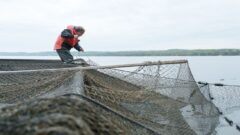
How Michigan’s Inland Fish Farmers Cultivate a Sustainable Future for the Great Lakes

Despite being surrounded by the largest group of freshwater lakes on Earth, Michigan imports the vast majority of its seafood, between 65% and 90%, according to Michigan Sea Grant.

As global aquaculture has grown to meet increasing demand for protein, a small but determined group of inland fish farmers in the Great Lakes region are working to build a more sustainable, local supply.

Read Now at Great Lakes Now.

Original Article

Great Lakes Now

Great Lakes Now

https://www.greatlakesnow.org/2025/08/how-michigans-inland-fish-farmers-cultivate-a-sustainable-future-for-the-great-lakes/

Donte Smith

Michigan’s historic nuclear plant restart still a go, federal regulators say


Catch the latest energy news from around the region. Check back for these bimonthly Energy News Roundups.


A mothballed nuclear power plant in Michigan just took a huge step toward being the first in the country to start back up after retiring.

Read Now at Great Lakes Now.

Original Article

Great Lakes Now

Great Lakes Now

https://www.greatlakesnow.org/2025/08/michigans-historic-nuclear-plant-restart-still-a-go-federal-regulators-say/

Nicole Pollack, Great Lakes Now

‘We can’t regulate ourselves’ out of whitefish crisis, experts say

By Emilio Perez Ibarguen, Bridge Michigan

The Great Lakes News Collaborative includes Bridge Michigan; Circle of Blue; Great Lakes Now at Detroit PBS; Michigan Public, Michigan’s NPR News Leader; and The Narwhal who work together to bring audiences news and information about the impact of climate change, pollution, and aging infrastructure on the Great Lakes and drinking water.

Read Now at Great Lakes Now.

Original Article

Great Lakes Now

Great Lakes Now

https://www.greatlakesnow.org/2025/07/we-cant-regulate-ourselves-out-of-whitefish-crisis-experts-say/

Bridge Michigan

This wetland fight could go to the Supreme Court

A pending court case could impact farmers across the country. At issue is a USDA rule aimed at protecting wetlands called “Swampbuster.” In place since 1985, it’s being challenged in court by an absentee landowner in Iowa.

Under Swampbuster, farmers have to agree not to drain or fill their wetlands, in order to receive farm benefits such as crop insurance, disaster relief and USDA loans.

Read Now at Great Lakes Now.

Original Article

Great Lakes Now

Great Lakes Now

https://www.greatlakesnow.org/2025/07/this-wetland-fight-could-go-to-the-supreme-court/

Great Lakes Now

Great Lakes energy bills are rising: Federal cuts could add to the pain

This article is the first in a series called The Great Lakes Promise: Cost, Resilience and Refuge. This series was made possible in partnership between Great Lakes Now and Planet Detroit. 

Sherita Hamlin has watched her utility bills more than double in recent years. On Chicago’s West Side, summer air conditioning is a luxury she now rations.

Read Now at Great Lakes Now.

Original Article

Great Lakes Now

Great Lakes Now

https://www.greatlakesnow.org/2025/07/great-lakes-energy-bills-are-rising-federal-cuts-could-add-to-the-pain/

Brian Allnutt

Empowering Environmental Stewardship: How Barn Sanctuary Champions Compassion and Conservation in the Great Lakes

The Great Lakes, a vital freshwater expanse for millions, face an ongoing environmental crisis. Beneath the vast waters lies a significant threat: pollution stemming largely from agricultural runoff. This flow of excess nutrients like phosphorus and nitrogen contributes to harmful algal blooms and expanding “dead zones,” jeopardizing ecosystems, water quality and public health across the region.

Read Now at Great Lakes Now.

Original Article

Great Lakes Now

Great Lakes Now

https://www.greatlakesnow.org/2025/07/empowering-environmental-stewardship-how-barn-sanctuary-champions-compassion-and-conservation-in-the-great-lakes/

Donte Smith

What will the rise of floating solar panels mean for wildlife?

By Matt Simon, Grist

This story was originally published by Grist. Sign up for Grist’s weekly newsletter here.

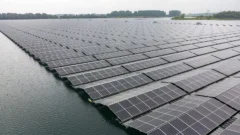
The newest, hottest power couple doesn’t live in Hollywood. It’s actually the marriage of solar panels and water reservoirs: Known as floating photovoltaics, or floatovoltaics, the devices bob on simple floats, generating power while providing shade that reduces evaporation.

Read Now at Great Lakes Now.

Original Article

Great Lakes Now

Great Lakes Now

https://www.greatlakesnow.org/2025/06/what-will-the-rise-of-floating-solar-panels-mean-for-wildlife/

Grist

A guide to the federal review of the Line 5 tunnel

By Izzy Ross, IPR and Teresa Homsi, WCMU

This coverage is made possible through a partnership between Interlochen Public Radio and Grist, a nonprofit environmental media organization.

The final day for the public to comment on a federal environmental review of the Line 5 tunnel is approaching on June 30.

Read Now at Great Lakes Now.

Original Article

Great Lakes Now

Great Lakes Now

https://www.greatlakesnow.org/2025/06/a-guide-to-the-federal-review-of-the-line-5-tunnel/

Interlochen Public Radio

Near westside residents have higher rates of lung disease, study says

By Enrique Saenz, Mirror Indy

Mirror Indy is a part of Free Press Indiana, a nonprofit news organization dedicated to ensuring all Hoosiers have access to the news and information they need.

Sandy Leeds remembers the glory days of West Indianapolis.

Read Now at Great Lakes Now.

Original Article

Great Lakes Now

Great Lakes Now

https://www.greatlakesnow.org/2025/06/near-westside-residents-have-higher-rates-of-lung-disease-study-says/

Mirror Indy

Trump administration review backs controversial oil pipeline tunnel under Great Lakes’ Straits of Mackinac

Catch the latest energy news from around the region. Check back for these bimonthly Energy News Roundups

The draft environmental review of Enbridge’s Line 5 tunnel project under the Straits of Mackinac is out at last. While the findings are preliminary, the U.S.

Read Now at Great Lakes Now.

Original Article

Great Lakes Now

Great Lakes Now

https://www.greatlakesnow.org/2025/06/trump-administration-review-backs-controversial-oil-pipeline-tunnel-under-great-lakes-straits-of-mackinac/

Nicole Pollack, Great Lakes Now

Federal agency finds Great Lakes tunnel project poses ‘detrimental’ effects to water, wetlands

By Danielle Kaeding, Wisconsin Public Radio

This article was republished here with permission from Wisconsin Public Radio.

Enbridge’s proposed $1 billion Line 5 tunnel project would harm water and wetlands, according to a draft environmental review released Friday by the U.S. Army Corps of Engineers.

Read Now at Great Lakes Now.

Original Article

Great Lakes Now

Great Lakes Now

https://www.greatlakesnow.org/2025/06/federal-agency-finds-great-lakes-tunnel-project-poses-detrimental-effects-to-water-wetlands/

Wisconsin Public Radio

Why an Ohio ban on settlements to close ​‘base load’ power plants matters for clean energy

By Kathiann M. Kowalski

This story was originally published by Canary Media.

A decade ago, the Sierra Club and other environmental groups, trade organizations, and companies found themselves in a regulatory standoff with American Electric Power over operating costs for six coal-fired power plants in Ohio.

Read Now at Great Lakes Now.

Original Article

Great Lakes Now

Great Lakes Now

https://www.greatlakesnow.org/2025/06/why-an-ohio-ban-on-settlements-to-close-base-load-power-plants-matters-for-clean-energy/

Canary Media

Why the solar industry is counting Ohio’s newest energy law as a win

By Kathiann M. Kowalski

This story was originally published by Canary Media.

A new state law aimed at expanding gas and nuclear power plants in Ohio may also provide opportunities for solar developers — if they can overcome other policy and political barriers.

Read Now at Great Lakes Now.

Original Article

Great Lakes Now

Great Lakes Now

https://www.greatlakesnow.org/2025/05/why-the-solar-industry-is-counting-ohios-newest-energy-law-as-a-win/

Canary Media

Despite U.S. research resistance, Great Lakes aims to be Silicon Valley for water

MILWAUKEE – The confluence of the Milwaukee and Menominee rivers, in the downtown core of Wisconsin’s largest city, is a prime vantage to assess the collection of assets that define the past and future of Great Lakes water use, and the array of technology development encompassing the region’s water.

Together and in complement, universities, research labs, tech incubators, water-focused businesses, and forward-thinking utilities here and in other cities are pushing for something greater than the sum of their parts.

Read Now at Great Lakes Now.

Original Article

Great Lakes Now

Great Lakes Now

https://www.greatlakesnow.org/2025/05/despite-u-s-research-resistance-great-lakes-aims-to-be-silicon-valley-for-water/

Brett Walton, Circle of Blue

Thunder Bay is bringing its Great Lake shoreline back

My first glimpse of Lake Superior, in all its lore-and-song-inspiring glory, is a blurry one from the backseat of a taxi driving through Thunder Bay. 

Superior, or Gitchigumi, which means Great Lake in Anishinaabemowin, is the largest of those lakes, and the second largest lake in the world, containing 10 per cent of the planet’s fresh surface water.

Read Now at Great Lakes Now.

Original Article

Great Lakes Now

Great Lakes Now

https://www.greatlakesnow.org/2025/05/thunder-bay-is-bringing-its-great-lake-shoreline-back/

Fatima Syed, The Narwhal

Conflict Over A Blockbuster Farm Chemical

Not since DDT was introduced to U.S. agriculture to kill insects after World War Two has a farm chemical been as important to American crop production, and come under more scientific, political, and legal scrutiny as the weedkiller Roundup, and its active ingredient, glyphosate.

With the election of President Donald Trump, the conflict over glyphosate’s risks and benefits entered a new realm of confrontation that has the potential to alter its stature as the favored chemical tool in agriculture, the largest user of fresh water in the blue economy of Michigan and the Great Lakes.

Read Now at Great Lakes Now.

Original Article

Great Lakes Now

Great Lakes Now

https://www.greatlakesnow.org/2025/05/conflict-over-a-blockbuster-farm-chemical/

Keith Schneider, Circle of Blue

Buses vs. Trains: The Future of Public Transit in the Great Lakes Region

Cities around the Great Lakes region are trying to make transportation cheaper for riders and more environmentally friendly by expanding their public transit networks. Two modes that are often pitted against each other are light rail and bus rapid transit (BRT). While not every BRT line meets the same standards, in general, they have been upgraded for higher capacity and speed, although they have fewer stations.

Read Now at Great Lakes Now.

Original Article

Great Lakes Now

Great Lakes Now

https://www.greatlakesnow.org/2025/05/buses-vs-trains-the-future-of-public-transit-in-the-great-lakes-region/

Sean Ericson, Great Lakes Now

Water determines Great Lakes region’s economic future

Livelihoods and economies in the Great Lakes region always centered on water. From the manoomin, or wild rice, grown and revered by the Ojibwe people to the whitefish catch in Lake Michigan, to the water-dependent ports, steel mills, and manufacturers that dot thousands of miles of Fresh Coast lakeshore. The area’s liquid assets and the industries that developed around them form a “blue economy.”

The treasure trove of clean fresh water is seen as a competitive edge in a region hungry for growth and whose leaders boast about exporting the scientific breakthroughs and infrastructure hardware to solve the world’s water challenges.

Read Now at Great Lakes Now.

Original Article

Great Lakes Now

Great Lakes Now

https://www.greatlakesnow.org/2025/05/water-determines-great-lakes-regions-economic-future/

Brett Walton, Circle of Blue

Northern Michigan moves to clean up ice storm debris — by making energy

By Izzy Ross, Interlochen Public Radio

This coverage is made possible through a partnership between Interlochen Public Radio and Grist, a nonprofit environmental media organization.

At a giant dirt lot off a side road in Emmet County, the air smells sharply of pine.

Read Now at Great Lakes Now.

Original Article

Great Lakes Now

Great Lakes Now

https://www.greatlakesnow.org/2025/05/northern-michigan-moves-to-clean-up-ice-storm-debris-by-making-energy/

Interlochen Public Radio

Rising utility bills have Americans worried

By Akielly Hu

This story was originally published by Canary Media.

As electric and gas bills rise across the country, a poll released today finds that an overwhelming majority of people in the U.S. are concerned about growing energy costs — and experiencing greater financial stress because of them.

Read Now at Great Lakes Now.

Original Article

Great Lakes Now

Great Lakes Now

https://www.greatlakesnow.org/2025/04/rising-utility-bills-have-americans-worried/

Canary Media

As bird flu wreaks havoc in the Midwest, researchers say vaccines offer a way out

This article is the first in a series called The Great Lakes Promise: Cost, Resilience and Refuge. This series was made possible in partnership between Great Lakes Now and Planet Detroit. 

Bird flu has hit the Great Lakes region hard this winter, killing nearly 5 million birds — including laying hens, ducks and other fowl — in Ohio and Indiana in the past two months.

Read Now at Great Lakes Now.

Original Article

Great Lakes Now

Great Lakes Now

https://www.greatlakesnow.org/2025/04/as-bird-flu-wreaks-havoc-in-the-midwest-researchers-say-vaccines-offer-a-way-out/

Brian Allnutt

As bird flu wreaks havoc in the Midwest, researchers say vaccines offer a way out

This article is the first in a series called The Great Lakes Promise: Cost, Resilience and Refuge. This series was made possible in partnership between Great Lakes Now and Planet Detroit. 

Bird flu has hit the Great Lakes region hard this winter, killing nearly 5 million birds — including laying hens, ducks and other fowl — in Ohio and Indiana in the past two months.

Read Now at Great Lakes Now.

Original Article

Great Lakes Now

Great Lakes Now

https://www.greatlakesnow.org/2025/04/as-bird-flu-wreaks-havoc-in-the-midwest-researchers-say-vaccines-offer-a-way-out/

Brian Allnutt

As bird flu wreaks havoc in the Midwest, researchers say vaccines offer a way out

This article is the first in a series called The Great Lakes Promise: Cost, Resilience and Refuge. This series was made possible in partnership between Great Lakes Now and Planet Detroit. 

Bird flu has hit the Great Lakes region hard this winter, killing nearly 5 million birds — including laying hens, ducks and other fowl — in Ohio and Indiana in the past two months.

Read Now at Great Lakes Now.

Original Article

Great Lakes Now

Great Lakes Now

https://www.greatlakesnow.org/2025/04/as-bird-flu-wreaks-havoc-in-the-midwest-researchers-say-vaccines-offer-a-way-out/

Brian Allnutt

What would the Great Lakes region be like with bullet trains?

A few months ago, I was riding on Amtrak’s new Borealis line from St. Paul, Minn., to Chicago. The train was packed that day, and the new line has proved popular.

My coach seat was much nicer than any airline. Plus, I didn’t have to go through security.

Read Now at Great Lakes Now.

Original Article

Great Lakes Now

Great Lakes Now

https://www.greatlakesnow.org/2025/03/what-would-the-great-lakes-region-be-like-with-bullet-trains/

Sean Ericson, Great Lakes Now

Cleveland Hopkins Airport sets 100% emission reduction goal by 2050

By Zaria Johnson, Ideastream Public Media

This story was originally published by Ideastream.

Cleveland Hopkins International Airport has announced a sustainability plan as part of larger, city-wide efforts to reduce greenhouse gas emissions.

The plan outlines six focus areas to improve energy efficiency, including incorporating EV charging infrastructure and expanding solar and renewable energy options.

Read Now at Great Lakes Now.

Original Article

Great Lakes Now

Great Lakes Now

https://www.greatlakesnow.org/2025/03/cleveland-hopkins-airport-sets-100-emission-reduction-goal-by-2050/

Ideastream Public Media

Michigan lawmakers consider more subsidies, incentives for nuclear power

By Kelly House, Bridge Michigan

The Great Lakes News Collaborative includes Bridge Michigan; Circle of Blue; Great Lakes Now at Detroit PBS; Michigan Public, Michigan’s NPR News Leader; and The Narwhal who work together to bring audiences news and information about the impact of climate change, pollution, and aging infrastructure on the Great Lakes and drinking water.

Read Now at Great Lakes Now.

Original Article

Great Lakes Now

Great Lakes Now

https://www.greatlakesnow.org/2025/03/michigan-lawmakers-consider-more-subsidies-incentives-for-nuclear-power/

Bridge Michigan

How Trump’s trade war could impact US electricity prices — and state climate plans

By Zoya Teirstein

This story was originally published by Grist. Sign up for Grist’s weekly newsletter here.

On Tuesday, President Donald Trump initiated a trade war with Canada and Mexico, America’s two largest trading partners. Following through on weeks of threats, he imposed 25 percent tariffs on imported goods from Mexico and Canada and a lower 10 percent tariff on imports of Canadian energy resources.

Read Now at Great Lakes Now.

Original Article

Great Lakes Now

Great Lakes Now

https://www.greatlakesnow.org/2025/03/how-trumps-trade-war-could-impact-us-electricity-prices-and-state-climate-plans/

Grist

Oil and gas projects fast-tracked, while Minnesota Power plans to quit fossil fuels

Catch the latest energy news from around the Great Lakes region. Check back for these biweekly Energy News Roundups

Hundreds of energy projects may have their permits fast-tracked by the Trump administration, including Enbridge’s tunnel for Line 5 in the Straits of Mackinac and a roughly $1 billion gas plant in Superior.

Read Now at Great Lakes Now.

Original Article

Great Lakes Now

Great Lakes Now

https://www.greatlakesnow.org/2025/03/oil-and-gas-projects-fast-tracked-while-minnesota-power-plans-to-quit-fossil-fuels/

Nicole Pollack, Great Lakes Now

A different perspective on the fur trade

Carl Gawboy, a celebrated Minnesota artist and Ojibwe scholar of Finnish and Bois Forte Anishinaabe descent, has dedicated his life to preserving and sharing the stories of his people. In his book, Fur Trade Nation: An Ojibwe’s Graphic History, Gawboy combines his prolific artistic talent, family stories, and cultural research to shed light on a largely overlooked chapter of history.

Read Now at Great Lakes Now.

Original Article

Great Lakes Now

Great Lakes Now

https://www.greatlakesnow.org/2025/02/a-different-perspective-on-the-fur-trade/

Great Lakes Now

Michigan Residents Push for an Environmental Impact Statement Before Restarting the Palisades Nuclear Plant

By Carrie Klein, Inside Climate News

This article originally appeared on Inside Climate News, a nonprofit, non-partisan news organization that covers climate, energy and the environment. Sign up for their newsletter here.

Michigan’s Palisades Nuclear Generating Station is one step closer to becoming the first nuclear power plant in the United States to reopen.

Read Now at Great Lakes Now.

Original Article

Great Lakes Now

Great Lakes Now

https://www.greatlakesnow.org/2025/02/michigan-environmental-impact-statement-palisades-nuclear-plant-restart/

Inside Climate News

From Madigan’s Conviction to ComEd’s EV Rebate Program: How Illinois is Shaping Its Energy Future

Catch the latest energy news from around the Great Lakes region. Check back for these biweekly Energy News Roundups

Chicago Democrat Michael Madigan — known for being the longest-serving legislative leader in United States history — was convicted last week of conspiracy, bribery and wire fraud.

Read Now at Great Lakes Now.

Original Article

Great Lakes Now

Great Lakes Now

https://www.greatlakesnow.org/2025/02/from-madigans-conviction-to-comeds-ev-rebate-program-how-illinois-is-shaping-its-energy-future/

Nicole Pollack, Great Lakes Now

Veteran Great Lakes advocate cautions on prioritizing economic development over protecting the environment

Rolling back clean water protection, gutting agencies and defunding science, research and monitoring is a non-starter for the Great Lakes region, says Ann Arbor environmental advocate Laura Rubin.

She was reacting to the new U.S. Environmental Protection Agency (EPA) administrator Lee Zeldin’s recently released economy-oriented plan for the agency under President Donald Trump.

Read Now at Great Lakes Now.

Original Article

Great Lakes Now

Great Lakes Now

https://www.greatlakesnow.org/2025/02/veteran-great-lakes-advocate-cautions-prioritizing-economic-development-over-protecting-environment/

Gary Wilson, Great Lakes Now

What the recent tariff news means for the Great Lakes

President Donald Trump has made rethinking international trade policy a centerpiece of his second administration. While Congress generally has the authority to regulate international trade, it has also delegated some of this authority to the president. On Feb. 1, Trump announced he would be imposing 25% tariffs on imports from Canada and Mexico, with a 10% tariff on Canadian energy.

Read Now at Great Lakes Now.

Original Article

Great Lakes Now

Great Lakes Now

https://www.greatlakesnow.org/2025/02/what-the-recent-tariff-news-means-for-the-great-lakes/

Sean Ericson, Great Lakes Now

Tackling environmental racism in Chemical Valley

By Emma McIntosh, The Narwhal

The Great Lakes News Collaborative includes Bridge Michigan, Circle of Blue, Great Lakes Now at Detroit PBS, Michigan Public and The Narwhal who work together to bring audiences news and information about the impact of climate change, pollution, and aging infrastructure on the Great Lakes and drinking water.

Read Now at Great Lakes Now.

Original Article

Great Lakes Now

Great Lakes Now

https://www.greatlakesnow.org/2025/02/tackling-environmental-racism-in-chemical-valley/

The Narwhal

The fascinating history of the Great Lakes Yemeni sailors

Abdullatif Ahmed was just 23 years old when he first stepped foot on the Medusa Challenger, a 1906-built Great Lakes bulk freighter.

“Before I came to America in 1990,” he said, “I had never even seen the sea.”

Born and raised in Juban, a rural district in southern Yemen, Ahmed was drawn to the Great Lakes by family history and opportunity.

Read Now at Great Lakes Now.

Original Article

Great Lakes Now

Great Lakes Now

https://www.greatlakesnow.org/2025/02/the-fascinating-history-of-the-great-lakes-yemeni-sailors/

Stephen Starr, Great Lakes Now

Trump tries to block EV charger money — again. Michigan impact ‘clear as mud’

By Kelly House, Bridge Michigan

The Great Lakes News Collaborative includes Bridge Michigan; Circle of Blue; Great Lakes Now at Detroit PBS; Michigan Public, Michigan’s NPR News Leader; and The Narwhal who work together to bring audiences news and information about the impact of climate change, pollution, and aging infrastructure on the Great Lakes and drinking water.

Read Now at Great Lakes Now.

Original Article

Great Lakes Now

Great Lakes Now

https://www.greatlakesnow.org/2025/02/trump-tries-to-block-ev-charger-money-again-michigan-impact-clear-as-mud/

Bridge Michigan

For clean energy in the Great Lakes region, 2025 is off to an uneasy start

Catch the latest energy news from around the Great Lakes region. Check back for these biweekly Energy News Roundups

This is a weird time for clean energy. Much of the federal funding supporting the energy transition has become embroiled in President Donald Trump’s executive orders and the court decisions blocking them.

Read Now at Great Lakes Now.

Original Article

Great Lakes Now

Great Lakes Now

https://www.greatlakesnow.org/2025/02/for-clean-energy-in-the-great-lakes-region-2025-is-off-to-an-uneasy-start/

Nicole Pollack, Great Lakes Now

Blue Tech challenge aims at gathering business solutions to Great Lakes problems

By Izzy Ross, Interlochen Public Radio

This coverage is made possible through a partnership with IPR and Grist, a nonprofit independent media organization dedicated to telling stories of climate solutions and a just future.

A business competition to tackle environmental and infrastructure issues in the Great Lakes kicked off last week.

Read Now at Great Lakes Now.

Original Article

Great Lakes Now

Great Lakes Now

https://www.greatlakesnow.org/2025/02/blue-tech-challenge-aims-at-gathering-business-solutions-to-great-lakes-problems/

Interlochen Public Radio

Energy sector holds its breath as nuclear power inches forward

Catch the latest energy news from around the Great Lakes region. Check back for these biweekly Energy News Roundups

Uncertainty abounds in the energy sector as President Donald Trump returns to office. In his inaugural address on Monday, Trump promised to “revoke the electric vehicle mandate, saving our auto industry.” Trump has already begun the process of reversing Biden-era policies meant to encourage the uptake of electric vehicles and reduce emissions from gas cars.

Read Now at Great Lakes Now.

Original Article

Great Lakes Now

Great Lakes Now

https://www.greatlakesnow.org/2025/01/energy-sector-holds-its-breath-as-nuclear-power-inches-forward/

Nicole Pollack, Great Lakes Now

Life on the frontlines of Ontario’s critical mineral boom

By Emma McIntosh, The Narwhal

Photography by Christopher Katsarov Luna

The Great Lakes News Collaborative includes Bridge Michigan, Circle of Blue, Great Lakes Now at Detroit PBS, Michigan Public and The Narwhal who work together to bring audiences news and information about the impact of climate change, pollution, and aging infrastructure on the Great Lakes and drinking water.

Read Now at Great Lakes Now.

Original Article

Great Lakes Now

Great Lakes Now

https://www.greatlakesnow.org/2025/01/life-on-the-frontlines-of-ontarios-critical-mineral-boom/

The Narwhal

Public comment opens on a plan to clear trees for solar near Gaylord

By Izzy Ross, Interlochen Public Radio and Teresa Homsi, WCMU

This coverage is made possible through a partnership with IPR and Grist, a nonprofit independent media organization dedicated to telling stories of climate solutions and a just future.

Read Now at Great Lakes Now.

Original Article

Great Lakes Now

Great Lakes Now

https://www.greatlakesnow.org/2025/01/public-comment-opens-on-a-plan-to-clear-trees-for-solar-near-gaylord/

Interlochen Public Radio

Energy transition sees small wins, major uncertainty in the Upper Midwest

Catch the latest energy news from around the Great Lakes region. Check back for these biweekly Energy News Roundups


Chicago’s commitment to using 100% renewable energy at city-owned buildings went into effect Jan.

Read Now at Great Lakes Now.

Original Article

Great Lakes Now

Great Lakes Now

https://www.greatlakesnow.org/2025/01/energy-transition-small-wins-uncertainty-upper-midwest/

Nicole Pollack, Great Lakes Now