Election day was a little more than a week ago. Seven of the eight Great Lakes states had gubernatorial elections. Six had U.S. Senate races on the ballot. All seats in the U.S. House of Representatives were up for election. And numerous state and local offices were on ballots.

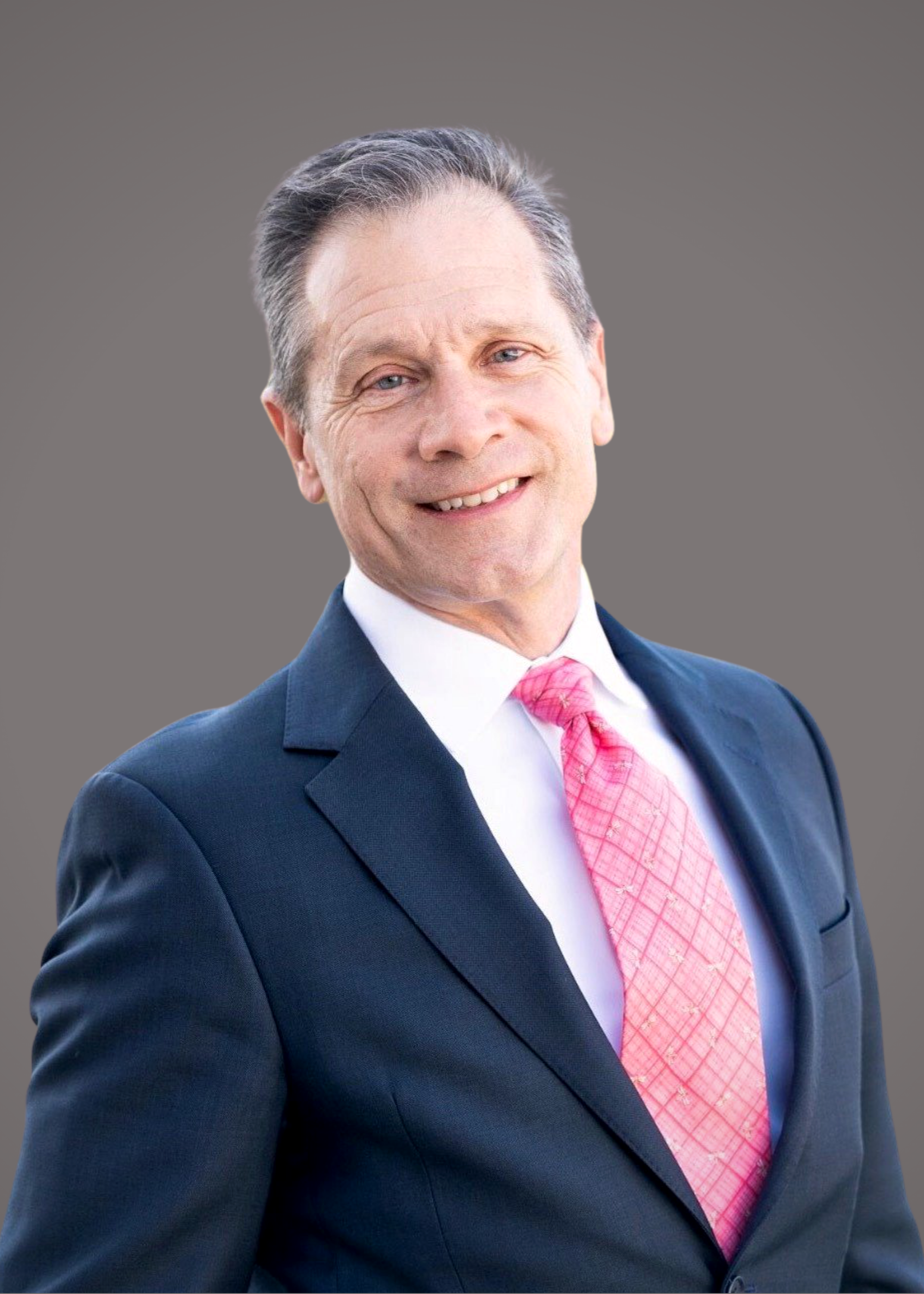
Joel Brammeier, the Alliance’s President & CEO, and Don Jodrey, our Director of Director of Federal Relations, explain what the midterm election results mean for the Great Lakes. To hear more, listen to our Lakes Chat post-election podcast.

U.S. Senate & House Races

Q: How did things change for the Great Lakes?

A: There are 28 new members of Congress representing Great Lakes residents. Two of them are senators – Republican J.D. Vance in Ohio, and Democrat John Fetterman in Pennsylvania. The other 26 are representatives – 11 Democrats and 15 Republicans. Most Great Lakes incumbents who ran were re-elected. 

Q: What Great Lakes issues will the new Congress need to tackle next year?

A: Annual spending bills. We’ll be looking for Congress to address additional investments in water infrastructure, the Great Lakes Restoration Initiative, and all the other federal programs that the Alliance for the Great Lakes supports. 

The Farm Bill. This is important for the Great Lakes because it deals with federal support for programs that can reduce agricultural runoff in Lake Erie and other Great Lakes waters. The Farm Bill comes up for renewal only once every five years. 

Q: On a national level, it was a very close race. Democrats kept control of the Senate, with one more seat to be decided by a December runoff in Georgia. Republicans have taken control of the House. How will the new makeup of Congress affect the Great Lakes? 

A: “Having the majority in the House or the Senate really does matter. It allows you to set the legislative agenda. It allows you to decide which bills are debated and come up for a vote. It allows you to determine the makeup of the committees, and the committees write the legislation for the Congress to consider. The bills that tend to go forward are bills that have originated in the committee structure.”

~ Don Jodrey, the Alliance’s Director of Federal Relations

Gubernatorial Races

Q: How did things change for the Great Lakes?

A: Josh Shapiro, a Democrat, was elected to fill the open seat for governor in Pennsylvania. Incumbents won re-election in Illinois (J.B. Pritzker), Michigan (Gretchen Whitmer), Minnesota (Tim Walz), New York (Kathy Hochul), Ohio (Mike DeWine), and Wisconsin (Tony Evers).

Q: What Great Lakes issues will individual states tackle next year?

A: Governor DeWine in Ohio has been focused on agriculture issues in a big way. The biggest source of Lake Erie’s agricultural pollution is in Ohio. I think you’ll see a renewed push for follow-through on the pollution diet that’s being written for Lake Erie in Ohio.

Governor Whitmer in Michigan has an emphasis on dealing with that state’s water infrastructure challenges. Governor Evers in Wisconsin has focused on issues around water infrastructure and agriculture.

In all the Great Lakes states, we’re seeing a major investment in water infrastructure that’s been unseen since the seventies. But there’s a lot of work to do over the next four years to make sure that those funds go to where they’re needed most. All the states need to be really smart and strategic about how to get the best clean water outcomes for the largest number of people, and make sure that communities that have been disinvested in for decades, get the support that they need.”

 ~ Joel Brammeier, the Alliance’s President & CEO

Q: Great Lakes states have a long history of bipartisan cooperation across the region. What issues will the states need to work on together?

A: Stopping invasive carp. The U.S. Army Corps of Engineers has begun designing a critical project in Illinois to stop invasive carp from reaching Lake Michigan. The first year of construction will be covered by federal funds, but there will need to be some agreements on how to pay for the local share of later construction across state lines. Governors Whitmer and Pritzker will need to continue working together to ensure that this project, which is a priority for both states, actually gets the funding it needs.

Maintaining the Great Lakes Compact. The Compact is the state-level law that governs how Great Lakes water can be used. It makes very limited exceptions for water to be diverted and returned to the Great Lakes. All Great Lakes governors need to work together to maintain the integrity of the Compact.

Local Ballot Measures Signal Strong Support for Environmental Issues

In New York State, voters approved a $4.2 billion environmental bond act. In Cook County, Illinois, where Chicago is located, voters approved an increased tax levy to support the local forest preserves. Each measure passed by a wide margin – about two out of three voters were in support.

Q; In an era where everything seems so divided, when environmental issues stand alone on a ballot, they seem to be pretty successful. Why do you think that’s the case?

A: “Voters understand that a good environment leads to healthy people, healthy families, healthy neighbors and a good quality of life. They’re willing to invest in something that’s going to help their community, improve their own health, and protect clean water and clean air for generations to come.”  ~ Joel Brammeier, the Alliance’s President & CEO

“Environmental investments are also investments in a robust economy and a growing economy. I think people realize that, and that’s why they’re willing to make them. You can have a healthy environment and a healthy economy. Actually investing in the environment is a good economic base, and pays good economic dividends,” ~ Don Jodrey, the Alliance’s Director of Federal Relations

Note: The Alliance for the Great Lakes is a 501(c)3 nonprofit organization, which means that we cannot and do not endorse candidates for office. However, we can – and do – educate candidates about Great Lakes issues.

The post What the 2022 Midterms Mean for the Great Lakes appeared first on Alliance for the Great Lakes.

Original Article

News - Alliance for the Great Lakes

News - Alliance for the Great Lakes

https://greatlakes.org/2022/11/what-the-2022-midterms-mean-for-the-great-lakes/
Judy Freed

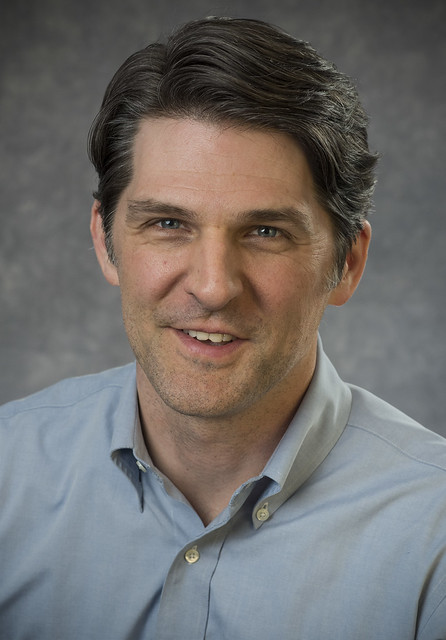
As Alliance for the Great Lakes president and CEO, Joel Brammeier oversees all aspects of the organization, leads a team of professionals across five locations, along with a base of more than 15,000 volunteers around the region dedicated to protecting clean water and building a sustainable future for the Great Lakes. Since joining the Alliance in 2001, Joel has become a leading voice on invasive species and water protection issues across the Great Lakes region. He has testified before Congress on invasive species solutions and advises state governors and Canadian provincial premiers on the implementation of the Great Lakes Compact, a binational agreement that ensures Great Lakes water stays in the basin.

As the Director of Federal Relations in Washington, D.C., Don Jodrey represents the Alliance and its federal priorities while building upon and maintaining its relationships with members of Congress, their staff, and federal agencies.


Lakes Chat Podcast

Subscribe to the Lakes Chat Podcast

Every Tuesday, the Alliance for the Great Lakes will chat with special guests about Great Lakes issues and dig into what it all means for you and your community. Subscribe to our Podcast on Apple Podcasts, Spotify, Amazon Music, and Deezer (more platforms coming soon).

Hear More Episodes

The post 2022 Post Midterm Election Recap – What It Means for the Great Lakes Region appeared first on Alliance for the Great Lakes.

Original Article

News - Alliance for the Great Lakes

News - Alliance for the Great Lakes

https://greatlakes.org/2022/11/2022-post-midterm-election-recap-what-it-means-for-the-great-lakes-region/

Michelle Farley

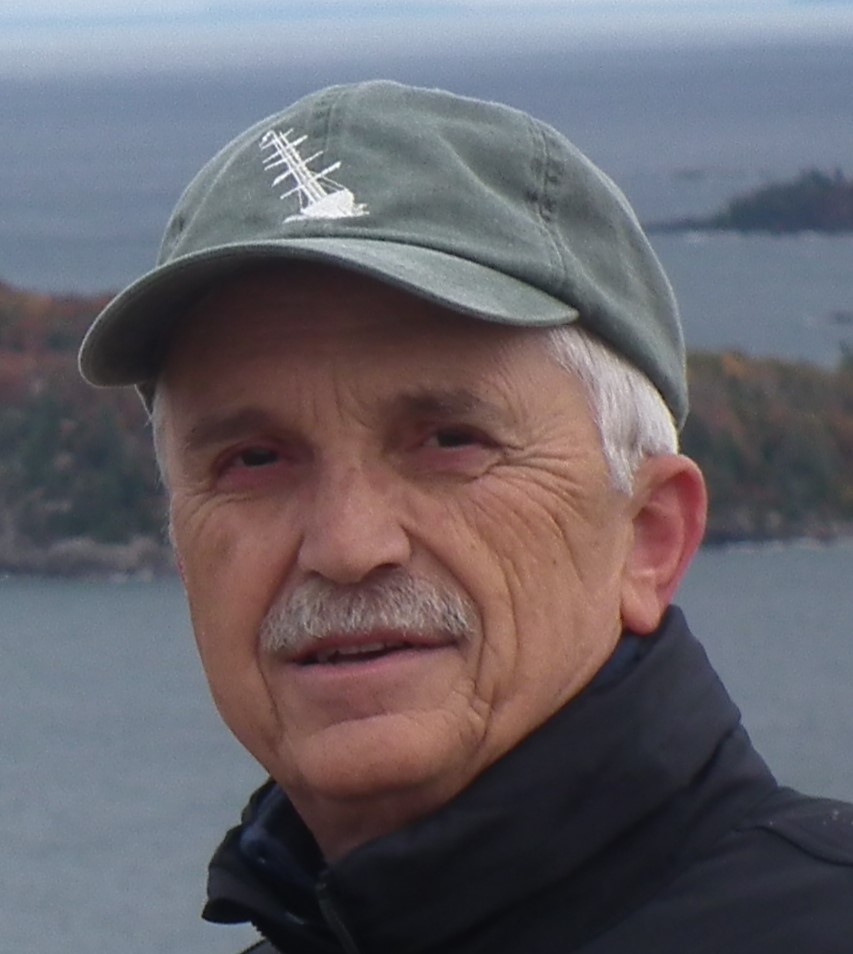
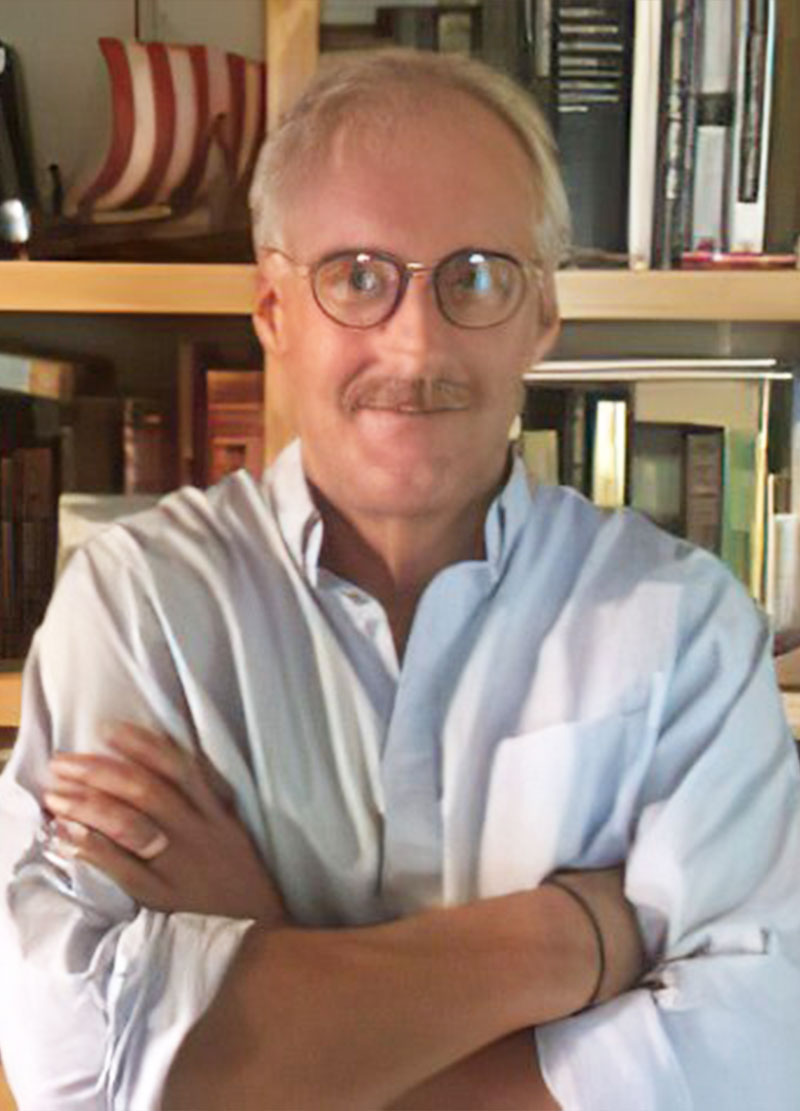
Fred Stonehouse is a maritime historian, author, and lecturer. He’s the author of over thirty books on maritime history, many focusing on the Great Lakes.

Carl Lindquist, founder and executive director of the Superior Watershed Partnership and Land Conservancy, a local nonprofit working on the Upper Peninsula dedicated to helping local communities adapt to climate change. 


Resources

Superior Watershed Partnership & Land Conservancy – Dedicated to the protection of the Upper Peninsula of Michigan

Lakes Chat Podcast

Subscribe to the Lakes Chat Podcast

Every Tuesday, the Alliance for the Great Lakes will chat with special guests about Great Lakes issues and dig into what it all means for you and your community. Subscribe to our Podcast on Apple Podcasts, Spotify, Amazon Music, and Deezer (more platforms coming soon).

Hear More Episodes

The post Stannard Lighthouse/Lake Superior Watershed Partnership appeared first on Alliance for the Great Lakes.

Original Article

News - Alliance for the Great Lakes

News - Alliance for the Great Lakes

https://greatlakes.org/2022/11/stannard-lighthouse-lake-superior-watershed-partnership/

Michelle Farley

At the Alliance for the Great Lakes Board of Directors meeting on September 16 in Chicago, the Board welcomed two new directors for a three-year term.

David Hackett

David Hackett is Senior Counsel at Baker McKenzie, LLP in Chicago, Illinois. He advises senior management, legal departments, and boards of major corporations and nonprofits on compliance, risk, environmental, and sustainability matters. Following his tenure with the Environmental Enforcement Division of the US Department of Justice, David joined the Firm, where he has played a formative role in establishing the Firm’s compliance, environmental, climate, and ESG practices. At Baker McKenzie, David has served as the managing partner of North America, a member of the Global Executive Committee, and a Chicago office managing partner. He has also been the North America Chair of the Compliance Practice Group and the Banking, Finance, and Major Projects Practice Group.

He advises or sits on the Board of numerous nonprofits, including  Alliance for the Great Lakes, World Business Council for Sustainable Development, National Parks Conservation Association Midwest Advisory Board, Prince of Wales Charitable Foundation Accounting for Sustainability, Chicago Civic Consulting Alliance, Chicago Academy of Science/Peggy Notebaert Nature Museum, Chicago CRED, and the UN Global Compact US Board.

He is a graduate of Haverford College and the University of Pennsylvania Law School.

Alan D. Steinman, Ph.D.

Alan (Al) Steinman is the Allen and Helen Hunting Research Professor at Grand Valley State University’s Annis Water Resources Institute (AWRI). He was the Director of AWRI from 2001 until 2022. Previously, he was Director of the Lake Okeechobee Restoration Program at the South Florida Water Management District. He has published over 190 scientific articles, book chapters, and books; has been awarded over $60 million in grants for scientific and engineering projects and over $5 million in private fund-raising, and has testified before the U.S. Congress and the Michigan and Florida state legislatures.

Some of Dr. Steinman’s professional service activities include membership on the National Academy of Sciences Committee to Review Everglades Restoration and science advisory boards/committees for the Great Lakes Advisory Board of the U.S. EPA, the International Joint Commission, and the University of Michigan’s Water Center. His community service includes serving on the Boards of the Community Foundation for Muskegon County, The Nature Conservancy (MI chapter), Congregation B’Nai Israel, Goodwill International of West Michigan, West Michigan Symphony, and the Land Conservancy of West Michigan.

Dr. Steinman holds a Postdoctoral Research Fellowship from Oak Ridge National Laboratory, a Ph.D. in Botany/Aquatic Ecology from Oregon State University, an M.S. in Botany from the University of Rhode Island, and a B.S. in Botany from the University of Vermont (Phi Beta Kappa). Steinman’s research interests include aquatic ecosystem restoration, harmful algal blooms, phosphorus cycling, and water policy.

For a complete listing of Alliance for the Great Lakes directors and officers, visit our Board of Directors page.

The post Alliance for the Great Lakes Board of Directors Welcomes Two New Members appeared first on Alliance for the Great Lakes.

Original Article

News - Alliance for the Great Lakes

News - Alliance for the Great Lakes

https://greatlakes.org/2022/10/alliance-for-the-great-lakes-board-of-directors-welcomes-two-new-members-2/

Michelle Farley