A variety of Ohio, Regional, and National organizations, representing medical, environmental, housing, and community interests, are requesting $1 billion of the proposed more than $5 billion the state will receive in federal funding from the American Rescue Plan Act of 2021 to be dedicated to residential full lead service line replacements. Ohio is second in the nation for lead service lines at an estimated 650,000 lines. The American Medical Association and CDC have determined there is no safe level of lead in humans. Impacts to children exposed to lead include: neurological disorders, decreased cognitive behaviors, lower IQ, ADHD, and kidney disease. If you are involved in an organization that would like to support this request, please contact Kristy Meyer at kristy@freshwaterfuture.org.


TO: Members of the General Assembly, Governor Mike DeWine, OBM
RE: American Rescue Plan Act Funding and Lead Service Line Replacements

Our organizations respectfully request that $1B of the proposed more than $5B the state will receive in federal funding for state and local aid from the American Rescue Plan Act of 2021, U.S. HB 1319, be dedicated to residential full lead service line replacements, both the public and private lead lines, across the State of Ohio. The $1B to replace full lead service lines should prioritize low-income neighborhoods within cities and rural communities in financial need. These funds would supplement H2Ohio funding that is being used to replace lead service lines and fixtures in daycares and schools, as well as any other water infrastructure funding from the American Rescue Plan Act.

A lead service line is a pipe made of lead that is used to distribute potable water, connecting a water main to a user’s residence. The United States used lead pipes as service lines for more than a century with most communities stopping the use of lead pipes in the 1950s. Unfortunately many of these pipes still are used today to deliver drinking water to residents across Ohio.

The American Medical Association and CDC has determined there is no safe level of lead in humans and unfortunately in 2019 approximately 3,500 children in Ohio had elevated levels of lead in their blood. Impacts to children exposed to lead include neurological disorders, decreased cognitive behaviors, lower IQ, ADHD, and kidney disease and failure later in life to name a few. A number of studies have also linked lead poisoning to behavioral issues, such as aggression in children and teens, and criminal behavior as adults. In a study undertaken by Princeton and Brown Universities, the researchers found that a one-unit increase in blood levels raised the probability of incarceration of boys by 47 percentage points, starting at 27 percent and rising to 74 percent.

Ohio is second in the nation for lead service lines at an estimated 650,000 lines. While the exact amount of funding needed for complete removal of lead service lines in Ohio is unclear, on the low end it can run approximately $2,400 a line and on the high end approximately $7,100 a line. Using these figures, full replacement could range from $1.56 B to $4.62 B over the next 20 years. In addition, Ohio has more than a $28 billion need in drinking water and wastewater infrastructure upgrades. Utilizing $1 B could replace hundreds of thousands of full lead service lines, ensure communities in Ohio are upgrading their antiquated water infrastructure, and create thousands of jobs.

Industry studies have indicated that every $1 billion invested in drinking water and wastewater infrastructure creates up to approximately 28,000 new jobs with average annual earnings of more than $50,000 and increases demand for products and services in other industries by more than $3 billion.

One billion dollars could make a big impact in Ohioans’ health and our economy by: Providing grants for full lead service line replacement, prioritizing low-income neighborhoods in cities and rural communities; Education and outreach funding for a local community group to educate residents about lead service lines and how to protect themselves from lead in water exposure, including providing an on-tap filter; and Supporting communities to inventory water service lines for lead.

In an effort to quantify impact and accountability, any locality receiving these funds should also report to the state how many lead service lines were replaced; geographic information detailing where lines were replaced and validating that areas with the greatest need were prioritized; the number of people educated on lead and how to protect themselves; and,the number of filters provided to residents.

Ohio can no longer afford to delay the removal and replacement of lead service lines. The longer we wait to replace these pipes the more costly it will become to our health and our economy. The cost of doing nothing is expensive and will impact social and health costs. Lead affects children’s development and IQ which potentially avails them to lower economic productivity and greater costs to the criminal justice system. In addition, according to the Environmental Defense Fund, every lead service line replaced yields an estimated $22,000 in reduced cardiovascular disease deaths. Given Ohio’s estimated 650,000 lead service lines, Ohio could save $14.3 billion due to reduced cardiovascular disease deaths.

For the health of Ohioans, particularly Ohio’s children and their future, and the future of our economy, we must be proactive to replace every lead line in Ohio.


Original Article

Blog – Freshwater Future

Blog – Freshwater Future

https://freshwaterfuture.org/call-to-action/ohio-organizations-seeking-endorsements-for-1-billion-request-for-safer-water/
Freshwater Future

Tsunamis caused by air pressure could resuspend Great Lakes contaminants

This article was republished here with permission from Great Lakes Echo.

By Brandon Chew, Great Lakes Echo

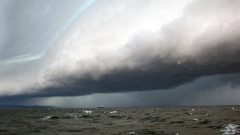
It was atmospheric pressure waves that produced 6-foot water waves in Lake Michigan on April 13, 2018, damaging docks and cottages and submerging breakwalls in Ludington.

Read Now at Great Lakes Now.

Original Article

Great Lakes Now

Great Lakes Now

https://www.greatlakesnow.org/2021/04/meteotsunami-great-lakes-contaminants/

Great Lakes Echo

Wild rice waters contaminated with sulfate from industrial pollution have never been included on Minnesota’s long list of officially polluted waters that require fixing. They will now, thanks to federal regulators who stepped in to say the Minnesota Pollution Control Agency was breaking federal law by not listing them as impaired. Read the full story by the Star Tribune.

Original Article

Great Lakes Commission

Great Lakes Commission

https://www.glc.org/dailynews/20210430-wildrice

Laura Andrews

A U.S. Fish and Wildlife Service crew caught a 240-pound sturgeon last week. It is 6-foot-10, with a girth of nearly 4 feet. It is a native — and threatened — species to Michigan, and one of the largest lake sturgeon ever caught in the United States. Read the full story by the Detroit Free Press.

Original Article

Great Lakes Commission

Great Lakes Commission

https://www.glc.org/dailynews/20210430-hugesturgeon

Laura Andrews

In Ontario, the slow process of sorting out what to do with Port Colborne’s eight miniature public beaches continued this week, with a consultant coming down definitively against any plan to sell them into private ownership. Read the full story by the Port Colborne Leader.

Original Article

Great Lakes Commission

Great Lakes Commission

https://www.glc.org/dailynews/20210430-colborne

Laura Andrews

In the May installment of Wisconsin Sea Grant’s Lake Talks, guest speakers from the Wisconsin Department of Tourism will explore the role that Great Lakes tourism plays in Wisconsin’s economy. They’ll also share their ideas for fun summer getaways.

The Lake Talks are informal, interactive presentations on Great Lakes issues, especially those involving Lake Michigan. In light of the ongoing pandemic, these public events are currently being offered via Zoom.

On Thursday, May 6, from 7-8 p.m., the featured speakers will be Wisconsin Department of Tourism Acting Secretary Anne Sayers and Office of Outdoor Recreation Director Mary Monroe Brown.

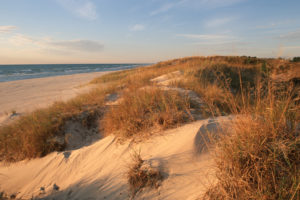
Dunes at Kohler-Andrae State Park, located along Lake Michigan in Sheboygan, Wis. (Photo: Wisconsin Department of Tourism)

As the top driver of visits to Wisconsin, outdoor recreation plays a major role in the success of our state’s tourism industry. With 800 miles of Great Lakes shoreline, Wisconsin’s vibrant coastal communities invite visitors to experience the state’s rich outdoor heritage and natural wonders.

Sayers and Brown will discuss how tourism and outdoor recreation are intertwined and work together to create eye-popping economic impact for Wisconsin. Plus, they’ll share tips on what to see and do on your next Great Lakes adventure.

Register now for this free event.

For connection information for future talks, or to watch video of previous talks, visit the Lake Talks page on the Wisconsin Sea Grant website, or follow Wisconsin Sea Grant on Facebook or Twitter.

For questions about this series, contact Wisconsin Sea Grant science communicator Jennifer Smith.

The post Next Lake Talk will examine Great Lakes tourism's role in Wisconsin's economy first appeared on Wisconsin Sea Grant.

Original Article

News Releases – Wisconsin Sea Grant

News Releases – Wisconsin Sea Grant

https://www.seagrant.wisc.edu/news/next-lake-talk-will-examine-great-lakes-tourisms-role-in-wisconsins-economy/

Jennifer Smith

Serious health problems like increasing asthma rates among children in Detroit’s Black and Hispanic communities have been linked to what local organizations call environmental injustices as a result of low air quality and polluted neighborhoods.

The post Chronic health problems linked to pollution fuels environmental justice movement first appeared on Great Lakes Echo.

Original Article

Great Lakes Echo

Great Lakes Echo

http://greatlakesecho.org/2021/04/30/chronic-health-problems-linked-to-pollution-fuels-environmental-justice-movement/

Guest Contributor

ANN ARBOR, MICH. (April 29, 2021) — The U.S. Senate passed legislation to boost the nation’s investment in water infrastructure to get at the vexing and ongoing problems of toxic lead in people’s drinking water, sewage contamination, and unaffordable water bills that are impacting millions of people in the Great Lakes region and across the country. These problems stem from the decades-long disinvestment in these essential services by the federal government. The Drinking Water and Wastewater Infrastructure Act of 2021 provides new investment to upgrade drinking water and wastewater infrastructure and provides mechanisms to help target investment to communities that have been most impacted by insufficient infrastructure.

“This bill is a good step in addressing the nation’s inadequate drinking water and wastewater infrastructure that threaten the health of communities and residents,” said Laura Rubin, director of the Healing Our Waters-Great Lakes Coalition. “The decades-long disinvestment in our nation’s water infrastructure by the federal government has put communities in an untenable and inhumane situation, saddling them with skyrocketing water bills and leaving millions of citizens without clean drinking water. The federal government can and should provide support in the form of new, robust investment to fix our water infrastructure before the problem gets worse and more expensive to solve. We support the Senate’s action today – especially provisions that help the communities most harmed by inadequate water infrastructure – and hope that it sets the stage for finally getting a strong bill across the finish line that can be signed into law by President Biden.”

The Drinking Water and Wastewater Infrastructure Act of 2021 (S.914) invests more than $35 billion over 5 years to fix and update the nation’s inadequate water infrastructure. More than 40 percent can be directly used to benefit small, disadvantaged, rural, and tribal communities through additional subsidization or direct grant programs. This bill includes:

  • $14.65 billion over 5 years for drinking water infrastructure investments through the EPA’s Drinking Water State Revolving Fund;
  • $14.65 billion over 5 years for wastewater infrastructure investments through the Clean Water State Revolving Fund;
  • $1.4 billion over 5 years to cities to capture, treat, or reuse sewer overflows or stormwater.
  • $700 million over 5 years for grants to reduce lead in drinking water and directly address lead contamination in schools.

The Great Lakes states of Illinois, Indiana, Michigan, Minnesota, New York, Ohio, Pennsylvania and Wisconsin face more than $188 billion in needed repairs and upgrades for their water infrastructure over 20 years to meet the clean water needs of communities. Earlier this month, the American Society of Civil Engineers released its infrastructure report card, handing out scathing grades for the nation’s water infrastructure, with drinking water earning a “C-,” stormwater a “D,” and wastewater a “D+.”

The House of Representatives is also considering sweeping legislation to address the nation’s drinking water and wastewater crisis. President Biden has also put forward a national infrastructure plan.

Since 2004, the Healing Our Waters-Great Lakes Coalition has been harnessing the collective power of more than 160 groups representing millions of people, whose common goal is to restore and protect the Great Lakes. Learn more at www.healthylakes.org or follow us on Twitter @healthylakes.

The post Senate Passes Water Infrastructure Bill, Boosting Federal Funding appeared first on Healing Our Waters Coalition.

Original Article

Healing Our Waters Coalition

Healing Our Waters Coalition

https://healthylakes.org/senate-passes-water-infrastructure-bill-boosting-federal-funding/

Jordan Lubetkin

As of April 29, President Biden will have been in office for 100 days, a traditional marker for assessing a new president’s first few months in office. We laid out an ambitious agenda back in January for President Biden as his team took office. Our policy team identified five policy priorities for the new administration:  

  • prioritize environmental justice, 
  • increase drinking water & wastewater infrastructure funding & stop water shutoffs,
  • fund the Great Lakes Restoration Initiative & restore and strengthen clean water protections
  • fund efforts to stop invasive carp
  • address agricultural pollution that drives harmful algal blooms

At the heart of this list was a call to address the harms caused by systemic racism, addressing climate change, and ensuring that everyone around the lakes has access to safe, clean, and affordable drinking water.

So, at this 100-day mark, how are things going? What progress has been made on the Alliance’s list of priorities? Although there is much more work to be done, we’ve seen some encouraging progress. The President has signed a flurry of Executive Orders, nominated his cabinet, appointed other high-level officials, and proposed significant legislation. Several positive themes have emerged, including a focus on racial and social justice, climate change, and investing in core public benefits like water infrastructure. Here are a few highlights.

First, the Biden administration has made racial equity, including environmental justice, a cornerstone of their policy decision-making. On his first day in office, President Biden signed an Executive Order that repealed a ban on racial sensitivity and diversity and inclusion training for federal agencies and contractors. We specifically called for this action in our list of priorities and applaud this step. Ensuring that federal agencies have the training to ensure policies and services are provided equitably to all Americans is critical. The President also appointed Micheal Regan as Administrator for the U.S. Environmental Protection Agency (US EPA). Regan has specifically noted that justice and equity will be key to his leadership of the agency. Back in January, we called on President Biden to “ensure that environmental justice is centered in the work of all federal agencies and administrative decisions that impact the Great Lakes and the communities and residents that are dependent on them.” We see this in action already. 

Second, President Biden has proposed significant legislation to address the nation’s outdated infrastructure, including drinking water and wastewater infrastructure. We are encouraged to see that President Biden’s proposal, called The American Jobs Plan, includes major water infrastructure commitments to the tune of $111 billion. Specifically, the proposal includes replacing all lead pipes and the modernization of America’s drinking water, wastewater, and stormwater infrastructure. The proposal also prioritizes natural infrastructure investments to better protect Great Lakes communities against some of the worsening impacts of climate change. 

President Biden’s Fiscal Year 2022 budget also focuses on infrastructure by proposing reinvestments in core public service programs, including a 21 percent proposed increase for the U.S. EPA, which will benefit the Great Lakes.  In our list of federal policy priorities, we called on President Biden to dramatically increase funding and other federal support to fix our failing water infrastructure. His legislative and budget proposals are an important first step.

Third, we have seen a renewed focus on climate change. The Great Lakes region is already feeling the impacts of climate change, from rapid swings in water levels to heavier, more frequent storm events. The President has appointed a high-level team of climate advisors and, on his first day in office, re-committed the United States to the Paris climate agreement. And, climate change has been a top focus of his appointees to federal agencies. In January, we called on President Biden to recognize that “a changing climate will make existing Great Lakes problems worse for the foreseeable future,” and his focus on climate change is encouraging. 

The post 100 Day Recap: Federal Great Lakes Policy Priorities in Action appeared first on Alliance for the Great Lakes.

Original Article

News – Alliance for the Great Lakes

News – Alliance for the Great Lakes

https://greatlakes.org/2021/04/100-day-recap-federal-great-lakes-policy-priorities-in-action-2/

Michelle Farley

Oil pipeline disputes raise tensions between U.S. and Canada

TRAVERSE CITY, Mich. (AP) — Months after President Joe Biden snubbed Canadian officials by canceling Keystone XL, an impending showdown over a second crude oil pipeline threatens to further strain ties between the two neighbors that were frayed during the Trump administration.

Read Now at Great Lakes Now.

Original Article

Great Lakes Now

Great Lakes Now

https://www.greatlakesnow.org/2021/04/ap-oil-pipeline-disputes-raise-tensions-us-canada/

The Associated Press

Another $7.4 million in federal funding is coming to southeast Michigan land and water conservation organizations. The city of Ann Arbor’s greenbelt program, administered by The Conservation Fund, led efforts to secure the funding, acting as the lead partner among nine conservation groups that joined to create the Lake Erie Conservation Partnership. Read the full story by MLive.

Original Article

Great Lakes Commission

Great Lakes Commission

https://www.glc.org/dailynews/20210429-conservation

Ceci Weibert

Months after U.S. President Joe Biden snubbed Canadian officials by canceling Keystone XL, an impending showdown over a second crude oil pipeline, Enbridge Line 5, threatens to further strain ties between the two neighbors. Read the full story by the Associated Press.

Original Article

Great Lakes Commission

Great Lakes Commission

https://www.glc.org/dailynews/20210429-pipelines

Ceci Weibert

There are currently fourteen National Oceanic and Atmospheric Administration-designated marine sanctuaries in the United States, and only one of those sanctuaries is in the Great Lakes: Thunder Bay National Marine Sanctuary in Lake Huron. Soon, two new marine sanctuaries will be added from the Great Lakes, with designations in progress in lakes Ontario and Michigan Read the full story by Great Lakes Now.

Original Article

Great Lakes Commission

Great Lakes Commission

https://www.glc.org/dailynews/20210429-sanctuaries

Ceci Weibert

Forever Great, a new clothing company based in Michigan, makes shirts entirely from recycled materials, specifically water bottles. The company hopes one day to use plastics pulled exclusively from the Great Lakes. Read the full story by WZZM-TV – Grand Rapids, MI.

Original Article

Great Lakes Commission

Great Lakes Commission

https://www.glc.org/dailynews/20210429-gvsu

Ceci Weibert

Supreme Court affirms block of key PolyMet mine permit

MINNEAPOLIS (AP) — The Minnesota Supreme Court on Wednesday affirmed a lower court’s reversal of a critical mining permit for the proposed PolyMet copper-nickel mine in northeastern Minnesota, handing environmentalists a victory in the long-running battle over the $1 billion project, though the company also declared a win.

Read Now at Great Lakes Now.

Original Article

Great Lakes Now

Great Lakes Now

https://www.greatlakesnow.org/2021/04/ap-supreme-court-block-key-polymet-mine-permit/

The Associated Press

Meteotsunamis also threaten the ecosystem by increasing erosion and releasing contaminants within sediments. 

The post Tsunamis caused by air pressure could resuspend Great Lakes contaminants first appeared on Great Lakes Echo.

Original Article

Great Lakes Echo

Great Lakes Echo

http://greatlakesecho.org/2021/04/29/tsunamis-caused-by-air-pressure-could-resuspend-great-lakes-contaminants/

Guest Contributor

Great Lakes Sanctuaries: Two more National Marine Sanctuaries in the region see the finish line

Growing up in Alpena, Audrey Garant could not wait to leave her hometown in Michigan’s northeast Lower Peninsula. But years later, moving back, seeing the Great Lakes Maritime Heritage Center built and getting to experience it changed things for her.

“It’s my place to kind of disappear,” she said.

Read Now at Great Lakes Now.

Original Article

Great Lakes Now

Great Lakes Now

https://www.greatlakesnow.org/2021/04/great-lakes-national-marine-sanctuaries/

Natasha Blakely

Data has been published from a statewide COVID-19 wastewater monitoring program piloted in Michigan in 2020 to detect the presence of SARS-CoV-2 in wastewater samples, and results are accessible through an online dashboard and story map of sampling sites. Read the full story by The Daily Mining Gazette.

Original Article

Great Lakes Commission

Great Lakes Commission

https://www.glc.org/dailynews/20210428-dashboard

Ceci Weibert

More than 200 individuals, businesses, and organizations have signed on to a letter prepared by the Need Our Water community action group to serve as formal comment on the U.S. Air Force’s proposed interim remedial action plan for PFAS contamination in Clark’s Marsh, MI. Read the full story by the Iosco County News-Herald.

Original Article

Great Lakes Commission

Great Lakes Commission

https://www.glc.org/dailynews/20210428-pfas

Ceci Weibert

More than 200 individuals, businesses, and organizations have signed on to a letter prepared by the Need Our Water community action group to serve as formal comment on the U.S. Air Force’s proposed interim remedial action plan for PFAS contamination in Clark’s Marsh, MI. Read the full story by the Iosco County News-Herald.

Original Article

Great Lakes Commission

Great Lakes Commission

https://www.glc.org/dailynews/20210428-pfas

Ceci Weibert

U.S. Senator Debbie Stabenow, Chairwoman of the U.S. Senate Committee on Agriculture, Nutrition and Forestry, announced a new $3,429,770 investment to improve water quality and fishing habitats in Ottawa County, Michigan. Read the full story by WKZO – Kalamazoo, MI.

Original Article

Great Lakes Commission

Great Lakes Commission

https://www.glc.org/dailynews/20210428-investment

Ceci Weibert

Chicago’s preeminent plovers are together again, settling in for their third summer of saving their species at Montrose Beach along the Lake Michigan coast. Read the full story by the Chicago Tribune.

Original Article

Great Lakes Commission

Great Lakes Commission

https://www.glc.org/dailynews/20210428-plovers

Ceci Weibert

For more than a year, archaeological discoveries in the Straits of Mackinac near the Line 5 oil pipeline have caused concerns not only among field experts and environmental activists, but especially among Indigenous tribes because the history of their cultures is potentially at stake. Read the full story by the Detroit Metro Times.

Original Article

Great Lakes Commission

Great Lakes Commission

https://www.glc.org/dailynews/20210428-line-5

Ceci Weibert

Almost half of the respondents to the Wisconsin Conservation Congress’ spring hearings questionnaire say they would support the organization if it opposes reconstructing Enbridge Inc.‘s Line 5 pipeline across northern Wisconsin. Read the full story by the Associated Press.

Original Article

Great Lakes Commission

Great Lakes Commission

https://www.glc.org/dailynews/20210428-hearing

Ceci Weibert

An increase in fierce Great Lakes region storms and floods means very different things for financially struggling families who are unaware of flood risks and wealthier residents living in highly desirable coastal areas who can afford to spend large sums of money to adapt. Read the full story by Circle of Blue.

Original Article

Great Lakes Commission

Great Lakes Commission

https://www.glc.org/dailynews/20210428-flooding

Ceci Weibert

Disease and a newly identified fungus have been killing Michigan’s blue spruce population for roughly a decade, and the dangers show no signs of slowing.

The post Blue spruce fungus hits Christmas tree, landscape tree growers first appeared on Great Lakes Echo.

Original Article

Great Lakes Echo

Great Lakes Echo

http://greatlakesecho.org/2021/04/28/blue-spruce-fungus-hits-christmas-tree-landscape-tree-growers/

Guest Contributor

A World War Two fighter plane that was lost in a training accident in the 1940s will be recovered and displayed, according to Wayne Lusardi, a state maritime archaeologist at Thunder Bay National Marine Sanctuary, an underwater preserve in Lake Huron.

The post How archeologists excavate Great Lakes wrecks first appeared on Great Lakes Echo.

Original Article

Great Lakes Echo

Great Lakes Echo

http://greatlakesecho.org/2021/04/28/how-archeologists-excavate-great-lakes-wrecks/

Guest Contributor

...STORMS CROSSING EAST-CENTRAL WISCONSIN... At 1157 PM CDT, Doppler radar was tracking strong thunderstorms along a line extending from 9 miles southwest of Gillett to near Black Creek to 6 miles southeast of Fremont. Movement was east at 40 mph. Pea size hail and brief heavy rainfall will be possible with these storms.

Original Article

Current Watches, Warnings and Advisories for Brown (WIC009) Wisconsin Issued by the National Weather Service

Current Watches, Warnings and Advisories for Brown (WIC009) Wisconsin Issued by the National Weather Service

https://alerts.weather.gov/cap/wwacapget.php?x=WI12619B6269E8.SpecialWeatherStatement.12619B628BE4WI.GRBSPSGRB.d62c63148b9e57215a5e37a1ab7212fd

w-nws.webmaster@noaa.gov

Flooding Tells ‘Two Different Stories’ In Michigan

By Jane Johnston, Circle of Blue

The Great Lakes News Collaborative includes Bridge Michigan; Circle of Blue; Great Lakes Now at Detroit Public Television; and Michigan Radio, Michigan’s NPR News Leader; who work together to bring audiences news and information about the impact of climate change, pollution, and aging infrastructure on the Great Lakes and drinking water.

Read Now at Great Lakes Now.

Original Article

Great Lakes Now

Great Lakes Now

https://www.greatlakesnow.org/2021/04/flooding-climate-income-inequality/

Circle of Blue

Memorable Moments: The Great Lakes Now team shares their favorite stories of working on the initiative

As Great Lakes Now approaches the two-year anniversary of the launch of our monthly program, we asked our staff and contributors about their favorite moments working Great Lakes Now. Their thoughts were as diverse as the show.

Here’s what they shared:

Colleen O’Donnell, social media manager

After some Detroit Public Television staff reorganization at the beginning of the pandemic, Colleen joined the team in June 2020.

Read Now at Great Lakes Now.

Original Article

Great Lakes Now

Great Lakes Now

https://www.greatlakesnow.org/2021/04/memorable-moments-great-lakes-now-team/

GLN Editor

Sen. Sean McCann and Rep. Julie Rogers, both Democrats from Kalamazoo wrote to Eagle Creek Renewable Energy this month to press for additional dredging in the Kalamazoo River, which has been choked by dam drawdown sediment for more than a year. Read the full story by MLive.com.

Original Article

Great Lakes Commission

Great Lakes Commission

https://www.glc.org/dailynews/20210427-river-dredge

Patrick Canniff

Earth Day is over, but the spring cleanup on Lake Michigan is just beginning. Thousands of volunteers kicked off the Great Lakes beach cleanup season through the Adopt-A-Beach program over the past weekend marking a return to the first full-fledged effort since COVID-19 took hold of the region last year. Read the full story by WOOD-TV – Grand Rapids, MI.

Original Article

Great Lakes Commission

Great Lakes Commission

https://www.glc.org/dailynews/20210427-beach-pollution

Patrick Canniff