Ice Fishing? Even Icy Wisconsin Waters Host Aquatic Invasive Species
2025-12-10
Do you have your auger and shanty ready? The ice is firming up. It's calling anglers throughout Wisconsin. In fact, several folks are already getting out in our area! Be careful on that ice! Help protect our lakes and rivers this winter with a few easy steps to prevent the spread of aquatic invasive [...]
The post Ice Fishing? Even Icy Wisconsin Waters Host Aquatic Invasive Species appeared first on Fox-Wolf Watershed Alliance.
Fox-Wolf Watershed Alliance
https://fwwa.org/2025/12/10/ice-fishing-even-icy-wisconsin-waters-host-aquatic-invasive-species/?utm_source=rss&utm_medium=rss&utm_campaign=ice-fishing-even-icy-wisconsin-waters-host-aquatic-invasive-species

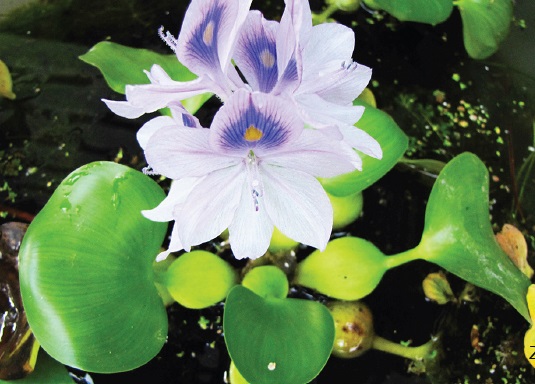
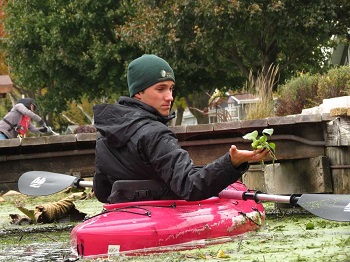 tropical plant, there was hope that the cold Wisconsin winter would eliminate any plants that were potentially missed by the removal efforts. However, in September 2016, more water hyacinth plants were located in the same area of Lake Winneconne in residential channels and the Wolf River channel.
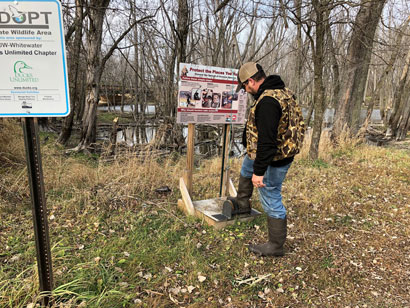
 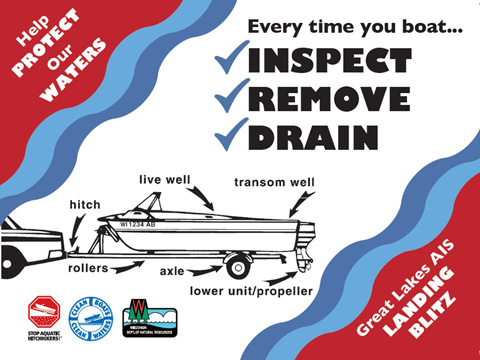 annual Landing Blitz campaign runs June 26th – July 6th, 2024. Clean Boats, Clean Waters (CBCW) boat inspectors and educators will meet boaters at lake and river launches to remind them that by taking simple prevention steps, we all play a vital role stopping the spread of aquatic invasive species (AIS) like zebra mussels.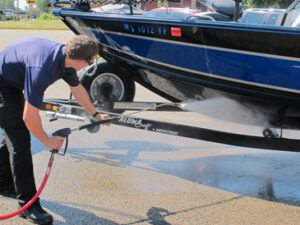
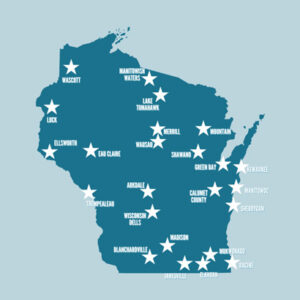 Extension Lakes. Volunteers met at different local rendezvous sites across the state to learn how to identify AIS such as Eurasian watermilfoil, purple loosestrife, and New Zealand mudsnails, and then searched for them in the field at pre-
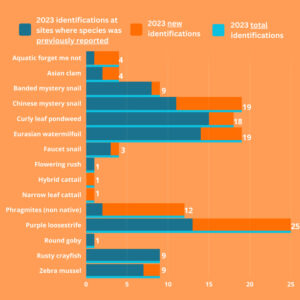 selected locations. Initially focused on rivers and streams, Snapshot Day has expanded to include lakes and wetlands. Findings from Snapshot Day are uploaded to the statewide water quality database, SWIMS, where they can be used to track the spread of invasive species and develop management plans.
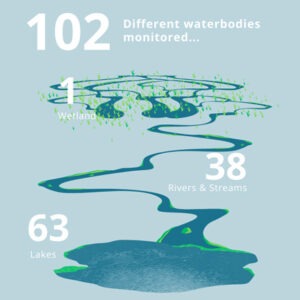 Snapshot Day’s community-based science approach maximizes the number of sites being checked across the state, and the free event allows volunteers to learn about their local waters and how to keep them healthy. As one volunteer stated, “I enjoyed the hands on learning approach. It was helpful to have well informed guides and samples of the invasive species to get a close look at. Once we had a good understanding of what to look for, it was fun to go out and collect samples of what we were finding.”
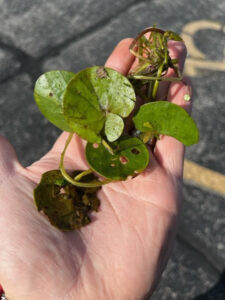 invasive species in the Bay of Green Bay.