By Richelle Wilson, Wisconsin Public Radio

This article was republished here with permission from Wisconsin Public Radio.


Paul Ehorn started scuba diving as a teenager in the early 1960s. On his first dive, he was wearing a self-assembly wetsuit he purchased from a Montgomery Ward catalog for $28.

“The water’s cold, probably the low 40s, and I came up just shivering uncontrollably,” Ehorn told WPR’s “Wisconsin Today.” “All I could say was, ‘How long before we can go back in?’”

“I was hooked. That was it,” he added. “It just became a passion and obsession.”

After that, it wasn’t long before Ehorn picked up some sonar gear and started what would become a lifelong career as a shipwreck hunter. Now 80 years old, he has discovered 15 shipwrecks in the Great Lakes. 

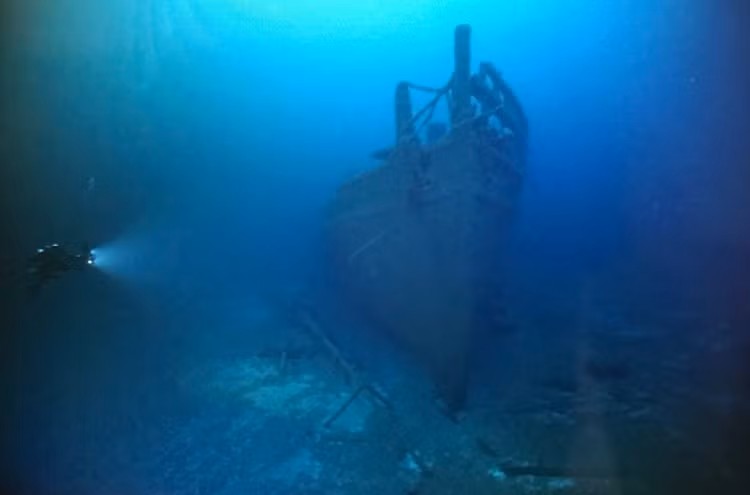
His latest find, which he announced to the public in February, is Lac La Belle, a luxury steamer that sank in Lake Michigan more than 150 years ago. The ship has been on Ehorn’s radar from the beginning due to his interest in wooden steamers and because it’s “close to home,” he said in the press release. 

After nearly 60 years of searching, Ehorn got the clue he needed and finally located the sunken wreckage about 20 miles offshore between Racine and Kenosha.

“It was just a wonderful day,” Ehorn said. “Beautiful wreck, it turned out.”

A scuba diver approaches the bow of the Lac La Belle. Photo courtesy of Paul Ehorn

Ehorn and his crew first found the wreckage of Lac La Belle in 2022, but he waited to publicly share his discovery until conditions were right to go down for a dive to film the ship and create a 3D model. Documenting the shipwreck is an important part of the process to educate the public and give historians a unique view into the past.

“All of our wrecks on the Great Lakes have a shelf life — they’re not going to look like this in 100 years,” said Brendon Baillod, president of the Wisconsin Underwater Archaeology Association. “I have to commend Paul for really wanting to do that photogrammetry model, because that’s a good standard for recording exactly how that wreck was at the time he found it.”

As a maritime historian, Baillod has researched a number of Great Lakes shipwrecks. His book “Fathoms Deep But Not Forgotten: Wisconsin’s Lost Ships” includes an entry for Lac La Belle that details its history carrying passengers and cargo — first between Cleveland and Lake Superior starting in 1864, and later on a trade route between Milwaukee and Grand Haven, Michigan. 

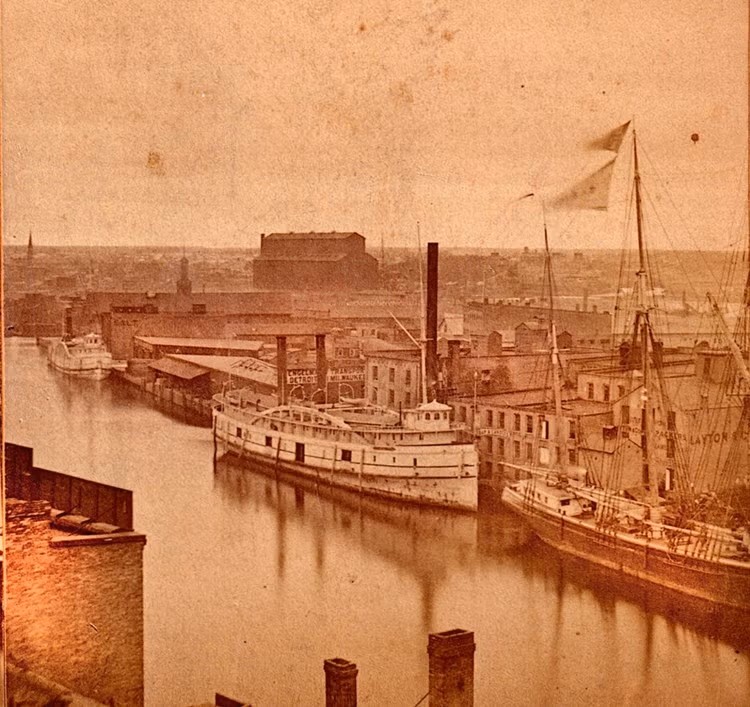
On Oct. 13, 1872, the ship sank a couple hours after departing Milwaukee due to a leak that sprung during a storm. The ship was carrying cargo and 53 passengers. Eight people died after one of the lifeboats capsized.

“The Lac La Belle is a time capsule. It’s an underwater museum from 1872,” Baillod told “Wisconsin Today.” “It played such a pivotal role not just in the industrialization of America, but in Milwaukee’s history.”

The steamer Lac La Belle docked in Milwaukee in 1872. This image is from an original stereoview by W. H. Sherman. Image courtesy of Brendon Baillod

A ‘golden age’ of shipwreck discovery

The Great Lakes are home to an estimated 6,000 to 10,000 shipwrecks, most of which remain undiscovered, according to the Wisconsin Water Library

But more of these sunken ships are being found, Baillod said, due to advancements in affordable technology and with the help of citizen scientists who are becoming more aware of shipwreck history.

“It’s kind of the golden age, I guess you might say, of shipwreck discovery on the Great Lakes,” he said, “and a tremendous opportunity for us to tell the stories of these ships that played such a huge role in the cultural history of the Midwest, and Wisconsin in particular.”

And the race is on to find more of these wrecks, as invasive quagga mussels congregate around shipwrecks and damage what remains.

For shipwreck hunters, the mussels are a double-edged sword: Despite the damage they cause, the mussels also are clarifying the water, making shipwrecks easier to spot. Whereas Lake Michigan used to have only about 5 or 10 feet of visibility underwater, now divers have a much clearer view.

“We called it ‘Braille diving.’ You’d go down and you’d have to get within a couple of feet of the shipwreck,” Baillod said. “Now, you go down there and you can see sometimes 50, 80, 100 feet — you can see the whole ship.”

While that has created opportunities for “beautiful underwater photos of these shipwrecks” and raised public awareness, Baillod said, the quagga mussels are ultimately decimating the food web and changing Lake Michigan’s biome, leading to the collapse of native species like whitefish.

Baillod is one of the founders of the Ghost Ships Festival, an annual community event to promote research, education and public awareness of Wisconsin’s shipwreck history. This year, the event is being held in Manitowoc on Friday, March 6 and Saturday, March 7 and includes a presentation from Ehorn about his discovery of the Lac La Belle.

“We’re trying to educate the public about the Great Lakes maritime history and about the role these ships played in building America back in the 1800s,” Baillod said. “And we’re having a lot of success — people are learning about it.”

The post Shipwreck hunter discovers sunken 150-year-old luxury liner off the coast of Wisconsin appeared first on Great Lakes Now.

Original Article

Great Lakes Now

Great Lakes Now

https://www.greatlakesnow.org/2026/03/10/shipwreck-hunter-discovers-sunken-150-year-old-luxury-liner-off-the-coast-of-wisconsin/
Wisconsin Public Radio

Six Nations of the Grand River is one of the most highly populated Indigenous communities in Canada with around 29,000 residents. A primary source of water is from the McKenzie Creek, which is mostly used for agricultural purposes for the Six Nations and non-Indigenous communities throughout the watershed. 

According to a recent study, Ontario’s McKenzie Creek watershed is likely to face increasing levels of water scarcity throughout the rest of the century. This research examines how water scarcity, due to factors like climate change, land use and water consumption, will have impacts for agricultural production for the Six Nations.

“I live on reserve and it’s just something that you don’t really think about on a daily basis until you’re actually living it, where you see your appliances die early because of the hardness of the water,” said Six Nations Senior Manager of the Environment Sara Curley-Smith.

Of the water available for Six Nations, the people here also face ongoing challenges with water quality. This compounds the effects of water insecurity.

“You have the majority of families at Six Nations that are water insecure already, so if they’re water insecure in good times, you can’t imagine what’s coming our way in the next 50 years,” said emeritus professor of Indigenous Studies at McMaster University Dawn Martin-Hill, who was also involved with the study.

Martin-Hill leads the Ohneganos Indigenous Water Research Program, which the study was a part of. She is also part of an initiative to create a Haudenosaunee Environmental Research Institute that centers Indigenous knowledge to better understand these issues. Part of her interview is also featured in the article, “Water is Life, Six Nations lead international approach to long-standing water insecurity.”

“In the design of the project we consulted with the environmental folks at Six Nations, the fish and wildlife folks, leaders, traditional knowledge holders, we just got a sense of what their concerns and priorities were,” Martin-Hill said. “Climate change came up quite a bit because cities and towns have access to that information and modeling, whereas reserves and reservations do not.”

Throughout the project process, Indigenous traditional knowledge holders helped guide the scientists on where and when to conduct the research, Martin-Hill said.

This led to a focus on the McKenzie Creek subwatershed, which was understudied compared to the Grand River watershed, according to Tariq Deen, lead author of the study at McMaster University.

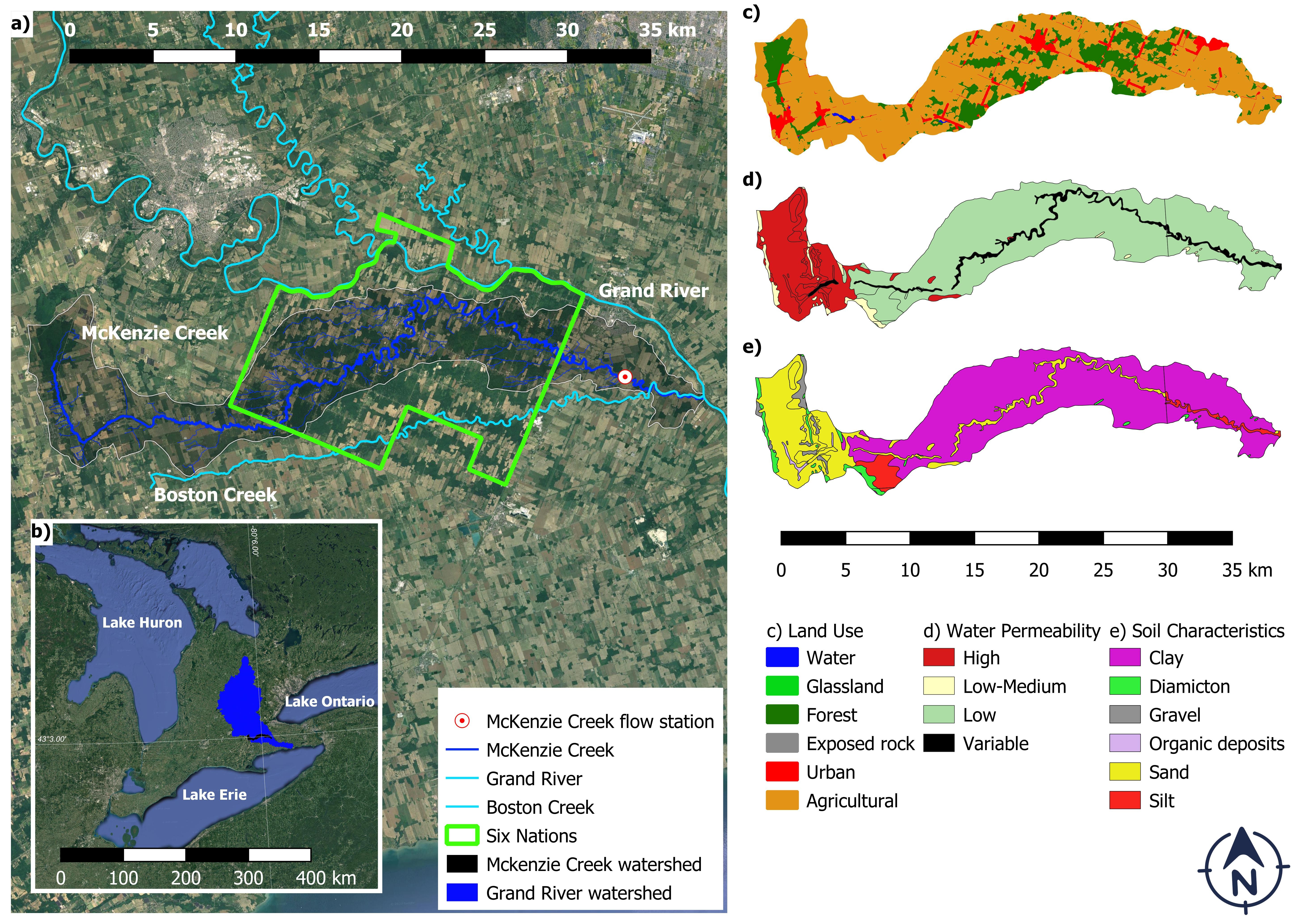
Map of the study area for “Blue and Green Water Scarcity in the McKenzie Creek Watershed of the Great Lakes Basin.” Credit: Dr. Tariq Deen

“That’s why that project was so beneficial in terms of process, because traditional ecological knowledge was the foundation of it,” said Smith.

Traditional ecological knowledge incorporates Western and Indigenous knowledge together in dialogue, Martin-Hill said, to better understand the environment.

The McMaster University study based its projections of water scarcity off of the Intergovernmental Panel on Climate Change (IPCC) Representative Concentration Pathway scenarios 4.5 and 8.5, which signify medium and high greenhouse gas emission and climate warming levels. 

The study by hydrologists and geographers looks at the projected levels for two types of water; blue and green water. While the study anticipates increased levels of water scarcity for both types of water in the future, Six Nations has already experienced these challenges. 

Blue water is fresh water that can be extracted for human activities.

To account for blue water scarcity, the study used two scenarios. The first was a low estimate scenario using monthly agricultural water consumption patterns. The second scenario estimated higher water consumption using the maximum amount of water that could be extracted, assuming this would occur with warming climate trends and an increase in agriculture.

“Under that scenario, we saw that blue water scarcity would increase to a level where it would negatively affect the ecosystem,” said Deen.

Another study on the Grand River watershed from the University of Guelph found similar trends in blue water scarcity considering increasing water demands due to climate change.

“This is a common trend where if you have more withdrawals and more agriculture use, there would be some scarcity that would be coming in,” said author and University of Guelph associate professor in water resources engineering Prasad Daggupati.  

However, water use data for the Six Nations was not included in the water scarcity estimates of the McMaster University study. This is because the Grand River Conservation Authority, who manages the McKenzie Creek watershed, does not collect water use data for the Six Nations. This means the water scarcity levels projected in both blue water scenarios are a low estimate.

“Under climate change scenarios, we saw that green water scarcity would increase throughout the next century,” Deen said.

Similar future patterns for green water scarcity were also found in the University of Guelph study, which used the same Representative Concentration Pathways to account for future impacts of climate change. 

Green water is the type of water that remains in the soil for plant growth.

“Moving into the future, obviously with increased precipitation, there would be more evapotransportation happening up, which would result in having less soil water available, which is green water,” said Daggupati.

Evapotranspiration is the process where water on land and in plants evaporates into the air.  

On top of agriculture and climate factors, corporations like Nestlé and BlueTriton have a history of extracting water without consulting and securing consent from Six Nations.

“We believe there are good veins of water that are much deeper than what wells were dug to, and that’s the water that Nestlé had been taking which we didn’t know about – 3.6 million liters every day for the last decade,” Martin-Hill said. 

The Six Nations pursued legal action and were able to get Nestlé and BlueTriton to stop their water extraction operations under previous laws requiring Indigenous consultation.

“The problem however has been made much worse because of the Bill 5 that the new federal government and Doug Ford passed so that they can bypass any kind of consultation for development, such as water extraction,” Martin-Hill said. 

According to Smith, this is a big issue because 70% of the community relies on groundwater. This issue is further exacerbated by the potential for wells running dry and the inability to support the agriculture that a lot of people at Six Nations rely on.

“I think our people have a problem with the way Western science compartmentalizes and silos things such as water,” Martin-Hill said. “We see ourselves as a part of the natural world.”

The post Climate change is worsening water crisis for Canada’s largest First Nations population appeared first on Great Lakes Now.

Original Article

Great Lakes Now

Great Lakes Now

https://www.greatlakesnow.org/2026/03/04/climate-change-is-worsening-water-crisis-for-canadas-largest-first-nations-population/

Mia Litzenberg, Great Lakes Now

Fifty years later: The little-known story of the families the Fitz left behind

Wrecked: The Edmund Fitzgerald and the Sinking of the American Economy” is a new book by Thomas Nelson with Jeremy Podair. Below is an adapted excerpt from the chapter “Just Call Toby,” that details the legal mess families were put through after losing their loved ones on the Edmund Fitzgerald. 

Read Now at Great Lakes Now.

Original Article

Great Lakes Now

Great Lakes Now

https://www.greatlakesnow.org/2025/11/fifty-years-later-the-little-known-story-of-the-families-the-fitz-left-behind/

Thomas Nelson

How Ontario could have cracked down on Chemical Valley pollution — but chose not to

By Emma McIntosh, The Narwhal

The Great Lakes News Collaborative includes Bridge Michigan, Circle of Blue, Great Lakes Now at Detroit PBS, Michigan Public and The Narwhal who work together to bring audiences news and information about the impact of climate change, pollution, and aging infrastructure on the Great Lakes and drinking water.

Read Now at Great Lakes Now.

Original Article

Great Lakes Now

Great Lakes Now

https://www.greatlakesnow.org/2025/07/how-ontario-could-have-cracked-down-on-chemical-valley-pollution-but-chose-not-to/

The Narwhal

Where the strawberries still grow

“Nibi Chronicles,” a monthly Great Lakes Now feature, is written by Staci Lola Drouillard. A Grand Portage Ojibwe direct descendant, she lives in Grand Marais on Minnesota’s North Shore of Lake Superior. Her nonfiction books “Walking the Old Road: A People’s History of Chippewa City and the Grand Marais Anishinaabe” and “Seven Aunts” were published 2019 and 2022, and the children’s story “A Family Tree” in 2024.

Read Now at Great Lakes Now.

Original Article

Great Lakes Now

Great Lakes Now

https://www.greatlakesnow.org/2025/07/where-the-strawberries-still-grow/

Staci Lola Drouillard, Great Lakes Now

Easy summer foraging adventures the whole family will remember

This is a part of “A Year in the Wild Kitchen of the Great Lakes,” a series in partnership with expert forager Lisa M. Rose, with the mission of nurturing a deeper connection with the natural world through foraging. To get started with your foraging journey, begin here with our “Framework to Sustainable and Safe Practices.” 

As Michigan’s fields burst into berry-laden glory, summer invites us to celebrate nature’s sweet, sun-ripened gifts.

Read Now at Great Lakes Now.

Original Article

Great Lakes Now

Great Lakes Now

https://www.greatlakesnow.org/2025/06/easy-summer-foraging-adventures-the-whole-family-will-remember/

Lisa M. Rose

Waves of Change: Meet Ojibwe leader, activist and water walker Sharon Day

Waves of Change is an online interview series highlighting the diverse faces and perspectives shaping the environmental justice movement throughout the Great Lakes region.

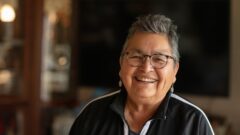
Sharon Day is enrolled in the Bois Forte Band of Ojibwe and makes her home in Minnesota, where she is a founder and the executive director of the Indigenous Peoples Task Force, a vital provider of culturally appropriate health services, programs and housing.

Read Now at Great Lakes Now.

Original Article

Great Lakes Now

Great Lakes Now

https://www.greatlakesnow.org/2025/06/waves-of-change-meet-ojibwe-leader-activist-and-water-walker-sharon-day/

Great Lakes Now

White throated sparrow takes first place in fattest bird competition

This article was republished here with permission from Great Lakes Echo.

By Clara Lincolnhol, Great Lakes Echo

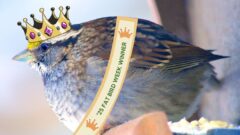
A very round white throated sparrow is the heavyweight champion of the 2025 Wisconsin Fat Bird Week contest.

The bird, coined the “spherical white-throated sparrow,” won by a landslide, receiving 72% of the vote in the final round against its nearest competitor, a “rotund ruby-throated hummingbird.”

The winner made it through eight rounds in the single-elimination, March Madness-style bracket competition against seven other birds.

Read Now at Great Lakes Now.

Original Article

Great Lakes Now

Great Lakes Now

https://www.greatlakesnow.org/2025/06/white-throated-sparrow-takes-first-place-in-fattest-bird-competition/

Great Lakes Echo

The Legacy of Chief Blackstone: Ojibwe resistance in Great Lakes history

“Nibi Chronicles,” a monthly Great Lakes Now feature, is written by Staci Lola Drouillard. A Grand Portage Ojibwe direct descendant, she lives in Grand Marais on Minnesota’s North Shore of Lake Superior. Her nonfiction books “Walking the Old Road: A People’s History of Chippewa City and the Grand Marais Anishinaabe” and “Seven Aunts” were published 2019 and 2022, and the children’s story “A Family Tree” in 2024.

Read Now at Great Lakes Now.

Original Article

Great Lakes Now

Great Lakes Now

https://www.greatlakesnow.org/2025/05/the-legacy-of-chief-blackstone-ojibwe-resistance-in-great-lakes-history/

Staci Lola Drouillard, Great Lakes Now

Chequamegon Bay Superfund site: History, environmental impact and its importance to Indigenous communities

Chequamegon Bay plays a significant role in our human lives, including past residents like the Huron and Ottawa; and current residents, the Ojibwe-Anishinaabeg, who have gathered and made history there for a millennia. An oblong, shallow bay (61 feet at the deepest point), on the south shore of Lake Superior, the water also holds dark history as a federal Superfund site.

Read Now at Great Lakes Now.

Original Article

Great Lakes Now

Great Lakes Now

https://www.greatlakesnow.org/2025/04/chequamegon-bay-superfund-site-history-impact-importance-to-indigenous-communities/

Staci Lola Drouillard, Great Lakes Now

Fish, mines and Indigenous Rights ensnared in court case in northern Ontario

By Emma McIntosh, The Narwhal

Emma and photographer Christopher Katsarov Luna spent four days in northwestern Ontario, including visits to White Lake and Netmizaaggamig Nishnaabeg.

The Great Lakes News Collaborative includes Bridge Michigan, Circle of Blue, Great Lakes Now at Detroit PBS, Michigan Public and The Narwhal who work together to bring audiences news and information about the impact of climate change, pollution, and aging infrastructure on the Great Lakes and drinking water.

Read Now at Great Lakes Now.

Original Article

Great Lakes Now

Great Lakes Now

https://www.greatlakesnow.org/2025/04/fish-mines-and-indigenous-rights-ensnared-in-court-case-in-northern-ontario/

The Narwhal

Alberto Rey: Art all about Earth

Alberto Rey’s artistic passions are wide-ranging. But water and wildlife may most succinctly describe them. The retired State University of New York — Fredonia professor of art has waded into drawing, painting, ceramics and filmmaking all while diving headfirst into the deepest affection for the natural world.  

The 64-year-old Cuban-born artist moonlights as an Orvis-endorsed fly fishing guide on Western New York’s Lake Erie tributaries.

Read Now at Great Lakes Now.

Original Article

Great Lakes Now

Great Lakes Now

https://www.greatlakesnow.org/2025/04/alberto-rey-art-all-about-earth/

James Proffitt, Great Lakes Now

Groups fight to preserve future of Michigan’s indigenous wild rice

By Jena Brooker, BridgeDetroit

This article was republished here with permission from BridgeDetroit.

An origin story, a teacher of life, a relative, and a source of crucial nutrition, manoomin now has a new protector.

Once covering much of Michigan’s inland lakes and streams, the wild rice (also known as mnoomin or mnomen) is indigenous to the Great Lakes region but has largely disappeared due to colonization, environmental degradation, and climate change.

Read Now at Great Lakes Now.

Original Article

Great Lakes Now

Great Lakes Now

https://www.greatlakesnow.org/2025/04/groups-fight-to-preserve-future-of-michigans-indigenous-wild-rice/

BridgeDetroit

Azhigwa Zhiiwaagamiziganike or She Makes Maple Sugar Right Now

“Nibi Chronicles,” a monthly Great Lakes Now feature, is written by Staci Lola Drouillard. A Grand Portage Ojibwe direct descendant, she lives in Grand Marais on Minnesota’s North Shore of Lake Superior. Her nonfiction books “Walking the Old Road: A People’s History of Chippewa City and the Grand Marais Anishinaabe” and “Seven Aunts” were published 2019 and 2022, and the children’s story “A Family Tree” in 2024.

Read Now at Great Lakes Now.

Original Article

Great Lakes Now

Great Lakes Now

https://www.greatlakesnow.org/2025/03/she-makes-maple-sugar-right-now/

Staci Lola Drouillard, Great Lakes Now

Could Lake Erie really become Lake Ohio?

On March 14, Ohio gubernatorial candidate Vivek Ramaswamy said that perhaps Lake Erie should be changed to Lake Ohio. 

According to reporting from Cleveland.com:

“Anybody think if there’s a Lake Michigan, maybe there should be a Lake Ohio around here?” Ramaswamy said, about 13 miles away from Lake Erie.

Read Now at Great Lakes Now.

Original Article

Great Lakes Now

Great Lakes Now

https://www.greatlakesnow.org/2025/03/could-lake-erie-really-become-lake-ohio/

Lisa John Rogers, Great Lakes Now

What would the Great Lakes region be like with bullet trains?

A few months ago, I was riding on Amtrak’s new Borealis line from St. Paul, Minn., to Chicago. The train was packed that day, and the new line has proved popular.

My coach seat was much nicer than any airline. Plus, I didn’t have to go through security.

Read Now at Great Lakes Now.

Original Article

Great Lakes Now

Great Lakes Now

https://www.greatlakesnow.org/2025/03/what-would-the-great-lakes-region-be-like-with-bullet-trains/

Sean Ericson, Great Lakes Now

Putting passion to pages: Minnesota authors release second guide to state wildflowers

This article was republished here with permission from Great Lakes Echo.

By Shealyn Paulis, Great Lakes Echo

Within Minnesota’s wetlands, forests and prairies, thousands of different species of wildflowers bloom annually – some only once and in the evening. In their second book, two Minnesotan women put their passions to paper and set out to uncover all the state flora has to offer.

Read Now at Great Lakes Now.

Original Article

Great Lakes Now

Great Lakes Now

https://www.greatlakesnow.org/2025/03/putting-passion-to-pages-minnesota-authors-release-second-guide-to-state-wildflowers/

Great Lakes Echo

Ian Outside: A Detroiter’s journey to Calumet for CopperDog

It seems like every year winter creeps forward into being one of my favorite seasons. It’s not lost on me that this budding love affair began once I gained the courage to venture into Northern Michigan during the months almost everyone will tell you to avoid. The truth is: Metro Detroit isn’t made for the cold and snow, so I’m allowing the North Woods to change my mind. 

Read Now at Great Lakes Now.

Original Article

Great Lakes Now

Great Lakes Now

https://www.greatlakesnow.org/2025/03/ian-outside-a-detroiters-journey-to-calumet-for-copperdog/

Ian Solomon

Nibi Chronicles: Invisible Borders

“Nibi Chronicles,” a monthly Great Lakes Now feature, is written by Staci Lola Drouillard. A Grand Portage Ojibwe direct descendant, she lives in Grand Marais on Minnesota’s North Shore of Lake Superior. Her nonfiction books “Walking the Old Road: A People’s History of Chippewa City and the Grand Marais Anishinaabe” and “Seven Aunts” were published 2019 and 2022, and the children’s story “A Family Tree” in 2024.

Read Now at Great Lakes Now.

Original Article

Great Lakes Now

Great Lakes Now

https://www.greatlakesnow.org/2025/02/nibi-chronicles-invisible-borders/

Staci Lola Drouillard, Great Lakes Now

How do you heal a sacred lake?

For over 70 years, a massive U.S. Steel plant on the shores of Spirit Lake near Duluth, Minnesota dumped toxic waste into the water, causing lasting environmental damage to this sacred site.

Spirit Lake, once a vital ecosystem rich in fish, wild rice, and wildlife, was central to the homeland of the Fond du Lac Band of Lake Superior Chippewa.

Read Now at Great Lakes Now.

Original Article

Great Lakes Now

Great Lakes Now

https://www.greatlakesnow.org/2025/02/how-do-you-heal-a-sacred-lake/

Great Lakes Now

US Forest Service firings decimate already understaffed agency: ‘It’s catastrophic’

By Katie Myers, Juanpablo Ramirez-Franco, & Izzy Ross

This coverage is made possible through a partnership between GristBPR, a public radio station serving western North Carolina, WBEZ, a public radio station serving the Chicago metropolitan region, and Interlochen Public Radio in Northern Michigan.

Read Now at Great Lakes Now.

Original Article

Great Lakes Now

Great Lakes Now

https://www.greatlakesnow.org/2025/02/us-forest-service-firings-decimate-already-understaffed-agency-its-catastrophic/

Grist

A different perspective on the fur trade

Carl Gawboy, a celebrated Minnesota artist and Ojibwe scholar of Finnish and Bois Forte Anishinaabe descent, has dedicated his life to preserving and sharing the stories of his people. In his book, Fur Trade Nation: An Ojibwe’s Graphic History, Gawboy combines his prolific artistic talent, family stories, and cultural research to shed light on a largely overlooked chapter of history.

Read Now at Great Lakes Now.

Original Article

Great Lakes Now

Great Lakes Now

https://www.greatlakesnow.org/2025/02/a-different-perspective-on-the-fur-trade/

Great Lakes Now

Tackling environmental racism in Chemical Valley

By Emma McIntosh, The Narwhal

The Great Lakes News Collaborative includes Bridge Michigan, Circle of Blue, Great Lakes Now at Detroit PBS, Michigan Public and The Narwhal who work together to bring audiences news and information about the impact of climate change, pollution, and aging infrastructure on the Great Lakes and drinking water.

Read Now at Great Lakes Now.

Original Article

Great Lakes Now

Great Lakes Now

https://www.greatlakesnow.org/2025/02/tackling-environmental-racism-in-chemical-valley/

The Narwhal

Toledo’s community art highlights importance of native plants for safe drinking water

This article was republished here with permission from Great Lakes Echo.

By Clara Lincolnhol, Great Lakes Echo

Toledo, Ohio, has a rich Rust Belt history that influences its present-day culture. Local environmental groups and agencies are turning to public art to teach residents that the area’s natural history is just as important.

Read Now at Great Lakes Now.

Original Article

Great Lakes Now

Great Lakes Now

https://www.greatlakesnow.org/2025/02/toledos-community-art-highlights-importance-of-native-plants-for-safe-drinking-water/

Great Lakes Echo

The fascinating history of the Great Lakes Yemeni sailors

Abdullatif Ahmed was just 23 years old when he first stepped foot on the Medusa Challenger, a 1906-built Great Lakes bulk freighter.

“Before I came to America in 1990,” he said, “I had never even seen the sea.”

Born and raised in Juban, a rural district in southern Yemen, Ahmed was drawn to the Great Lakes by family history and opportunity.

Read Now at Great Lakes Now.

Original Article

Great Lakes Now

Great Lakes Now

https://www.greatlakesnow.org/2025/02/the-fascinating-history-of-the-great-lakes-yemeni-sailors/

Stephen Starr, Great Lakes Now

Nibi Chronicles: Protecting the protectors

“Nibi Chronicles,” a monthly Great Lakes Now feature, is written by Staci Lola Drouillard. A Grand Portage Ojibwe direct descendant, she lives in Grand Marais on Minnesota’s North Shore of Lake Superior. Her nonfiction books “Walking the Old Road: A People’s History of Chippewa City and the Grand Marais Anishinaabe” and “Seven Aunts” were published 2019 and 2022, and the children’s story “A Family Tree” in 2024.

Read Now at Great Lakes Now.

Original Article

Great Lakes Now

Great Lakes Now

https://www.greatlakesnow.org/2025/02/protecting-the-protectors/

Staci Lola Drouillard, Great Lakes Now

Fact or Fake? Readers can test their Great Lakes knowledge with excerpts from this new book

Great Lakes Fact or Fake? is a new book by Dave Dempsey. Below are adapted excerpts from the book, which bring readers along while he answers 41 myths about the Great Lakes.

Drinking Sewage

FACT or FAKE?

Read Now at Great Lakes Now.

Original Article

Great Lakes Now

Great Lakes Now

https://www.greatlakesnow.org/2025/01/fact-or-fake-readers-can-test-their-great-lakes-knowledge-with-excerpts-from-this-new-book/

Dave Dempsey

Life on the frontlines of Ontario’s critical mineral boom

By Emma McIntosh, The Narwhal

Photography by Christopher Katsarov Luna

The Great Lakes News Collaborative includes Bridge Michigan, Circle of Blue, Great Lakes Now at Detroit PBS, Michigan Public and The Narwhal who work together to bring audiences news and information about the impact of climate change, pollution, and aging infrastructure on the Great Lakes and drinking water.

Read Now at Great Lakes Now.

Original Article

Great Lakes Now

Great Lakes Now

https://www.greatlakesnow.org/2025/01/life-on-the-frontlines-of-ontarios-critical-mineral-boom/

The Narwhal

Winter Wellness Pantry

This story is a part of “A Year in the Wild Kitchen of the Great Lakes,” a series in partnership with expert forager Lisa M. Rose, with the mission of nurturing a deeper connection with the natural world through foraging. To get started with your foraging journey, begin here with our “Framework to Sustainable and Safe Practices.”

As winter sets in, it’s the perfect time to reflect on your year of foraging, plan for the coming seasons, and ensure your pantry is stocked and your health fortified.

Read Now at Great Lakes Now.

Original Article

Great Lakes Now

Great Lakes Now

https://www.greatlakesnow.org/2024/11/winter-wellness-pantry/

Lisa M. Rose

I Speak for the Fish: How Native Americans are saving lake sturgeon

I Speak for the Fish is a monthly column written by Great Lakes Now Contributor Kathy Johnson, coming out the third Monday of each month. Publishing the author’s views and assertions does not represent endorsement by Great Lakes Now or Detroit Public Television. 

Read Now at Great Lakes Now.

Original Article

Great Lakes Now

Great Lakes Now

https://www.greatlakesnow.org/2024/11/i-speak-for-the-fish-how-native-americans-are-saving-lake-sturgeon/

Kathy Johnson, Great Lakes Now

Pressed for powder, study finds ski areas are relying more on snowmaking

By Danielle Kaeding, Wisconsin Public Radio

This article was republished here with permission from Wisconsin Public Radio.

Ski hills in Wisconsin are relying more on snowmaking and other strategies to adapt to changing snow conditions due to climate change, according to a new study.

Read Now at Great Lakes Now.

Original Article

Great Lakes Now

Great Lakes Now

https://www.greatlakesnow.org/2024/11/pressed-for-powder-study-finds-ski-areas-are-relying-more-on-snowmaking/

Wisconsin Public Radio

National Park Service Issues Landmark Order for Tribal Consultations

By Native News Online Staff, Native News Online

This article originally appeared on Native News Online. Founded in 2011, Native News Online reaches millions of Native and non-Native readers annually including American Indians, Alaska Natives, Native Hawaiians and others interested in Native American concerns.

Read Now at Great Lakes Now.

Original Article

Great Lakes Now

Great Lakes Now

https://www.greatlakesnow.org/2024/11/national-park-service-issues-landmark-order-for-tribal-consultations/

Native News Online

A Foraged Great Lakes Woodland Chai Tea

This story is a part of “A Year in the Wild Kitchen of the Great Lakes,” a series in partnership with expert forager Lisa M. Rose, with the mission of nurturing a deeper connection with the natural world through foraging. To get started with your foraging journey, begin here with our “Framework to Sustainable and Safe Practices.”

As the season shifts and the air chills, I find myself drawn to the warmth and sustenance that the wild foods of fall offer — from roots to mushrooms to nuts to herbs — and take great satisfaction in concocting nourishing recipes for my family and friends.

Read Now at Great Lakes Now.

Original Article

Great Lakes Now

Great Lakes Now

https://www.greatlakesnow.org/2024/10/a-foraged-great-lakes-woodland-chai-tea/

Lisa M. Rose

Spooky Lake Superior: The SS Kamloops

Spooky Lakes: 25 Strange and Mysterious Lakes That Dot Our Planet is a new book by Geo Rutherford. Below is an adapted excerpt from her New York Times best seller, all about Lake Superior. Follow Geo on TikTok or Instagram for more content on spooky lakes.

Read Now at Great Lakes Now.

Original Article

Great Lakes Now

Great Lakes Now

https://www.greatlakesnow.org/2024/10/spooky-lake-superior-the-ss-kamloops/

Geo Rutherford

Nibi Chronicles: Manoomin as medicine

“Nibi Chronicles,” a monthly Great Lakes Now feature, is written by Staci Lola Drouillard. A Grand Portage Ojibwe direct descendant, she lives in Grand Marais on Minnesota’s North Shore of Lake Superior. Her nonfiction books “Walking the Old Road: A People’s History of Chippewa City and the Grand Marais Anishinaabe” and “Seven Aunts” were published 2019 and 2022, and the children’s story “A Family Tree” in 2024.

Read Now at Great Lakes Now.

Original Article

Great Lakes Now

Great Lakes Now

https://www.greatlakesnow.org/2024/10/nibi-chronicles-manoomin-as-medicine/

Staci Lola Drouillard

The lonely Lake Superior caribou and a lesson in limits

By Emma McIntosh, The Narwhal

Emma and photographer Christopher Katsarov Luna spent four days in northwestern Ontario, reporting from the shore of Lake Superior.

The Great Lakes News Collaborative includes Bridge Michigan, Circle of Blue, Great Lakes Now at Detroit PBS, Michigan Public and The Narwhal who work together to bring audiences news and information about the impact of climate change, pollution, and aging infrastructure on the Great Lakes and drinking water.

Read Now at Great Lakes Now.

Original Article

Great Lakes Now

Great Lakes Now

https://www.greatlakesnow.org/2024/10/the-lonely-lake-superior-caribou-and-a-lesson-in-limits/

Mila Murray

Points North: A New Hope for Anishinaabemowin

By Daniel Wanschura

Points North is a biweekly podcast about the land, water and inhabitants of the Great Lakes.

This episode was shared here with permission from Interlochen Public Radio.

Theresa Eischen would visit her grandparents every summer.

Read Now at Great Lakes Now.

Original Article

Great Lakes Now

Great Lakes Now

https://www.greatlakesnow.org/2024/10/points-north-a-new-hope-for-anishinaabemowin/

Interlochen Public Radio

Nibi Chronicles: The Gift of Manoomin

“Nibi Chronicles,” a monthly Great Lakes Now feature, is written by Staci Lola Drouillard. A Grand Portage Ojibwe direct descendant, she lives in Grand Marais on Minnesota’s North Shore of Lake Superior. Her nonfiction books “Walking the Old Road: A People’s History of Chippewa City and the Grand Marais Anishinaabe” and “Seven Aunts” were published 2019 and 2022, and the children’s story “A Family Tree” in 2024.

Read Now at Great Lakes Now.

Original Article

Great Lakes Now

Great Lakes Now

https://www.greatlakesnow.org/2024/09/nibi-chronicles-the-gift-of-manoomin/

Staci Lola Drouillard

‘These are not your lands to give away’: 6 First Nations take Ontario to court over mining law

By Emma McIntosh, The Narwhal

The Great Lakes News Collaborative includes Bridge Michigan; Circle of Blue; Great Lakes Now at Detroit Public Television; Michigan Public, Michigan’s NPR News Leader; and The Narwhal who work together to bring audiences news and information about the impact of climate change, pollution, and aging infrastructure on the Great Lakes and drinking water.

Read Now at Great Lakes Now.

Original Article

Great Lakes Now

Great Lakes Now

https://www.greatlakesnow.org/2024/08/these-are-not-your-lands-to-give-away-6-first-nations-take-ontario-to-court-over-mining-law/

The Narwhal

Nibi Chronicles: A conversation about Ojibwe history in Fur Trade Nation

Editor’s Note: “Nibi Chronicles,” a monthly Great Lakes Now feature, is written by Staci Lola Drouillard. A direct descendant of the Grand Portage Band of Ojibwe, she lives and works in Grand Marais on Minnesota’s North Shore of Lake Superior. Her two books “Walking the Old Road: A People’s History of Chippewa City and the Grand Marais Anishinaabe” and “Seven Aunts” were published 2019 and 2022, and she is at work on a children’s story.

Read Now at Great Lakes Now.

Original Article

Great Lakes Now

Great Lakes Now

https://www.greatlakesnow.org/2024/08/nibi-chronicles-conversation-about-ojibwe-history-in-fur-trade-nation/

Staci Lola Drouillard

Storied Two Hearted River gets 21st century update in new book

For Traverse City’s Bob Otwell, part of Michigan’s allure is its abundance of special places, and primary among them is the Upper Peninsula’s “wild and isolated” Two Hearted River watershed.

That’s where Otwell and family have had a cabin called “Boggy’s Camp” for over 30 years.

In a newly released book, The Real Two Hearted: Life, Love, and Lore Along Michigan’s Most Iconic River, Otwell chronicles his decades of paddling, hiking and mountain-biking along the Two Hearted and meshes those activities with raising a family along the way.

Read Now at Great Lakes Now.

Original Article

Great Lakes Now

Great Lakes Now

https://www.greatlakesnow.org/2024/08/storied-two-hearted-river-21st-century-update-in-new-book/

Gary Wilson, Great Lakes Now

Operation Manoomin: Restoring Wild Rice along the Detroit River

Great Lakes Moment is a monthly column written by Great Lakes Now Contributor John Hartig. Publishing the author’s views and assertions does not represent endorsement by Great Lakes Now or Detroit PBS.

Manoomin (mah-NOO-mehn) or wild rice was once very common in coastal marshes along the Detroit River and has always been sacred to First Nations.

Read Now at Great Lakes Now.

Original Article

Great Lakes Now

Great Lakes Now

https://www.greatlakesnow.org/2024/08/operation-manoomin-restoring-wild-rice-along-the-detroit-river/

John Hartig

On Lake Michigan, a coal-fired steamship and ferry eyes a clean-energy future

By Kelly House, Bridge Michigan

The Great Lakes News Collaborative includes Bridge Michigan; Circle of Blue; Great Lakes Now at Detroit Public Television; and Michigan Public, Michigan’s NPR News Leader; who work together to bring audiences news and information about the impact of climate change, pollution, and aging infrastructure on the Great Lakes and drinking water.

Read Now at Great Lakes Now.

Original Article

Great Lakes Now

Great Lakes Now

https://www.greatlakesnow.org/2024/08/on-lake-michigan-a-coal-fired-steamship-and-ferry-eyes-a-clean-energy-future/

Bridge Michigan

Ojibwemodaa! Let’s speak Ojibwe!

“Nibi Chronicles,” a monthly Great Lakes Now feature, is written by Staci Lola Drouillard. A Grand Portage Ojibwe direct descendant, she lives in Grand Marais on Minnesota’s North Shore of Lake Superior. Her nonfiction books “Walking the Old Road: A People’s History of Chippewa City and the Grand Marais Anishinaabe” and “Seven Aunts” were published 2019 and 2022, and the children’s story “A Family Tree” in 2024.

Read Now at Great Lakes Now.

Original Article

Great Lakes Now

Great Lakes Now

https://www.greatlakesnow.org/2024/07/ojibwemodaa-lets-speak-ojibwe/

Staci Lola Drouillard

Seneca Nation Sues City for More than 450,000 Gallons of Wastewater Overflow

By Native News Online Staff, Native News Online

This article originally appeared on Native News Online. Founded in 2011, Native News Online reaches millions of Native and non-Native readers annually including American Indians, Alaska Natives, Native Hawaiians and others interested in Native American concerns.

Read Now at Great Lakes Now.

Original Article

Great Lakes Now

Great Lakes Now

https://www.greatlakesnow.org/2024/07/seneca-nation-sues-city-for-more-than-450000-gallons-of-wastewater-overflow/

Native News Online

Ship doomed on Lake Michigan now moored on National Register of Historic Places

This article was republished here with permission from Great Lakes Echo.

By Eric Freedman, Great Lakes Echo

A Detroit-built sailing ship that sank in Lake Michigan during an 1864 storm has been added to the National Register of Historic Places.

The three-masted Mojave, only 1 year old at the time, went down in heavy weather while northbound on the route from Chicago to Buffalo with a load of grain.

Read Now at Great Lakes Now.

Original Article

Great Lakes Now

Great Lakes Now

https://www.greatlakesnow.org/2024/07/ship-doomed-on-lake-michigan-now-moored-on-national-register-of-historic-places/

Great Lakes Echo

As climate change alters lakes, tribes and conservationists fight for the future of spearfishing

By Melina Walling and John Locher, Associated Press

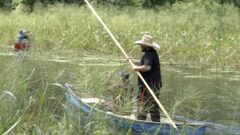

HAYWARD, Wis. (AP) — Chilly nights on northern Wisconsin’s Chippewa Flowage don’t deter 15-year-old spearfisher Gabe Bisonette. He’s been learning the Ojibwe practice for so long now that when his headlamp illuminates the eye-shine of his quarry, he can communicate the sighting to his dad with hardly a word.

Read Now at Great Lakes Now.

Original Article

Great Lakes Now

Great Lakes Now

https://www.greatlakesnow.org/2024/07/as-climate-change-alters-lakes-tribes-and-conservationists-fight-for-the-future-of-spearfishing/

The Associated Press

Disappointed dogs, sad skiers, frustrated fishermen

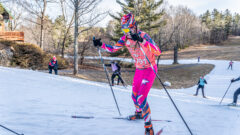
Hayward, Wisconsin got its first snow of the season on Halloween. But then Thanksgiving came, and Christmas, with no more white flakes. The new year started equally warm and snowless, and the organizers of the iconic American Birkebeiner ski race began to really worry. The February 24, 2024 race would be the 50th anniversary of the country’s most famous (and largest) cross-country ski event, and it would also be a World Cup competition, drawing top competitors from around the globe.

Read Now at Great Lakes Now.

Original Article

Great Lakes Now

Great Lakes Now

https://www.greatlakesnow.org/2024/05/disappointed-dogs-sad-skiers-frustrated-fishermen/

Kari Lydersen

Michigan author reflects on 20th anniversary of landmark book The Living Great Lakes

Jerry Dennis wasn’t seeking adventure when as a novice sailor he joined a veteran captain and crew to sail from Traverse City to the Atlantic Ocean. He was looking for a deeper understanding of the Great Lakes, but adventure found him.

Similarly, he wasn’t seeking notoriety when he wrote The Living Great Lakes: Searching for the Heart of the Inland Seas, which was based on the sailing adventure.

Read Now at Great Lakes Now.

Original Article

Great Lakes Now

Great Lakes Now

https://www.greatlakesnow.org/2024/05/michigan-author-reflects-on-20th-anniversary-of-landmark-book-the-living-great-lakes/

Gary Wilson, Great Lakes Now

New Interagency Agreement Supports Water Tribal Water and Sanitation Projects

By Native News Online Staff, Native News Online

This article originally appeared on Native News Online. Founded in 2011, Native News Online reaches millions of Native and non-Native readers annually including American Indians, Alaska Natives, Native Hawaiians and others interested in Native American concerns.

Read Now at Great Lakes Now.

Original Article

Great Lakes Now

Great Lakes Now

https://www.greatlakesnow.org/2024/05/new-interagency-agreement-supports-water-tribal-water-and-sanitation-projects/

Native News Online