Assessing the Global Temperature and Precipitation Analysis in November 2025
NCEI News Feed
https://www.ncei.noaa.gov/news/global-climate-202511
NCEI News Feed
https://www.ncei.noaa.gov/news/global-climate-202511
NCEI News Feed
https://www.ncei.noaa.gov/news/global-climate-202511
NCEI News Feed
https://www.ncei.noaa.gov/news/global-climate-202511
NCEI News Feed
https://www.ncei.noaa.gov/news/global-climate-202511
NCEI News Feed
https://www.ncei.noaa.gov/news/global-climate-202511
NCEI News Feed
https://www.ncei.noaa.gov/news/global-climate-202511
NCEI News Feed
https://www.ncei.noaa.gov/news/global-climate-202511
NCEI News Feed
https://www.ncei.noaa.gov/news/global-climate-202511
NCEI News Feed
https://www.ncei.noaa.gov/news/global-climate-202511

By Clara Lincolnhol
The U.S. would need to invest nearly $3.4 trillion over the next 20 years to fix and update drinking water, wastewater and stormwater infrastructure, says researchers from The Value of Water Campaign. Much of that infrastructure was built 40 to 50 years ago and shows its age. Michigan’s is no exception. The American Society of Civil Engineers gave the state a D+ for its drinking water infrastructure, a D in storm water management and a C for its wastewater infrastructure. Funding is a major problem. Proposed data centers would put more stress on the infrastructure.
The post Michigan’s water infrastructure sees improvements, work still needs to be done first appeared on Great Lakes Echo.Great Lakes Echo
https://greatlakesecho.org/2025/12/11/michigans-water-infrastructure-sees-improvements-work-still-needs-to-be-done/
Do you have your auger and shanty ready? The ice is firming up. It's calling anglers throughout Wisconsin. In fact, several folks are already getting out in our area! Be careful on that ice! Help protect our lakes and rivers this winter with a few easy steps to prevent the spread of aquatic invasive [...]
The post Ice Fishing? Even Icy Wisconsin Waters Host Aquatic Invasive Species appeared first on Fox-Wolf Watershed Alliance.
Fox-Wolf Watershed Alliance
https://fwwa.org/2025/12/10/ice-fishing-even-icy-wisconsin-waters-host-aquatic-invasive-species/?utm_source=rss&utm_medium=rss&utm_campaign=ice-fishing-even-icy-wisconsin-waters-host-aquatic-invasive-species
December 18th, 12:00pm - 1:00pm: Winter Water Talk Webinar Looking for something to do during your lunch break and interested in ice fishing? Check out this free webinar co-hosted by the Water Action Volunteers Program and the Citizen Lake Monitoring Network Program. Webinar Description Bundle up, grab your favorite hot drink, and join us [...]
The post Fishing on Frozen Habitats Free Webinar: Enhance Your Time on the Ice! appeared first on Fox-Wolf Watershed Alliance.
Fox-Wolf Watershed Alliance
https://fwwa.org/2025/12/10/fishing-on-frozen-habitats-free-webinar-enhance-your-time-on-the-ice/?utm_source=rss&utm_medium=rss&utm_campaign=fishing-on-frozen-habitats-free-webinar-enhance-your-time-on-the-ice
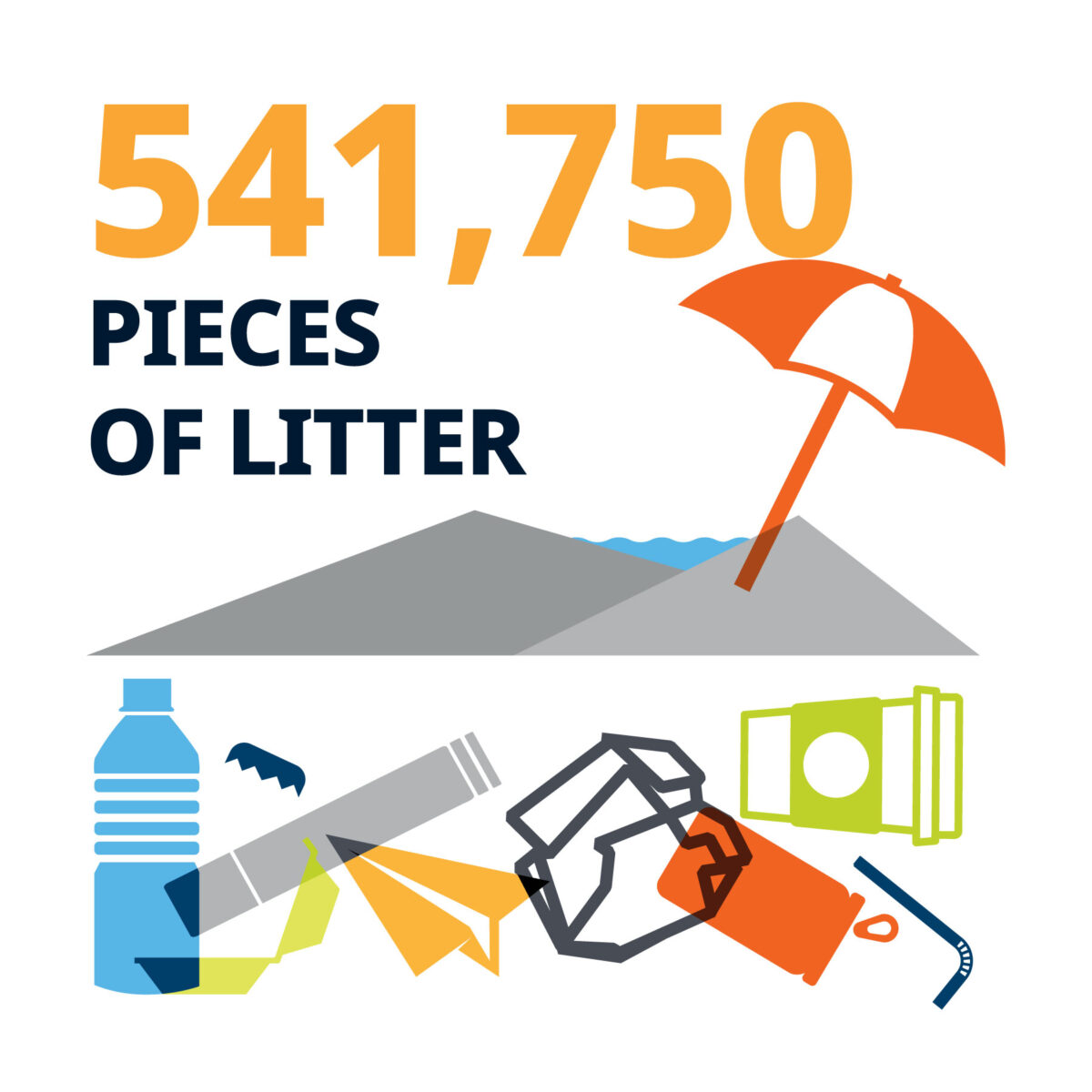
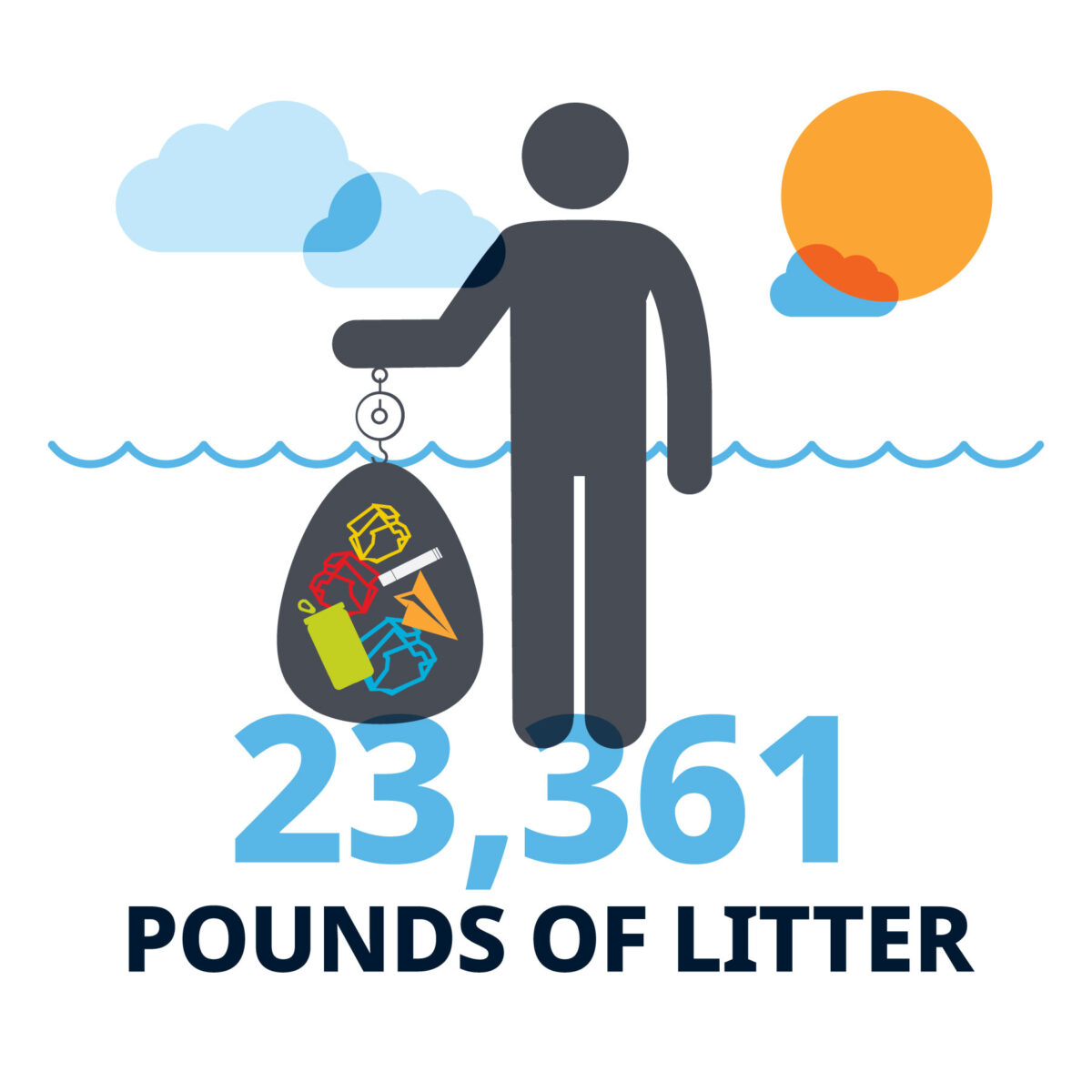
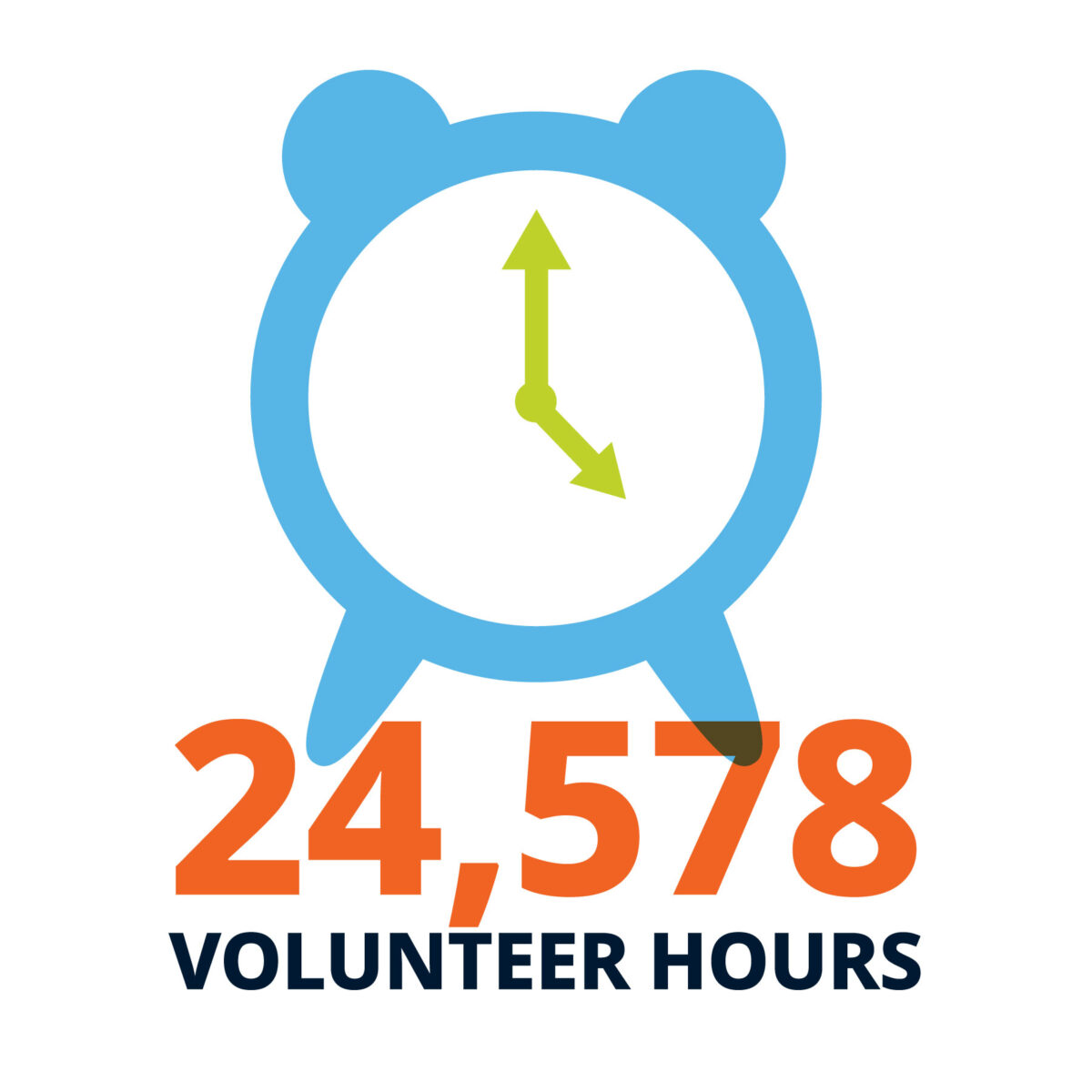
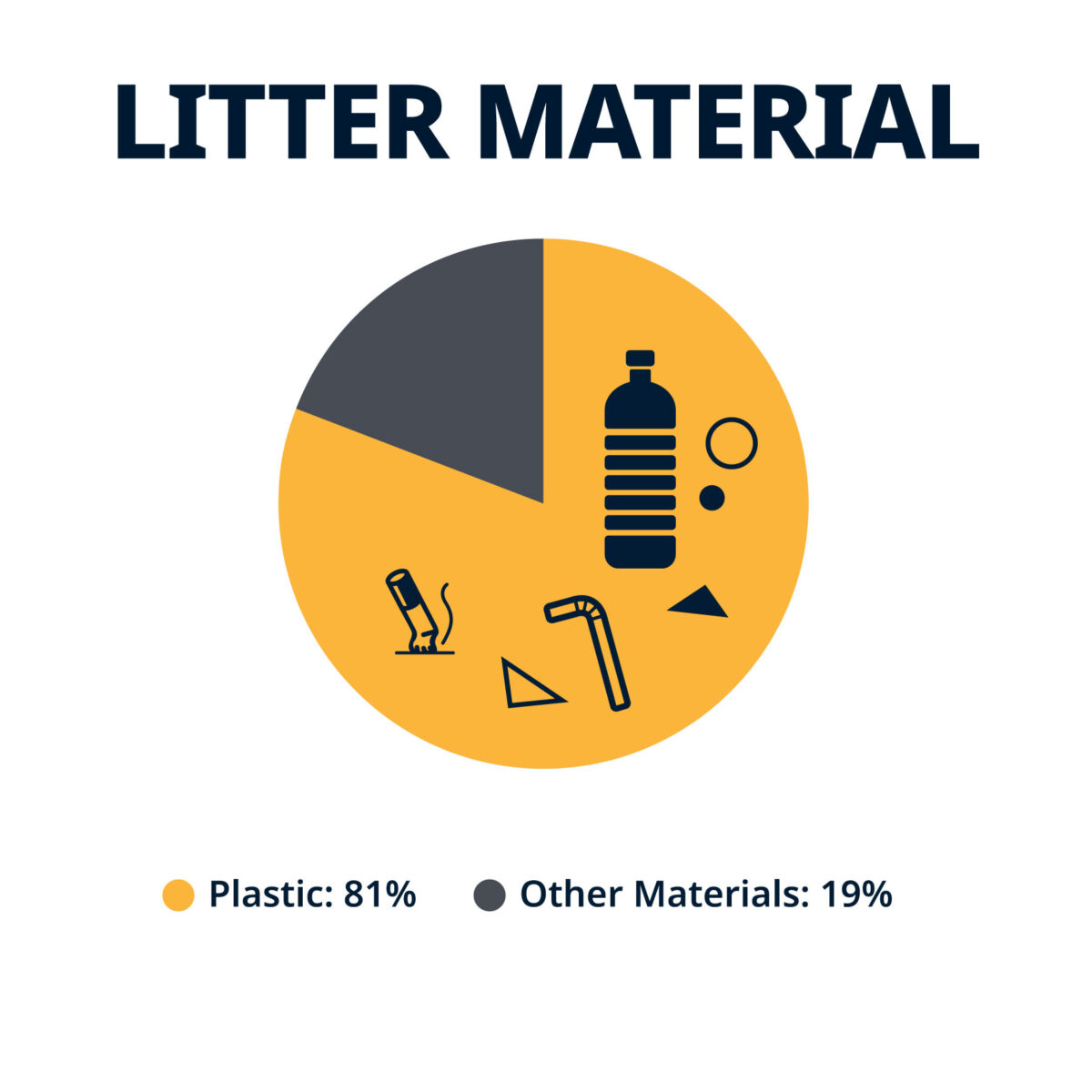
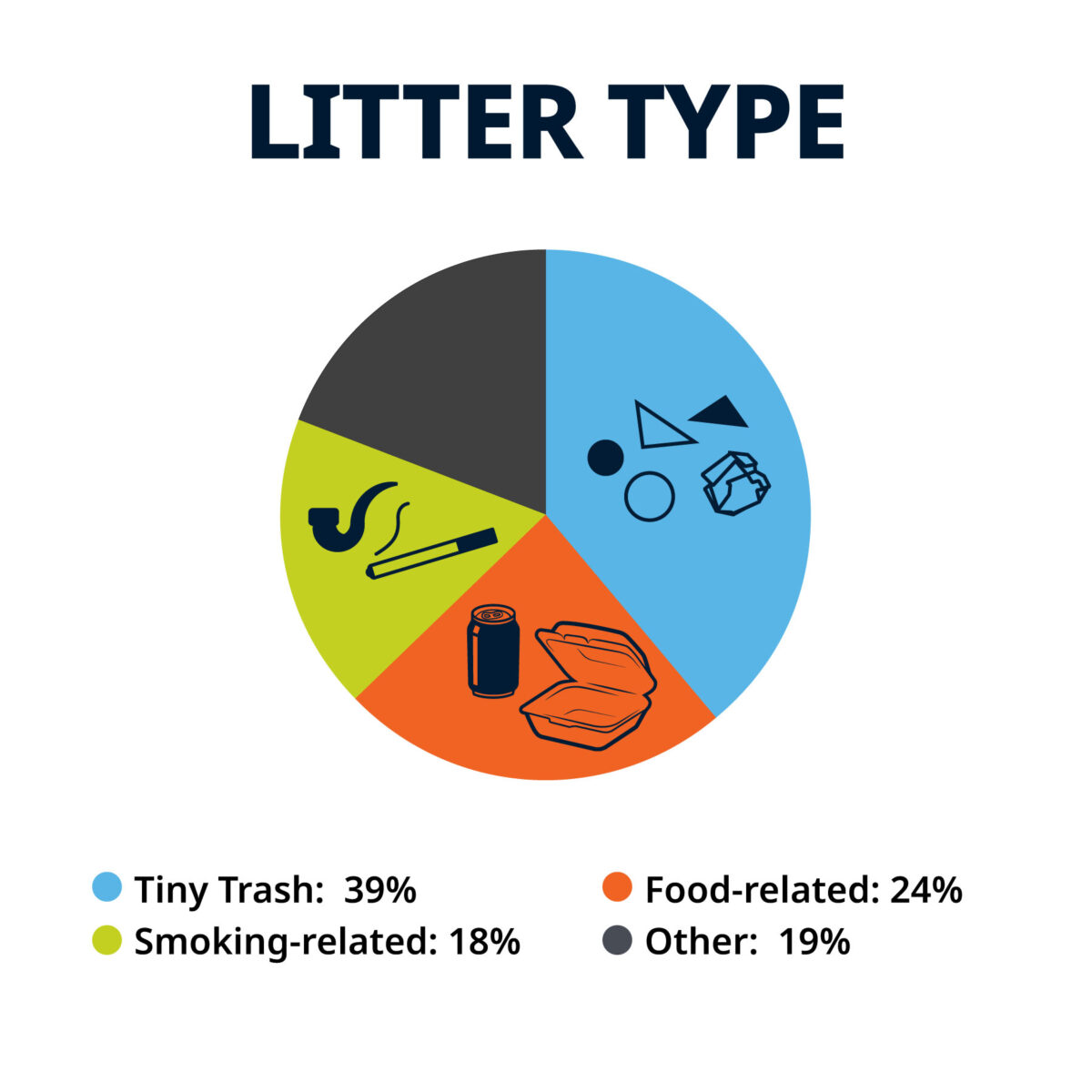
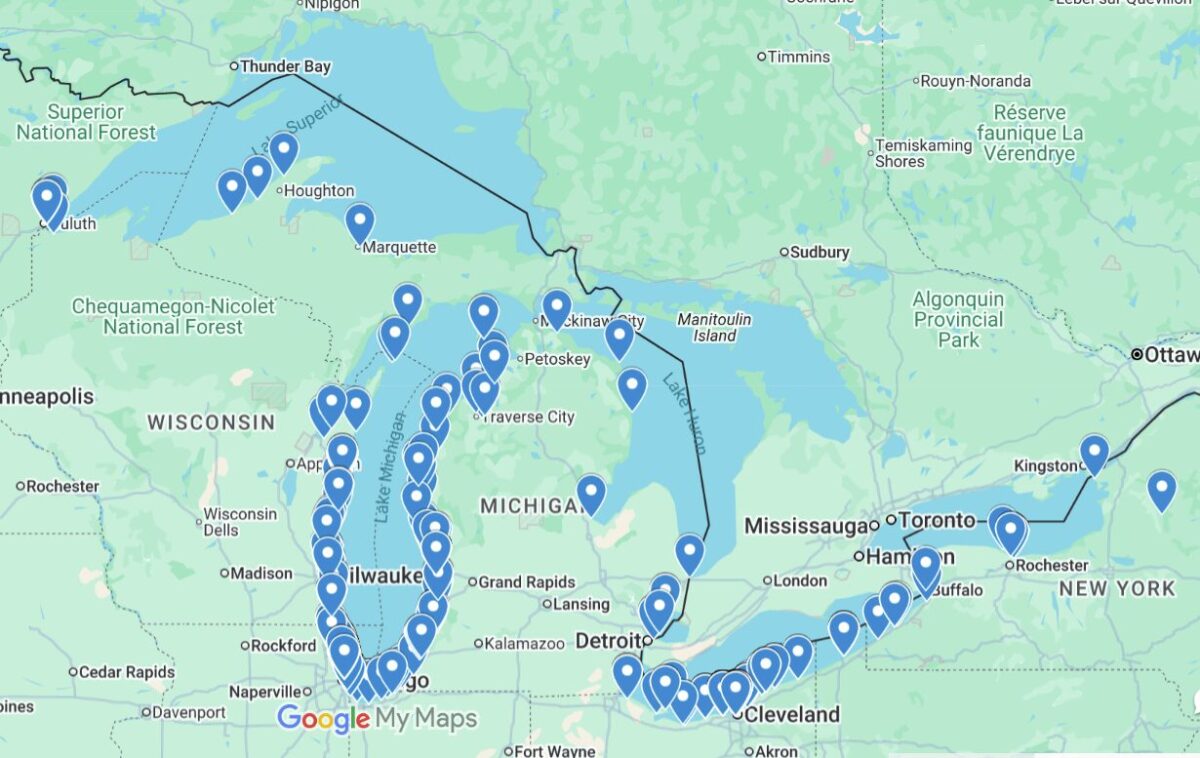
Our amazing Adopt-a-Beach volunteers removed 541,750 pieces of litter – more than 23,000 pounds – from Great Lakes beaches, trails, parks, and marinas in 2025! Their work kept more than 11 tons of plastic waste and other litter out of the Great Lakes.
And their work made ripples far beyond the shoreline.
“Each cleanup makes a lasting impact,” says Olivia Reda, the Alliance’s Volunteer Engagement Manager. “The day of the cleanup, volunteers come together and do something positive for their community. After the cleanup is over, the data they collected helps our region for years to come.”
Adopt-a-Beach volunteers tally up the litter they find, adding to a Great Lakes litter dataset the Alliance for the Great Lakes has maintained since 2003. In 2025, the data was used to help students, educators, and policy makers throughout the region.
High school and college students are using Adopt-a-Beach data to learn about plastic pollution and to hone their data analytics skills.
Students aren’t the only ones learning from Adopt-a-Beach. Policymakers are also using the data to learn about plastic pollution, better understand it, and come up with solutions.
“Every time plastics legislation is discussed in the Great Lakes Basin, Adopt-a-Beach data is utilized,” says Andrea Densham, Senior Policy Advisor to the Alliance. “Adopt-a-Beach data is being referenced from city councils to bi-national organizations as they consider robust and forward-thinking policies and strategies to combat plastic pollution.”
Adopt-a-Beach data was cited this year in conversations about plastic pollution at the Great Lakes Legislative Caucus, the National Caucus of Environmental Legislators, and the International Joint Commission. One outcome is a growing movement to monitor the level of microplastics in the Great Lakes and our drinking water.
In the Michigan state house, Adopt-a-Beach data was used in testimony supporting a bill to start monitoring microplastics in Michigan’s lakes and rivers. In Illinois, Adopt-a-Beach data was included in testimony supporting a bill to phase out plastic foam foodware. And in Erie, Pennsylvania, the Environmental Advisory Council’s single‑use plastics subcommittee is combining Adopt-a-Beach data with findings from a city litter study and local survey data for stakeholder conversations about single-use plastics.
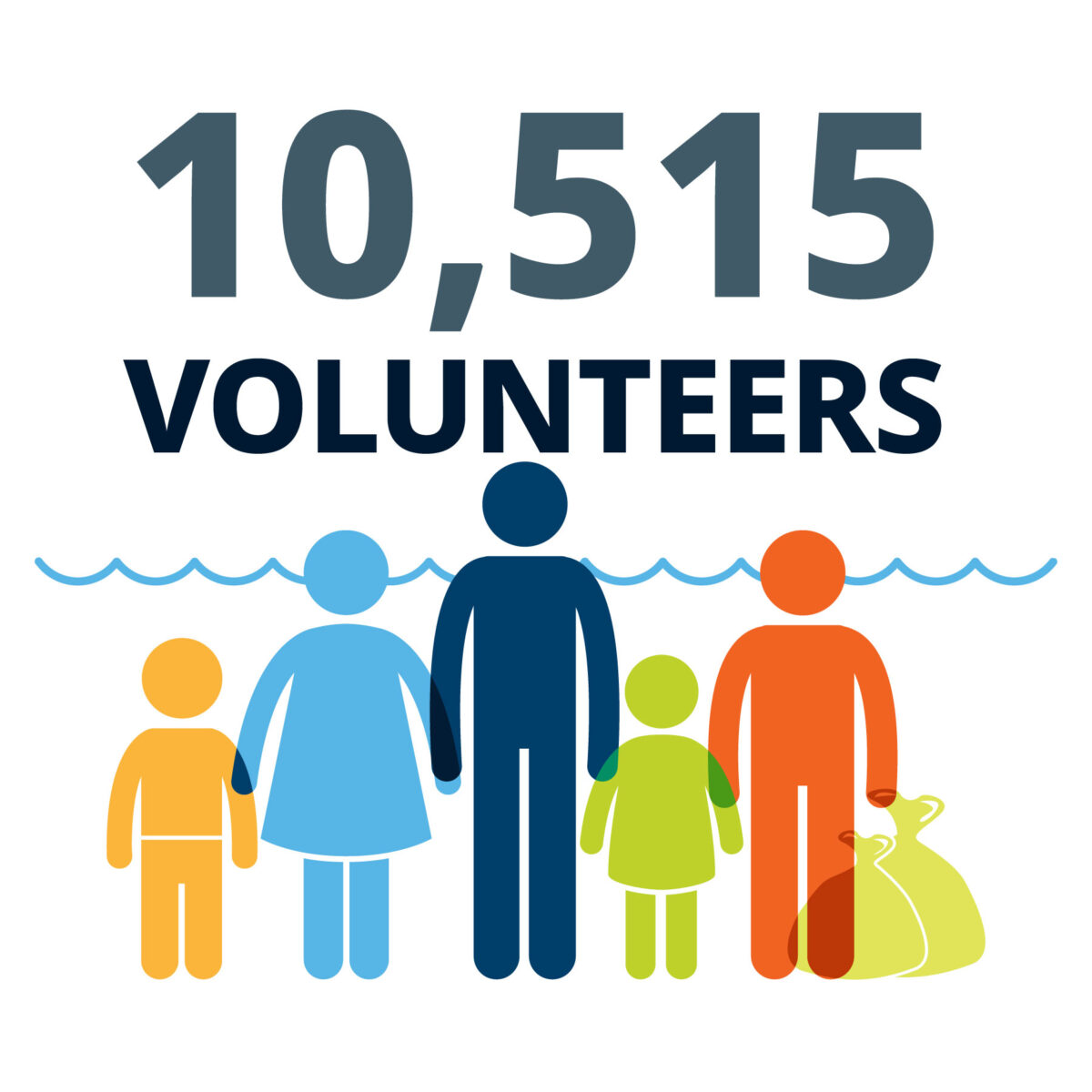
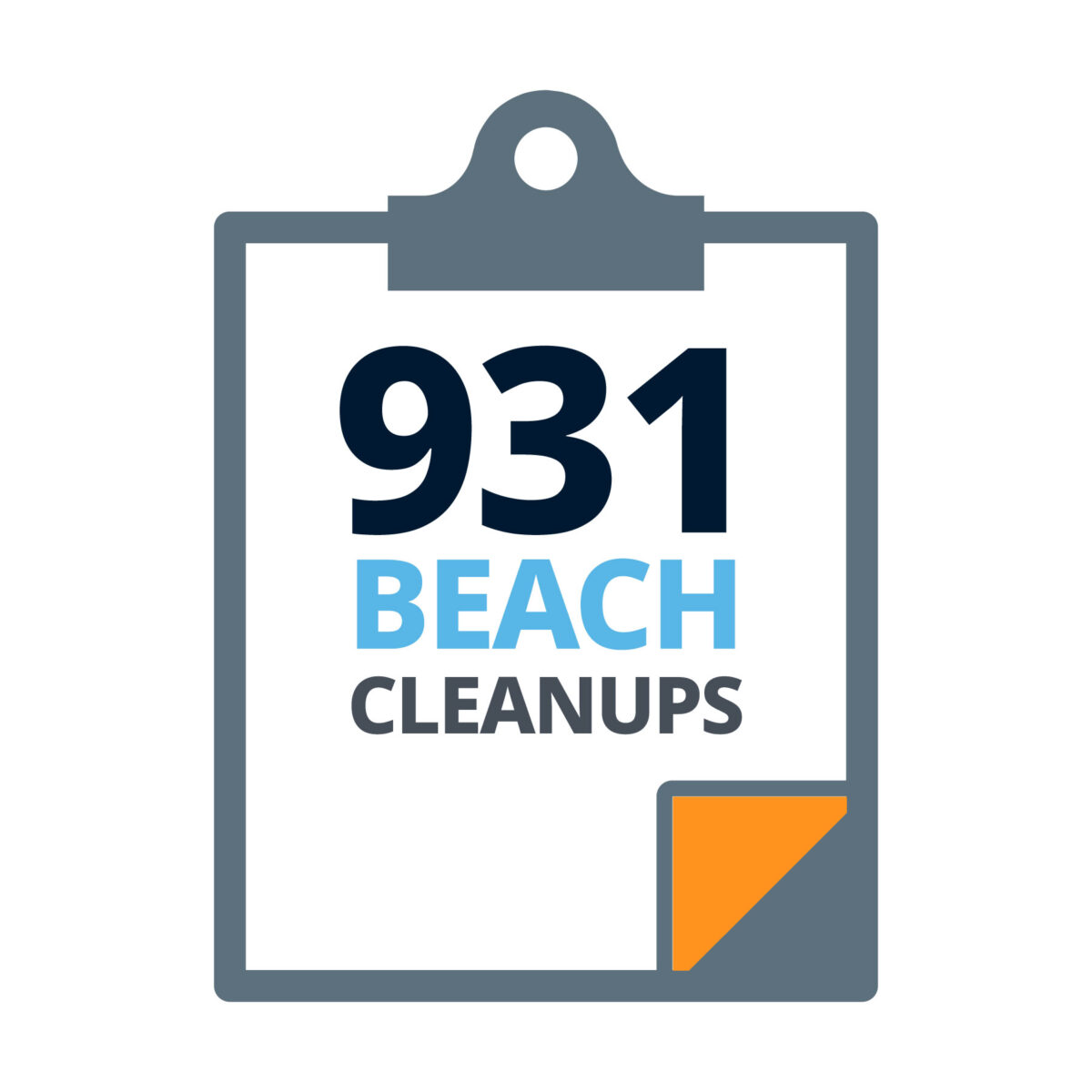
Thank you to all the Adopt-a-Beach Team Leaders and volunteers who cared for their shorelines this year! Here are their totals for 2025:


A special thanks to this year’s top Adopt-a-Beach sponsors: Dr. Scholl Foundation, Freudenberg, HSBC, and Meijer.
The post Adopt-a-Beach Volunteers Make Ripples Beyond the Shoreline appeared first on Alliance for the Great Lakes.
News - Alliance for the Great Lakes
https://greatlakes.org/2025/12/adopt-a-beach-volunteers-make-ripples-beyond-the-shoreline/
Our amazing Adopt-a-Beach volunteers removed 541,750 pieces of litter – more than 23,000 pounds – from Great Lakes beaches, trails, parks, and marinas in 2025! Their work kept more than 11 tons of plastic waste and other litter out of the Great Lakes.
And their work made ripples far beyond the shoreline.
“Each cleanup makes a lasting impact,” says Olivia Reda, the Alliance’s Volunteer Engagement Manager. “The day of the cleanup, volunteers come together and do something positive for their community. After the cleanup is over, the data they collected helps our region for years to come.”
Adopt-a-Beach volunteers tally up the litter they find, adding to a Great Lakes litter dataset the Alliance for the Great Lakes has maintained since 2003. In 2025, the data was used to help students, educators, and policy makers throughout the region.
High school and college students are using Adopt-a-Beach data to learn about plastic pollution and to hone their data analytics skills.
Students aren’t the only ones learning from Adopt-a-Beach. Policymakers are also using the data to learn about plastic pollution, better understand it, and come up with solutions.
“Every time plastics legislation is discussed in the Great Lakes Basin, Adopt-a-Beach data is utilized,” says Andrea Densham, Senior Policy Advisor to the Alliance. “Adopt-a-Beach data is being referenced from city councils to bi-national organizations as they consider robust and forward-thinking policies and strategies to combat plastic pollution.”
Adopt-a-Beach data was cited this year in conversations about plastic pollution at the Great Lakes Legislative Caucus, the National Caucus of Environmental Legislators, and the International Joint Commission. One outcome is a growing movement to monitor the level of microplastics in the Great Lakes and our drinking water.
In the Michigan state house, Adopt-a-Beach data was used in testimony supporting a bill to start monitoring microplastics in Michigan’s lakes and rivers. In Illinois, Adopt-a-Beach data was included in testimony supporting a bill to phase out plastic foam foodware. And in Erie, Pennsylvania, the Environmental Advisory Council’s single‑use plastics subcommittee is combining Adopt-a-Beach data with findings from a city litter study and local survey data for stakeholder conversations about single-use plastics.
Thank you to all the Adopt-a-Beach Team Leaders and volunteers who cared for their shorelines this year! Here are their totals for 2025:


A special thanks to this year’s top Adopt-a-Beach sponsors: Dr. Scholl Foundation, Freudenberg, HSBC, and Meijer.
The post Adopt-a-Beach Volunteers Make Ripples Beyond the Shoreline appeared first on Alliance for the Great Lakes.
News - Alliance for the Great Lakes
https://greatlakes.org/2025/12/adopt-a-beach-volunteers-make-ripples-beyond-the-shoreline/

By Nina Misuraca Ignaczak, Planet Detroit
This article was republished with permission from Planet Detroit. Sign up for Planet Detroit’s weekly newsletter here.
Lead exposure remains a serious health risk in Michigan, but many residents don’t know whether their water system complies with state rules or whether their service line contains lead.
Great Lakes Now
https://www.greatlakesnow.org/2025/12/how-to-check-if-your-michigan-water-system-is-replacing-lead-pipes/
Three U.S. Geological Survey centers in Wisconsin would close under the Trump administration’s plans for changes to the Department of the Interior, ending decades of research on the Great Lakes, Mississippi River and wildlife health. Read the full story by the Milwaukee Journal Sentinel.
Great Lakes Commission
https://www.glc.org/dailynews/20251210-research-center-cuts
The future of the Great Lakes Fishery Commission’s successful sea lamprey control program is unknown amidst funding cuts and signs of the invasive creatures developing pesticide resistance. Read the full story by the Duluth News Tribune.
Great Lakes Commission
https://www.glc.org/dailynews/20251210-invasive-lamprey-comeback
A meteorologist explains the story behind the formation of Great Lakes, which started a billion years ago and involved mid-continental rift formation and ice age glaciers. Read the full story by WHEC-TV – Rochester, NY.
Great Lakes Commission
https://www.glc.org/dailynews/20251210-great-lakes-formation
An iconic, 150-year-old lighthouse sitting on the shores of Lake Michigan was damaged in the massive Thanksgiving storm system that recently slammed Grand Haven, Michigan. Read the full story by MLive.
Great Lakes Commission
https://www.glc.org/dailynews/20251210-damaged-lighthouse
The Palisades Nuclear Plant, a facility that sits on the shore of Lake Michigan, was shut down just two years ago due to financial pressures. As a result of a $400 million federal investment, the plant is now poised to become the first U.S. commercial nuclear power reactor ever to be restarted. Read the full story by the Ottawa News Network.
Great Lakes Commission
https://www.glc.org/dailynews/20251210-nucelar-plant-restart
Wisconsin’s wetland development program is in serious trouble, just as similar programs are in other Great Lakes states. Legislation safeguarding surface waters is eroding and the importance of local, preventive action has never been greater. Read the full story by Great Lakes Now.
Great Lakes Commission
https://www.glc.org/dailynews/20251210-wetland-protection
Michigan’s abundant water has turned into a cash cow for private bottled water companies who are making large profits off publicly owned water, while paying next to nothing for water extraction. Read the full story by Bridge Michigan.
Great Lakes Commission
https://www.glc.org/dailynews/20251210-water-company-profits
To combat the population loss of spectaclecase mussels, which are native to parts of the Great Lakes basin and some tributaries connected to the Great Lakes watershed, researchers with both the Minnesota and the Wisconsin Department of Natural Resources released over 177 mussels into the Chippewa River in Northwest Wisconsin. Read the full story by Great Lakes Echo.
Great Lakes Commission
https://www.glc.org/dailynews/20251210-mussel-reintroduction

Ben Peterson. Submitted photo.
Mercury is a dangerous neurotoxin that can be found in high concentrations in fish across the globe. Surprisingly, mercury levels in the environment are quite low compared to other forms of pollution. However, microorganisms in the environment can convert the mercury that is released into the environment into another form of mercury called methylmercury. This methylmercury form is capable of two processes called bioaccumulation and biomagnification that lead to high, often toxic, concentrations in fish.
This research focuses on understanding these microorganisms: Who are they? Where do they live? What do they eat? Why do they make mercury more toxic? This research was conducted in a wide range of environments, from the Great Lakes down to test tubes in the laboratory.
Join Ben Peterson, an assistant professor in the School of Freshwater Sciences at the University of Wisconsin−Milwaukee, for a look into his research that uses microbes as a window into understanding how contaminants impact aquatic ecosystems and human health.
Learn more about Peterson and his work.
Questions? Contact Anne Moser or Ginny Carlton.
The post Join us for Students Ask Scientists on January 14 first appeared on Wisconsin Sea Grant.News Releases | Wisconsin Sea Grant
News Releases | Wisconsin Sea Grant
https://www.seagrant.wisc.edu/news/join-us-for-students-ask-scientists-on-january-14/
We're Breaking Ground in Brothertown! streambank restoration work begins on Brothertown Creek Partners gathered along Brothertown Creek this week to mark the start of a major streambank restoration effort on one of the creek’s most eroded sections near Brothertown Harbor. Supported by the Great Lakes Restoration Initiative, this [...]
The post We’re Breaking Ground in Brothertown! Brothertown Creek Streambank Restoration Begins appeared first on Fox-Wolf Watershed Alliance.
Fox-Wolf Watershed Alliance
https://fwwa.org/2025/12/09/were-breaking-ground-in-brothertown-brothertown-creek-streambank-restoration-begins/?utm_source=rss&utm_medium=rss&utm_campaign=were-breaking-ground-in-brothertown-brothertown-creek-streambank-restoration-begins

By Christian Thorsberg, Circle of Blue
The Great Lakes News Collaborative includes Bridge Michigan, Circle of Blue, Great Lakes Now at Detroit PBS, Michigan Public and The Narwhal who work together to bring audiences news and information about the impact of climate change, pollution, and aging infrastructure on the Great Lakes and drinking water.
Great Lakes Now
https://www.greatlakesnow.org/2025/12/the-next-deluge-may-go-differently/
By Ada Tussing
To combat the population loss of spectaclecase mussels, researchers with both the Minnesota and the Wisconsin Department of Natural Resources released over 177 mussels into the Chippewa River in Northwest Wisconsin.
The post Endangered spectaclecase mussels reintroduced into the Chippewa River first appeared on Great Lakes Echo.Great Lakes Echo
https://greatlakesecho.org/2025/12/09/endangered-spectaclecase-mussels-reintroduced-into-the-chippewa-river/
Michigan’s Governor Whitmer and six other governors have signed a petition urging the U.S. Environmental Protection Agency to monitor and collect data on microplastics. Read the full story by Michigan Public.
Great Lakes Commission
https://www.glc.org/dailynews/20251208-microplastics-petition
This year’s harmful algae bloom in western Lake Erie was among the mildest in a decade, but the improvement may owe more to favorable weather conditions than fundamental reductions in regional nutrient pollution from agriculture. Read the full story by MLive.
Great Lakes Commission
https://www.glc.org/dailynews/20251208-erie-bloom
Last winter, a small buoy off Muskegon, Michigan, broke free from its mooring. Tracking temperature and wave height, it collected data scientists have chased for years: real-time measurements of what happens in the open water far from shore. Read the full story by the Milwaukee Journal Sentinel.
Great Lakes Commission
https://www.glc.org/dailynews/20251208-runaway-buoy
Officials from Ogdensburg, New York, are urging federal lawmakers to support a multi-year eradication program targeting invasive water chestnut in the St. Lawrence and Oswegatchie rivers. Read the full story by North Country Now.
Great Lakes Commission
https://www.glc.org/dailynews/20251208-water-chestnut
Ohio state wildlife officials say thousands of juvenile lake sturgeon were released in four Ohio rivers this year, including the Cuyahoga, as part of an effort to rebuild the endangered species. Read the full story by WEWS-TV – Cleveland, OH.
Great Lakes Commission
https://www.glc.org/dailynews/20251208-sturgeon-release
The Niagara Falls Storage Site received an additional $3 million from cost-recovery settlements to support ongoing cleanup of contaminated soil and groundwater around its radioactive waste containment structure. The current phase of cleanup is expected to finish in April. Read the full story by Niagara-Gazette.
Great Lakes Commission
https://www.glc.org/dailynews/20251208-niagara-cleanup
The town of Ogden Dunes, Indiana, said it’s abandoning a project to build a stone barrier in Lake Michigan to protect homes from erosion. This comes after a nearly two-year legal battle with the environmental group Save the Dunes. Read the full story by Indiana Public Broadcasting.
Great Lakes Commission
https://www.glc.org/dailynews/20251208-erosion-barrier
The ruins of a 19th-century Lake Michigan pier south of Kewaunee, Wisconsin, have joined the Wisconsin State Register of Historic Places. The remains of Sandy Bay Pier represent how commercial port complexes grew around rural economies along the lakeshore. Read the full story by the Green Bay Press Gazette.
Great Lakes Commission
https://www.glc.org/dailynews/20251208-historic-pier
A North East, Pennsylvania resident created an art piece from litter found along the shores of Lake Erie. The 22-by-37-inch piece, titled “Lake Erie Leftovers,” was made from items like toys, golf balls, and lighters. Read the full story by the Erie Times-News.
Great Lakes Commission
https://www.glc.org/dailynews/20251208-trash-art
An author walked along the coast of Lake Michigan 63 miles from Chicago’s North Side to Indiana Dunes and lived to write a book about it. Read the full story by The Times of Northwest Indiana.
Great Lakes Commission
https://www.glc.org/dailynews/20251208-lake-walk-book
NCEI News Feed
https://www.ncei.noaa.gov/news/national-climate-202511
NCEI News Feed
https://www.ncei.noaa.gov/news/national-climate-202511
NCEI News Feed
https://www.ncei.noaa.gov/news/national-climate-202511
NCEI News Feed
https://www.ncei.noaa.gov/news/national-climate-202511
NCEI News Feed
https://www.ncei.noaa.gov/news/national-climate-202511
NCEI News Feed
https://www.ncei.noaa.gov/news/national-climate-202511
NCEI News Feed
https://www.ncei.noaa.gov/news/national-climate-202511
NCEI News Feed
https://www.ncei.noaa.gov/news/national-climate-202511
NCEI News Feed
https://www.ncei.noaa.gov/news/national-climate-202511
NCEI News Feed
https://www.ncei.noaa.gov/news/national-climate-202511
NCEI News Feed
https://www.ncei.noaa.gov/news/national-climate-202511
NCEI News Feed
https://www.ncei.noaa.gov/news/national-climate-202511
NCEI News Feed
https://www.ncei.noaa.gov/news/national-climate-202511