2019-20 Great Lakes Commission Annual Report
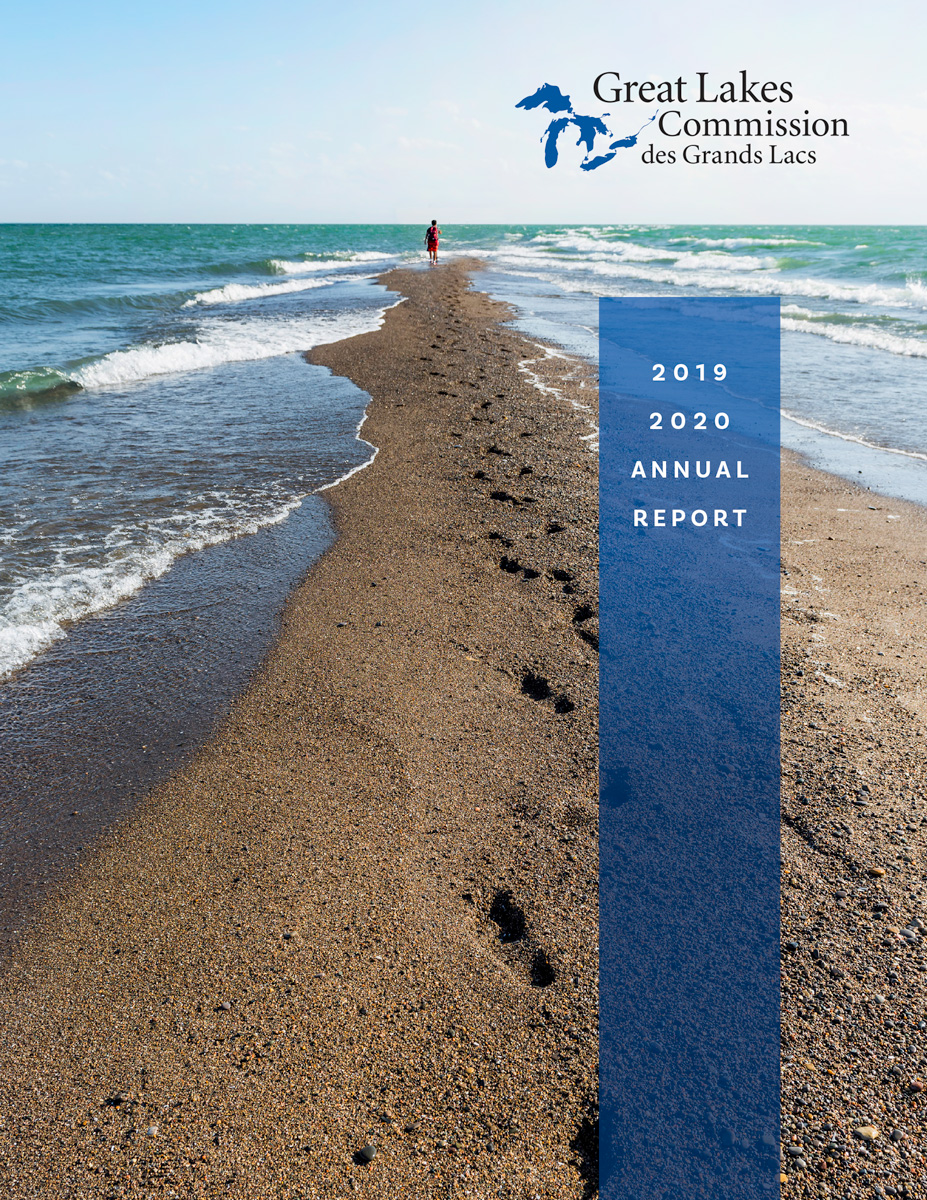
The 2019-20 Great Lakes Commission Annual Report includes remarks from Chair Sharon Jackson and Interim Executive Director Erika Jensen. The Commission’s annual reports traditionally include remarks from our chair and executive director as well as information regarding revenues, expenses, and commissioners.
Download PDF | Published May 2021


Original Article

Great Lakes Commission

Great Lakes Commission

https://www.glc.org/library/2019-20-glc-annual-report
Laura Andrews

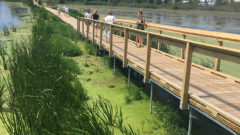
Great Lakes trails become friendlier for users with disabilities

This article was republished here with permission from Great Lakes Echo.

By Jim DuFresne, Great Lakes Echo

At some point in our lives, we all can use a little help down the trail — aging baby boomers, a toddler, a parent pushing a stroller, an expectant mother, somebody who walks with a cane, somebody else who suffers from asthma.

Read Now at Great Lakes Now.

Original Article

Great Lakes Now

Great Lakes Now

https://www.greatlakesnow.org/2021/05/great-lakes-trails-friendlier-disabilities/

Great Lakes Echo

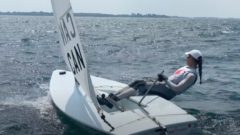
Sarah Douglas: From Lake Ontario to the Tokyo Olympics

Canada has nine sailors heading to the Olympics, six of which hail from the Great Lakes. Sarah Douglas is one of them.

“I’m excited, you know, I’m trying to treat it like any other competition,” Douglas said, “I think with the restrictions that we have, it’s going to be easier, the less distractions, but I’m just going out there to race.”

Douglas, a Toronto native who grew up in Barbados, will be competing in the Laser class in the 2020 Tokyo Olympics.

Read Now at Great Lakes Now.

Original Article

Great Lakes Now

Great Lakes Now

https://www.greatlakesnow.org/2021/05/douglas-lake-ontario-tokyo-olympics/

GLN Editor

...SIGNIFICANT WEATHER ADVISORY FOR SOUTHEASTERN WOOD...NORTHWESTERN BROWN...PORTAGE...EASTERN MARATHON...SOUTHERN MARINETTE... MENOMINEE...WAUPACA...OCONTO...NORTHWESTERN OUTAGAMIE...SOUTHERN LANGLADE AND SHAWANO COUNTIES UNTIL 800 PM CDT... At 653 PM CDT, Doppler radar was tracking strong thunderstorms along a line extending from 7 miles southwest of Antigo to Wittenberg to

Original Article

Current Watches, Warnings and Advisories for Brown (WIC009) Wisconsin Issued by the National Weather Service

Current Watches, Warnings and Advisories for Brown (WIC009) Wisconsin Issued by the National Weather Service

https://alerts.weather.gov/cap/wwacapget.php?x=WI1261A12D68C8.SpecialWeatherStatement.1261A1393A90WI.GRBSPSGRB.8f818784d021d951be537fbb8c450382

w-nws.webmaster@noaa.gov

Open Doors: Great Lakes tourist destinations make 2021 a new start

A little more than a year ago the nation’s media outlets, including Great Lakes Now, were reporting on the widespread closures and restrictions being enacted across Great Lakes states. There were complete or partial closures and restrictions at nearly all public parks, preserves and other lakes-related facilities. Bars, restaurants and many stores and businesses were locking their doors.

Read Now at Great Lakes Now.

Original Article

Great Lakes Now

Great Lakes Now

https://www.greatlakesnow.org/2021/05/great-lakes-tourism-recreation-covid-19-2021/

James Proffitt

Environmental advocates are urging Detroit, Michigan’s City Council to take action on an ordinance that aims to safeguard the Detroit River by imposing stricter rules for companies operating along the waterway. Read the full story by The Detroit News.

Original Article

Great Lakes Commission

Great Lakes Commission

https://www.glc.org/dailynews/20210525-detroit-river

Jill Estrada

The New York State Department of Environmental Conservation (DEC) and Syracuse-based Great Lakes Research Consortium (GLRC) announced $121,741 in grant awards for five research projects that will help restore and protect the health of New York’s Great Lakes and surrounding communities, including one project led by Clarkson Assistant Biology Professor Andrew David. Read the full story by Finger Lakes 1 News.

Original Article

Great Lakes Commission

Great Lakes Commission

https://www.glc.org/dailynews/20210525-dec-funding

Jill Estrada

More fishing trips could cause more damage to native fish populations in the Canadian portion of the Great Lakes than aquatic invasive species, according to a recent study.

The post New anglers could depress Great Lakes fish populations more than invasive species first appeared on Great Lakes Echo.

Original Article

Great Lakes Echo

Great Lakes Echo

http://greatlakesecho.org/2021/05/25/new-anglers-could-depress-great-lakes-fish-populations-more-than-invasive-species/

Guest Contributor

Tapped Out: Power, justice and water in the West

On the West side of the United States, residents are seeing problems crop up in their waters. Great Lakes region residents will find those issues familiar.

Read Now at Great Lakes Now.

Original Article

Great Lakes Now

Great Lakes Now

https://www.greatlakesnow.org/2021/05/tapped-out-power-justice-water-west/

GLN Editor

It has been estimated that it would cost nearly US$20 million for all farms in Ohio that feed Lake Erie to reduce their nutrient pollution by 30 per cent. The benefits of a cleaner lake, meanwhile, would only recoup about half that amount. However, there’s something missing from that calculation – and it has major implications for protecting local waterways all over the world.. Read the full story by CTV News.

Original Article

Great Lakes Commission

Great Lakes Commission

https://www.glc.org/dailynews/20210524-global

Beth Wanamaker

As part of spring and fall migration, hundreds of thousands of hawks and other birds of prey follow a flight path over the Great Lakes, where wind, water and our state’s unique geography converge to create hot spots over which these birds fly in droves. Read the full story by MLive.

Original Article

Great Lakes Commission

Great Lakes Commission

https://www.glc.org/dailynews/20210524-birds

Beth Wanamaker

Our region is home to more than 20 percent of the world’s surface fresh water, including Lake Erie and the other Great Lakes. Our region also offers exceptional economic opportunity, with an economy that generates about $6 trillion annually. Read the full story by the Plain Dealer.

Original Article

Great Lakes Commission

Great Lakes Commission

https://www.glc.org/dailynews/20210524-cleve

Beth Wanamaker

For anglers journeying to Lake Erie, walleye and yellow perch long have been main drivers of their efforts. Yet for reasons largely mysterious walleye currently are booming, and yellow perch seem to be going bust. Read the full story by the Columbus Dispatch.

Original Article

Great Lakes Commission

Great Lakes Commission

https://www.glc.org/dailynews/20210524-walleye

Beth Wanamaker

A new study involves placing transmitters on hen mallards in the Great Lakes region. The tracking devices will allow researchers to document hen movements and habitat use, estimate the number that return to the same breeding, staging and wintering areas and estimate survival and productivity rates. Some Great Lakes states have shown declines in mallard populations in recent years. Read the full story by Milwaukee Journal Sentinel.

Original Article

Great Lakes Commission

Great Lakes Commission

https://www.glc.org/dailynews/20210524-duck

Beth Wanamaker

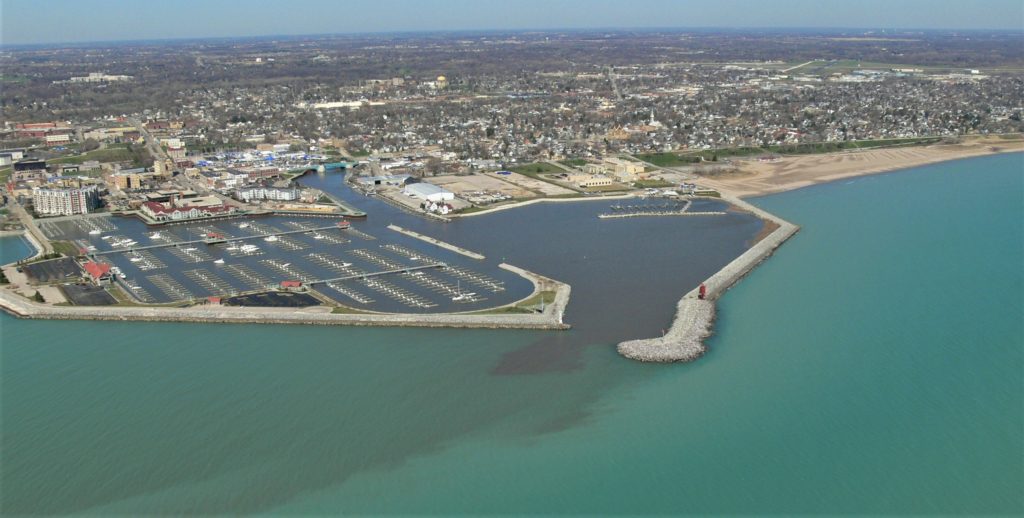
The North Beach area in Racine features several coastal engineering structures and a popular beach that will offer learning opportunities for middle-school students in the community. Image credit: David Mickelson, Wisconsin Coastal Management Program

When Adam Bechle, Wisconsin Sea Grant’s coastal engineering outreach specialist, was growing up in Green Bay, he did not feel connected to Lake Michigan. When he visited the shore during rare school field trips, he enjoyed the outings but there was no one who could tell him how waves worked or why the dike he was sitting on was built.

So, when Sea Grant senior special librarian and education coordinator, Anne Moser, approached Bechle about a project designed to connect middle-school students to their watershed by exploring coastal engineering concepts, he thought it was a great opportunity.

The two wrote a proposal to the Great Lakes Region Bay Watershed Education and Training (B-WET) program, through the National Oceanic and Atmospheric Administration, which funds projects that encourage “meaningful watershed educational experiences” for K-12 students and their teachers. Their 17-month pilot project, “Coastal Engineering Education: People, Place and Practice,” was funded through a competitive process and begins soon.

Moser said their Great Lakes B-WET project is unique. “This place-based approach to watershed learning is innovative in its use of coastal engineering as an educational framework to engage students. The other thing that struck the funders was that the project is focused not only on the place and the practice of coastal engineering, but also on the people. It was important for us to include career pathways that introduce students to a variety of coastal engineering, green infrastructure and healthy beach management careers.”

Bechle and Moser plan to work with seventh-grade students and at least four teachers in the Racine Unified School District. Bechle explained that they chose Racine for several reasons. “Racine got hit by a big storm in January of 2020 that did a lot of damage on the lakefront, plus high water levels have been causing problems at North Beach. It’s being inundated frequently and there’s standing water at times. So, there’s ongoing engineering work happening there. We also have a good relationship with the city of Racine, specifically, their public health department. They’ve done great work to bring their beaches up to outstanding water quality and have nature-based features that help with filtering stormwater.”

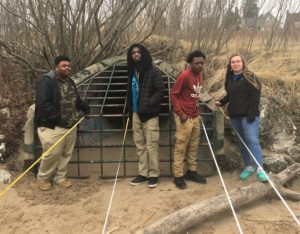
Crew leaders and a crew supervisor (right) with the Great Lakes Community Conservation Corps measure the width of North Beach. Image credit: Anne Moser

Also in Racine is Chris Litzau, president of the Great Lakes Community Conservation Corps (CCC), an organization that trains and educates disadvantaged populations in Racine with outdoor projects reminiscent of those conducted by the original Civilian Conservation Corps in the 1930s. Litzau’s group has been working with seventh graders in Racine over the past five years on a healthy beaches project on North Beach. The wide sandy beach can average over 1,000 visitors per month during summer. Numerous rock breakwaters, jetties and revetments lie south of the beach and offer examples of erosion and sediment movement.

The new project is multi-faceted and also involves Sea Grant staffers Natalie Chin and Ginny Carlson. In a nutshell, the team will meet with the school district to discuss its needs, create a five-lesson coastal engineering curriculum, bring the curriculum to teachers and to Great Lakes CCC crew leaders through workshops so that they can then teach their students, and work with the students to develop North Beach stewardship projects that use coastal engineering practices. Throughout the project, the students will also have the chance to be mentored by working engineers and other professionals who reflect the rich diversity of their community.

After evaluating how the project proceeds and is received, Bechle and Moser will make the curriculum available for use in other locations and school districts around the Great Lakes through the Center for Great Lakes Literacy. The Great Lakes CCC will be able to absorb the lesson into their regular programming.

Moser expects some challenges in developing the project curriculum. “We really have to start from scratch,” she said. “We need to pick Adam’s brain and take all the great work he’s done and somehow figure out how to engage the kids in a pretty technical field. It’s an exciting opportunity.”

What might the beach stewardship projects entail? Bechle said students could help with protecting fragile dune systems, reducing stormwater runoff, or even by developing social media campaigns to share the issues they learn about through the project. “There’s plenty of ideas where we can connect kids to the beach,” he said.

Readers who are connected to the engineering field and are interested in helping the project can contact Anne Moser. She said they are looking for mentors from Racine, Kenosha or even Milwaukee.

The post Unique costal engineering education pilot project coming to Racine first appeared on Wisconsin Sea Grant.

Original Article

News Releases – Wisconsin Sea Grant

News Releases – Wisconsin Sea Grant

https://www.seagrant.wisc.edu/news/unique-costal-engineering-education-pilot-project-coming-to-racine/

Marie Zhuikov

An Ontario shipping company has agreed to pay a $500,000 fine and to implement an environmental compliance program after accepting responsibility for the illegal dumping of 11,887 gallons of oily bilge water into Lake Ontario.

The post Canadian shipping company fined for dumping oily bilge water into Lake Ontario first appeared on Great Lakes Echo.

Original Article

Great Lakes Echo

Great Lakes Echo

http://greatlakesecho.org/2021/05/24/canadian-shipping-company-fined-for-dumping-oily-bilge-water-into-lake-ontario/

Eric Freedman

THIS WEEK: Feasibility Study Started for a Spaceport on Lake Superior Shores + Open Public Comment Period on Pollution Status of the Ashtabula River + First Nation Request for Herbicide Ban Gets Support from Green Party in Canada + Dr. Al Gredicks Calls for Greater Dam Safety and More Inspections + Plastics Found in Great Lakes, Our Food, and Us


Feasibility Study Started for a Spaceport on Lake Superior Shores

A proposed rocket launching site on the shores of Lake Superior has raised many questions.  A community group, Citizens for a Safe and Clean Lake Superior, recently organized to address the potential impact on the environment and community.  Not only is the project site on the shores of Lake Superior, it is home to the Granot Loma Lodge which is on the National Register of Historic places. 


Open Public Comment Period on Pollution Status of the Ashtabula River

The Ashtabula River, once a very polluted river, is recovering due to years of restoration efforts.  State and federal agencies are now requesting input on whether to remove the polluted status of the River, also called delisting.  Freshwater Future recognizes the work of the Ashtabula River Advisory Council for their progress on restoring the habitat. The public comment period regarding the status of the Ashtabula River is open until June 6th.  


Dr. Al Gredicks Calls for Greater Dam Safety and More Inspections

Dam safety is a major concern in the Great Lakes Region. Please take a moment and watch this 5-minute video that discusses dam safety in Wisconsin and Michigan and why state and federal funding for dam safety and infrastructure needs to be a priority.


First Nation Request for Herbicide Ban Gets Support from Green Party in Canada

First Nation leaders and environmental advocates in Canada are pushing for provincial and local governments to ban the herbicide glyphosate used widely in agriculture and forestry. Fredericton Green MP Jenica Atwin is now proposing legislation that would make it illegal to manufacture, possess, distribute, or use this herbicide.


Micro-Plastics Found in Great Lakes, Our Food, and Us

Great Lakes beach cleanup volunteers have estimated that nearly 85% of the trash collected is plastic and researchers believe a staggering 22 million pounds of plastic debris winds up in the Great Lakes each year. Much of this plastic is ground into microscopic particles that are ingested by fish, and in turn, consumed by humans. Micro-plastics are also showing up in our tap water and beverages such as beer, highlighting the urgent need for alternatives to single-use plastics. Listen to the full podcast here on All Things Considered, Morning Edition.

Original Article

Blog – Freshwater Future

Blog – Freshwater Future

https://freshwaterfuture.org/freshwater-weekly/freshwater-weekly-may-21-2021/

Freshwater Future

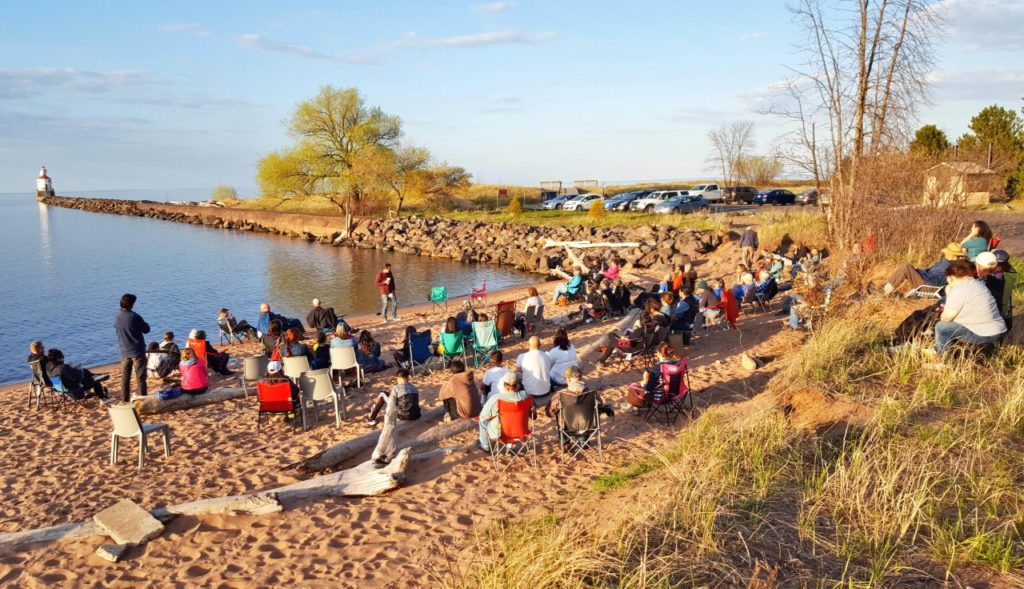
People gathered on Wisconsin Point to learn about the Ojibwe history of the area. Image credit: Michael Anderson

With the cool blue of Lake Superior and soft sloshing waves as a background, The River Talks season ended on a Wisconsin Point beach after a year of virtual presentations. Thomas Howes, natural resources manager with the Fond du Lac Band of Lake Superior Chippewa presented, “Ojibwe connection to Wisconsin Point: Past, present and future,” to an audience of about 75, who enjoyed a warm evening.

Howes said the circumstances that brought the Ojibwe to Wisconsin Point were complicated. “This place has been important to who we are as Fond du Lac people, but also this region was important to expansion of trade. You couldn’t get to the Mississippi River very easily in those days. This was Highway 35 back then. All the goods coming from out East came through the lake, through here and up the river,” he said.

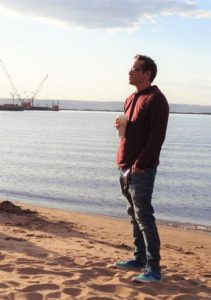
Thomas Howes. Image credit: Marie Zhuikov, Wisconsin Sea Grant

Howes described how the Ojibwe fought with the Dakota people over this area because of its strategic location. White settlers and business owners also coveted Wisconsin Point. According to the “Duluth News Tribune,” the federal government owned the end of the point since 1901, when it condemned nearly 45 acres. In 1918, the Ojibwe lost more land on the point in a legal dispute with the Interstate Railroad Co., when a small village was forcibly moved and a nearby Ojibwe burial ground was bulldozed, with remains reburied at a Superior cemetery.

“A lot of painful things happened here,” Howes said. “A lot of beautiful things, too. This place is taking care of us. All of us who are from here, it’s all part of you. All the fish that came from here, all the berries, maple syrup, manoomin, all that is part of us.”

Thirteen acres at the end of the point where the Superior Entry connects the harbor with Lake Superior, became available when the U.S. Army declared it surplus property in 2002. Howes said the tribe received the property in 2017. It includes structures previously used by the University of Wisconsin-Superior as research facilities and by the Coast Guard.

“It needs some work. The whole area just needs some love. It’s overrun and has way too many chain-link fences. There’s a lot of opportunity there. It’s a huge thing to regain that territory; it’s symbolic,” Howes said.

He recently completed a project for his master’s degree at the University of Minnesota Duluth where he developed a stewardship plan for the 13-acre parcel. When asked what ideas are in his plan he joked, “There won’t be any casinos!” But he did mention development of some sort of visitation center, efforts to manage invasive plants and to restore the ecology. He said he has handed the plan over to the tribal government for consideration.

His plan’s main goal is for the area to remain intact and natural. “The fact that it’s stayed this way is pretty amazing,” Howes said.

He also thinks the tribe should own the Ojibwe Cemetery land so that it can protect it. He cited a recent incident where people involved in a medallion hunt dug in the burial grounds while on their search.

He also said the band is interested in having “the area from the lake all the way up the river to the reservation to be considered a cultural corridor. Because it is. When there are undertakings that are significant, they should be monitored for archeological resources and reasons. This is a really rich region archeologically and it should be respected.”

The River Talks series will be taking a break for the summer. Look for talks to begin again in fall. To receive email notifications about the series, please contact organizer Marie Zhuikov at mzhuikov@aqua.wisc.edu.

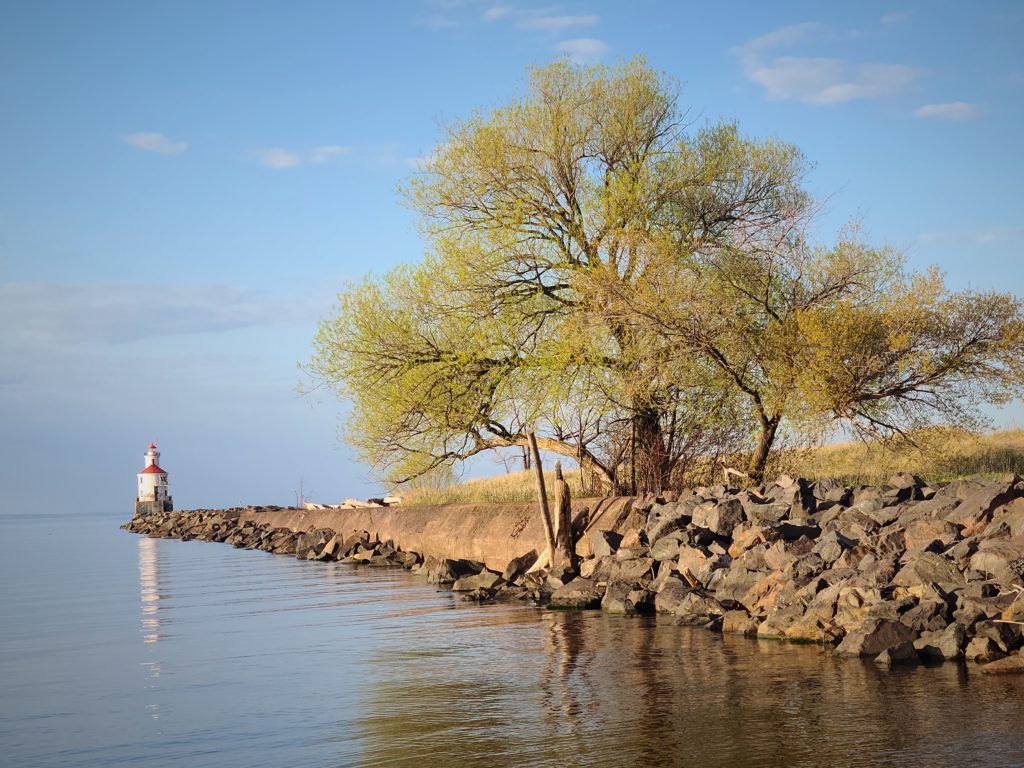
The lighthouse on Wisconsin Point. Image credit: Marie Zhuikov, Wisconsin Sea Grant

The post Ojibwe history on Wisconsin Point is complicated, painful, beautiful first appeared on Wisconsin Sea Grant.

Original Article

Blog – Wisconsin Sea Grant

Blog – Wisconsin Sea Grant

https://www.seagrant.wisc.edu/blog/ojibwe-history-on-wisconsin-point-is-complicated-painful-beautiful/

Marie Zhuikov

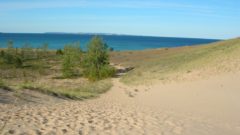
Challengers to dune development win appeal at top court

SAUGATUCK, Mich. (AP) — A plan to turn a former church camp into luxury homes in a sand dune area near Lake Michigan can be challenged by some neighbors, the Michigan Supreme Court said Thursday.

After objections arose, the developer sold some land to create a buffer between the project and critics.

Read Now at Great Lakes Now.

Original Article

Great Lakes Now

Great Lakes Now

https://www.greatlakesnow.org/2021/05/challengers-to-dune-development-win-appeal-at-top-court/

The Associated Press

Despite the cataclysmic effects the pandemic had on Michigan’s county fair events in 2020, most are expected to take place this year, at least in some form.

The post Despite last year’s cancellations, county fairs are coming back in Michigan first appeared on Great Lakes Echo.

Original Article

Great Lakes Echo

Great Lakes Echo

http://greatlakesecho.org/2021/05/21/despite-last-years-cancellations-county-fairs-are-coming-back-in-michigan/

Guest Contributor

Drinking Water Roundup: 3M sues Michigan, hackers infiltrate Pennsylvania water systems, millions invested in Illinois and Ohio

From lead pipes to PFAS, drinking water contamination is a major issue plaguing cities and towns all around the Great Lakes. Cleaning up contaminants and providing safe water to everyone is an ongoing public health struggle.

Keep up with drinking water-related developments in the Great Lakes area.

Click on the headline to read the full story:

Illinois:

  • Illinois American Water Investing over $2.7 Million in Pontiac Water System – Business Wire

Illinois American Water is investing over $2.7 million to upgrade the Pontiac area water system.

Read Now at Great Lakes Now.

Original Article

Great Lakes Now

Great Lakes Now

https://www.greatlakesnow.org/2021/05/drinking-water-michigan-hackers-pennsylvania-water-systems-illinois-ohio/

Rachel Duckett

Protected areas cover a sixth of Earth’s land and freshwater

WASHINGTON (AP) — Roughly a sixth of the planet’s land and freshwater area now lies within protected or conservation areas, according to a United Nations report released Wednesday.

Next comes the hard part. The world needs to ensure that those regions are actually effectively managed to stabilize the climate and to curb biodiversity loss while also increasing the total area of protected places, scientists say.

Read Now at Great Lakes Now.

Original Article

Great Lakes Now

Great Lakes Now

https://www.greatlakesnow.org/2021/05/ap-protected-areas-sixth-earth-land-freshwater/

The Associated Press

An effort is underway to improve the access to one of the top fisheries in Pennsylvania. Senator Dan Laughlin, a Republican from Erie, is proposing to double the size of the marina on Walnut Creek on Lake Erie. Read the full story by the Erie Times-News.

Original Article

Great Lakes Commission

Great Lakes Commission

https://www.glc.org/dailynews/20210520-erie-access

Ken Gibbons

A group of property owners along the flood-prone Lake Erie shoreline — on Erie Shore Drive — say they’ve taken legal action against the Municipality of Chatham-Kent. The group argues that the town has breached its obligations under Ontario’s Drainage Act, resulting in members paying the costs for shoreline protections. Read the full story by CBC.

Original Article

Great Lakes Commission

Great Lakes Commission

https://www.glc.org/dailynews/20210520-erie-shore

Ken Gibbons

Checking its data through early May, the National Oceanic and Atmospheric Administration and the National Center for Water Quality Research at Heidelberg University in Tiffin, Ohio, agreed the dry spring in the Northwest Ohio region could result in a smaller harmful algal bloom (HAB) forecast for Lake Erie during the late summer months, prime time for HABs to flourish. Read the full story by The Beacon.

Original Article

Great Lakes Commission

Great Lakes Commission

https://www.glc.org/dailynews/20210520-erie-bloom

Ken Gibbons

The Southwest Michigan Land Conservancy announced that it has been awarded grant funding to acquire property for a new nature preserve outside of Downtown Allegan. $1 million of Kalamazoo River Natural Resources Damages Assessment settlement funds will be used to purchase 140 acres of property along the west bank of the Kalamazoo River. Read the full story by WNWN- Battle Creek, MI.

Original Article

Great Lakes Commission

Great Lakes Commission

https://www.glc.org/dailynews/20210520-allegan

Ken Gibbons

The SS Badger prepares for its first voyage across Lake Michigan under new ownership. The new ownership will have to learn the ins and outs of the vessel and navigate challenges presented by COVID-19. Read the full story by Ludington Daily News.

Original Article

Great Lakes Commission

Great Lakes Commission

https://www.glc.org/dailynews/20210520-badger

Ken Gibbons

The mediator in the dispute between Enbridge Inc. and the State of Michigan over the controversial Line 5 pipeline says the two sides plan to keep talking. Retired U.S. district court judge Gerald Rosen, who was appointed in March to oversee the talks, says the parties discussed a “range of issues” when they met Tuesday. Read the full story by The Canadian Press.

Original Article

Great Lakes Commission

Great Lakes Commission

https://www.glc.org/dailynews/20210520-line5

Ken Gibbons

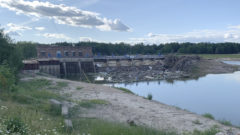
Michigan lawmakers on Wednesday proposed spending $500 million to repair aging dams a year after a hydroelectric dam failed to hold back floodwaters in the Midland area, causing more than $250 million in damage, draining lakes and forcing thousands of residents to evacuate their homes. Read the full story by Crain’s Detroit Business.

Original Article

Great Lakes Commission

Great Lakes Commission

https://www.glc.org/dailynews/20210520-dam-repair

Ken Gibbons

Michigan lawmakers on Wednesday proposed spending $500 million to repair aging dams a year after a hydroelectric dam failed to hold back floodwaters in the Midland area, causing more than $250 million in damage, draining lakes and forcing thousands of residents to evacuate their homes. Read the full story by Crain’s Detroit Business.

Original Article

Great Lakes Commission

Great Lakes Commission

https://www.glc.org/dailynews/20210520-dam-repair

Ken Gibbons

There are three current funding opportunities through the University of Wisconsin Water Resources Institute (WRI), each with a deadline to apply of 5 p.m., CST, Tuesday, June 15. Any interested Wisconsin investigator is urged to contact Melissa Boyce, maboyce@aqua.wisc.edu, as soon as possible for submittal guidance through WRI’s online proposal system. Boyce is WRI’s chief financial officer.

Grant proposals in these national calls are being accepted that would address local, state and regional water challenges. Each proposal would provide funding for one to three years and up to a level of $250,000. Successful applicants must match each dollar of the federal grant with one dollar from non-federal sources. The government’s obligation under this grant program is contingent upon the availability of funds. Proposals involving substantial collaboration between the U.S. Geological Survey and university scientists are encouraged. Details on the three open calls are:

  1. Proposals are sought on the topics of improving and enhancing the nation’s water supply and availability, and promoting the exploration of new ideas that address or expand our understanding of water problems, including the following specific areas of inquiry (levels of priority are not assigned, and the order of listing does not indicate the level of priority):

Socioeconomics and water use – includes the development of water use models that require understanding of what drives the timing and location of water being withdrawn and used and how those relations change when climate impacts the use or conservation/management strategies (culture/societal/economics) are implemented.

Water related hazards and public health – exploration of the intersections of land/water use, disease vector mechanisms, and water hazards, climate change, and/or irrigation practices. Research may include advancing our understand of these connections as they affect the development rates of pathogens impacting public health.

Exploration and advancement of our understanding of harmful algae blooms (HABs) -Proposals are sought that focus on innovations in monitoring the occurrence of HABs and algal toxins, research on factors that result in algal toxin production, and improvements in near-real time modeling and forecasting of toxin-producing blooms.

  1. Proposals are sought to support research on per-and polyflouroalkyl (PFAS) substances on water resources. This national competition recognizes water quality issues of a regional or interstate nature, beyond those of concern only to a single state.

The challenges and opportunities of understanding the impact of PFAS on water resources are poorly understood, despite the real and growing impact of this group of man-made substances on water quality. Research is needed to better understand these interactions and guide management decisions that will improve water resources at the regional scale or national scale. Proposals are sought on the following specific areas of inquiry (levels of priority are not assigned, and the order of listing does not indicate the level of priority):

Research on the fate, persistence, transport, and impacts of per-and polyflouroalkyl (PFAS) substances on changes to water quality and/or ecosystem dynamics, in water resources, including surface water and groundwater.

Social and/or economic assessment of the spread, detection, impacts, solutions, and management of PFAS in surface and/or groundwater.

  1. Proposals are sought on the following specific areas of inquiry (levels of priority are not assigned, and the order of listing does not indicate the level of priority):

Improve our understanding of the impacts of aquatic invasive species on lakes and rivers in the Upper Mississippi River basin, including changes to water quantity, quality and ecosystem dynamics.

Identify lake and river characteristics that infer resistance and resilience to establishment and impacts of aquatic invasive species in the Upper Mississippi River basin. Research is needed to better understand these interactions and guide management decisions that will improve water resources at the regional scale.

Social and/or economic assessment of the spread, detection, impacts, solutions, and management of aquatic invasive species in the Upper Mississippi River basin.

Any investigator at an accredited institution of higher learning in Wisconsin is eligible to apply for these grants through a WRI, which was established under the provisions of the Water Resources Research Act of 1984, as amended (http://water.usgs.gov/wrri/index.php).


The post June deadline for three new grant opportunities first appeared on WRI.

Original Article

News Release – WRI

News Release – WRI

https://www.wri.wisc.edu/news/june-deadline-for-three-new-grant-opportunities/

Moira Harrington

Michigan lawmakers propose $500M to repair dams after breach

LANSING, Mich. (AP) — Michigan lawmakers on Wednesday proposed spending $500 million to repair aging dams a year after a hydroelectric dam failed to hold back floodwaters in the Midland area, causing more than $250 million in damage, draining lakes and forcing thousands of residents to evacuate their homes.

Read Now at Great Lakes Now.

Original Article

Great Lakes Now

Great Lakes Now

https://www.greatlakesnow.org/2021/05/ap-michigan-lawmakers-500m-repair-dams/

The Associated Press