By Kyrmyzy Turebayeva

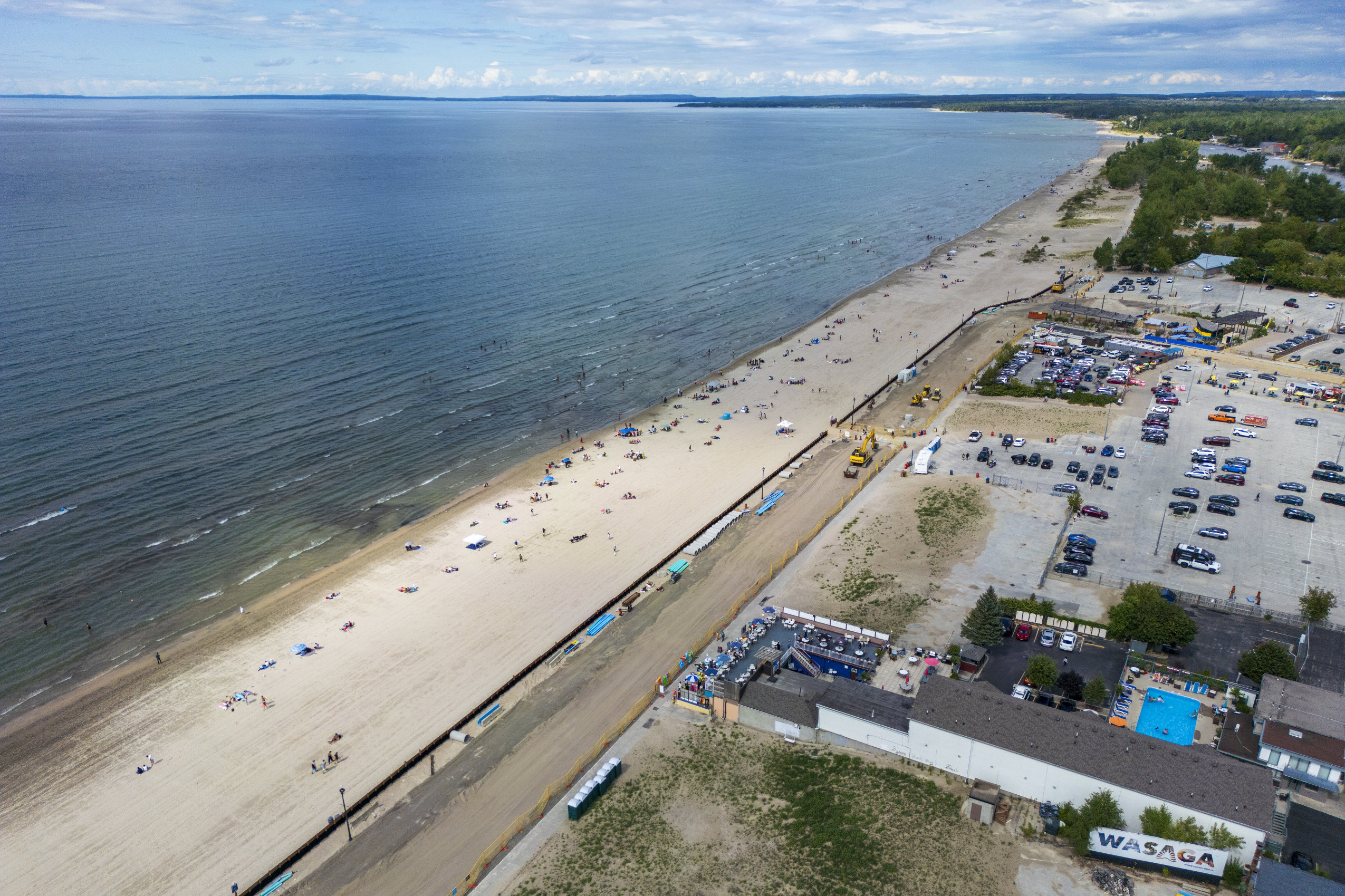
A new study documents a fivefold increase in shoreline armoring along Lake Michigan’s Eastern coast.

From 2014 to 2021, the length of engineered structures built to protect the shore from erosion grew by nearly five times.

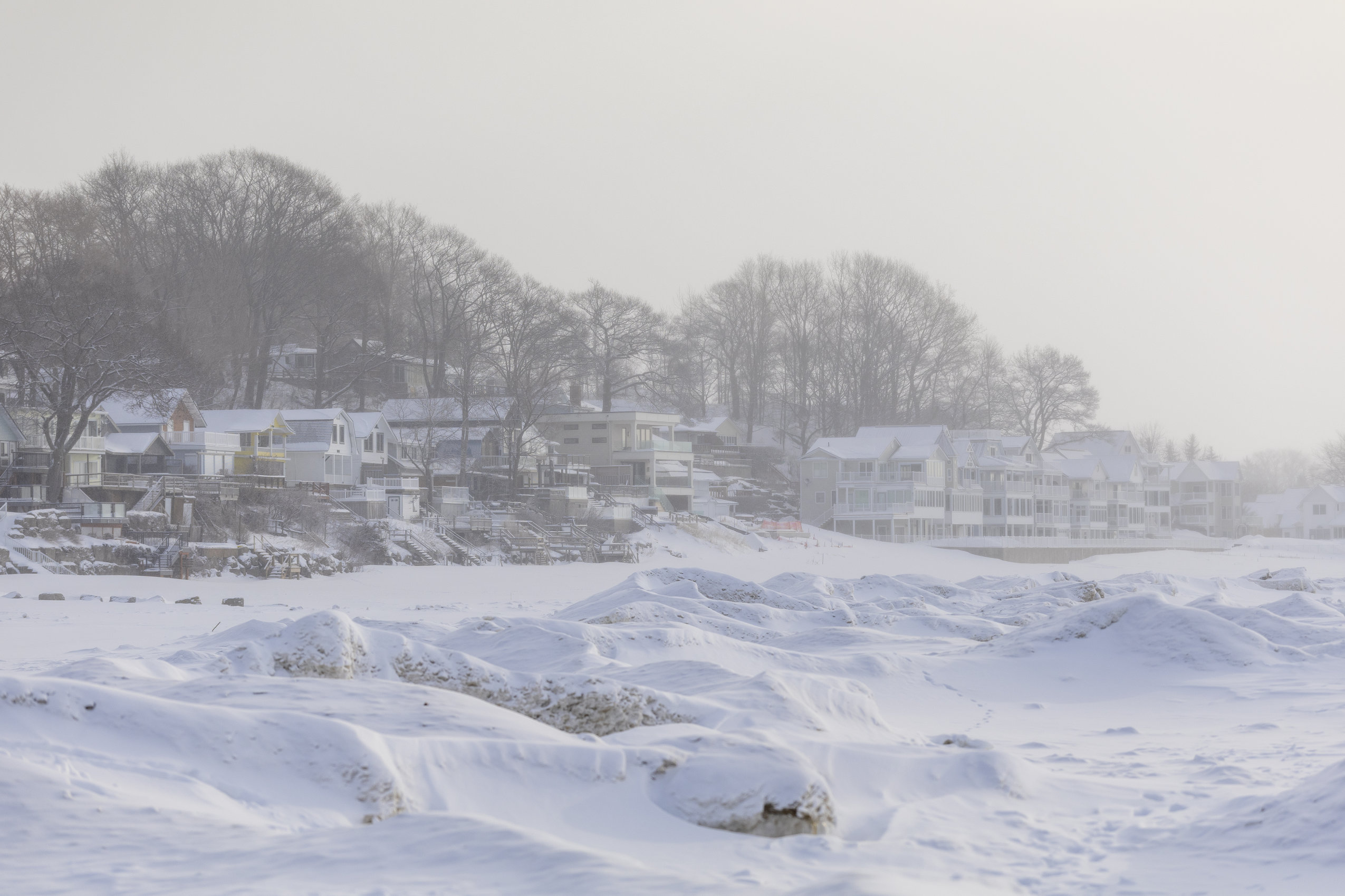
Rising water levels and increased wave activity prompted many coastal communities to install seawalls, rock revetments and other protective structures, the study said.

“Armoring changes how sediment moves within the coastal system and how beaches recover after high lake levels, so we wanted to precisely document the scale of this process,” said Ethan Theuerkauf, the study’s lead author and a professor of geography, environment and spatial sciences at Michigan State University.

Researchers compared shoreline armoring data from 2014, collected by the National Oceanic and Atmospheric Administration, with high-resolution coastal imagery taken in 2021 after the period of peak water levels.

“The goal was not to classify different types of structures but to document the total length of shoreline that had been altered by human activity,” Theuerkauf said. “This provides a foundation for future work that can examine how armoring changes coastal systems.

The analysis revealed a substantial increase in the use of engineered structures along the shoreline.

“We had seen this anecdotally in the field and heard it from communities and agencies: During the period of rising water levels from 2014 to 2020, a large amount of shoreline armoring was installed,” Theuerkauf said.

The study found that the most substantial increase occurred along the southern third of the Lake Michigan coast, where some areas are now almost fully armored. In northern regions, the increase was smaller, but even there new armoring appeared on stretches that had previously remained natural.

“Because there was no updated documentation of how shoreline armoring changed during the period of rising lake levels, decision-makers had very little understanding of the scale of the issue,” Theuerkauf said. Our data can help develop strategies aimed at keeping the Lake Michigan coast as natural as possible while still providing protection where it is truly needed.

One notable example identified by researchers is Chikaming Township in Southwest Michigan’s Berrien County, where hard shoreline armoring is restricted. That area showed substantially lower levels of armoring than in neighboring municipalities.

“This example demonstrates that policies restricting armoring can have a real impact on the character of the shoreline,” said Theuerkauf.

The results of the study, published in the Journal of Great Lakes Research, have implications for shoreline management, Theuerkauf said.

“Homeowners can see how widespread and potentially impactful these practices have become. And government agencies can better understand how permitting decisions influence the functioning of Michigan’s coast,” he said.

Shoreline armoring is a common measure to protect property from erosion. It helps prevent damage to homes, roads and infrastructure. But widespread use of hard structures changes sediment movement along the coast and may affect beach recovery after periods of high water.

Shoreline armoring influences both the ability of beaches to recover after high lake levels and public access to the coast.

The extent of armoring was greater than the research team expected.

“There were places where the shoreline was almost completely armored. And nearly every city or township in Michigan had at least some amount of armoring,” Theuerkauf said.

Particular concern arises in Northern Michigan, where many natural, minimally developed shorelines remain and are important for tourism.

“These are the areas where coastal managers need to be especially careful when making future armoring decisions,” Theuerkauf said.

The researchers are now studying how beaches recover after periods of high water and how shoreline armoring affects this process.

“This work directly informs our research on coastal changes related to shoreline armoring and will help guide future coastal management policy,” Theuerkauf said.

The post Growth in shoreline armoring is reshaping Michigan’s Lake Michigan coast appeared first on Great Lakes Now.

Original Article

Great Lakes Now

Great Lakes Now

https://www.greatlakesnow.org/2026/01/21/growth-in-shoreline-armoring-is-reshaping-michigans-lake-michigan-coast/
Great Lakes Echo

By Danielle Kaeding, Wisconsin Public Radio

This article was republished here with permission from Wisconsin Public Radio.

A new contaminant may threaten the health of America’s national bird.

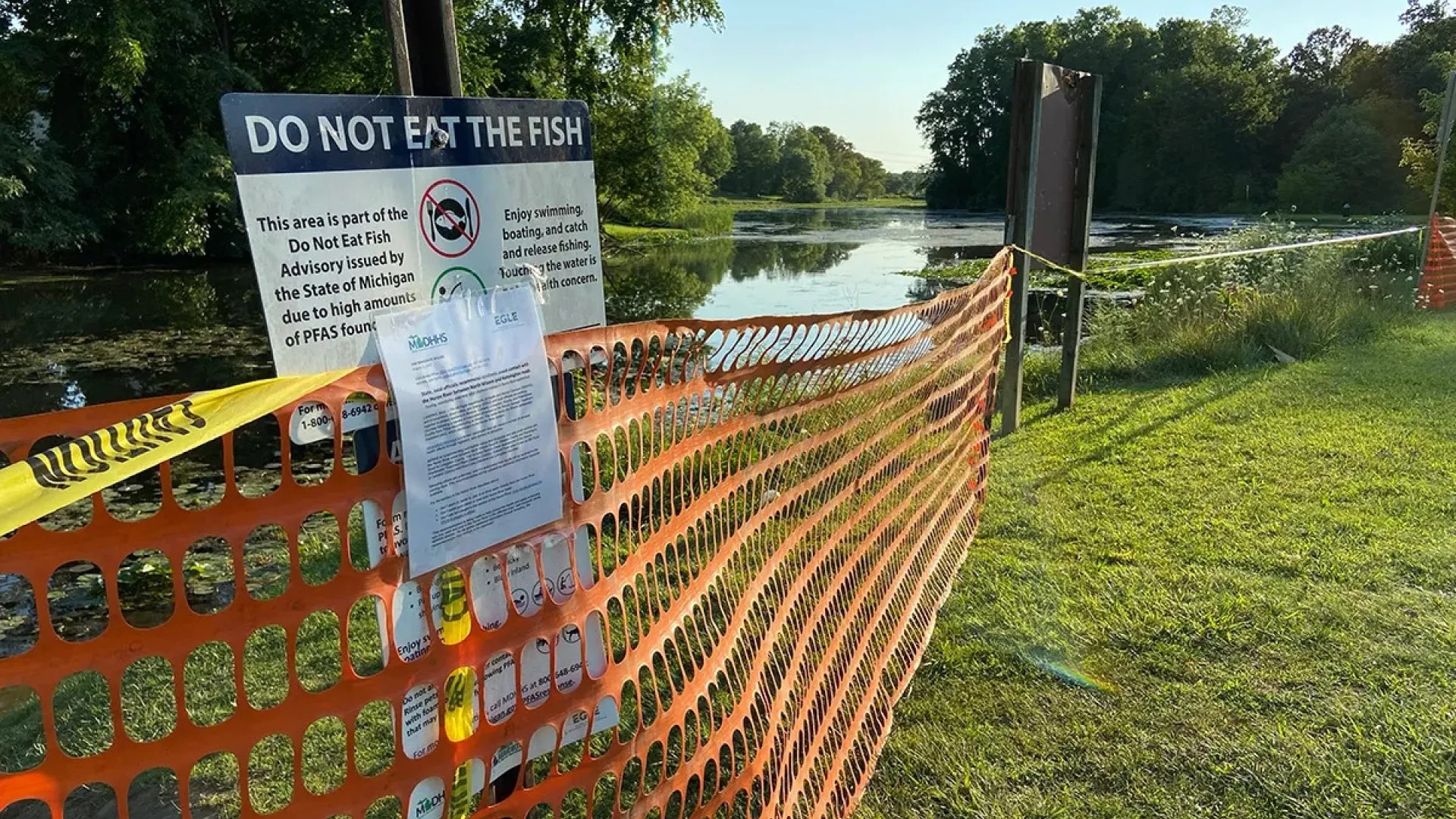
Findings from a long-running project have already shown high levels of PFAS in nestling bald eagles across Wisconsin. Now researchers are looking to gauge the effects on their health.

The Great Lakes Bald Eagle Health Project has been tracking levels of heavy metals and other contaminants in nesting eagles across Wisconsin since 1990. In 2023, researchers at Wisconsin Sea Grant, the Wisconsin Department of Natural Resources and the Field Museum of Natural History in Chicago began collecting blood samples from eaglets along the south shore of Lake Superior and the Apostle Islands. In 2024, they sampled birds in the Green Bay area and Lake Michigan shoreline, as well as along the Wisconsin River from Prairie du Chien to Minocqua last year.

Researchers collected samples from 50 eaglets in each region to better understand the health effects of PFAS on the birds, said Gavin Dehnert, an emerging contaminant scientist with Wisconsin Sea Grant.

“They haven’t left the nest yet, and all of their food source is coming from the parents. So they give us a really good understanding of the contaminants within about a 3- to 5-mile radius of the nest,” Dehnert said.

He and partners on the project worked with a tree climber to collect eaglets that are about 5 to 9 weeks old, which are brought down to the ground for a suite of health checks similar to those conducted by a veterinarian.

Researchers also measured around 40 different PFAS, or per-and polyfluoroalkyl substances, in blood samples. An analysis showed the highest PFAS levels of up to 600 parts per billion in samples taken from birds nesting on the middle portion of the Wisconsin River, from the Rhinelander area to a dam near Sauk City, Dehnert said.

Samples also showed PFOS, one of the most widely studied PFAS chemicals, made up as much as 90 percent of the total PFAS. Dehnert noted fish consumption guidelines advise people not to eat fish that contain PFOS levels above 40 parts per billion.

“Our levels that we’re finding in the eaglets are 10 times higher than that,” Dehnert said.

While eagles aren’t on the dinner menu, the levels indicate significant contamination. Total PFAS levels in the Apostle Islands region ranged from 300 to 400 parts per billion and around 200 parts per billion in the Green Bay area of Lake Michigan.

Emily Cornelius Ruhs, a postdoctoral research scientist with the Field Museum, said blood samples with higher levels of PFAS showed a decline in natural antibody levels and white blood cell counts when exposed to bacteria in a lab. Researchers conducted the test to mimic bacterial or viral infections.

“In those eagles that are highly contaminated with PFAS, what we’re seeing is that some of those immune function markers are out of whack a little bit,” Cornelius Ruhs said.

Even though results show a weaker immune response in the birds, they’re not dropping dead out of the sky, said Sean Strom, the DNR’s fish and wildlife toxicologist.

“But what we’re starting to see is that eagles with higher levels of PFAS may not be as healthy as less contaminated birds,” Strom said.

Researchers fear that may reduce their ability to respond to new infections, such as the H5N1 bird flu. Their findings are in line with studies that show reduced antibody response to vaccines in people who have higher PFAS levels in their blood. The so-called forever chemicals have also been linked to kidney and testicular cancer, as well as reduced fertility in women.

Dehnert and Cornelius Ruhs said their working theory is that PFAS contamination in the Lake Superior region may have stemmed from a 2018 oil refinery explosion in Superior. That’s due to high levels of certain chemicals associated with firefighting foam that contain PFAS.

For the middle portion of the Wisconsin River, they speculate contamination may come from spreading of industrial sludge from paper mills due to a chemical that’s commonly found in nutrient-rich material. Dehnert said they didn’t find a clearcut cause or chemical fingerprint in the Green Bay and Lake Michigan area.

While those theories are plausible, Strom said they’re not proven. He believes contamination probably comes from multiple sources.

Either way, Strom noted that people are eating the same fish the eaglets are consuming. Researchers agree the birds can give researchers a good sense of how PFAS are affecting the health of both wildlife and humans. They hope to finalize and release their findings in the coming months.

Wisconsin Public Radio, © Copyright 2026, Board of Regents of the University of Wisconsin System and Wisconsin Educational Communications Board.

The post High PFAS levels in Wisconsin eaglets may reduce their ability to fend off illness appeared first on Great Lakes Now.

Original Article

Great Lakes Now

Great Lakes Now

https://www.greatlakesnow.org/2026/01/09/high-pfas-levels-in-wisconsin-eaglets-may-reduce-ability-to-fend-off-illness/
Wisconsin Public Radio

This article was republished here with permission from Great Lakes Echo.

By Kyrmyzy Turebayeva, Great Lakes Echo

More than 30 years ago, a group of scientists planted just 4,200 seeds of the rare Pitcher’s thistle (Cirsium pitcheri) in the sandy dunes of the Great Lakes. At the time, no one knew if the new populations would survive.

Today, three decades later, the restored populations are thriving and spreading. This unexpected success became the foundation for a newly published scientific paper in Annals of Botany.

The study was authored by research ecologists with the U.S. Geological Survey Noel Pavlovic and A. Kathryn McEachern, along with conservation scientist Jeremy Fant at the Chicago Botanic Garden, whose genetic research made it possible to view the restoration of the rare plant not only as a field experiment, but as a long-term genetic survival strategy.

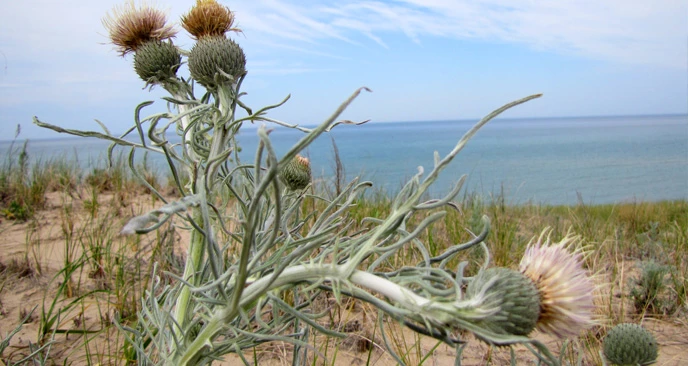
Pitcher’s thistle grows only on the Western Great Lakes sand dunes.

To most visitors, it looks like an ordinary wildflower: a spiky, silvery-green plant with cream-to-light-pink flowers.

To scientists, it represents the fragile coastal ecosystems of the region.

Sand mining, residential development and recreational activities have historically been threats to sand dunes which serve as a natural gateway to the shoreline and protect the coast from erosion.

In the late 1980s, Michigan designated areas along the Lake Michigan and Lake Superior shorelines as “critical dune areas” in an effort to protect these ecosystems.

In 1988, it was listed as threatened by the Fish and Wildlife Service.

“In 1988, I was working as a statistician for the National Park Service at Indiana Dunes National Park,” Pavlovic recalled.

“That’s when graduate student McEachern from the University of Wisconsin joined us,” he said.

“She was exploring research topics on dune ecosystems, and our supervisor suggested that we study Pitcher’s thistle, which was about to be listed as a threatened species. I hired a technician, and the three of us began studying this plant together.”
Once it was federally listed, a recovery team was established with representatives from federal and state agencies. Pavlovic became the team leader, helping shape the official recovery strategy for the species.

That meant Pavlovic was not only studying the plant – he was actively involved in defining how the government might protect it.

The plant became the focus of McEachern’s dissertation and took a job with the National Park Service in California after finishing her doctorate.

“Meanwhile, my colleague, a long-term technician, and I continued monitoring the plants at Indiana Dunes, while McEachern returned nearly every summer to help with field surveys,” Pavlovic said.

In 1994, the team launched a historic reintroduction effort.

They collected 4,200 seeds from 54 maternal lines and planted them at Indiana Dunes National Park – now part of the Portage Lakefront and Riverwalk – across three stages of habitat succession: early sites dominated by bare sand, mid-stage areas with a mix of marram grass and sand, and late successional habitat dominated by little bluestem grass.

“Everything begins at the foredune, where shifting sands are stabilized by marram grass, and Pitcher’s thistle thrives under the same conditions.”

“Farther inland,” he continued, “secondary dunes develop as the sand stabilizes, and over time grasses give way to shrubs and eventually forests.”

“This gradual transformation is known as ecological succession, and we placed our research plots across these different stages to understand how Pitcher’s thistle responds to changing habitats,” he said.

It was not a large number of seeds. And planting was done only during the first year.

After that, no more seeds or plants were introduced, and the scientists stepped back and let nature take over.

“Pitcher’s thistle has a very interesting life history,” Pavlovic explained. “Everything starts from seeds”

“In the first year, a tiny seedling appears. If it survives, the second year it becomes a juvenile plant. Over the next few years it continues to grow.”

“It can flower anywhere between 3 and 8years of age — and then it dies. Unlike many perennials, it only blooms once. It has a single chance to reproduce,” Pavlovic said.

The populations were monitored for more than 30 years, with genetic sampling of both native and reintroduced populations in 2009.

“The populations at Indiana Dunes were small, scattered and genetically vulnerable.We already knew from earlier studies that genetic diversity was especially low in southern Lake Michigan. That’s why we decided to mix seeds from different local populations,” Pavlovic said.

High seedling mortality, limited seed numbers and the risk of losing genetic diversity made failure a real possibility.

“We never expected these populations to survive this long,” he said.

“We used just 4,200 seeds, and seedling mortality was very high. We assumed genetic diversity would collapse. But it didn’t. The plants survived, and the populations began expanding. It’s truly remarkable.”

The two surviving populations, out of three, also showed higher genetic diversity than native populations, showing seed mixing was effective.

The researchers also discovered that deliberately sowing seeds into the sand was more effective than simply scattering seeds across the surface.

“These dunes are home to many unique species, and Pitcher’s thistle is symbolic of these ecosystems,” Pavlovic said.

“ Its flowers provide essential nectar for pollinators, and its seeds feed birds like American goldfinches. Many dune plants were also used by Indigenous peoples for food, dyes and crafts.”

This isn’t just about saving one rare flower — it’s about preserving an entire living landscape,” Pavlovic said.

The post How seeds from the past are saving a unique flower of the Great Lakes appeared first on Great Lakes Now.

Original Article

Great Lakes Now

Great Lakes Now

https://www.greatlakesnow.org/2026/01/02/how-seeds-from-the-past-are-saving-a-unique-flower-of-the-great-lakes/

Great Lakes Echo

By Kelly House, Bridge Michigan

The Great Lakes News Collaborative includes Bridge Michigan; Circle of Blue; Great Lakes Now at Detroit PBS; Michigan Public, Michigan’s NPR News Leader; and The Narwhal who work together to bring audiences news and information about the impact of climate change, pollution, and aging infrastructure on the Great Lakes and drinking water. This independent journalism is supported by the Charles Stewart Mott Foundation. Find all the work HERE.

Changes to Michigan’s energy sector are expected to dominate the headlines in 2026, with big implications for the state’s environment.

From data centers, coal plants and solar arrays to petroleum pipelines and aging dams, energy-related decisions next year that could shape Michigan’s environment for decades to come, affecting everything from which fish can survive in rivers to how quickly the state’s utilities ditch planet-warming fossil fuels. 

Here are the topics to watch:  

Data centers

Swift and secretive dealmaking involving some of the world’s most powerful corporations. 

Vast quantities of money, land and electricity. 

Promises of prosperity from a booming industry, coupled with fears that Michiganders could be left holding the bag in a bust.

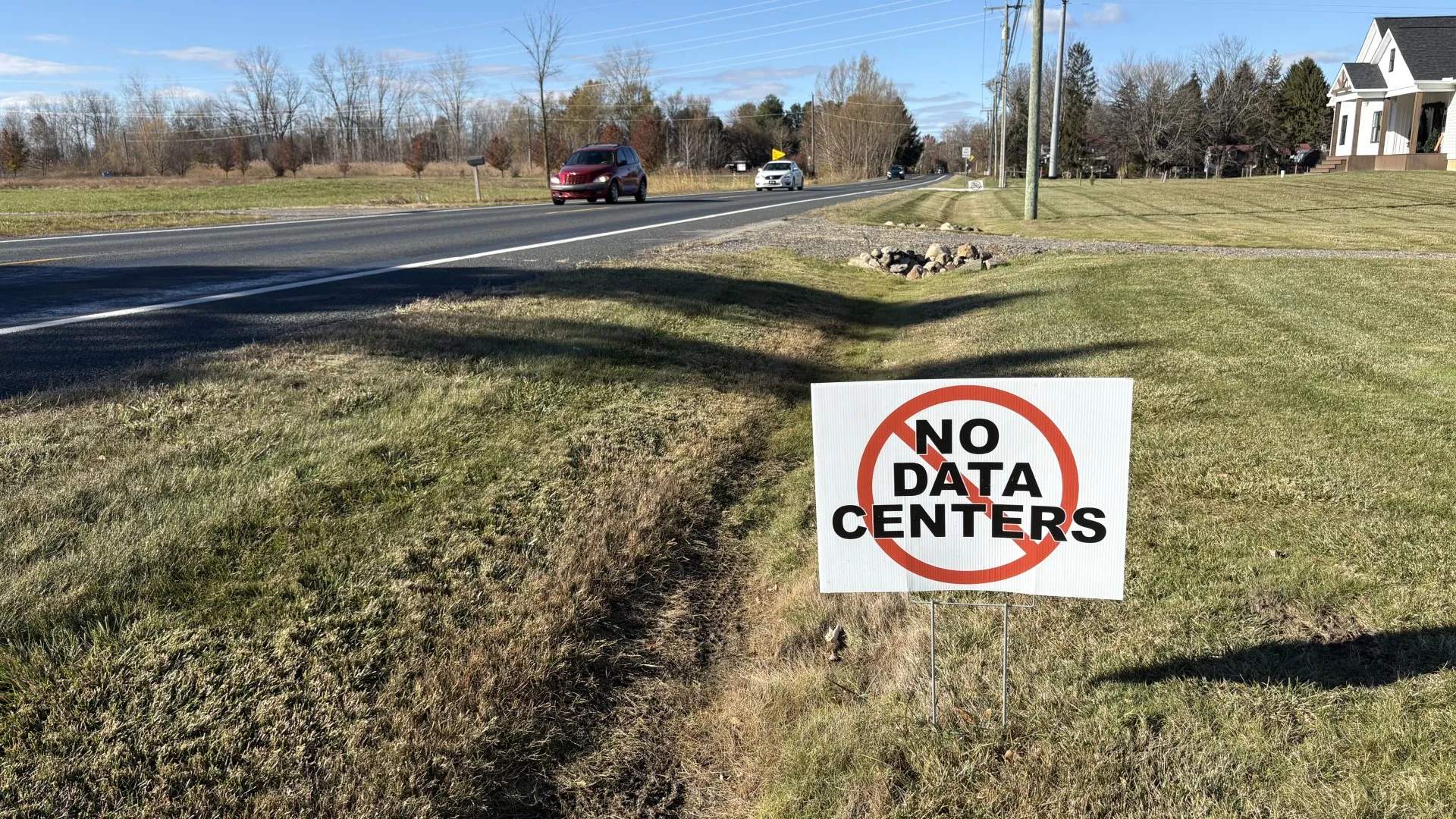
Given those dynamics, it’s no wonder data centers became one of Michigan’s biggest environmental and political issues in 2025. And the debate shows no signs of letting up in 2026.

“It’s not going away,” said Sarah Mills, a land use planning expert at the University of Michigan who advises local officials as they consider how to respond to the data center boom.

“I’m telling you, like, two weeks ago, the priest talked about it at church.”

Tech giants OpenAI, Oracle and Related Digital expect to break ground soon on Michigan’s first hyperscale data center in Saline Township, a milestone hailed by some as a win for Michigan, and maligned by others as an example of corporations railroading communities.

Developers have approached multiple other communities with data center proposals, prompting pushback from neighbors and fears that rapid expansion of the energy and water-hungry industry could imperil Michigan’s environment and drive up utility rates.

Support and opposition blurs party lines. Data center supporters include President Donald Trump, a Republican, and Gov. Gretchen Whitmer, a Democrat. Both contend the facilities are important to state and national economic development and national security interests.

Meanwhile, bipartisan criticism has emerged in response to Michigan’s tax breaks for the industry and regulators’ approval of data center deals with limited public scrutiny. They note that the facilities employ few permanent workers and have overtaxed water and energy supplies in some other data center-heavy states.

Michigan’s two largest utilities, Consumers Energy and DTE Energy, both say they’re in late-stage negotiations to bring on several gigawatts’ worth of new data centers in the near future.

“We’re talking about doubling our entire electricity demand,” said Bryan Smigielski, a Michigan organizer with the Sierra Club. “There’s no way to do that in a sustainable manner.”

The next year will be crucial for both sides, as developers continue to pursue deals and local governments decide whether to grant them access to the land they need to operate.

Michigan’s energy transition

More than two years after state lawmakers passed a law requiring utilities to get all of their power from designated “clean” sources by 2040, Michiganders will get their first glimpse next year at how the largest utilities plan to meet that goal.

Both DTE Energy and Consumers Energy, the monopoly utilities that provide electricity to the vast majority of Michigan households, are scheduled to file so-called integrated resources plans next year with the Michigan Public Service Commission. 

The long-range planning documents spell out how utilities plan to meet demand over the next 20 years. Because of the new climate law, they also must include details about how they’ll invest in clean energy to get off fossil fuels.

Both utilities contend they’re on track to meet the 2040 deadline, along with an interim deadline to reach 50% renewables by 2030. 

But they have a long way to go. Right now, about 12% of Michigan’s in-state electricity generation is from renewable sources.

Concern has emerged recently that growing demand from data centers could make it harder for utilities to make the transition. A single hyperscale facility typically consumes as much power as a large American city.

And at least in the near-term, DTE Energy is planning to power the Saline Township facility largely with fossil fuel energy generated by ramping up production at existing power plants.

“We cannot build renewables fast enough to avoid at least a temporary increase in greenhouse gas emissions” from data centers, said Douglas Jester, managing partner at the energy consulting firm 5 Lakes Energy.

Over the longer term, utilities will need to build even more solar arrays, wind farms or other approved clean energy to meet rising data center demand while still complying with the state’s clean energy law. Adding a single 1 gigawatt data center to the grid would require an extra 10,000 acres of solar arrays if utilities looked to power it exclusively with solar.

That raises big questions about where that energy infrastructure might be built and how utilities will add it to a power grid that’s already facing lengthy interconnection backlogs.

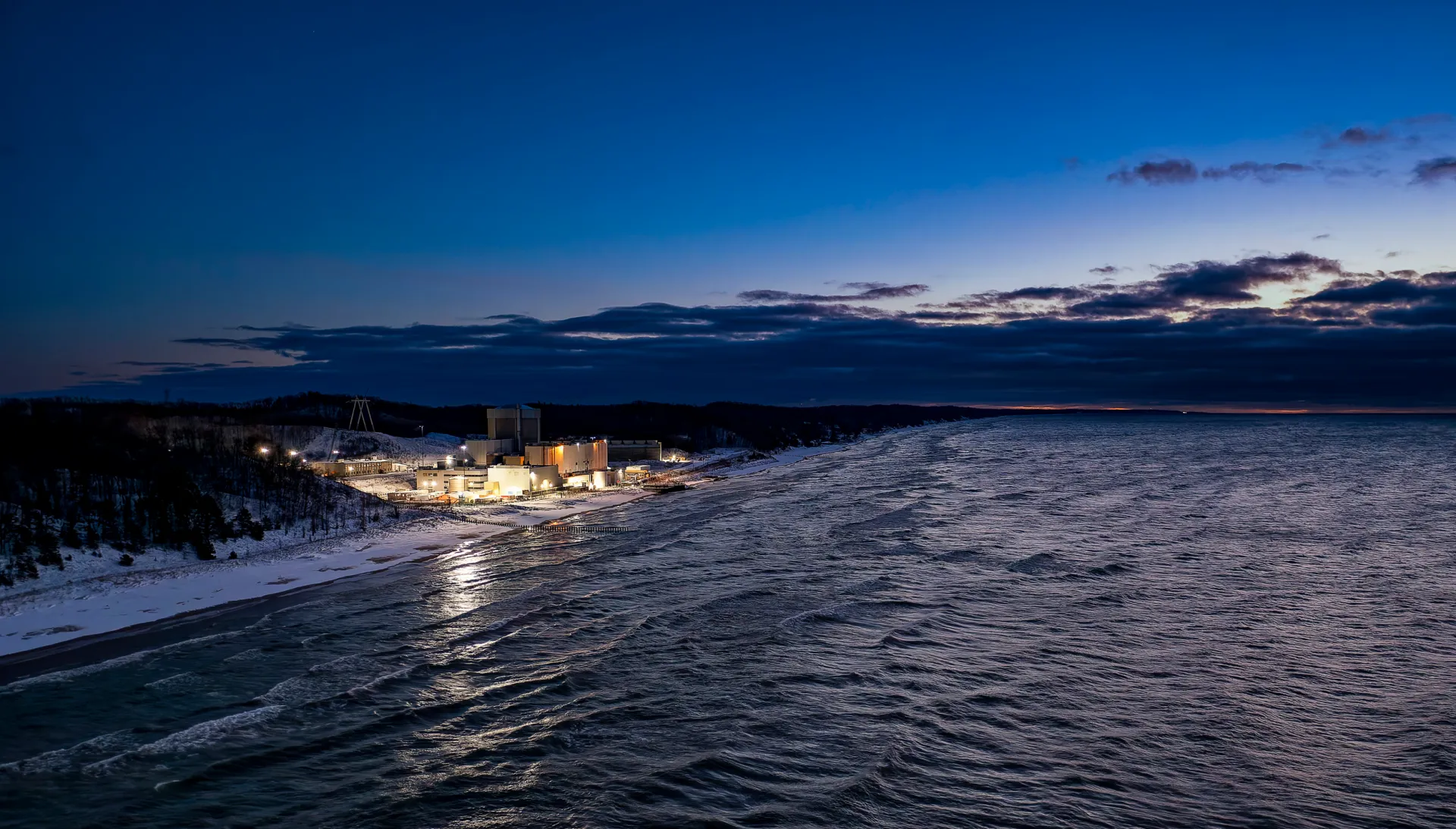
Palisades power plant

Against that backdrop, the Palisades nuclear plant has emerged as a controversial answer to Michigan’s energy supply conundrum.

It seems all but certain that the shuttered facility on Michigan’s southwestern shoreline will reopen in 2026, as the federal and state governments pour money into an effort to boost Michigan’s supply of carbon-free energy during a time of rising demand.

Subsidies for the project now top $3.5 billion. 

A nuclear plant control room
A training facility at the Palisades nuclear plant includes technology dating back to the 1970s, when the plant came online. Nuclear energy proponents want Michigan to be ground zero for an industrywide renaissance. (Kelly House/Bridge Michigan)

The federal government has authorized a $1.5 billion loan plus $1.3 billion in grants to help two rural electric cooperatives buy power from the plant and another $400 million to build additional reactors at the site. Michigan taxpayers have chipped in another $300 million. 

“I’ll keep working with anyone to grow Michigan’s economy and build a more affordable, clean energy future right here in Michigan,” said Whitmer, a supporter of the restart plan. 

Officials with Holtec Energy, the plant’s owner, began refueling the facility in October and say they’re on track to start generating power as soon as year’s end. But as of early December, federal officials were still inspecting the plant and opponents were fighting on multiple fronts to prevent the restart. 

Arguing the promise of emissions-free energy is not worth the risk of reopening a 54-year-old plant that has a history of problems, three anti-nuclear groups filed a November lawsuit contending the restart scheme should never have received regulatory approval.

“They’re making a mockery of safety regulations and even laws,” said Kevin Kamps, a Kalamazoo-based radioactive waste specialist with Beyond Nuclear. His group will likely file additional suits if the Nuclear Regulatory Commission allows the plant to reopen.

And then there’s the issue of what to do with the spent nuclear fuel. The United States still has no permanent storage location for the stuff, so, for now, it’d be held indefinitely in storage casks situated on concrete pads near the Great Lakes shoreline. 

Line 5

After years of delays, cost overruns, lawsuits and political controversy, 2026 could be the year Michigan learns for sure whether Enbridge Energy will build the Line 5 tunnel.

Federal regulators say they’ll decide by spring whether to grant key permits for the proposed concrete-lined tunnel beneath the Straits of Mackinac, where Enbridge has said since 2018 it plans to reroute the petroleum pipeline that currently poses an oil spill risk in the open water of the Straits. 

But this fall, they announced they’re also studying a separate option that would involve drilling a narrow borehole hundreds of feet underground and snaking the pipeline through it.

While pipeline fans and foes await decisions on the federal permit and a separate state permit that Enbridge needs to begin tunnel construction, the US Supreme Court is preparing to issue a key ruling pertaining to Attorney General Dana Nessel’s yearslong effort to shut down the pipeline.

The court will decide which court  — federal or state — should decide whether the pipeline shuts down. 

It may sound insignificant, but onlookers widely agree that a state court is more likely to side with Nessel, while a federal court is more likely to side with Enbridge.

Climate change

So far, Michigan is seeing its most normal winter in years, by historic standards.

Snowpack across much of the state is at or above average, temperatures have been seasonally chilly, and a brave few are already augering fishing holes into the ice as Great Lakes bays freeze over.

Downtown Gaylord
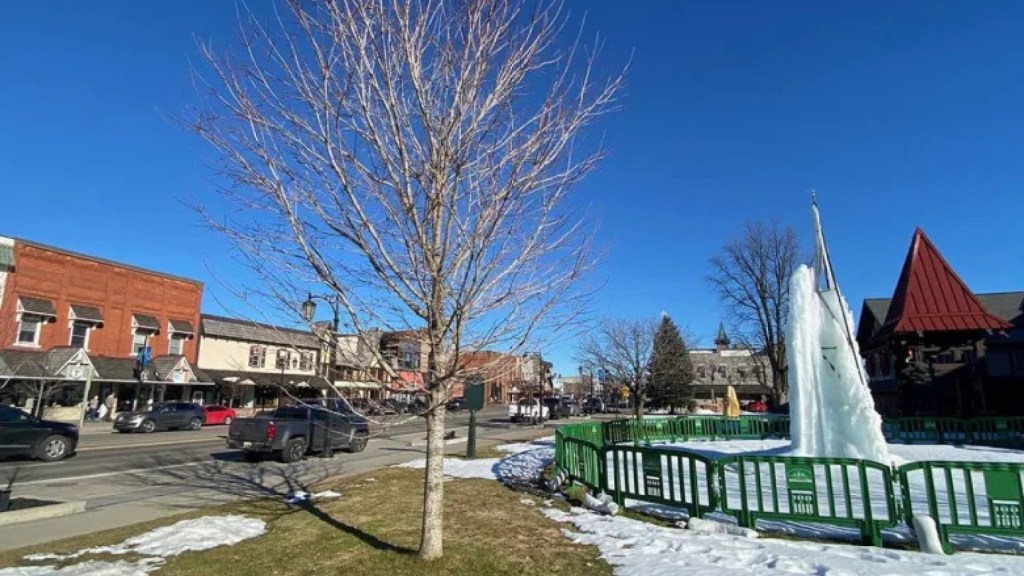
Michigan has endured a string of lackluster winters, including in 2024, when the ice spire outside Gaylord City Hall was rapidly melting on an early February day. (Kelly House/Bridge Michigan)

But the respite from a string of lackluster winters and smoky, hot summers can’t mask the fact that Earth’s atmosphere is steadily warming, with consequences reverberating into the Great Lakes region’s ecosystem.

Bridge has written extensively about how climate change affects Michigan, from lost winter pastimes to disappearing fish and worsening storm damage. It’s impossible to say what sort of climate disruption is in store for Michigan in 2026, but you can bet on more coverage about how the global changes are hitting home locally. 

The post 5 Michigan environment stories to watch in 2026 appeared first on Great Lakes Now.

Original Article

Great Lakes Now

Great Lakes Now

https://www.greatlakesnow.org/2025/12/30/5-michigan-environment-stories-to-watch-in-2026/

Kelly House, Bridge Michigan

By Nina Misuraca Ignaczak, Planet Detroit

This article was republished with permission from Planet Detroit. Sign up for Planet Detroit’s weekly newsletter here.


Lead exposure remains a serious health risk in Michigan, but many residents don’t know whether their water system complies with state rules or whether their service line contains lead.

Utilities must notify customers of sampling results and the presence of lead or galvanized lines. Yet, these notices don’t always reach people — leaving families unsure about their potential exposure and what steps to take.

Depending on where you live in Michigan, you may have recently received updates from your water utility about compliance with state and federal Lead and Copper Rule requirements.

Most utilities completed their annual lead and copper sampling by Sept. 30, and Michigan regulators have since notified communities that exceeded the lead action level. If you live in one of those areas, you should have been told.

Utilities must also notify all residents served by lead, unknown, or galvanized-previously-connected service lines. You should have received this notice last November, and the next round is due by Dec. 31.

Michigan is simultaneously working to remove an estimated 580,030 lead and galvanized service lines statewide. About 11% — roughly 69,891 lines — were replaced from 2021 to 2024. Progress varies by water system, and many still lack complete inventories or are behind on required reporting.

To help residents see the whole picture, Planet Detroit and Safe Water Engineering created the Michigan Lead Service Line Tracker. This statewide dashboard shows how much progress each water system is making in identifying and replacing lead service lines. This guide explains what the dashboard includes, how to use it, how to protect yourself from drinking water risks, and what to do if your community is not keeping pace with Michigan’s Lead and Copper Rule.

The Michigan Department of Environment, Great Lakes, and Energy (EGLE) releases lead sampling data on a separate timeline, so limited information is available: the full set of 2024 compliance results and the 2025 action-level exceedances.

Without a complete 2025 dataset, we chose not to include 2025 sampling results in the dashboard at this time. Stay tuned for future updates as more data becomes publicly available.

Why this matters

Lead exposure remains a major environmental health threat across Michigan. Lead is a well-documented neurotoxin with no safe level of exposure. Even small amounts can affect learning, behavior, and long-term health. Planet Detroit’s reporting has highlighted several statewide concerns:

  • Children face the greatest risk. Lead can harm brain development, lower IQ, and affect attention and learning. Infants who consume formula mixed with contaminated water are particularly vulnerable.
  • Pregnant people are also at higher risk. Lead exposure is linked to high blood pressure, premature birth, miscarriage, and reduced fetal growth.
  • Adults can experience cardiovascular and kidney impacts. Long-term exposure is associated with hypertension, decreased kidney function, and increased risk of heart disease.
  • Exposure often tracks with inequity. Many of the state’s highest concentrations of lead service lines — and some of the slowest replacement rates — are in communities that have faced historic underinvestment.
  • Installation work can temporarily increase lead levels. Disturbing old pipes during replacement can cause short-term spikes, underscoring the need for filters and clear public communication.

Michigan’s 20-year replacement mandate is designed to reduce these risks, but the pace of removal varies, and residents often struggle to get clear information about what’s happening in their communities.

Many drinking water systems still have thousands of known or suspected lead lines, and some continue to exceed state or federal lead limits. Planet Detroit’s reporting has shown:

  • Significant regional differences in replacement speed, with some systems moving quickly and others reporting little to no progress.
  • Inconsistent public notification, including instances where residents weren’t told about lead exceedances, construction schedules, or mandatory notification that a lead or unknown service line serves a home.
  • Higher risks in historically under-resourced communities, where lead lines and aging infrastructure tend to be concentrated.

Checking the dashboard is one of the simplest ways for residents to understand how their water system is performing under Michigan’s 20-year replacement mandate.

How to use the lead service line dashboard

Follow these steps to look up your water system and interpret what you’re seeing.

In the middle, click Search Systems and type the name of your water system — usually a city, township, or regional authority. Select it from the dropdown to open its profile.

2. Review your system’s profile card

Each water system has a standardized card with key information required under Michigan’s Lead and Copper Rule. The card shows:

  • Population Served: The estimated number of people receiving water from the system.
  • Known Lead Lines: Service lines confirmed to be made of lead. These are the highest-priority lines for replacement. Example: 1,999 lead lines.
  • Lines Replaced: The number of lead or galvanized lines that have been removed and replaced with safer materials between 2021 and 2024.
    Example: 96 lines replaced.
  • Galvanized (GPCL)  Lines that are galvanized steel but were previously connected to lead pipe. These are considered “galvanized requiring replacement” under federal rules.
  • Unknown Material Service lines where the material is not yet confirmed. To protect your health, these should be treated as though they are lead until they are confirmed to be a non-lead material.
  • Total to Be Identified and/or Replaced: The combined number of known lead lines, GPCL lines, plus all unknowns that must be resolved through inspection or replacement.
  • Replacement Progress: The percentage of replacements completed between 2021 and 2024. During this four-year period, water systems were required by the Michigan Lead and Copper Rule, as enforced by EGLE, to complete an average of 20% of their total lead service line replacements.
  • Compliance Status: Indicates whether the utility has met state inventory and reporting requirements. Systems that have replaced at least 20% of the required lines between 2021 and 2024 are compliant.

This card is your quick snapshot of how well your water system is doing compared with state requirements and nearby communities.

3. Check the statewide map for context

The map shows systems by color:

  • Green: Compliant
  • Red: Not compliant

If your system appears in red while neighboring systems are green, that may signal slow progress or reporting problems.

4. Look for missing or incomplete data

If the card shows large numbers of unknown materials, low replacement counts, or a noncompliance flag, the system may be struggling to meet Michigan’s 20-year replacement mandate. A large, future project can bring a water utility into compliance.

The sooner the lead pipes are removed, the sooner the residents experience the public health benefits.

What the numbers mean for your household

  • Lead or galvanized lines: These carry the highest risk of lead release, especially during construction or partial replacements.
  • Unknown lines: To protect your health, treat these as lead until they are confirmed to be non-lead materials. Many Michigan systems still have thousands of unknown materials.
  • Low replacement progress: Systems with single-digit progress may struggle to meet Michigan’s 20-year requirement, leaving residents with long wait times and extended exposure to lead in drinking water.
  • Exceedances: If your system exceeds the lead action level, it must accelerate replacement and notify residents.

If your water system has a high proportion of lead or unknown lines, or if you know or think you have a lead service line, request or purchase a certified lead-reducing filter. The Michigan Department of Health and Human Services has some filter distribution programs targeted to specific communities in Michigan. You can also check whether your service line is lead using your utility’s inspection program.


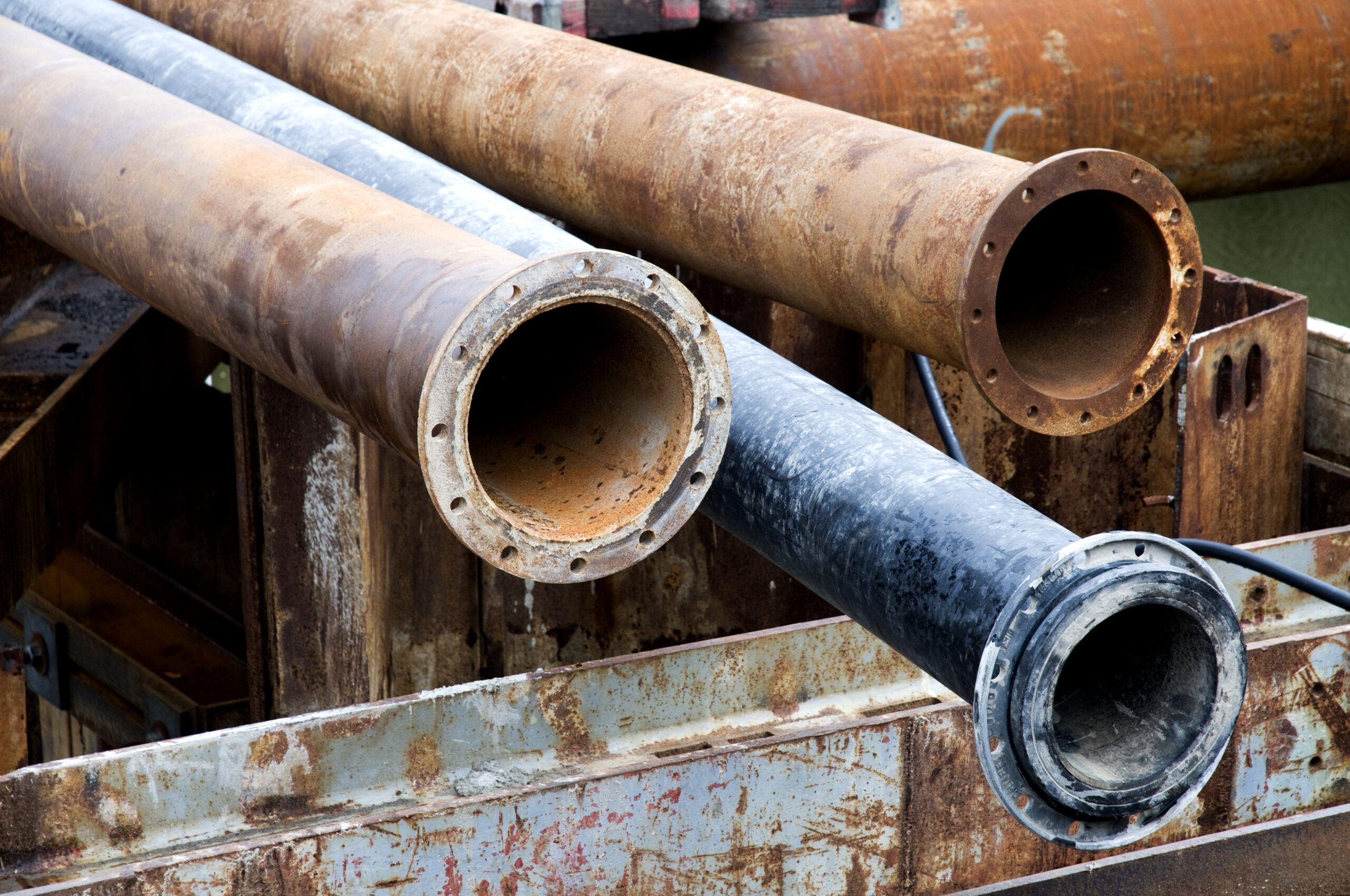
Featured image: Close up shot of some metal pipes. (Photo Credit: iStock)

The post How to check if your Michigan water system is replacing lead pipes appeared first on Great Lakes Now.

Original Article

Great Lakes Now

Great Lakes Now

https://www.greatlakesnow.org/2025/12/10/how-to-check-if-your-michigan-water-system-is-replacing-lead-pipes/

Planet Detroit

By Christian Thorsberg, Circle of Blue

The Great Lakes News Collaborative includes Bridge Michigan, Circle of Blue, Great Lakes Now at Detroit PBS, Michigan Public and The Narwhal who work together to bring audiences news and information about the impact of climate change, pollution, and aging infrastructure on the Great Lakes and drinking water. This independent journalism is supported by the Charles Stewart Mott Foundation. Find all the work HERE.


In early August, days after thousand-year rain fell on southeastern Wisconsin, officials waded through the devastation’s wake — and liked what they saw.

Beyond the overflowing banks of the Little Menomonee River, which surged six feet in less than 10 hours, floodwaters were deep enough to support swimming beavers and waterfowl. On farmland near the northern border of Milwaukee, 70 acres of standing rainwater overtopped boots. Further south, in the town of Oak Creek, another 114 acres of public grassland resembled an aboveground pool.

These inundated sites worked exactly as intended. All were purposefully restored wetlands, which are often called “nature’s kidneys” for their ability to absorb excess water that would otherwise cause harm to infrastructure, homes, and sewage systems during storms.

“Water needs space to expand, to flow,” said Kristin Schultheis, a senior project planner with the Milwaukee Metropolitan Sewerage District (MMSD). “It’s not destructive when it has its room.”

The three locations were recently completed Greenseams projects, a flood mitigation program that acquires and protects undeveloped wetlands. The effort is a testament to a long-standing cohesion of environmental policy, dedicated funding, and sound climate science in Wisconsin.

Over 25 years, Greenseams has applied $30 million in state and federal grants to conserve 5,825 acres of wetlands in the Milwaukee area. Their collective storage capacity totals 3.2 billion gallons of water. Though neither MMSD nor the state Department of Natural Resources (DNR) quantified the role wetlands played in August’s storm, the Union of Concerned Scientists estimate these natural floodplains prevent $4.56 billion each year in flood-related damages in Wisconsin.

“As catastrophic as the flooding was, it would have been so much worse without the investments that MMSD and others have made,” Democratic state Rep. Deb Andraca told Circle of Blue.

Despite these benefits, Wisconsin’s wetland development program is in serious trouble, just as they are in other Great Lakes states. On both the state and federal levels, legislation that safeguards surface waters that produce wetlands is eroding. A lapse in federal disaster assistance means the importance of local, preventive action has never been greater.

This week, wetland protections took an additional, drastic hit on the federal level. The Trump Administration’s EPA and Army Corps of Engineers proposed new rules that would strip protections for up to 85 percent of the country’s wetlands, totaling 55 million acres.

“We’ve forgotten that we have clean water because of the Clean Water Act,” Jim Murphy, the National Wildlife Federation’s senior director of legal advocacy, said in a statement. “This rule would further strip protection from streams that flow into the rivers and lakes that supply our drinking water. The wetlands now at risk of being bulldozed filter our water supplies and protect us from floods.”

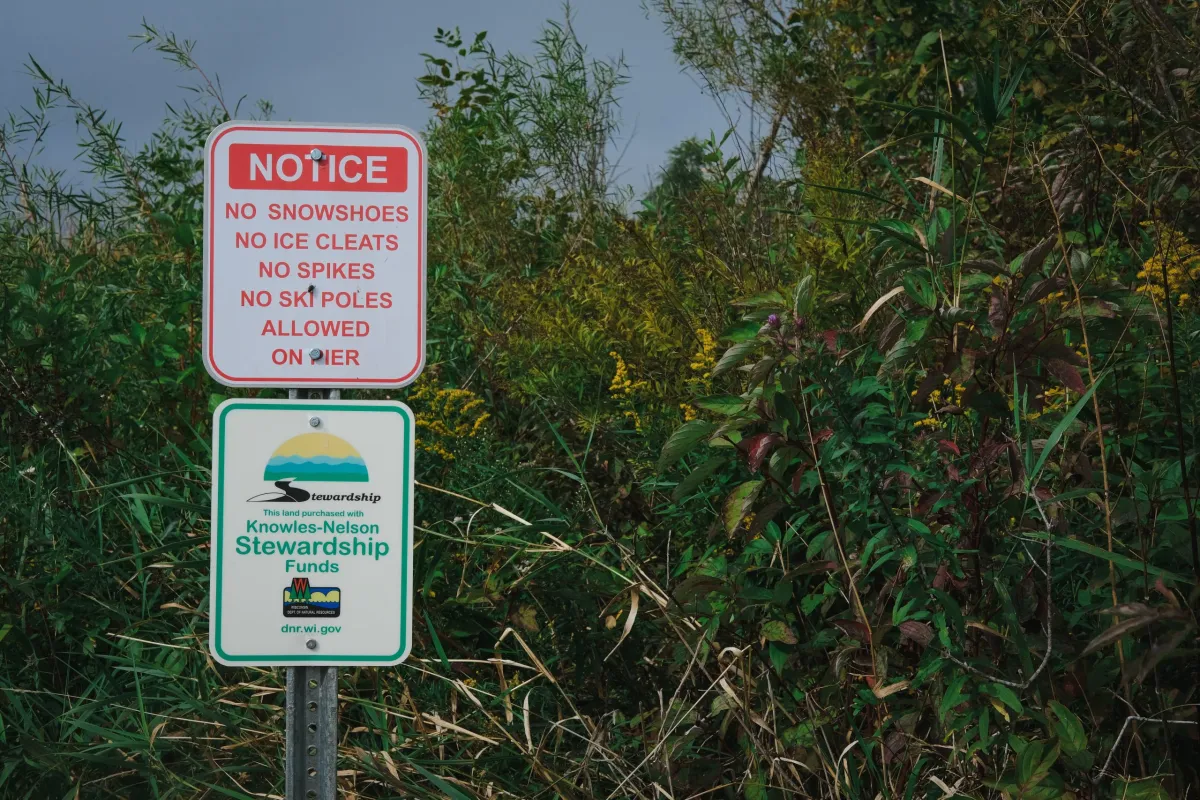
And a funding source in Wisconsin specifically intended to conserve land that can be used to produce new wetlands — called the Knowles-Nelson Stewardship Fund — faces an uncertain future in the state Legislature.

Created in 1989, the state has invested more than $1.3 billion into the stewardship fund. As of 2020, more than 90 percent of Wisconsin residents lived within a mile of property that received Knowles-Nelson investments. A significant portion of these projects have gone to wetland restoration. Of the $30 million MMSD has spent on lands for Greenseams wetlands, $7 million has come from the Knowles-Nelson fund.

But amid ongoing tensions between Gov. Evers, a Democrat, and the Republican-led Wisconsin Senate, the new two-year state budget, signed in July, did not renew the Knowles-Nelson Stewardship Fund.

Both Republican and Democratic lawmakers have introduced dueling bills this legislative session to save the fund, which would otherwise expire in 2026 and leave a massive financial hole for environmental groups.

“It’s just another example of partisanship getting in the way of a project that we know so many Wisconsinites like,” Rep. Andraca said. “I get more mail on Knowles-Nelson than anything else, from people wanting to save it.”

A Wetter Climate Means Future Flooding

Added up, the flurry of changes amount to weakening government support for conserving existing wetlands and developing new ones. It couldn’t come at a worse time. 

Fueled by warmer air lifting water into the atmosphere, climate change is projected by century’s end to dump 6 more inches of annual rainfall on Great Lakes states, according to NOAA data.

In Wisconsin, precipitation has already increased by 20 percent since 1950, and is expected to continue to rise. The likelihood of flooding remains high, with these deluges predicted to come in erratic, concentrated bursts.

But the landscape now is ill-suited to receive more moisture. Across the Great Lakes basin, floodplains have been overwhelmingly filled, to communities’ detriment. Recent damaging floods in IndianaOhio, and Illinois — which have each lost between 85 percent and 90 percent of their own historic wetlands — serve as a costly reminder of this change.

Wisconsin, which has retained roughly half of its wetland cover since pre-colonization, now finds itself at an uncertain tipping point. Decisions made today will affect lives during the next great deluge.

“I think everyone should have a new appreciation for wetlands. We need to recognize that making small investments helps all of us,” Rep. Andraca said. “If we’re cutting back on basic science, staff, and people who have expertise, we’re not going to make smart decisions, and that’s going to impact everyone down the road.”

Communities Left ‘On Their Own’ After Floods

In Milwaukee-area neighborhoods without substantial floodplains, August’s storm and subsequent flash flooding prompted emergency evacuations and swift-water rescues. Crop fields submerged. Cars deteriorated in city lots. Suburban roads were made inaccessible. Nearly 50,000 residences and businesses across six counties lost power.

After the storm, Gov. Evers estimated the flooding had caused at least $33 million worth of home damages alone, with another $43 million accrued in public sector losses. Later that month, he requested $26.5 million in federal assistance.

The governor’s appeals for assistance were denied. The Trump administration has apparently politicized FEMA’s disaster aid programs. In a reversal from earlier commitments made by the Trump administration, FEMA announced in October it would halt all aid for the state the president flipped red in the 2024 election. Of the six counties in need of funds, two — Milwaukee and Door — voted Democrat that year.

“Denying federal assistance doesn’t just delay recovery, it sends a message to our communities that they are on their own,” Evers, who has recently feuded with Trump over immigration policy and other spending cuts, said in a statement.

The denial stands out amidst a backdrop of recently approved flood-assistance packages for Republican-led Missouri, Nebraska, North Dakota, and Alaska.

FEMA “categorically refutes” that their funding follows partisan lines. This month a coalition of 12 states — including Michigan and Wisconsin — filed suit against the agency and Department of Homeland Security for restricting grants, an act amounting to what they say is “an inconsistent patchwork of disaster response across the Nation.”

They also accused the agency of slowly unloading the responsibility of disaster financing solely onto states altogether, a move that magnifies the importance of local momentum for pre-emptive flood mitigation.

“In southeast Wisconsin in particular, this issue exemplifies how the protection or lack of protection in an area can impact such a wide swath of stakeholders,” said Tressie Kamp, assistant director of the Center for Water Policy at University of Wisconsin-Milwaukee.

State and Federal Protections Weaken

For the better part of the last 20 years, wetlands in Wisconsin were doubly protected by both state and federal environmental legislation. But key changes on both levels, in quick succession, have left thousands of acres of floodplains vulnerable to filling.

The first action came in 2018, when the Wisconsin Legislature introduced an exemption in state law allowing for the filling of wetlands that were not protected by the federal government. At the time, this constituted a relatively small amount of habitat in Wisconsin.

But this change had massive consequences just a few years later, when, in 2023, the U.S. Supreme Court significantly rolled-back its definition of federally protected waters. Suddenly, wetlands in Wisconsin and across the country that were not permanently connected to a navigable stream, river, or lake were legally eligible to be filled.

In the two years since this decision, officials in Wisconsin have noted developers taking advantage of its large swath of unprotected areas. “It makes it easier [to fill wetlands] when there’s only one entity regulating it,” said Chelsey Lundeen, the wetlands mitigation coordinator for the Wisconsin DNR.

The U.S. Army Corps of Engineers determines if a wetland is eligible to be filled. According to Joseph Shoemaker, the Corp’s Wisconsin East Branch Chief, Section 404 of the Clean Water Act — which pertains to wetland filling or dredging — is now “the most common reason people request that we review federal jurisdiction over aquatic resources,” he said.

Between 2018 and 2022, the number of acres of wetlands filled steadily rose each year, from 2.5 acres to 40 acres, according to Kamp. This rise is likely to continue, she said, as the Army Corps streamlines their permitting processes.

In January, the matter was addressed with even greater haste when President Trump issued an executive order directing the Corps to speed up its review for filling wetlands, encouraging more development projects.

The southeast region of Wisconsin, which receives the highest number of requests, is particularly vulnerable to these fillings, said Tom Nedland, a wetland identification coordinator with the Wisconsin DNR. “As the state’s largest population center,” he said, “development pressure is high.”

Reliable Funding Sources Disappear

The state’s looming loss of the Knowles-Nelson Stewardship Fund is magnified by the Trump Administration’s freezing and outright cancellation of hundreds of millions of dollars of federal grants for conservation initiatives.

In Ozaukee County, several wetland restoration projects — completed just before August’s historic flooding, supported by the federal Great Lakes Restoration Initiative  — are telling examples of what might be missed during the next great deluge.

Wetlands at Mineral Springs Creek, Mequon County Park and Golf Course, and the Little Menomonee Fish and Wildlife Preserve all showed “proof of concept” this summer, said Andrew Struck, the county’s director of planning and parks.

“We didn’t get any complaints about flooding that we were constantly hearing about,” Struck said. “We retained a good amount of water during that event…so I think we’ve seen that as being very successful.”

But big challenges lay ahead, with potentially devastating consequences. For county neighbors living along Lake Michigan’s shoreline — where unchecked drainage and stormwater runoff are causing erosion and slumping — the future of wetland restoration could very well determine the fate of their properties.

“We’re also trying to do some of this work on private lands,” Struck said. “We have a comprehensive goal of managing the water, and also managing infrastructure. But we face a lot of challenges. Funding is disappearing from the landscape.”


Catch more news at Great Lakes Now: 

Intense rainfall means more floods. What can we do?

This wetland fight could go to the Supreme Court


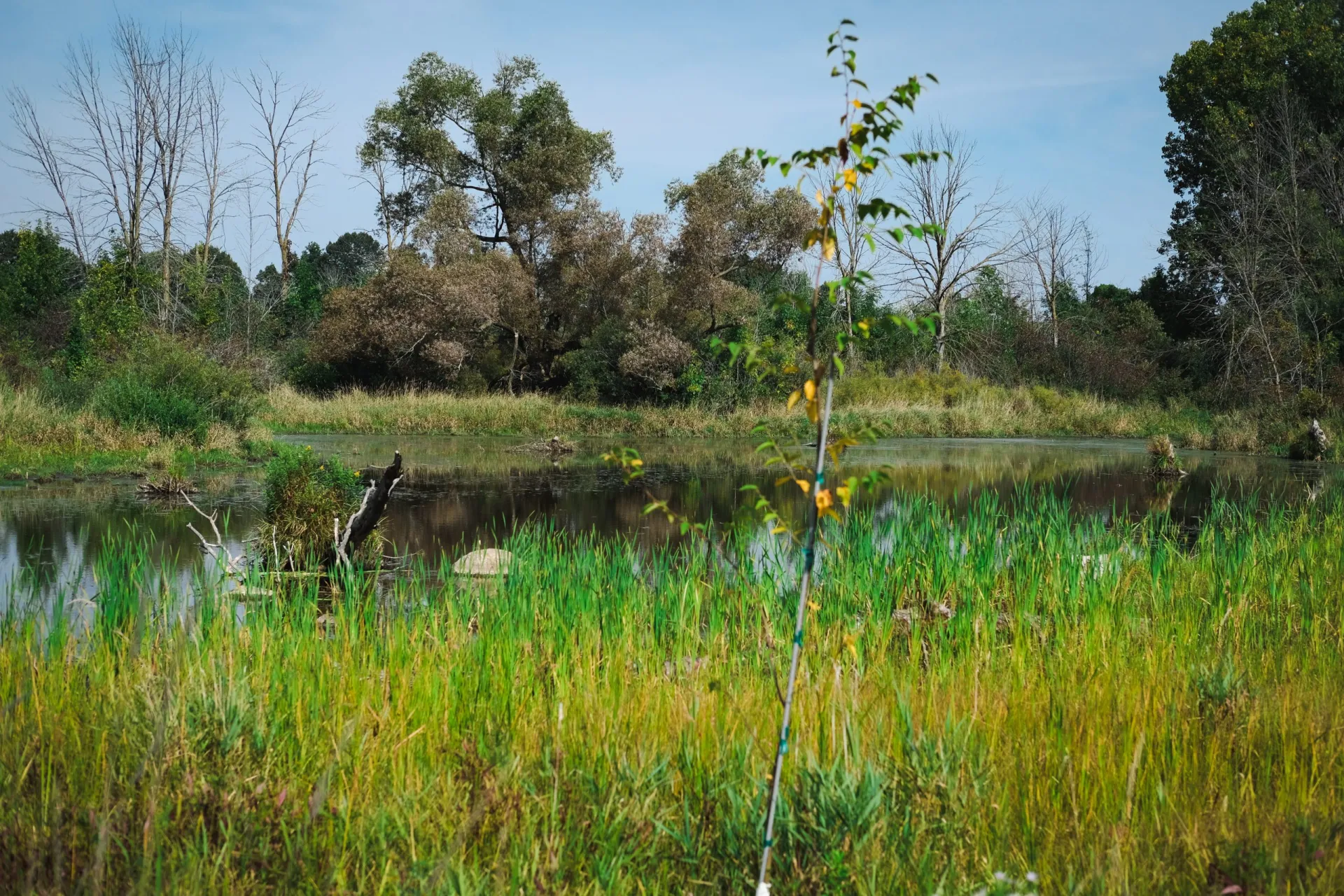
Featured image: Wetlands at Tendick Nature Park in Saukville, Wisconsin. Photo by Christian Thorsberg/Circle of Blue.

The post The Next Deluge May Go Differently appeared first on Great Lakes Now.

Original Article

Great Lakes Now

Great Lakes Now

https://www.greatlakesnow.org/2025/12/09/the-next-deluge-may-go-differently/

Circle of Blue

By Ellie Katz, Interlochen Public Radio

This article was republished with permission from Interlochen Public Radio.


The U.S. Army Corps of Engineers recently revived an alternative to the Line 5 tunnel. The new option was proposed in a supplemental environmental impact statement published by the federal agency last month.

The Army Corps is now proposing to use a technique called horizontal directional drilling, or HDD, which was tabled as an option for replacing the pipeline in 2018. HDD would create a narrow borehole to house the pipeline in the Straits of Mackinac, as opposed to the tunnel that’s been at the center of criticism and lawsuits for several years.

Public comment on the Army Corps’ new proposal is due by the end of the week. An online public comment session on Wednesday went for nearly three hours. The majority of those speaking were against the project, raising fears about a potential oil spill in the Straits of Mackinac and voicing frustration with the new drilling option.

“This proposal before you is a bait and switch,” said Lauren Sargent of Ann Arbor. “We were talking about a tunnel. Now what we’re talking about is essentially fracking technology below the Straits.”

Horizontal drilling is not the same as fracking, but is sometimes used to drill wells for fracking.

Joseph Torres, a business agent for Pipeliners Local Union 798, spoke in favor of the continued operation of Line 5 regardless of the method used to replace it.

“Building this pipeline, whether going through a tunnel or by HDD, is a safer option compared to transporting resources by railcar or truck,” Torres said. “I do believe that maintaining the integrity of Line 5 is crucial and shutting it down will impact citizens and our economy.”

In email to Interlochen Public Radio, an Enbridge spokesperson Ryan Duffy said there is confusion surrounding the new horizontal directional drilling alternative.

“This is not something we proposed,” Duffy wrote. “Nothing has changed on our end, we are still planning to build the tunnel.”

According to an online timeline, U.S. Army Corps expects to issue a decision on the Line 5 project in spring 2026.


Featured image: A view of part of the Enbridge Energy Line 5 pumping station near Mackinaw City, Michigan on the south side of the Straits of Mackinac. (Photo: Lester Graham/Michigan Radio)

The post Tensions flare as Line 5 public comment deadline nears appeared first on Great Lakes Now.

Original Article

Great Lakes Now

Great Lakes Now

https://www.greatlakesnow.org/2025/12/05/tensions-flare-as-line-5-public-comment-deadline-nears/

Interlochen Public Radio